
Architectural Marvels: How Inca Building Techniques Evolved Over Time

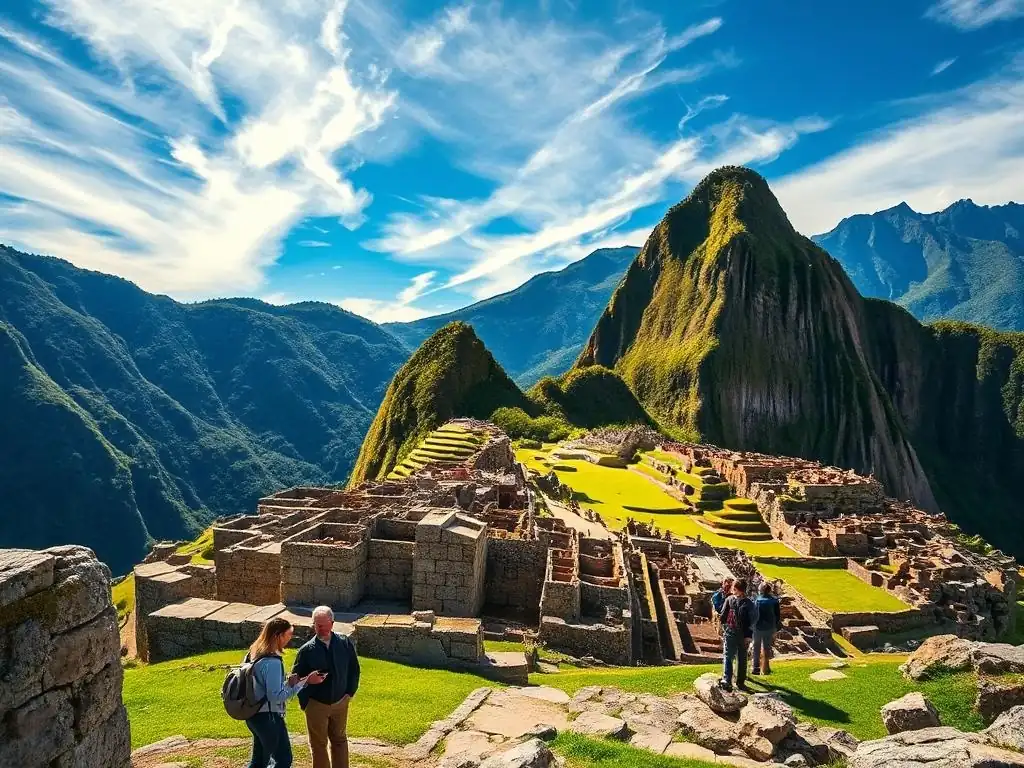
Welcome to Indigenous Civilizations of the Americas, where we invite you to delve into the rich tapestry of cultures that flourished long before European shores were reached. In our featured article, Architectural Marvels: How Inca Building Techniques Evolved Over Time, we uncover the remarkable ingenuity behind the Inca architectural techniques evolution. Discover how these ancient builders transformed their environment and left an indelible mark on the landscape of history. As you explore, you'll find that every stone tells a story—are you ready to uncover the secrets of these architectural wonders?
- Introduction to Inca Architectural Techniques Evolution
- Historical Context of Inca Architecture
- Key Features of Inca Architectural Techniques
- Evolution of Inca Architectural Techniques Over Time
- Iconic Examples of Inca Architecture
- The Cultural Impact of Inca Architectural Techniques
- Conclusion: The Lasting Legacy of Inca Architectural Techniques Evolution
-
Frequently Asked Questions
- What are the key features of Inca architectural techniques?
- How did Inca building techniques evolve over time?
- What role did the environment play in Inca architecture?
- How did Inca achievements in architecture impact future cultures?
- Why is the study of Inca architectural techniques important today?
- Final Reflection: The Enduring Legacy of Inca Architectural Techniques
- Explore the Timeless Art of Inca Architecture!
Introduction to Inca Architectural Techniques Evolution
The Inca civilization stands as one of the most remarkable societies in pre-Columbian America, known not only for its vast empire but also for its incredible architectural achievements. This article delves into the evolution of Inca architectural techniques, exploring how these methods adapted and transformed over time to meet the needs of their growing society.
By examining the enduring legacy of Inca architecture, we can appreciate the ingenuity and resourcefulness that characterized this ancient civilization. From the construction of monumental structures to intricate agricultural terraces, the Inca's architectural prowess was a reflection of their advanced engineering skills and deep understanding of their environment.
Definition of Inca Architecture
Inca architecture is defined by its distinctive features and techniques that were developed to create durable and functional structures. The most notable aspects include:
- Stone Masonry: The Inca are renowned for their precise stone-cutting techniques, which allowed them to fit large stones together without the use of mortar. This method not only enhanced the stability of their buildings but also contributed to their resilience against earthquakes.
- Terracing: To adapt to the rugged Andean terrain, the Inca developed extensive terracing systems that maximized arable land. These terraces were often reinforced with stone walls, showcasing their engineering expertise.
- Urban Planning: Inca cities were meticulously planned, with a focus on efficient use of space and resources. Key features included central plazas, administrative buildings, and religious sites, reflecting the social and political organization of the empire.
Importance of Architectural Techniques in Inca Civilization
The architectural techniques employed by the Inca were not merely functional; they played a crucial role in the civilization's identity and cultural expression. Here are some key points highlighting their importance:
- Cultural Significance: Inca architecture often had religious and ceremonial significance, with structures like Sacsayhuamán and Machu Picchu serving as focal points for cultural practices and community gatherings.
- Social Structure: The layout and construction of buildings reflected the hierarchical nature of Inca society, with elite members having access to more elaborate structures while also ensuring that communal needs were met through shared spaces.
- Technological Advancement: The evolution of architectural techniques demonstrated the Inca's ability to innovate and adapt to challenges, such as the need for water management in the high-altitude Andes and the demands of a growing population.
Understanding the evolution of Inca architectural techniques provides valuable insights into the civilization's ingenuity, societal organization, and cultural practices, making it a vital area of study within the context of Indigenous civilizations of the Americas.
Historical Context of Inca Architecture
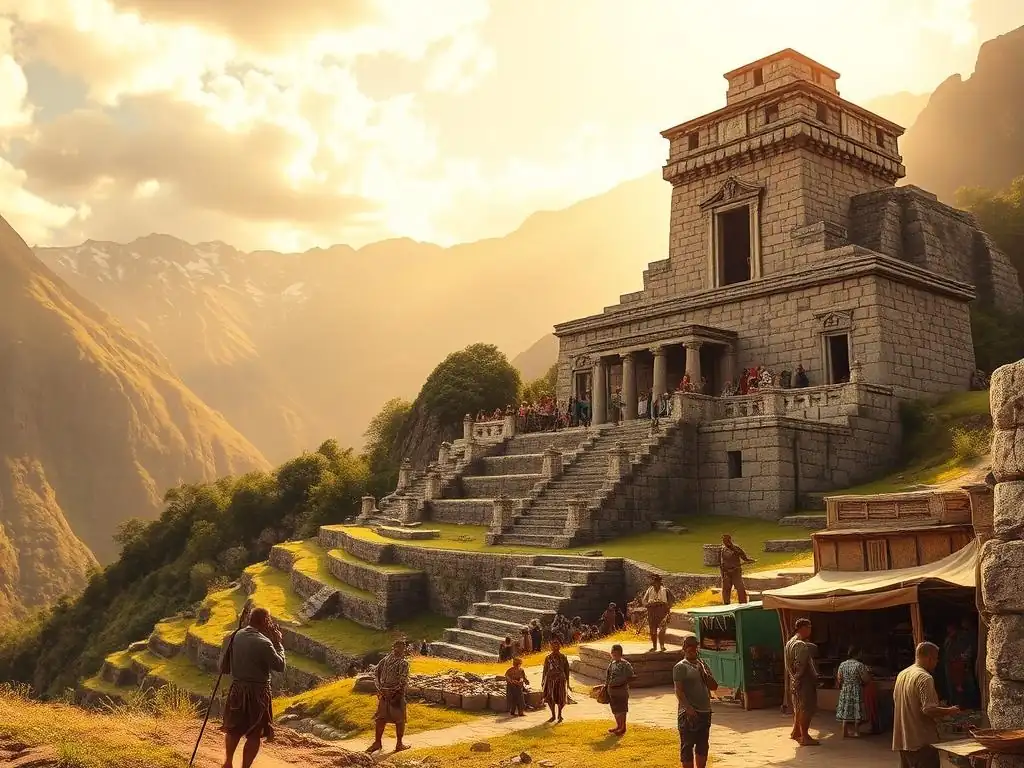
The architectural techniques of the Inca civilization were not developed in isolation; they were deeply rooted in the historical context of the Andes region and built upon the foundations of earlier cultures. Understanding this evolution is crucial to appreciate the sophistication and ingenuity of Inca construction methods.
The Inca Empire, which flourished from the early 15th century until the Spanish conquest in the 16th century, was characterized by its impressive urban planning, monumental structures, and advanced engineering feats. The Incas inherited a rich architectural legacy from various pre-Inca cultures, including the Moche, Nazca, and Tiwanaku, each contributing unique techniques and styles that the Incas adapted and refined.
Overview of Pre-Inca Building Techniques
Pre-Inca civilizations laid the groundwork for the architectural prowess seen in Inca structures. Here are some key features of these early building techniques:
- Moche Civilization (100–800 AD):
- Renowned for their adobe brick construction, the Moche built impressive temples, such as the Huaca del Sol and Huaca de la Luna, using sun-dried bricks and intricate decorative motifs.
- They utilized a technique called wattle and daub, which involved weaving branches and coating them with mud to create robust walls.
- Nazca Culture (100 BC–800 AD):
- Famous for their geoglyphs, the Nazca also constructed substantial ceremonial centers, using stone and adobe.
- Their architectural designs often included subterranean aqueducts, showcasing early engineering skills in water management.
- Tiwanaku Civilization (300–1000 AD):
- Located near Lake Titicaca, the Tiwanaku are known for their massive stone structures like the Akapana Pyramid and the Kalasasaya Temple.
- They employed precise stone-cutting techniques, using large, interlocking stones without mortar, which would later influence Inca construction.
The amalgamation of these techniques and styles provided a solid foundation for Inca architectural innovation, enabling them to adapt and enhance these methods to meet their unique needs and the challenges posed by their environment.
Influence of Geography on Inca Architectural Development
The geographical landscape of the Andes Mountains played a critical role in shaping Inca architectural techniques. The Incas thrived in a region characterized by its diverse topography, including high altitudes, steep slopes, and varying climates. This environment necessitated innovative solutions in construction and engineering.
- Terracing and Agricultural Structures:
- The Incas developed extensive terracing systems to cultivate crops on steep mountain slopes, which minimized soil erosion and maximized arable land. These terraces were often constructed with stone retaining walls, displaying advanced engineering skills.
- Use of Local Materials:
- The availability of stone in the Andes influenced the Inca preference for stone construction. They utilized local granite and limestone, allowing for durable structures that could withstand seismic activity, which is common in the region.
- Urban Planning:
- Inca cities, such as Cusco and Machu Picchu, were meticulously planned to harmonize with the natural landscape. Buildings were strategically placed to optimize sunlight exposure and drainage, demonstrating their understanding of environmental factors.
- Road Networks:
- The Incas built an extensive network of roads and bridges to connect various parts of their empire, facilitating trade and communication. These structures were engineered for durability, often incorporating suspension bridges made of natural fibers and stones.
The evolution of Inca architectural techniques was significantly influenced by historical precedents and geographical factors. The synthesis of pre-existing building methods and the innovative adaptations to their environment culminated in extraordinary architectural accomplishments that defined the Inca civilization and left a lasting legacy in the Americas.
Key Features of Inca Architectural Techniques
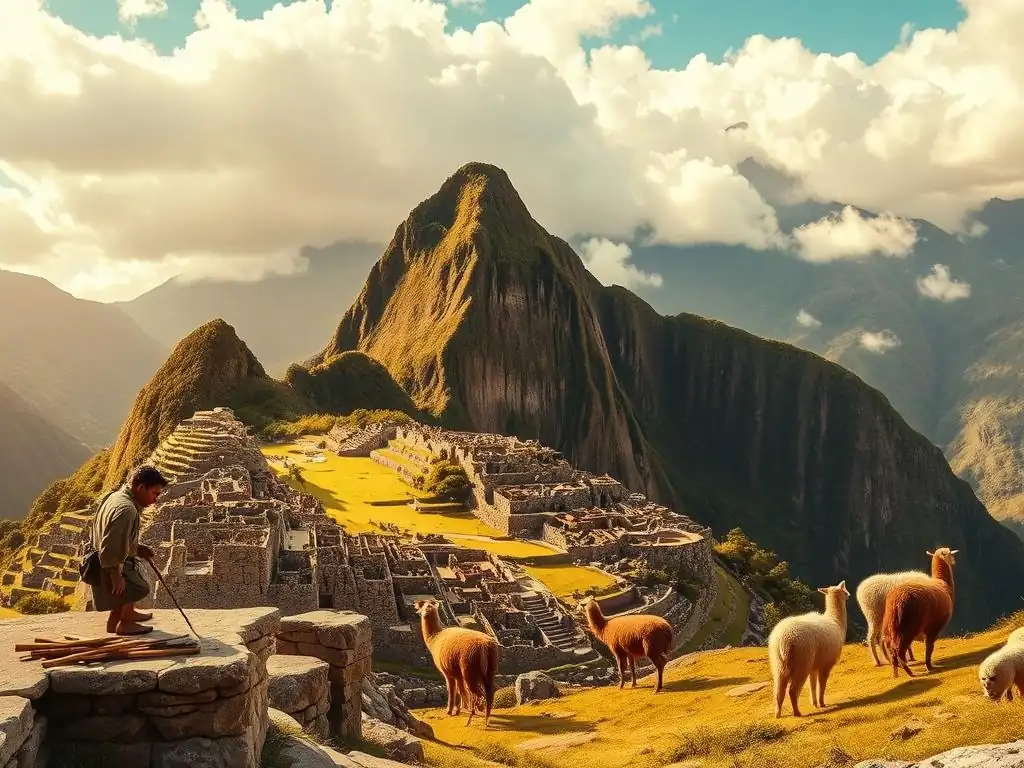
The architectural techniques employed by the Inca civilization are remarkable not only for their durability but also for their adaptability and the ingenuity displayed in their construction methods. These techniques evolved over time, reflecting the changing needs of society, advancements in technology, and a deep understanding of the local environment. Below, we delve into the key features that define Inca architectural techniques, highlighting their significance and impact.
Use of Local Materials in Inca Architecture
One of the most striking aspects of Inca architectural techniques is their emphasis on utilizing local materials. The Incas demonstrated a profound understanding of their environment, sourcing materials that were readily available in their immediate surroundings. This practice not only ensured sustainability but also facilitated the construction of robust structures.
- Stone Types: The Incas primarily used granite, limestone, and sandstone due to their abundance in the Andean region. For instance, the famous Sacsayhuamán fortress in Cusco is constructed from massive granite stones, some weighing over 100 tons.
- Adobe and Thatch: In areas where stone was less accessible, such as the coastal regions, the Incas turned to adobe (sun-dried mud bricks) and thatch for their buildings. These materials were well-suited for the warmer climate, demonstrating the adaptability of Inca architecture.
- Integration with Environment: The Incas also designed their structures to harmonize with the landscape. For example, they built terraces to both cultivate crops and stabilize the soil along steep slopes, showcasing a holistic approach to architecture and agriculture.
The Role of Stone Masonry in Inca Constructions
Stone masonry was a hallmark of Inca architectural techniques, characterized by its precision and durability. The Incas developed sophisticated methods for shaping and fitting stones, which allowed them to create structures that have withstood the test of time.
- Ashlar Masonry: The Inca employed a technique known as ashlar masonry, where stones are cut and fitted together without the use of mortar. This technique not only provided aesthetic appeal but also enhanced the structural integrity of buildings. The tight joints between stones helped to distribute seismic forces, making Inca buildings more resilient to earthquakes.
- Complex Joinery: Inca stonemasons utilized complex joinery techniques, including the use of interlocking stones. This method involved shaping stones to fit together seamlessly, which contributed to the stability of structures like temples and fortresses.
- Cultural Significance: The intricate stonework of Inca constructions often carried cultural and religious significance. For example, many religious buildings featured elaborate carvings and alignments with celestial events, showcasing the Incas' advanced understanding of astronomy and their spiritual beliefs.
Innovations in Inca Construction Methods
The Inca civilization was not static; it evolved over time, leading to numerous innovations in construction methods that reflected their growing complexity and societal needs.
- Terracing and Agricultural Integration: As the Incas expanded their agricultural practices, they developed terracing techniques that allowed them to farm on mountainous terrain. These terraces not only maximized arable land but also reduced erosion, showcasing their innovative approach to agriculture and architecture.
- Road Systems and Transportation: The construction of extensive road networks facilitated the transport of materials and goods, which in turn influenced architectural development. The Incas built bridges and pathways that connected remote areas, enabling them to source materials from various regions for their architectural projects.
- Adaptive Reuse of Existing Structures: The Incas often adapted and repurposed existing structures from earlier cultures, integrating them into their architectural framework. This practice not only demonstrated respect for previous civilizations but also allowed them to build upon established techniques and knowledge.
The evolution of Inca architectural techniques is a testament to their resourcefulness and adaptability. By harnessing local materials, mastering stone masonry, and innovating construction methods, the Incas created enduring structures that continue to captivate and inspire.
Evolution of Inca Architectural Techniques Over Time
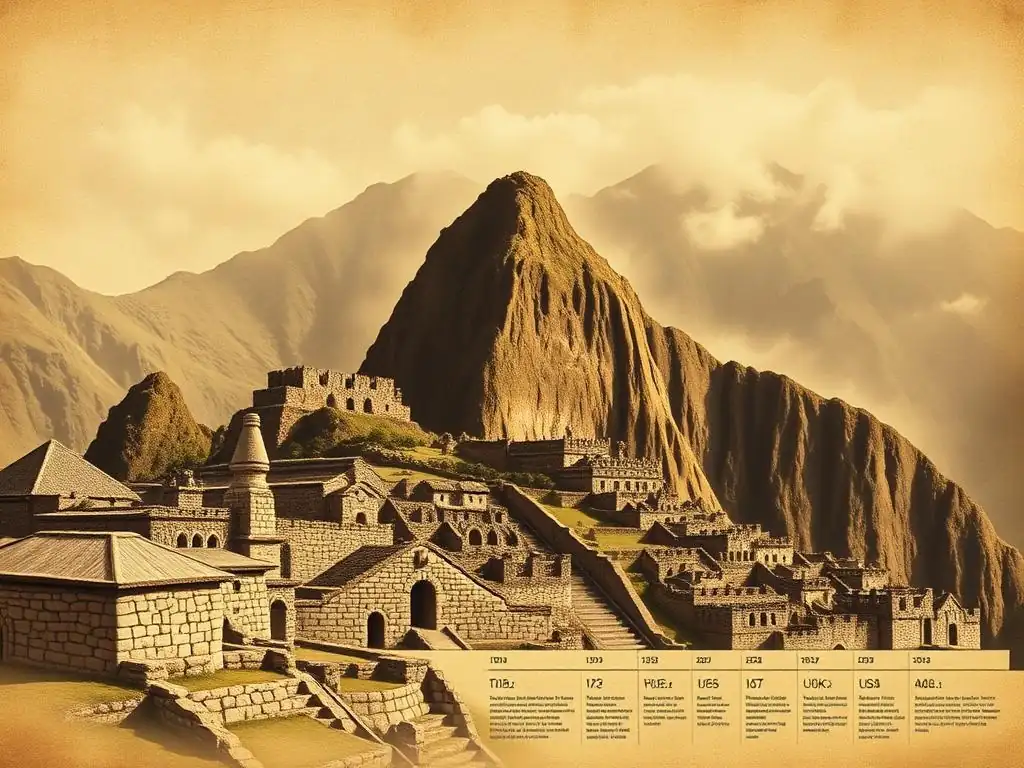
The evolution of Inca architectural techniques is a fascinating journey that reflects the ingenuity and adaptability of one of the most remarkable civilizations in the Americas. Throughout their history, the Incas developed a unique architectural style that not only served functional purposes but also demonstrated their cultural values and technological advancements. This section delves into the various phases of Inca architecture, highlighting significant developments and innovations over time.
Early Inca Structures: Beginnings of Architectural Innovation
Inca architectural techniques began to take shape during the early period of their civilization, roughly from the 12th to the early 15th century. The initial structures were primarily utilitarian, built using locally sourced materials such as adobe, stone, and wood. Key features of these early buildings include:
- Simple Designs: Early Inca structures often featured basic rectangular shapes with thatched roofs, primarily used for residential and agricultural purposes.
- Community Centers: As the Inca society began to organize, they constructed larger communal buildings, which served as gathering places for rituals and administrative functions.
- Terracing: The Incas pioneered the use of terracing to prevent soil erosion and maximize arable land in the mountainous regions. This technique laid the groundwork for more complex architectural developments.
The combination of these techniques marked the inception of Inca architecture, setting the stage for subsequent advancements as the civilization expanded.
The Middle Period: Advancements in Inca Building Techniques
The middle period, spanning the late 15th to the early 16th century, saw significant advancements in Inca building techniques as the empire grew and centralized authority emerged. Several key developments characterized this era:
- Use of Large Stones: The Incas began to utilize massive stone blocks, often quarried from nearby mountains. This shift not only provided structural stability but also improved the aesthetics of their buildings.
- Masonry Techniques: The introduction of precise masonry techniques, including the use of interlocking stones, eliminated the need for mortar. This innovation enhanced the durability of structures, allowing them to withstand earthquakes—a common occurrence in the Andean region.
- Infrastructure Expansion: This period also marked the construction of extensive infrastructure, including roads, bridges, and agricultural terraces. Notable examples include the Qhapaq Ñan (Inca Road System), connecting various regions of the empire and facilitating trade and communication.
These advancements demonstrated the Incas' ability to adapt their architectural practices to meet the demands of an expanding empire and a diverse geography.
The Late Period: Sophisticated Architectural Achievements
The late period, from the early to mid-16th century, witnessed the peak of Inca architectural sophistication. During this time, the Incas created some of their most iconic structures, characterized by:
- Complex Urban Planning: Cities like Cusco were meticulously planned, featuring a grid layout and distinct zones for residential, administrative, and religious purposes. The Sacsayhuamán fortress exemplifies this phase, showcasing the Incas' skill in large-scale construction.
- Religious and Ceremonial Structures: The construction of grand temples, such as the Coricancha (Temple of the Sun), highlighted their architectural prowess and religious devotion. These structures often incorporated intricate carvings and were aligned with astronomical events.
- Innovative Roof Designs: The late period also saw the development of advanced roofing techniques, utilizing thatch and wooden beams to create larger interior spaces without the need for columns.
The culmination of these achievements reflects the Incas' mastery of architectural techniques, which not only reinforced their cultural identity but also ensured the longevity of their monumental structures.
The evolution of Inca architectural techniques is a testament to their adaptability, ingenuity, and cultural significance. From humble beginnings to sophisticated urban centers, the Incas left an indelible mark on the architectural landscape of the Americas, influencing future generations and continuing to inspire awe today.
Iconic Examples of Inca Architecture
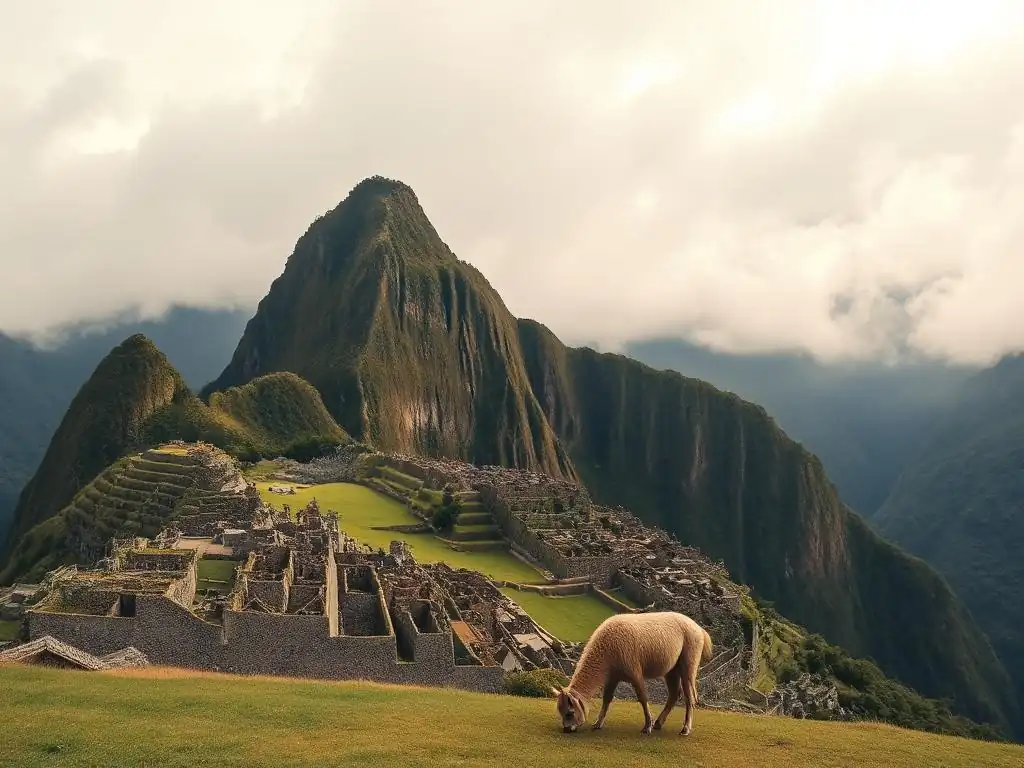
The Inca civilization, renowned for its impressive architectural feats, utilized a variety of techniques that evolved over time. This evolution is evident in several iconic structures that showcase their ingenuity and adaptability in responding to environmental challenges and societal needs. Below, we explore three significant examples of Inca architecture that illustrate the evolution of their building techniques.
Machu Picchu: A Pinnacle of Inca Building Techniques
Machu Picchu, often regarded as the crowning achievement of Inca architecture, is a stunning example of how the Incas harmonized their structures with the surrounding landscape. Built in the 15th century, this "Lost City of the Incas" showcases several advanced architectural techniques that highlight the evolution of Inca engineering.
- Terracing and Agriculture: The Incas constructed extensive terraces to cultivate crops. These terraces not only enhanced agricultural production but also helped in soil conservation and erosion control. The terracing techniques employed included:
- Step terraces: Built into the hillside to maximize arable land.
- Irrigation systems: Ingeniously designed channels that directed water to crops.
- Stone Masonry: The precision of stone cutting is one of the hallmarks of Inca architecture. At Machu Picchu, stones were shaped to fit together without the use of mortar, creating a resilient structure that could withstand seismic activity. The techniques included:
- Ashlar masonry: Stones were carefully carved to achieve a perfect fit.
- Interlocking stones: A method that provided stability and strength.
- Integration with Nature: The layout of Machu Picchu reflects an understanding of the environment. Structures such as temples and residential areas were oriented to align with astronomical events, indicating a sophisticated knowledge of astronomy and geography.
Sacsayhuamán: Significance of Its Construction Techniques
Sacsayhuamán, located near Cusco, is another monumental site that exemplifies the Inca's architectural prowess. This fortress complex not only served a military purpose but also held significant cultural importance. The construction techniques used in Sacsayhuamán reveal the evolution of Inca engineering practices:
- Large Stone Blocks: The site is famous for its massive stone walls, some blocks weighing over 100 tons. The techniques involved:
- Quarrying and Transportation: Stones were quarried from nearby sites and transported using a combination of manpower and ingenious sledging techniques.
- Precision Fit: The stones were shaped to fit each other tightly, which enhanced the structure's durability against earthquakes.
- Terraced Walls: The walls of Sacsayhuamán exhibit a stepped design, providing both aesthetic appeal and structural integrity. This technique:
- Dispersed Stress: The stepped construction helped to distribute the weight of the heavy stones effectively.
- Enhanced Drainage: The design facilitated water runoff, preventing erosion and structural damage.
- Cultural Symbolism: The layout and orientation of Sacsayhuamán reflect Inca cosmology and their connection to the land. The site included ceremonial spaces, emphasizing the role of architecture in the spiritual life of the Incas.
Ollantaytambo: Reflection of Evolving Inca Architectural Practices
Ollantaytambo is a remarkable example of how Inca architectural techniques evolved to meet both practical and ceremonial needs. This site served as a military stronghold and a religious center, showcasing a blend of functionality and spirituality.
- Terracing: Similar to Machu Picchu, Ollantaytambo features extensive agricultural terraces. These terraces were not only used for farming but also served to stabilize the steep mountainsides. The techniques involved:
- Integrating Agriculture: Terraces supported diverse crops, contributing to the local economy.
- Water Management: The design included channels for effective irrigation.
- Temple Complex: The Temple of the Sun at Ollantaytambo demonstrates the Incas' advanced masonry skills and their evolving religious architecture. Key features include:
- Monolithic Stones: The temple is constructed from large stone blocks, showcasing the Inca's ability to manipulate massive stones.
- Astronomical Alignments: The temple's orientation reflects the Incas' deep understanding of astronomy, aligning with the solstices.
- Urban Planning: Ollantaytambo is one of the few remaining examples of Inca urban planning. The layout of the town illustrates:
- Strategic Defense: The positioning of structures on elevated ground provided a tactical advantage.
- Community Organization: The arrangement of residential areas around central plazas reflects social organization and communal life.
Through these iconic examples, we can see how Inca architectural techniques evolved over time, adapting to environmental challenges and reflecting the civilization's cultural and religious values. The ingenuity displayed in Machu Picchu, Sacsayhuamán, and Ollantaytambo not only highlights the sophistication of Inca engineering but also their enduring legacy in the architectural history of the Americas.
The Cultural Impact of Inca Architectural Techniques
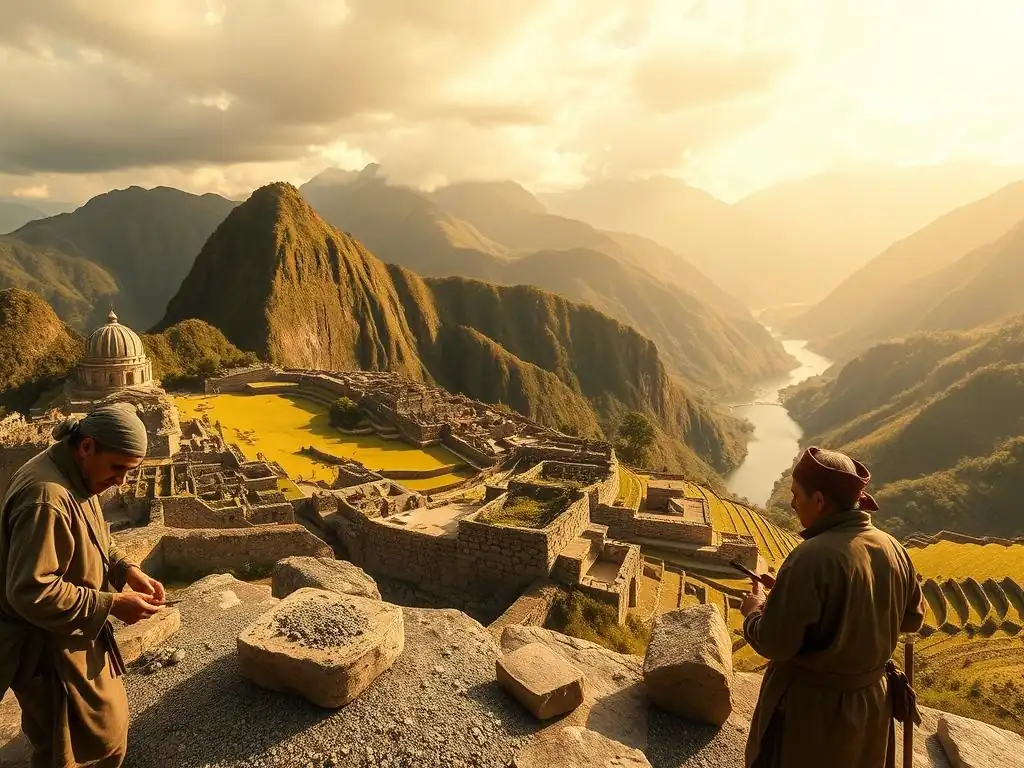
The architectural techniques developed by the Inca civilization were not only functional but also deeply intertwined with their cultural identity and social structures. The Inca were masters of stone construction, utilizing their unique environment to create structures that harmonized with the landscape. Their innovations in engineering, such as the use of finely cut stones and advanced agricultural terraces, reflect a sophisticated understanding of both architecture and the natural world.
How Inca Architecture Influenced Later Civilizations
The influence of Inca architectural techniques is evident in various subsequent South American societies. Following the decline of the Inca Empire in the 16th century, many architectural elements were adopted and adapted by the Spanish colonizers, who integrated local building methods with European styles. This fusion resulted in the development of colonial architecture characterized by:
- Use of Local Materials: The Spanish utilized the Inca's adeptness with local stone, leading to the construction of cathedrals and public buildings that incorporated Inca stonework.
- Terracing Techniques: The terracing methods perfected by the Incas for agriculture were later employed in colonial land management, showcasing the adaptability of these techniques.
Moreover, the meticulous planning of Inca cities, such as Machu Picchu and Cusco, provided a blueprint for urban development in the Andes region. The grid layout and strategic placement of buildings in relation to the surrounding landscape served as inspiration for later urban planners.
Preservation and Legacy of Inca Building Techniques Today
Today, the legacy of Inca architectural techniques is evident in ongoing preservation efforts and archaeological studies. Many sites, including Machu Picchu, are recognized as UNESCO World Heritage Sites, emphasizing the importance of safeguarding these cultural treasures. Key aspects of this legacy include:
- Conservation Initiatives: Various organizations are dedicated to preserving Inca ruins and educating the public about their significance. These efforts help maintain the integrity of Inca structures while promoting sustainable tourism.
- Cultural Revival: Indigenous communities are increasingly embracing their ancestral building techniques, integrating them into contemporary architectural practices. This revival not only honors their heritage but also fosters a deeper connection to their cultural identity.
- Research and Education: Ongoing archaeological research continues to reveal insights into Inca construction methods, enhancing our understanding of their sophisticated engineering skills. Educational programs aimed at both locals and tourists play a vital role in disseminating knowledge about Inca architecture, ensuring its techniques are appreciated and understood.
The evolution of Inca architectural techniques has left an indelible mark on the cultural landscape of the Americas. Through their influence on later civilizations and ongoing preservation efforts, the architectural marvels of the Incas continue to inspire admiration and respect for their ingenuity.
Conclusion: The Lasting Legacy of Inca Architectural Techniques Evolution
Summary of Key Evolutionary Stages in Inca Architecture
The evolution of Inca architectural techniques can be delineated through several key stages, each reflecting advancements in engineering, resource management, and cultural expression. Below is a concise overview of these stages:
- Early Incan Structures (c. 1438-1471)
- The initial phase marked by simple stone constructions, primarily utilizing local materials.
- Notable Techniques: Basic dry-stone masonry, which allowed for stability without the use of mortar.
- Example: Basic agricultural terraces in the Cuzco region.
- Expansion and Refinement (c. 1471-1532)
- As the Inca Empire expanded, so did their architectural complexity, incorporating advanced techniques and designs.
- Notable Techniques:
- Use of trapezoidal doorways and windows for structural integrity.
- Integration of irrigation systems with terraced farming.
- Example: The construction of Sacsayhuamán, showcasing massive stone alignment.
- Integration of Religious and Political Symbolism
- Architecture began to reflect the Inca’s cosmology and social hierarchy.
- Notable Techniques:
- Alignment of structures with astronomical events.
- Use of large, decorated plazas for ceremonial purposes.
- Example: The Coricancha (Temple of the Sun) in Cuzco, featuring gold plating and intricate stone work.
- Legacy and Influence (Post-Colonization)
- Despite the impact of European colonization, Inca architectural techniques influenced subsequent building styles.
- Notable Techniques:
- Adaptation of Incan masonry by colonial architects.
- Preservation of Incan methods in rural Andean communities.
- Example: Colonial churches built on Inca foundations, blending indigenous and European styles.
The evolutionary path of Inca architecture demonstrates a remarkable ability to adapt and innovate, resulting in structures that have withstood the test of time and continue to inspire awe.
Final Thoughts on the Importance of Inca Architectural Heritage
The architectural heritage of the Inca civilization presents a profound testament to their ingenuity and adaptability. The evolution of Inca architectural techniques not only showcases their engineering prowess but also exemplifies their deep connection to the landscape and their spiritual beliefs.
- Cultural Significance: Inca architecture is a reflection of a well-organized society that prioritized functionality while embedding cultural narratives within their building designs.
- Historical Impact: The techniques developed by the Incas laid foundational practices that resonate in modern architecture, particularly in regions that share similar environmental challenges.
- Preservation Efforts: Understanding and preserving these techniques is crucial for maintaining cultural identity and heritage in contemporary Andean communities.
The legacy of Inca architectural techniques evolution is not merely an academic subject; it is a living part of the Andean identity, influencing new generations and enriching the cultural landscape of the Americas. The exploration of this evolution provides insight into the resilience and creativity of indigenous civilizations, highlighting their enduring impact on architecture and society today.
Frequently Asked Questions
What are the key features of Inca architectural techniques?
Inca architectural techniques are characterized by their precision stonework, use of terracing, and sophisticated engineering methods, which allowed for the construction of resilient structures in the challenging Andean environment.
How did Inca building techniques evolve over time?
The evolution of Inca building techniques reflects advancements in engineering, use of local materials, and adaptation to environmental challenges, resulting in increasingly complex structures such as temples, fortresses, and road systems.
What role did the environment play in Inca architecture?
The environment significantly influenced Inca architecture, as builders incorporated natural landscapes into their designs, utilizing techniques like terracing to combat erosion and maximize agricultural productivity, which supported their civilization.
How did Inca achievements in architecture impact future cultures?
Inca architectural achievements provided a foundation for later civilizations, influencing construction techniques and urban planning in the Andes, as well as inspiring modern architectural practices through their innovative use of space and materials.
Why is the study of Inca architectural techniques important today?
Studying Inca architectural techniques is essential for understanding the cultural heritage of indigenous peoples, offering insights into their social organization, technological innovations, and the lasting impacts of their civilizations on contemporary architecture and society.
Final Reflection: The Enduring Legacy of Inca Architectural Techniques
The evolution of Inca architectural techniques is not merely a historical account; it is a testament to human ingenuity and resilience. As we explore the remarkable advancements made by the Incas, we uncover the profound impact of their methods on contemporary architecture and sustainable building practices. The lessons learned from their innovative approaches to construction resonate today, reminding us that the past holds valuable insights for our future.
The influence of Inca architectural techniques extends far beyond the ancient ruins of Machu Picchu and Sacsayhuamán; it shapes our understanding of cultural identity and environmental harmony. The ability of the Incas to adapt their building methods to the diverse Andean landscape speaks to a deep respect for nature and community. As architect and historian David G. DeLong once said, "> The Incas understood that their structures must endure the test of time, both physically and culturally." This perspective invites us to reflect on how we can incorporate similar principles of sustainability and resilience in our own architectural endeavors.
As we conclude this exploration of Inca architectural techniques, I invite you to consider how these ancient practices can inspire your own life and work. Reflect on the importance of adaptability, sustainability, and cultural heritage in your surroundings. Whether you are an architect, a builder, or simply someone who appreciates the beauty of the built environment, let the lessons of the Incas guide you toward creating spaces that honor both our history and our future. Embrace the challenge of building not just structures, but legacies that will stand the test of time.
Explore the Timeless Art of Inca Architecture!
Thank you for journeying through the fascinating evolution of Inca building techniques with us! We hope you’ve gained valuable insights into how innovation and tradition shaped these architectural marvels. Now that you're inspired, it's time to take action!
Here are some ways you can dive deeper into the world of Inca architecture and their remarkable legacy:
- Visit a local museum that features Inca artifacts or exhibitions to experience the culture firsthand.
- Share this article with friends and family who might be curious about indigenous civilizations—let’s spread the knowledge!
- Join a community group focused on ancient civilizations to learn and connect with others who share your passion.
As you reflect on the ingenuity of the Inca civilization, consider this: What modern architectural practices can you identify that echo the principles used by the Incas?