
From Conquest to Coexistence: The Role of Indigenous Peoples in Shaping National Identities

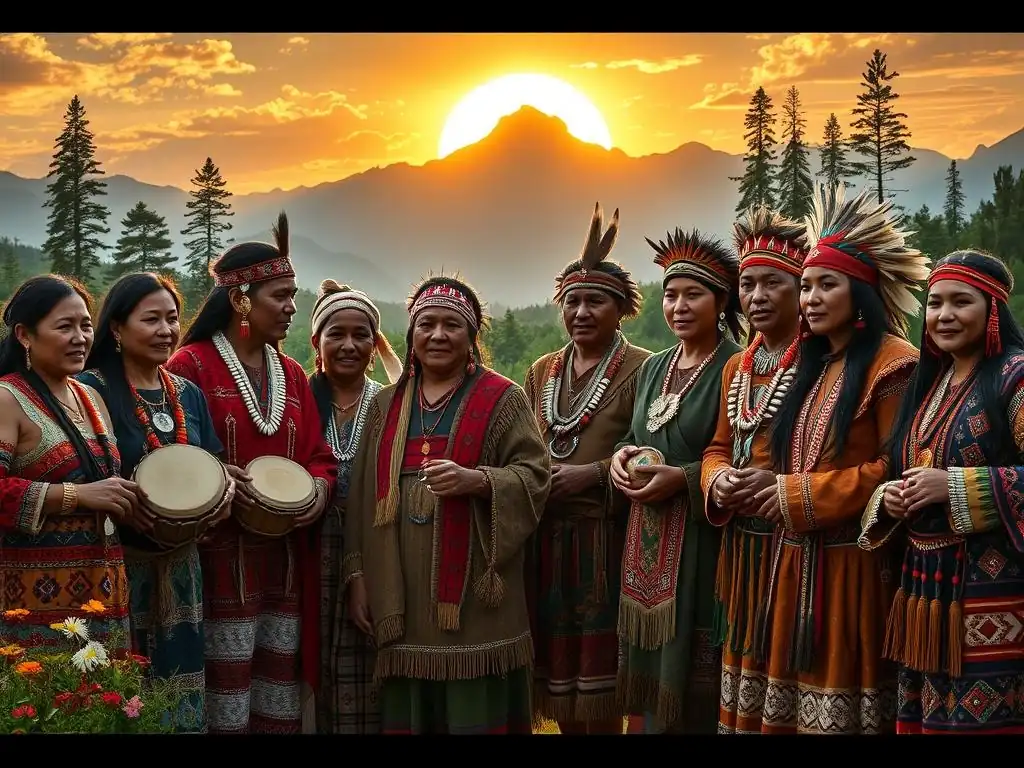
Welcome to Indigenous Civilizations of the Americas! Here, we invite you to embark on a fascinating journey through the rich tapestry of indigenous cultures in the Americas. Our featured article, "From Conquest to Coexistence: The Role of Indigenous Peoples in Shaping National Identities," delves into the profound influence these vibrant societies had on the development of national identities amidst the sweeping tides of European conquest.
Discover the remarkable achievements and enduring legacies of these cultures that continue to resonate today. As you explore, prepare to uncover stories that challenge historical narratives and celebrate the resilience of indigenous peoples. Your adventure into the past starts now—let the exploration begin!
Introduction to Indigenous Cultures in the Americas
The indigenous cultures in the Americas represent a rich tapestry of diverse societies that flourished long before European colonization. These cultures, each with their unique languages, traditions, and belief systems, laid the foundational social, political, and economic structures across the continents. Understanding their achievements and contributions is essential not only for recognizing their historical significance but also for appreciating their enduring legacy within modern national identities. This article aims to explore the complexities of how indigenous peoples have influenced the formation of national identities in the Americas, navigating the tumultuous transition from conquest to coexistence.
Overview of Indigenous Civilizations Before European Contact
Prior to European arrival, the Americas were home to numerous sophisticated civilizations, each with its own distinct characteristics. For instance:
- Mesoamerican Cultures: The Maya and Aztec civilizations excelled in architecture, mathematics, and astronomy, creating monumental cities and complex calendars.
- North American Tribes: The Iroquois Confederacy exemplified democratic governance, while the Plains tribes mastered horse culture, enhancing their mobility and hunting strategies.
- Andean Societies: The Inca Empire developed extensive road systems and agricultural techniques that supported a vast population across rugged terrains.
These civilizations not only showcased advanced technologies and governance but also maintained deep spiritual connections to the land, emphasizing the importance of sustainability and community.
Significance of Indigenous Peoples in National Identity Formation
The role of indigenous peoples in shaping national identities cannot be overstated. Their contributions have been pivotal in various aspects, including:
- Cultural Heritage: Indigenous languages, art, and traditions have profoundly influenced local cultures and national narratives.
- Historical Narratives: The resilience and resistance of indigenous peoples against colonization have become integral to national stories of identity and pride.
- Social Movements: Modern indigenous movements advocate for rights and recognition, reflecting a continued influence on contemporary political landscapes.
As nations grapple with their colonial past, the integration of indigenous perspectives into national identities fosters a more inclusive understanding of history and cultural diversity.
The Impact of European Conquest on Indigenous Cultures
The arrival of Europeans marked a significant turning point for indigenous cultures, leading to profound changes that would reshape their societies.
Initial Encounters: Conquest and Its Consequences
The initial encounters between indigenous peoples and European colonizers were often characterized by violence and exploitation. The consequences of these interactions included:
- Population Decline: Diseases such as smallpox decimated indigenous populations, leading to significant demographic shifts.
- Territorial Loss: European powers claimed vast lands, resulting in the displacement of numerous tribes and the disruption of traditional ways of life.
- Cultural Disruption: The imposition of foreign values and systems often marginalized indigenous practices and beliefs.
These factors set the stage for a complex relationship between indigenous peoples and emerging national identities.
Cultural Displacement: Effects on Indigenous Societies
The cultural displacement experienced by indigenous societies had lasting effects, including:
- Loss of Language: Many indigenous languages faced extinction as assimilation policies took root, eroding cultural identity.
- Alteration of Traditions: Traditional practices were often suppressed, leading to the adaptation or loss of cultural expressions.
- Intergenerational Trauma: The impacts of colonization have been felt across generations, contributing to socio-economic challenges and identity crises within indigenous communities.
Despite these challenges, indigenous cultures have demonstrated remarkable resilience, continuing to influence and shape national identities in the Americas today.
Resistance and Resilience of Indigenous Peoples
The history of indigenous cultures in the Americas is marked by an extraordinary narrative of resistance and resilience in the face of European colonization. From the moment of contact, indigenous peoples employed various tactics to defend their lands, cultures, and ways of life against foreign domination. This resistance was not solely physical; it encompassed spiritual, cultural, and social dimensions, reflecting the profound attachment of these communities to their heritage. The ability of indigenous peoples to adapt and maintain their identities despite the onslaught of colonization is a testament to their strength and resilience.
Forms of Resistance Against Colonization
Indigenous resistance took many forms, ranging from armed conflict to diplomatic negotiations. Notable examples include:
- Armed Resistance: Many indigenous groups engaged in battles and uprisings to defend their territories. The Mapuche in Chile fought fiercely against Spanish invaders, while the Powhatan Confederacy in Virginia challenged English settlers through guerrilla tactics.
- Cultural Resistance: This form involved the preservation of indigenous languages, rituals, and traditions despite colonial pressures. Many communities practiced their beliefs in secret, maintaining their cultural identity in the face of assimilation efforts.
- Political Alliances: Indigenous leaders often formed alliances with European powers to counteract other colonizers. The Iroquois Confederacy, for instance, strategically aligned with the British during the French and Indian War, showcasing their political acumen.
Through these varied forms of resistance, indigenous peoples not only fought for their survival but also laid the groundwork for future movements advocating for rights and recognition.
Preservation of Indigenous Cultures Amidst Change
In the wake of colonization, indigenous cultures displayed remarkable adaptability. Despite systemic efforts to eradicate their ways of life, many communities found ways to preserve their traditions and practices. This preservation was often achieved through:
- Oral Traditions: Storytelling became a crucial means of passing down knowledge, history, and cultural values. Elders played an essential role in maintaining these narratives, ensuring that younger generations understood their heritage.
- Adaptation of Practices: Indigenous peoples adapted their agricultural, hunting, and gathering techniques to incorporate new European crops and tools, blending traditional knowledge with introduced practices.
- Cultural Revitalization Movements: In the late 20th century, many indigenous communities initiated movements aimed at reclaiming their languages and traditions. These efforts have led to a resurgence of interest in traditional practices, arts, and ceremonies.
This resilience reflects not only a commitment to cultural survival but also an assertion of identity within the broader national narratives.
Coexistence and Integration: Indigenous Contributions to National Identities
The relationship between indigenous peoples and national identities is complex, characterized by both conflict and cooperation. In many cases, indigenous cultures have significantly contributed to the shaping of national identities across the Americas, leading to a unique blending of traditions and values.
Cultural Syncretism: Blending Indigenous and European Traditions
Cultural syncretism has emerged as a pivotal theme in understanding the integration of indigenous cultures into national identities. As European settlers interacted with indigenous communities, a fusion of practices and beliefs occurred, resulting in new cultural expressions. Examples of syncretism include:
- Religion: Many indigenous spiritual practices merged with Christianity, leading to new forms of worship that incorporated traditional beliefs. The Virgin of Guadalupe in Mexico is a prominent example, embodying both indigenous and colonial influences.
- Cuisine: The culinary landscape of the Americas showcases a blend of indigenous ingredients and European cooking methods. Dishes such as tamales and corn tortillas reflect this integration, illustrating how food can serve as a powerful symbol of cultural identity.
- Art and Music: Indigenous artistic traditions have influenced national art movements, with many contemporary artists drawing inspiration from ancestral practices. Similarly, music genres like folk and country have roots in indigenous rhythms and instruments.
This blending not only enriched national cultures but also highlighted the contributions of indigenous peoples to the broader societal fabric.
Indigenous Languages and Their Influence on National Identity
Indigenous languages play a crucial role in shaping national identity, providing a lens through which to understand cultural values and worldviews. The survival and revitalization of these languages are vital to the identity of indigenous communities and often reflect a broader national narrative. Key points include:
- Linguistic Diversity: The Americas are home to thousands of indigenous languages, each representing unique cultural perspectives. Languages such as Quechua, Nahuatl, and Cherokee are not just means of communication but also carriers of history and tradition.
- Influence on National Languages: Many national languages in the Americas have adopted words and phrases from indigenous languages, showcasing their influence. For instance, English has incorporated terms like "coyote" and "avocado," illustrating the interconnections between cultures.
- Revitalization Efforts: Recent initiatives aim to promote indigenous languages through education and media, emphasizing their importance in national identity. Bilingual education programs and cultural festivals serve to celebrate and preserve linguistic heritage.
The recognition and integration of indigenous languages into the national dialogue not only enhance cultural diversity but also affirm the significance of indigenous peoples in shaping the historical and contemporary narrative of the Americas.
Case Studies of Indigenous Cultures Shaping National Identities
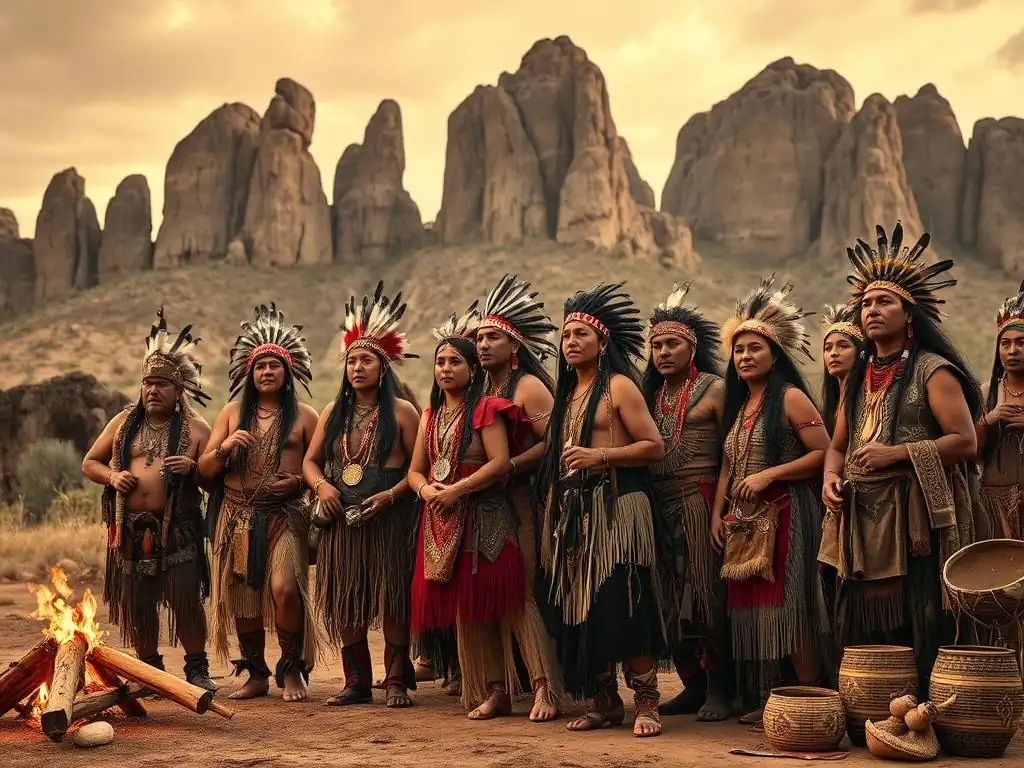
The influence of indigenous cultures in the Americas extends far beyond their historical existence; they have played a crucial role in shaping the national identities of various nations. Numerous case studies highlight how indigenous peoples have contributed to the cultural, political, and social landscapes of their respective countries. By examining these case studies, we not only recognize the enduring legacy of indigenous cultures but also appreciate their ongoing impact in contemporary society.
The Iroquois Confederacy and Their Role in American Democracy
The Iroquois Confederacy, also known as the Haudenosaunee, is a prime example of an indigenous culture that has significantly influenced the foundations of American democracy. Composed of six nations—Mohawk, Oneida, Onondaga, Cayuga, Seneca, and Tuscarora—the Confederacy developed a sophisticated system of governance based on principles of democracy, consensus, and collective decision-making.
The Great Law of Peace, which serves as the constitution of the Iroquois Confederacy, emphasizes the importance of unity and cooperation among the nations. This system of governance inspired early American political thinkers, including Benjamin Franklin and Thomas Jefferson, who recognized the efficacy of the Iroquois model in promoting democratic ideals. The incorporation of concepts such as representative governance and checks and balances in the U.S. Constitution can be traced back to these indigenous influences.
Moreover, the Iroquois Confederacy's emphasis on environmental stewardship and sustainable practices has resonated with contemporary movements advocating for ecological conservation. Their longstanding traditions of land use and community engagement continue to inform discussions about governance and environmental responsibility today.
The Navajo Nation and Their Cultural Contributions to Art and Language
The Navajo Nation, one of the largest indigenous tribes in the United States, has made profound contributions to both art and language, enriching the cultural landscape of the Americas. Known for their intricate weaving and silverwork, Navajo artisans have created stunning textiles and jewelry that reflect their cultural narratives and spiritual beliefs. These art forms not only serve as economic resources but also as symbols of resilience and identity.
The Navajo language, with its unique structure and tonal qualities, is another vital aspect of their cultural heritage. During World War II, Navajo Code Talkers used their language to create an unbreakable military code, demonstrating the strategic importance of indigenous languages in American history. Today, efforts are underway to revitalize the Navajo language among younger generations, ensuring its continuance and significance within the broader context of American identity.
Additionally, the Navajo Nation’s governance and legal systems reflect a blend of traditional practices and modern legal frameworks, serving as a model for other indigenous groups seeking to assert their rights and sovereignty in contemporary society.
Contemporary Recognition of Indigenous Cultures in National Narratives
In recent years, there has been a growing recognition of the vital role that indigenous cultures play in shaping national narratives across the Americas. This shift is evident in various domains, including politics, education, and cultural representation. Acknowledging the contributions of indigenous peoples is essential for fostering a more inclusive and accurate understanding of history.
Modern Movements for Indigenous Rights and Recognition
Modern movements advocating for indigenous rights have gained momentum, spotlighting the need for greater recognition and representation of indigenous peoples in national narratives. Organizations such as the American Indian Movement (AIM) and the Indigenous Environmental Network have been instrumental in raising awareness about the historical injustices faced by indigenous communities and their ongoing struggles for sovereignty, land rights, and cultural preservation.
These movements have contributed to the implementation of policies aimed at rectifying past wrongs, including land reclamation efforts and the recognition of indigenous languages as official languages in certain regions. Furthermore, events like Indigenous Peoples’ Day serve as powerful reminders of the importance of acknowledging and honoring indigenous histories and cultures, challenging the traditional narratives that have often marginalized their contributions.
The Role of Education in Promoting Indigenous Cultures in the Americas
Education plays a crucial role in promoting the understanding and appreciation of indigenous cultures in the Americas. Efforts to incorporate indigenous history, languages, and perspectives into school curricula are vital for fostering respect and recognition of these rich heritages. Programs that emphasize culturally relevant pedagogy not only enhance the educational experience for indigenous students but also provide non-indigenous students with a more comprehensive understanding of their nation's history.
In higher education, initiatives such as indigenous studies programs and partnerships with tribal colleges further support the preservation and promotion of indigenous cultures. These educational frameworks empower indigenous voices and contribute to a more equitable representation of history, thereby shaping the national identity to reflect the diverse tapestry of cultures that exist within the Americas.
The ongoing integration of indigenous perspectives into education highlights the importance of acknowledging the past while envisioning a future where indigenous cultures are celebrated and respected as integral components of national identities.
Conclusion: The Future of Indigenous Cultures in National Identities
The future of indigenous cultures in national identities is a complex interplay of challenges and opportunities. As nations continue to grapple with their colonial pasts, the recognition and incorporation of indigenous histories and contributions into national narratives are more crucial than ever. This shift not only honors the legacy of indigenous peoples but also enriches the cultural tapestry of the nations themselves. By embracing diverse indigenous cultures, countries can foster a more inclusive society that celebrates the unique identities that have shaped their histories.
Furthermore, the resilience of indigenous communities, their traditional knowledge, and practices can provide valuable insights into sustainable living and environmental stewardship. As climate change and globalization pose unprecedented challenges, indigenous perspectives can guide contemporary societies toward more sustainable futures. The continued advocacy for the rights and recognition of indigenous peoples remains essential as we move forward, striving for a more equitable coexistence.
Ongoing Challenges and Opportunities for Indigenous Peoples
Indigenous peoples face numerous ongoing challenges, including socio-economic disparities, cultural erosion, and political marginalization. Many indigenous communities continue to struggle against systemic inequalities that have persisted since colonization. Access to education, healthcare, and economic opportunities often lags behind that of non-indigenous populations. Moreover, land rights issues remain a significant concern, as indigenous territories are frequently threatened by industrial development and resource extraction.
However, these challenges also present opportunities for empowerment and resurgence. Many indigenous groups are actively reclaiming their narratives and rights through activism and legal avenues. Initiatives aimed at preserving languages, traditions, and cultural practices are gaining momentum, often supported by both indigenous and non-indigenous allies. International frameworks, such as the United Nations Declaration on the Rights of Indigenous Peoples (UNDRIP), provide a platform for indigenous voices to advocate for recognition and respect. Collaborative efforts between indigenous communities and governments can lead to innovative solutions that honor traditional knowledge while addressing contemporary societal issues.
The Importance of Acknowledging Indigenous Heritage in National Identity
Acknowledging indigenous heritage as a fundamental part of national identity is vital for fostering reconciliation and social cohesion. This acknowledgment involves recognizing the historical injustices faced by indigenous peoples and understanding their contributions to the cultural and historical landscape of a nation.
Incorporating indigenous narratives into national identities not only validates the experiences and histories of these communities but also enriches the collective identity of the nation. It allows for a more nuanced understanding of history that includes diverse perspectives and recognizes the coexistence of multiple cultures. Educational curricula that integrate indigenous histories and contributions can help cultivate respect and understanding among all citizens, fostering a sense of belonging and shared identity.
Call to Action: Engaging with Indigenous Cultures Today
Engaging with indigenous cultures today requires a commitment to understanding, respecting, and supporting the rights and traditions of indigenous peoples. Individuals and communities can play a pivotal role in promoting indigenous visibility and celebrating cultural diversity.
This engagement can take many forms, from participating in cultural events and festivals to advocating for policies that support indigenous rights. Understanding that indigenous cultures are living and evolving systems of knowledge is crucial in fostering genuine relationships and respect.
How Individuals Can Support Indigenous Communities
Individuals can support indigenous communities by:
- Educating Themselves: Learning about the history, cultures, and contemporary issues faced by indigenous peoples is crucial. Reading books, attending lectures, and engaging with indigenous media can provide valuable insight.
- Supporting Indigenous Businesses: Purchasing products and services from indigenous-owned businesses helps to strengthen local economies and supports cultural preservation.
- Advocating for Policy Change: Individuals can engage in activism by advocating for policies that protect indigenous rights and land. Supporting legislation that promotes sustainability and cultural preservation is essential.
- Volunteering: Many indigenous communities welcome volunteers for various projects aimed at cultural preservation, environmental sustainability, and community development.
Resources for Learning More About Indigenous Cultures in the Americas
There are numerous resources available for those interested in learning more about indigenous cultures in the Americas, including:
- Books and Literature: Works by indigenous authors provide first-hand perspectives on their cultures and experiences. Notable authors include Louise Erdrich, Sherman Alexie, and N. Scott Momaday.
- Documentaries and Films: Visual media can be a powerful tool for understanding indigenous histories and cultures. Films such as "Rumble: The Indians Who Rocked the World" and "The Last of the Tsars" offer insights into indigenous experiences.
- Museums and Cultural Centers: Visiting museums that focus on indigenous histories and cultures can provide a deeper understanding of their contributions and ongoing challenges.
- Online Courses and Webinars: Many educational institutions and organizations offer online courses focused on indigenous studies, allowing individuals to learn from experts in the field.
By engaging with these resources, individuals can foster a deeper appreciation and respect for the rich tapestry of indigenous cultures in the Americas.
- Introduction to Indigenous Cultures in the Americas
- The Impact of European Conquest on Indigenous Cultures
- Resistance and Resilience of Indigenous Peoples
- Coexistence and Integration: Indigenous Contributions to National Identities
- Case Studies of Indigenous Cultures Shaping National Identities
- Contemporary Recognition of Indigenous Cultures in National Narratives
- Conclusion: The Future of Indigenous Cultures in National Identities
- Call to Action: Engaging with Indigenous Cultures Today
- What are some significant indigenous cultures in the Americas?
- How did the arrival of Europeans impact indigenous cultures?
- What role did indigenous peoples play in shaping national identities?
- Are there ongoing efforts to preserve indigenous cultures today?
- How can individuals learn more about indigenous cultures in the Americas?
Frequently Asked Questions
What are some significant indigenous cultures in the Americas?
Many indigenous cultures flourished throughout the Americas, including the Maya, Aztec, and Inca civilizations, each contributing unique achievements in areas such as architecture, agriculture, and governance.
How did the arrival of Europeans impact indigenous cultures?
The arrival of Europeans led to dramatic changes, including the displacement of many indigenous communities, the introduction of diseases, and the imposition of foreign governance, which significantly affected their social structures.
What role did indigenous peoples play in shaping national identities?
Indigenous peoples contributed to national identities through their rich traditions, languages, and histories, influencing contemporary culture and promoting a re-examination of history and identity in many nations.
Are there ongoing efforts to preserve indigenous cultures today?
Yes, many organizations and communities work to preserve indigenous languages, traditions, and rights, ensuring that these cultures continue to thrive and are recognized in modern society.
How can individuals learn more about indigenous cultures in the Americas?
Individuals can explore various resources, including books, documentaries, and websites dedicated to indigenous histories and contributions, as well as engage with local indigenous communities to gain firsthand insights.
Final Reflection: Embracing Indigenous Cultures in the Americas
The journey from conquest to coexistence highlights the profound impact of indigenous cultures in the Americas on national identities today. As we navigate a world increasingly aware of its diverse roots, it becomes clear that the narratives of indigenous peoples are not just historical footnotes but vital threads in the fabric of contemporary society. The recognition and celebration of these cultures are essential for fostering a more inclusive and equitable future.
The influence of indigenous cultures extends far beyond their historical context; they continue to shape our social and cultural landscapes in ways that deserve our attention and respect. As we witness a resurgence of interest in indigenous rights and cultural preservation, we are reminded of the words of Vine Deloria Jr.: We are not just a people of the past; we are a people of the present and the future.
This statement underscores the ongoing relevance of indigenous voices in discussions about identity, heritage, and community, urging us to acknowledge their contributions and learn from their wisdom.
In closing, I invite you to reflect on your own relationship with indigenous cultures in the Americas. Consider how you can engage with and support these communities, whether through education, advocacy, or simply by honoring their stories in your daily life. As we move forward, let us commit to a future where coexistence is not just an ideal but a lived reality, enriching our national identities and fostering a deeper understanding of the rich tapestry that is our shared heritage.
Embrace the Spirit of Coexistence!
Thank you for diving into our exploration of how Indigenous Peoples have shaped national identities. Your engagement with this topic is a powerful step towards understanding and appreciating cultural diversity. Now, let’s take the next step together towards honoring this rich heritage.
Here’s how you can make a meaningful impact:
- Join the conversation: Share your insights on our forum to discuss what you've learned and connect with others who share your passion.
- Explore local Indigenous cultures: Visit museums, cultural centers, or attend events that celebrate Indigenous history and contributions in your community.
- Advocate for awareness: Promote the significance of Indigenous identities on social media, emphasizing their role in shaping our national narratives.
What new understanding or perspective have you gained about the contributions of Indigenous Peoples to our national identities, and how will it influence your actions in the future?