
The Language of Loss: How Colonization Affected Indigenous Languages and Dialects

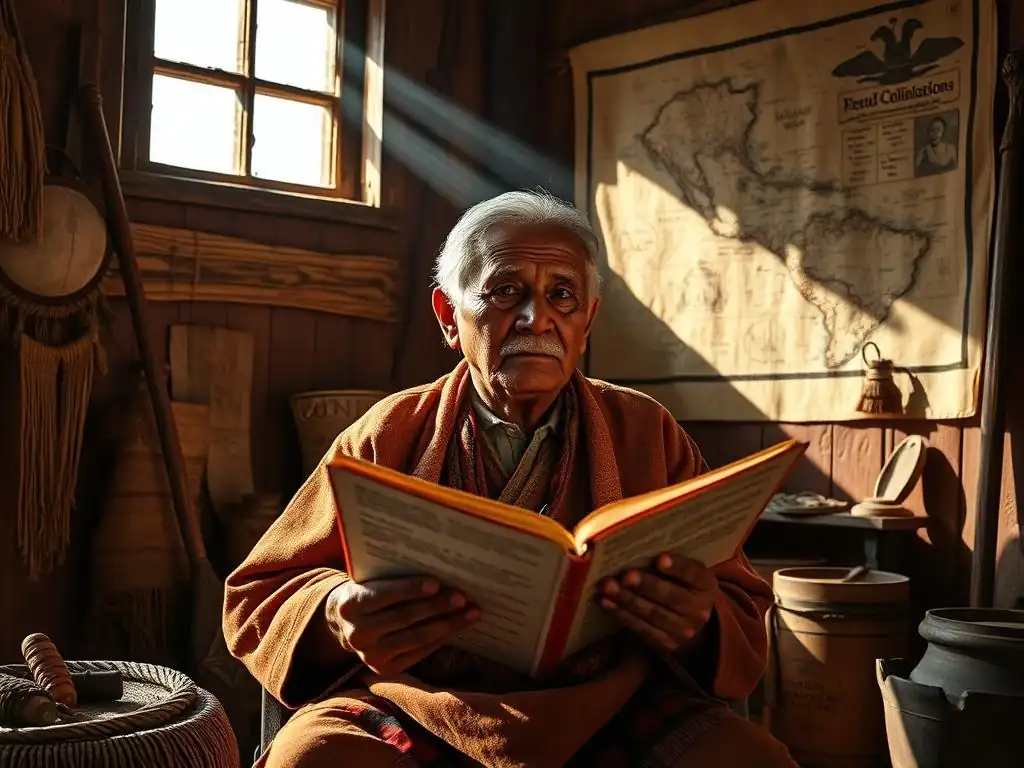
Welcome to Indigenous Civilizations of the Americas, where we invite you to embark on an enlightening journey through the rich tapestry of indigenous cultures that flourished long before European contact. In our featured article, "The Language of Loss: How Colonization Affected Indigenous Languages and Dialects," we delve into the profound impact of colonization on indigenous languages, revealing the intricate ways in which colonization reshaped, silenced, and sometimes obliterated these vital forms of expression.
As you explore the stories of resilience and adaptation, you'll uncover the enduring legacy of these languages and their speakers. Join us in uncovering the past and understanding its significance in today’s world—your journey into history begins now.
Introduction to the Impact of Colonization on Indigenous Languages
The impact of colonization on indigenous languages is a profound and multifaceted issue that highlights the broader consequences of European conquest on native communities across the Americas. Before the arrival of European powers, indigenous peoples spoke thousands of distinct languages, each a vessel of culture, history, and identity.
However, the forces of colonization led to significant declines in the usage and transmission of these languages, resulting in a linguistic landscape marked by loss and transformation. This article delves into the intricate relationship between colonization and indigenous languages, exploring the historical context and the lasting effects on cultural identity and community cohesion.
Overview of Indigenous Languages Before Colonization
Prior to European contact, the Americas were home to a rich tapestry of languages spoken by diverse indigenous groups. For instance:
- North America: Languages such as Navajo, Sioux, and Algonquian flourished, each with unique dialects and cultural significance.
- Central America: The Mayan languages, including Yucatec and K'iche', were spoken by millions and were integral to the region's complex societies.
- South America: Quechua and Aymara were spoken by the Inca and surrounding communities, serving as important vehicles for their rich histories and traditions.
These languages were not merely tools of communication; they were deeply intertwined with the social structures, spiritual beliefs, and worldviews of the respective cultures.
The Significance of Language in Indigenous Cultures
Language served as a crucial element of identity for indigenous peoples. It encapsulated their:
- Histories and Narratives: Oral traditions and storytelling were vital for passing down knowledge, values, and communal memories across generations.
- Spiritual Practices: Many indigenous rituals, songs, and prayers were expressed in native languages, which were believed to hold sacred meanings and connections to the divine.
- Social Cohesion: Language fostered community bonds, facilitating cooperation and shared understanding among group members.
The erosion of these languages due to colonization has had a lasting impact on cultural continuity and identity, further emphasizing the importance of preserving indigenous languages today.
Historical Context of Colonization
Understanding the impact of colonization on indigenous languages necessitates a look into the historical forces that initiated this drastic change.
The Arrival of European Powers in the Americas
Beginning in the late 15th century, European powers such as Spain, France, and England embarked on extensive explorations and conquests in the Americas. This period marked the onset of a profound transformation for indigenous populations, characterized by:
- Land Dispossession: Indigenous peoples were frequently displaced from their ancestral lands, disrupting their communities and traditional ways of life.
- Cultural Erasure: The imposition of European languages and cultures often led to the marginalization of indigenous languages, as colonizers viewed them as inferior or primitive.
Initial Interactions Between Colonizers and Indigenous Peoples
The early encounters between indigenous peoples and European colonizers were complex and varied across regions. Some interactions included:
- Trade and Diplomacy: Initial exchanges often involved trade, where both parties sought to benefit from each other's resources. However, this was often short-lived.
- Conflict and Resistance: As colonization efforts intensified, many indigenous groups resisted European encroachment, leading to conflicts that further endangered their languages and cultures.
These interactions set the stage for the long-term effects of colonization, particularly on language, as indigenous peoples faced pressures that would lead to profound linguistic and cultural shifts.
Direct Impact of Colonization on Indigenous Languages
The impact of colonization on indigenous languages was profound and multifaceted, leading to significant changes in linguistic landscapes across the Americas. As European powers expanded their territories, they brought with them not only their cultures but also their languages. This resulted in a complex interplay of forces that adversely affected indigenous languages, which were often rich in diversity and deeply intertwined with the identities of their speakers. The direct consequences of colonization included suppression of indigenous languages, introduction of colonial languages, and widespread language loss and attrition.
Suppression of Indigenous Languages
One of the most immediate effects of colonization was the systematic suppression of indigenous languages. Colonial authorities often viewed these languages as barriers to governance and assimilation. As a result, policies were implemented to marginalize indigenous languages in favor of the colonizers' tongues.
Indigenous peoples were frequently forbidden to speak their native languages, especially in formal settings such as schools and churches. This suppression was not only an attempt to erase indigenous identities but also a means of enforcing colonial dominance. The legacy of this suppression is evident today, as many indigenous languages have either become extinct or are critically endangered, with only a handful of speakers remaining.
Introduction of Colonial Languages
The introduction of colonial languages, such as Spanish, English, French, and Portuguese, further compounded the challenges faced by indigenous languages. These languages were often imposed as the languages of administration, education, and commerce. As a result, indigenous peoples were pressured to adopt these new languages to participate in socio-economic opportunities or avoid punitive measures.
Over time, this led to a linguistic shift, where colonial languages increasingly became a part of daily life, often at the expense of indigenous languages. In many cases, bilingualism emerged, but it often came at the cost of fluency in indigenous tongues, diminishing their usage in everyday contexts.
Language Loss and Attrition During Colonization
Language loss during colonization occurred through both direct and indirect means. Many indigenous communities experienced population declines due to violence, disease, and displacement, which drastically reduced the number of native speakers. Furthermore, forced assimilation policies, such as residential schools, aimed to "civilize" indigenous children by removing them from their families and communities. These institutions often prohibited the use of indigenous languages, leading to a generational gap in language transmission. As a result, many languages saw a rapid decline in speakers, leading to attrition and eventual extinction for several languages.
Long-term Effects of Colonization on Indigenous Dialects
The long-term effects of colonization on indigenous dialects were profound and continue to resonate within indigenous communities today. Changes in language structure and vocabulary, dialectal variations and their disappearance, and the erosion of cultural identity are all significant consequences that have shaped the linguistic landscape in the Americas.
Changes in Language Structure and Vocabulary
As indigenous languages were influenced by colonial languages, significant changes occurred in their structure and vocabulary. Borrowing from colonial languages introduced new words and grammatical structures, altering the original linguistic characteristics. This blending of languages often led to the creation of pidgins or creoles, which incorporated elements from both indigenous and colonial tongues. While these linguistic adaptations may have facilitated communication in a colonial context, they also resulted in the loss of unique linguistic features that were integral to the original languages.
Dialectal Variations and Their Disappearance
Colonization also contributed to the disappearance of many dialectal variations within indigenous languages. As communities were uprooted and relocated, traditional forms of communication were disrupted, leading to a homogenization of language use. The imposition of colonial languages further diminished the visibility and viability of dialectal differences. This loss of dialectal richness not only impoverished the linguistic diversity of indigenous languages but also severed connections to cultural practices and ancestral knowledge that were often encoded within specific dialects.
The Role of Language in Cultural Identity
Language serves as a cornerstone of cultural identity for indigenous peoples. The impact of colonization has not only stripped away languages but has also undermined the cultural frameworks that languages support. With the decline of indigenous languages, essential aspects of culture, tradition, and spirituality have faced erosion.
Language is more than a means of communication; it is a vessel of history, values, and community bonds. The loss of language diminishes the ability of future generations to connect with their heritage, leading to a profound sense of cultural dislocation. Efforts to revitalize and reclaim indigenous languages are crucial in restoring cultural identity and promoting resilience within indigenous communities.
Case Studies: Indigenous Languages Affected by Colonization
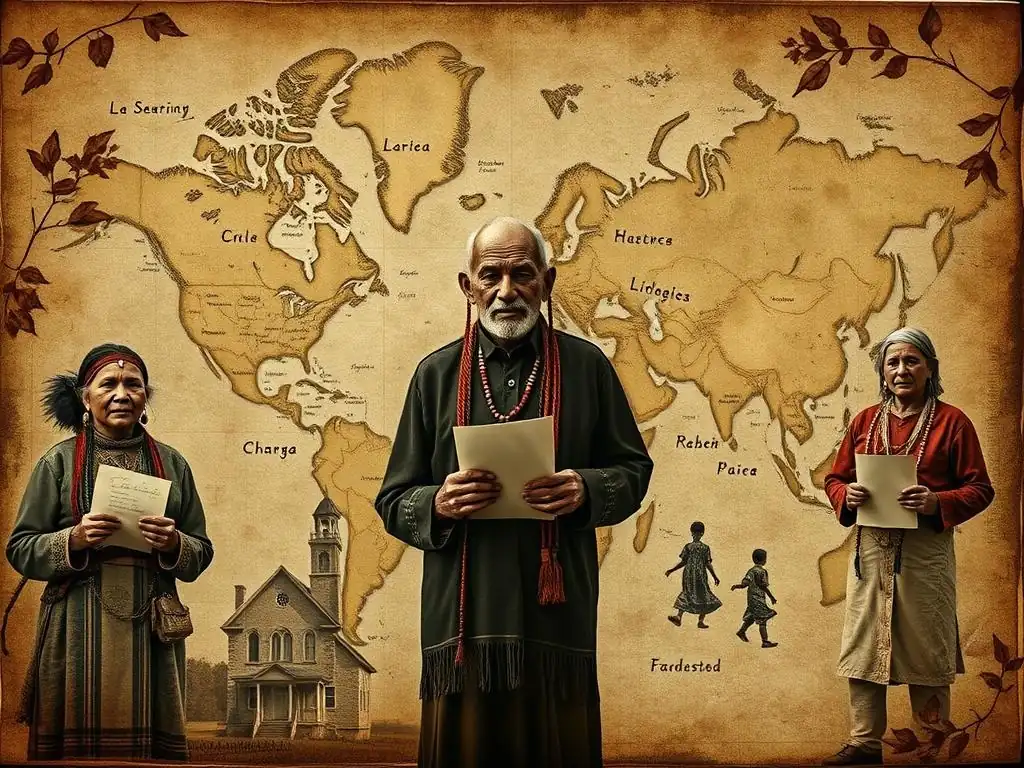
The impact of colonization on indigenous languages is profound, with numerous specific cases highlighting how cultural and linguistic diversity has been diminished or altered. These case studies not only illustrate the historical context but also provide insight into the current status of these languages and the ongoing efforts for revitalization. Below are detailed examinations of notable indigenous languages that have faced significant challenges due to colonization.
Cherokee: Historical Overview and Current Status
The Cherokee language, part of the Iroquoian language family, has a rich history dating back thousands of years. Before European contact, it was widely spoken across a large territory, which included parts of present-day North Carolina, Georgia, and Alabama. The arrival of European settlers brought profound changes, leading to forced removal and the infamous Trail of Tears in the 1830s, which had devastating effects on the Cherokee people and their language.
In the 19th century, the introduction of the Cherokee syllabary by Sequoyah in 1821 played a crucial role in language preservation, enabling literacy among the Cherokee people. Despite this, the impact of colonization led to a decline in fluent speakers, particularly during the 20th century when English predominated in education and daily life.
Today, the Cherokee Nation has made significant strides in revitalizing the language. As of 2021, it is estimated that there are around 2,000 fluent speakers, primarily among the elderly population. Various programs, including immersive language camps and online resources, are being developed to engage younger generations and ensure the survival of the language.
Quechua: Effects of Colonization
Quechua, once the language of the Inca Empire, is spoken by millions across the Andean regions of Peru, Ecuador, Bolivia, and Colombia. The arrival of Spanish colonizers in the 16th century initiated a dramatic shift in language dynamics. Quechua was initially promoted as a means of communication between the Spanish and indigenous populations, but over time, the Spanish language became dominant, leading to a significant decrease in the use of Quechua.
The colonial period was marked by the imposition of Spanish cultural norms and the marginalization of indigenous languages. As a result, Quechua speakers faced social and political pressures to conform to Spanish, which diminished the prestige of their native tongue. Although Quechua remains one of the most widely spoken indigenous languages in the Americas, it is categorized as vulnerable, with estimates indicating that around 8-10 million people speak it today, often in bilingual contexts with Spanish.
Efforts to revitalize Quechua are ongoing, with initiatives from local governments and NGOs aimed at increasing its visibility and use in education, media, and public life. These efforts face challenges, including stigma and limited resources, but they also showcase the resilience of Quechua speakers in preserving their linguistic heritage.
Comparative Analysis of Language Resilience
When examining the impact of colonization on indigenous languages, it's essential to consider the varying degrees of resilience exhibited by different linguistic communities. Factors influencing this resilience include:
- Cultural Significance: Languages deeply tied to cultural identity tend to be more resilient. For instance, languages like Navajo and Hawaiian have seen revitalization efforts driven by strong cultural pride.
- Community Size and Cohesion: Larger, more cohesive communities often have greater resources and motivation to preserve their languages. For example, the Navajo Nation has implemented extensive language immersion programs.
- Government Support: Policies supporting bilingual education and the recognition of indigenous languages can bolster their survival. Countries like Bolivia have constitutional protections for indigenous languages, aiding their preservation.
- Integration of Modern Technology: The use of technology in language learning and preservation, such as mobile apps and online courses, has revolutionized how communities engage with their languages.
This comparative analysis underscores the diverse trajectories of indigenous languages post-colonization, revealing both the challenges and successes faced by different communities.
Revitalization Efforts and Language Preservation
As the struggle against language loss continues, various revitalization efforts have emerged, focusing on community involvement, educational initiatives, and technological advancements. These efforts aim to reinvigorate indigenous languages and ensure their transmission to future generations.
Community-driven Initiatives to Revive Indigenous Languages
Many indigenous communities are spearheading revitalization initiatives that emphasize cultural identity and empowerment. These grassroots movements often involve:
- Language Classes: Community-led classes for all ages, where fluent speakers teach younger generations.
- Cultural Events: Festivals celebrating indigenous languages through storytelling, music, and traditional practices, reinforcing the importance of language in cultural expression.
- Collaborative Projects: Partnerships between communities and universities to document and teach indigenous languages, creating resources that reflect local needs and realities.
Such initiatives not only aid in language preservation but also strengthen community bonds and foster a sense of pride in cultural heritage.
Educational Programs and Language Learning Resources
Educational institutions play a vital role in the preservation of indigenous languages. Many schools now incorporate indigenous languages into their curricula, offering:
- Bilingual Education: Programs where students learn in both their indigenous language and the dominant language, promoting bilingualism and cultural understanding.
- Online Resources: Websites and applications providing language learning tools, including dictionaries, audio guides, and interactive games designed for learners of all ages.
- Teacher Training: Professional development for educators in indigenous language instruction, equipping them with the skills necessary to teach effectively.
These educational programs are crucial for fostering a new generation of speakers and ensuring that indigenous languages thrive in contemporary society.
The Role of Technology in Language Preservation
Technology has emerged as a powerful ally in the fight for language preservation. It offers innovative approaches to language learning and revitalization, including:
- Mobile Applications: Apps like "Duolingo" and "Rosetta Stone" now feature indigenous languages, making language learning accessible and engaging.
- Social Media: Platforms like Facebook and Instagram allow speakers to share content in their languages, creating a virtual space for practice and community engagement.
- Digital Archives: Online repositories for audio recordings, written texts, and educational materials, preserving linguistic heritage and making it available to a broader audience.
The integration of technology into language preservation efforts has opened new pathways for engagement, ensuring that indigenous languages remain vibrant and relevant in the digital age.
Conclusion: The Continuing Legacy of Colonization on Indigenous Languages
The legacy of colonization is profoundly evident in the state of indigenous languages today. Many of these languages have become endangered or extinct as a direct result of colonization policies that prioritized European languages and cultures. The impact of colonization on indigenous languages is not merely a historical issue; it continues to affect the identity, culture, and social dynamics of indigenous communities across the Americas.
As we consider the continuing legacy of colonization, it is essential to recognize that language is not just a means of communication but a repository of cultural knowledge and history. The loss of a language often leads to a corresponding loss of cultural practices, traditional ecological knowledge, and community cohesion. Reviving and preserving indigenous languages is thus a crucial step in reclaiming cultural identity and promoting social resilience among indigenous peoples.
Reflection on the Importance of Language Preservation
Preserving indigenous languages is vital for several reasons. First, language is a key vehicle for transmitting cultural heritage and traditional knowledge. It carries the stories, beliefs, and worldviews of indigenous communities, providing a sense of belonging and identity. When a language fades, it takes with it unique perspectives and insights that have been cultivated over centuries.
Moreover, the act of language revitalization can empower indigenous communities, fostering a sense of pride and agency. Programs that promote bilingual education and community engagement in language learning not only help to combat the effects of colonization but also encourage intergenerational connections and cultural continuity. As these communities navigate the challenges posed by modernity, the revitalization of their languages can serve as a powerful tool for resilience and advocacy.
Call to Action for Supporting Indigenous Languages
To support the preservation and revitalization of indigenous languages, proactive measures must be taken at various levels. Individuals can contribute by:
- Learning an Indigenous Language: Engaging with local indigenous communities to learn their languages can help keep them alive.
- Supporting Indigenous Language Programs: Donations or volunteer work with organizations focused on language preservation can make a significant impact.
- Advocating for Bilingual Education: Encouraging schools and educational institutions to incorporate indigenous languages into their curricula can foster a new generation of speakers.
Governments and policymakers must also play an active role by implementing policies that recognize and protect indigenous languages, ensuring that these languages receive the resources and support necessary for their survival. Collaborative efforts among indigenous communities, educators, and policymakers are essential to create an inclusive environment where indigenous languages can thrive.
References
Scholarly articles, books, and resources on the topic
- Grenoble, Lenore A., and Lindsay J. Whaley. Endangered Languages: Language Loss and Community Response. Cambridge University Press, 2006.
- Hinton, Leanne, and Kenneth Hale. The Green Book of Language Revitalization in Practice. Academic Press, 2001.
- Crystal, David. Language Death. Cambridge University Press, 2000.
- McCarty, Teresa L. Language Planning and Policy in Native America: History, Theory, Praxis. Multilingual Matters, 2011.
- Skutnabb-Kangas, Tove. Linguistic Genocide in Education—Or Worldwide Diversity and Human Rights? Routledge, 2000.
These resources provide valuable insights into the impact of colonization on indigenous languages and the efforts needed to support language preservation and revitalization initiatives.
- Introduction to the Impact of Colonization on Indigenous Languages
- Historical Context of Colonization
- Direct Impact of Colonization on Indigenous Languages
- Long-term Effects of Colonization on Indigenous Dialects
- Case Studies: Indigenous Languages Affected by Colonization
- Revitalization Efforts and Language Preservation
- Conclusion: The Continuing Legacy of Colonization on Indigenous Languages
- Reflection on the Importance of Language Preservation
- Call to Action for Supporting Indigenous Languages
- References
- What is the main focus of the article "The Language of Loss"?
- How did colonization affect indigenous languages?
- Are there examples of languages that have disappeared due to colonization?
- What efforts are being made to revive indigenous languages today?
- Why is the preservation of indigenous languages important?
Frequently Asked Questions
What is the main focus of the article "The Language of Loss"?
The article explores the impact of colonization on indigenous languages and dialects, highlighting how European expansion led to significant loss and erosion of linguistic diversity among indigenous cultures.
How did colonization affect indigenous languages?
Colonization resulted in the suppression of indigenous languages as European languages were imposed, leading to a decline in native speakers and the eventual extinction of many languages.
Are there examples of languages that have disappeared due to colonization?
Yes, many indigenous languages, such as Maya, Quechua, and Cherokee, faced severe decline, with some languages becoming extinct entirely as a direct result of colonization efforts.
What efforts are being made to revive indigenous languages today?
Various organizations and communities are actively working to revitalize indigenous languages through education, cultural programs, and the use of technology to promote language learning among younger generations.
Why is the preservation of indigenous languages important?
Preserving indigenous languages is crucial for maintaining cultural heritage, identity, and the unique worldviews they represent, as well as for promoting linguistic diversity on a global scale.
Final Reflection: Embracing the Echoes of Indigenous Languages
The impact of colonization on indigenous languages is a profound reminder of the resilience and richness of cultural identity. As we navigate an increasingly globalized world, the echoes of these languages remind us of the stories, traditions, and wisdom that have been silenced. The struggle to preserve and revitalize these languages is not just an act of cultural reclamation but a vital step towards healing historical wounds and fostering understanding among diverse communities.
The ongoing influence of colonization on indigenous languages continues to shape our cultural landscape today. Many indigenous communities are actively working to revive their languages, recognizing that language is more than mere communication; it is a vessel of identity and heritage. As noted by linguist Leanne Hinton, Languages are not just tools for communication; they are the essence of our cultural identity.
This sentiment resonates deeply as we witness the revival of languages once thought lost, highlighting the power of language in reclaiming identity and fostering community resilience.
As we reflect on the lessons of this article, I invite you to consider your own relationship with language and culture. How can you contribute to the preservation of linguistic diversity in your community? Whether through supporting indigenous language programs, engaging in cultural exchanges, or simply learning about the languages that surround you, every action counts. Let us honor the languages that have been affected by colonization and commit ourselves to a future where every voice is heard, and every story is told.
Embrace and Advocate for Indigenous Languages!
Thank you for exploring the profound impact of colonization on Indigenous languages and dialects. Your interest is crucial as it highlights a significant aspect of cultural heritage that deserves both recognition and preservation. Now, it’s time to turn that awareness into meaningful action!
Here are a few impactful steps you can take:
- Learn an Indigenous Language: Select a language or dialect that resonates with you and start learning it using online resources or local classes available in your area.
- Support Indigenous Language Initiatives: Contribute to or volunteer with organizations focused on revitalizing and preserving Indigenous languages within your community.
- Share Your Knowledge: Engage with your friends and family by discussing what you’ve learned and encouraging them to appreciate the richness of Indigenous cultures and their languages.
What steps will you take to help preserve these vital languages and foster a greater understanding of Indigenous cultures?