
Urban Planning in the Andes: How Cities Were Designed for Function and Harmony

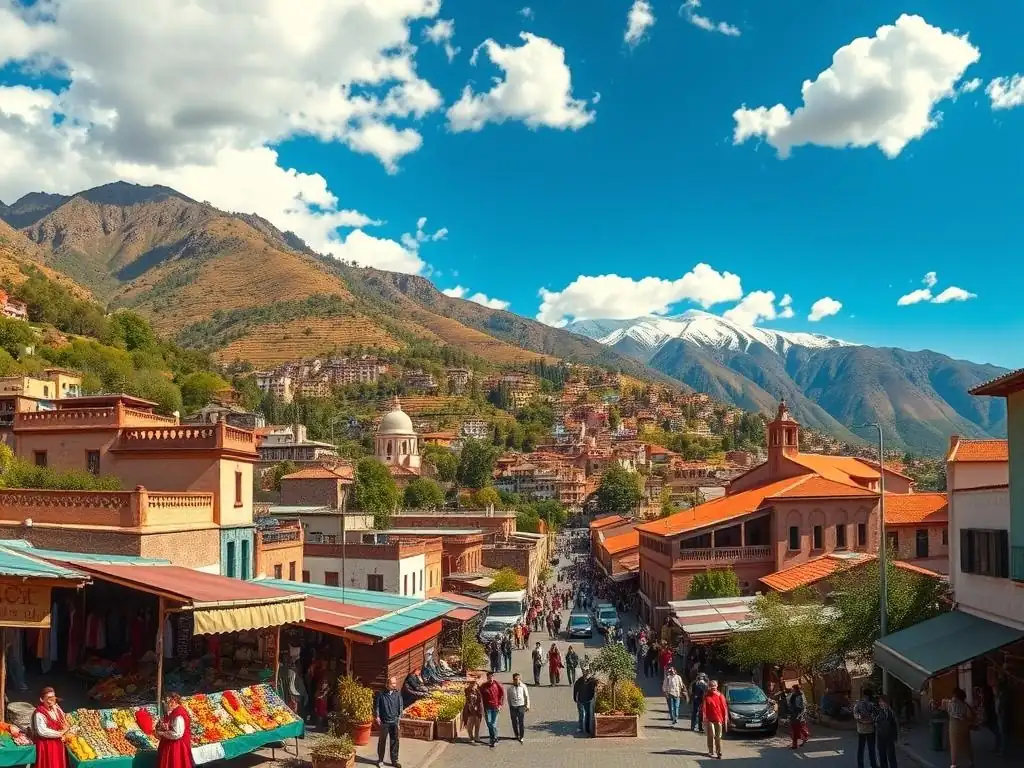
Welcome to Indigenous Civilizations of the Americas, where we invite you to embark on a fascinating journey through the rich tapestry of indigenous cultures that flourished long before European colonization. Here, you’ll discover the remarkable achievements and innovations that shaped these societies, including a deep dive into Andean urban planning techniques. Did you know that the cities of the Andes were meticulously designed for both functionality and harmony with nature?
As you explore our site, prepare to uncover the profound impact these civilizations have had on the world as we know it today. Dive in to learn how ancient wisdom continues to resonate in modern urban design!
- Introduction to Andean Urban Planning Techniques
- Historical Context of Urban Planning in the Andes
- Key Principles of Andean Urban Planning Techniques
- Notable Examples of Andean Urban Planning
- The Role of Agriculture in Andean Urban Planning
- Modern Implications of Andean Urban Planning Techniques
- Challenges and Preservation of Andean Urban Heritage
- Conclusion: The Legacy of Andean Urban Planning Techniques
-
Frequently Asked Questions
- What are Andean urban planning techniques?
- How did the topography influence urban planning in the Andes?
- What role did social organization play in Andean urban design?
- Can you explain the significance of agricultural integration in Andean cities?
- How do Andean urban planning techniques influence modern city planning?
- Final Reflection: The Enduring Legacy of Andean Urban Planning Techniques
- Unleash Your Curiosity: Explore Urban Planning in the Andes!
Introduction to Andean Urban Planning Techniques
The Andean region, encompassing modern-day countries such as Peru, Bolivia, Ecuador, and northern Chile, is renowned for its rich tapestry of indigenous cultures that flourished long before European contact. Among these cultures, the Inca civilization stands out for its remarkable achievements in urban planning and architecture. This article delves into the Andean urban planning techniques that were meticulously crafted to meet the needs of their societies while maintaining a profound connection to the surrounding environment.
The cities of the Andes were not merely functional spaces; they were thoughtfully designed to reflect the values and beliefs of their inhabitants, fostering a sense of harmony between urban life and nature. By exploring these planning techniques, we can gain insights into the sophisticated understanding of space, community, and sustainability that characterized Andean civilizations.
Overview of Andean Civilizations and Their Urban Development
At the heart of Andean urban planning lies a diverse array of civilizations, each contributing to the intricate development of cities. Notably, the Inca Empire emerged as a powerful force, unifying various cultures and establishing a vast network of cities connected by an extensive road system. The Incas, alongside other pre-Columbian societies such as the Tiwanaku and the Nazca, demonstrated advanced knowledge of engineering, agriculture, and architecture.
- Key Features of Andean Urban Development:
- Terracing and Agriculture: The use of terracing allowed for efficient agricultural practices on steep mountain slopes, supporting large populations.
- Centralized Planning: Cities were often planned around central plazas, facilitating social, political, and religious activities.
- Adaptive Architecture: Structures were designed to withstand seismic activity, utilizing local materials such as adobe and stone.
These cities were not only centers of administration and commerce but also hubs of cultural exchange, where artisans and traders contributed to a vibrant economy. The architectural legacy left by these civilizations showcases their ingenuity and adaptability to the challenging Andean landscape.
Importance of Function and Harmony in Urban Design
In Andean urban planning, the principles of function and harmony were paramount. Cities were designed with a clear purpose, ensuring that every element served the needs of the community while fostering a balance with the natural environment.
- Key Aspects of Function and Harmony:
- Integration with Nature: Urban layouts often reflected the topography, incorporating natural features like rivers and mountains into the design.
- Social Cohesion: The arrangement of homes, public spaces, and ceremonial sites encouraged community interaction and cultural expression.
- Sustainable Practices: Resource management, including water conservation and agricultural practices, was integral to the urban design, promoting sustainability.
This holistic approach to urban planning not only optimized functionality but also nurtured a deep respect for the environment, demonstrating the profound connection between the Andean peoples and their land. By examining these principles, we can appreciate how Andean urban planning techniques continue to inspire modern sustainable practices and urban designs.
Historical Context of Urban Planning in the Andes
Pre-Columbian Societies and Their Settlement Patterns
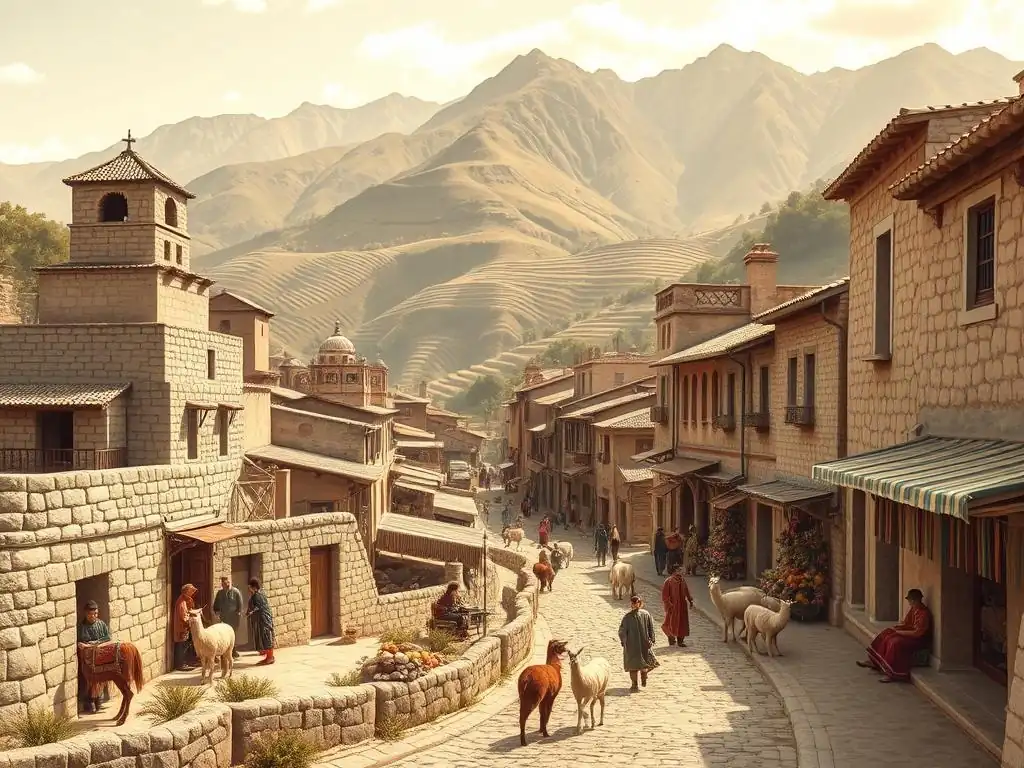
The urban planning techniques employed by Andean civilizations, particularly the Inca Empire, were intricately tied to their social structures, cultural practices, and environmental contexts. Pre-Columbian societies in the Andes, such as the Moche, Nazca, and later the Inca, developed unique settlement patterns that reflected their agricultural practices, trade networks, and religious beliefs.
- Territorial Organization: The Inca utilized a system called "Tawantinsuyu," which divided their territory into four regions. Each region was further organized into provinces, known as "suyus," with Cusco serving as the heart of the empire. This organization allowed for efficient governance and resource distribution.
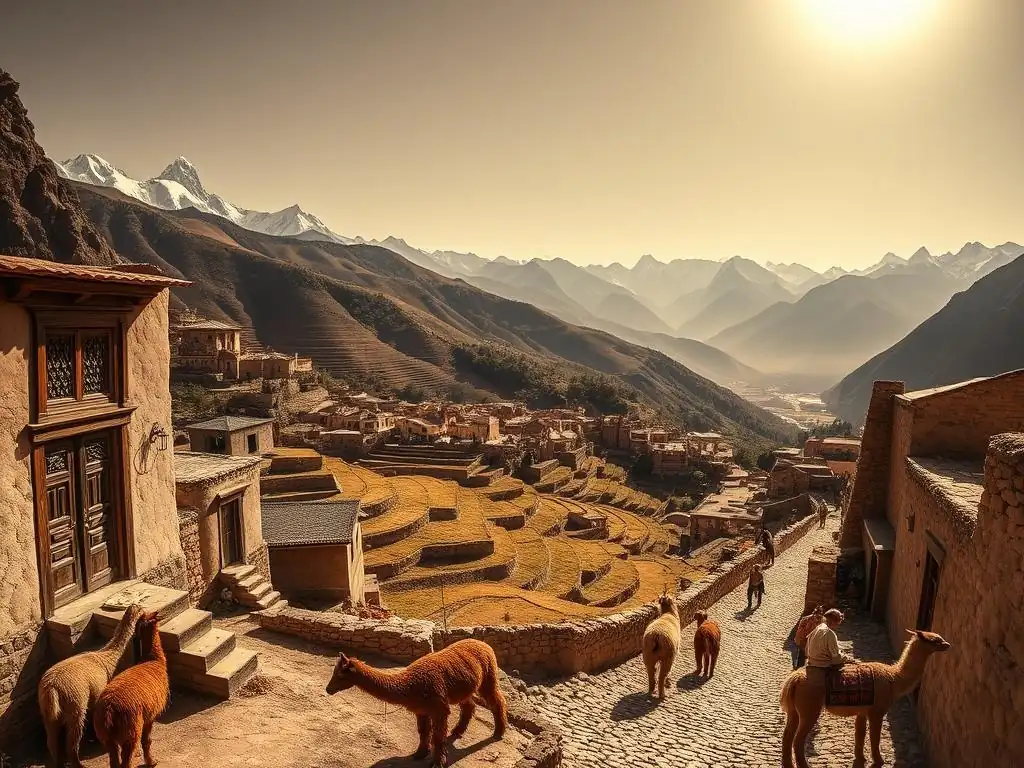
- Agricultural Integration: Urban settlements were strategically located in relation to agricultural lands. For instance, the terrace farming techniques enabled communities to maximize arable land in mountainous regions. Cities like Pisac and Ollantaytambo were designed to support both urban living and agricultural production, with irrigation systems that linked the fields to the settlements.
- Community Layout: The layout of Andean cities often featured a central plaza surrounded by administrative and religious buildings. This design not only facilitated social gatherings but also reinforced the importance of communal identity and governance. Streets were typically laid out in a grid pattern, allowing for efficient movement and organization.
Influence of Geography on Andean Urban Design
The diverse geography of the Andes played a significant role in shaping urban planning techniques. The region's varied topography, including mountains, valleys, and plateaus, influenced how cities were constructed and organized.
- Topographical Considerations: The rugged terrain of the Andes necessitated unique architectural solutions. Buildings were often constructed with local materials such as stone and adobe, allowing for durability against seismic activity. Structures were strategically placed to optimize views and access to resources, minimizing the impact of natural obstacles.
- Climate Adaptation: Different microclimates across the Andes required adaptive strategies in urban design. For instance, cities located in the highlands, like Cusco, experienced colder temperatures and required structures designed for insulation. Conversely, coastal cities, such as Moche, needed designs that could withstand the humid coastal climate while utilizing ventilation for cooling.
- Water Management: Efficient water management systems were crucial in Andean urban planning. The use of aqueducts and canals ensured a reliable water supply for both agricultural and urban needs. For example, the Inca developed an extensive network of irrigation that not only supported agriculture but also contributed to the aesthetic and functional aspects of their cities.
Andean urban planning techniques were deeply influenced by the historical context and geographic features of the region. The integration of social, agricultural, and environmental factors resulted in cities that were not only functional but also harmonized with the surrounding landscapes, showcasing the ingenuity of these ancient civilizations.
Key Principles of Andean Urban Planning Techniques
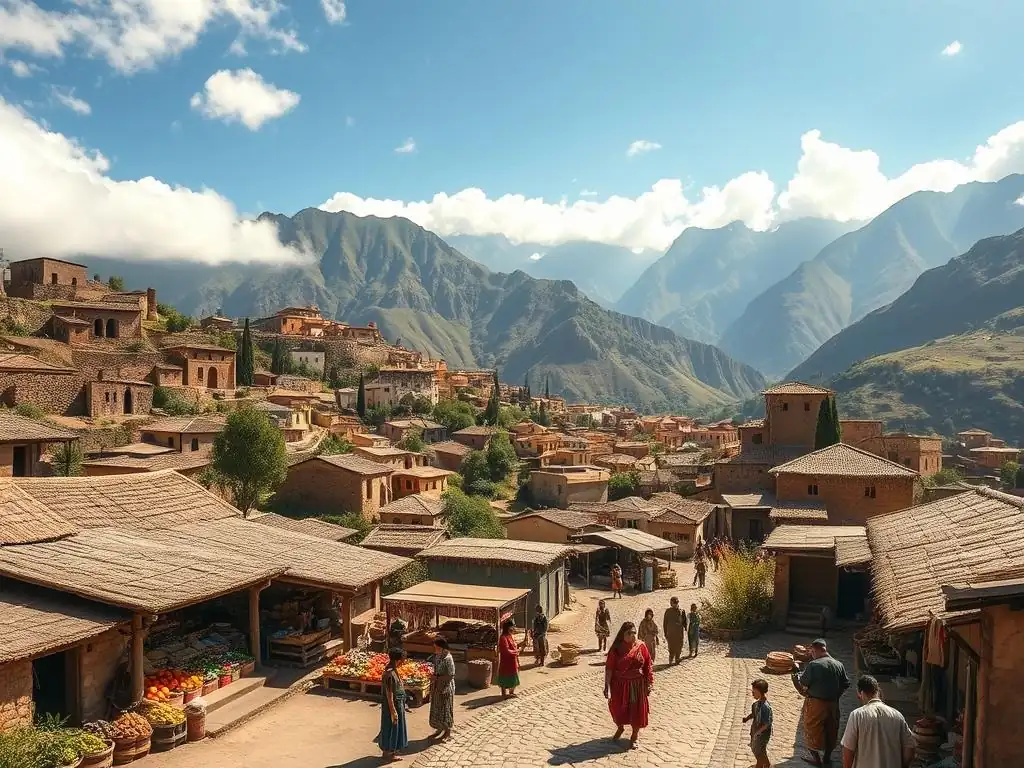
The Andean urban planning techniques reflect a sophisticated understanding of environmental adaptation, resource management, and social structure. These principles were not only functional but also deeply intertwined with the cultural and spiritual beliefs of the indigenous peoples. Below, we explore three key principles that define urban planning in the Andes.
Integration of Nature and Built Environment
Andean civilizations, such as the Inca, showcased an exceptional ability to blend their urban environments with the natural landscape. This integration involved several important aspects:
- Terracing and Agriculture: The use of terraced fields allowed for efficient agriculture on steep slopes, maximizing arable land while preventing erosion. This technique demonstrated an understanding of topography and water management.
- Water Management Systems: The construction of extensive irrigation canals and aqueducts facilitated the distribution of water from mountain streams to urban centers. This not only supported agriculture but also maintained hygiene and sanitation in cities.
- Sacred Geography: Many cities were designed with spiritual significance in mind, aligning structures with natural features such as mountains and rivers. These orientations reflected the Andean worldview, which revered nature as a vital force.
The integration of nature within urban design ensured that cities were sustainable and harmonized with their surroundings, promoting resilience against environmental challenges.
Use of Local Materials and Resources
Local materials were central to Andean urban planning, reflecting both practical and cultural considerations:
- Stone Construction: The Incas are well-known for their impressive stone masonry using local granite and limestone. This not only provided durability but also aesthetic beauty, with many structures exhibiting complex geometrical designs.
- Adobe and Clay: In regions where stone was less accessible, adobe was commonly used. This lightweight material was readily available and well-suited to the Andean climate, providing insulation and comfort.
- Sustainable Practices: The selection of materials was often guided by availability and sustainability. The use of local resources minimized transportation costs and environmental impact, showcasing an early form of ecological awareness.
By utilizing local materials, Andean cities were resilient, functionally effective, and deeply connected to their cultural identity.
Andean urban planning emphasized community and social structures, promoting cohesion among inhabitants:
- Central Plaza Design: Many Andean cities featured a central plaza that served as a communal space for gatherings, markets, and ceremonies. This design fostered social interaction and reinforced community bonds.
- Residential Layout: Housing was often organized in a way that facilitated social networks, with families living in close proximity. This encouraged cooperation and mutual support among community members.
- Cultural Institutions: The integration of temples and administrative buildings within urban designs underscored the importance of governance and spirituality, reflecting the societal values of the time.
The emphasis on community-centric design not only enhanced social cohesion but also ensured that urban environments supported the cultural practices and daily lives of their inhabitants.
The Andean urban planning techniques demonstrate a remarkable blend of environmental awareness, material sustainability, and community focus, shaping cities that were functional, harmonious, and reflective of indigenous cultural values. Through these principles, Andean civilizations not only thrived but also left a lasting legacy that continues to inspire contemporary urban planning.
Notable Examples of Andean Urban Planning
Cuzco: The Capital of the Inca Empire
Urban Layout and Architectural Features
Cuzco, often referred to as the historical heart of the Inca Empire, serves as a prime example of Andean urban planning techniques. The city was meticulously designed in the shape of a puma, symbolizing strength and power. The layout featured a central plaza, which acted as the focal point for both social and political activities. Surrounding this plaza were important structures, including the Sacsayhuamán fortress and various temples, each constructed with precision-cut stones that fit together seamlessly without mortar.
The streets of Cuzco were engineered to facilitate drainage, utilizing a sophisticated system of channels that guided rainwater away from the urban area. This attention to functionality not only showcased the ingenuity of Andean architects but also demonstrated a deep understanding of the local environment. The use of terracing on the surrounding hills further optimized land use for agriculture, ensuring that the city could support its population.
Cultural Significance and Symbolism
The design of Cuzco went beyond mere functionality; it was imbued with cultural significance. Each district within the city was dedicated to different deities and represented various aspects of Inca cosmology. The Qorikancha, or Temple of the Sun, was the most revered structure, demonstrating the Incas' deep religious devotion and their belief in the sun as a source of life.
Moreover, the city’s alignment with celestial bodies and its orientation reflected the Inca's agricultural calendar, emphasizing harmony with nature. The layout facilitated not only the practical needs of its inhabitants but also reinforced the spiritual and cultural identity of the Inca civilization.
Machu Picchu: A Masterpiece of Andean Architecture
Strategic Location and Functionality
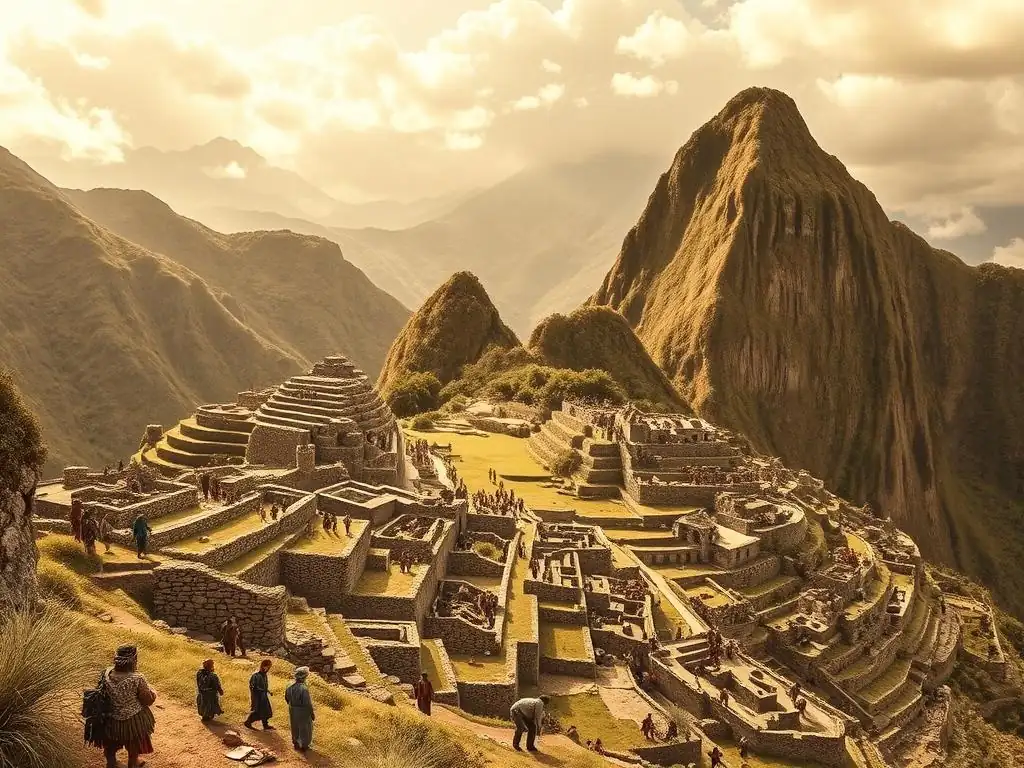
Machu Picchu stands as an iconic representation of Andean urban planning techniques, strategically perched high in the Andes Mountains. This ancient site was chosen for its unique location, which provided both defensive advantages and a stunning view of the surrounding landscape. The urban planning of Machu Picchu incorporated a series of terraces, which were critical for agriculture and prevented soil erosion on the steep slopes.
The city's layout was thoughtfully organized, with residential areas, agricultural plots, and ceremonial structures interspersed. Water management was expertly executed, with fountains and channels supplying fresh water throughout the site—a testament to the advanced engineering skills of the Incas.
Integration with the Surrounding Landscape
Machu Picchu's design exemplifies the Inca philosophy of living in harmony with the environment. The architects skillfully integrated the built environment with the natural topography, using local stone resources to create structures that blended seamlessly with their surroundings. The site features numerous pathways and steps carved directly into the rock, allowing for easy navigation while maintaining the integrity of the landscape.
This integration extended to ecological considerations as well, with terraces not only providing arable land but also creating microclimates that supported diverse agricultural practices. The careful planning and execution of Machu Picchu highlight the deep respect the Incas had for their environment, showcasing their ability to create a sustainable urban center that thrived in one of the most challenging terrains in the world.
The Role of Agriculture in Andean Urban Planning
Terracing and Agricultural Techniques
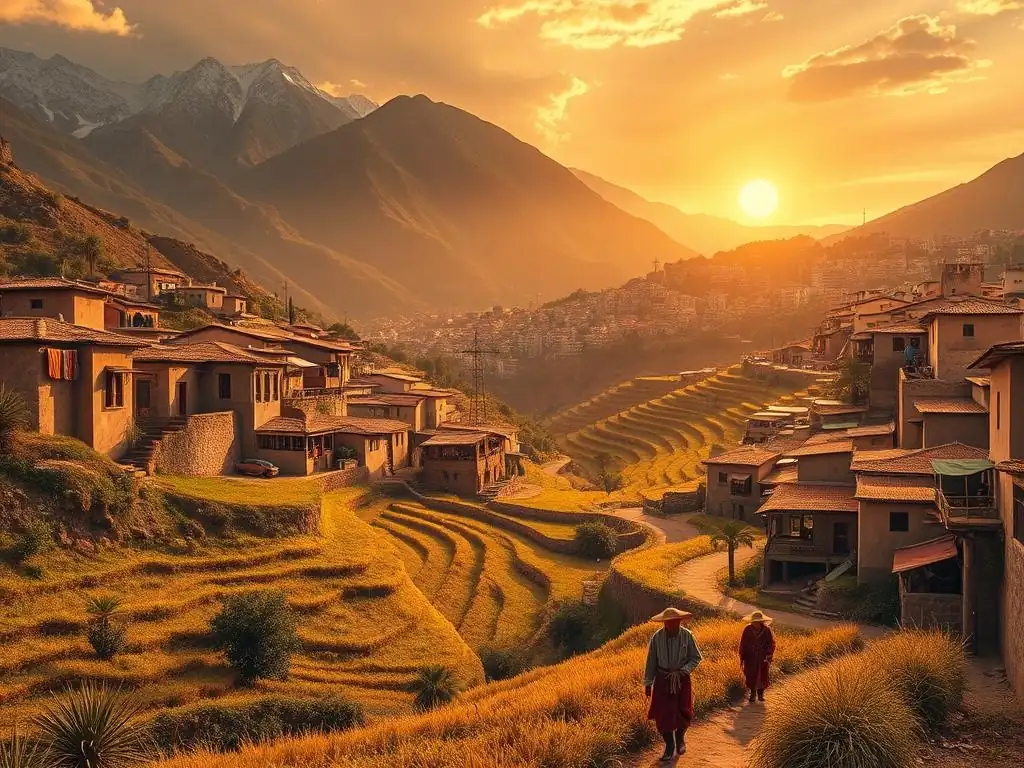
Terracing is one of the most prominent agricultural techniques used by the Andean civilizations, which significantly influenced their urban planning. This method involves creating stepped levels on hilly or mountainous terrain, allowing for effective cultivation while minimizing soil erosion. The Inca civilization, in particular, mastered this technique, transforming steep slopes into arable land.
- Benefits of Terracing:
- Soil Conservation: By reducing runoff, terraces help maintain soil fertility.
- Water Management: They facilitate the collection and distribution of water, crucial in the arid Andean climate.
- Microclimate Creation: Terraces can create varied microclimates, allowing for the cultivation of diverse crops.
The Inca developed complex irrigation systems to support their terraced fields, often utilizing canals and aqueducts that connected different agricultural zones. This integration of agriculture within urban planning ensured that cities like Cusco and Machu Picchu had sustainable food sources that supported their populations.
Urban Farming and Food Security
Urban farming played a vital role in ensuring food security within Andean cities. The layout of these cities often included designated agricultural zones, where crops were cultivated alongside residential and ceremonial spaces. This integration of urban and rural practices was essential for the sustenance of the community.
- Key Aspects of Urban Farming in the Andes:
- Crop Diversity: The Andean peoples cultivated a variety of crops, such as potatoes, quinoa, and maize, which were essential for dietary diversity and resilience against crop failures.
- Community Involvement: Urban farming encouraged communal efforts, where families worked together in gardens and fields, fostering social cohesion.
- Sustainability Practices: Techniques like companion planting and crop rotation were common, promoting soil health and reducing the need for chemical fertilizers.
The strategic placement of urban farms within city layouts allowed for easy access to fresh produce, reducing the need for transportation and its associated costs. This focus on agricultural integration not only supported the nutritional needs of the inhabitants but also strengthened the cultural identity of Andean societies, emphasizing their deep connection to the land and its resources.
The Andean urban planning techniques reflected a sophisticated understanding of the relationship between agriculture and urban life. Through practices such as terracing and urban farming, these civilizations ensured that their cities were not only functional but also harmonious with the environment, contributing to their resilience and longevity.
Modern Implications of Andean Urban Planning Techniques
Lessons for Contemporary Urban Design
The urban planning techniques of the Andean civilizations offer valuable insights for contemporary urban design. By analyzing the strategies employed by these ancient societies, modern planners can draw lessons in functionality, community engagement, and environmental harmony.
- Integrated Land Use: Andean cities like Cusco exemplified integrated land use, where residential, agricultural, and ceremonial spaces were harmoniously aligned. Modern cities can benefit from this approach by promoting mixed-use developments that reduce the need for unnecessary commuting and foster community interactions.
- Adaptation to Terrain: The Andean people skillfully adapted their urban layouts to the challenging mountainous terrain. This adaptability can inspire contemporary designers to consider local geographic features, ensuring that infrastructure is not only functional but also enhances the natural landscape.
- Community-Centric Planning: Andean urban planning emphasized community spaces, such as plazas and communal areas, which were central to social life. In a world where urban isolation is a growing concern, creating inclusive public spaces can enhance social cohesion and community well-being.
- Cultural Heritage Integration: The preservation of cultural heritage was central to Andean urban design. By incorporating local history and cultural elements into modern planning, cities can foster a sense of identity and pride among residents.
- Holistic Approaches to Infrastructure: The use of advanced agricultural terraces and aqueducts in the Andes reflects a holistic approach to infrastructure. Modern urban planners should consider integrated systems that address multiple needs, such as water management, waste disposal, and energy use, in a sustainable manner.
Sustainability and Resilience in Urban Development
The Andean civilizations demonstrated remarkable sustainability and resilience through their urban planning techniques, which can inform current practices in urban development.
- Water Management Systems: The intricate irrigation systems and aqueducts developed by the Incas are a testament to effective water management. Contemporary urban planners can learn from these techniques to develop sustainable water management systems that address the challenges of climate change and urbanization.
- Sustainable Agriculture Practices: Andean agricultural techniques, such as terracing, minimized soil erosion and maximized arable land usage. Modern urban farming initiatives can adopt similar methods to promote food security and sustainability within urban environments.
- Natural Disaster Preparedness: The strategic placement of Andean cities demonstrated foresight in mitigating the effects of natural disasters, such as earthquakes and landslides. By studying these ancient strategies, contemporary cities can improve their resilience to environmental challenges through better planning and infrastructure design.
- Biodiversity Conservation: The Andean cultures maintained a deep respect for their environment, and this is reflected in their urban planning. Modern urban design can incorporate green spaces, biodiversity corridors, and urban forests, promoting ecological health and enhancing the quality of life for residents.
- Community Involvement: The participatory nature of Andean planning processes ensured that the needs of the community were met. Today’s urban planners can engage with local communities to gather input and foster a sense of ownership, leading to more sustainable and effective urban solutions.
By embracing these lessons from Andean urban planning techniques, contemporary urban designers can create cities that are not only functional but also sustainable, resilient, and deeply connected to their cultural heritage.
Challenges and Preservation of Andean Urban Heritage
Threats to Historical Sites and Urban Integrity
The urban heritage of the Andes is a testament to the sophisticated Andean urban planning techniques that characterized pre-Columbian societies. However, these historical sites face numerous threats that jeopardize their integrity and preservation.
-
Urbanization and Development
The rapid urbanization in the Andean region has led to the encroachment of modern infrastructure on ancient sites. New construction projects often overlook the importance of preserving archaeological remains, leading to the destruction of significant cultural landmarks. For instance, in cities like Cusco, modern buildings can overshadow or even obliterate ancient structures, undermining the historical narrative that these sites represent.
-
Climate Change
Changes in climate patterns pose a serious risk to Andean urban sites. Increased rainfall and temperature fluctuations can accelerate the degradation of ancient materials, such as adobe and stone. The effects of erosion and landslides are particularly acute in mountainous areas, where fragile ecosystems are disrupted, threatening both the urban structures and the surrounding landscapes.
-
Tourism Pressure
While tourism can provide economic benefits, excessive visitation can lead to wear and tear on archaeological sites. Areas like Machu Picchu experience significant foot traffic, which can lead to soil erosion and damage to the structures. The balance between promoting tourism and conserving heritage sites is delicate and often difficult to maintain.
-
Illegal Excavations and Looting
Unfortunately, the allure of ancient artifacts has led to illegal excavations and looting of sites. Many valuable items are taken from their original contexts, resulting in the loss of historical information and the degradation of the site’s integrity. The black market for Andean artifacts further complicates efforts to protect these treasures.
Efforts in Conservation and Education
To combat these threats, various initiatives have been implemented to conserve Andean urban heritage and educate the public about its significance.
-
Legal Frameworks and Protection Policies
Governments and local authorities are increasingly recognizing the importance of protecting Andean heritage. Legal frameworks have been established to safeguard historical sites, with designated protected areas where construction and development are restricted. For example, Peru has laws that aim to preserve archaeological sites, ensuring that they remain intact for future generations.
-
Community Involvement
Engaging local communities in conservation efforts has proven effective in preserving Andean urban heritage. Programs that involve indigenous populations not only empower them but also ensure that traditional knowledge and practices are incorporated into preservation strategies. This community-based approach fosters a sense of ownership and responsibility towards local heritage.
-
Educational Programs
Education plays a crucial role in raising awareness about the value of Andean urban planning techniques and cultural heritage. Schools and universities are increasingly incorporating the history of indigenous civilizations into their curricula. Workshops, guided tours, and cultural events serve to inform both locals and tourists about the significance of these sites, promoting a culture of respect and preservation.
-
Collaborative Conservation Projects
Partnerships between governments, NGOs, and international organizations have led to successful conservation projects. For instance, initiatives to restore and maintain ancient irrigation systems or urban layouts highlight the ingenuity of Andean civilization while providing practical benefits to modern communities. These collaborative efforts are essential for ensuring the longevity of Andean urban heritage.
While Andean urban heritage faces significant challenges, ongoing conservation and education efforts underscore the commitment to preserving this invaluable legacy. By addressing threats and promoting awareness, we can help ensure that the achievements of Andean civilizations continue to inspire future generations.
Conclusion: The Legacy of Andean Urban Planning Techniques
The legacy of Andean urban planning techniques is a testament to the ingenuity and adaptability of indigenous civilizations in the Americas. These techniques not only facilitated the growth and functionality of cities but also contributed to the harmonious integration of architecture with the surrounding environment. The careful consideration of geography, climate, and social structure in urban design has left an enduring mark on both the historical narrative of the Andes and contemporary urban planning practices.
Lasting Impact on Indigenous Cultures and Modern Cities
Andean urban planning techniques were deeply rooted in the cultural and environmental contexts of the region. The cities were meticulously planned to ensure efficient resource management, communal living, and spiritual significance. For instance, the layout of cities like Cusco demonstrated a sophisticated understanding of topography and hydrology, incorporating terracing and aqueduct systems that efficiently channeled water throughout the urban landscape.
The impact of these techniques extends beyond historical significance; they have influenced modern urban planning in several ways:
- Sustainable Practices: Many modern architects and urban planners are looking back to Andean techniques for sustainable solutions. For example, the use of local materials and designs that respond to climatic conditions are being revisited to reduce environmental impact.
- Community Orientation: The communal aspects of Andean cities, where public spaces and community centers were integral to urban design, inspire current urban developments that prioritize social interaction and community building.
- Integration with Nature: The Andean approach to harmonizing urban spaces with natural landscapes serves as a model for contemporary planners aiming to create cities that are not only functional but also aesthetically and environmentally integrated.
This lasting impact underscores the importance of preserving indigenous architectural knowledge while recognizing its relevance to modern urban challenges.
Future Directions in Urban Planning Inspired by Andean Practices
As urban centers around the globe grapple with challenges such as rapid population growth, climate change, and social inequities, there is a growing recognition of the value of Andean urban planning techniques. Future urban planning endeavors can draw inspiration from the following aspects of Andean practices:
- Resilience to Natural Disasters: The Andean civilizations developed cities that were resilient to environmental challenges such as earthquakes and landslides. Future urban developments can benefit from studying these adaptive strategies to enhance resilience against climate-related disasters.
- Water Management Systems: With water scarcity becoming a pressing issue in many regions, the sophisticated aqueducts and irrigation systems of the Andes can provide innovative solutions for sustainable water management in urban settings.
- Cultural Heritage Preservation: In reimagining urban spaces, planners can integrate the rich cultural narratives of indigenous peoples, ensuring that urban development respects and reflects historical contexts.
The Andean urban planning techniques offer a wealth of knowledge and inspiration that can inform the future of urban planning. By embracing these indigenous practices, contemporary societies can create cities that are not only functional but also sustainable, resilient, and culturally rich. The legacy of the Andes continues to resonate, shaping both the past and the future of urban landscapes.
Frequently Asked Questions
What are Andean urban planning techniques?
Andean urban planning techniques refer to the methods and strategies used by indigenous civilizations in the Andes to design their cities. These techniques emphasized functionality, sustainability, and integration with the natural environment.
How did the topography influence urban planning in the Andes?
The topography of the Andes, characterized by mountains and valleys, prompted innovative solutions in urban planning. Cities were often built on terraces and utilized drainage systems to manage water and prevent erosion.
Social organization was crucial in Andean urban design, as cities were often structured around communal spaces and religious centers. This layout facilitated social interaction and reinforced community ties among the inhabitants.
Can you explain the significance of agricultural integration in Andean cities?
Agricultural integration was vital in Andean cities, as urban planners designed areas to accommodate farming alongside urban living. This practice ensured a reliable food supply and supported the economic stability of the community.
How do Andean urban planning techniques influence modern city planning?
Modern city planners often look to Andean urban planning techniques for inspiration, especially regarding sustainability and community-oriented design. The lessons from these ancient cities continue to inform contemporary approaches to urban development.
Final Reflection: The Enduring Legacy of Andean Urban Planning Techniques
The principles of Andean urban planning techniques resonate profoundly in today's world, where the balance between functionality and harmony is more crucial than ever. As we navigate the complexities of modern urbanization, the lessons from the Andean civilizations remind us that cities can be designed not just for efficiency, but also for the well-being of their inhabitants and the environment. The wisdom of integrating nature with urban spaces is a striking statement that challenges contemporary urban planners to rethink their strategies.
The influence of Andean urban planning techniques extends far beyond their historical context; they continue to shape our cultural and social landscapes. From sustainable architecture to community-centered design, these ancient practices inspire a new generation of urban planners and architects who seek to create spaces that honor both tradition and innovation. The best way to predict the future is to create it,
said Peter Drucker, a reminder that the legacy of the Andes is not just in the past but a guiding light for our future endeavors.
As you reflect on the insights shared in this article, consider how you can incorporate the principles of Andean urban planning into your own life and community. Embrace the idea that every space, whether urban or rural, can be designed with intention and care, fostering a sense of harmony and connection. Let the lessons from the Andes inspire you to advocate for sustainable practices and community-focused initiatives, ensuring that our cities not only function effectively but also resonate with the beauty and balance that nature provides.
Unleash Your Curiosity: Explore Urban Planning in the Andes!
Thank you for diving into the fascinating world of urban planning in the Andes! You've uncovered the incredible ways ancient cities were designed with both function and harmony in mind. Now, it's time to take the next step and immerse yourself deeper into this captivating topic.
- Discover more: Dive into related articles on the rich history and cultural significance of Andean cities on our website.
- Share your thoughts: Join the conversation by commenting below—what intrigues you the most about Andean urban design?
- Support Indigenous voices: Consider sharing this article with friends to spread awareness of the brilliance of Indigenous civilizations.
What specific aspect of Andean urban planning would you love to explore further, and what draws you to it?