
The Ingenious Irrigation Systems of the Ancient Maya: A Deep Dive

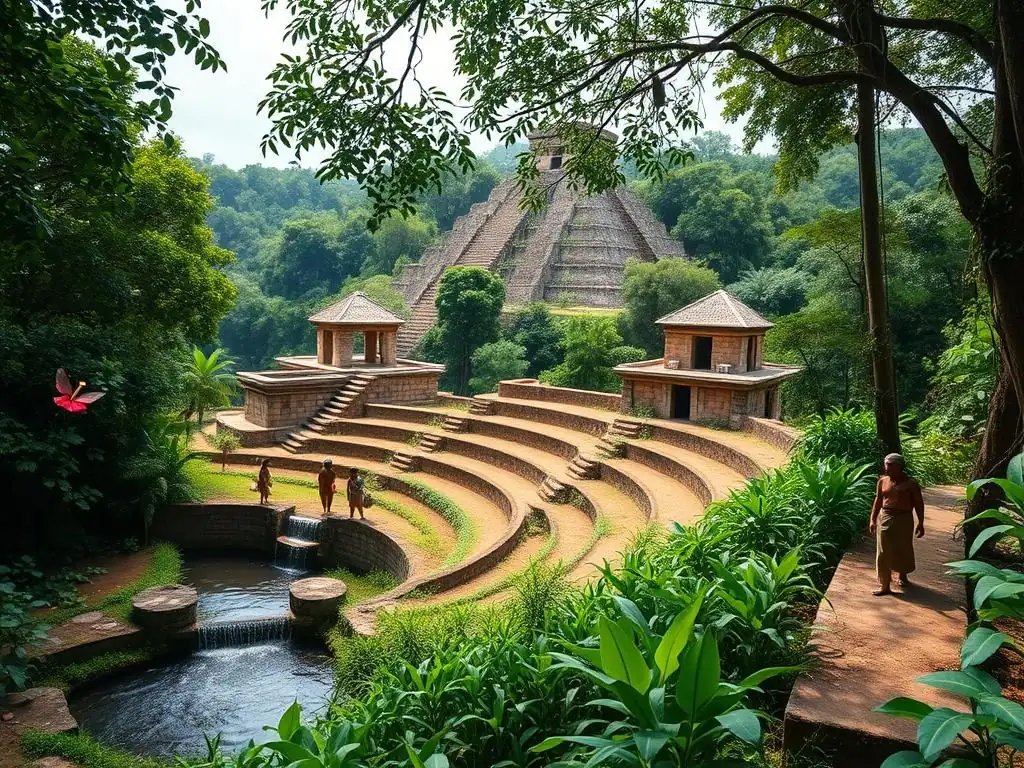
Welcome to Indigenous Civilizations of the Americas, where we invite you to embark on a journey through time to uncover the rich tapestry of cultures that flourished long before the arrival of Europeans. Our featured article, "The Ingenious Irrigation Systems of the Ancient Maya: A Deep Dive," offers an illuminating look at the remarkable engineering feats that sustained one of history's most advanced societies. Discover how these ancient systems not only transformed agriculture but also shaped social structures and environmental interactions.
As you delve deeper, prepare to be captivated by the innovations that continue to influence our understanding of sustainable practices today. Join us in exploring the profound legacy of the Ancient Maya and the myriad achievements of indigenous peoples across the Americas!
- Introduction to Ancient Maya Irrigation Systems
- Historical Context of Ancient Maya Irrigation Technologies
- Key Features of Ancient Maya Irrigation Systems
- The Role of Irrigation in Maya Society and Economy
- Case Studies of Notable Maya Irrigation Sites
- Challenges and Adaptations in Ancient Maya Irrigation
- Legacy of Ancient Maya Irrigation Systems
- Conclusion
-
Frequently Asked Questions
- What were the main features of Ancient Maya irrigation systems?
- How did the Maya develop their irrigation techniques?
- What crops were primarily supported by these irrigation systems?
- How did the Maya irrigation systems impact their civilization?
- What can we learn from the Maya irrigation practices today?
- Final Reflection: The Enduring Legacy of Ancient Maya Irrigation Systems
- Unveil the Secrets of Ancient Maya Irrigation!
Introduction to Ancient Maya Irrigation Systems
The study of the Ancient Maya civilization reveals a complex society that thrived in Mesoamerica long before European contact. Among their many remarkable achievements, the Ancient Maya irrigation systems stand out as an essential component of their agricultural prowess and societal development. This article will explore the innovative techniques and extensive networks that the Maya employed to harness water resources in their often challenging environments.
By understanding these irrigation systems, we gain insight into the sophisticated engineering skills of the Maya, their adaptation to diverse landscapes, and the cultural significance of water management in their society. This examination not only highlights the ingenuity of the Ancient Maya but also underscores their lasting impact on future agricultural practices in the region.
Overview of Ancient Maya Civilization
The Ancient Maya civilization flourished in the tropical lowlands of modern-day Mexico, Guatemala, Belize, and parts of Honduras and El Salvador from approximately 2000 BC until the Spanish conquest in the 16th century. The Maya are renowned for their advanced knowledge in various fields, including mathematics, astronomy, and architecture.
Key Features of Ancient Maya Civilization:
- City-States: The Maya civilization was organized into numerous city-states, each with its own ruler and governance structure. Notable cities included Tikal, Palenque, and Copán.
- Cultural Achievements: The Maya developed a complex writing system, created stunning architectural structures like pyramids and temples, and produced exquisite art and pottery.
- Social Structure: Maya society was hierarchical, consisting of nobles, priests, merchants, artisans, and farmers. Religion played a central role in their culture, influencing daily life and governance.
- Economic Activities: Agriculture was the backbone of the Maya economy, with maize (corn) as the staple crop. The Maya utilized various farming techniques to maximize their agricultural output.
Importance of Irrigation in Maya Agriculture
Irrigation was vital to the sustainability and productivity of Ancient Maya agriculture, especially given the region's variable rainfall patterns and often challenging terrain. The ability to control water supply directly influenced crop yields and, consequently, the stability of Maya society.
Key Aspects of Irrigation Importance:
- Crop Diversity: The Maya cultivated a variety of crops, including maize, beans, squash, and cacao. Effective irrigation allowed for the cultivation of these crops in different climatic zones.
- Water Management Techniques: The Maya implemented various water management strategies, such as:
- Terracing: Creating flat areas on slopes to reduce soil erosion and manage water runoff.
- Canals: Designing extensive canal systems to channel water to fields, ensuring efficient irrigation during dry periods.
- Reservoirs: Constructing reservoirs to store rainwater, providing a critical water supply during droughts.
- Sustainability: The sustainable management of water resources through irrigation practices contributed to the longevity of Maya agricultural systems, allowing their civilization to flourish for centuries.
The ingenuity of these irrigation systems not only facilitated agricultural success but also played a crucial role in the development of Maya cities and their complex societal structures. Understanding these systems offers a glimpse into the remarkable adaptability and engineering skills of the Ancient Maya.
Historical Context of Ancient Maya Irrigation Technologies
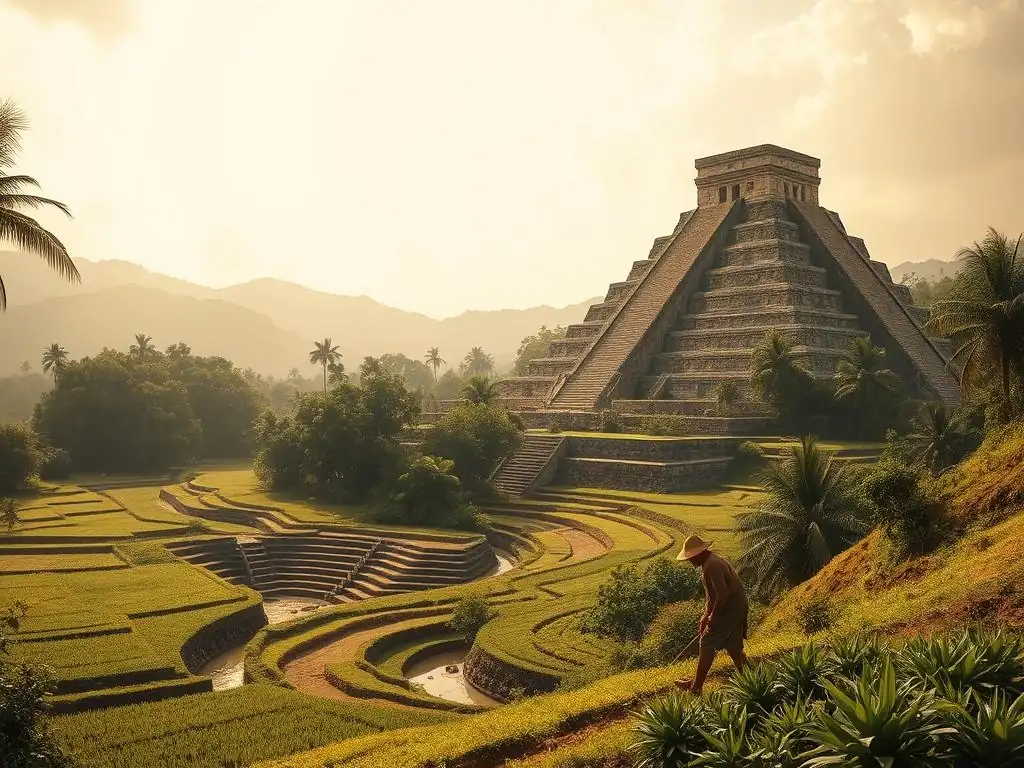
The ancient Maya civilization, which flourished from approximately 2000 BCE until the arrival of Europeans in the 16th century, developed sophisticated irrigation systems that were crucial for their agricultural success. The Maya inhabited a diverse range of environments, from dense rainforests to arid regions, which necessitated innovative water management practices to support their agriculture and sustain their large populations.
Development of Irrigation Practices in Mesoamerica
The foundations of irrigation practices in Mesoamerica can be traced back to the early agricultural societies that emerged around 1500 BCE. These societies began experimenting with different methods to manage water resources, particularly in the context of the varying rainfall patterns across the region.
- Early Techniques:
- Swidden Agriculture: Initially, the Maya utilized slash-and-burn techniques to clear land for crops, but this method was not sustainable long-term due to soil degradation.
- Terracing: As populations grew, the need for more efficient cultivation led to the development of terracing. This technique involved creating flat areas on sloped terrain, which helped to manage soil erosion and maximize arable land.
- Advanced Systems:
- Canals and Reservoirs: The Maya engineered extensive canal systems to divert water from rivers and streams, allowing for more controlled irrigation. They also constructed reservoirs to store water for dry periods, which was essential for maintaining crop yields.
- Raised Fields: In some areas, the Maya developed raised fields, which were elevated platforms surrounded by canals. This technique not only improved drainage but also extended the growing season by trapping heat.
- Crop Diversity:
- The irrigation systems supported a variety of crops, including maize, beans, squash, and cacao. This diverse agricultural output was fundamental to the Maya economy and culture.
Influence of Geography on Maya Irrigation Systems
The geographical landscape of the Maya region significantly influenced their irrigation practices. The civilization spanned modern-day Mexico, Guatemala, Belize, Honduras, and El Salvador, each area presenting unique challenges and opportunities.
- Rainforest Regions:
- In the dense rainforests of the Petén Basin, the Maya faced heavy rainfall and poor drainage. To combat these conditions, they relied heavily on raised fields and canals to manage excess water and prevent crop flooding.
- Highlands:
- The cooler, mountainous regions posed different challenges, such as limited arable land. Here, terrace farming became more prevalent, allowing the Maya to cultivate crops effectively on steep slopes.
- Coastal Areas:
- Coastal Maya communities developed systems that utilized tidal wetlands. They constructed dikes to control saltwater intrusion and utilized brackish water for specialized crops, reflecting their adaptability to different environments.
- Climate Variability:
- The Maya were acutely aware of their climate, which experienced fluctuations between wet and dry seasons. Their irrigation systems were designed to store water during the rainy season for use during droughts, demonstrating an advanced understanding of hydrology.
The ancient Maya irrigation systems represent a remarkable achievement in agricultural technology, shaped by their historical context and geographical diversity. The innovative solutions developed by the Maya not only supported their civilization's growth but also laid the groundwork for sustainable practices in water management that are still studied and admired today.
Key Features of Ancient Maya Irrigation Systems
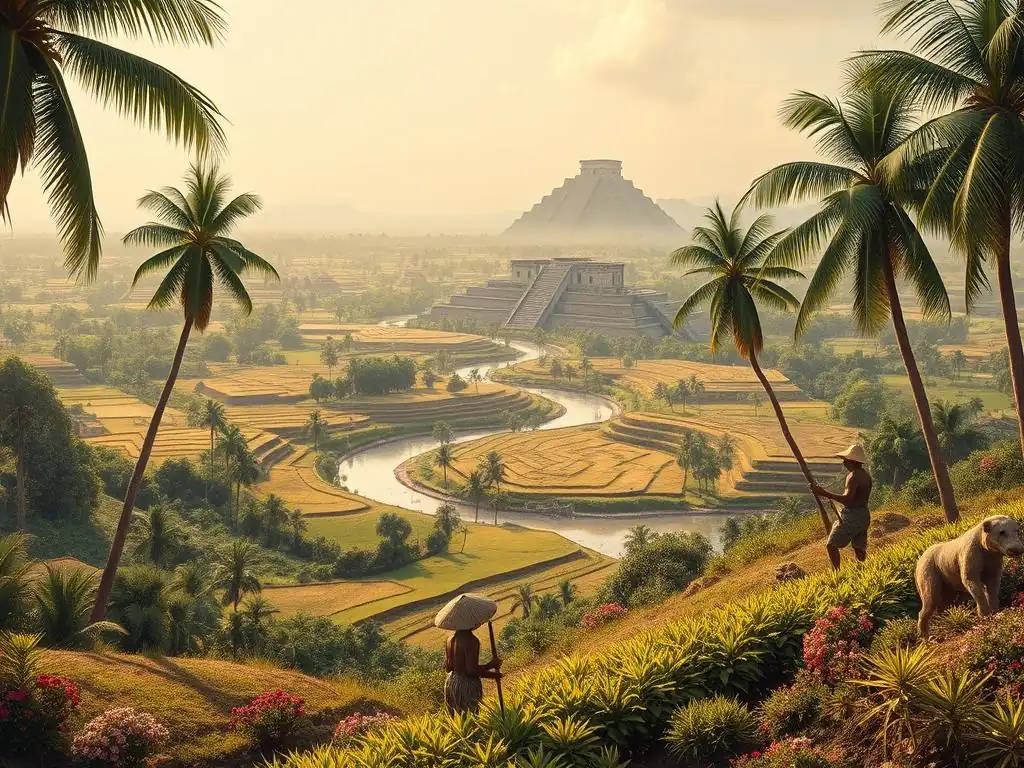
The irrigation systems of the Ancient Maya were a remarkable testament to their ingenuity and adaptability, allowing them to thrive in a challenging environment characterized by diverse geography and climate. These systems were vital for agricultural productivity, supporting large populations and complex societies. Below, we explore the key features and components of these innovative irrigation techniques.
Types of Irrigation Systems Used by the Ancient Maya
The Ancient Maya employed a range of irrigation systems tailored to their specific environmental conditions, ensuring optimal water management for their crops. The primary types included:
Canal Systems
The canal systems were essential for directing water from rivers, lakes, and other natural sources to agricultural fields.
- Design and Functionality: These canals were constructed with careful engineering, utilizing gravity to facilitate water flow. They varied in size and complexity, often including features such as:
- Ditches: Shallow channels that distributed water across fields.
- Dams: Structures to control water levels and prevent flooding.
- Impact on Agriculture: The canals increased the arable land area and allowed for multiple cropping cycles, which significantly boosted food production and supported larger communities.
Terracing Techniques
Terracing was another innovative approach adopted by the Ancient Maya to combat soil erosion and optimize water use on hilly terrains.
- Construction: Terraces were built as flat ledges on sloped land, creating a series of steps that reduced runoff and conserved moisture. This method enabled the Maya to cultivate crops in areas that would otherwise be unsuitable for farming.
- Crops Grown: Common crops cultivated on terraces included maize, beans, and squash, which were staples of the Maya diet.
Reservoirs and Water Storage
To ensure a reliable water supply, the Maya constructed reservoirs that stored rainwater and runoff during the wet season.
- Reservoir Design: These reservoirs were often lined with clay or other materials to minimize seepage and maximize water retention.
- Community Impact: The presence of reservoirs allowed for water use during dry periods, facilitating the cultivation of crops throughout the year and contributing to the stability of Maya settlements.
Materials and Tools for Irrigation
The success of the Ancient Maya irrigation systems was also due to their effective use of materials and tools.
Natural Resources Utilized
The Maya expertly sourced materials from their surrounding environment to build and maintain their irrigation infrastructure.
- Local Materials:
- Stone: Used for constructing canals and reservoirs, often sourced from nearby quarries.
- Clay: Essential for waterproofing reservoirs and creating barriers to manage water flow.
- Sustainable Practices: The Maya practiced sustainability by using available resources without depleting their environment, ensuring long-term viability for their agricultural systems.
Ingenious Engineering Solutions
The engineering prowess of the Ancient Maya is evident in their advanced techniques and tools designed for irrigation.
- Tools and Techniques:
- Shovels and Picks: Crafted from stone, these tools were essential for digging canals and creating terraces.
- Water Level Measurement: The Maya developed methods to measure water levels in their reservoirs, allowing them to manage water distribution effectively.
- Problem Solving: Faced with challenges such as seasonal droughts and heavy rains, the Maya adapted their systems continually, demonstrating a deep understanding of hydrology and engineering.
The Ancient Maya irrigation systems exemplify their remarkable ability to innovate and adapt to their environment. By employing diverse techniques such as canal systems, terracing, and reservoirs, they not only enhanced agricultural output but also laid the foundation for complex, thriving societies that would endure for centuries.
The Role of Irrigation in Maya Society and Economy
Irrigation was a pivotal aspect of Ancient Maya civilization, influencing not only their agricultural practices but also shaping their societal structures and economic systems. The Maya developed sophisticated irrigation systems to manage water resources in their diverse environments, from the lowland tropical areas to the highland regions. These innovations enabled them to cultivate a variety of crops, including maize, beans, and squash, which were staples of their diet and integral to their economic stability.
The strategic implementation of these irrigation techniques allowed the Maya to maximize agricultural output, even in regions that experienced seasonal droughts. This was particularly crucial given the population density of some city-states, which required efficient food production to sustain their inhabitants. By creating canals, terraces, and reservoirs, the Maya not only ensured a steady water supply but also enhanced soil fertility through controlled flooding and sediment deposition.
Impact on Agricultural Productivity
The agricultural productivity of the Ancient Maya was significantly enhanced by their advanced irrigation systems. Research indicates that regions with well-developed irrigation infrastructure could support larger populations and complex societal hierarchies. Here are some key points regarding the impact of irrigation on their agriculture:
- Increased Crop Yields: The use of irrigation allowed for multiple cropping cycles throughout the year. Studies show that land equipped with irrigation systems could yield up to 50% more crops compared to rain-fed fields.
- Crop Diversification: Irrigation enabled the Maya to experiment with various crops, leading to a diverse agricultural landscape. This diversification not only provided nutritional variety but also created economic resilience against crop failures.
- Sustainable Practices: Ancient Maya irrigation systems were often designed with sustainability in mind. For instance, the construction of swales helped capture rainwater and reduce erosion, contributing to long-term agricultural viability.
| Irrigation Technique | Description | Impact on Productivity |
|---|---|---|
| Canals | Channels dug to direct water flow | Increased water access for crops |
| Terracing | Sloped fields that reduce erosion | Enhanced soil retention and crop yield |
| Reservoirs | Storage for water during dry periods | Stabilized water supply across seasons |
The relationship between irrigation and social structure in Ancient Maya society was intricate and multifaceted. The management and distribution of water resources often dictated social organization and hierarchy within communities. Key aspects of this relationship include:
- Centralized Authority: The complexity of irrigation systems required coordinated management, leading to the establishment of centralized authorities. Leaders or elite classes often oversaw these irrigation projects, reinforcing their power and control over agricultural production.
- Labor Organization: The construction and maintenance of irrigation systems necessitated collective labor. This fostered community cooperation but also highlighted class distinctions, as those in power could command labor from lower-status individuals.
- Religious and Cultural Significance: Water management not only had practical implications but also held spiritual significance. Many Maya believed that water was sacred, leading to rituals and ceremonies centered around agriculture and irrigation, which reinforced community bonds and cultural identity.
The ingenious irrigation systems of the Ancient Maya were not just technical innovations; they were foundational to the civilization’s agricultural productivity and social organization. The interplay between irrigation practices and societal structures underscores the importance of these technologies in shaping the legacy of the Maya.
Case Studies of Notable Maya Irrigation Sites
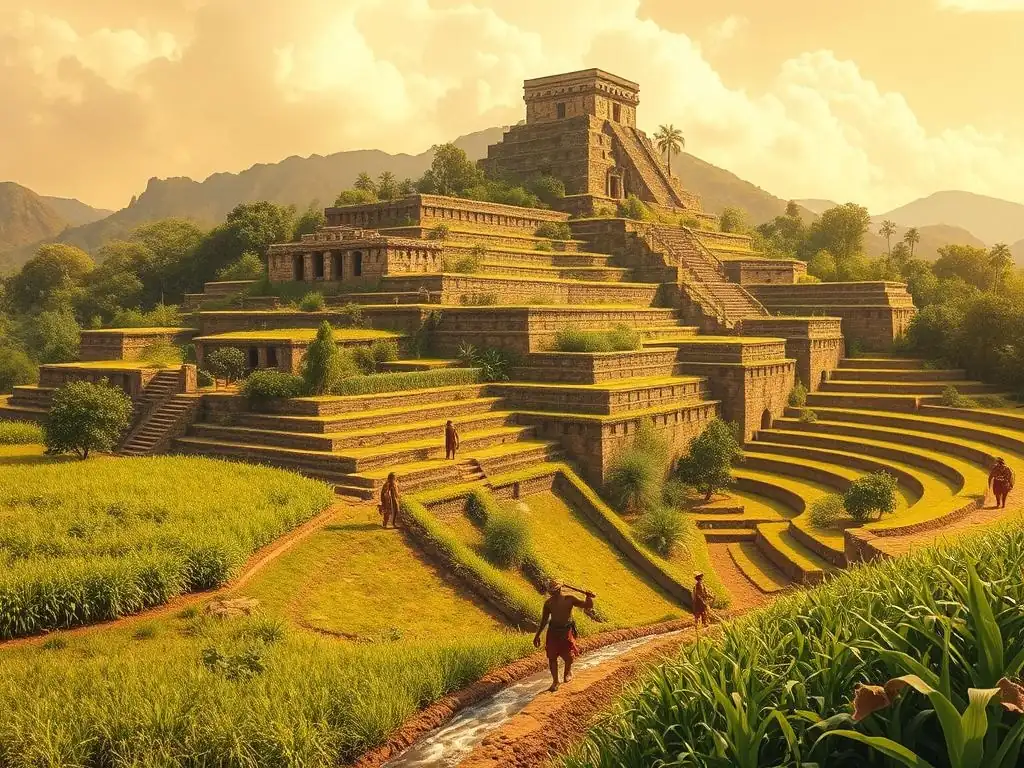
The Irrigation Systems of Tikal
Tikal, one of the most prominent ancient Maya cities, showcases an impressive array of irrigation systems that reflect the ingenuity of the Maya civilization. The site is located in present-day Guatemala and was inhabited from approximately 600 BC to AD 900. The irrigation systems at Tikal were essential for supporting its large population and agricultural needs.
The primary irrigation strategy involved the construction of canals, reservoirs, and terracing. These features allowed for the efficient management of rainwater and runoff, which was crucial in the region's tropical climate. The Maya utilized a network of canals to direct water from nearby rivers and seasonal streams to their fields.
- Reservoirs: Large reservoirs were built to store rainwater, ensuring a reliable water supply during dry periods. Some of these reservoirs could hold millions of gallons of water.
- Terracing: The use of terraced farming not only maximized arable land but also reduced soil erosion, while allowing for better water retention.
Archaeological studies have indicated that the irrigation systems at Tikal were highly sophisticated, incorporating silt traps to filter sediments and maintain water quality for agricultural use. These systems not only provided water for crops but also contributed to the city's overall sustainability.
Water Management in Palenque
Palenque, located in the modern-day state of Chiapas, Mexico, is another exemplary site for understanding the ancient Maya's approach to water management. This city is renowned for its architectural marvels and equally impressive hydraulic engineering, which played a pivotal role in its development.
The water management systems in Palenque included:
- Aqueducts: The Maya constructed aqueducts to transport water from springs located in the nearby hills to the city. This engineering feat involved the use of sloping channels and culverts to ensure water flowed efficiently.
- Retention Ponds: These ponds were integral for capturing and storing rainwater. They were often lined with clay to minimize seepage and maximize water retention.
- Drainage Systems: The Maya designed advanced drainage systems to manage excess water during the rainy season, preventing flooding and protecting agricultural land.
One of the most remarkable discoveries in Palenque is the Temple of the Inscriptions, which is believed to have housed a tomb and served as a water catchment system. This demonstrates the multifaceted approach the Maya employed in integrating architecture with functional water management.
Unique Practices in Copán
Situated in western Honduras, Copán is another critical site for studying ancient Maya irrigation practices. This city flourished from the 5th to the 9th centuries AD and is noted for its elaborate stone carvings and hieroglyphics, as well as its innovative agricultural techniques.
The irrigation practices in Copán were distinct and included:
- Swidden Agriculture: The Maya practiced swidden or shifting agriculture, rotating fields to maintain soil fertility. This method was complemented by the use of irrigation to ensure consistent crop yields.
- Wetland Farming: The low-lying areas around Copán were utilized for intensive wetland farming, where crops such as maize, beans, and squash thrived in the nutrient-rich soils.
- Basin Irrigation: The Maya created basins to capture seasonal rainwater, allowing for controlled flooding of fields. This technique was particularly effective in enhancing soil fertility through the deposition of nutrient-rich sediments.
These unique practices in Copán not only highlight the adaptability of the ancient Maya to their environment but also underscore their deep understanding of sustainable agriculture. By employing diverse irrigation methods, they could maximize their agricultural output and support a thriving urban center.
Challenges and Adaptations in Ancient Maya Irrigation
Environmental Challenges Faced by the Maya
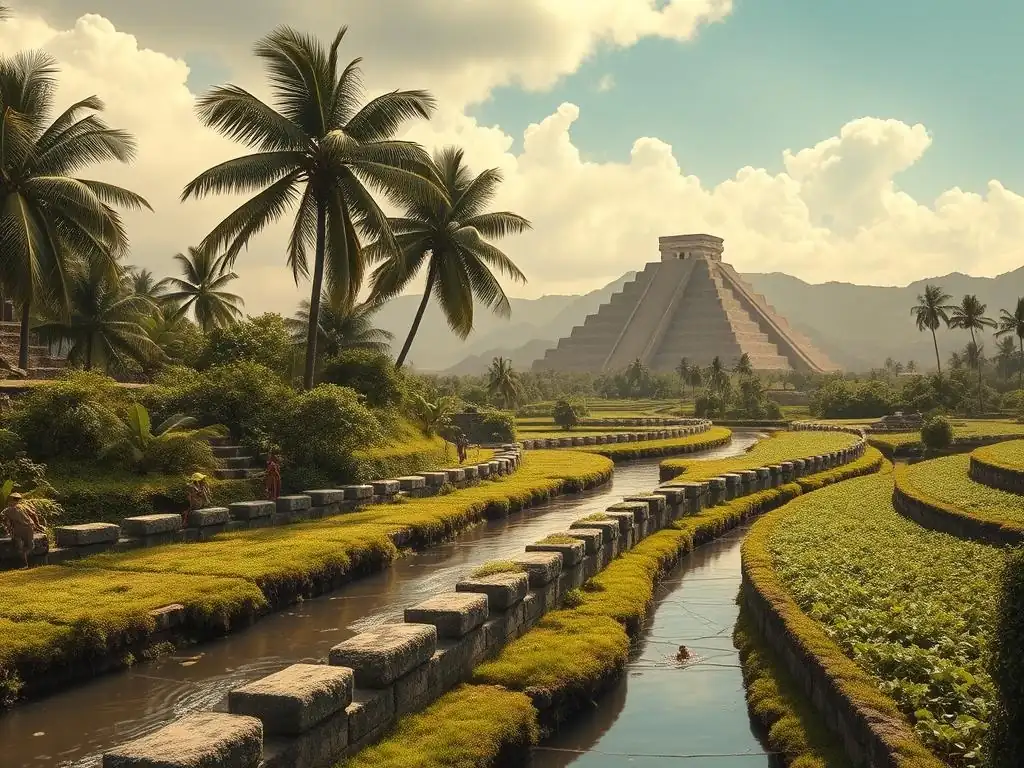
The ancient Maya civilization, which flourished from approximately 250 to 900 CE in what is now Mexico, Guatemala, Belize, and parts of Honduras, faced a myriad of environmental challenges that significantly influenced their irrigation practices. These challenges included:
- Variable Rainfall Patterns: The Maya inhabited regions characterized by seasonal rainfall, with a distinct wet and dry season. This variability made it essential for them to develop effective irrigation systems to ensure consistent water supply for their crops.
- Soil Quality: Many areas where the Maya cultivated crops had poor soil quality, often prone to erosion and nutrient depletion. This necessitated the implementation of advanced agricultural techniques to enhance soil fertility and retain moisture.
- Topographical Diversity: The Maya landscape was incredibly diverse, with mountainous regions, lowland areas, and swampy terrains. Each of these environments presented unique challenges for irrigation, requiring tailored solutions to manage water effectively.
- Natural Disasters: The region was susceptible to natural calamities, including hurricanes and droughts, which could disrupt agricultural activities and damage irrigation systems. The Maya had to be resilient and adaptable in the face of such unpredictable events.
These environmental challenges compelled the ancient Maya to innovate and refine their irrigation systems, creating techniques that allowed them to thrive in diverse and often harsh conditions.
Innovations and Adaptations in Irrigation Techniques
To overcome the environmental challenges they faced, the ancient Maya developed a range of innovative irrigation techniques. Their adaptability and ingenuity in irrigation were crucial to their agricultural success. Key innovations included:
- Terracing: The Maya constructed terraces on sloped land to reduce soil erosion and manage water runoff. This method allowed them to cultivate crops on steep hillsides, effectively increasing arable land and retaining water.
- Canals and Ditches: The construction of extensive canal systems was a hallmark of Maya irrigation. These canals diverted water from rivers and streams to fields, allowing for controlled irrigation. Ditches were also used to drain excess water from fields, preventing crop damage during heavy rains.
- Reservoirs and Pits: The Maya built reservoirs and water storage pits to capture and store rainwater. This strategic design ensured a reliable water supply during dry periods, supporting their agricultural activities year-round.
- Raised Fields (Chinampas): In some lowland areas, the Maya employed a technique known as chinampas, or raised fields. These man-made islands in swampy areas allowed for intensive farming while managing water levels effectively.
- Agroforestry Practices: The integration of trees into farming systems helped maintain soil moisture and fertility. The Maya practiced agroforestry by planting crops alongside trees, which provided shade and protection from wind, enhancing the overall resilience of their agricultural systems.
The combination of these innovative techniques not only facilitated the successful cultivation of staple crops such as maize, beans, and squash but also exemplified the Maya's deep understanding of their environment. Their irrigation systems were a testament to their ingenuity, adaptability, and sustainability in agriculture, leaving a lasting legacy that continues to inspire modern agricultural practices.
Legacy of Ancient Maya Irrigation Systems
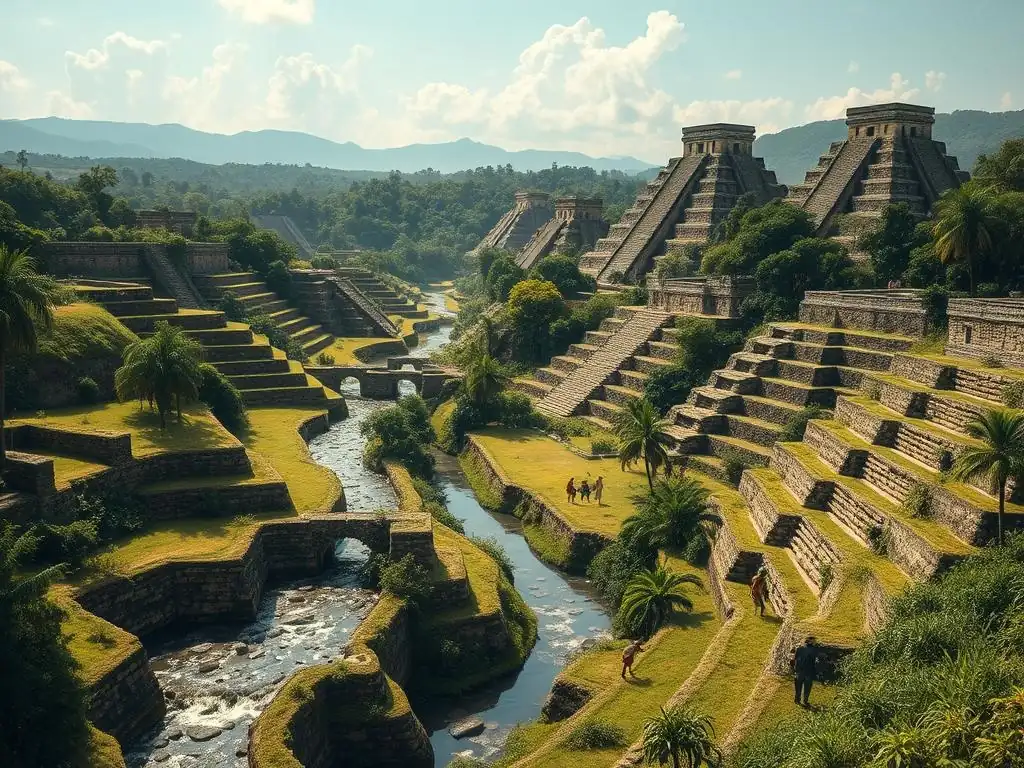
The legacy of Ancient Maya irrigation systems is profound, showcasing an intricate relationship between the Maya civilization and their environment. These systems, which included canals, reservoirs, and raised fields, were not merely utilitarian; they demonstrated a sophisticated understanding of hydrology and agricultural practices that allowed the Maya to thrive in diverse climatic conditions.
Influence on Modern Agricultural Practices
The ingenuity of Ancient Maya irrigation systems has left a lasting mark on modern agricultural practices, particularly in regions with similar environmental challenges. Here are some notable influences:
- Sustainable Practices: The Maya developed sustainable agricultural practices that are increasingly relevant today. Techniques such as swidden agriculture (slash-and-burn) and intercropping are now recognized for their environmental benefits, promoting biodiversity and soil health.
- Water Management Techniques: Modern farmers can learn from the Maya's effective water management strategies. The use of check dams and terracing in hilly terrains parallels the Maya's construction of canals and raised fields, optimizing water distribution and reducing erosion.
- Adaptation to Climate Change: The Maya’s ability to adapt their irrigation systems to varying climatic conditions provides a model for contemporary agricultural practices facing climate change. Techniques such as rainwater harvesting and the construction of water storage systems are gaining traction in modern agriculture, reflecting the Maya's resilience.
| Maya Techniques | Modern Applications |
|---|---|
| Raised fields | Raised bed gardening |
| Canals for irrigation | Water management systems |
| Reservoirs | Rainwater harvesting |
| Intercropping | Polyculture systems |
The integration of these ancient techniques into modern practices not only enhances agricultural productivity but also promotes ecological sustainability. By studying the Ancient Maya irrigation systems, modern agronomists and farmers can develop innovative solutions to contemporary agricultural challenges.
Preservation of Irrigation Techniques in Contemporary Indigenous Cultures
The preservation of irrigation techniques from the Ancient Maya is evident in several contemporary Indigenous cultures, particularly in regions where these practices continue to be relevant. The following highlights showcase their enduring legacy:
- Cultural Heritage: Many Indigenous communities in Central America have maintained traditional irrigation systems that reflect their cultural heritage. These practices are often passed down through generations, preserving both the techniques and the associated cultural narratives.
- Community Involvement: Modern Indigenous groups actively engage in revitalizing ancestral irrigation methods. Community-led initiatives aim to restore ancient canals and reservoirs, fostering a sense of identity and connection to their ancestors while promoting food security.
- Ecological Knowledge: Contemporary Indigenous cultures incorporate centuries of ecological knowledge into their irrigation techniques. This knowledge includes understanding seasonal cycles, soil types, and water conservation methods, which are critical for sustainable agriculture.
- Collaborative Efforts: Initiatives that promote the collaboration between scientists and Indigenous farmers are increasingly common. These partnerships aim to blend modern scientific approaches with traditional practices, enhancing both agricultural productivity and ecological balance.
The preservation of Ancient Maya irrigation systems within contemporary Indigenous cultures is a testament to their resilience and adaptability. As these communities continue to uphold their agricultural traditions, they not only honor their ancestors but also contribute valuable insights into sustainable farming practices for future generations.
Conclusion
Summary of the Ingenious Nature of Ancient Maya Irrigation Systems
The ancient Maya developed a remarkable array of irrigation systems that exemplified their deep understanding of agriculture and water management. These systems included canals, reservoirs, and terraces, which were designed to adapt to the diverse topography of the Yucatán Peninsula and the surrounding regions. The ingenuity of these irrigation systems can be summarized by three key features:
- Water Harvesting Techniques:
- The Maya utilized natural water sources such as rivers and lakes, but they also constructed elaborate systems to capture and direct rainwater.
- They built cisterns and reservoirs to store water, allowing them to maintain agricultural productivity even during dry seasons.
- Canal Systems:
- Extensive networks of canals were dug to transport water efficiently to fields, minimizing water loss through evaporation and runoff.
- These canals were often lined with vegetation to help filter water and prevent soil erosion, showcasing an advanced understanding of environmental management.
- Terracing:
- In hilly areas, the Maya constructed terraces to create flat land for cultivation. This method not only provided new arable land but also helped with water retention and soil conservation.
- The terraces allowed for the cultivation of diverse crops, which contributed to the food security of Maya communities.
The effectiveness of these irrigation systems played a crucial role in the growth and sustainability of Maya civilization, enabling them to support large urban centers and complex societies.
Lasting Impact on Indigenous Civilizations of the Americas
The innovations in irrigation by the ancient Maya had a profound and lasting impact on subsequent indigenous civilizations throughout the Americas. The techniques developed by the Maya influenced various aspects of society, including:
- Agricultural Practices:
- Many indigenous groups adopted similar irrigation strategies, enhancing their agricultural output and resilience against climate variability.
- The incorporation of terrace farming and water management techniques became common practices among cultures in the Andean regions and beyond.
- Cultural Exchange:
- The knowledge of irrigation systems facilitated trade and interaction between different indigenous groups. This exchange of agricultural techniques contributed to regional diversity and adaptation.
- The shared knowledge of water management fostered connections between communities, promoting social cohesion and collaboration.
- Environmental Stewardship:
- The ancient Maya's emphasis on sustainable water management practices continues to resonate with contemporary indigenous communities. Their techniques offer valuable lessons in environmental stewardship and conservation.
- Modern movements among indigenous groups often seek to revive and adapt these ancient practices, emphasizing the importance of traditional ecological knowledge in addressing current environmental challenges.
The ancient Maya irrigation systems stand as a testament to the ingenuity and adaptability of indigenous civilizations. Their legacy not only shaped agricultural practices but also contributed to a broader understanding of sustainable living in harmony with the environment.
Frequently Asked Questions
What were the main features of Ancient Maya irrigation systems?
The Ancient Maya irrigation systems included canals, terraces, and cisterns that effectively managed water resources and supported agriculture in diverse environments.
How did the Maya develop their irrigation techniques?
The Maya utilized their knowledge of local hydrology to create intricate systems tailored to their landscape, showcasing their engineering prowess and adaptability.
What crops were primarily supported by these irrigation systems?
The irrigation systems predominantly supported the cultivation of maize, beans, and squash, which were staple foods in the Maya diet and essential for their society.
How did the Maya irrigation systems impact their civilization?
These systems allowed for increased agricultural productivity, which in turn supported population growth, urbanization, and the development of complex societal structures.
What can we learn from the Maya irrigation practices today?
The Maya irrigation practices offer valuable insights into sustainable agriculture and water management that can inform modern approaches to environmental challenges.
Final Reflection: The Enduring Legacy of Ancient Maya Irrigation Systems
The ingenuity of the ancient Maya irrigation systems is not just a testament to their advanced engineering skills but also a crucial reminder of the importance of sustainable practices in our modern world. As we face increasing challenges related to water scarcity and climate change, the lessons learned from the Maya's innovative approaches to agriculture and water management resonate more than ever. Their ability to adapt to their environment and optimize resources serves as a striking reminder that sustainable living is not a new concept, but rather a practice rooted in history.
The impact of these ancient irrigation systems extends far beyond their time, influencing contemporary discussions on environmental stewardship and agricultural sustainability. Reflecting on the Maya's methods encourages us to reconsider our own relationship with water and the environment. As we navigate the complexities of modern agriculture, we can draw inspiration from the past. The greatest threat to our planet is the belief that someone else will save it.
– Robert Swan. This quote encapsulates the urgency of taking responsibility for our resources, much like the Maya did centuries ago.
As we conclude this exploration of the ancient Maya irrigation systems, I invite you to reflect on how these historical practices can inform your own life and choices. Consider how you can implement sustainable practices in your daily routine, whether it's conserving water, supporting local agriculture, or advocating for environmental policies. Let the ingenuity of the Maya inspire you to take action, as we all have a role to play in preserving our planet for future generations. Together, we can cultivate a more sustainable future, drawing from the wisdom of the past.
Unveil the Secrets of Ancient Maya Irrigation!
Thank you for immersing yourself in the fascinating world of the Ancient Maya's ingenious irrigation systems! You've gained insight into their innovative techniques that transformed their landscapes and lives. Now, it's time to take that knowledge further!
Here are a few exciting actions you can take next:
- Explore your own local water systems: Visit a nearby river or lake and reflect on how ancient cultures might have utilized natural resources for their survival.
- Share your findings! Discuss what you learned about Maya irrigation with friends or on social media to inspire others to appreciate ancient ingenuity.
- Dive deeper into the topic by reading books or articles on other indigenous irrigation methods around the world. This can broaden your understanding of sustainable practices.
As you ponder these incredible techniques, consider: How might we apply the wisdom of the Ancient Maya to modern irrigation challenges today?