
Integrating Nature and Numbers: Indigenous Mathematical Systems in Environmental Astronomy

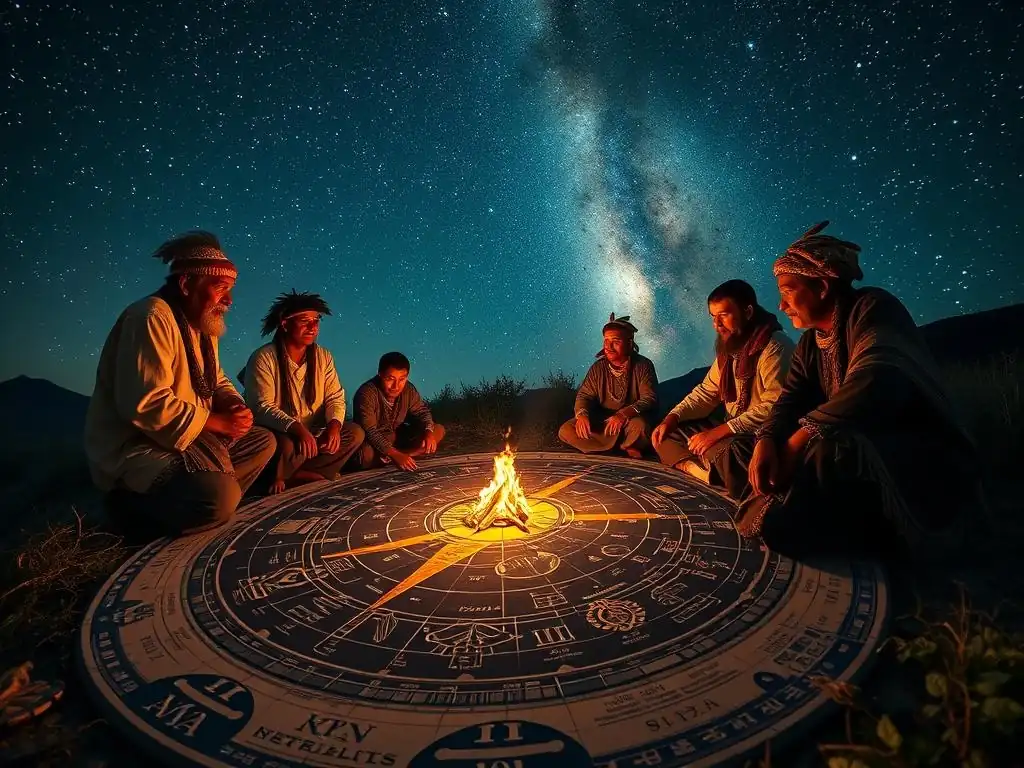
Welcome to "Indigenous Civilizations of the Americas"! Here, we invite you to embark on a fascinating journey through the rich tapestry of indigenous cultures that flourished across the Americas long before the arrival of Europeans. In our featured article, “Integrating Nature and Numbers: Indigenous Mathematical Systems in Environmental Astronomy,” you will discover how these vibrant societies utilized advanced mathematical systems to understand and navigate their natural world.
Prepare to be captivated by the intricate connections between nature and numbers, and learn about the profound legacies that continue to shape our understanding of the universe today. Dive in and explore the remarkable achievements of these civilizations that intertwine science, culture, and the environment!
- Introduction to Indigenous Mathematical Systems in Astronomy
- Historical Context of Indigenous Mathematical Systems
- Key Features of Indigenous Mathematical Systems in Astronomy
- Comparative Analysis of Indigenous Mathematical Systems
- Practical Applications of Indigenous Mathematical Systems
- Challenges and Misconceptions
- Conclusion: The Legacy of Indigenous Mathematical Systems in Astronomy
-
Frequently Asked Questions
- What are Indigenous mathematical systems?
- How did indigenous cultures integrate astronomy with mathematics?
- What achievements in environmental astronomy did indigenous civilizations make?
- How did these mathematical systems influence indigenous societies?
- Why is it important to study indigenous cultures today?
- Final Reflection: Embracing Indigenous Wisdom in Astronomy
- Unveil the Wisdom of Nature and Numbers!
Introduction to Indigenous Mathematical Systems in Astronomy
The exploration of indigenous mathematical systems reveals profound insights into how various cultures understood their environment and the cosmos. Before European colonization, numerous societies across the Americas developed sophisticated methods for navigating, measuring, and interpreting celestial phenomena, often intertwining these mathematical systems with their ecological knowledge. This article delves into the rich tapestry of Indigenous mathematical systems in astronomy, highlighting their intricate relationship with nature and the environment. By examining these systems, we not only appreciate the intellectual achievements of these civilizations but also recognize their enduring influence on contemporary environmental practices and scientific understanding.
Definition of Indigenous Mathematical Systems
Indigenous mathematical systems refer to the unique ways in which native cultures developed numerical concepts and operations tailored to their specific environmental contexts. These systems often incorporated:
- Counting Systems: Many indigenous groups created counting methods based on their surroundings, such as using natural elements (like fingers, stones, or plants) as counting aids.
- Measurement Techniques: Techniques for measuring land, time, and celestial events were deeply rooted in the natural cycles observed in their environments, such as seasonal changes and lunar phases.
- Symbolic Representation: Symbols and patterns in art and textiles often conveyed mathematical relationships, integrating mathematics into daily life, spirituality, and storytelling.
Such systems demonstrate that mathematics is not merely a universal language but rather a culturally embedded tool that reflects the unique perspectives and needs of each society.
Overview of Environmental Astronomy
Environmental astronomy is the study of how celestial phenomena influence environmental patterns and human life. Indigenous peoples were keen observers of the cosmos, linking astronomical events with agricultural cycles, weather patterns, and ecological changes. Key components include:
- Celestial Navigation: Many indigenous cultures relied on stars for navigation, using specific constellations to guide them across vast landscapes and oceans.
- Calendar Systems: Indigenous groups developed intricate calendar systems based on lunar and solar cycles, which dictated agricultural practices, ceremonial events, and seasonal migrations.
- Mythology and Cosmology: The stars and planets were often woven into the mythology and cosmology of indigenous peoples, representing deities, ancestors, or natural phenomena, thus offering a framework for understanding the universe.
These practices illustrate a profound connection between the cosmos and the Earth, showcasing how indigenous knowledge systems can inform modern understandings of environmental stewardship.
Importance of Integrating Nature and Numbers
The integration of nature and numbers in indigenous mathematical systems serves as a testament to the holistic worldview of these cultures. This approach emphasizes the importance of:
- Sustainability: By understanding the natural world through mathematics, indigenous peoples cultivated practices that respected and sustained their environment, a lesson increasingly relevant in today's ecological crisis.
- Cultural Identity: Mathematical practices are deeply intertwined with cultural identity, reflecting the values, traditions, and histories of indigenous peoples. This connection fosters a sense of community and continuity.
- Scientific Contributions: Indigenous mathematical systems offer valuable insights into environmental science and astronomy, showcasing alternative ways of knowing that can complement contemporary scientific methods.
Incorporating these systems into broader discussions about mathematics and the environment encourages a more inclusive understanding of knowledge, highlighting the contributions of indigenous cultures to global scientific heritage.
Historical Context of Indigenous Mathematical Systems
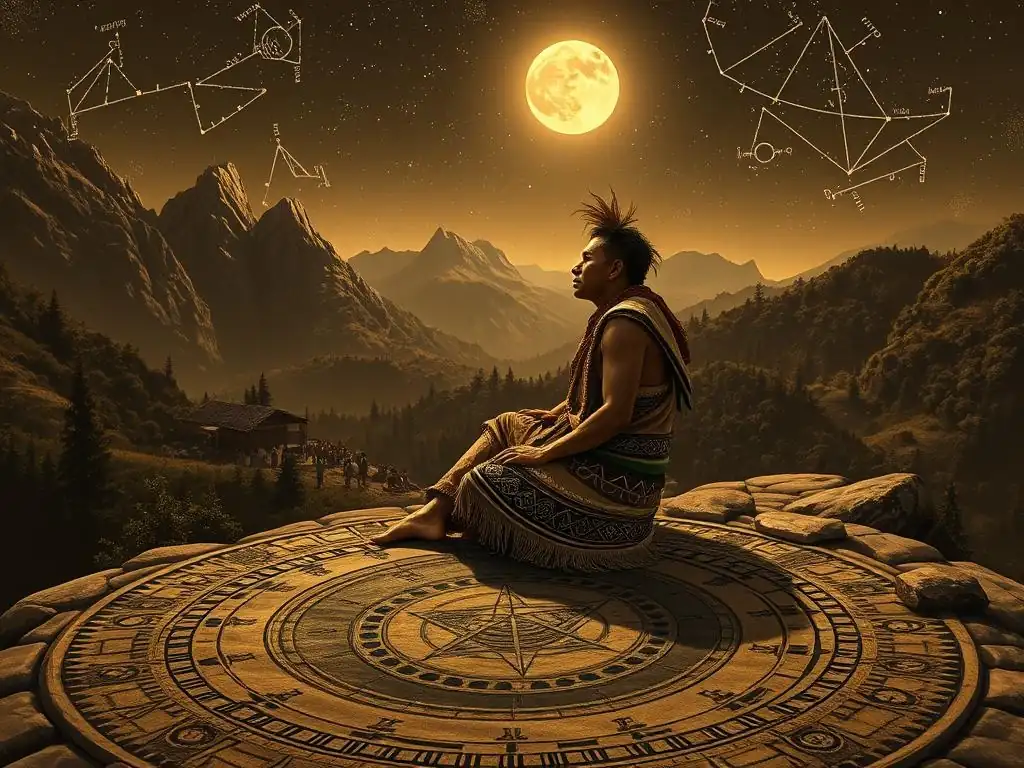
Indigenous mathematical systems were not merely abstract constructs; they were deeply intertwined with the environmental and astronomical contexts of their respective cultures. Long before European colonization, indigenous peoples across the Americas developed sophisticated mathematical concepts that were vital for their survival, agricultural practices, and spiritual beliefs. These systems reflected their understanding of the natural world, integrating numerical concepts with observations of celestial phenomena.
Development of Mathematical Concepts in Indigenous Cultures
Indigenous cultures in the Americas exhibited a variety of unique mathematical systems, often built around their specific environmental contexts and daily needs. For example:
- Base Systems: Many indigenous groups utilized base-20 (vigesimal) or base-10 (decimal) systems. The Maya, for instance, employed a base-20 counting system that influenced their calendar and astronomical calculations.
- Geometry and Measurement: Indigenous people demonstrated remarkable proficiency in geometric concepts, using them for land division, construction, and navigation. The Inca, for example, used geometric knowledge for their extensive road systems and architecture.
- Symbolism and Representation: Numbers often held symbolic meanings, intertwined with cultural practices and rituals. For example, the number four was often associated with cardinal directions and sacred elements in many cultures.
These mathematical concepts were not isolated from their surroundings; rather, they were developed in response to environmental observations and community needs.
The Role of Astronomy in Indigenous Societies
Astronomy played a pivotal role in the lives of many indigenous societies, serving as a guiding force for agricultural practices, navigation, and cultural rituals.
- Agricultural Calendars: Indigenous mathematical systems were heavily influenced by astronomy, particularly in the creation of calendars that dictated planting and harvesting seasons. For instance, the seasonal changes observed in the night sky were crucial for determining the appropriate times to plant crops.
- Celestial Navigation: Many communities relied on celestial bodies for navigation. The stars served not only as guides for travelers but also as markers for significant seasonal events. Indigenous navigators often used the positions of stars to find their way across vast landscapes.
- Cultural Significance: Celestial events, such as solstices and lunar phases, held profound cultural significance. These events were often celebrated through rituals and ceremonies, integrating mathematical systems into the spiritual fabric of the society.
Understanding the heavens was essential for survival and cultural identity, reinforcing the importance of astronomy within indigenous mathematical systems.
Case Studies of the Maya and their Mathematical Practices
The Maya civilization stands out as a prime example of the integration of mathematics and astronomy. Their innovative mathematical practices and astronomical observations have left an indelible mark on the understanding of indigenous mathematical systems in astronomy.
- The Maya Calendar: The Maya developed an intricate calendar system that combined both solar and lunar cycles. Their Long Count calendar, used to track longer periods, showcased their advanced mathematical skills, employing a vigesimal system that allowed for precise calculations of time.
- Astronomical Observations: The Maya built observatories, such as the one at Uxmal, to track celestial events. They meticulously recorded the movements of planets, particularly Venus, which was crucial for their religious and agricultural practices.
- Mathematical Notation: The Maya developed a sophisticated system of numerical notation, including the concept of zero, which was revolutionary for its time. This allowed them to perform complex calculations related to their calendars and astronomical observations.
The indigenous mathematical systems in astronomy reflect a deep-seated understanding of both numerical concepts and celestial phenomena. The achievements of cultures like the Maya highlight the significance of integrating nature and numbers, providing valuable insights into the environmental astronomy practiced by indigenous civilizations.
Key Features of Indigenous Mathematical Systems in Astronomy
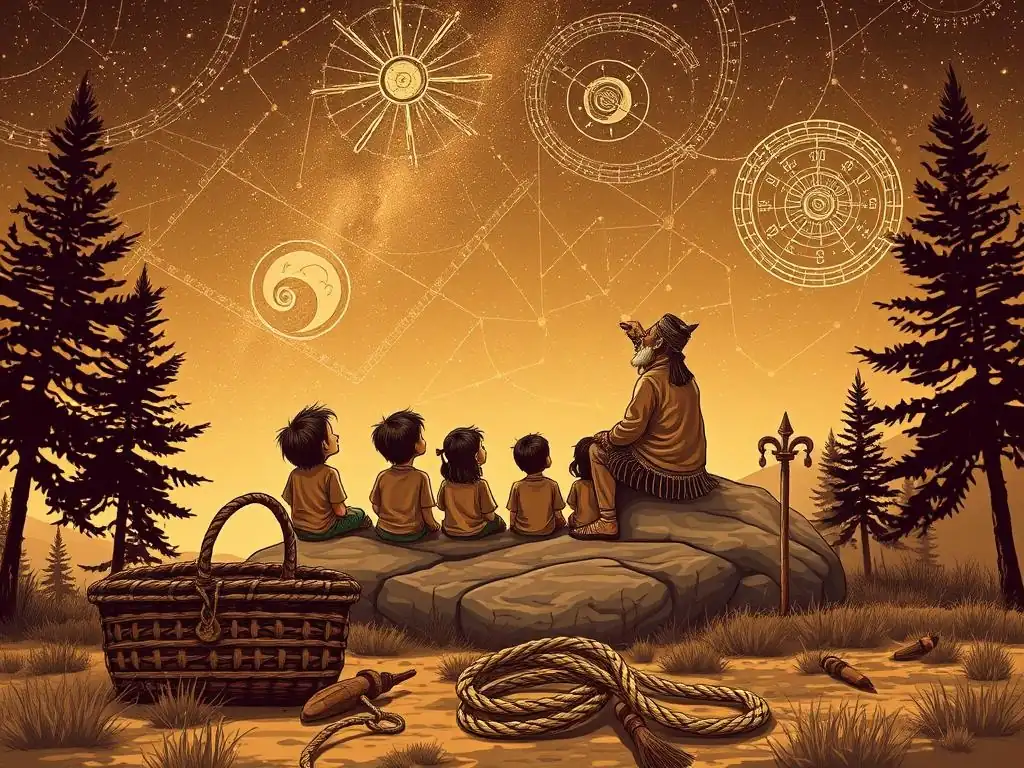
Indigenous mathematical systems in astronomy are characterized by their unique integration of natural elements, celestial observations, and cultural significance. These systems reflect the deep understanding that indigenous cultures possessed regarding their environment and the cosmos, often employing sophisticated methodologies that were both practical and symbolic. Below, we explore the key features that define these mathematical systems.
Use of Natural Elements in Mathematical Calculations
Indigenous cultures often utilized natural elements as fundamental tools in their mathematical calculations. This approach not only grounded their calculations in the physical world but also highlighted their symbiotic relationship with nature.
- Measurement Based on Natural Phenomena: Many indigenous peoples, such as the Maya and the Inca, based their measurements on natural occurrences. For example:
- Solar and Lunar Cycles: Calendars were created based on the solar year and lunar phases, which dictated agricultural cycles, rituals, and festivals.
- Geographical Landmarks: Mountains, rivers, and other significant landmarks served as reference points for navigation and spatial calculations.
- Materials as Mathematical Units: Natural materials like stones, plants, and shells were often used as counting tools. For instance, the use of quipu by the Inca, which involved knotted strings, exemplifies how tangible elements were transformed into a mathematical language that conveyed numerical information.
Incorporation of Celestial Patterns and Movements
The observation of celestial bodies played a crucial role in the development of indigenous mathematical systems. These cultures meticulously tracked the movements of stars, planets, and constellations, integrating this knowledge into their mathematical frameworks.
- Star Clusters and Constellations: Indigenous astronomers often identified specific constellations that held significant meaning. The Maya, for example, used the Pleiades star cluster to inform agricultural practices, marking the seasons through its visibility.
- Calendrical Systems: Various indigenous societies developed complex calendrical systems that were deeply interconnected with astronomical events.
- The Maya Calendar: This system included multiple cycles, such as the Tzolk'in (260-day cycle) and the Haab' (365-day solar cycle), which were interrelated and reflected a sophisticated understanding of time and celestial alignment.
- Equinox and Solstice Events: Many cultures built structures, such as the ancient Chichen Itza pyramid, to align with solar events, showcasing their mathematical precision in predicting celestial occurrences.
Cultural Significance of Mathematical Systems in Environmental Astronomy
The integration of mathematical systems with astronomy was not merely a scientific endeavor; it was deeply embedded in the cultural and spiritual lives of indigenous peoples.
- Mythology and Cosmology: Many indigenous cultures crafted rich narratives that intertwined mathematics and astronomy with their mythology. The stars and celestial events often represented deities or significant cultural stories, reinforcing their importance in community identity.
- Rituals and Ceremonies: Mathematical systems were used to orchestrate rituals that aligned with astronomical events.
- Harvest Festivals: Timing agricultural practices and festivals with celestial events helped ensure successful crops, linking the community’s survival to their understanding of the cosmos.
- Ceremonial Structures: Many indigenous structures were designed to reflect astronomical alignments, serving as physical manifestations of their mathematical knowledge and cultural beliefs.
The indigenous mathematical systems in astronomy are a testament to the intricate ways in which these cultures understood and engaged with their environment. By incorporating natural elements, celestial patterns, and cultural significance, these systems not only facilitated practical applications but also fostered a profound connection to the cosmos that continues to inspire and inform contemporary understandings of astronomy.
Comparative Analysis of Indigenous Mathematical Systems
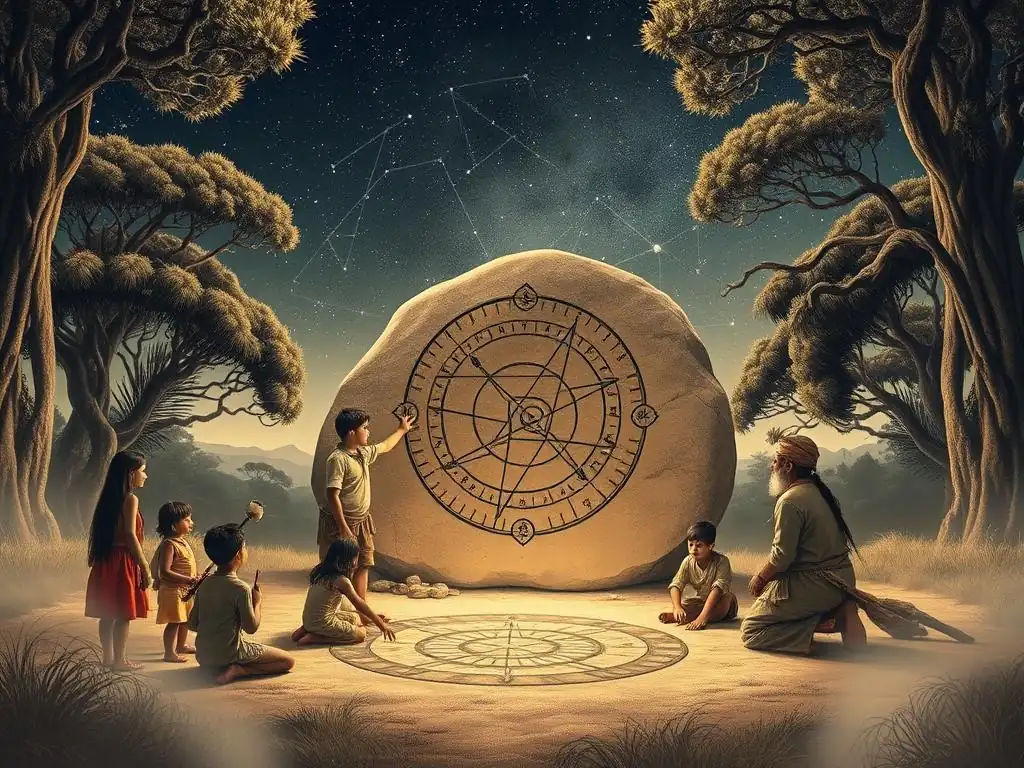
Similarities and Differences Across Indigenous Cultures
Indigenous mathematical systems across the Americas exhibit both unique characteristics and shared principles, stemming from diverse cultural backgrounds and environmental contexts. One of the most notable similarities is the use of base systems. Many indigenous cultures utilized a base-5 or base-20 system, reflecting their environmental interactions and societal structures. For example, the Maya civilization used a vigesimal (base-20) system that was intricately linked to their astronomical observations and calendar systems.
Conversely, differences arise in the representation of numerical values and the methods employed for calculations. The Inca utilized a quipu system, which involved a series of knotted strings to convey numerical information, whereas the Navajo employed a syllabary-based system that incorporated both verbal and visual elements. These distinctions highlight the adaptability of mathematical systems to specific cultural needs and environmental factors.
| Feature | Maya | Inca | Navajo |
|---|---|---|---|
| Base System | Vigesimal (base-20) | Decimal | Decimal |
| Numerical Representation | Glyphs and symbols | Knotted strings (quipu) | Syllabary |
| Calculation Methods | Calendar calculations | Economic accounting | Oral tradition |
Influence of Environment on Mathematical Systems
The surrounding environment plays a critical role in shaping the mathematical systems of indigenous cultures. For example, the Maya civilization, located in the tropical rainforests of Mesoamerica, developed sophisticated mathematical concepts that were essential for tracking celestial movements, agricultural cycles, and seasonal changes. Their astronomical observations were meticulously recorded in their codices, which integrated complex calculations with their agricultural practices.
In the Andes, the harsh mountainous terrain influenced the Inca's mathematical systems, focusing more on practical applications like resource management and labor allocation. Their quipu system was an effective way to manage the vast empire's agricultural output, taxation, and trade routes, demonstrating a direct response to the logistical challenges posed by their environment.
On the other hand, the Navajo math systems were deeply intertwined with their land and spiritual beliefs. Their understanding of numbers was often presented through oral traditions that emphasized relationships and community, reflecting their nomadic and semi-nomadic lifestyle in the Southwestern U.S.
When examining the Navajo and the Maori in the context of astronomy, significant contrasts and parallels emerge. The Navajo approach to astronomy is deeply embedded in their cultural narratives and spirituality. They view celestial bodies not merely as physical entities but as integral parts of a larger cosmological framework. Their traditional knowledge includes the use of constellations for navigation and agricultural planning, with specific stars tied to seasonal changes and rituals.
In contrast, the Maori of New Zealand have a rich astronomical tradition that is heavily influenced by their oceanic environment. They utilized the stars for navigation across vast ocean distances, employing a system known as Māori star lore. The Māori identified several key stars and constellations, such as Matariki (the Pleiades), which marks the start of the New Year and is crucial for planting and harvesting cycles.
| Aspect | Navajo Astronomy | Maori Astronomy |
|---|---|---|
| Primary Focus | Spiritual and cultural narratives | Practical navigation and seasonal cycles |
| Key Celestial Bodies | Specific constellations tied to rituals | Matariki (Pleiades), other navigational stars |
| Method of Knowledge | Oral traditions and storytelling | Observational practices and celestial charts |
Both cultures exhibit a profound connection to their natural landscapes, showcasing how indigenous mathematical systems in astronomy are shaped by both environmental challenges and cultural narratives. The integration of mathematical concepts with astronomical observations highlights the sophisticated understanding these societies possessed, emphasizing their contributions to the broader field of astronomy.
Practical Applications of Indigenous Mathematical Systems
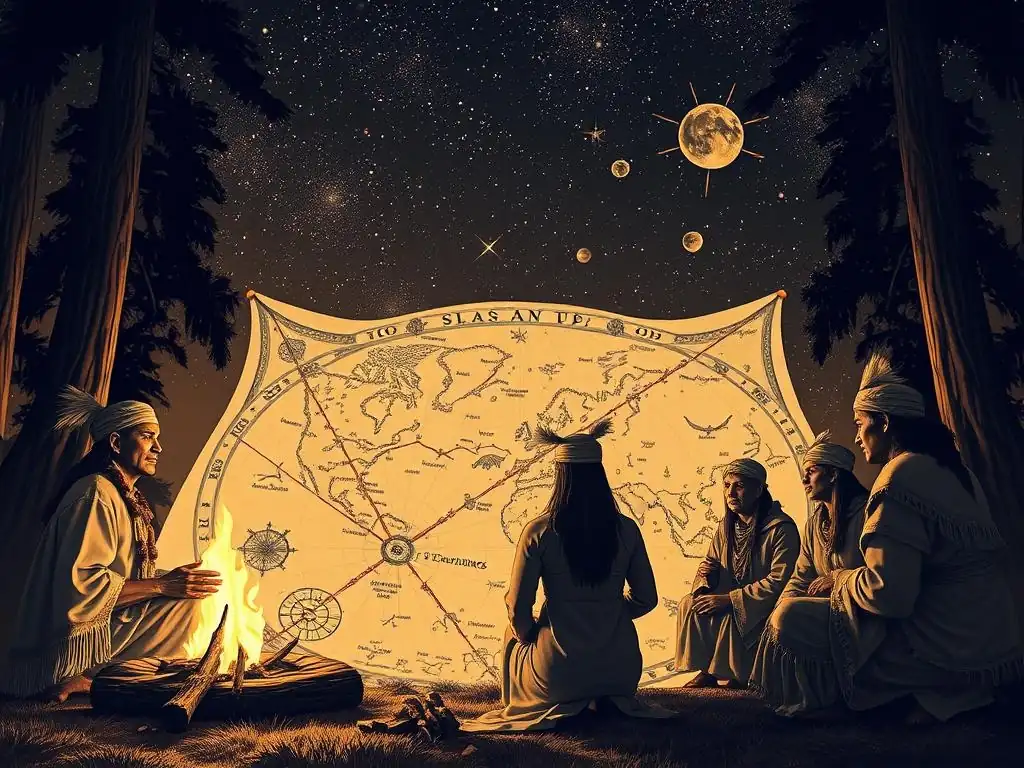
Indigenous peoples across the Americas developed sophisticated navigation techniques that relied heavily on their understanding of celestial bodies. These techniques were not merely intuitive; they were grounded in a rich mathematical framework that allowed for precise calculations related to positioning and timing. For instance, many coastal Indigenous groups, such as the Polynesians and the Native American tribes of the Pacific Northwest, utilized the stars, sun, and moon as reliable navigational tools.
- Star Paths and Wayfinding: Indigenous navigators observed star paths to determine their location. By memorizing the positions of key stars and their movements throughout the seasons, they could calculate their latitude and longitude with remarkable accuracy. The use of circumpolar stars, which are visible year-round, provided a constant reference point.
- Mathematical Calculations: The process of navigation involved intricate mathematical calculations. For example, the angles between different celestial bodies were measured to create triangulations that helped in plotting courses. Indigenous navigators often used a form of geometry to visualize and calculate distances, relying on their understanding of angles and spatial relationships.
Furthermore, Indigenous navigators also engaged in observation logs, where they meticulously recorded celestial events and their corresponding effects on tides and currents. These logs acted as a mathematical database that informed future voyages, demonstrating an early form of data management and analysis.
Agricultural Practices Informed by Celestial Events
Agricultural practices among Indigenous cultures were profoundly influenced by astronomical observations. The timing of planting and harvesting was often dictated by the cycles of the moon and the positions of stars, which were integral to the Indigenous mathematical systems astronomy.
- Lunar Calendar Systems: Many Indigenous groups developed lunar calendars that detailed the best times for planting crops based on the moon's phases. For example, the Maya civilization utilized a complex calendar system, which included multiple cycles, such as the Haab' and Tzolk'in, to determine agricultural activities. These calendars incorporated mathematical calculations to track cycles accurately.
- Celestial Indicators for Growth Cycles: Observations of constellations, such as Orion, signaled the optimal times for planting certain crops. The appearance of specific stars at dawn or dusk marked the beginning of growth seasons, which were recorded mathematically to ensure the sustainability of agricultural practices.
- Interdependence of Systems: The integration of celestial observations into agricultural practices reflects an advanced understanding of environmental cycles. Indigenous farmers often applied mathematical ratios to determine the ideal spacing of seeds and the quantity of water required, enhancing crop yields and promoting ecological balance.
Seasonal Calendar Development through Mathematical Observations
The development of seasonal calendars was a hallmark of Indigenous mathematical systems, reflecting a deep connection to the natural world and its cycles. These calendars were constructed using detailed observations of celestial phenomena and mathematical principles.
- Solar and Lunar Events: Indigenous peoples meticulously tracked solar and lunar events, such as solstices and equinoxes, to create accurate seasonal calendars. For instance, the Inca utilized the Inti Raymi, a festival honoring the sun, to mark the winter solstice, integrating mathematics in their understanding of solar cycles.
- Mathematical Patterns in Nature: Seasonal changes were quantified through mathematical patterns that indicated the timing of various environmental events. The Algonquin tribes, for example, observed the migration of animals and the flowering of plants, correlating these with celestial events to develop a comprehensive understanding of seasonal transitions.
- Cultural Significance: The mathematical observations that informed these calendars were not merely practical; they were deeply woven into the cultural fabric of Indigenous societies. Festivals, rituals, and communal activities were often aligned with astronomical events, showcasing the interrelationship between mathematics, nature, and cultural identity.
The Indigenous mathematical systems astronomy played a crucial role in the practical applications of navigation, agricultural practices, and the development of seasonal calendars. These systems highlight the profound understanding Indigenous cultures had of their environment and their ability to integrate complex mathematical concepts into everyday life.
Challenges and Misconceptions
Common Myths About Indigenous Mathematical Systems
Indigenous mathematical systems, particularly in the context of astronomy, are often shrouded in myths and misunderstandings. One prevalent myth is that indigenous peoples lacked sophisticated mathematical knowledge. This misconception arises from a Eurocentric perspective that equates mathematical sophistication solely with written systems and formal education. In reality, many indigenous cultures developed intricate mathematical frameworks suited to their environmental contexts and societal needs.
For instance, the Inca civilization utilized a quipu system—an arrangement of knotted strings—to record numerical information and manage vast resources across their empire. This system demonstrated not only counting but also complex operations involving categories, sequences, and even calculations related to astronomy. Similarly, the Maya employed a vigesimal (base-20) number system that allowed them to make astronomical predictions with remarkable accuracy.
Addressing Misinterpretations of Indigenous Knowledge
Misinterpretations often arise from viewing indigenous knowledge through a modern lens, which can distort the true nature and significance of these systems. Indigenous mathematical systems in astronomy were not merely tools for calculation; they were deeply intertwined with cultural beliefs, rituals, and environmental stewardship. For example, many indigenous cultures viewed celestial bodies as both navigational guides and spiritual entities, leading to a holistic understanding of mathematics that integrated cosmology.
Furthermore, the methods of knowledge transmission in indigenous communities differ significantly from contemporary educational paradigms. Knowledge was often shared orally or through practical application rather than through formal schooling, which can lead to underappreciation of its complexity. It is essential to recognize that these systems were dynamic and adapted to meet the needs of the community, demonstrating resilience and innovation.
The Impact of Colonization on Indigenous Mathematical Practices
Colonization had a profound impact on indigenous mathematical practices, leading to the erosion of traditional knowledge systems. The introduction of European educational systems often marginalized indigenous methods, deeming them inferior. This suppression was not only cultural but also practical, as traditional astronomical practices were often dismissed or disrupted by colonial authorities.
The consequences of this disruption are evident in the loss of intricate knowledge that had been developed over centuries. Many indigenous communities faced significant challenges in preserving their mathematical heritage in the face of colonization and globalization. However, there is a growing movement among indigenous peoples to revitalize these practices, reclaiming their cultural identity and knowledge.
In this context, collaborative efforts between indigenous knowledge holders and researchers can foster a more nuanced understanding of indigenous mathematical systems. By acknowledging and validating these practices, we can begin to dismantle misconceptions and appreciate the richness of indigenous contributions to the field of astronomy.
By addressing these challenges and misconceptions, we can foster a deeper appreciation for the indigenous mathematical systems that have significantly influenced our understanding of nature and the cosmos. Understanding these systems not only enhances our knowledge of astronomy but also honors the enduring legacies of indigenous cultures.
Conclusion: The Legacy of Indigenous Mathematical Systems in Astronomy
The legacy of Indigenous mathematical systems in astronomy is profound and multifaceted, showcasing a rich tapestry of knowledge that has significantly influenced both historical and contemporary practices. These systems, developed by various indigenous cultures across the Americas, reveal a deep understanding of the cosmos and its relationship with the natural world. By integrating nature and numbers, these societies created sophisticated frameworks for navigation, agriculture, and cultural ceremonies, all grounded in their astronomical observations.
Lasting Impact on Modern Mathematical and Astronomical Practices
The mathematical systems utilized by Indigenous cultures have left an indelible mark on modern practices in both mathematics and astronomy.
- Synchronized Calendars: Indigenous peoples developed intricate calendars based on lunar and solar cycles, which are still referenced today. For instance, the Maya calendar, with its advanced understanding of timekeeping, laid the groundwork for various modern calendrical systems.
- Geometric Patterns: The use of geometric patterns in navigation and land use among Indigenous cultures has influenced contemporary mapping techniques. Indigenous cartography often employs a holistic approach that integrates environmental features, which is increasingly recognized in modern geographic information systems (GIS).
- Cultural Astronomy: Many Indigenous communities maintain practices that honor celestial events, such as solstices and equinoxes. These practices have inspired modern astronomical research, emphasizing the importance of cultural context in understanding celestial phenomena.
The integration of indigenous mathematical systems into these fields not only enriches our understanding but also promotes a more inclusive narrative of scientific history.
The Importance of Preserving Indigenous Knowledge Systems
Preserving Indigenous knowledge systems is crucial for several reasons:
- Cultural Identity: These systems are intrinsic to the cultural identity of Indigenous peoples. They embody traditions, rituals, and worldviews that have been passed down through generations. Maintaining this knowledge helps to sustain cultural heritage.
- Environmental Stewardship: Indigenous mathematical systems often include sustainable practices that have proven effective in resource management. Understanding these systems can offer modern society valuable insights into environmental conservation and sustainable living.
- Interdisciplinary Learning: The preservation of Indigenous knowledge encourages interdisciplinary collaboration. By integrating Indigenous perspectives into scientific discourse, we can foster a richer understanding of both mathematics and astronomy.
Efforts to document and revitalize these systems are essential in ensuring that this invaluable knowledge is not lost to future generations.
Future Directions for Research in Indigenous Astronomy and Mathematics
As we look to the future, several key areas of research can further illuminate the contributions of Indigenous mathematical systems in astronomy:
- Collaborative Studies: Establishing partnerships between Indigenous knowledge keepers and academic researchers can yield a more comprehensive understanding of Indigenous astronomy. This approach respects traditional knowledge while fostering mutual learning.
- Technological Integration: Utilizing modern technology, such as digital mapping and simulation tools, can help visualize and disseminate Indigenous astronomical knowledge. This can enhance educational programs and promote wider appreciation of Indigenous contributions.
- Intercultural Dialogues: Encouraging dialogues between Indigenous scholars and scientists can facilitate a greater understanding of how Indigenous mathematical systems can inform contemporary practices. This dialogue can also help decolonize scientific narratives.
By embracing these research directions, we can honor the legacy of Indigenous mathematical systems in astronomy while paving the way for innovative discoveries and a more inclusive representation of knowledge.
Frequently Asked Questions
What are Indigenous mathematical systems?
Indigenous mathematical systems refer to the unique methods and concepts developed by various Native American cultures for quantifying, measuring, and understanding their environment, often intertwined with their astronomical practices.
How did indigenous cultures integrate astronomy with mathematics?
Many indigenous cultures utilized astronomical observations to inform their mathematical concepts, such as tracking seasons, navigation, and agricultural cycles, highlighting a deep connection between nature and numerical understanding.
What achievements in environmental astronomy did indigenous civilizations make?
Indigenous civilizations made significant strides in environmental astronomy by accurately predicting celestial events, developing calendars, and creating systems that informed their agricultural practices, demonstrating a profound understanding of natural cycles.
How did these mathematical systems influence indigenous societies?
The mathematical systems established by indigenous cultures were crucial for social organization, trade, and resource management, allowing societies to thrive in harmony with their environments and maintain a sustainable lifestyle.
Why is it important to study indigenous cultures today?
Studying indigenous cultures enriches our understanding of human history, promotes appreciation for diverse knowledge systems, and encourages sustainable practices that respect both nature and mathematical ingenuity that can inform contemporary issues.
Final Reflection: Embracing Indigenous Wisdom in Astronomy
The integration of Indigenous mathematical systems with environmental astronomy is not just a fascinating academic pursuit; it is a vital pathway to understanding our place in the universe. As we face unprecedented environmental challenges and a growing disconnect from nature, the wisdom embedded in Indigenous knowledge systems offers profound insights that can guide us toward sustainable solutions. The recognition of these systems is essential for fostering a holistic view of the cosmos that respects both scientific inquiry and cultural heritage.
The ongoing dialogue between Indigenous mathematical systems and contemporary astronomy is reshaping our cultural and social landscapes. By valuing these ancient practices, we are not only preserving rich traditions but also enriching our scientific frameworks. The intricate ways in which Indigenous peoples have navigated and understood the stars remind us that knowledge is multifaceted and deeply interconnected. Indigenous knowledge is not just a body of knowledge; it is a way of being in the world.
This perspective encourages us to rethink how we engage with both the environment and the cosmos, fostering a deeper appreciation for the wisdom that has existed for millennia.
As we move forward, I invite you to reflect on how you can incorporate the lessons from Indigenous mathematical systems into your own understanding of the universe. Consider how these teachings can inspire you to cultivate a more respectful relationship with nature and to seek harmony in your daily life. By embracing this wisdom, we can collectively work towards a future where science and tradition coexist, guiding us to a more sustainable and enlightened existence. Let us honor the past while forging a path that respects both the stars above and the Earth beneath our feet.
Unveil the Wisdom of Nature and Numbers!
Thank you for taking the time to explore the intricate connection between Indigenous mathematical systems and environmental astronomy. By delving into this captivating topic, you’ve uncovered how ancient knowledge can enlighten our understanding of the universe and nature itself. Now, let's put this newfound wisdom into action!
Here are some ways to deepen your engagement with the fascinating world of Indigenous mathematics and its connection to the environment:
- Join a local community focused on environmental education or Indigenous traditions and share your insights—your contributions can spark important conversations!
- Explore further by researching and visiting local Indigenous cultural sites or attending astronomy workshops, bringing history and mathematics to life.
- Engage with us by sharing your thoughts or reflections on this topic in the comment section below—your voice is invaluable!
In what unique ways do you see Indigenous knowledge inspiring modern environmental practices? Let's discuss!