
Deities and Ancestors: Understanding Cahokia’s Pantheon

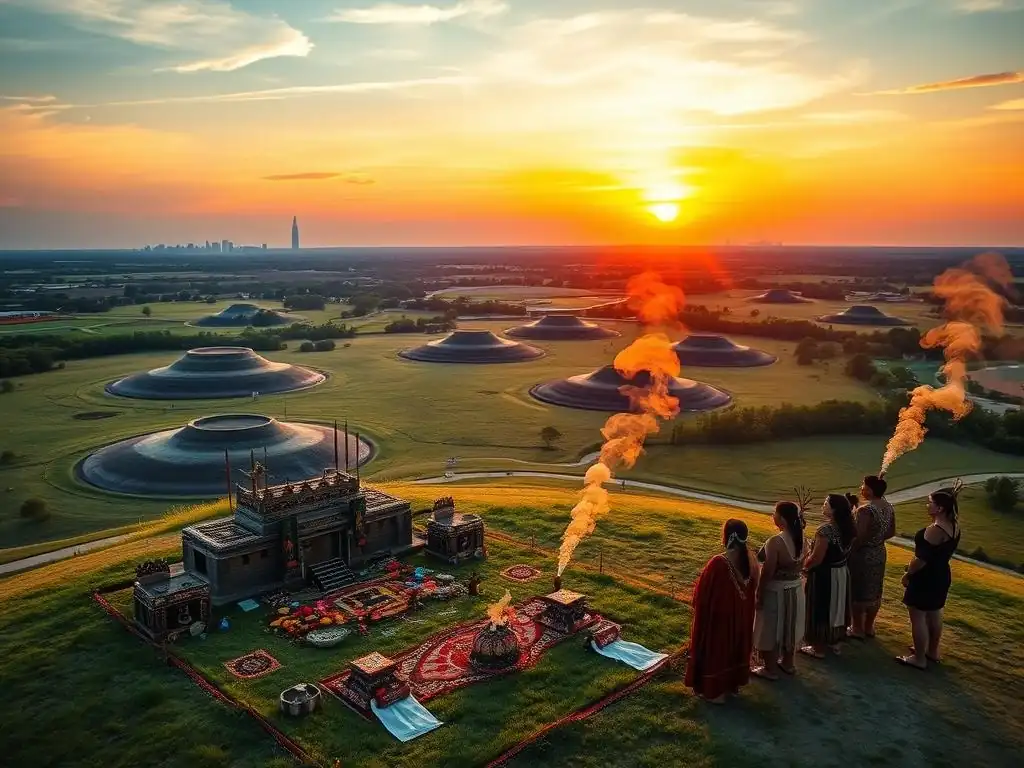
Welcome to Indigenous Civilizations of the Americas, where we take you on a journey through the rich tapestry of indigenous cultures that flourished long before European contact. In our featured article, “Deities and Ancestors: Understanding Cahokia’s Pantheon,” we delve into the fascinating world of Cahokia indigenous culture and beliefs. Discover the intricate belief systems, vibrant rituals, and the profound connections these communities had with their deities and ancestors.
As you explore, you'll uncover secrets that shaped their society and left a lasting imprint on history. Ready to dive deeper into the mystique of Cahokia? Let’s embark on this enlightening adventure together!
- Introduction to Cahokia Indigenous Culture and Beliefs
- The Pantheon of Deities in Cahokia
- Ancestors and Their Role in Cahokia Society
- The Interrelationship Between Deities and Ancestors
- The Impact of Cahokia’s Pantheon on Everyday Life
- Legacy of Cahokia’s Spiritual Beliefs
- Conclusion
- Frequently Asked Questions
- Final Reflection: Embracing the Legacy of Cahokia's Indigenous Culture and Beliefs
- Unveil the Mysteries of Cahokia's Pantheon!
Introduction to Cahokia Indigenous Culture and Beliefs
Cahokia, once the largest and most influential urban center of the pre-Columbian Americas, flourished between approximately 600 and 1400 CE in the area that is now the American Midwest. This remarkable civilization, known for its monumental earthworks and vibrant trade networks, presents a fascinating tapestry of indigenous culture and beliefs that shaped the lives of its inhabitants. The Cahokians were not only skilled architects and farmers but also deeply spiritual people, whose religious practices and mythologies played a central role in their society.
Understanding the deities and ancestors of Cahokia provides crucial insights into their worldview, social structures, and the lasting impact of their beliefs on contemporary indigenous cultures of the Americas. As we delve into the pantheon of Cahokia, we will uncover the intricate connections between their religious practices and the broader cultural landscape of indigenous America.
Overview of Cahokia Culture
Cahokia culture is characterized by its sophisticated societal organization, which included a hierarchical structure led by chieftains and a complex relationship with the surrounding environment. The city of Cahokia was marked by its impressive mounds, such as Monk’s Mound, which served both ceremonial and residential purposes. The population, estimated to be as high as 20,000 at its peak, engaged in extensive agriculture, with maize as a staple crop, alongside hunting and gathering practices.
In addition to agriculture, Cahokians were adept artisans, creating intricate pottery, jewelry, and tools that reflected their artistic skills and spiritual beliefs. The cultural practices of the Cahokians included elaborate burial rituals, which often involved the interment of goods and offerings, indicative of their beliefs in an afterlife and the significance of ancestors. The integration of trade networks facilitated the exchange of goods and ideas, influencing the development of their cultural identity.
Importance of Religion and Mythology in Cahokia
Religion and mythology were integral to the daily lives of the Cahokians, shaping their understanding of the world and their place within it. The Cahokia pantheon included a variety of deities associated with natural elements, agriculture, and celestial bodies, reflecting the community's reverence for nature and the universe. Rituals and ceremonies, often held at significant mounds, were essential for maintaining harmony with these deities and ensuring the prosperity of the community.
Moreover, ancestors played a vital role in Cahokian belief systems, with the practice of ancestor veneration being a cornerstone of their spirituality. The reverence for ancestors not only connected the living with their forebears but also reinforced social cohesion and cultural continuity. The stories and teachings passed down through generations served as a moral compass and a source of identity for the Cahokian people.
The exploration of Cahokia's indigenous culture and beliefs reveals a complex interplay between religion, mythology, and societal structure, underscoring the richness of their civilization and its enduring legacy in the history of the Americas.
The Pantheon of Deities in Cahokia
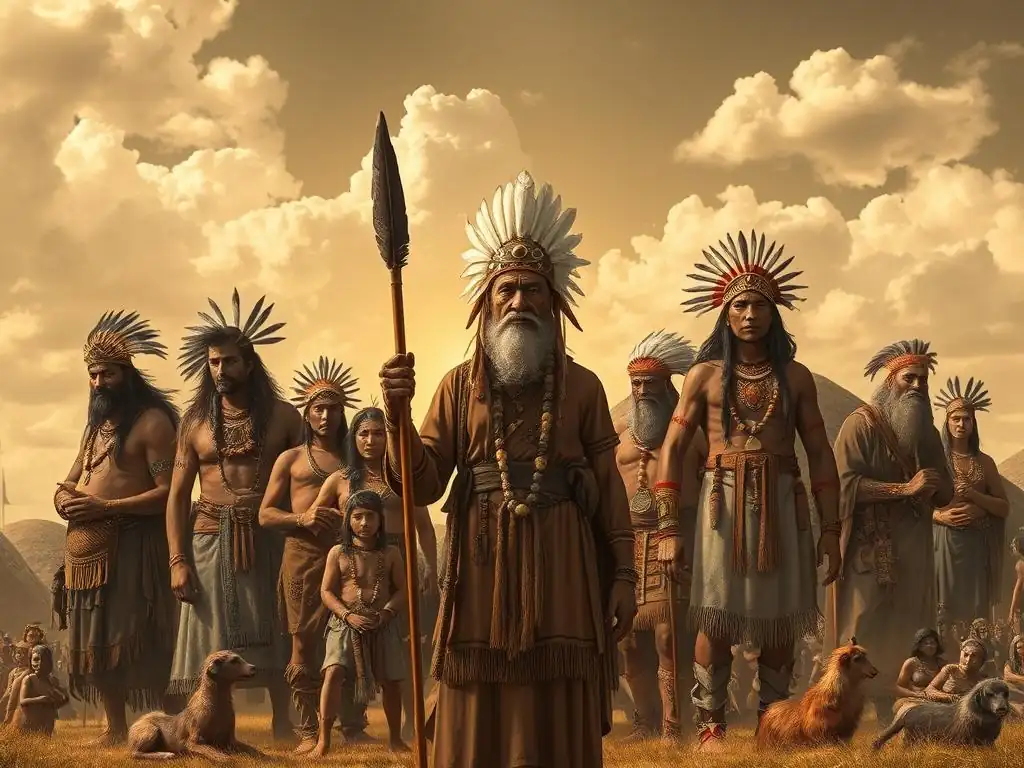
Cahokia, one of the most significant pre-Columbian urban centers in North America, flourished between 600 and 1400 CE. Its indigenous culture and beliefs were rich and complex, reflecting a deep connection to nature and the cosmos. The pantheon of deities revered by the Cahokians played a crucial role in their society, guiding their rituals, agricultural practices, and communal identity. Understanding these deities provides insight into how the Cahokians interpreted their world and the profound cultural legacy they left behind.
Major Deities of Cahokia Indigenous Beliefs
The deities of Cahokia were not merely figures of worship; they embodied natural forces and societal values that were essential to the Cahokian way of life. The following are some of the major deities central to Cahokia's indigenous culture:
- The Earth Mother: Often referred to as a creator deity, she represented fertility, agriculture, and the nurturing aspects of nature.
- The Sky Father: This deity was associated with celestial bodies and was believed to influence weather patterns, essential for crop growth.
- The Sun God: Typically depicted as a powerful figure, the Sun God was central to Cahokian cosmology, symbolizing life, growth, and the cycle of seasons.
- The Moon Goddess: Revered for her association with night and the feminine aspect of nature, she played a role in regulating the agricultural calendar.
These deities were often depicted in art and ceremonial practices, illustrating their importance in both daily life and the spiritual beliefs of the Cahokians.
The Role of the Earth Mother
The Earth Mother, or "Ikto'ba", was a central figure in Cahokian spirituality. She was revered as the source of all life and sustenance. Her role extended beyond mere worship; she was actively involved in the agricultural cycles that sustained the Cahokian people. Farmers would perform rituals to honor her, seeking her blessings for bountiful harvests.
- Rituals and Offerings: Ceremonies often included offerings of maize, beans, and squash, the staple crops of Cahokia. These offerings symbolized gratitude and a request for continued fertility.
- Symbolism: The Earth Mother was often symbolized by various natural elements—such as earth, water, and plants—highlighting the interconnectedness of life. The Cahokians believed that her favor was vital for the community's prosperity.
The Sky Father and Celestial Influences
The Sky Father, known as "Kahok", represented the heavens and celestial phenomena. He was associated with the sun, moon, stars, and weather, playing a significant role in agricultural practices and seasonal cycles.
- Weather Control: The Sky Father was believed to have dominion over rain and storms, which were critical for crop growth. Farmers would pray for favorable weather conditions to ensure successful harvests.
- Astronomical Alignments: Cahokian society placed great importance on celestial events. Structures such as the Woodhenge, a circular arrangement of wooden posts, were aligned with the sun's movements, reflecting the Sky Father's influence on their timekeeping and agricultural planning.
Spirit Beings and Their Significance
In addition to the major deities, Cahokian beliefs included a variety of spirit beings that inhabited the natural world. These spirits were thought to influence everyday life and were often invoked in rituals for protection and guidance.
- Animal Spirits: Many Cahokians believed in the presence of animal spirits, which were thought to embody certain traits or powers. For instance, the bear spirit was associated with strength, while the eagle spirit symbolized vision and freedom.
- Ancestor Spirits: Ancestors held a revered place within Cahokian spirituality. The beliefs surrounding ancestor spirits emphasized the continuity of life and the importance of honoring those who came before. Rituals often included offerings to ensure that these spirits remained favorably disposed toward the living.
The diverse pantheon of deities and spirit beings within Cahokia’s indigenous culture and beliefs reflects a profound respect for the environment and an intricate understanding of the forces that shaped their existence. This spiritual framework not only defined their religious practices but also influenced their social structures and community dynamics, leaving a lasting impact on the cultural heritage of the region.
Ancestors and Their Role in Cahokia Society
Understanding Ancestor Worship in Cahokia
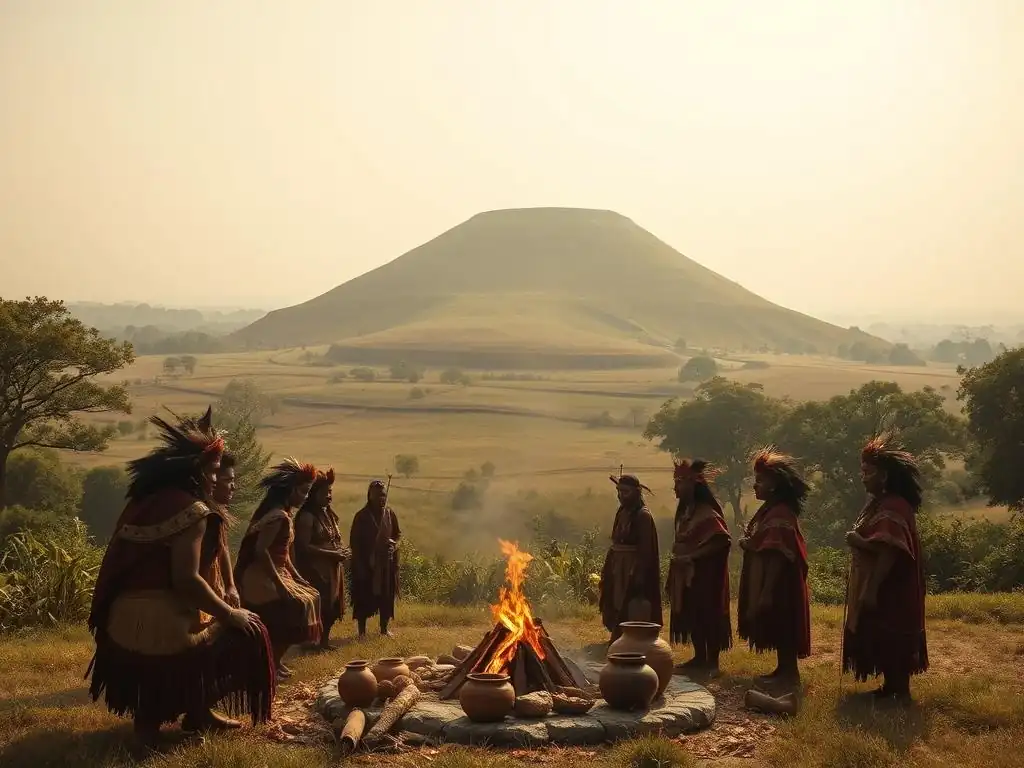
Ancestor worship was a central aspect of Cahokia indigenous culture and beliefs, deeply influencing their social structure and spiritual practices. The Cahokians believed that their ancestors played a crucial role in their daily lives, providing guidance, protection, and a connection to the spiritual world. This reverence for ancestors was not merely a practice but a fundamental part of their worldview, where the past was viewed as an active participant in the present.
The concept of lineage was essential in Cahokia society. Family ties and ancestry significantly affected social status and community roles. Ancestors were often seen as intermediaries between the living and the divine, ensuring that the needs of the community were acknowledged by the gods. Thus, honoring these ancestors was not just a familial duty; it was a societal obligation that reinforced the collective identity of the Cahokian people.
Archaeological evidence, such as burial mounds and ceremonial artifacts, indicates that the Cahokians engaged in elaborate rituals to honor their ancestors. These practices were integral to maintaining the community's cultural legacy and ensuring the continuity of their traditions.
Rituals and Practices Honoring Ancestors
The Cahokians engaged in various rituals and practices to honor their ancestors, reflecting their deep spiritual beliefs and connection to their lineage. One of the most significant practices was the construction of large burial mounds, known as tumuli, where the deceased were interred. These mounds served not only as graves but as sacred spaces where rituals could be performed, allowing the living to communicate with the spirits of their ancestors.
Key Rituals Included:
- Ceremonial Offerings: The Cahokians often left offerings at the burial sites, such as food, tools, and pottery. These offerings were meant to nourish the spirits of the deceased in the afterlife and to seek their favor for the living.
- Festivals and Gatherings: Specific times of the year were dedicated to honoring ancestors through community gatherings and festivals. These events often included feasting, storytelling, and the sharing of oral traditions, reinforcing the community's collective memory and identity.
- Ritualistic Drumming and Dancing: Music and dance played a vital role in ancestor veneration. Drumming and dancing were believed to invoke the presence of ancestors, allowing the community to connect with their spirits during rituals.
Through these practices, the Cahokians maintained a vibrant connection to their lineage, ensuring that the wisdom and experiences of their ancestors were passed down through generations.
The Connection Between Ancestors and Deities
In Cahokia, the relationship between ancestors and deities was intricate and profound. The Cahokians viewed their ancestors as elevated beings who had the power to influence both earthly and divine matters. This belief formed a critical part of their religion and mythology, as ancestors were often invoked in rituals aimed at appeasing the gods.
The Cahokian pantheon included various deities, each representing different aspects of life and nature. Ancestors were often worshiped alongside these deities, highlighting the interconnectedness of the spiritual realm. This dual reverence emphasized that the lessons and legacies of the past were essential for understanding the present and shaping the future.
Notable Aspects of This Connection:
- Ancestral Spirits as Protectors: Ancestors were considered guardians of the community, believed to provide protection against misfortune and calamity. Rituals aimed at honoring ancestors often sought to invoke their protective spirit, ensuring the community's well-being.
- Shared Sacred Spaces: Many Cahokian temples and ceremonial sites were dedicated to both deities and ancestors, allowing for a seamless integration of these beliefs. This reinforced the idea that the spiritual influence of ancestors was ever-present in the lives of the Cahokians.
- Mythological Narratives: Stories and myths often featured ancestors as pivotal characters, demonstrating their enduring influence in the cultural consciousness of the Cahokians. These narratives served not only to educate future generations but also to reinforce the spiritual bond between the living and the dead.
The reverence for ancestors within Cahokia's indigenous culture created a rich tapestry of beliefs and rituals that shaped their society. By honoring their ancestors, the Cahokians ensured the continuation of their cultural identity, forming a bridge between the past, present, and future.
The Interrelationship Between Deities and Ancestors
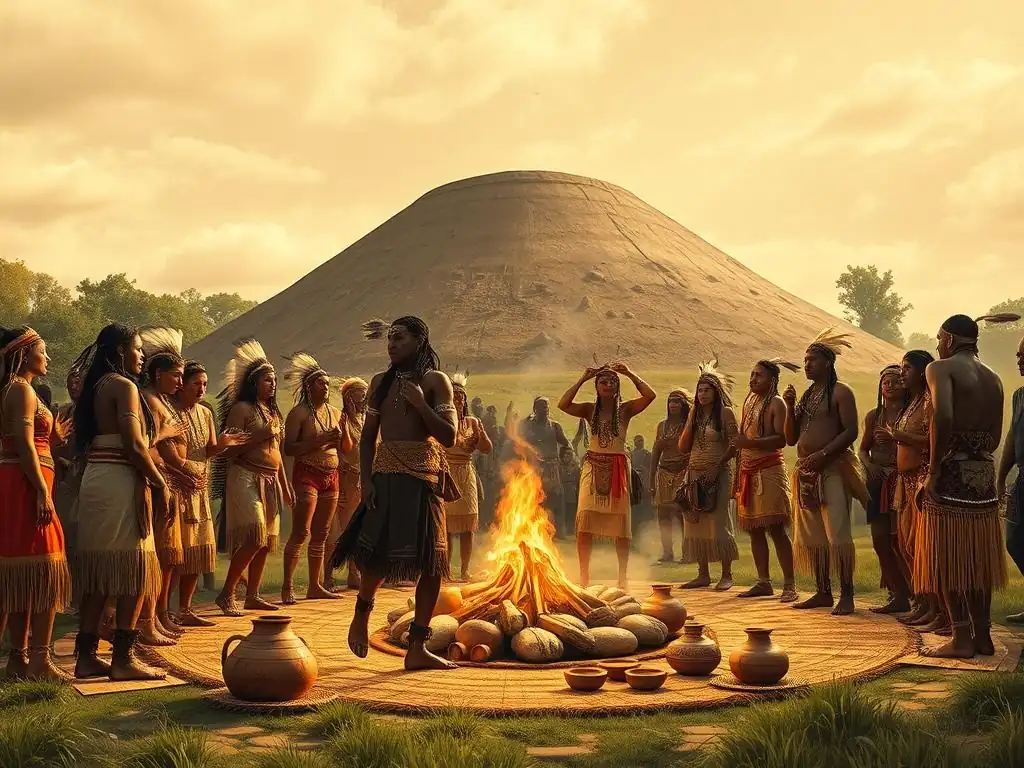
Understanding the intricate relationship between deities and ancestors is fundamental to grasping the spiritual landscape of Cahokia's indigenous culture and beliefs. In Cahokian society, the pantheon of deities did not exist in isolation; rather, they were deeply intertwined with ancestral veneration. This interrelationship shaped not only religious practices but also the social and political structures of the community.
The Cahokia people viewed their ancestors as pivotal figures who maintained an essential connection between the physical and spiritual worlds. This belief system posited that ancestors had the power to influence the lives of their descendants through the deities they revered. Thus, the roles of deities often echoed the attributes and legacies of ancestors, creating a dynamic interplay between the two.
How Ancestors Influence the Deities’ Role
The influence of ancestors on the roles of deities in Cahokia's belief system is profound. Ancestors were often seen as protectors and guides for the living, providing wisdom and blessings that could be invoked through various rituals. In many instances, specific deities were believed to have originated from revered ancestors, embodying their virtues and achievements. This connection served several purposes:
- Cultural Continuity: The reverence for ancestors helped reinforce social norms and values, ensuring that the teachings and traditions of previous generations were honored and preserved.
- Ritualistic Practices: Ancestor veneration often included offerings and ceremonies directed toward deities, believed to be intermediaries that could relay the wishes of the living to their ancestors. This created a cyclical relationship where deities acted as facilitators of communication between the two realms.
- Community Identity: The collective memory of ancestors contributed to the identity of the Cahokia people, with deities symbolizing the aspirations, struggles, and triumphs of their forebears.
In Cahokia's worldview, both ancestors and deities shared several attributes that underscored their interconnectedness:
- Symbolism of Nature: Many deities were associated with elements of nature, such as the sun, water, and earth. Ancestors often mirrored these connections, with their teachings grounded in the natural world and its cycles.
- Guidance and Protection: Both ancestors and deities were perceived as guardians of the community, providing guidance in times of need and protection against adversities.
- Moral Exemplars: Ancestors and deities were often revered as moral exemplars, embodying traits such as bravery, wisdom, and compassion. These shared attributes inspired the living to aspire to similar virtues in their conduct.
This symbiotic relationship highlights the way in which the Cahokia people understood their universe, where every action and belief was imbued with spiritual significance.
Myths and Legends Connecting Ancestors with Deities
Cahokia's rich tapestry of myths and legends serves as a vital link that connects the ancestral figures with the deities worshipped by the community. These narratives often featured:
- Creation Stories: Many myths described how specific deities were born from the actions or sacrifices of ancestors, establishing a lineage that connected the divine with the human.
- Heroic Acts: Legends frequently portrayed ancestors as heroic figures who performed great deeds that earned them a place among the gods, thus allowing their stories to live on through spiritual practices.
- Ritual Significance: Myths were not merely stories; they provided the framework for rituals that honored both ancestors and deities, reinforcing their roles in maintaining harmony within the community.
Through these myths and legends, the Cahokia people were able to articulate their beliefs and values, illustrating the enduring legacy of their ancestors while simultaneously honoring the deities that shaped their existence. This intricate web of relationships not only enriched their cultural identity but also ensured that the lessons of the past continued to resonate through generations.
The Impact of Cahokia’s Pantheon on Everyday Life
Religious Practices and Ceremonies in Cahokia Culture
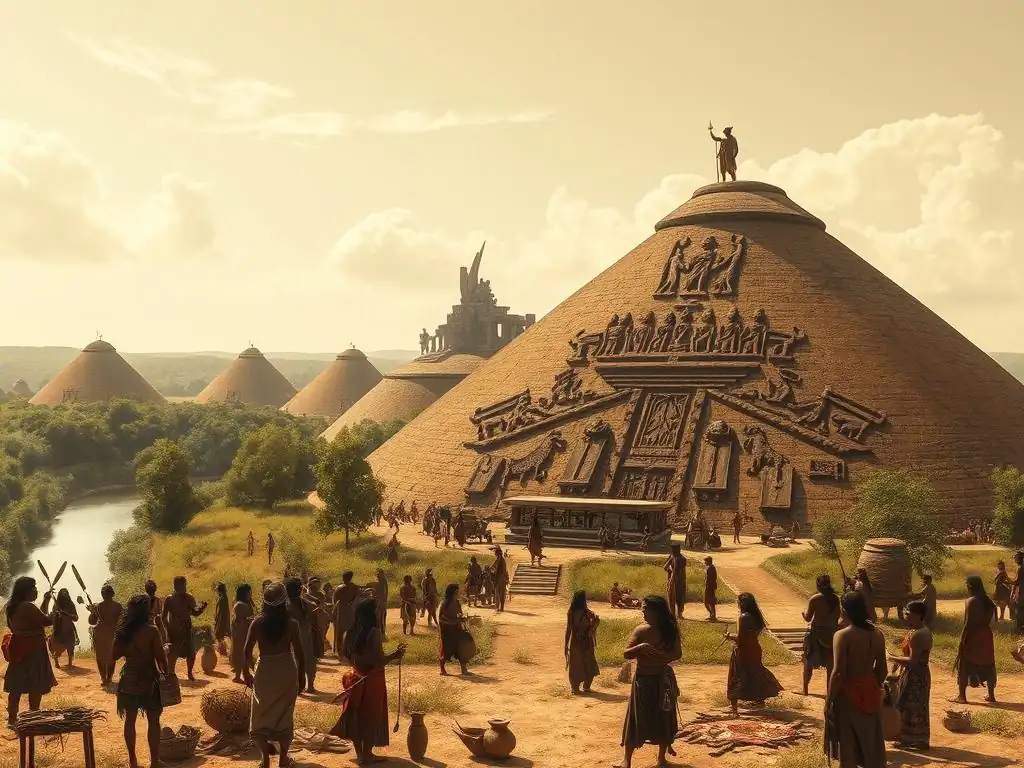
The religious practices of the Cahokia indigenous culture were profoundly intertwined with their pantheon of deities and ancestors. Central to these practices were ceremonial gatherings that often took place in the city's grand mounds, which served as both religious and political centers. These ceremonies were not merely rituals but were pivotal in reinforcing community bonds and cultural identity.
Key Ceremonial Practices:
- Seasonal Festivals: The Cahokia people celebrated various seasonal festivals that coincided with agricultural cycles, such as planting and harvest times. These festivals often included offerings to deities to ensure bountiful crops.
- Ritual Feasting: Feasts accompanied many ceremonies, where communities would gather to share food as a form of communion with the spirits, reinforcing social ties and cultural traditions.
- Sacrificial Offerings: In certain instances, the Cahokia engaged in sacrificial practices, often involving valuable items or even animals, to appease their gods and ancestors, seeking favor or guidance.
The ritualistic aspect of their spirituality was essential for maintaining harmony within the community and the cosmos, reflecting a deep understanding of their interconnectedness with the natural world.
Cahokia's belief system significantly influenced its social hierarchy and governance. The ruling class, often seen as intermediaries between the deities and the people, held substantial power due to their perceived spiritual authority. This hierarchical structure can be understood through the following facets:
- Priestly Class: A distinct class of priests was responsible for conducting rituals and interpreting the will of the gods. Their role was critical in legitimizing the authority of leaders and ensuring the community's adherence to religious practices.
- Leadership and Governance: The political leaders, often referred to as "great chiefs," were believed to have divine backing, allowing them to wield significant influence over both secular and religious matters. This connection between the leaders and the pantheon reinforced their status and the societal order.
- Community Cohesion: Religious beliefs fostered a sense of belonging among the Cahokians. Shared rituals and the veneration of deities and ancestors helped to unify diverse groups within the society, promoting cooperation and collaboration.
The integration of belief systems into the social fabric of Cahokia reinforced norms, values, and governance, shaping the community's identity and cohesion.
Art and Symbolism Reflecting Deities and Ancestors
Cahokia's artistic expressions were rich with symbolism, depicting their deities and ancestors, and served as a medium for communicating their spiritual beliefs. The art produced by the Cahokians can be classified into several categories that reflect their complex cosmology:
- Mound Construction: The construction of large earthen mounds, such as Monk's Mound, was not only a feat of engineering but also a powerful symbol of the cosmos. These mounds often represented the sacred mountains where deities resided and were integral to religious practices.
- Iconography in Artifacts: Cahokian artifacts, including pottery, figurines, and shell engravings, featured depictions of animals and human figures believed to be connected to their deities. These images served as representations of spiritual beliefs and were often used in rituals.
- Symbolic Motifs: Common motifs, such as the serpent or eagle, were imbued with meaning, symbolizing various aspects of life and spirituality. These symbols were prevalent in everyday items, reinforcing the omnipresence of their beliefs in daily life.
By examining the art and symbolism of Cahokia, we gain insight into how deeply their deities and ancestral figures influenced their worldview, societal values, and cultural legacy. The tangible expressions of their spirituality not only defined their identity but also continue to resonate in the understanding of Cahokia's historical significance.
Legacy of Cahokia’s Spiritual Beliefs
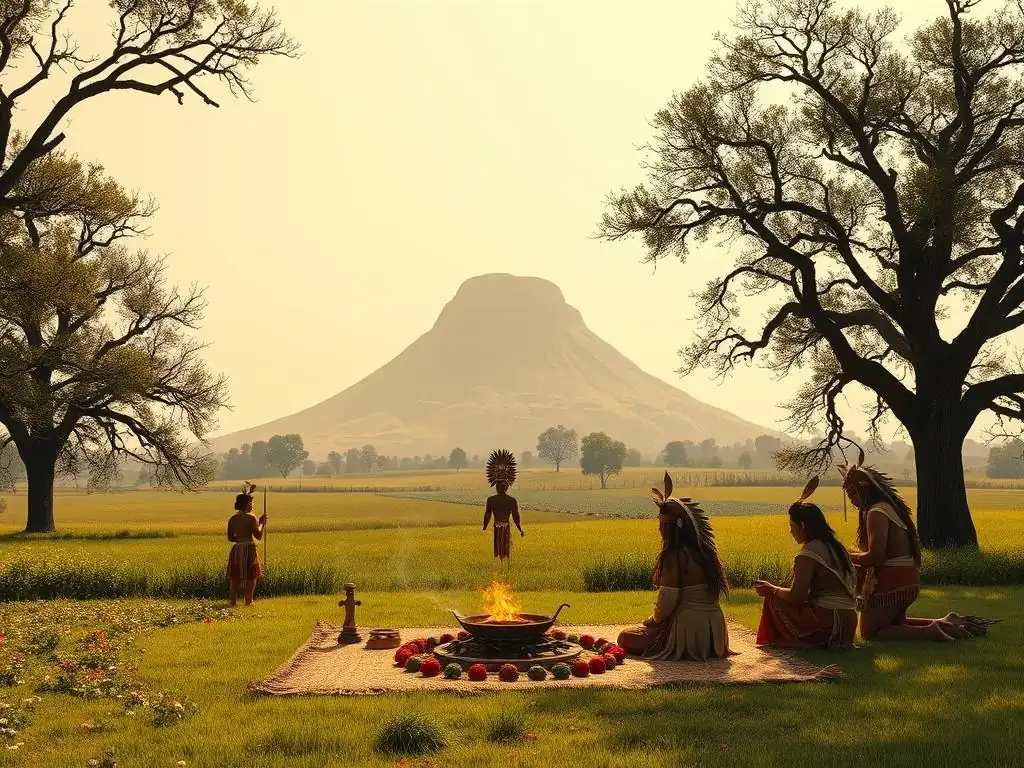
The spiritual beliefs of the Cahokia civilization played a profound role in shaping their society and governance. This legacy continues to influence the cultural and religious practices of many indigenous communities across the Americas. Cahokia, known for its monumental earthworks and complex societal structure, integrated spirituality deeply into its daily life, governance, and social hierarchy. The legacy is evident in various aspects, from oral traditions to contemporary practices.
Lasting Influence on Indigenous Communities
The impact of Cahokia’s spiritual beliefs extends beyond its geographic boundaries and time period. Many indigenous communities today still embody elements of Cahokia’s pantheon and spiritual practices.
- Cultural Continuity: Several tribes in the Mississippi River Valley, such as the Osage and the Quapaw, trace their spiritual heritage back to Cahokia. Rituals and ceremonies that honor deities associated with agriculture, nature, and ancestors reflect this continuity.
- Ceremonial Practices: The importance of mound-building and ceremonial gatherings can be seen in modern rituals. Many tribes continue to conduct ceremonies at significant sites, often echoing the spiritual significance attributed to these locations by the Cahokians.
- Mythology and Storytelling: The narratives surrounding Cahokia's deities have been preserved in the oral traditions of various tribes. These stories not only serve as a means of cultural transmission but also reinforce community identities and values.
Preservation of Cahokia’s Spiritual Traditions
The preservation of Cahokia’s spiritual traditions is crucial to understanding the broader context of indigenous beliefs in North America. Various efforts have been made to document and revitalize these practices:
- Archaeological Research: Ongoing excavations at Cahokia have unearthed artifacts that provide insights into the spiritual life of its inhabitants. Items such as ceremonial objects, effigies, and burial goods reveal the complexity of their religious practices.
- Cultural Revitalization Movements: Many indigenous groups are actively working to revive and maintain traditional practices that have roots in Cahokia. These movements often emphasize the importance of educating younger generations about their heritage.
- Community Engagement: Workshops, festivals, and educational programs focused on Cahokia's spiritual traditions foster community involvement and awareness. These events serve as platforms for sharing knowledge and encouraging cultural pride.
Modern Interpretations of Cahokia Indigenous Culture and Beliefs
In contemporary society, the interpretation of Cahokia’s culture and beliefs has evolved, reflecting both historical scholarship and modern indigenous perspectives:
- Interdisciplinary Approaches: Scholars from various fields—anthropology, history, and religious studies—explore Cahokia’s spiritual system through different lenses. This has resulted in a richer understanding of the complex relationship between spirituality, politics, and daily life in Cahokia.
- Artistic Expression: Modern artists often draw inspiration from Cahokia’s symbols and deities, creating works that reinterpret ancient beliefs in contemporary contexts. This fusion of past and present serves to keep the cultural narratives alive.
- Environmental Stewardship: Many modern interpretations emphasize the spiritual connection to the land. This reflects a broader indigenous worldview that recognizes the sacredness of nature, reminiscent of the Cahokian belief in the interconnectedness of all beings.
The legacy of Cahokia’s spiritual beliefs not only informs current indigenous practices but also inspires ongoing dialogue about identity, culture, and the environment. The richness of Cahokia’s pantheon continues to resonate, affirming its significance in the tapestry of indigenous cultures throughout the Americas.
Conclusion
Summary of Key Insights on Cahokia’s Pantheon
Cahokia, once the largest pre-Columbian city north of Mexico, is renowned for its complex societal structure and rich religious practices. The pantheon of deities worshipped by the Cahokians reflects their deep connection to nature, agriculture, and cosmology. Key insights into Cahokia's pantheon include:
- Diverse Deities: The Cahokia indigenous culture revered a variety of gods and goddesses, each representing different aspects of life and the natural world. This included deities connected to fertility, the harvest, and celestial bodies.
- Cultural Artifacts: Archaeological findings, such as pottery, effigy mounds, and ceremonial objects, provide critical insight into the religious beliefs and practices of the Cahokians. These artifacts often featured motifs that symbolized their gods and were used in rituals to honor them.
- Ritual Practices: The Cahokians engaged in elaborate rituals that involved offerings, feasting, and ceremonial gatherings. These practices not only reinforced social cohesion but also demonstrated their reverence for the divine.
- Ancestral Reverence: Ancestors played a pivotal role in Cahokian spirituality. The belief in ancestral spirits influenced their social structures and daily lives, with practices aimed at honoring and connecting with those who came before.
Understanding these facets of Cahokia's religious beliefs allows for a greater appreciation of their societal dynamics and the ways in which spirituality intertwined with their cultural identity.
The Importance of Understanding Cahokia's Beliefs in Contemporary Context
The study of Cahokia's indigenous culture and beliefs is not merely an academic pursuit; it has profound implications for contemporary society. Here are several reasons why understanding Cahokia’s beliefs is crucial today:
- Cultural Heritage Preservation: Recognizing and valuing the spiritual practices of the Cahokia people helps preserve their legacy and contributes to the wider understanding of Native American history. This is vital in combating cultural erasure and promoting respect for indigenous traditions.
- Interconnectedness with Nature: Cahokian beliefs emphasized the importance of harmony with nature. In today's context of environmental challenges, revisiting this worldview can inspire sustainable practices and a deeper respect for the earth.
- Social Cohesion and Identity: The communal rituals and shared beliefs of the Cahokians highlight the role of spirituality in fostering social bonds. This lesson is particularly relevant in modern society, where a sense of community is often fragmented.
- Inspiration for Contemporary Spiritual Practices: The rich tapestry of Cahokian spirituality can inspire modern spiritual movements and encourage a more inclusive understanding of the diverse paths to the sacred.
Delving into the beliefs of the Cahokia indigenous culture enhances our comprehension of their societal structures and provides valuable insights that resonate in contemporary discussions about identity, community, and sustainability.
Frequently Asked Questions
What was the significance of the Cahokia indigenous culture?
The Cahokia indigenous culture was a complex society that thrived in the Mississippi River Valley, known for its large earthen mounds and advanced urban planning.
How did the Cahokia people view their deities?
The Cahokia people had a rich pantheon of deities, which played a crucial role in their daily life and rituals, reflecting their beliefs about nature and the cosmos.
What are some of the key beliefs of the Cahokia culture?
Key beliefs of the Cahokia culture included a strong emphasis on ancestral worship, the interconnectedness of nature, and the spiritual significance of their environment.
How did the Cahokia civilization influence later indigenous cultures?
The achievements and beliefs of the Cahokia civilization significantly influenced neighboring tribes, impacting their social structures, religious practices, and trade networks.
What legacy did the Cahokia people leave behind?
The legacy of the Cahokia people includes their monumental earthworks, which are recognized as a UNESCO World Heritage Site, and their influence on the cultural development of indigenous societies in North America.
Final Reflection: Embracing the Legacy of Cahokia's Indigenous Culture and Beliefs
Cahokia's pantheon of deities and ancestors offers a profound insight into the intricate tapestry of indigenous culture and beliefs that shaped one of North America's most significant civilizations. Today, as we navigate a world increasingly disconnected from its roots, understanding these ancient beliefs becomes essential in fostering a deeper appreciation for the diverse cultural narratives that continue to influence our society. The reverence for deities and ancestors in Cahokia not only reflects the spiritual life of its people but also serves as a reminder of the interconnectedness of humanity across time and space.
Cahokia's cultural legacy is not merely a relic of the past; it continues to resonate within contemporary discussions about identity, spirituality, and community. The stories of the deities and the veneration of ancestors remind us of the importance of honoring our heritage and the wisdom that can be gleaned from it. As author Vine Deloria Jr. once said, "> The past is not dead; it is not even past." This sentiment rings true as we witness the revival of indigenous practices and beliefs, which challenge us to rethink our relationship with the land, our ancestors, and each other.
As we reflect on the teachings of Cahokia's indigenous culture, let us take a moment to consider how these lessons can be woven into our daily lives. I invite you to explore your own cultural heritage, to seek out the stories of your ancestors, and to honor the beliefs that have shaped your identity. By doing so, we not only pay tribute to the past but also pave the way for a more inclusive and understanding future, where the wisdom of ancient cultures can guide us toward a more harmonious existence.
Unveil the Mysteries of Cahokia's Pantheon!
Thank you for diving into the rich tapestry of Cahokia’s spiritual heritage with us! Your exploration of the deities and ancestors has illuminated the profound connections between these ancient beliefs and the lives of the Cahokian people. Now, it’s time to take the next step in your journey of discovery!
Here are a few actions you can take to deepen your understanding and appreciation of Cahokia’s pantheon:
- Visit local museums that showcase exhibits on Indigenous cultures, particularly those highlighting Cahokia and the traditions of the Mound Builders.
- Join or create a discussion group to engage with others who share an interest in Indigenous civilizations; this is a great opportunity to exchange insights and learn collaboratively!
- Research the stories behind specific deities or ancestors by exploring historical texts or documentation—consider documenting your findings to share with others!
Which aspect of Cahokia’s pantheon resonates most with you, and in what ways do you think these ancient beliefs continue to influence modern Indigenous cultures?