
Inca Pottery: Artistic Techniques and Cultural Significance

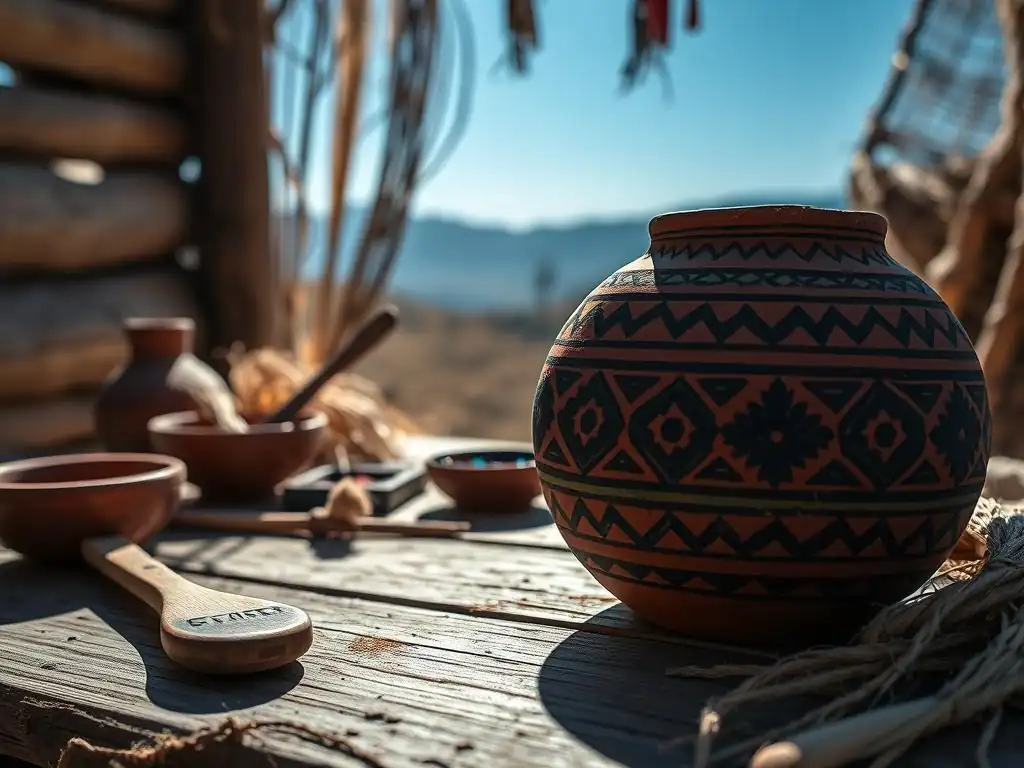
Welcome to Indigenous Civilizations of the Americas, where we invite you to journey back in time to discover the rich tapestry of cultures that flourished long before European colonization. Our featured article, "Inca Pottery: Artistic Techniques and Cultural Significance," delves into the remarkable craftsmanship of the Inca civilization. Prepare to be captivated by the intricate techniques and vibrant artistry that not only reflect their daily life but also reveal profound cultural meanings. What secrets do these ancient artifacts hold? Join us as we unravel the artistry of Inca pottery and its enduring legacy in the world of indigenous cultures.
Introduction to Inca Pottery
Inca pottery represents a significant aspect of the rich tapestry of cultural expression found within the Inca Civilization, which flourished in the Andean region of South America from the early 15th century until the Spanish conquest in the 16th century. Known for their remarkable engineering and agricultural innovations, the Incas also demonstrated exceptional artistic abilities, particularly in pottery. This article delves into the intricate artistic techniques employed by the Incas in their pottery and highlights the cultural significance that these objects held in their society.
Overview of Inca Civilization and Its Art
The Inca Empire, the largest empire in pre-Columbian America, was characterized by its remarkable achievements in various fields, including architecture, agriculture, and art. The Incas developed a complex society with a rich cultural heritage that was expressed through various forms of artistic endeavors. Inca pottery, in particular, serves as a vital window into understanding their daily lives, rituals, and the environment they inhabited.
Incas utilized a variety of materials and techniques to create functional and ceremonial pottery. Their craftsmanship reflected both practical needs and spiritual beliefs, often incorporating intricate designs and symbolism that conveyed messages about their worldview. Pottery was not merely utilitarian; it was imbued with meaning, showcasing the artisans' skills and the cultural narratives of the Inca people.
Importance of Pottery in Inca Culture
Pottery played a crucial role in Inca society, serving various functions that extended beyond mere utility. It was used in everyday life for cooking, storage, and serving food, as well as in ceremonial contexts for religious rituals and offerings. The designs and motifs on pottery often represented powerful symbols related to Inca mythology, agriculture, and the natural world, reflecting their deep connection to both the earth and the cosmos.
Inca pottery also acted as a medium for social expression and identity. Different regions and communities within the Inca Empire developed distinct styles and techniques that showcased their unique cultural identities. As such, pottery became an important aspect of cultural heritage, preserving the traditions and stories of the Inca people for future generations.
Inca Pottery Artistic Techniques
Inca pottery is celebrated not only for its aesthetic qualities but also for the sophisticated techniques that artisans employed in its creation. The artistic techniques of Inca pottery reveal a deep understanding of materials and an innovative approach to design that has left a lasting legacy.
Traditional Methods of Inca Pottery Creation
The creation of Inca pottery involved traditional methods that were passed down through generations. Artisans typically used locally sourced clay, which they shaped by hand or with basic tools. The process included several stages:
- Preparation of Clay: The clay was kneaded to remove air bubbles and mixed with tempering materials like sand or crushed rock to enhance durability.
- Shaping: Using techniques such as coiling and slab construction, artisans crafted various forms, from utilitarian vessels to ornate ceremonial pieces.
- Decoration: After shaping, the pottery was often decorated with intricate designs painted or incised onto the surface, using natural pigments derived from minerals and plants.
Kiln Firing Techniques Used by the Incas
The firing of Inca pottery was a pivotal step in the production process, ensuring the strength and longevity of the finished pieces. The Incas employed several firing techniques:
- Open Firing: This method involved placing pottery in an open fire, allowing for variations in color and texture. This technique was commonly used for everyday items.
- Kiln Firing: For more intricate and valuable pieces, the Incas constructed kilns that provided controlled heat and atmosphere during firing. This resulted in a more uniform finish and vibrant colors.
The mastery of these firing techniques not only enhanced the durability of Inca pottery but also contributed to the diverse aesthetic qualities that characterize their ceramics, showcasing their ingenuity and artistic skill.
Decorative Techniques in Inca Pottery
Inca pottery showcases a rich array of decorative techniques that reflect the intricate artistry and cultural values of the Inca civilization. The decorative elements were not merely ornamental; they often conveyed deeper meanings associated with the Inca worldview. Among the most notable techniques were:
- Incising: This technique involved carving designs into the surface of the clay before firing. Intricate patterns often depicted animals, plants, and geometric shapes, which held symbolic significance.
- Molding: Artisans would use molds to create uniform shapes and designs. This method allowed for the replication of popular motifs, ensuring consistency across pieces.
- Inlay: Some pottery featured inlaid designs, where colored slips were applied to the surface to create contrast. This technique enhanced visual interest and highlighted specific motifs.
These decorative methods not only demonstrated the skill of Inca artisans but also played a role in the ceremonial and functional aspects of the pottery.
Painting Techniques and Styles in Inca Pottery
Painting was a prominent feature of Inca pottery, with techniques that varied significantly in complexity and style. The Inca employed natural pigments derived from minerals, plants, and even insects, allowing for a vibrant color palette. Key painting techniques included:
- Slip Painting: A method where liquid clay (slip) was applied to the surface of the pottery before firing. This technique allowed artisans to create detailed images and patterns that adhered well to the clay.
- Polychrome Decoration: Many Inca ceramics were adorned with multiple colors, often using contrasting hues to create dynamic designs. Common motifs included geometric patterns and stylized representations of animals and deities.
- Burnishing: After painting, the surface of the pottery was polished to create a smooth, shiny finish. This not only enhanced the visual appeal but also added a protective layer to the artwork.
The distinct painting styles in Inca pottery often varied by region, reflecting local traditions and the availability of materials.
Surface Treatments and Textures
The textural quality of Inca pottery was vital to its aesthetic and functional appeal. Various surface treatments were employed to enhance the visual and tactile experience of the pieces. Notable techniques included:
- Textured Surfaces: Some pottery featured intentionally rough or patterned surfaces, created by manipulating the clay before firing. This added depth and tactile interest to the pieces.
- Glazing: Although true glazing was not common in Inca pottery, certain techniques mimicked glazed effects. By applying a slip and then polishing, artisans achieved a glossy appearance that resembled glaze.
- Natural Finishes: The Inca often left their pottery unadorned, allowing the natural color and texture of the clay to shine through. This approach emphasized the beauty of the material itself and showcased the skill of the potters.
These surface treatments not only contributed to the aesthetic value of the pottery but also affected its functionality and durability.
Cultural Significance of Inca Pottery
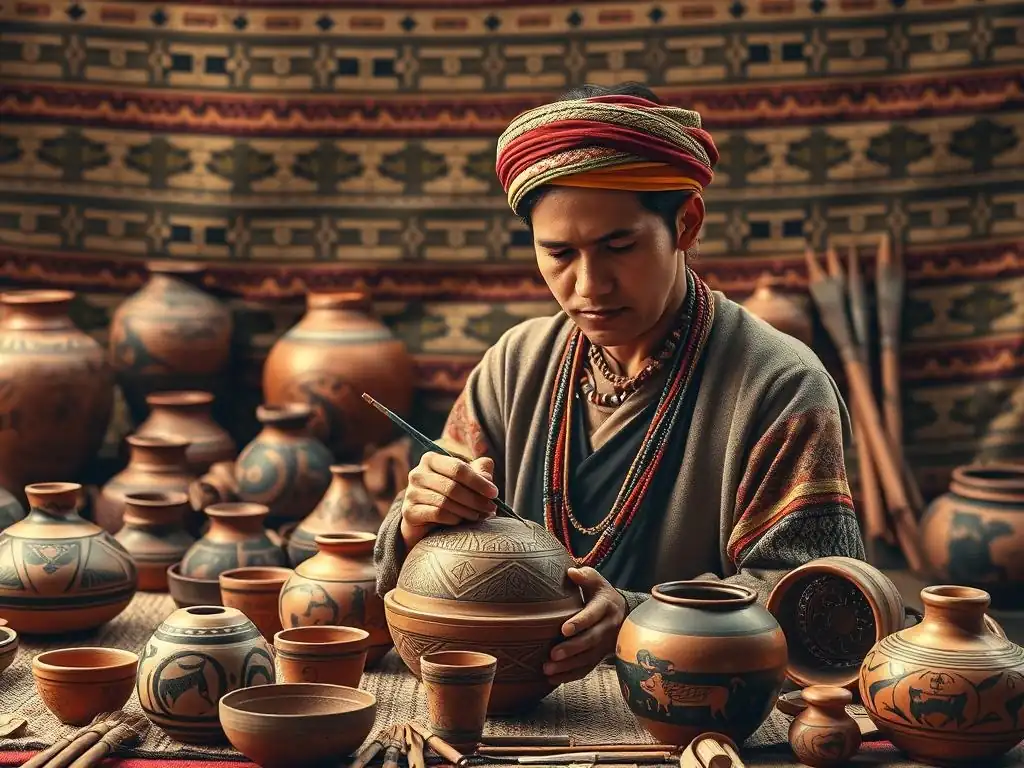
Inca pottery was more than just utilitarian objects; it played a crucial role in the cultural fabric of Inca society. The intricate designs and craftsmanship reflected the civilization's values, beliefs, and social structure. Pottery served various purposes, from everyday use to ceremonial functions, indicating its multifaceted role within the Inca culture.
Pottery as a Reflection of Inca Society
The designs and styles of Inca pottery often mirrored the hierarchical nature of Inca society. Various forms of pottery were associated with different social classes, with elite households displaying more elaborate and finely crafted pieces. Furthermore, the iconography used in pottery often depicted themes related to Inca mythology, agricultural practices, and significant historical events, serving to reinforce cultural identity and communal values.
- Symbolism: Many pottery pieces featured motifs tied to Inca cosmology, such as representations of the sun god Inti, which illustrated the civilization’s reverence for nature and the divine.
- Functionality: The pottery was often categorized based on its intended use, from cooking vessels to ceremonial urns, showcasing the practical aspects of Inca life while also embodying social status.
Through these artistic expressions, Inca pottery became a vessel for storytelling and cultural preservation.
The Role of Pottery in Inca Daily Life
Pottery was indispensable in the daily lives of the Inca people. It served not only as functional items for cooking, storing, and serving food but also as essential components of community rituals and ceremonies. The significance of pottery in daily life included:
- Everyday Use: Common households relied on pottery for various tasks, such as cooking and storage. The durability and versatility of ceramic vessels made them integral to daily sustenance.
- Ritualistic Functions: Inca pottery was often used in religious ceremonies, including offerings and funerary practices. Certain pottery styles were reserved for sacred occasions, underscoring their importance in cultural rituals.
- Trade and Economy: Pottery also played a role in the Inca economy. Artisans produced goods for trade, and pottery styles could indicate the regional origin of the vessels, facilitating commerce among different communities.
In essence, Inca pottery was a fundamental aspect of life that intertwined functionality with cultural expression, reflecting the civilization's rich heritage.
Preservation and Legacy of Inca Pottery
Inca pottery holds a vital place in the cultural heritage of the Andes, showcasing the artistic skills and daily life of the Inca civilization. Despite the passage of centuries, many pottery artifacts have been preserved, offering invaluable insights into Inca society. The durability of the clay and the firing techniques employed by the Incas contributed to the longevity of these artifacts. Many pieces have been discovered in archaeological sites, often in burial contexts, which helped protect them from the elements.
The legacy of Inca pottery extends beyond mere survival; it has influenced subsequent generations of artisans. The unique designs, forms, and techniques developed by the Incas continue to resonate in modern indigenous art across the Andes. This influence is evident in the way contemporary potters incorporate traditional motifs, colors, and methods into their creations, ensuring the continuity of Inca artistic traditions.
Archaeological Discoveries of Inca Pottery
Archaeological excavations throughout the Andean region have unearthed numerous examples of Inca pottery, providing a window into their sophisticated craftsmanship. Notable discoveries include large storage jars, ceremonial vessels, and intricate figurines, often adorned with vibrant polychrome designs. Sites such as Machu Picchu, Cusco, and the Sacred Valley have yielded remarkable finds, revealing the diverse purposes of pottery in Inca life, from utilitarian needs to spiritual practices.
These discoveries have been instrumental in understanding the social and economic structures of the Inca civilization. For instance, the presence of specific pottery styles in various regions indicates trade networks and cultural exchanges. Additionally, the analysis of pottery fragments allows researchers to deduce information about Inca agricultural practices, as many vessels were used for storing and serving food.
Influence of Inca Pottery on Contemporary Indigenous Art
The artistic techniques of Inca pottery have left a lasting impression on contemporary indigenous artists. Many modern potters in Peru and surrounding areas draw inspiration from the distinctive forms and colorful designs of Inca ceramics. This revival of traditional practices not only serves to honor ancestral heritage but also to promote cultural identity in the face of globalization.
Contemporary artists often blend ancient techniques with modern aesthetics, creating pieces that resonate with both traditional values and current artistic trends. This fusion exemplifies the dynamic nature of cultural expression, where the past continually informs the present. Workshops and cultural programs aimed at preserving Inca pottery techniques have emerged, fostering community engagement and ensuring that these artistic methods are passed down to future generations.
Conclusion
Inca pottery represents a rich tapestry of artistic expression and cultural significance that has endured through time. The techniques developed by the Incas not only showcase their ingenuity but also reflect their connection to the natural world and their societal values.
Summary of Inca Pottery Techniques and Cultural Importance
The artistic techniques of Inca pottery encompass a wide array of methods, including coiling, molding, and intricate painting. These techniques resulted in a variety of forms, from everyday cooking vessels to ceremonial artifacts. The cultural importance of these pieces lies in their ability to convey stories, beliefs, and social structures of the Inca civilization. Each pot tells a story, revealing the intricate relationship between art and life in Inca society.
The Lasting Impact of Inca Pottery on Indigenous Cultures
The legacy of Inca pottery extends beyond its aesthetic appeal; it serves as a bridge connecting past and present indigenous cultures. The enduring influence of Inca artistic techniques can be seen in the work of modern artisans who continue to explore and innovate upon traditional practices. This continuity not only preserves the memory of the Inca civilization but also strengthens the cultural identities of contemporary indigenous communities, celebrating their rich heritage in a globalized world.
- Introduction to Inca Pottery
- Inca Pottery Artistic Techniques
- Decorative Techniques in Inca Pottery
- Cultural Significance of Inca Pottery
- Preservation and Legacy of Inca Pottery
- Conclusion
Frequently Asked Questions
What are the main artistic techniques used in Inca pottery?
Inca pottery showcases techniques such as polishing, painting, and molding, which highlight the intricate designs and symbolism inherent in their culture.
How did Inca pottery reflect their cultural significance?
Inca pottery served not only as functional items but also as ceremonial objects that embodied their belief systems and social structures, thus reflecting their cultural identity.
Can you describe the materials used in Inca pottery production?
Inca artisans primarily used clay sourced from local riverbanks, often adding mineral pigments for coloring, which contributed to the durability and aesthetic appeal of their pottery.
What role did decorative elements play in Inca pottery?
The decorative elements of Inca pottery often included geometric patterns, animal motifs, and mythological symbols, which conveyed stories and meanings significant to their culture.
How has Inca pottery influenced modern artistic practices?
Inca pottery continues to inspire modern artists with its unique styles and techniques, fostering a renewed appreciation for Indigenous art and its cultural heritage.
Final Reflection: The Enduring Legacy of Inca Pottery
Inca pottery artistic techniques are not merely relics of the past; they are vibrant expressions of a rich cultural heritage that continue to resonate in today's world. As we explore the intricate designs and methods employed by the Incas, we uncover a profound connection to their identity, beliefs, and daily life. The artistry of Inca pottery serves as a testament to the ingenuity and creativity of a civilization that thrived centuries ago, reminding us that art is a powerful medium for storytelling and cultural preservation.
Cultural artifacts like Inca pottery have a lasting impact on our understanding of history and identity. The techniques used in crafting these pieces reflect the values and traditions of the Inca people, influencing contemporary artists and artisans who seek to honor and revive these ancient practices. As we engage with these artistic techniques, we are invited to appreciate the depth of cultural narratives they embody. Art is the most beautiful of all lies.
This quote encapsulates the essence of how art, including Inca pottery, can transcend time and space, offering us glimpses into the lives and thoughts of those who came before us.
As you reflect on the significance of Inca pottery in your own life, consider how art can inspire you to connect with your heritage or explore new creative avenues. Embrace the lessons of resilience, innovation, and cultural pride that these artistic techniques impart. Let the beauty of Inca pottery encourage you to seek out and celebrate the stories that shape your identity, and perhaps even inspire you to create your own artistic expressions that honor the past while looking toward the future.
Unveil the Legacy of Inca Pottery!
Thank you for diving into the rich world of Inca pottery with us! We hope you’ve uncovered the fascinating artistic techniques and cultural significance that make these artifacts truly special. Now, it’s time to take this knowledge further and connect with the vibrant history of the Inca civilization.
Here are some inspiring actions you can take:
- Explore local exhibitions or museums featuring Inca pottery to appreciate these stunning works in person and enhance your understanding.
- Join an online forum or community dedicated to indigenous art forms to share insights and learn more about traditional techniques.
- Consider creating your own pottery piece inspired by Inca styles – let your creativity flow and pay homage to this ancient craft!
What aspect of Inca pottery resonates with you the most, and how will you incorporate this newfound knowledge into your life?