
Bridging Cultures: Enroll in Courses that Highlight Indigenous Influence

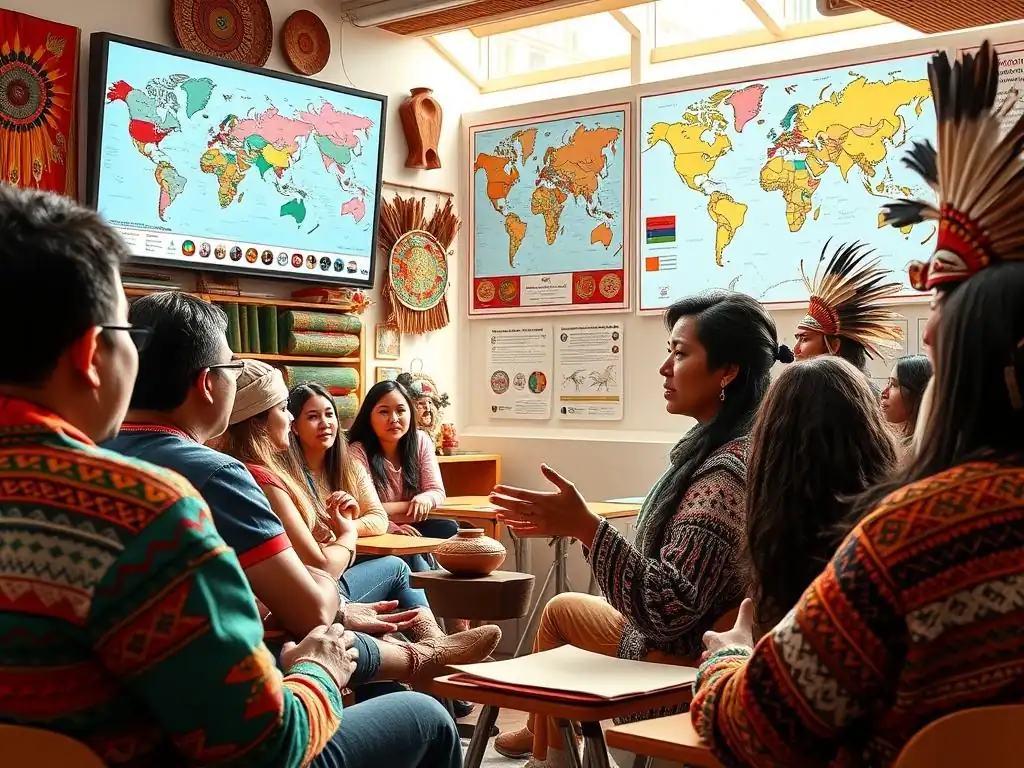
Welcome to Indigenous Civilizations of the Americas, where we invite you to embark on a captivating journey through the rich tapestry of indigenous cultures that flourished long before European colonization. Here, you'll discover not only the remarkable achievements and vibrant societies of these diverse communities but also the profound impact they continue to have today. Are you ready to deepen your understanding? Dive into our featured article on indigenous cultures online courses, and unlock a world of knowledge and learning that bridges the past with the present. Your exploration starts now!
Indigenous cultures have long been a source of rich history, diverse traditions, and profound wisdom, shaping the social, environmental, and spiritual landscapes of the Americas long before European colonization. As we continue to recognize and appreciate this heritage, the availability of indigenous cultures online courses provides an invaluable opportunity for learners worldwide to engage with and understand these vibrant societies.
This article serves as a bridge, connecting those interested in deepening their knowledge of indigenous cultures with a variety of courses that celebrate these remarkable civilizations. From historical narratives to contemporary expressions, these courses illuminate the contributions of indigenous peoples and the enduring impact of their legacies.
Understanding Indigenous Cultures Online Courses
Online courses focused on indigenous cultures have emerged as essential resources for learners eager to explore the complexities and nuances of native histories and contemporary issues. These courses not only provide academic insights but also foster a sense of respect and appreciation for the cultures they represent.
The Importance of Learning About Indigenous Cultures
Engaging with indigenous cultures through online education is crucial for several reasons:
- Cultural Awareness: Understanding indigenous histories and practices helps combat stereotypes and fosters greater respect for diversity.
- Historical Context: Many current social and political issues are rooted in the histories of indigenous peoples. Learning about these contexts is essential for informed discussions about rights, representation, and reconciliation.
- Empowerment: Education about indigenous cultures empowers both indigenous and non-indigenous learners to appreciate and advocate for the preservation of these rich heritages.
Overview of Online Learning Platforms Offering Indigenous Studies
Several online platforms have emerged as leaders in providing courses dedicated to indigenous studies. These platforms often collaborate with indigenous scholars and institutions to ensure authentic representation and content. Some notable platforms include:
- Coursera: A range of courses from universities that cover various aspects of indigenous studies.
- edX: Offers programs that delve into specific indigenous cultures, histories, and arts.
- Udemy: Features courses by independent educators focusing on indigenous perspectives and practices.
Top Indigenous Cultures Online Courses to Consider
As the interest in indigenous cultures continues to grow, several courses stand out for their depth, engagement, and educational value. Here are three recommended courses that highlight the richness of indigenous heritage:
1. Native American History - Explore the Rich Tapestry of Indigenous Narratives
This course provides an in-depth exploration of Native American history, examining the diverse narratives that shape the experiences and identities of indigenous peoples across North America. Students will engage with primary sources, contemporary scholarship, and discussions that highlight the resilience and agency of Native communities throughout history.
2. Indigenous Art and Expression - Discover the Stories Behind the Art
In this course, learners will delve into the artistic expressions of indigenous cultures, exploring the symbolism and stories woven into traditional and contemporary artworks. By analyzing various art forms, students will gain insight into how art serves as a medium for cultural expression, storytelling, and resistance.
3. Indigenous Languages and Their Role in Culture - The Significance of Language in Identity
Language is a fundamental aspect of cultural identity, and this course focuses on the importance of indigenous languages in preserving traditions and fostering community. Students will learn about efforts to revitalize endangered languages and the role of language in maintaining cultural heritage and identity.
By enrolling in these courses, individuals can deepen their understanding of indigenous cultures and contribute to a broader dialogue about heritage, identity, and respect.
Comparing Indigenous Cultures Online Courses
With a myriad of online courses available that explore indigenous cultures, it is essential to compare various aspects to find the program that best suits your interests and needs. Different courses may vary in duration, flexibility, cost, and accreditation, making it crucial to weigh these factors carefully. Below, we delve into some of the critical areas to consider when comparing indigenous cultures online courses.
Course Duration and Flexibility
The duration of online courses on indigenous cultures can widely vary, typically ranging from a few weeks to several months. Here are some common formats:
- Short Courses (4-6 weeks): These are often introductory courses that provide a brief overview of specific indigenous cultures, practices, or historical contexts.
- Certificate Programs (3-6 months): These programs delve deeper into the subject matter, often including multiple modules that explore various aspects of indigenous societies.
- Degree Programs (1-2 years): Comprehensive degrees in indigenous studies may be available, focusing on a broad range of topics, including anthropology, history, and cultural studies.
Flexibility is another essential aspect, as many courses are designed to accommodate different schedules. Asynchronous learning formats allow students to progress at their own pace, while synchronous courses may require attendance at scheduled lectures and discussions.
Cost Analysis of Indigenous Studies Programs
Cost is a significant consideration when enrolling in any educational program, including those focused on indigenous studies. Here’s a breakdown of typical costs associated with these courses:
- Short Courses: These can range from $100 to $500, making them accessible for those looking for a brief introduction.
- Certificate Programs: The cost usually falls between $500 and $2,000, depending on the institution and the program's depth.
- Degree Programs: Tuition for degree programs can be higher, often between $5,000 and $20,000, particularly at accredited universities.
Many institutions also offer scholarships, grants, or financial aid options for eligible students, promoting accessibility to indigenous studies for a broader audience.
Accreditation and Recognition of Courses Offered
When enrolling in online courses, accreditation is crucial, as it ensures that the program meets certain educational standards. Here are some points to consider:
- Regionally Accredited Institutions: Courses offered by regionally accredited universities are typically recognized and valued by employers and other educational institutions.
- Professional Associations: Some programs may be endorsed by professional associations focused on indigenous studies, which can enhance their credibility.
- Certificates of Completion: While not all courses provide formal accreditation, many offer certificates of completion that signify your engagement with the material, which can be beneficial for personal development or professional advancement.
Before enrolling, always check the accreditation status of the institution and the recognition of the course to ensure you receive quality education.
Benefits of Enrolling in Indigenous Cultures Online Courses

Participating in online courses that highlight indigenous cultures offers numerous benefits, extending beyond mere academic knowledge. Here are several reasons to consider enrolling in these enriching programs.
Gaining a Deeper Understanding of Indigenous Heritage
One of the primary benefits of these courses is the opportunity to gain an in-depth understanding of indigenous heritage. This includes exploring:
- Historical Contexts: Understanding the historical events that shaped indigenous communities and their resilience.
- Cultural Practices: Learning about traditional customs, languages, art, and spiritual beliefs that define diverse indigenous groups.
- Contemporary Issues: Examining the ongoing challenges indigenous communities face today, including social, political, and environmental concerns.
Such knowledge fosters a greater appreciation for the richness and diversity of indigenous cultures, allowing students to become informed advocates for these communities.
Building Cultural Competency in a Globalized World
In our increasingly interconnected world, cultural competency is essential. Enrolling in indigenous cultures online courses helps students:
- Enhance Communication Skills: Engaging with diverse cultural perspectives can improve interpersonal communication and understanding.
- Develop Empathy and Respect: Learning about indigenous histories and experiences fosters empathy and respect for different worldviews and practices.
- Prepare for Global Citizenship: Understanding indigenous cultures equips students to navigate and contribute positively to multicultural environments, whether in personal or professional contexts.
This cultural competency is not only beneficial at an individual level but is also essential for fostering inclusive societies.
Networking Opportunities with Indigenous Communities
Participating in these online courses can provide valuable networking opportunities with indigenous communities and scholars. Many programs facilitate:
- Guest Lectures and Panels: Students often have the chance to interact with indigenous leaders and experts in various fields, offering insights and fostering connections.
- Collaborative Projects: Some courses may include projects that involve collaboration with indigenous organizations or communities, creating real-world engagement.
- Alumni Networks: Graduates of these programs can join networks that connect them with like-minded individuals passionate about indigenous issues, enhancing career opportunities and community ties.
These networking opportunities can be pivotal in supporting indigenous initiatives and furthering the understanding of indigenous rights and heritage in various fields.
How to Choose the Right Indigenous Cultures Online Course
When selecting an online course focused on indigenous cultures, it's essential to take a structured approach to ensure the course aligns with your learning objectives and interests. The diversity of offerings can be overwhelming, but by methodically assessing your goals, evaluating course content, and considering feedback from previous students, you can make a well-informed decision that enhances your educational experience.
Assessing Your Learning Goals and Interests
Before diving into the selection process, take a moment to reflect on your personal learning goals. Ask yourself the following questions:
- What specific aspects of indigenous cultures am I interested in? This could range from historical perspectives, artistic expressions, traditional ecological knowledge, or contemporary issues facing indigenous communities.
- What level of depth do I seek? Consider whether you prefer a broad overview or a more detailed exploration of particular cultures or themes.
- How much time and effort am I willing to commit? Understanding your availability can help you choose a course that fits into your schedule, whether it’s a short workshop or a more comprehensive semester-long course.
By clearly defining your goals and interests, you can narrow down your options and select a course that resonates with you personally.
Evaluating Course Content and Structure
Once you've identified your goals, the next step is to evaluate the course content and structure. Look for:
- Syllabi and Course Outlines: These documents provide insight into the topics covered, the depth of study, and the types of materials used. Ensure that the syllabus aligns with your interests.
- Instructor Credentials: Research the qualifications and backgrounds of the instructors. Experienced educators or individuals with a deep connection to indigenous communities can offer invaluable insights.
- Learning Formats: Consider the variety of learning methods employed, such as lectures, discussions, multimedia resources, and interactive assignments. A blend of formats can enhance engagement and comprehension.
Additionally, check if the course offers flexibility in pacing, allowing you to learn at a speed that suits your lifestyle.
Reading Reviews and Testimonials from Past Students
Reading reviews and testimonials from students who have previously taken the course can provide valuable perspectives. Look for:
- Overall Satisfaction Ratings: High satisfaction rates often indicate a positive learning experience.
- Specific Feedback: Pay attention to comments about the course's strengths and weaknesses, including the quality of instructional materials and engagement levels.
- Diverse Perspectives: Seek out reviews from students with varying backgrounds to understand how the course is perceived across different demographics.
This information can help you gauge the course's effectiveness and its ability to meet your expectations.
Common Misconceptions About Indigenous Cultures Online Courses
As interest in indigenous cultures grows, so do certain misconceptions that can deter potential students from enrolling in these enriching courses. Understanding and addressing these myths can empower more individuals to engage with the invaluable knowledge indigenous cultures offer.
Myth: Indigenous Studies Are Only for Native Students
A prevalent misconception is that indigenous studies are primarily relevant only to Native students or those with indigenous heritage. This belief can discourage non-indigenous individuals from exploring these courses.
Reality: Everyone Can Benefit from Learning Indigenous Cultures
In reality, the study of indigenous cultures offers insights that are valuable for everyone. Understanding indigenous histories, philosophies, and contributions fosters greater appreciation of cultural diversity and promotes social justice. By learning about indigenous cultures, students can develop a more nuanced perspective on contemporary issues, such as land rights, environmental stewardship, and cultural preservation, which are relevant to all societies.
Myth: Online Courses Lack Depth and Engagement
Another common myth is that online courses, particularly those focused on indigenous cultures, lack the depth and engagement of traditional classroom settings. This perception can stem from negative experiences with poorly designed online offerings.
Reality: High-Quality Courses Provide Rich Learning Experiences
Contrary to this myth, many online courses are designed to deliver robust educational experiences. High-quality courses often feature:
- Interactive elements: Discussions, group projects, and multimedia content that promote engagement and collaboration.
- Access to Experts: Opportunities to interact with knowledgeable instructors and guest speakers from indigenous communities, providing authentic insights.
- Comprehensive Resources: A wealth of reading materials, documentaries, and case studies that enrich the learning process.
By choosing well-designed online courses, students can enjoy a rich and fulfilling educational experience that rivals in-person learning.
Conclusion: Invest in Your Knowledge of Indigenous Cultures
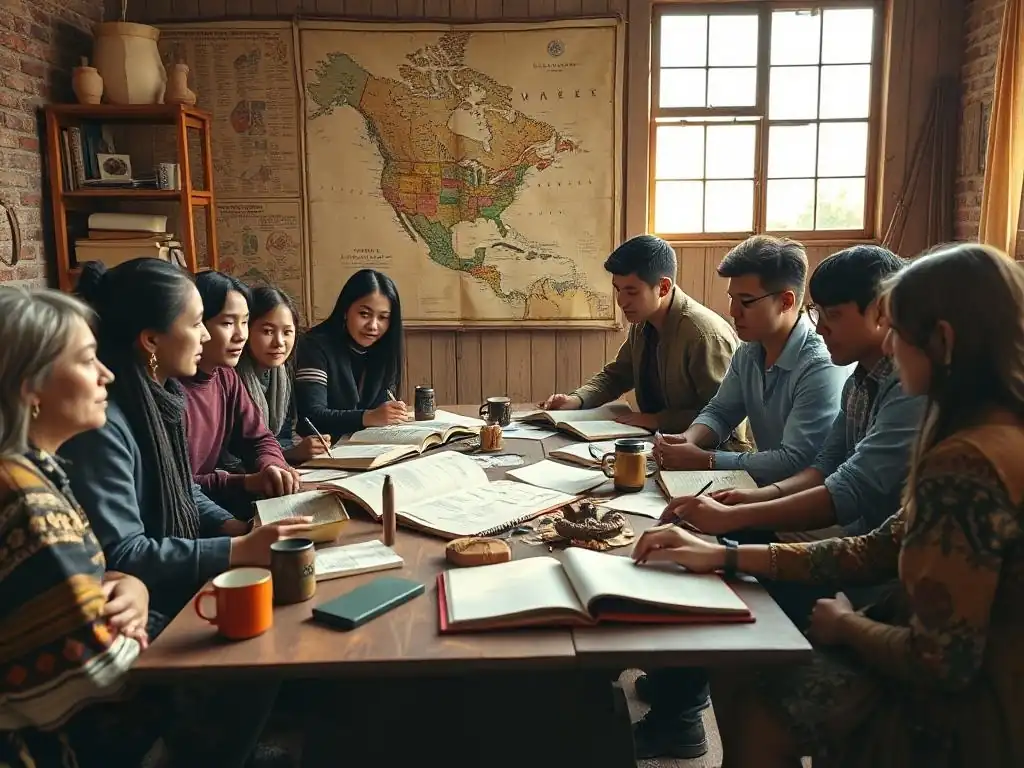
Investing in your knowledge of indigenous cultures not only enriches your understanding of the past but also enhances your appreciation of the diverse perspectives that shape our present and future. Engaging with these cultures through online courses allows you to explore the intricate histories, languages, and traditions that have often been overlooked or misrepresented in mainstream education. By deepening your knowledge, you contribute to the preservation and respect of indigenous heritage, fostering a more inclusive narrative that acknowledges the contributions of these cultures to global civilization.
Moreover, understanding indigenous cultures can encourage critical thinking about contemporary issues such as environmental stewardship, social justice, and cultural identity. As you learn about the philosophies and practices of indigenous peoples, you may find inspiration to apply these insights in your own life, promoting a more holistic and respectful approach to the world around you.
Call to Action: Start Your Journey with Indigenous Cultures Online Courses
Are you ready to embark on a meaningful educational journey? Now is the perfect time to start exploring indigenous cultures through a variety of online courses. Whether you are a student, educator, or someone simply interested in learning more, these courses offer a unique opportunity to connect with the rich heritage of the Americas.
Here are some steps to help you begin:
- Research Available Courses: Look for institutions that offer online programs focusing on indigenous studies. Many universities and cultural organizations provide courses that cover various aspects, from history to art and social issues.
- Select a Course that Interests You: Choose a course that aligns with your interests, whether it's the history of a specific indigenous group, traditional ecological knowledge, or contemporary indigenous movements.
- Engage with the Community: Join forums and discussion groups associated with your course to connect with fellow learners and instructors. This interaction can deepen your understanding and provide diverse perspectives.
- Apply Your Learning: Think about how you can apply what you learn in your everyday life or professional field, whether through advocacy, education, or community engagement.
By taking this step, you are not just educating yourself; you are also helping to honor and preserve the rich tapestry of indigenous cultures.
Additional Resources for Continued Learning in Indigenous Studies
To further your understanding and appreciation of indigenous cultures, consider exploring the following resources:
- Books and Articles: Look for literature authored by indigenous scholars and writers that provide insights into their cultures, histories, and philosophies.
- Documentaries and Films: Visual storytelling can be a powerful way to experience indigenous narratives. Seek out documentaries that highlight indigenous lives and perspectives.
- Podcasts: Many podcasts focus on indigenous issues, featuring interviews with activists, historians, and community leaders. This format allows for an engaging way to learn on the go.
- Cultural Events and Webinars: Attend online events or webinars that feature discussions with indigenous elders and experts. These can provide valuable context and real-world applications of what you learn in courses.
By utilizing these resources, you can continue to deepen your understanding of indigenous cultures and their enduring impact on our world today. Each step you take in this journey contributes to a greater recognition and appreciation of the richness of indigenous heritage.
- Understanding Indigenous Cultures Online Courses
- Top Indigenous Cultures Online Courses to Consider
- Comparing Indigenous Cultures Online Courses
- Benefits of Enrolling in Indigenous Cultures Online Courses
- How to Choose the Right Indigenous Cultures Online Course
- Common Misconceptions About Indigenous Cultures Online Courses
- Conclusion: Invest in Your Knowledge of Indigenous Cultures
- Call to Action: Start Your Journey with Indigenous Cultures Online Courses
- Additional Resources for Continued Learning in Indigenous Studies
Frequently Asked Questions
What are indigenous cultures?
Indigenous cultures refer to the original inhabitants of a region, with their own unique traditions, languages, and social structures that developed over thousands of years before European colonization.
How can I learn about indigenous cultures through online courses?
You can explore diverse indigenous cultures by enrolling in online courses that focus on their history, achievements, and socio-cultural impacts, often offered by universities and educational platforms.
What topics are covered in indigenous cultures online courses?
Courses typically cover a variety of subjects, including cultural practices, historical contexts, artistic expressions, and the contemporary issues faced by indigenous communities today.
Why is it important to study indigenous cultures?
Studying these cultures is crucial for understanding the rich diversity of human experience, fostering cultural appreciation, and addressing historical injustices faced by indigenous peoples.
How can I find reputable online courses on indigenous cultures?
You can search for courses through educational platforms, universities, or organizations that specialize in indigenous studies, ensuring they have a focus on authentic and respectful representation of these cultures.
Final Reflection: Embracing Indigenous Wisdom Through Online Learning
The exploration of indigenous cultures through online courses is not just an academic pursuit; it is a vital step towards understanding and appreciating the rich tapestry of human experience. In today's globalized world, where cultural exchange is more accessible than ever, engaging with indigenous perspectives allows us to confront historical injustices and foster a deeper respect for the wisdom that these cultures offer. As we navigate the complexities of modern society, the need to bridge cultural gaps has never been more pressing.
Courses that highlight indigenous influence serve as a powerful reminder of the ongoing impact these cultures have on our social landscape. By immersing ourselves in their traditions, stories, and teachings, we not only honor their legacy but also enrich our own lives with diverse viewpoints. As the renowned author and activist, Vine Deloria Jr., once said, The greatest challenge of the future is to learn to live in harmony with the earth and with each other.
This sentiment underscores the importance of integrating indigenous knowledge into our collective consciousness, as it holds the key to sustainable living and mutual respect.
As you reflect on the insights gained from this article, I invite you to take action by enrolling in courses that celebrate indigenous cultures. Consider how these lessons can transform your understanding of the world and inspire you to advocate for cultural preservation and respect. By engaging with these teachings, you not only broaden your own horizons but also contribute to a more inclusive and harmonious society. Let us embrace the opportunity to learn, grow, and bridge the divides that separate us, fostering a future where every culture is valued and celebrated.
Embrace Diversity: Enroll in Indigenous Courses Today!
Thank you for exploring the rich tapestry of Indigenous influence in our world. Your interest not only deepens your understanding but also honors the cultures that have shaped our history. Now, it's time to take your newfound knowledge further. Here’s how you can actively engage with this important topic:
- Enroll in a course that delves deeper into Indigenous cultures and perspectives. This is your chance to learn directly from Indigenous voices and gain valuable insights.
- Share your knowledge! Discuss what you've learned with friends and family, and encourage them to explore Indigenous cultures as well.
- Participate in community events or forums focusing on Indigenous topics to connect with others who share your passion and continue the conversation.
How do you plan to incorporate the lessons of Indigenous cultures into your daily life? We would love to hear your thoughts in the comments!