
The Weaving Legacy: How Indigenous Textiles Reflect Cultural Identity

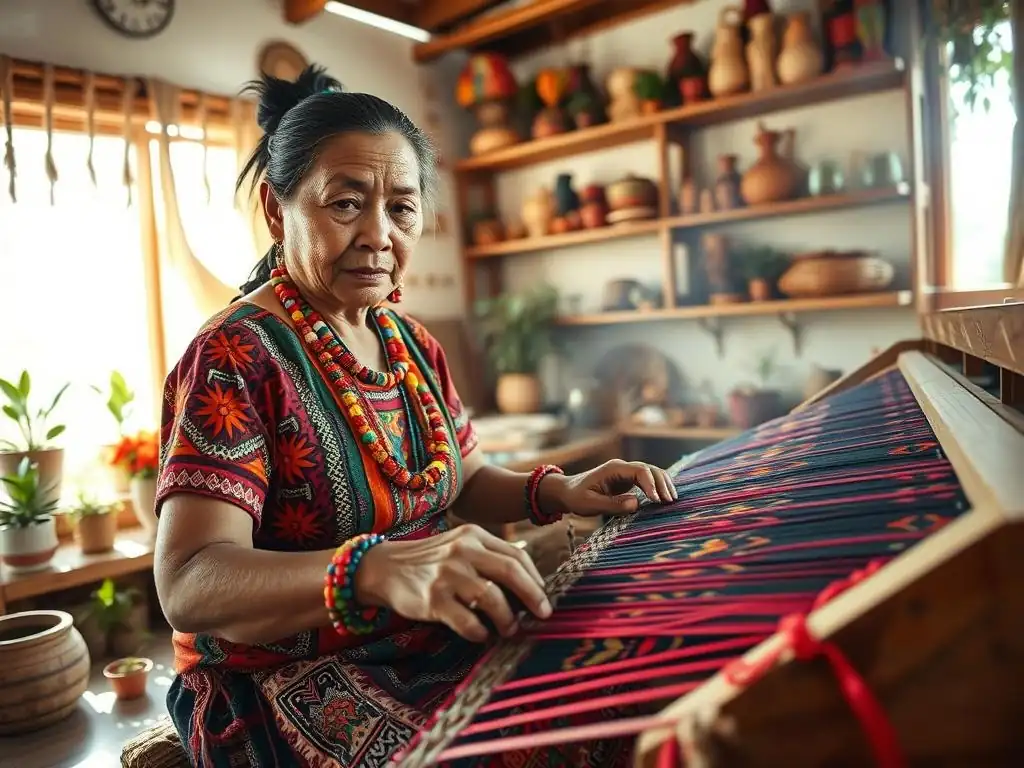
Welcome to Indigenous Civilizations of the Americas, where we invite you to embark on a journey through the rich tapestry of indigenous cultures that flourished long before European contact. In our featured article, "The Weaving Legacy: How Indigenous Textiles Reflect Cultural Identity," we delve into the intricate world of indigenous textiles and their profound significance in expressing cultural identity. Discover how these stunning creations not only showcase artistic mastery but also serve as a vital link to heritage and community.
Join us as we unravel the stories woven into each thread, and explore the enduring legacy of these remarkable civilizations. Your exploration of their artistry and impact begins here—dive in!
Introduction to Indigenous Textiles and Cultural Identity
Indigenous textiles serve as vibrant expressions of cultural identity, weaving together the threads of history, tradition, and artistic expression. Across the vast landscapes of the Americas, diverse indigenous communities have developed their own unique textile-making practices that reflect their distinct worldviews, social structures, and spiritual beliefs. These textiles are more than just functional items; they are rich narratives that encapsulate the values, stories, and identities of the people who create them.
From the intricate patterns of the Navajo rugs to the colorful weavings of the Andean peoples, indigenous textiles have historically played a crucial role in community life and cultural preservation. They are often imbued with symbolism, representing not only aesthetic choices but also significant cultural meanings. For instance, specific colors and designs may convey messages about social status, clan affiliation, or even the natural environment, creating a deep connection between the weaver and their heritage.
As we delve into the exploration of indigenous textiles, it is essential to recognize their lasting impact on contemporary society. Today, many indigenous artisans are reviving traditional techniques while also innovating new practices that resonate with modern audiences. This fusion of past and present not only helps sustain these age-old traditions but also allows for a broader appreciation of cultural diversity and identity in a globalized world.
In this article, we will examine how indigenous textiles reflect cultural identity, exploring their historical significance, the artistic techniques involved, and their relevance in contemporary contexts. Through this journey, we aim to celebrate the enduring legacy of these art forms and the communities that continue to honor their ancestral crafts.
Historical Context of Indigenous Textiles
Origins of Indigenous Textiles in the Americas
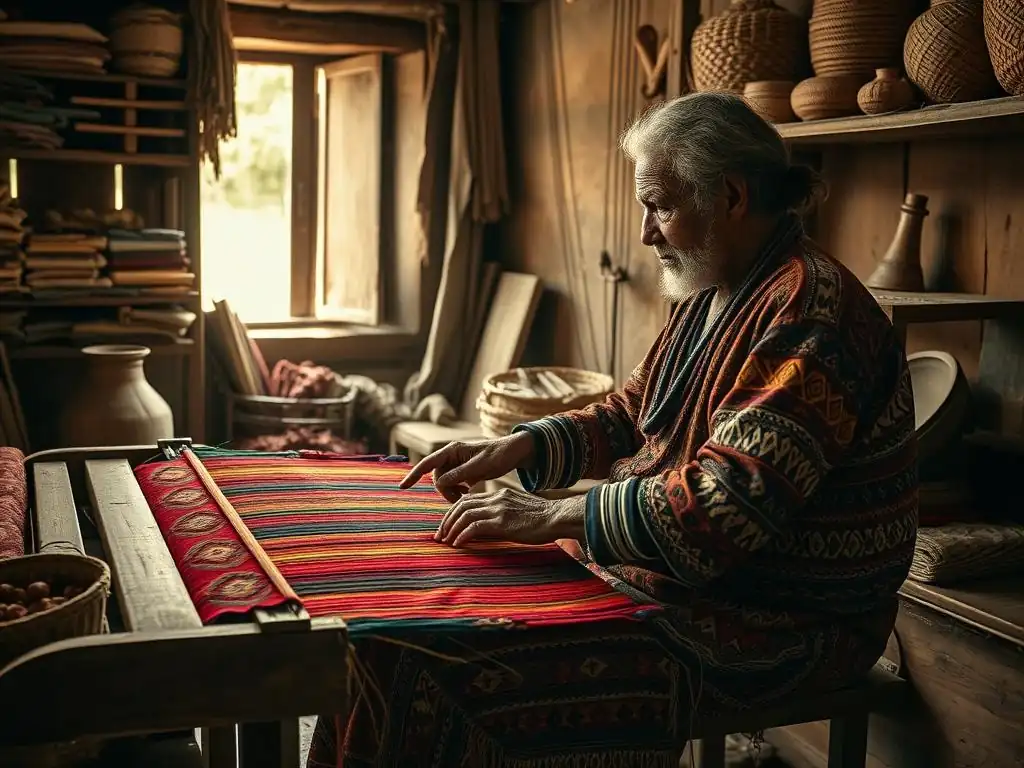
The origins of indigenous textiles in the Americas can be traced back thousands of years, reflecting a rich tapestry of cultural practices and innovations among various indigenous groups. Each community developed unique techniques, materials, and designs, deeply rooted in their environment and cultural narratives.
- Materials Used: Indigenous peoples utilized a variety of natural fibers:
- Cotton: Cultivated in regions like Mesoamerica, cotton was spun and dyed using natural pigments, resulting in vibrant textiles.
- Wool: In the Andean regions, sheep and alpaca wool were essential for crafting warm garments, with intricate patterns indicating social status and community affiliation.
- Plant Fibers: Fibers from plants such as agave and yucca were used by many tribes for making ropes, bags, and sandals.
- Techniques and Methods: Indigenous textile-making techniques varied widely:
- Weaving: Techniques such as backstrap weaving allowed artisans to create complex designs while maintaining mobility.
- Embroidery: Many cultures employed intricate embroidery to embellish garments, often telling stories or representing spiritual beliefs through symbols.
- Dyeing: Natural dyes derived from plants, minerals, and insects played a crucial role in achieving the distinctive colors present in indigenous textiles.
The textile traditions of indigenous communities were not merely utilitarian; they served as expressions of cultural identity and continuity. Each pattern and color palette was imbued with meaning, often representing the community's connection to the land, ancestors, and spirituality.
Evolution of Indigenous Textiles Through Colonization
The arrival of European colonizers in the Americas marked a significant turning point in the history of indigenous textiles. The interactions between indigenous peoples and colonizers led to profound changes in textile production, usage, and cultural significance.
- Disruption of Traditional Practices: Colonization brought new materials and techniques while simultaneously disrupting traditional practices. The introduction of synthetic dyes and mass-produced fabrics altered the landscape of textile production:
- Indigenous artisans faced challenges in maintaining their traditional methods as demand shifted toward European styles and materials.
- Many communities experienced a loss of access to traditional dye sources and fibers, forcing adaptations in their practices.
- Cultural Exchange and Hybridization: Despite the challenges, colonization also fostered a unique cultural exchange:
- Indigenous artisans began incorporating European motifs and materials into their textile designs, creating hybrid forms that reflected a blending of cultures.
- The adaptation of new weaving techniques and tools facilitated the continuation of textile traditions, albeit in modified forms.
- Contemporary Revivals: In recent decades, there has been a resurgence of interest in indigenous textiles as symbols of cultural identity:
- Many indigenous communities are reclaiming traditional techniques and designs, emphasizing their cultural significance.
- Contemporary artisans combine traditional skills with modern aesthetics, producing textiles that resonate with both indigenous and global audiences.
The evolution of indigenous textiles through colonization highlights the resilience and adaptability of these communities. Today, indigenous textiles serve not only as functional items but also as powerful statements of cultural identity and heritage, bridging the past with the present.
Key Characteristics of Indigenous Textiles
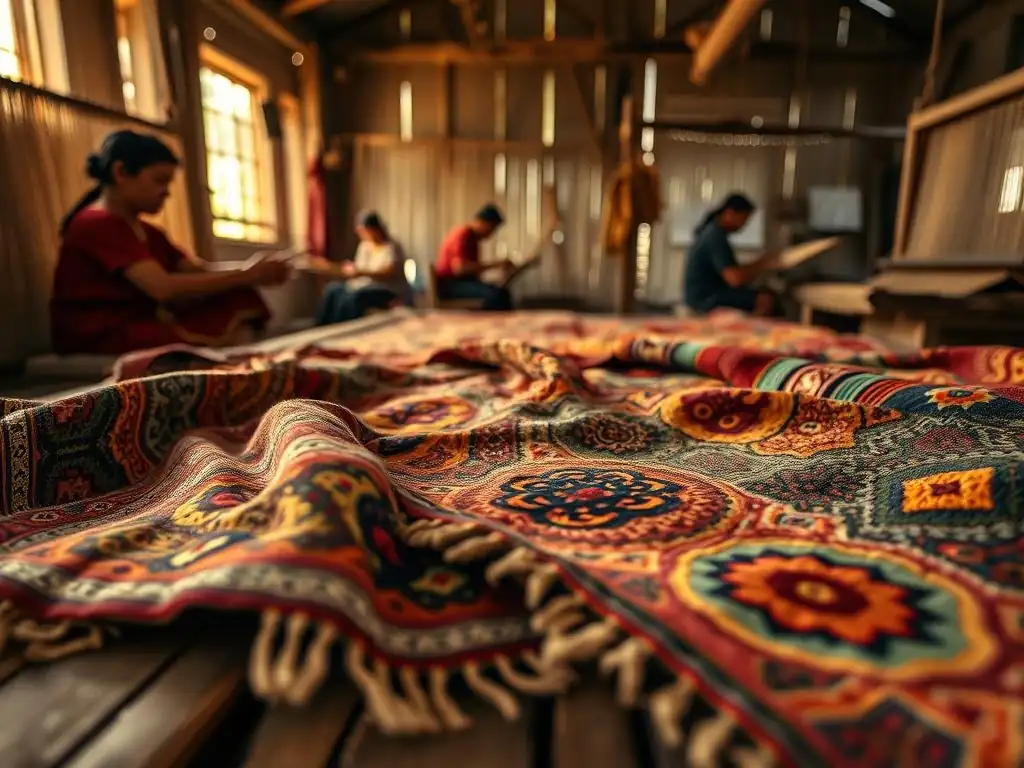
Indigenous textiles are a profound expression of cultural identity, reflecting the history, beliefs, and values of the communities that create them. The significance of these textiles extends beyond mere utility; they serve as a medium for storytelling, social commentary, and the preservation of tradition. Here are some key characteristics that define indigenous textiles:
- Cultural Significance: Each textile often tells a story or conveys a message, woven into the fabric through symbols and patterns that carry specific meanings.
- Regional Diversity: Indigenous textiles vary dramatically across different regions, influenced by the local environment, available resources, and cultural practices. For instance, textiles from the Andes may differ significantly from those of the Great Plains.
- Sustainability: Many indigenous communities practice sustainable methods of textile production, utilizing natural fibers and dyes sourced from their immediate environment, which reflects a deep respect for nature.
- Functionality: While aesthetics are important, indigenous textiles often fulfill practical roles in daily life, including clothing, ceremonial items, and household goods.
- Community Involvement: The creation of textiles is often a communal activity, where knowledge and skills are passed down through generations, fostering a sense of identity and belonging within the community.
Materials Used in Indigenous Textile Production
Indigenous textiles are crafted from a variety of materials, each selected for its availability, utility, and cultural relevance. The most commonly used materials include:
- Natural Fibers:
- Cotton: Widely used in numerous indigenous cultures, particularly in Mesoamerica, where it has been cultivated for thousands of years.
- Wool: Common in highland regions, such as the Andes, where sheep herding is prevalent. The wool is often dyed using natural pigments, producing vibrant colors.
- Silk: In some cultures, silk is used for ceremonial textiles, showcasing intricate designs and luxurious textures.
- Plant-Based Materials:
- Bark Cloth: Created from the inner bark of trees, this material is utilized in various Pacific Island cultures and some North American tribes.
- Fiber from Agave: Used in certain regions for making strong, durable textiles, often associated with traditional practices.
- Dyes:
- Indigenous artisans often use natural dyes derived from plants, minerals, and insects, which not only provide color but also connect the textiles to the land.
The choice of materials is not merely a practical consideration; it often carries spiritual and symbolic meanings, reinforcing the connection between the artisans and their cultural heritage.
Techniques and Patterns in Indigenous Weaving
The techniques employed in indigenous weaving are as diverse as the cultures themselves, with each community developing unique methods that reflect their identity. Some prevalent techniques include:
- Backstrap Weaving: A traditional method where the weaver uses a loom secured to their body, allowing for intricate designs. This technique is especially common among indigenous women in the Americas.
- Tapestry Weaving: This technique involves weaving multiple colors to create detailed images or patterns, often depicting significant cultural narratives or symbols.
- Loom Weaving: Many indigenous cultures utilize various forms of looms, including horizontal and vertical styles, to produce textiles that are both functional and decorative.
Patterns and Symbolism
Indigenous textiles are characterized by distinctive patterns that often hold deep cultural significance. Some notable patterns include:
- Geometric Shapes: These shapes often represent elements of the natural world, such as mountains, rivers, or celestial bodies.
- Animal Motifs: Many textiles feature animals that are significant to the community's mythology or daily life, symbolizing strength, wisdom, or connection to nature.
- Cultural Symbols: Specific symbols may denote social status, clan identity, or historical events, serving as a visual narrative of the community's heritage.
The techniques and patterns in indigenous textiles not only showcase artistic skill but also serve as a vital means of preserving and expressing cultural identity. Through their textiles, indigenous communities continue to tell their stories and maintain their heritage in a world that is ever-changing.
Indigenous Textiles and Cultural Identity
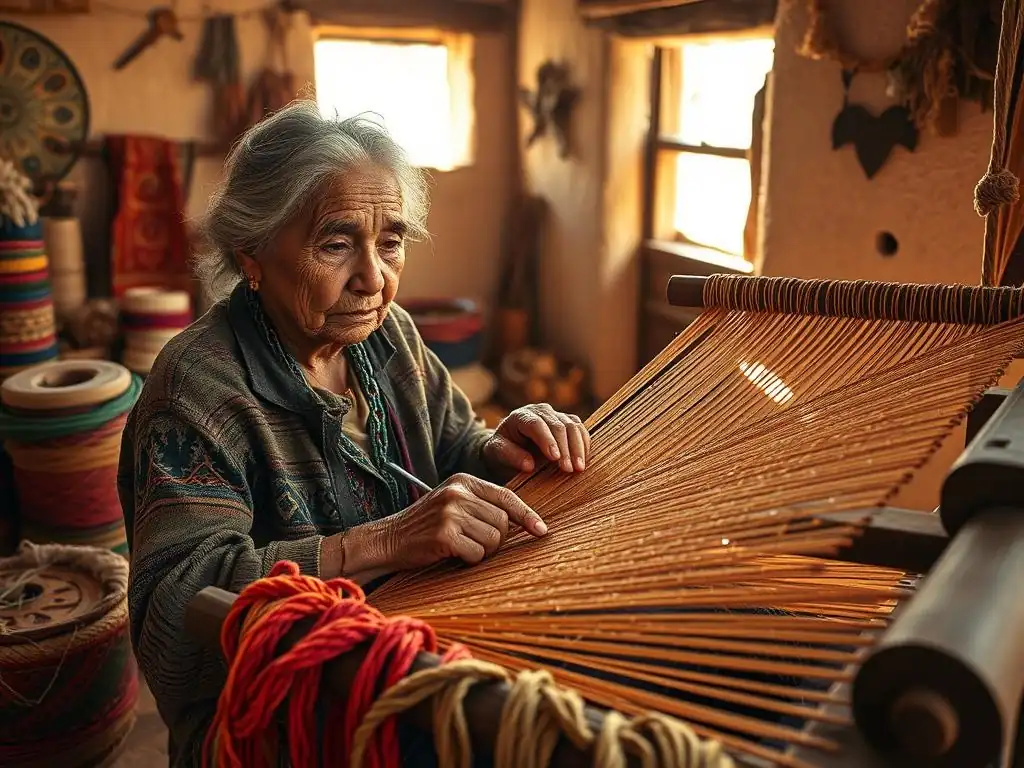
Indigenous textiles are not merely functional items; they embody rich cultural narratives and serve as a profound expression of identity for various Indigenous communities across the Americas. The intricate designs, colors, and patterns found in these textiles are often steeped in history and symbolic meaning, reflecting the unique beliefs, values, and traditions of the people who create them.
The significance of these textiles transcends their aesthetic appeal, as they often serve as a medium for storytelling and cultural preservation. From woven garments to ceremonial textiles, Indigenous artisans use their craft to communicate ancestral stories, religious beliefs, and social values, ensuring that these narratives are passed down through generations. The diversity of techniques and materials used across different regions further illustrates the vast cultural landscape of Indigenous communities and their relationship with the land.
How Textiles Convey Cultural Stories and Heritage
Textiles are a vibrant canvas for storytelling, acting as a visual language that conveys the complexities of Indigenous cultures. Each textile often tells a story, whether it is a representation of a significant event, a depiction of flora and fauna, or symbols that hold spiritual significance. For example:
- Symbolic Patterns: Many Indigenous textiles incorporate symbols that represent important aspects of life, such as fertility, harmony, and the connection to nature. These patterns can vary greatly among different cultures, highlighting the unique aspects of each community's worldview.
- Color Significance: Colors used in textiles are often selected for their cultural meaning. For instance, red may symbolize strength or vitality, while blue could represent the sky or water. The choice of color can reflect the environmental context and spiritual beliefs of the community.
- Ceremonial Uses: Textiles are frequently used in traditional ceremonies, serving as offerings, rituals, or part of regalia. These textiles are imbued with spiritual significance and are often created with great care and intentionality, reinforcing the connection between the maker and their cultural heritage.
Through these various elements, Indigenous textiles serve not only as functional items but also as repositories of cultural knowledge and identity. They allow communities to express their history, traditions, and beliefs in a tangible form.
The Connection Between Community and Textile Production
The production of textiles is an inherently communal activity within many Indigenous cultures, fostering social bonds and cultural continuity. The process of creating textiles often involves collaboration among community members, where knowledge and skills are shared across generations.
- Intergenerational Learning: Elders pass down traditional techniques and stories to younger generations, ensuring that the art of textile making is preserved. This intergenerational transfer of knowledge not only strengthens family ties but also reinforces cultural identity within the community.
- Social Cohesion: Textile production often brings people together for communal gatherings, workshops, or festivals, promoting unity and shared purpose. These events provide opportunities for social interaction, cultural exchange, and collective celebration of identity.
- Economic Sustainability: In addition to their cultural significance, textiles play a vital role in the economic sustainability of Indigenous communities. By creating and selling their textiles, artisans can support their families and contribute to the local economy. This economic aspect further emphasizes the importance of maintaining traditional practices, as it directly impacts the community's resilience and autonomy.
Indigenous textiles are a profound reflection of cultural identity, encapsulating the stories, values, and histories of the communities that produce them. The intricate relationship between textiles and cultural heritage underscores the importance of preserving these traditions for future generations, ensuring that the rich tapestry of Indigenous cultures continues to thrive.
Modern Uses of Indigenous Textiles
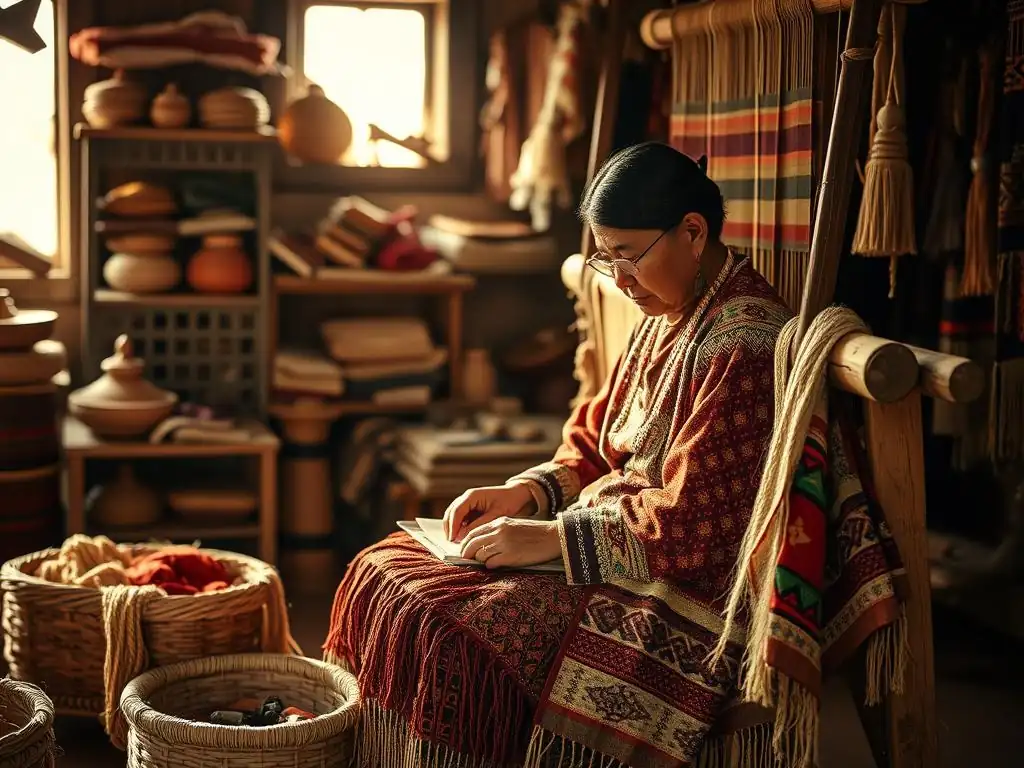
Indigenous textiles hold a profound place in the cultural identity of various Native American communities. While historically rooted in traditional practices, these textiles have evolved and found new expressions in contemporary contexts. The adaptation of indigenous textiles not only preserves ancestral techniques but also revitalizes cultural narratives in modern settings. This section explores the modern applications of indigenous textiles, particularly in fashion and market dynamics.
Reviving Traditional Techniques in Contemporary Fashion
In recent years, there has been a significant movement towards incorporating indigenous textiles into contemporary fashion. Designers are increasingly recognizing the unique aesthetic and cultural significance of these fabrics, often inspired by traditional techniques that have been passed down through generations. This revival is not merely a trend; it is a conscious effort to honor and respect the artistry of indigenous creators.
- Collaborative Efforts: Many contemporary fashion brands collaborate with indigenous artisans to create collections that highlight traditional weaving and dyeing methods. For instance, brands like Pura Vida and Oshun have partnered with indigenous communities to produce clothing that reflects both modern style and cultural heritage.
- Sustainable Practices: Indigenous textiles are often produced using sustainable practices that contrast sharply with mass-produced fashion. Techniques such as natural dyeing and hand-weaving contribute to environmentally friendly fashion. This approach not only respects the land but also promotes the cultural identity of the artisans.
Each piece of textile carries the stories and traditions of our ancestors. When we wear them, we honor that legacy.
– Indigenous Artisan
- Cultural Education: Fashion shows and exhibitions featuring indigenous textiles often serve as platforms for cultural education. They provide audiences with insights into the meanings and histories behind the designs. This awareness fosters appreciation and respect for indigenous cultures.
The Market for Indigenous Textiles Today
The market for indigenous textiles has grown significantly, driven by a rising consumer interest in authenticity and ethical fashion. This shift has opened new avenues for indigenous artisans, allowing them to showcase their work to a broader audience.
- Online Platforms: E-commerce has become a vital tool for indigenous artisans. Websites dedicated to handmade and ethical goods, such as Etsy and Artisan Marketplace, enable artisans to reach global customers. This increased visibility helps sustain traditional practices while providing fair compensation for their work.
- Cultural Festivals and Trade Shows: Events such as the Santa Fe Indian Market and American Indian Arts Marketplace showcase indigenous textiles alongside other forms of art. These gatherings not only celebrate cultural identity but also facilitate direct sales, giving artisans a platform to share their stories and craftsmanship.
- Consumer Trends: Today's consumers are increasingly seeking products that reflect their values. The demand for indigenous textiles aligns with trends favoring sustainability, ethical sourcing, and cultural appreciation. This has led to a surge in interest and investment in indigenous fashion and textiles.
| Market Aspect | Details |
|---|---|
| Growth Rate | Estimated 15% annual growth in ethical fashion |
| Target Audience | Millennial and Gen Z consumers |
| Key Platforms | Etsy, Artisan Marketplace, local craft fairs |
| Impact on Artisans | Increased income and preservation of traditions |
The modern uses of indigenous textiles are a testament to their enduring cultural identity. By integrating traditional techniques into contemporary fashion and expanding their market presence, indigenous artisans continue to share their rich heritage with the world while fostering appreciation for their crafts. The evolution of these textiles not only enriches the fashion landscape but also reinforces the significance of cultural narratives in contemporary society.
Supporting Indigenous Artisans and Their Craft
Indigenous textiles are not merely functional items; they are woven narratives that encapsulate the cultural identity, heritage, and stories of the communities that create them. Supporting Indigenous artisans involves recognizing the value of their craftsmanship and fostering sustainable practices that empower these communities. By engaging directly with artisans and promoting their work, we can help preserve their traditions while ensuring that the benefits of their labor remain within the communities.
How to Engage with Indigenous Textile Artisans
Engaging with Indigenous textile artisans can take many forms. Here are several effective ways to connect and support these talented creators:
- Purchasing Directly from Artisans:
- Buying textiles directly from artisans at local markets, fairs, or through cooperatives ensures that a larger portion of the sale goes to the creator.
- Look for opportunities to attend cultural events or festivals where artisans showcase their work.
- Online Platforms:
- Many Indigenous artisans have established online shops or are part of platforms that specialize in Indigenous goods. Supporting these online marketplaces can expand their reach.
- Consider sharing these platforms on social media to raise awareness and promote cultural appreciation.
- Workshops and Classes:
- Participating in textile workshops led by Indigenous artisans not only provides a unique learning experience but also supports the artisans directly.
- These classes often include lessons on the cultural significance of the techniques and materials used, deepening your understanding of Indigenous textiles.
- Collaborative Projects:
- Some organizations partner with Indigenous artisans to create collaborative works or product lines. Supporting these initiatives can amplify the voices and artistry of Indigenous creators.
- Engaging in community projects that promote Indigenous artistry can further enhance cultural exchange and appreciation.
Supporting Indigenous artisans is not just about purchasing goods; it is about honoring their stories, preserving their cultures, and valuing their contributions to the fabric of society.
The Importance of Fair Trade Practices
Fair trade practices are crucial in ensuring that Indigenous artisans receive equitable compensation for their work. These practices promote ethical purchasing and support the sustainability of traditional cultures. Here are some key aspects to consider:
- Equitable Compensation:
- Fair trade ensures that artisans are paid fairly for their labor, allowing them to sustain their livelihoods and invest in their communities.
- This compensation can help support education, healthcare, and cultural preservation initiatives within Indigenous communities.
- Cultural Preservation:
- Fair trade practices encourage the continuation of traditional techniques and materials, safeguarding the cultural identity embedded within Indigenous textiles.
- By valuing the unique artistry of Indigenous craftsmanship, fair trade helps prevent the commodification and exploitation of their cultural heritage.
- Building Relationships:
- Fair trade fosters long-term relationships between artisans and consumers, based on mutual respect and understanding.
- These relationships allow artisans to share their stories and cultural significance behind their work, enhancing appreciation and awareness of Indigenous textiles.
- Empowerment and Leadership:
- Fair trade practices empower Indigenous artisans to take leadership roles in their communities, promoting entrepreneurship and innovation while respecting traditional methods.
- By supporting fair trade, consumers contribute to a more equitable marketplace that values diversity and cultural heritage.
Supporting Indigenous artisans through direct engagement and fair trade practices is essential for preserving their cultural identity and promoting sustainable economic development. By embracing Indigenous textiles, we honor the rich traditions and ongoing legacy of these remarkable communities.
Frequently Asked Questions
What role do textiles play in indigenous cultures?
Textiles are a vital aspect of indigenous cultures, reflecting their cultural identity, traditions, and social status. They often serve as a medium for storytelling and preserving historical narratives.
How do patterns in indigenous textiles signify cultural identity?
The patterns used in indigenous textiles often embody symbolism and meaning specific to each community, illustrating their beliefs, environment, and heritage. These designs help maintain a sense of cultural continuity.
What materials are commonly used in indigenous textiles?
Indigenous textiles are typically made from natural fibers such as cotton, wool, and plant-based materials. The choice of materials often reflects the environment and resources available to each community.
How have indigenous textiles evolved over time?
Indigenous textiles have evolved due to external influences, changes in available materials, and innovations in weaving techniques. Despite these changes, they remain a crucial expression of cultural identity.
Why is it important to preserve indigenous textile traditions?
Preserving indigenous textile traditions is essential for maintaining cultural identity and heritage. It also helps protect the knowledge and skills passed down through generations, ensuring the survival of these rich cultural practices.
Final Reflection: The Enduring Tapestry of Cultural Identity
The intricate relationship between Indigenous textiles and cultural identity remains profoundly relevant today, as these woven creations serve not only as art but also as powerful symbols of heritage and resilience. In a world increasingly dominated by fast fashion and mass production, the revival and appreciation of Indigenous textiles remind us of the importance of preserving cultural narratives and honoring the craftsmanship that has been passed down through generations. The stories embedded in each thread are a testament to the enduring spirit of Indigenous communities and their unwavering connection to their roots.
The influence of Indigenous textiles extends far beyond aesthetic appeal; it shapes our understanding of cultural identity and fosters a sense of belonging. As we engage with these textiles, we are invited to explore the rich histories and traditions they embody, allowing us to appreciate the diverse tapestry of human experience. Textiles are not just fabric; they are the stories of our ancestors woven into the very fibers of our being.
This ongoing dialogue between past and present highlights the significance of Indigenous textiles in contemporary society, encouraging us to reflect on our own identities and the cultural legacies we carry.
As we conclude this exploration of Indigenous textiles and their profound connection to cultural identity, I invite you to reflect on your own relationship with heritage and craftsmanship. Consider how you can honor and support Indigenous artisans and their stories in your daily life.
Whether through conscious consumer choices, learning about the cultural significance of textiles, or sharing these narratives with others, each action contributes to a greater understanding and appreciation of the rich cultural landscapes that shape our world. Let us weave our own threads into this legacy, ensuring that the stories of Indigenous peoples continue to be celebrated and cherished for generations to come.
Unveil the Rich Tapestry of Indigenous Heritage!
Thank you for taking the time to explore the fascinating world of Indigenous textiles and their profound cultural significance. These beautiful creations are not just art; they represent a vibrant expression of identity, history, and tradition. Now, let’s take a step further in honoring this legacy.
Here are some impactful actions you can take today:
- Immerse yourself in Indigenous textile traditions by visiting local museums or cultural centers that showcase these remarkable works.
- Support artisans directly by purchasing from Indigenous artists. This not only helps sustain their craft but also allows you to add unique pieces to your collection.
- Share your newfound knowledge! Write a blog post, create an art display, or start a conversation with friends about the importance of Indigenous textiles in preserving cultural identity.
What will you explore next to deepen your understanding of Indigenous cultures and their artistic expressions?