
Textiles of the Inca: Weaving Stories Through Time

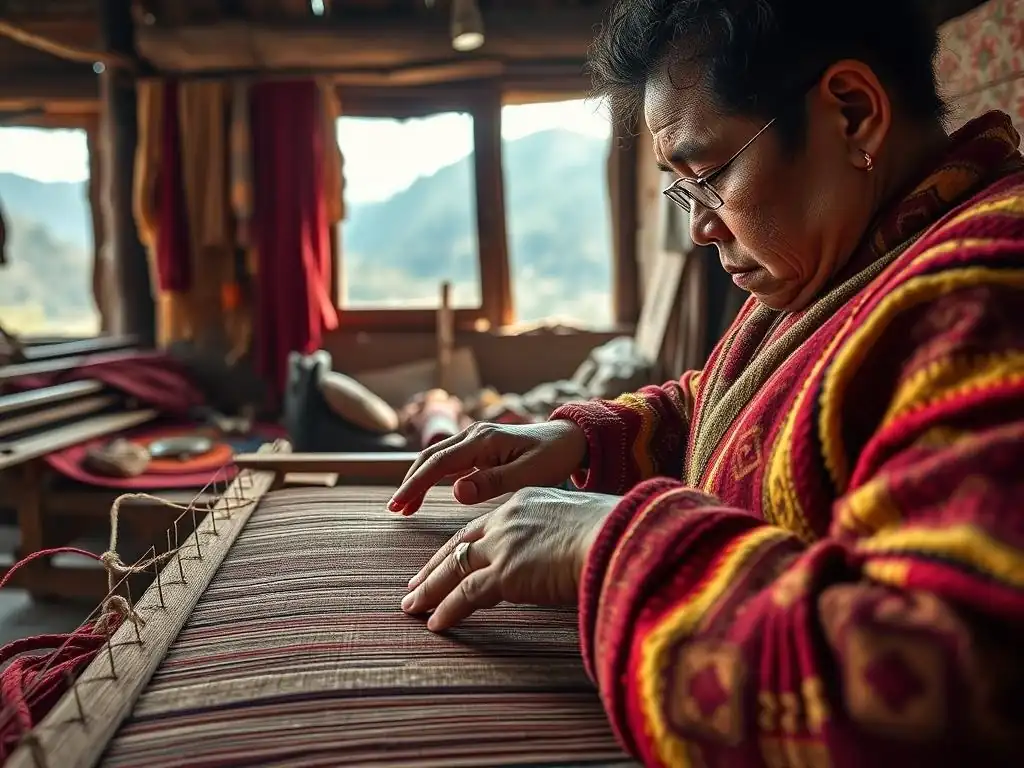
Welcome to Indigenous Civilizations of the Americas, where we invite you to journey through the rich tapestry of cultures that flourished across the continent long before European contact. Delve into the fascinating Inca textile weaving history, a captivating narrative that reveals not only the artistry and technical skill of the Inca people but also the profound stories woven into each piece. What secrets do these textiles hold about their society and traditions?
Join us as we explore the intricate patterns and vibrant colors that speak of a civilization's legacy, and uncover the enduring impact of their craftsmanship on the world today. Your adventure into the past begins here!
Introduction to Inca Textile Weaving History
The Inca civilization stands as one of the most remarkable cultures in the history of the Americas, renowned for its sophisticated social structure, architectural marvels, and intricate artistic expressions. Among these artistic endeavors, textile weaving emerges as a particularly significant aspect, reflecting not only the aesthetic sensibilities of the Inca people but also their deep cultural narratives and social hierarchies.
In this article, we will explore the rich tapestry of Inca textile weaving history, examining how these woven artifacts serve as vessels of stories and traditions that have endured through time. By delving into the origins, techniques, and societal roles of Inca textiles, we can gain a greater appreciation for their enduring legacy and the profound impact they had on the Andean region.
Overview of Inca Civilization and Its Artistic Heritage
The Inca Empire, which flourished from the early 15th century until the Spanish conquest in the 16th century, was marked by its expansive territory, which stretched across modern-day Peru, Ecuador, Bolivia, and beyond. The Incas excelled in various forms of art, with textiles being among the most celebrated. Their artistry was deeply intertwined with their understanding of the natural world, spirituality, and social hierarchy. Textiles were not merely functional items; they were imbued with symbols, colors, and patterns that conveyed complex messages about identity, status, and community.
Key aspects of Inca artistic heritage include:
- Material Mastery: The Incas utilized local resources such as cotton and alpaca wool, showcasing their skill in sourcing and processing materials.
- Symbolic Patterns: Each design held specific meanings, often reflecting cosmological beliefs, social status, or regional identities.
- Technological Innovation: The Incas developed advanced weaving techniques, allowing for intricate patterns and vibrant colors that remain admired to this day.
Importance of Textiles in Inca Society
Textiles played a crucial role in the social and economic fabric of Inca society. They were not only used for clothing but also served as important symbols of wealth and power. The Incas employed textiles in various aspects of daily life, from ceremonial occasions to practical uses.
- Social Hierarchy: Different textiles were associated with specific social classes. The elite wore finely woven garments adorned with intricate designs, while the common people had access to simpler fabrics.
- Economic Exchange: Textiles were a valuable commodity, often used in trade and as tribute. They represented labor and skill, making them a vital part of the Inca economy.
- Ritual Significance: Woven items were integral to religious ceremonies and life events, such as marriages and funerals, reinforcing communal bonds and cultural identity.
The Origins of Inca Textile Weaving
Pre-Inca Textile Traditions
Before the rise of the Inca Empire, various Andean cultures contributed to the rich tapestry of textile traditions. These early civilizations laid the groundwork for the advanced weaving techniques and styles that would later be perfected by the Incas.
- Nazca and Moche Cultures: These pre-Inca societies are known for their colorful textiles, often featuring elaborate motifs and iconography that reflected their beliefs and daily life.
- Technological Foundations: The use of looms and dyeing techniques were established during these earlier periods, providing the Incas with a foundation upon which to build their own textile innovations.
The Evolution of Weaving Techniques in the Andes
As the Inca Empire expanded, it absorbed various regional traditions and weaving techniques, leading to a dynamic evolution of textile artistry.
- Integration of Styles: The Incas combined elements from different cultures, creating a unique style that incorporated diverse patterns and motifs.
- Advancements in Weaving: Innovations such as the introduction of the backstrap loom allowed for greater complexity in design and increased productivity, resulting in textiles that were both functional and artistically sophisticated.
In exploring the intricate history of Inca textile weaving, we uncover not only the artistry involved but also the profound connections to the Inca worldview, social structure, and cultural identity. Through this journey, we come to appreciate the significance of textiles as an enduring legacy of the Inca civilization.
Materials Used in Inca Textile Weaving
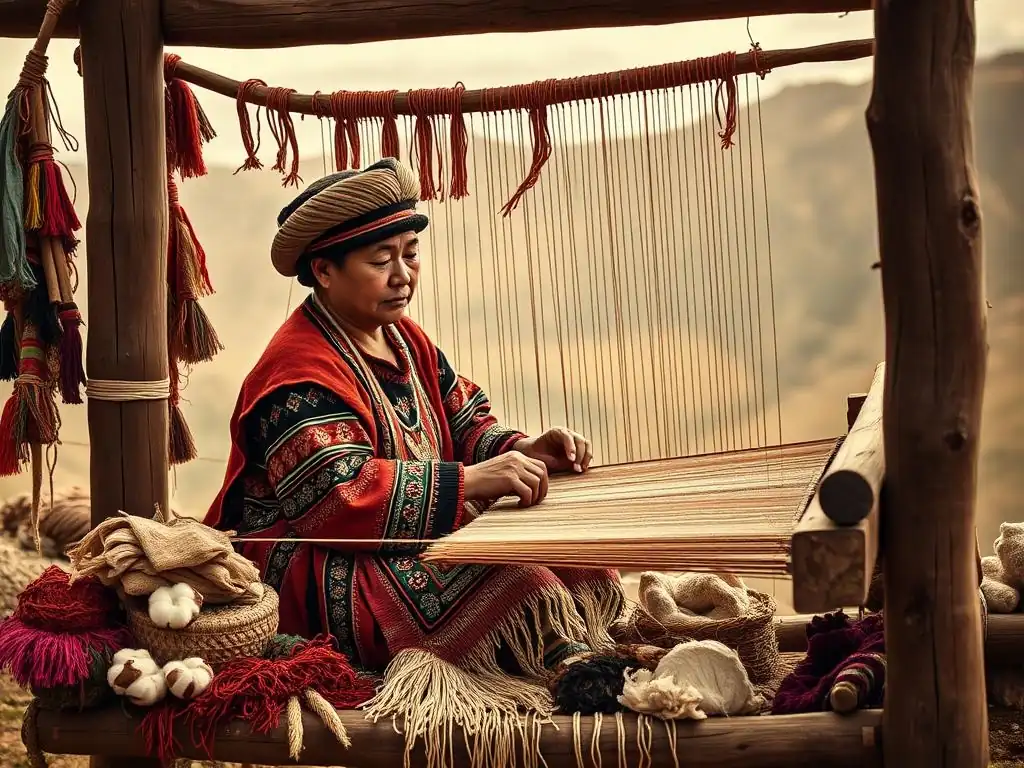
The Inca civilization, renowned for its sophisticated textile production, utilized a variety of materials that contributed to the durability and beauty of their fabrics. Central to Inca textile weaving were natural fibers, dyes, and a range of tools and equipment, all of which played crucial roles in their crafting processes.
Natural Fibers: Cotton and Alpaca Wool
Inca textiles were primarily made from two natural fibers: cotton and alpaca wool. Cotton, which was cultivated in the warmer regions of the empire, was favored for its softness and breathability, making it ideal for lightweight garments. The Incas cultivated several varieties of cotton, including colors ranging from white to brown, which allowed for a diverse palette in their textiles.
Alpaca wool, on the other hand, was treasured for its warmth, strength, and luxurious feel. The Incas domesticated alpacas specifically for their wool, which was sheared once a year. They utilized various techniques to spin and weave this fiber, producing textiles that were not only functional but also served as status symbols. The fineness of the wool allowed for intricate designs and patterns to be woven into the fabric, enhancing its aesthetic appeal.
Dyes and Colorants: Traditional Practices
The vibrant colors of Inca textiles were achieved through the use of natural dyes derived from plants, minerals, and insects. For example, indigo was sourced from the indigo plant, while reds and pinks often came from cochineal insects. These traditional dyeing practices were not only functional but also culturally significant, as the colors often held symbolic meanings within Inca society.
The dyeing process involved various techniques, including mordanting, where substances were applied to the fibers to fix the dyes and enhance their vibrancy. The Incas were skilled in creating a wide spectrum of colors, enabling them to craft textiles that reflected their environment, culture, and social hierarchy.
Tools and Equipment in Inca Weaving
Inca weavers employed a range of tools and equipment that facilitated the intricate process of textile production. The primary tool was the loom, which varied in design but typically included a vertical frame that allowed for the creation of complex patterns. Weaving was a communal activity, often performed in groups, and required both skill and precision.
Other essential tools included spindles for spinning yarn, heddles for separating threads, and combs for packing down the weft threads. The weavers also used various types of needles made from bone or metal for stitching and finishing their textiles. This array of tools highlights the technical proficiency and artistry involved in Inca textile weaving.
Techniques of Inca Textile Weaving
The techniques employed in Inca textile weaving were diverse and showcased the civilization's advanced craftsmanship. Various methods, including tapestry weaving and knotting, allowed for the creation of textiles that were not only functional but also rich in cultural significance.
Tapestry Weaving: Techniques and Patterns
Tapestry weaving was one of the most prominent techniques used by the Incas, characterized by its intricate patterns and designs. This method involved weaving colored threads into the fabric to create images and motifs that often depicted scenes from nature, mythology, or societal life. The Incas utilized a technique known as "pick and pick," which allowed them to create detailed designs by alternating colored threads.
The patterns often held symbolic meanings, serving as visual narratives that conveyed stories or represented social status. The ability to weave complex patterns demonstrated the weaver's skill and knowledge, making these textiles highly valued within Inca society.
Knotting and Twining: Unique Inca Methods
In addition to tapestry weaving, the Incas employed knotting and twining techniques, which were particularly used in the creation of specialized textiles such as bags and belts. These methods involved interlacing fibers in a series of knots or twists, resulting in durable and decorative items.
Knotting methods, such as the "macramé" technique, allowed for the creation of intricate designs that could incorporate multiple colors and textures. Twining, on the other hand, involved twisting two or more strands together to create a thicker, sturdier fabric. Both techniques showcased the versatility and creativity of Inca textile artisans.
The Role of Women in Weaving Practices
Weaving was predominantly a female activity in Inca society, with women playing a crucial role in the production of textiles. They were responsible for the entire process, from spinning and dyeing to weaving and finishing. This labor was not only essential for the household economy but also for the broader Inca society.
Women’s weaving skills were highly regarded, and they often passed down their knowledge through generations. Inca textiles were not merely functional items; they were imbued with cultural identity and tradition. The intricate patterns and techniques reflected the community's collective memory, and women’s contributions to this art form were vital in preserving and narrating the stories of their people.
Cultural Significance of Inca Textiles
Inca textiles are not merely functional items; they are vibrant expressions of the culture and identity of the Inca people. These textiles played a pivotal role in daily life and were deeply intertwined with social, political, and religious practices. The artistry involved in weaving represented a connection between the weaver and their community, serving as a vehicle for storytelling, tradition, and social cohesion. Inca textiles often depicted important symbols and motifs that conveyed messages about the natural world, mythology, and the Inca cosmology, thus embedding cultural narratives into every thread.
Moreover, the production of textiles was a communal activity, often involving families and communities in the process of gathering materials, dyeing, and weaving. This not only fostered a sense of belonging but also ensured the transmission of knowledge and skills across generations. As such, textiles were a significant marker of cultural identity, showcasing the unique heritage of the Inca civilization.
Symbolism in Textile Patterns and Colors
The patterns and colors used in Inca textiles were rich with symbolism, reflecting the environment, beliefs, and social structures of the Inca society. Geometric designs, animal motifs, and representations of nature were prevalent, with each element carrying specific meanings. For instance, the use of llama or condor motifs often represented strength and freedom, while geometric shapes could symbolize the interconnectedness of life.
Colors also held profound significance; bright reds, yellows, and blues were derived from natural dyes sourced from plants and minerals, each color resonating with distinct cultural implications. For example, red was often associated with power and fertility, while black symbolized the underworld. The combination of these symbols and colors on textiles served to communicate messages, identify social roles, and honor deities, making the fabrics a visual language of the Inca culture.
Textiles as Indicators of Social Status
Inca textiles were powerful indicators of social status and hierarchy within the empire. The quality of the fabric, the complexity of the design, and the rarity of the materials all played crucial roles in determining one’s social standing. High-ranking individuals, such as nobles and priests, wore finely woven garments made from the soft wool of the vicuña, a symbol of their elite status.
Moreover, specific patterns and colors were reserved for particular classes or roles within society. For example, the royal family and high officials often donned textiles featuring intricate designs and vibrant hues, while commoners wore simpler, less ornate fabrics. This differentiation allowed the Inca to visually communicate the social structure and maintain order within their society.
Preservation of Inca Textile Weaving History
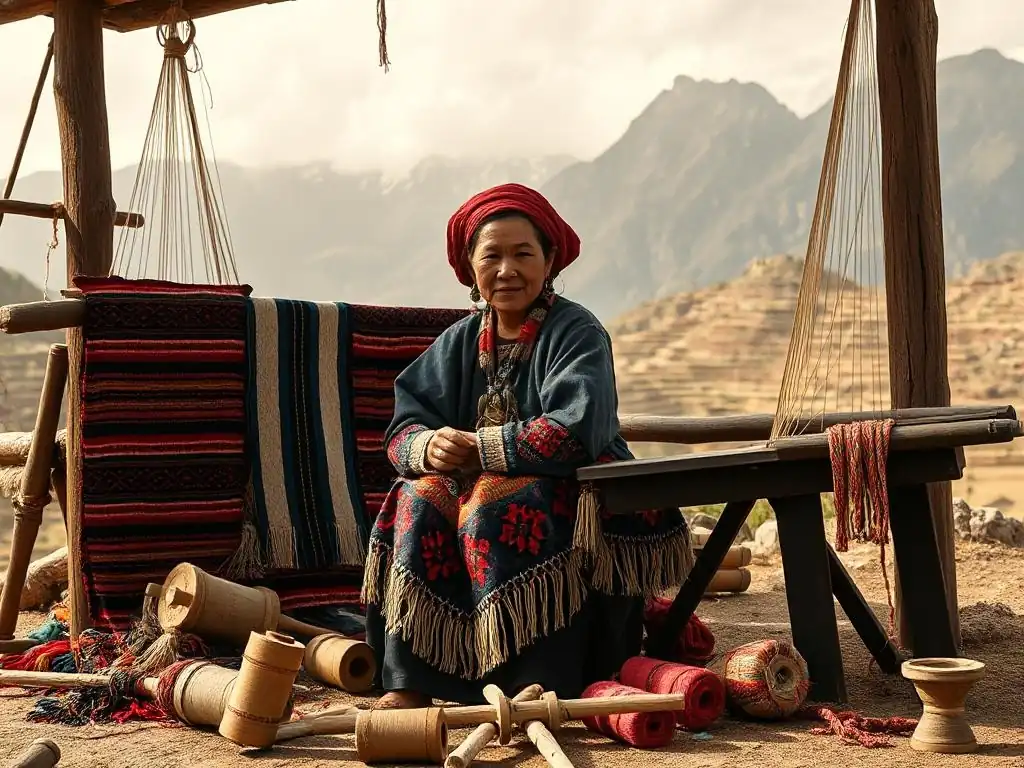
The preservation of Inca textile weaving history is critical for understanding the cultural heritage of the Andes and the continuity of traditional practices. Despite the challenges posed by colonization and modernization, efforts have been made to safeguard the knowledge, techniques, and artistry inherent in Inca textile production.
Archaeological Discoveries and Their Impact
Archaeological excavations have unearthed remarkable examples of Inca textiles, providing invaluable insights into their weaving techniques and cultural significance. Sites such as the Inca capital of Cusco and the high-altitude burial sites in the Andes have yielded well-preserved textiles that showcase the technical prowess of Inca weavers. These discoveries not only enrich our understanding of Inca textile weaving history but also highlight the importance of textiles in ceremonial and everyday contexts.
The analysis of these artifacts has also revealed the sophisticated use of dyes, patterns, and weaving techniques, shedding light on the technological advancements of the Inca civilization. As a result, archaeologists and historians continue to study these findings to better appreciate the artistry and cultural narratives embedded in Inca textiles.
The Role of Modern Indigenous Weavers
Modern indigenous weavers play a crucial role in preserving and revitalizing Inca textile traditions. Many of these artisans belong to communities that have historically practiced weaving, and they continue to pass down their skills to younger generations. This not only keeps the art form alive but also fosters a sense of cultural pride and identity.
Through organizations and cooperatives, contemporary weavers are able to share their work, engage in cultural exchanges, and educate others about the significance of traditional weaving techniques. The fusion of ancient practices with new designs also allows for innovation, ensuring that Inca textile weaving evolves while maintaining its roots.
Efforts in Reviving Traditional Weaving Techniques
Reviving traditional weaving techniques is essential for sustaining the cultural heritage of the Inca civilization. Various initiatives aim to document and teach ancient methods of dyeing, spinning, and weaving, ensuring that these practices are not lost to time. Workshops, community programs, and cultural festivals often showcase traditional techniques, allowing both locals and visitors to engage with this rich heritage.
Additionally, collaborations between artisans and academic institutions have led to the creation of resources that preserve knowledge about historical practices. These efforts not only support the livelihoods of contemporary weavers but also contribute to a broader appreciation of Inca textile weaving history, ensuring that these remarkable stories continue to be woven through time.
Conclusion: The Legacy of Inca Textile Weaving
The legacy of Inca textile weaving is profound and multifaceted, extending far beyond mere fabric production. Inca textiles were not only a means of practical clothing and adornment but also served as vessels of cultural identity, social status, and economic power. The intricate designs and techniques employed by Inca weavers tell stories of their beliefs, environment, and societal structures, embedding history within each thread.
Today, the techniques and styles of Inca textile weaving continue to influence modern artisans in the Andes and beyond. The revival of traditional weaving methods reflects a deep respect for ancestral practices while also adapting to contemporary needs and aesthetics. This fusion of old and new ensures that the rich tapestry of Inca heritage remains vibrant and relevant in today’s world.
Lasting Influence on Contemporary Andean Culture
In the contemporary Andean region, the influence of Inca textile weaving can be seen in various aspects of cultural life. Many artisans and communities have embraced traditional weaving techniques, often learned from their ancestors, as a way to preserve their cultural identity. These practices not only contribute to local economies through the sale of handmade textiles but also foster a sense of pride and connection to the past.
Modern Andean textiles often incorporate traditional Inca motifs and patterns, symbolizing a continuity of cultural expression. Festivals and markets celebrate these textiles, providing opportunities for both locals and tourists to engage with the rich heritage of the region. Moreover, educational programs aimed at teaching traditional weaving skills ensure that future generations will continue to honor and innovate upon these ancient practices.
The Importance of Understanding Inca Textile Weaving History
Understanding the history of Inca textile weaving is crucial for appreciating the broader narrative of Inca civilization and its contributions to global culture. Textiles were integral to Inca social structure, and their study reveals insights into gender roles, economic systems, and the spiritual life of the society. By examining the evolution of weaving techniques and materials, historians and archaeologists can gain a clearer picture of the technological advancements and trade networks that characterized the Inca Empire.
Moreover, recognizing the cultural significance of textiles can enhance contemporary discussions around heritage, identity, and sustainability. In a world increasingly focused on fast fashion and mass production, the Inca approach to textiles—rooted in community, tradition, and environmental stewardship—provides valuable lessons on sustainable practices and cultural preservation.
Further Reading on Inca Textile Weaving and Culture
For those interested in delving deeper into the fascinating world of Inca textile weaving, a wealth of resources is available that explore the history, techniques, and cultural significance of these extraordinary works of art.
Recommended Books and Resources
- "The Art of Weaving in the Andes" by Susan E. Lang: This book provides an in-depth look at traditional weaving techniques and their cultural implications within Andean societies.
- "Inca Textiles" by Anne Paul: A comprehensive examination of the textiles produced during the Inca Empire, highlighting their historical context and aesthetic qualities.
- "Textiles of the Andes: The Legacy of Inca Weaving": by Mary Elizabeth Smith: This resource discusses the evolution of Andean textiles from the Inca period to the present day.
- "Weaving in the Inca Empire" by Patricia J. Sarro: This publication focuses on the role of textiles in Inca society, exploring how they were used as tools of communication and political power.
Online Archives and Collections of Inca Textiles
Several online resources provide access to collections of Inca textiles, allowing for further exploration and study:
- The British Museum Collection: Offers a digital archive of Inca textiles, complete with high-resolution images and descriptions.
- The Metropolitan Museum of Art: Features an extensive collection of textiles from the Americas, including several significant Inca pieces.
- The Textile Museum: Provides online access to their collection, which includes various examples of Inca and Andean textiles, along with educational resources about their history and significance.
These resources serve as invaluable tools for anyone wishing to deepen their understanding of Inca textile weaving and its lasting impact on culture and society.
- Introduction to Inca Textile Weaving History
- Overview of Inca Civilization and Its Artistic Heritage
- Importance of Textiles in Inca Society
- The Origins of Inca Textile Weaving
- Materials Used in Inca Textile Weaving
- Techniques of Inca Textile Weaving
- Cultural Significance of Inca Textiles
- Preservation of Inca Textile Weaving History
- Conclusion: The Legacy of Inca Textile Weaving
- Further Reading on Inca Textile Weaving and Culture
Frequently Asked Questions
What were the primary materials used in Inca textile weaving?
The Inca used a variety of natural fibers, primarily cotton and alpaca wool, to create their textiles, reflecting their deep connection with the environment.
How did Inca textile weaving reflect their culture?
Inca textiles were not just functional; they served as a medium of communication, conveying social status, religious beliefs, and historical narratives through intricate designs.
What techniques were prominent in Inca textile weaving?
Inca weavers employed techniques like backstrap loom weaving, which allowed for the creation of complex patterns and highly detailed designs, showcasing their advanced craftsmanship.
How did Inca textiles influence later cultures?
Inca textiles laid the foundation for subsequent Andean textile traditions, with their techniques and motifs continuing to inspire modern artisans and cultural expressions in the region.
What is the significance of the Inca textile weaving history today?
The Inca textile weaving history is vital for understanding the cultural heritage of the Andes, as it preserves the stories and traditions of the indigenous peoples long after colonization.
Final Reflection: Weaving the Threads of History and Culture
The intricate art of Inca textile weaving is not merely a craft; it is a profound narrative that connects us to the past and shapes our understanding of cultural identity today. As we explore the rich tapestry of Inca textiles, we uncover stories of resilience, innovation, and community that resonate deeply in our modern world. The legacy of these textiles serves as a reminder of the importance of preserving cultural heritage in an increasingly globalized society.
Cultural narratives are woven into every thread of Inca textiles, influencing contemporary art and fashion while fostering a renewed appreciation for indigenous craftsmanship. The stories told through these textiles continue to inspire artists and designers, creating a bridge between ancient traditions and modern expressions. Textiles are the stories we wear, a reflection of our identity and history.
This ongoing influence highlights the significance of understanding and valuing the past as we navigate our present and future.
As you reflect on the themes of this article, I invite you to consider how the lessons of Inca textile weaving can be applied in your own life. Embrace the stories that shape your identity, honor the traditions that connect you to your heritage, and recognize the beauty in the diversity of cultures around you. Let the threads of history inspire you to weave your own narrative, fostering a deeper appreciation for the artistry and stories that enrich our world.
Unleash the Stories of Inca Textiles!
Thank you for diving into the colorful and intricate world of Inca textiles with us! By exploring these incredible stories woven through time, you’ve unlocked a rich tapestry of history and culture. Now, let’s take your engagement further!
- Dive deeper into the vibrant traditions of the Inca by visiting an authentic textile workshop—support local artisans and witness the weaving process firsthand!
- Share what you’ve learned about Inca textiles with friends or on social media—**tag us** and start a conversation about this fascinating legacy!
- Consider starting a **community project** to promote indigenous crafts—collaborate with others to celebrate and preserve these unique art forms.
What aspect of Inca textiles resonates with you the most, and how do you see these ancient techniques influencing modern art and fashion?