
The Role of Astronomy in Mesoamerican Trade and Navigation

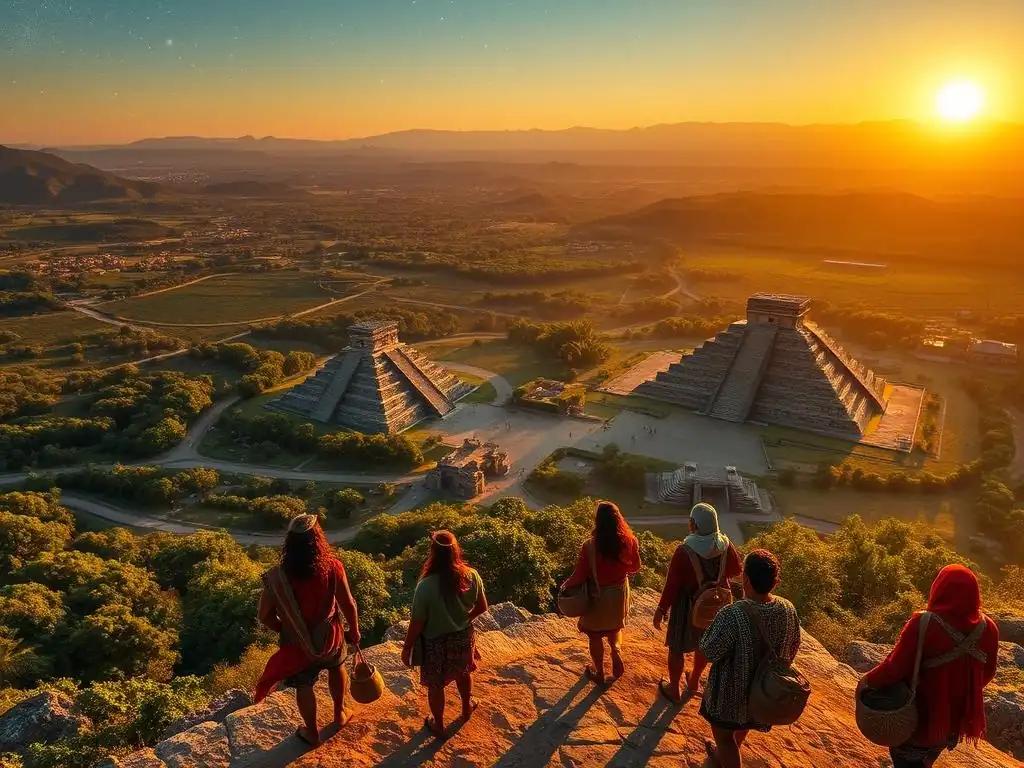
Welcome to Indigenous Civilizations of the Americas, where we invite you to embark on a captivating journey through the rich tapestry of indigenous cultures that flourished across the Americas long before European contact. In this exploration, we delve into the fascinating intersection of Mesoamerican astronomy and trade, revealing how these ancient societies navigated both the stars and their complex trade networks.
Prepare to uncover the profound achievements and innovative practices that not only shaped their civilizations but also left an indelible mark on history. Join us as we illuminate these remarkable stories that continue to resonate today—your adventure into the past begins here!
- Introduction to Mesoamerican Astronomy and Trade
- Historical Context of Mesoamerican Trade
- The Role of Astronomy in Navigation
- Mesoamerican Astronomical Calendar
- Cultural Significance of Astronomy in Trade
- Case Studies of Mesoamerican Civilizations and Trade
- The Legacy of Mesoamerican Astronomy and Trade
- Conclusion
-
Frequently Asked Questions
- What was the significance of Mesoamerican astronomy in trade?
- How did indigenous cultures use astronomy for navigation?
- What were some key astronomical achievements of Mesoamerican civilizations?
- How did astronomy influence economic activities in Mesoamerica?
- In what ways did trade routes reflect astronomical knowledge?
- Final Reflection: The Celestial Compass of Mesoamerican Trade
- Unveil the Secrets of Mesoamerican Navigation!
Introduction to Mesoamerican Astronomy and Trade
Mesoamerican civilizations, which flourished before European contact, were notable for their profound understanding of astronomy and its application in trade and navigation. These cultures, including the Maya, Aztec, and Olmec, developed sophisticated astronomical systems that not only informed agricultural practices but also shaped their economic exchanges.
By utilizing celestial movements, these civilizations navigated vast distances, established trade routes, and coordinated agricultural cycles, all of which played a crucial role in their societal organization and prosperity. This article delves into the intricate connections between Mesoamerican astronomy and trade, highlighting how these indigenous peoples harnessed their astronomical knowledge to enhance their economic activities and cultural exchanges.
Overview of Mesoamerican Civilizations
Mesoamerica is a term that encompasses a variety of ancient cultures, each contributing uniquely to the region's rich tapestry of history. Key civilizations included:
- The Maya: Renowned for their advanced writing system, impressive architectural feats, and sophisticated calendar systems. The Maya were adept astronomers who meticulously tracked celestial events, which influenced their agricultural and ritual practices.
- The Aztec: Known for their expansive empire and complex social structures, the Aztecs utilized astronomy to regulate their agricultural calendar and religious ceremonies. Their capital, Tenochtitlán, was strategically designed with astronomical alignments in mind.
- The Olmec: Often regarded as the "mother culture" of Mesoamerica, the Olmec laid the groundwork for many subsequent civilizations. Their artistic and architectural innovations included the construction of colossal heads and ceremonial centers, reflecting their understanding of celestial phenomena.
These civilizations thrived in a landscape rich with resources and opportunities for trade, establishing intricate networks that facilitated the exchange of goods, ideas, and cultural practices across vast distances.
Importance of Astronomy in Indigenous Cultures
Astronomy played a pivotal role in the daily lives and spiritual beliefs of Mesoamerican peoples. Their understanding of celestial bodies was not merely scientific; it was deeply intertwined with their cultural identity. Some key aspects include:
- Agricultural Planning: Celestial observations were crucial for determining planting and harvesting times. For instance, the Maya used the heliacal rising of certain stars to signal the start of the agricultural season, ensuring optimal crop yields.
- Trade Navigation: Knowledge of the stars aided in navigation and the establishment of trade routes. By understanding the positions of celestial bodies, traders could travel more safely and efficiently across Mesoamerica's varied landscapes.
- Cultural and Religious Significance: Many Mesoamerican cultures believed that celestial movements were linked to divine forces. Rituals and ceremonies were often timed according to astronomical events, reinforcing the connection between their spiritual beliefs and the cosmos.
Mesoamerican astronomy was integral to both the economic and spiritual lives of these civilizations, influencing everything from agriculture to trade and religious practices, thereby enriching their cultural heritage and societal structures.
Historical Context of Mesoamerican Trade
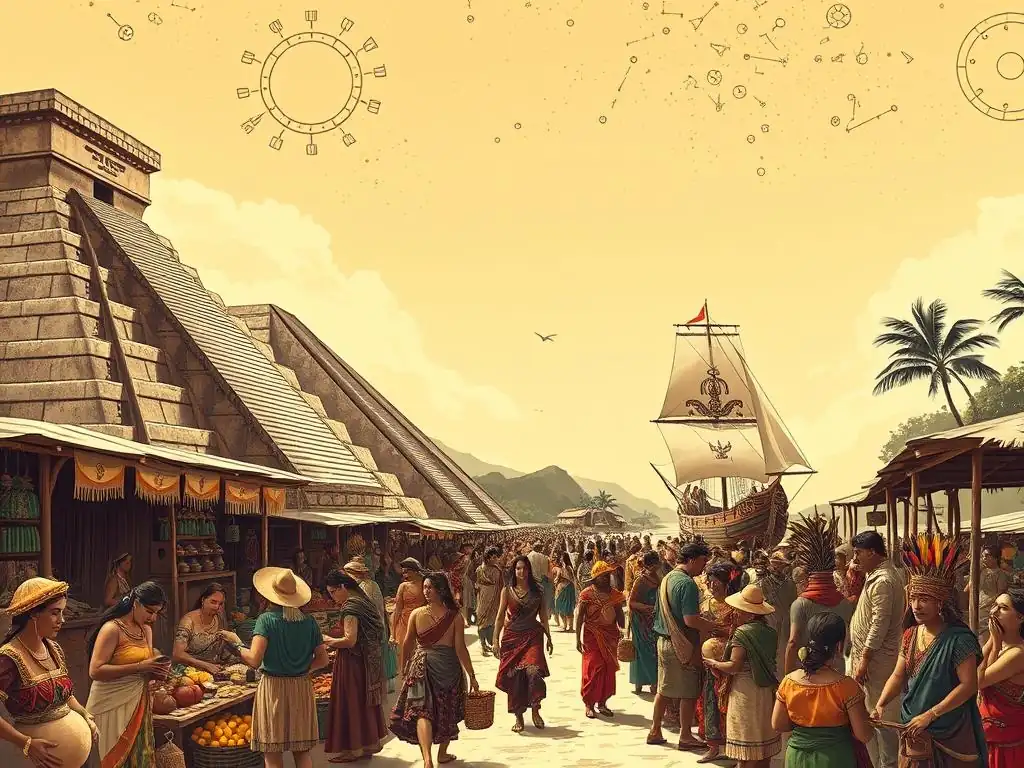
Mesoamerican trade, flourishing long before European contact, was a complex system driven by the region's diverse civilizations, including the Maya, Aztec, and Olmec. These societies developed intricate trade networks that extended beyond mere bartering of goods; they were integral to their economies, cultures, and social structures.
Mesoamerican civilizations utilized their understanding of astronomy to navigate and coordinate trade expeditions. Celestial events such as solstices, equinoxes, and the movements of the planets were closely monitored, providing critical information for timing trade routes and agricultural cycles. The alignment of temples and structures with astronomical phenomena reflects the significant role of astronomy in their daily lives and governance.
Trade Networks in Pre-Columbian Mesoamerica
The trade networks of pre-Columbian Mesoamerica were extensive, connecting various regions and cultures. These networks can be categorized into three primary routes:
- Coastal Trade
- Pacific Coast: Traders utilized canoes to transport goods along the coast, exchanging items such as fish, shells, and obsidian.
- Gulf Coast: The rich resources of the Gulf facilitated trade in marine goods, textiles, and pottery.
- Inland Trade
- Valley of Mexico: The Aztec Empire’s capital, Tenochtitlán, served as a major hub where goods from distant lands converged. The Tlatelolco market was one of the largest in the region, bustling with traders.
- Maya Lowlands: The Maya established trade routes connecting various city-states, facilitating the exchange of goods like cacao, jade, and textiles.
- Highland Trade
- Central Highlands: Goods such as textiles and agricultural products were traded among communities, with the mountainous terrain creating unique trade challenges and opportunities.
- Interaction with the Southwest: Trade routes extended into what is now the United States, allowing for the exchange of goods such as turquoise and pottery.
These networks not only promoted economic prosperity but also cultural exchange, leading to a shared understanding of astronomy that was crucial for both navigation and agricultural planning.
Key Trade Goods and Their Significance
The trade of specific goods in Mesoamerica was not merely about economics; it held profound cultural and social significance. Key trade goods included:
- Cacao
- Significance: Used as currency and in ritualistic beverages, cacao was highly valued in Mesoamerican societies. The cacao bean itself was so prized that it was often used in religious ceremonies and as a form of tribute.
- Obsidian
- Significance: This volcanic glass was essential for tool-making and weaponry, allowing civilizations to create sharp blades and cutting tools. Obsidian trade routes were carefully controlled and monitored.
- Textiles
- Significance: Textiles were not only practical commodities but also symbols of social status and cultural identity. The intricate designs often reflected the astronomical knowledge of the people, incorporating motifs related to celestial events.
- Jade
- Significance: Highly revered, jade was often used in jewelry and as offerings in rituals, symbolizing life and fertility. Its trade was central to elite status among Mesoamerican rulers.
- Salt
- Significance: Essential for food preservation, salt was a critical commodity traded across vast distances, underscoring its importance in daily life and survival.
The significance of these goods highlights the intersection of Mesoamerican astronomy and trade, illustrating how celestial observations influenced both the timing and nature of trade practices. The successful navigation of trade routes was deeply intertwined with the celestial knowledge that these civilizations possessed, showcasing their advancements and achievements.
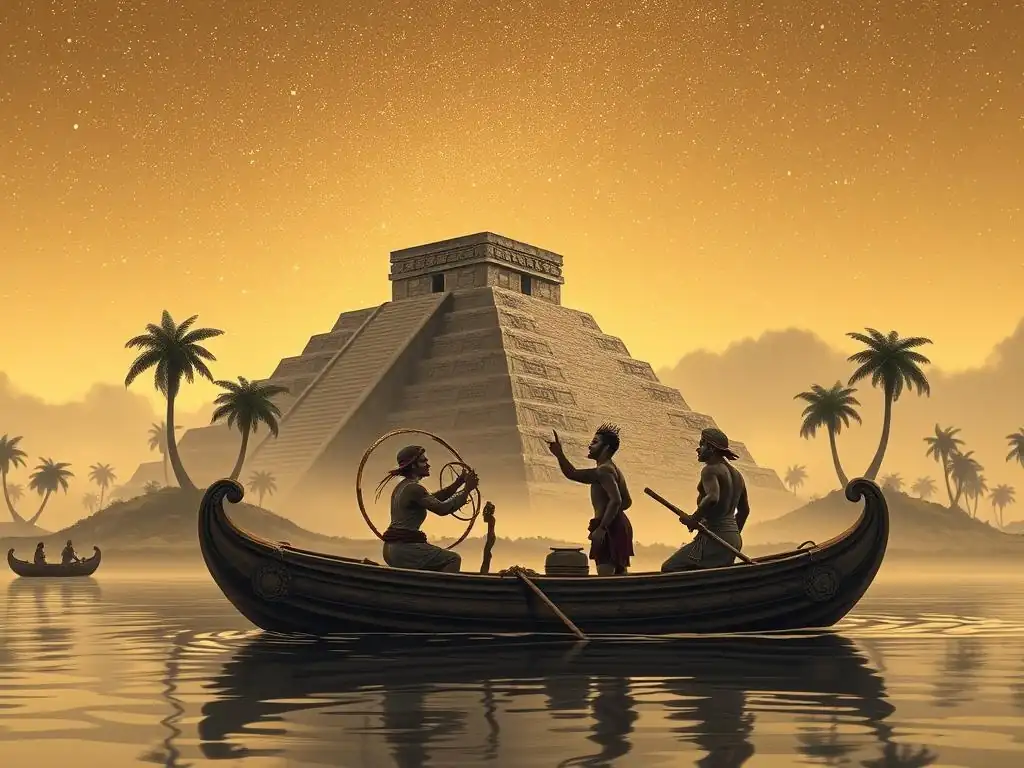
Mesoamerican civilizations, such as the Maya and the Aztec, utilized the night sky as a crucial tool for navigation and trade. Their advanced understanding of celestial bodies allowed these cultures to develop sophisticated methods for orienting themselves across vast landscapes and waterways. This navigational prowess was not only essential for local travel but also played a pivotal role in establishing trade routes that connected various regions, facilitating the exchange of goods and cultural practices.
Mesoamerican cultures employed several celestial navigation techniques that were rooted in their extensive knowledge of astronomy. These techniques included:
- Observation of the Stars: Mesoamericans closely observed the movements of stars, particularly the North Star (Polaris) and the Pleiades cluster. The positions of these celestial bodies provided reliable reference points for navigation.
- Solar and Lunar Cycles: The regularity of the sun and moon cycles was critical for Mesoamerican navigation. The solstices and equinoxes marked specific times of the year, guiding navigators to plan their journeys based on seasonal changes.
- Zodiacal Constellations: Specific constellations were associated with various directions. The Mesoamericans used these constellations as guides for both land and sea navigation, ensuring that they remained oriented during their travels.
- Directional Landmarks: Mesoamericans often combined celestial observations with terrestrial landmarks, creating a comprehensive navigational system. For example, mountains and rivers were used in conjunction with the stars to navigate complex terrains.
This blend of astronomy and geography exemplifies the ingenuity of Mesoamerican cultures in developing a navigational system that was both reliable and effective.
Key Astronomical Events and Their Impact on Trade Routes
Astronomical events played a significant role in shaping Mesoamerican trade routes. These events not only influenced the timing of voyages but also affected the socio-economic dynamics of trade. Some key astronomical events included:
- Eclipses: Solar and lunar eclipses were seen as significant omens. Mesoamerican traders often planned their expeditions around these events, believing they influenced the success of their ventures. For instance, an eclipse might have been interpreted as a warning to postpone a journey or to take extra precautions.
- Planetary Alignments: Alignments of planets such as Venus were particularly important for Mesoamerican cultures. The appearance of Venus as the morning star marked the start of certain trading seasons, prompting merchants to embark on their journeys to coincide with favorable celestial conditions.
- Seasonal Changes: The changing seasons, marked by astronomical events, dictated the availability of resources and influenced trade patterns. For example, the agricultural calendar was closely linked to celestial events, affecting what goods were available for trade at different times of the year.
- Cultural Festivals: Many Mesoamerican cultures held festivals tied to astronomical events, which often included trade fairs. These gatherings allowed merchants to exchange goods and ideas, significantly impacting trade networks across the region.
Mesoamerican astronomy and trade were intricately linked through navigational techniques and the influence of celestial events. The ability to read the stars not only enhanced their navigational skills but also facilitated the establishment of trade routes that would shape the cultural and economic landscape of the Americas.
Mesoamerican Astronomical Calendar
Overview of the Mesoamerican Calendar Systems
The Mesoamerican civilizations, particularly the Maya and the Aztecs, developed intricate calendar systems that were deeply intertwined with their understanding of astronomy. These calendars were not merely tools for tracking time; they were foundational to the cultural, agricultural, and economic practices of these societies.
The Mesoamerican calendar primarily consisted of two interlocking systems: the Tzolk'in and the Haab'.
- The Tzolk'in is a 260-day sacred calendar, combining 20 periods of 13 days. It was primarily used for religious ceremonies and rituals, reflecting the spiritual significance of numbers in Mesoamerican belief systems.
- The Haab' is a 365-day solar calendar consisting of 18 months of 20 days each, plus an additional month of 5 days known as Wayeb. This calendar was used for agricultural planning and civil purposes.
Together, these calendars created a Calendar Round of 52 years, after which the cycles would repeat. This cyclical nature of time was crucial to Mesoamerican societies, influencing their agricultural cycles, religious observances, and trade practices.
How Calendars Influenced Trade Cycles
The Mesoamerican calendars were instrumental in orchestrating trade cycles, allowing for the synchronization of agricultural production and economic activities. The alignment of celestial events with seasonal changes dictated the best times for planting and harvesting, which in turn affected trade.
Key Influences on Trade:
- Agricultural Timing:
- The calendar dictated when crops would be planted and harvested, ensuring a steady supply of goods for trade.
- Major harvests often coincided with religious festivals, drawing traders and consumers to marketplaces.
- Market Days:
- Specific days were designated for trade activities, allowing for a structured approach to commerce. For example, the Tzolk'in calendar provided a basis for market days, where certain goods were traded on specific dates.
- Navigation and Timing:
- Mesoamerican astronomers closely observed celestial patterns, using them to determine optimal times for long-distance trade expeditions.
- Knowledge of star positions and lunar cycles facilitated navigation across land and water routes, enhancing connectivity between distant regions.
- Cultural Exchange:
- As traders traveled according to calendar cycles, they not only exchanged goods but also ideas and cultural practices, leading to a rich tapestry of interregional influences.
The interplay between Mesoamerican astronomy and trade is evident in the way these calendars shaped economic interactions and societal structures, highlighting the advanced understanding of celestial phenomena that these civilizations possessed. By aligning trade cycles with astronomical events, Mesoamerican societies established a robust framework for commerce that endured for centuries.
Cultural Significance of Astronomy in Trade
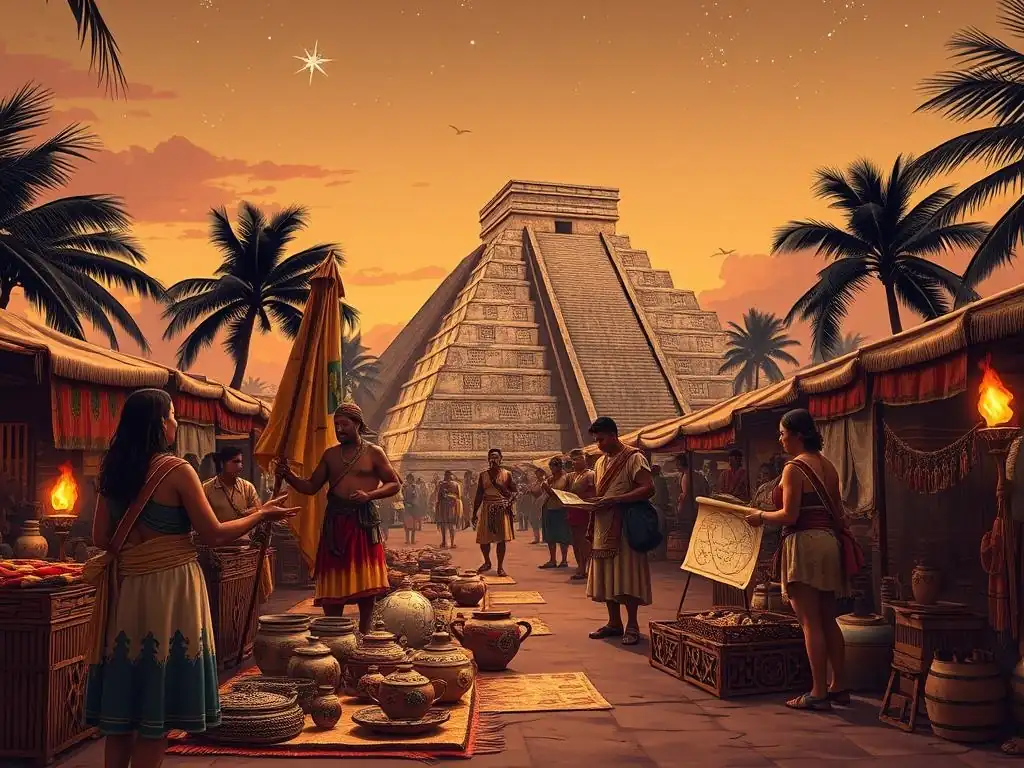
Mesoamerican civilizations, such as the Maya and Aztecs, held astronomy in high regard, integrating it deeply into their cultural practices, particularly in trade. The celestial movements were seen as a reflection of divine will, influencing not only agricultural cycles but also the timing of trade expeditions. This connection between astronomy and trade is evident in various aspects:
- Calendrical Systems: Mesoamerican cultures developed complex calendrical systems based on astronomical observations. The Maya Long Count and the Tzolk'in (260-day calendar) were crucial for timing agricultural activities and trade cycles. Merchants would plan their journeys in accordance with these calendars, ensuring they aligned with auspicious days for travel and trade.
- Navigation: Indigenous traders utilized the stars for navigation, particularly when traversing vast distances across land and sea. The North Star and other prominent celestial bodies served as guides, allowing traders to chart their courses accurately. This knowledge was vital for the expansion of trade networks, linking distant regions and facilitating the exchange of goods.
- Rituals and Offerings: Many Mesoamerican cultures performed rituals to appease gods associated with celestial bodies. These rituals often coincided with trade events, reinforcing the belief that successful trading ventures were influenced by the favor of the gods. Traders would offer gifts or sacrifices to ensure prosperous journeys and favorable outcomes in their transactions.
Myths and Beliefs Surrounding Celestial Bodies
The myths and beliefs surrounding celestial bodies in Mesoamerica were intertwined with trade practices, as they provided the framework through which communities understood their relationship with the cosmos. Key aspects include:
- Deification of Celestial Bodies: Major celestial bodies like the sun, moon, and Venus were personified as gods, each with specific attributes and influences. For instance, the Maya revered Kukulkan, a feathered serpent associated with the planet Venus, which was believed to dictate the timing of warfare and trade. Merchants would consult these celestial deities to determine the best times for trading activities.
- Creation Myths: Mesoamerican creation myths often involved celestial events, reinforcing the belief that the cosmos played an active role in daily life. The Popol Vuh, a sacred text of the Maya, describes the creation of the world and the celestial order, emphasizing the importance of aligning human actions, including trade, with cosmic rhythms.
- Omens and Portents: Celestial phenomena, such as eclipses or the appearance of comets, were interpreted as omens. Traders would closely monitor these events, as they were believed to signal changes in fortune or foretell disruptions in trade. For example, a solar eclipse might prompt traders to postpone their journeys, fearing that the gods were displeased.
Astrology and Its Influence on Trade Decisions
Astrology played a pivotal role in shaping trade decisions among Mesoamerican cultures, influencing everything from the timing of merchant expeditions to the selection of trade partners. Important considerations include:
- Astrological Charts: Mesoamerican astrologers created charts based on celestial movements, which were used to determine auspicious days for trade. These charts analyzed the positions of planets and stars to predict outcomes related to commerce, guiding merchants on when to embark on journeys or engage in significant transactions.
- Personal Horoscopes: Individual traders often consulted astrologers to create personal horoscopes that indicated their suitability for specific trade endeavors. By understanding their cosmic alignments, traders could make informed decisions about which markets to enter or which goods to sell, believing that certain alignments would enhance their success.
- Trade Alliances and Relationships: Astrology was also instrumental in forming trade alliances. Leaders would consult astrological predictions to determine the compatibility of trading partners. Alignments deemed favorable could lead to stronger alliances, enhancing the flow of goods and resources between cultures.
In summary, Mesoamerican astronomy and trade were intricately linked, with celestial observations guiding not only practical navigation and timing but also the cultural and spiritual dimensions of trade practices. The reverence for celestial bodies influenced trade decisions, showcasing the profound impact of astronomy on the economic and social interactions of these ancient civilizations.
Case Studies of Mesoamerican Civilizations and Trade
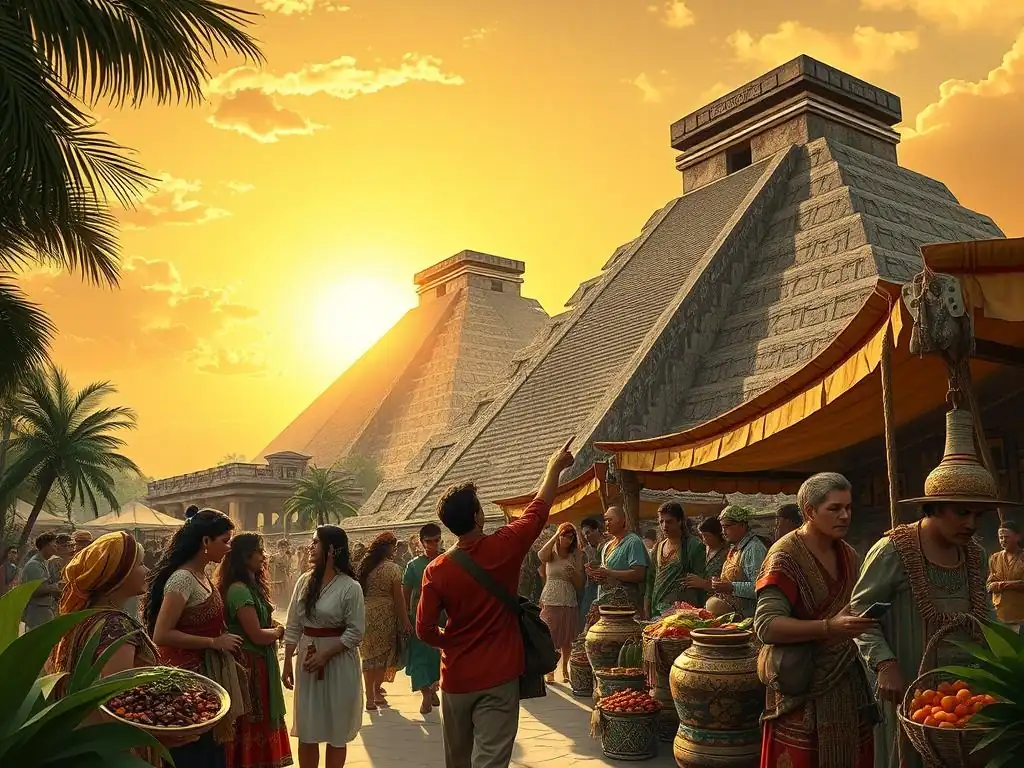
Mesoamerican civilizations, particularly the Maya and Aztecs, developed intricate systems of trade that were deeply intertwined with their astronomical knowledge. This section delves into specific case studies of these cultures, highlighting how their understanding of celestial phenomena influenced their trade practices and navigational techniques.
The Maya: Astronomy and Maritime Trade
The Maya civilization, known for its sophisticated understanding of astronomy, utilized celestial observations to enhance their maritime trade routes. Their astronomical calendar, the Tzolk'in, played a crucial role in determining the best times for sailing and conducting trade.
Key Practices
- Lunar Cycles: The Maya closely monitored lunar cycles, which helped them predict tidal patterns. This knowledge was essential for navigation along coastlines and rivers.
- Star Alignments: The positioning of stars and constellations was used to establish trade routes. For instance, the appearance of certain stars indicated seasonal changes that were vital for trade timing.
- Navigational Tools: The Maya developed tools such as the "Maya Cross", a simple yet effective device for aligning with celestial bodies during nighttime navigation.
Trade Networks
The Maya engaged in extensive trade networks that connected coastal trading ports like Tulum and Chetumal with inland cities such as Tikal and Palenque. These trade routes were often planned according to astronomical events, ensuring optimal conditions for travel.
The Aztecs: Trade Practices and Celestial Observations
The Aztec civilization, renowned for its vibrant trade practices, also relied heavily on astronomical observations to guide their economic activities. They established a comprehensive system of trade that was influenced by their understanding of celestial movements.
Economic Framework
- Market Days: The Aztecs organized market days based on their calendar system, which was influenced by astronomical events. These markets served as hubs for trade and exchange of goods such as cacao, textiles, and obsidian.
- Celestial Significance: Certain celestial events, such as eclipses, were believed to have auspicious or inauspicious meanings, which could affect trade decisions. Merchants often consulted astronomical guides before embarking on long journeys.
Navigational Insights
- Landmarks and Celestial Bodies: Aztec traders used prominent mountains and celestial bodies as navigational markers. The Pole Star was particularly important for maintaining directional accuracy during their travels.
- Mapping Techniques: The Aztecs created detailed maps that included both terrestrial and celestial features, allowing traders to plan routes that minimized risks and maximized efficiency.
Beyond the Maya and Aztecs, other indigenous cultures in Mesoamerica also developed navigational techniques that were influenced by their astronomical knowledge. These practices varied among different communities but shared common themes of celestial observation and environmental awareness.
Notable Cultures
- The Mixtec: Utilized a combination of astronomy and geography to navigate their trade routes, incorporating both celestial markers and local landmarks.
- The Tarascans: Employed knowledge of the stars to facilitate trade across Lake Patzcuaro, relying on seasonal patterns to guide their fishing and trading practices.
Techniques and Tools
- Celestial Navigation: Many indigenous cultures relied on the night sky, using stars as guides for both land and water navigation.
- Seasonal Patterns: Understanding the seasonal cycles of the sun and moon allowed these cultures to optimize their trade activities, ensuring that they coincided with the best environmental conditions.
Mesoamerican astronomy played a crucial role in shaping the trade practices of various indigenous cultures. The integration of celestial observations with economic activities not only facilitated trade but also fostered a deeper understanding of the natural world, showcasing the advanced knowledge of these civilizations.
The Legacy of Mesoamerican Astronomy and Trade
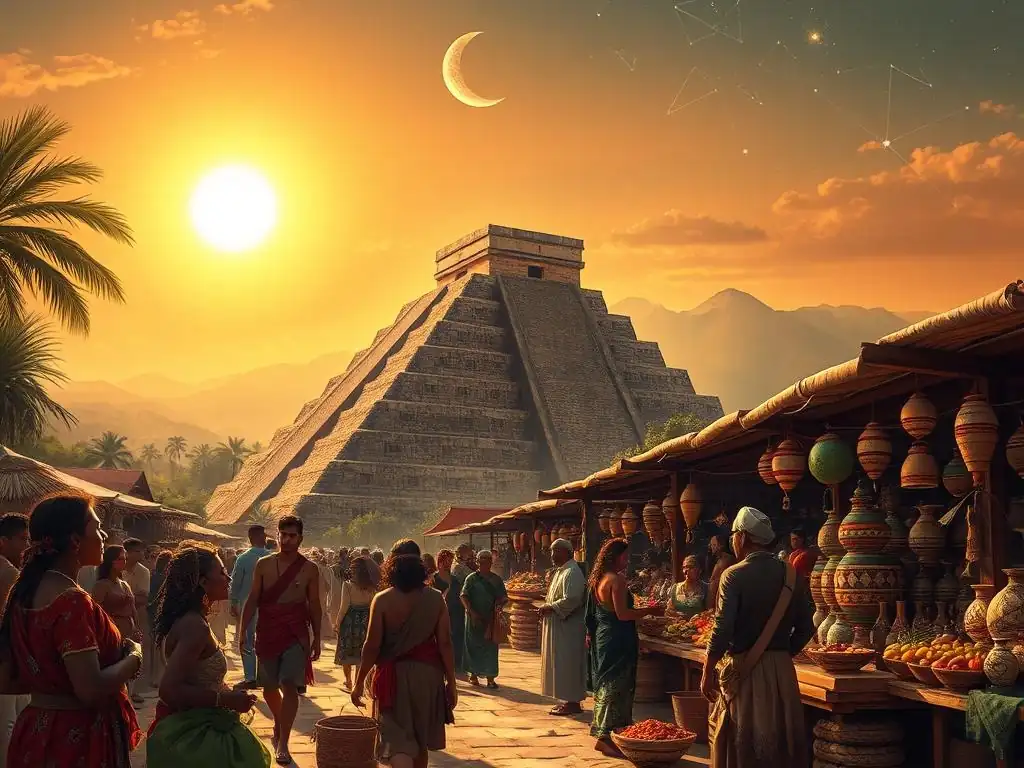
Mesoamerican civilizations, particularly the Maya and Aztecs, developed advanced astronomical systems that played a crucial role in their trade and navigation practices. Their understanding of celestial bodies allowed them to create calendars that facilitated agricultural cycles, ritual observances, and trade expeditions. This sophisticated knowledge of the heavens not only guided their day-to-day activities but also positioned them as skilled navigators and traders across vast distances.
The influence of Mesoamerican astronomy extends into modern navigation and trade, where many principles can still be observed. For instance, the concept of using celestial bodies for orientation laid the groundwork for contemporary navigation techniques.
- Celestial Navigation: Mesoamerican traders often relied on the North Star and other constellations to guide their journeys across land and sea. This method of navigation remains a fundamental aspect of maritime practices today.
- Calendar Systems: The intricate calendar systems developed by the Maya, such as the Tzolk'in and the Haab', were not only significant for agricultural purposes but also for determining the optimal times for trade. Modern businesses still use cyclical planning models that echo these ancient practices.
| Aspect | Mesoamerican Practices | Modern Applications |
|---|---|---|
| Navigation | Celestial bodies for orientation | GPS and celestial navigation techniques |
| Calendar Systems | Tzolk'in and Haab' calendars | Fiscal calendars and cyclical planning |
| Trade Timing | Seasonal trade based on astronomical events | Market timing strategies |
The principles derived from Mesoamerican astronomy continue to resonate in today's trade and navigation methodologies, showcasing the enduring legacy of these ancient civilizations.
Preservation of Astronomical Knowledge in Contemporary Indigenous Cultures
Contemporary Indigenous cultures in Mesoamerica continue to preserve their rich astronomical heritage, maintaining practices and knowledge that have been passed down through generations. This preservation is not merely an act of remembrance but serves as a vital aspect of cultural identity and continuity.
- Cultural Rituals: Many Indigenous communities still observe astronomical events, such as solstices and equinoxes, as part of their traditional rituals. These practices reinforce their connection to the cosmos and their ancestors’ understanding of time and space.
- Education and Oral Traditions: Knowledge of Mesoamerican astronomy is often transmitted through oral traditions, storytelling, and educational initiatives within Indigenous communities. This ensures that younger generations remain aware of their heritage and the significance of celestial events.
- Integration of Modern Science: Some communities have begun to integrate traditional astronomical knowledge with modern scientific practices. This fusion allows for a more comprehensive understanding of the universe, highlighting the importance of both Indigenous and contemporary perspectives.
The stars are not just distant points of light; they are the ancestors who guide us,
a reflection of the enduring relationship between Mesoamerican cultures and the cosmos.
The preservation of Mesoamerican astronomical knowledge is crucial not only for cultural identity but also for fostering a greater appreciation of the sophisticated understanding that these civilizations had of the universe, which continues to influence navigation and trade practices today.
Conclusion
Summary of the Role of Mesoamerican Astronomy in Trade
Mesoamerican astronomy played a pivotal role in the trade networks that thrived across various indigenous cultures, such as the Maya, Aztec, and Olmec. These civilizations developed an intricate understanding of celestial movements, which allowed them to create calendars that were not just tools for agricultural cycles but also vital for trade planning.
- Calendrical Systems: The Mesoamerican Long Count calendar, for instance, was integral for determining the best times for trade expeditions. Traders relied on these calendars to synchronize their journeys with seasonal changes, ensuring the safety and success of their ventures.
- Navigational Techniques: Celestial navigation was a fundamental skill among Mesoamerican traders. By using the positions of stars and planets, they could determine their location and direction while traversing land and waterways, thus facilitating extensive trade routes that connected diverse regions.
- Cultural Exchange: Astronomy also influenced the trade of knowledge, as different Mesoamerican societies shared astronomical techniques and observations, leading to advancements in understanding agricultural practices and seasonal cycles that further enhanced trade efficiency.
By integrating astronomical observations into their economic activities, Mesoamerican civilizations not only enhanced their trade capabilities but also fortified their cultural identities, illustrating the profound interconnection between astronomy and trade.
Final Thoughts on the Intersection of Astronomy and Trade in Indigenous Civilizations
The intersection of Mesoamerican astronomy and trade underscores the sophistication of indigenous civilizations long before European contact. Through meticulous observation of celestial bodies, these cultures developed advanced navigational methods and precise calendrical systems that significantly influenced their trade practices.
- Sustainability of Trade: The ability to predict seasonal changes and align trading activities with agricultural cycles not only ensured a steady supply of goods but also promoted sustainable practices within these societies.
- Cultural Identity: The integration of astronomy into trade activities reinforced cultural identity and social cohesion, as celestial events and calendars often held spiritual significance, intertwining commerce with cultural rituals.
- Legacy and Influence: The astronomical knowledge of Mesoamerican civilizations laid the groundwork for subsequent generations, influencing trade practices and navigational techniques in later indigenous cultures across the Americas.
The dynamic role of Mesoamerican astronomy in trade illustrates a unique blend of science, culture, and economy, demonstrating that these civilizations were not only adept at navigating their physical environments but also skilled in fostering complex trade networks that would resonate through history.
Frequently Asked Questions
What was the significance of Mesoamerican astronomy in trade?
Mesoamerican astronomy played a crucial role in trade by helping civilizations determine the best times for planting, harvesting, and navigating trade routes based on celestial events.
Indigenous cultures utilized stars and celestial bodies as guiding markers for navigation, allowing traders to travel vast distances across land and water with increased accuracy.
What were some key astronomical achievements of Mesoamerican civilizations?
Mesoamerican civilizations developed sophisticated calendars, such as the Maya Long Count, and built impressive structures like observatories, demonstrating their advanced understanding of astronomy.
How did astronomy influence economic activities in Mesoamerica?
Astronomy influenced economic activities by dictating seasonal patterns for agriculture and trade, which were essential for maintaining trade networks and ensuring food supplies.
In what ways did trade routes reflect astronomical knowledge?
Trade routes often aligned with important celestial events, showcasing the connection between astronomy and commerce, as traders relied on the stars to optimize their journeys and exchanges.
Final Reflection: The Celestial Compass of Mesoamerican Trade
The intricate relationship between Mesoamerican astronomy and trade is not just a relic of the past; it is a profound testament to the ingenuity of ancient civilizations. Today, as we navigate our own complex global trade networks, the lessons learned from the celestial navigation techniques of the Mesoamericans remind us of the importance of understanding our environment and utilizing knowledge to foster connections. The stars were not merely points of light for these cultures; they were vital guides that shaped their economic and social landscapes.
Mesoamerican astronomy continues to resonate in our cultural consciousness, illustrating how knowledge can transcend time and space. The ability of these ancient civilizations to harness the cosmos for trade and navigation speaks volumes about their sophisticated understanding of the world around them. As historian David Carrasco eloquently stated, The stars were not just a map; they were a narrative that connected people, places, and purposes.
This connection between the celestial and the terrestrial highlights the enduring influence of astronomy on cultural identity and economic practices, reminding us that our past is intricately woven into our present.
As we reflect on the significance of Mesoamerican astronomy and trade, let us embrace the spirit of exploration and curiosity that defined these ancient navigators. I invite you to look up at the night sky and consider how the same stars that guided Mesoamerican traders can inspire us today. Whether in our personal journeys or in our professional endeavors, let the lessons of the past guide us toward a future where knowledge and connection reign supreme.
Thank you for exploring the fascinating intersection of astronomy and trade in Mesoamerican cultures! You have discovered how these ancient civilizations navigated their vast territories and established intricate trade networks using the stars. Now, it’s time to take that knowledge and embark on your own journey of exploration and advocacy!
- Dive deeper into Mesoamerican astronomy: Seek out local museums or virtual programs that showcase celestial navigation and the rich history of Mesoamerican cultures.
- Share what you’ve learned! Discuss this topic with friends or on social media, helping to raise awareness of the incredible achievements of Indigenous civilizations.
- Connect with a community: Join forums or local groups that focus on history or astronomy to engage with others who share your passion.
What aspect of Mesoamerican trade and navigation excites you the most, and how do you believe it continues to influence our world today?