
The Intersection of Art and Math: Indigenous Civilizations' Unique Aesthetic Principles

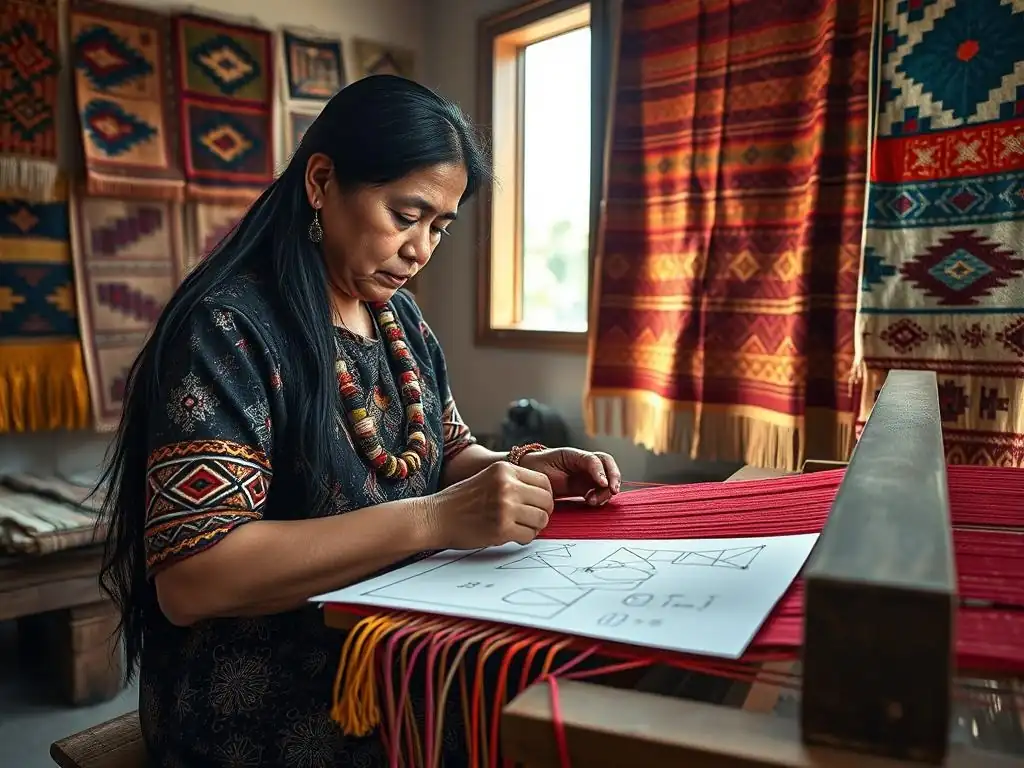
Welcome to Indigenous Civilizations of the Americas, where we invite you to embark on a fascinating journey through the rich tapestry of cultures that flourished long before European contact. In our featured article, "The Intersection of Art and Math: Indigenous Civilizations' Unique Aesthetic Principles," we delve into the remarkable ways in which indigenous art intertwines with mathematical concepts, revealing a profound understanding of beauty and structure that resonates through time.
Prepare to be captivated as we uncover the intricate relationships between creativity and calculation, and discover how these ancient civilizations laid the groundwork for artistic expression that continues to inspire today. Dive deeper to explore the achievements and legacies of these vibrant cultures!
Introduction to Indigenous Art and Math Principles
Indigenous art and math principles represent a fascinating intersection of creativity and analytical thinking, showcasing the sophisticated cultural frameworks that flourished across the Americas prior to European colonization. This article delves into how various indigenous civilizations seamlessly integrated mathematical concepts into their artistic expressions, creating works that were not only visually stunning but also imbued with deeper meaning and functional significance.
The exploration of these unique aesthetic principles reveals the rich tapestry of knowledge and innovation that characterized indigenous societies, offering insights into their understanding of the world around them. By examining the interplay between art and mathematics, we can appreciate the complexities of indigenous cultures and their lasting impact on contemporary views of both disciplines.
Overview of Indigenous Art
Indigenous art encompasses a wide range of styles, mediums, and cultural expressions that reflect the diverse traditions of the Americas' indigenous peoples. From intricate pottery and textiles to vibrant murals and sculptures, each form of artwork serves as a vehicle for storytelling, spiritual expression, and social commentary.
- Key Characteristics:
- Symbolism: Many indigenous artworks are laden with symbolic meanings, representing spiritual beliefs, historical events, or cultural values.
- Natural Materials: Artists utilized locally sourced materials such as clay, wood, and plant fibers, emphasizing their connection to the land.
- Community Involvement: Artistic practices were often communal, with skills passed down through generations, fostering a strong sense of identity and continuity.
The significance of indigenous art extends beyond aesthetics; it plays a crucial role in preserving cultural heritage and transmitting knowledge across generations.
Importance of Mathematics in Indigenous Cultures
Mathematics was integral to many indigenous cultures, serving practical purposes in areas such as agriculture, navigation, and architecture. The understanding of mathematical principles allowed these societies to thrive in their environments.
- Applications of Mathematics:
- Agricultural Planning: Indigenous peoples used mathematical calculations to optimize planting cycles, measure land, and manage resources effectively.
- Astronomy and Calendars: Many civilizations developed complex calendars based on celestial observations, demonstrating advanced mathematical understanding of cycles and time.
- Architecture and Engineering: The construction of monumental structures, such as the pyramids of the Maya or the earthen mounds of the Mississippian cultures, required precise measurements and geometric knowledge.
This mathematical acumen underpinned many aspects of indigenous life, showcasing a sophisticated relationship with the natural world.
The Relationship Between Art and Math
The convergence of art and math in indigenous cultures reveals a profound understanding of aesthetics that is deeply rooted in mathematical principles. Artists often employed concepts such as symmetry, proportion, and geometry to create visually harmonious compositions.
- Examples of Mathematical Application:
- Geometric Patterns: Many indigenous artworks feature intricate geometric designs, reflecting a keen awareness of mathematical relationships.
- Proportionality: Sculptures and carvings often adhere to proportional representations, enhancing their visual appeal and conveying deeper meanings.
- Tessellations: Certain cultures, such as the Navajo, are known for their use of tessellated patterns, demonstrating an advanced grasp of spatial relationships.
This synergy between artistic expression and mathematical reasoning not only highlights the intellectual achievements of indigenous civilizations but also challenges the conventional separation of these disciplines in contemporary thought.
Historical Context of Indigenous Civilizations
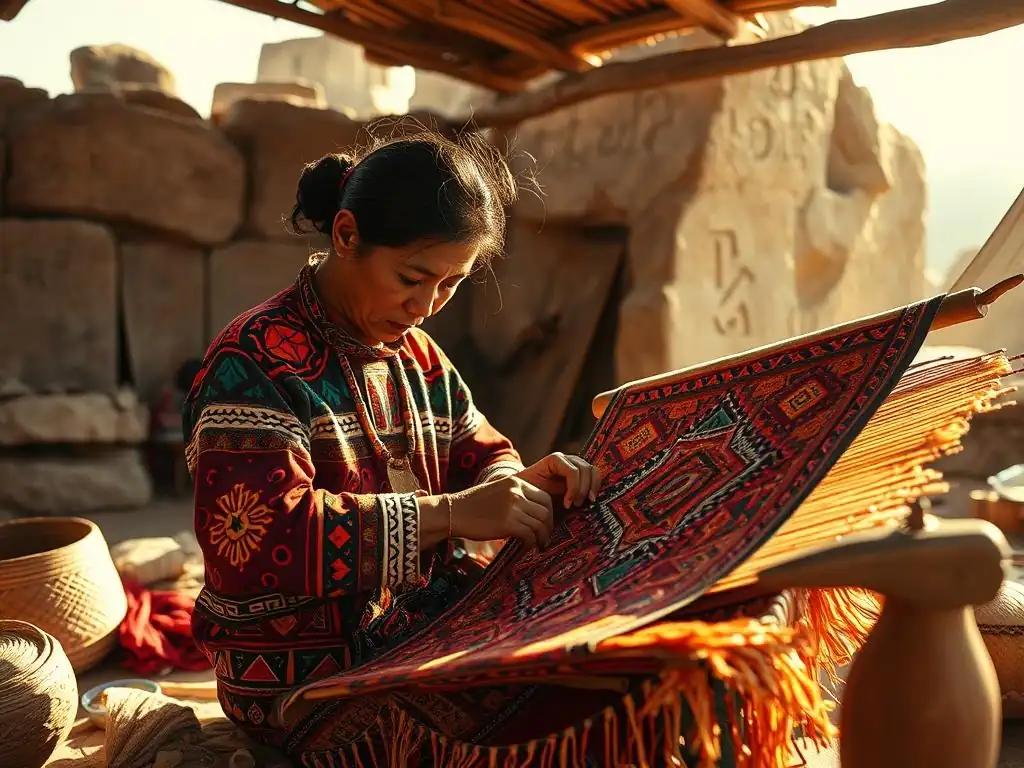
Understanding the historical context of indigenous civilizations is essential to appreciating their artistic and mathematical contributions. Each culture developed unique systems of knowledge and expression, shaped by their environments and experiences.
Key Indigenous Civilizations and Their Artistic Contributions
Several key indigenous civilizations made significant artistic contributions that exemplify the intersection of art and math:
- The Maya: Renowned for their elaborate frescoes and intricate pottery, the Maya incorporated mathematical precision in their architectural designs, aligning structures with celestial events.
- The Inca: Famous for their textiles and stonework, the Inca utilized geometric principles in their agricultural terraces and urban planning, creating harmonious relationships with their landscape.
- The Mississippian Culture: Known for their earthen mounds and pottery, this civilization employed mathematical concepts in the layout of their cities and ceremonial structures.
These civilizations not only enriched the artistic landscape of the Americas but also laid the groundwork for future advancements in both art and mathematics.
Mathematical Knowledge in Pre-Columbian Societies
The mathematical knowledge possessed by pre-Columbian societies was impressive and often overlooked.
- Numerical Systems: Many cultures developed unique numerical systems, allowing for complex calculations and record-keeping.
- Geometric Knowledge: Understanding of geometric principles was evident in architectural designs and artistic representations.
- Quantitative Analysis: Indigenous peoples applied quantitative analysis in various fields, including trade, agriculture, and astronomy, demonstrating a sophisticated relationship with numerical concepts.
The mathematical prowess of these societies not only facilitated their daily lives but also contributed to the rich array of artistic expressions found in their cultures.
By exploring these interconnected themes, we can gain a deeper appreciation of how indigenous civilizations harmonized art and math principles, leaving a legacy that continues to resonate today.
Unique Aesthetic Principles in Indigenous Art
Indigenous art across the Americas is characterized by a rich tapestry of unique aesthetic principles that often intertwine with mathematical concepts. These principles reflect not only the creators' cultural values and beliefs but also their understanding of the natural world. Many indigenous cultures embraced abstraction, using geometric forms and patterns to convey deeper meanings and spiritual significance. The aesthetic choices made by these artists were informed by their surrounding environments, cosmologies, and social structures, leading to a diverse array of artistic expressions that share a common thread of mathematical inspiration.
One of the most striking aspects of indigenous art is its emphasis on symmetry and balance. This aesthetic is often achieved through the use of repeated geometric motifs, which can be found in pottery, textiles, and carvings. These designs are not merely decorative; they embody principles of proportion and harmony that resonate with the natural order. Additionally, the use of color in indigenous art frequently follows mathematical ratios, further highlighting the intersection of art and mathematics in these cultures.
Geometric Patterns in Indigenous Art
Geometric patterns are a hallmark of indigenous art, serving as a visual language that communicates cultural narratives and spiritual beliefs. These patterns often utilize shapes such as triangles, circles, and spirals, which can be arranged in intricate designs that demonstrate a sophisticated understanding of geometry. For example, the creation of tessellations—where shapes fit together perfectly without gaps—exemplifies the mathematical precision that indigenous artists employed.
In many cultures, these geometric designs were not just aesthetic choices, but also carried symbolic meanings. For instance, in Navajo weaving, specific patterns can represent natural elements or sacred stories, creating a profound connection between the artwork and the artist's cultural heritage. Furthermore, the repetitive nature of these patterns often evokes a sense of rhythm and movement, enhancing the viewer's experience and engagement with the art.
Color Theory and Mathematical Ratios
Indigenous art also showcases a keen understanding of color theory, with artists often employing mathematical ratios to create visually appealing compositions. The use of complementary colors, analogous color schemes, and the golden ratio can be observed in various forms of indigenous art, demonstrating an innate grasp of how color interacts to evoke emotions and convey meaning.
For instance, the vibrant palettes used in Huichol beadwork illustrate a meticulous selection of colors that are balanced and harmonious. Artists often use contrasting colors to draw attention to specific elements of their work, while also adhering to principles of proportion that guide the overall composition. This careful consideration of color not only enhances the aesthetic appeal but also reinforces the narrative and cultural significance embedded within the artwork.
Case Studies of Indigenous Art and Math Integration
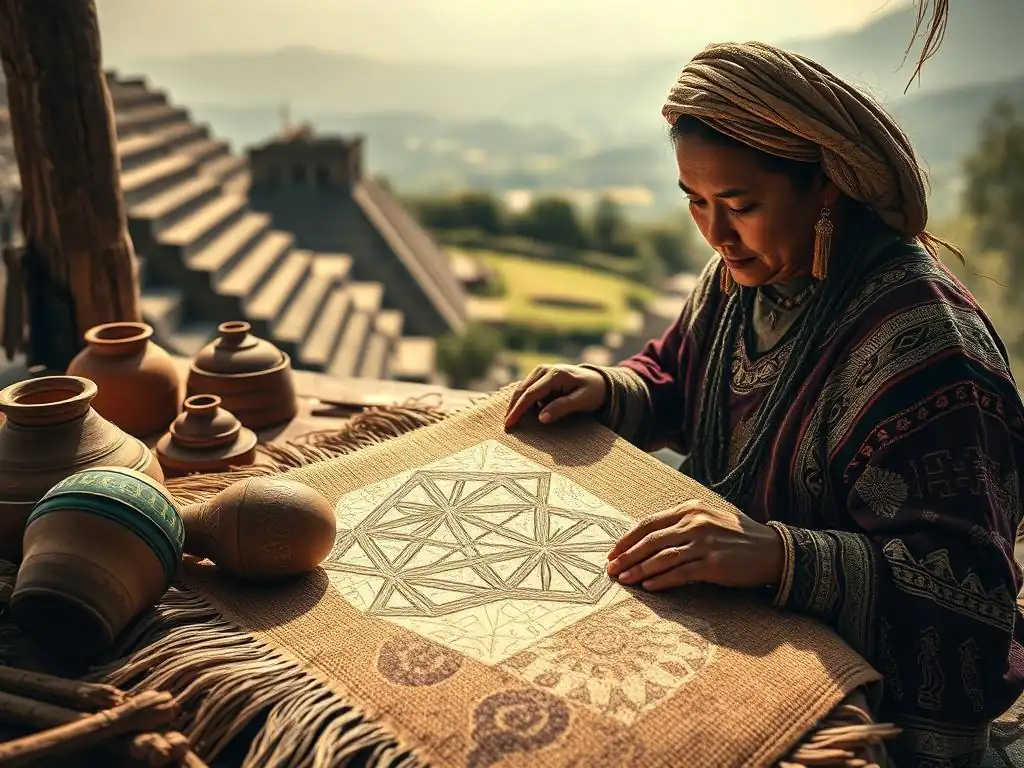
To further illustrate the profound connection between art and mathematics in indigenous cultures, several case studies highlight how these principles manifest in specific works and practices.
The Nazca Lines: Geometry in the Landscape
The Nazca Lines, an extensive collection of geoglyphs in the Nazca Desert of Peru, present an extraordinary example of mathematical precision in indigenous art. Created between 500 BCE and 500 CE, these massive designs, which include animals, plants, and geometric shapes, can only be fully appreciated from the air. The lines reflect a deep understanding of geometry and scale, as they were meticulously planned and executed with remarkable accuracy.
Archaeologists believe that the Nazca people used simple tools and techniques, such as the concept of sightlines, to create these enormous designs. The symmetry and proportion evident in the lines suggest that they were not only artistic expressions but also had ritual significance, possibly related to astronomical events or water sources. This intersection of art and math in the Nazca Lines exemplifies the innovative spirit of indigenous civilizations.
Mayan Architecture: Mathematical Precision in Design
Mayan architecture is renowned for its complexity and precision, showcasing advanced mathematical principles in its design. The construction of pyramids, temples, and ceremonial centers like Tikal and Chichen Itza demonstrates a sophisticated understanding of geometry, symmetry, and spatial relationships. The Mayans employed mathematical calculations to align their structures with celestial events, reflecting their deep connection to astronomy.
The layout of Mayan cities often adhered to specific geometrical patterns, with buildings arranged to create harmonious relationships with the natural landscape. This meticulous planning not only underscores the mathematical competence of the Mayans but also emphasizes the spiritual and cultural significance of their architectural achievements.
Inca Textiles: Patterns and Mathematical Concepts
Inca textiles are celebrated for their intricate patterns and vibrant colors, often showcasing the integration of mathematical concepts into their designs. Weaving techniques employed by the Incas, such as the production of complex patterns using a system of knots and threads, reflect an understanding of symmetry, proportion, and geometry. The textiles often feature repeating motifs that symbolize various aspects of Inca cosmology and social structure.
The use of mathematical ratios in textile design can be observed in the arrangement of colors and motifs, creating a visually striking balance. Furthermore, the techniques used in Inca weaving illustrate a practical application of mathematical principles, as artisans calculated the necessary measurements and proportions to achieve their desired outcomes. This combination of art and math in Inca textiles serves as a testament to the sophisticated craftsmanship and cultural significance of their work.
The Influence of Indigenous Math Principles on Contemporary Art
Indigenous civilizations across the Americas have long integrated mathematical concepts into their artistic expressions, often in ways that resonate with contemporary art. The mathematical principles observed in various indigenous art forms—such as symmetry, geometry, and fractal patterns—have influenced modern artists by providing a framework for creativity that is both structured and innovative. This intersection of math and art highlights the sophistication of indigenous knowledge systems, which often emphasize harmony with nature and the cosmos.
For instance, the use of geometric patterns in textiles, pottery, and architecture illustrates how indigenous cultures approached mathematical concepts naturally. Notable cultures, such as the Inca and the Maya, employed advanced techniques in their art that reflected their understanding of spatial relationships and proportion. These principles continue to resonate today, inspiring contemporary artists who seek to explore similar themes within their work, thus creating a bridge between the past and present.
Modern Artists Inspired by Indigenous Aesthetic Principles
Numerous contemporary artists have drawn inspiration from the rich tapestry of indigenous art and math principles. These artists often incorporate traditional motifs and techniques into their work, blending them with modern concepts to create innovative pieces. For example, artists like Martha Clippinger and Nicolas Galanin explore the intersection of indigenous heritage and contemporary practices, often focusing on the mathematical precision found in traditional designs.
Moreover, indigenous artists such as Tanya Lukin Linklater and Rebecca Belmore actively engage with their cultural histories, employing aesthetic principles rooted in their ancestral traditions while simultaneously addressing contemporary issues. Their works often reflect a deep understanding of both the mathematical and artistic legacies of their cultures, effectively bridging the gap between historical and modern narratives.
Reviving Traditional Techniques: A Blend of Art and Math
The resurgence of interest in traditional indigenous art techniques has led to a revival that blends art and math in captivating ways. Many artists are now seeking to resurrect ancient practices that utilize mathematical principles in their compositions. Techniques such as weaving, pottery, and carving often require a precise understanding of mathematical concepts, including ratios and symmetry, allowing artists to create visually striking works that resonate with cultural significance.
Workshops and educational programs focused on indigenous art forms have emerged, where artists and students engage with these traditional methods. By learning these skills, contemporary artists can create pieces that reflect both their cultural heritage and mathematical rigor. This revival not only preserves these time-honored techniques but also fosters a greater appreciation of how indigenous cultures approached art and mathematics as intertwined disciplines.
Conclusion: The Lasting Impact of Indigenous Art and Math Principles
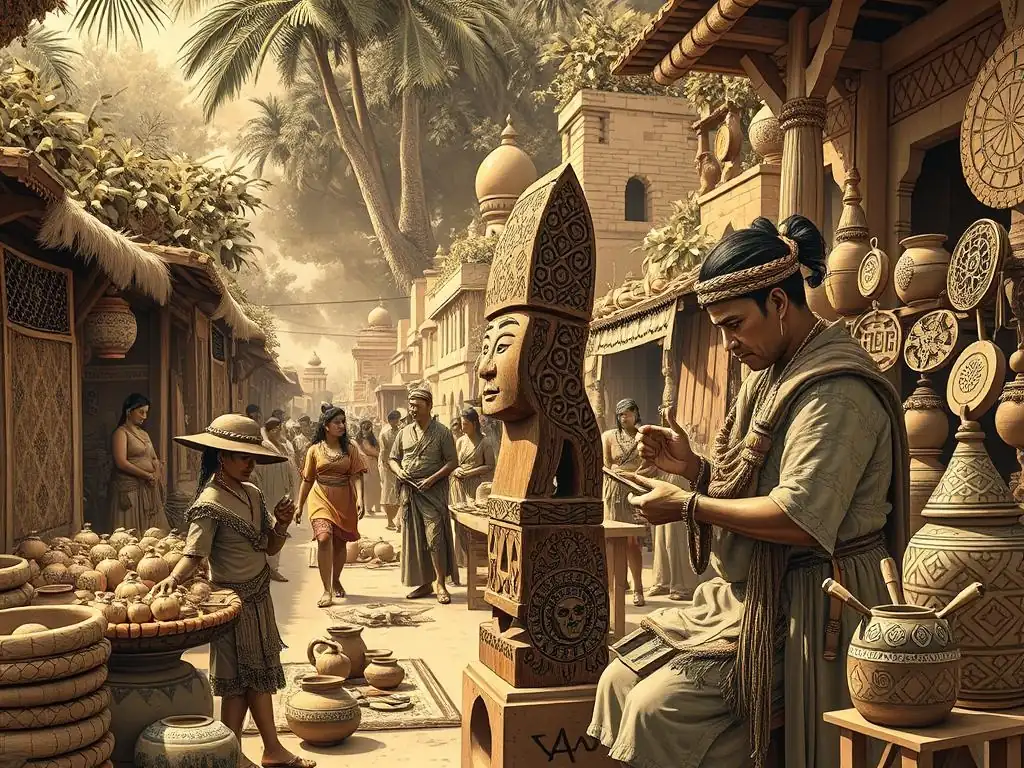
The enduring legacy of indigenous art and math principles is evident in the ways contemporary artists engage with their cultural heritage. By recognizing and integrating these principles, modern artists not only honor the past but also expand the boundaries of contemporary art. This dialogue between the historical and the modern enriches both fields, demonstrating that the contributions of indigenous civilizations continue to shape artistic practices today.
Reflection on Indigenous Contributions to Art and Mathematics
Indigenous cultures have made significant contributions to the fields of art and mathematics, often in ways that are underappreciated in mainstream discourse. The intricate designs and patterns found in indigenous art are not merely decorative; they embody complex mathematical concepts that reflect a deep understanding of the universe. This intersection of art and math is a testament to the intellectual richness of indigenous cultures, illustrating their innovative spirit and their ability to harmonize aesthetics with mathematical principles.
Importance of Preserving Indigenous Aesthetic Traditions
Preserving indigenous aesthetic traditions is crucial not only for maintaining cultural identity but also for fostering a greater understanding of the mathematical foundations that underpin these art forms. As contemporary artists continue to explore these traditions, the importance of education and advocacy becomes paramount. By sharing knowledge about indigenous art and its mathematical principles, we can ensure that these rich traditions are honored and sustained for future generations. This preservation contributes to a broader appreciation of diversity in artistic expression and the value of indigenous knowledge systems in the global cultural landscape.
References
The intersection of art and mathematics in indigenous civilizations showcases a rich tapestry of creativity and intellectual rigor. To further delve into this fascinating topic, a variety of scholarly articles, books, and reputable sources can provide deeper insights into the aesthetic principles that governed indigenous art and its mathematical underpinnings. Below are key references that can enhance your understanding of these unique cultural achievements.
Suggested Reading on Indigenous Art and Math Principles
-
"Indigenous Mathematics: The Art of the Americas" by David S. Whitley
This book explores how indigenous cultures incorporated mathematical concepts into their art, providing examples from various civilizations across the Americas.
-
"Mathematics and Art: Mathematical Visualization in Art and Education" by Sara E. K. Healy
This text discusses the broader implications of mathematics in visual arts, with sections dedicated to indigenous practices and their mathematical expressions.
-
"The Geometry of Indigenous Art: Patterns and Structures" by Michael A. K. Smith
An insightful examination of the geometric patterns found in indigenous art, highlighting how these designs reflect mathematical principles and cultural significance.
-
"Cosmology and Aesthetics in Indigenous Art" by Maria T. Santos
This work investigates the relationship between cosmological beliefs and artistic expression in various indigenous cultures, linking these elements to mathematical concepts.
-
"Cultural Math: The Role of Mathematics in Native American Art" by Jennifer L. Brown
A comprehensive analysis of how mathematics shapes the aesthetic choices in Native American art, including discussions on symmetry, fractals, and proportion.
Resources for Further Exploration of Indigenous Civilizations
-
National Museum of the American Indian
Offers extensive resources, including articles and exhibitions that focus on indigenous cultures and their contributions to art and mathematics.
-
The American Indian Science and Engineering Society (AISES)
A platform that supports indigenous students in STEM fields, providing resources that highlight the intersection of indigenous knowledge and scientific principles.
-
Smithsonian Institution: Native American Heritage
A wealth of information, including research papers and articles that delve into the art, culture, and mathematics of indigenous peoples.
-
The Journal of Indigenous Studies
An academic journal that publishes research on various aspects of indigenous cultures, including their artistic and mathematical achievements.
-
Online Databases and Digital Libraries
Platforms such as JSTOR and Google Scholar can provide access to numerous scholarly articles and papers on the relationship between indigenous art and mathematical principles.
These references and resources will equip readers with valuable knowledge and insights into the rich intersection of art and math within indigenous civilizations of the Americas.
- Introduction to Indigenous Art and Math Principles
- Overview of Indigenous Art
- Importance of Mathematics in Indigenous Cultures
- The Relationship Between Art and Math
- Historical Context of Indigenous Civilizations
- Unique Aesthetic Principles in Indigenous Art
- Geometric Patterns in Indigenous Art
- Color Theory and Mathematical Ratios
- Case Studies of Indigenous Art and Math Integration
- The Influence of Indigenous Math Principles on Contemporary Art
- Modern Artists Inspired by Indigenous Aesthetic Principles
- Reviving Traditional Techniques: A Blend of Art and Math
- Conclusion: The Lasting Impact of Indigenous Art and Math Principles
- Reflection on Indigenous Contributions to Art and Mathematics
- Importance of Preserving Indigenous Aesthetic Traditions
- References
- What is the main focus of the article "The Intersection of Art and Math: Indigenous Civilizations' Unique Aesthetic Principles"?
- How did Indigenous civilizations incorporate math into their art?
- Why is it important to study Indigenous art and math principles?
- Can you give examples of Indigenous cultures known for their art and mathematical integration?
- How does the intersection of art and math influence contemporary Indigenous artists?
Frequently Asked Questions
What is the main focus of the article "The Intersection of Art and Math: Indigenous Civilizations' Unique Aesthetic Principles"?
The article explores the unique aesthetic principles of Indigenous art and math, highlighting how these cultures intertwined artistic expression with mathematical concepts in their creations.
How did Indigenous civilizations incorporate math into their art?
Indigenous civilizations utilized mathematical principles such as symmetry, geometry, and proportion in their artwork, creating harmonious designs that reflected their understanding of the natural world.
Why is it important to study Indigenous art and math principles?
Understanding Indigenous art and math principles helps to appreciate the complexity and sophistication of these cultures, showcasing their achievements and contributions to global art and scientific knowledge.
Can you give examples of Indigenous cultures known for their art and mathematical integration?
Cultures such as the Maya and Inca are renowned for their intricate art forms that incorporate mathematical patterns, demonstrating a profound relationship between their aesthetic and mathematical practices.
How does the intersection of art and math influence contemporary Indigenous artists?
Contemporary Indigenous artists often draw from traditional aesthetic principles and mathematical concepts, creating works that honor their heritage while addressing modern themes and challenges.
Final Reflection: The Profound Harmony of Indigenous Art and Math Principles
The intersection of art and math in Indigenous civilizations reveals a timeless relevance that resonates deeply in our contemporary world. As we navigate an era increasingly defined by technology and abstraction, the intricate patterns and principles found in Indigenous art serve as a reminder of the beauty that arises from the fusion of creativity and mathematical precision. This unique aesthetic not only challenges conventional notions of art but also invites us to reconsider the ways in which we perceive and engage with the world around us.
The influence of Indigenous art and math principles continues to shape our cultural landscape, fostering a deeper appreciation for the interconnectedness of all things. This rich tapestry of knowledge and expression encourages us to explore the underlying structures that govern both nature and human creativity. As the renowned artist and mathematician M.C. Escher once said, “Are you really sure that a floor can't also be a ceiling?” This quote encapsulates the essence of how Indigenous aesthetics invite us to see beyond the surface, urging us to recognize the layers of meaning and connection that exist within our environment.
As we reflect on the lessons embedded in the art and math principles of Indigenous civilizations, I invite you to consider how these insights can enrich your own life. Take a moment to explore the patterns in your surroundings, appreciate the artistry in everyday mathematics, and embrace the idea that creativity and logic can coexist harmoniously. By doing so, you not only honor the legacy of Indigenous cultures but also cultivate a deeper understanding of the world, inspiring a future where art and math are celebrated as intertwined expressions of human experience.
Explore the Harmony of Art and Math Today!
Thank you for diving into the fascinating world where art and mathematics converge in Indigenous civilizations. Your interest in these unique aesthetic principles opens up opportunities for a deeper understanding and appreciation of cultural heritage. Now, let’s take that knowledge and put it into action!
- Visit a local art exhibition showcasing Indigenous art to experience these principles firsthand.
- Share your insights with friends and family on social media; inspire others to appreciate the beauty and complexity of these cultures.
- Consider creating your own artwork inspired by Indigenous aesthetics—whether through painting, weaving, or digital mediums.
How do you envision incorporating the captivating intersection of art and mathematics into your own creative expression?