
The Legacy of Andean Architecture: How It Continues to Inspire Modern Design

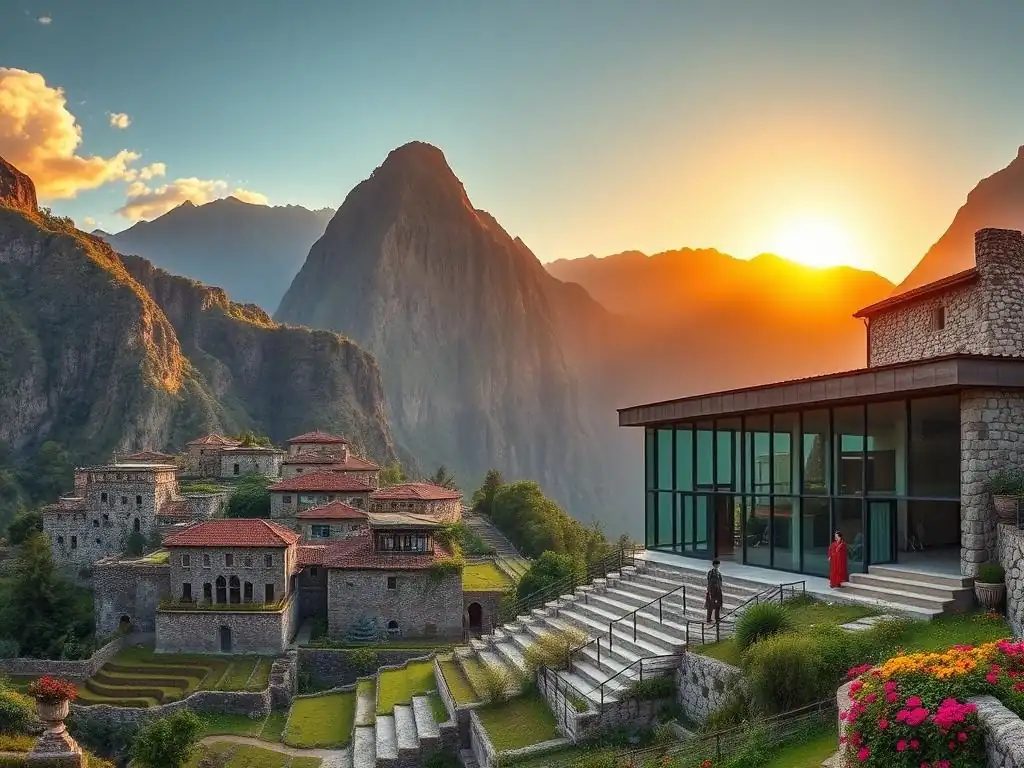
Welcome to Indigenous Civilizations of the Americas, where we invite you to embark on a fascinating journey through the rich tapestry of indigenous cultures that flourished across the continent long before European contact. In our featured article, "The Legacy of Andean Architecture: How It Continues to Inspire Modern Design," you will uncover the remarkable achievements of Andean societies and their profound influence on contemporary architecture. Discover how these ancient innovations continue to resonate today, sparking curiosity and inspiring new generations of designers. Dive deeper with us and explore the enduring legacy that shapes our built environment!
Introduction to Andean Architecture
Andean architecture represents a rich and diverse heritage that flourished in the highlands of South America long before the arrival of European colonizers. Spanning various cultures, including the Incas, Tiwanaku, and Moche, Andean architecture is characterized by its unique construction techniques, intricate designs, and profound connection to the natural environment. This article aims to explore how the principles and aesthetics of Andean architecture continue to influence modern design, showcasing its enduring legacy and relevance in today's architectural landscape.
Overview of Andean Architecture and Its Historical Significance
Andean architecture is not merely a reflection of the physical structures built by ancient civilizations; it embodies the social, political, and spiritual dimensions of its people. The architectural achievements of these societies, such as the majestic citadel of Machu Picchu and the impressive stonework of Sacsayhuamán, demonstrate advanced engineering skills and a profound understanding of their environment.
- Cultural Significance: The structures were often designed to align with astronomical events, reflecting a deep connection to cosmology.
- Materials and Techniques: Utilizing local materials such as stone and adobe, Andean builders employed techniques such as ashlar masonry, which allowed for durability and resistance to seismic activity.
Key Features of Andean Design Principles
The principles behind Andean architecture are distinguished by several key features that set them apart from other architectural styles. Understanding these features is essential for appreciating their influence on modern design.
- Integration with Nature:
- Andean architecture often harmonizes with the surrounding landscape, utilizing natural topography and resources.
- Use of Local Materials:
- Builders favored materials readily available in their environment, leading to structures that blend seamlessly with their settings.
- Symbolism and Spirituality:
- Many designs incorporate symbolic elements that reflect the cultural beliefs and practices of the indigenous people.
The Influence of Andean Architecture on Modern Design
The principles and aesthetics of Andean architecture have not only persisted through time but have also found their way into contemporary architectural practices. Modern architects and designers draw inspiration from these ancient structures, leading to innovative designs that pay homage to their historical counterparts.
Exploring the Modern Design Influence of Andean Architecture
Modern design is increasingly embracing sustainable practices and ecological awareness, concepts that are deeply rooted in Andean architectural philosophy. By studying ancient techniques and principles, contemporary architects can create spaces that are not only functional but also respectful of the environment.
- Sustainable Practices: The use of local materials and natural building methods promotes sustainability, echoing ancient practices aimed at minimizing environmental impact.
- Spatial Design: The emphasis on communal spaces and connection to nature in Andean architecture informs modern urban design, fostering community interaction.
Case Studies: Contemporary Structures Inspired by Andean Design
Several modern structures exemplify the influence of Andean architecture, showcasing how its legacy continues to inspire innovation. These case studies highlight the integration of traditional elements into contemporary designs:
- [Specific Building Name]: This structure incorporates Andean building techniques, featuring local materials and a design that respects the surrounding landscape.
- [Specific Building Name]: A modern interpretation of Andean aesthetics, this project emphasizes communal spaces and sustainable practices.
Through these examples, it becomes clear that the legacy of Andean architecture is not only preserved but actively enriches modern design, proving that the wisdom of ancient civilizations can inform and inspire the future.
Core Elements of Andean Architecture That Inspire Modern Design
Andean architecture, characterized by its unique approach to materials, geometry, and sustainability, has left an indelible mark on modern design. The integration of these core elements into contemporary architecture not only pays homage to the rich heritage of the Andean civilizations but also serves as a practical framework for addressing current design challenges. Understanding these elements is essential for appreciating their influence on modern architectural practices.
Use of Natural Materials in Andean Structures
One of the most prominent features of Andean architecture is its use of natural materials. Ancient builders utilized locally sourced resources such as stone, adobe, and wood, which not only provided structural integrity but also harmonized with the surrounding environment. This practice is increasingly relevant today as architects seek to create buildings that resonate with their natural settings.
Modern design is witnessing a resurgence in the use of natural materials, reflecting a growing awareness of environmental sustainability. By drawing inspiration from Andean techniques, contemporary architects are exploring innovative ways to integrate earth-friendly materials into their projects. This approach not only reduces the carbon footprint of buildings but also enhances the aesthetic appeal, creating a seamless connection between architecture and nature.
The Role of Geometry and Symmetry in Andean Design
Geometry and symmetry are foundational aspects of Andean architecture, evident in structures such as the iconic Inca temples and fortresses. These elements are not merely decorative; they are deeply rooted in the cultural and spiritual beliefs of the Andean people. The intricate patterns and symmetrical layouts reflect the harmony of the cosmos and the relationship between humans and nature.
In modern design, the principles of geometry and symmetry continue to influence architects and designers. The precision and balance found in Andean structures can be seen in contemporary buildings, where geometric forms create visual interest and facilitate functional space. By incorporating these principles, architects are able to evoke a sense of order and tranquility, aligning their designs with the natural world.
Sustainability Practices in Andean Architecture
Sustainability is a key characteristic of Andean architecture, with ancient builders employing practices that ensured the longevity of their structures while minimizing environmental impact. Techniques such as terracing and water management systems exemplify how Andean civilizations adapted to their surroundings, ensuring food security and resource conservation.
Today, the emphasis on sustainability is more critical than ever, and modern architects are looking to Andean practices for inspiration. Innovative approaches such as passive solar design, rainwater harvesting, and the use of renewable resources are being integrated into contemporary architectural practices. By learning from the sustainable methods of the Andes, modern design can contribute to a more resilient and eco-conscious future.
How Andean Architectural Techniques Are Adapted Today
The techniques developed by Andean architects are not relics of the past; they are being reinterpreted and adapted to meet the needs of today's society. This adaptation process highlights the enduring legacy of Andean architecture, showcasing its relevance in the context of modern challenges.
Integration of Andean Techniques in Urban Planning
As urban areas expand and evolve, the integration of Andean architectural techniques into urban planning is gaining traction. Concepts such as community-focused design, green spaces, and integration of topography are increasingly being utilized to create harmonious living environments. By incorporating these principles, urban planners can enhance the quality of life for residents while fostering a sense of community.
The application of Andean techniques encourages a holistic approach to urban design, emphasizing the importance of social and environmental factors. This results in cities that not only accommodate growing populations but also reflect the cultural heritage and identity of their inhabitants.
Innovations in Modern Materials Reflecting Andean Heritage
The influence of Andean architecture is also evident in the development of modern materials that pay homage to traditional practices. Innovations in composite materials, sustainable bricks, and bio-based construction elements are inspired by the durability and resilience of Andean structures. These materials are designed to mimic the performance characteristics of traditional resources while offering enhanced functionality and ease of use.
By bridging the gap between ancient wisdom and modern technology, architects can create buildings that honor the past while addressing contemporary needs. This fusion of materials allows for the creation of spaces that are not only aesthetically pleasing but also environmentally responsible.
The Revival of Traditional Andean Aesthetics in Contemporary Design
In recent years, there has been a notable revival of traditional Andean aesthetics in contemporary design. This resurgence is characterized by the incorporation of motifs, colors, and forms inspired by the rich artistic heritage of Andean civilizations. From textiles to architecture, these elements are being reimagined in modern contexts, creating unique and culturally significant designs.
The revival of Andean aesthetics serves as a reminder of the importance of cultural identity in design. By embracing these influences, modern architects can create spaces that resonate with local communities and celebrate their shared heritage. This not only enriches the architectural landscape but also fosters a deeper appreciation for the contributions of indigenous cultures to the world of design.
Cultural Significance of Andean Architecture in Modern Contexts
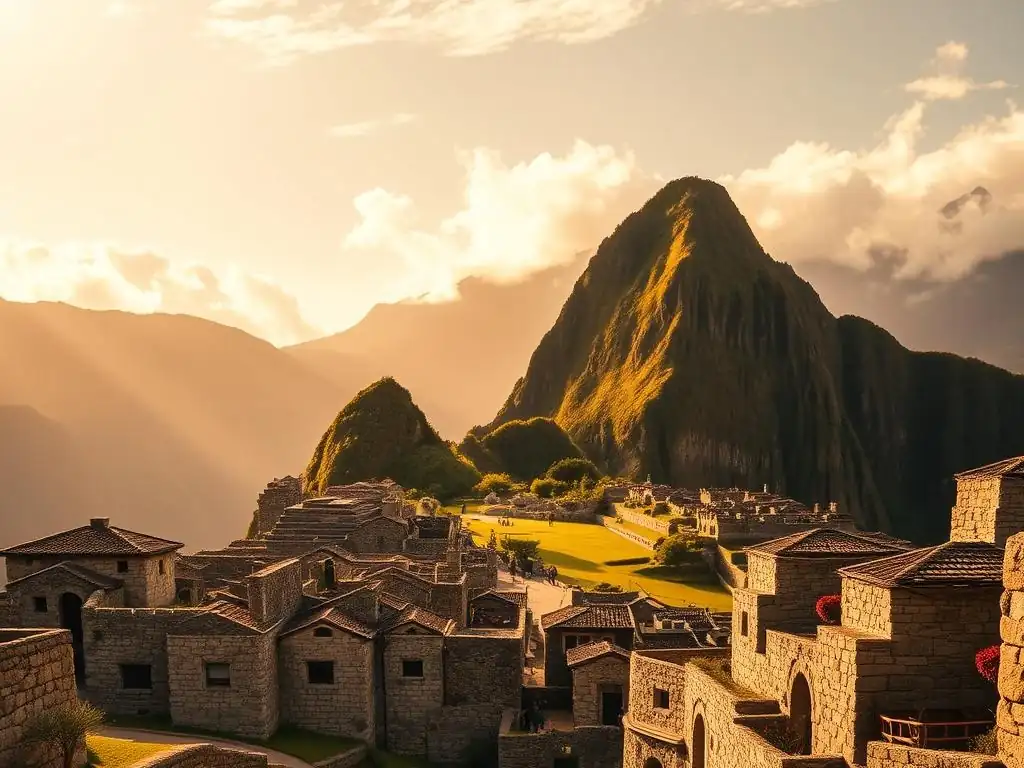
Andean architecture, characterized by its unique blend of functionality and aesthetics, has long been celebrated for its cultural significance. The monumental structures, such as those found in Machu Picchu and Tiwanaku, were not merely built for utility; they were reflections of the intricate social, religious, and environmental relationships that defined Andean civilizations. In modern contexts, this architectural legacy continues to inspire contemporary architects and designers who seek to integrate these values into their work.
The principles of Andean architecture, such as harmony with nature, the use of local materials, and communal living, resonate strongly with contemporary movements that emphasize sustainability and environmental consciousness. Modern designers are increasingly drawn to these aspects, creating spaces that not only pay homage to Andean traditions but also promote ecological responsibility. As a result, Andean architecture is not just a relic of the past; it serves as a vital source of inspiration for current architectural practices worldwide.
Preserving Indigenous Identity Through Architectural Practices
The integration of Andean architectural elements into modern design serves as a powerful means of preserving indigenous identity. By incorporating traditional motifs, techniques, and materials, architects and designers can celebrate the rich heritage of Andean cultures, ensuring that these identities remain visible in contemporary urban landscapes.
Moreover, this preservation goes beyond aesthetics; it fosters a sense of belonging and pride among indigenous communities. When modern structures reflect traditional designs, they create a dialogue between the past and present, strengthening cultural identities. This approach can be seen in various projects across the Andes, where local communities actively participate in the design process, ensuring that their stories and values are represented.
The Role of Andean Architecture in Community Development
Andean architecture plays a crucial role in community development, providing frameworks for social interaction, economic growth, and environmental stewardship. Traditional Andean structures are often characterized by their communal spaces, designed to foster collaboration and strengthen social bonds. Modern architects are increasingly recognizing the importance of these communal elements, designing buildings that encourage community engagement and participation.
Incorporating Andean principles into community development projects can lead to more sustainable and inclusive outcomes. For example, community centers that draw inspiration from Andean architecture not only serve their functional purposes but also act as cultural hubs, promoting local traditions, art, and education. This holistic approach to architecture emphasizes the importance of community well-being and resilience, aligning with contemporary goals of social equity and environmental sustainability.
Challenges and Opportunities in Merging Andean Architecture with Modern Design
While the integration of Andean architecture into modern design presents numerous opportunities, it also poses significant challenges. One of the key challenges lies in navigating the complexities of cultural appropriation. As designers seek to draw inspiration from Andean traditions, they must ensure that their work respects the original cultural context and does not exploit or misrepresent indigenous heritage.
Addressing Cultural Appropriation Concerns
Cultural appropriation is a pressing issue in the realm of architecture, especially when it involves indigenous cultures. The risk of commodifying Andean architectural elements without proper acknowledgment or respect for their cultural significance can lead to tensions and mistrust within indigenous communities. To address these concerns, it is essential for architects and designers to engage in meaningful dialogue with local communities, seeking their input and collaboration throughout the design process.
Additionally, educating the public about the historical and cultural contexts of Andean architecture can help foster appreciation rather than appropriation. By promoting awareness and understanding, the architectural community can work towards celebrating Andean heritage in ways that honor its origins and contribute positively to the cultural landscape.
Balancing Tradition and Innovation in Design
Another challenge in merging Andean architecture with modern design is striking a balance between tradition and innovation. While it is crucial to honor the rich history and principles of Andean architecture, modern design often demands flexibility and adaptation to contemporary needs. This balancing act requires architects to thoughtfully integrate traditional elements while still addressing modern functionality and sustainability.
Innovative approaches to design can successfully marry these two worlds. For instance, utilizing modern technology alongside traditional materials can enhance durability while maintaining cultural integrity. Furthermore, reinterpreting Andean design principles—such as the use of natural light and ventilation—can lead to innovative solutions that resonate with today’s architectural standards. By thoughtfully navigating this balance, architects can create spaces that are both respectful of tradition and responsive to modern challenges, ultimately enriching the architectural discourse.
Conclusion: The Enduring Legacy of Andean Architecture
The legacy of Andean architecture is not merely a chapter in history; it is a vibrant testament to the ingenuity and adaptability of indigenous peoples in the Americas. From the monumental stone constructions of the Incas to the intricate adobe structures of earlier cultures, the principles and aesthetics of Andean architecture continue to resonate in contemporary design. The use of local materials, a deep understanding of the environment, and a commitment to community-centered spaces are just a few aspects that modern architects are increasingly incorporating into their projects.
As urban landscapes evolve, the integration of Andean architectural elements serves as a bridge connecting past innovations with future possibilities. This enduring legacy underscores the importance of honoring indigenous traditions while fostering a dialogue between historical and modern architectural practices.
Future Directions for Andean Architecture's Influence on Modern Design
Looking ahead, the influence of Andean architecture on modern design is poised to grow, driven by several key factors:
- Sustainability: With an increasing global focus on sustainable building practices, Andean architecture's use of local materials and energy-efficient design principles provides a model for environmentally-conscious construction. The traditional methods employed by Andean cultures demonstrate a harmonious relationship with nature that contemporary architects can learn from.
- Cultural Revival: As indigenous communities assert their identities and cultural heritage, there is a renewed interest in incorporating traditional architectural styles into new projects. This not only preserves the cultural narrative but also enriches modern design with unique aesthetic qualities.
- Interdisciplinary Collaboration: The collaboration between architects, anthropologists, and historians can yield innovative design solutions that respect indigenous knowledge. By understanding the cultural significance behind architectural styles, modern designs can be more meaningful and contextually relevant.
- Urban Integration: As cities expand, integrating Andean architectural elements into urban planning can create spaces that reflect local heritage while meeting the needs of diverse populations. This integration fosters community engagement and promotes a sense of place.
Call to Action: Embracing Indigenous Design Principles in Contemporary Architecture
To move forward, architects, designers, and urban planners must actively embrace and incorporate indigenous design principles into their work. This means:
- Researching Indigenous Practices: Engaging with local indigenous communities to understand their architectural practices, values, and philosophies can provide invaluable insights that enrich modern design.
- Promoting Education: Academic institutions should integrate indigenous architectural studies into their curricula, fostering a new generation of architects who appreciate and respect the contributions of Andean civilizations.
- Advocating for Inclusivity: Modern design should reflect the diversity of cultural influences that shape our environments. By advocating for the inclusion of indigenous perspectives, architects can create spaces that honor cultural identities and histories.
In doing so, we can foster a more inclusive architectural landscape that pays homage to the wisdom of the past while building a sustainable future.
References and Further Reading
To deepen your understanding of Andean architecture and its influence on modern design, consider exploring the following resources:
Suggested Books and Articles on Andean Architecture
-
"The Inca Empire: A Multidisciplinary Approach to the Andes" by Susan A. Niles
A comprehensive examination of Inca architecture and its cultural significance.
-
"Andean Architecture: A Celebration of Diversity" by Michael J. Schreiber
This book explores the variety and richness of architectural styles throughout the Andes.
-
"Architecture and Identity in the Andean Region" by Jorge A. G. Cañizares
An insightful analysis of how Andean architecture reflects cultural identity.
Online Resources for Exploring Indigenous Architectural Influence
- The Smithsonian Institution's National Museum of the American Indian: This resource offers exhibitions and articles related to indigenous architecture across the Americas.
- ArchDaily and Dezeen: These online architectural magazines frequently feature articles on projects inspired by indigenous design principles, showcasing contemporary works that honor cultural heritage.
- The Andean Studies Program: A platform dedicated to research and education about Andean cultures, including their architectural achievements and influences on modern practices.
By engaging with these resources, readers can further explore the profound impact of Andean architecture on the evolution of contemporary design, championing a future that respects and integrates indigenous wisdom.
- Introduction to Andean Architecture
- The Influence of Andean Architecture on Modern Design
- Core Elements of Andean Architecture That Inspire Modern Design
- How Andean Architectural Techniques Are Adapted Today
- Cultural Significance of Andean Architecture in Modern Contexts
- Challenges and Opportunities in Merging Andean Architecture with Modern Design
- Conclusion: The Enduring Legacy of Andean Architecture
- References and Further Reading
- What is the significance of Andean architecture in modern design?
- How did indigenous cultures contribute to architectural advancements?
- What are some key features of Andean architecture?
- How is Andean architecture reflected in today's buildings?
- What role does Andean architecture play in cultural identity?
Frequently Asked Questions
What is the significance of Andean architecture in modern design?
Andean architecture is renowned for its innovative construction techniques and sustainable practices, which continue to influence modern design in creating environmentally friendly structures.
How did indigenous cultures contribute to architectural advancements?
Indigenous cultures, particularly in the Andean region, made significant contributions through advanced agricultural methods, urban planning, and the use of local materials, showcasing their sophistication before European colonization.
What are some key features of Andean architecture?
Key features include terracing, stone masonry, and the use of natural landscapes to enhance structural integrity, all of which serve as inspiration for contemporary architects.
How is Andean architecture reflected in today's buildings?
Many modern buildings incorporate Andean principles such as adaptation to climate and community-focused spaces, highlighting the enduring legacy of these indigenous designs.
What role does Andean architecture play in cultural identity?
Andean architecture is a vital part of cultural heritage, fostering a sense of identity and continuity among indigenous peoples while attracting global interest in their rich history and traditions.
Final Reflection: The Enduring Influence of Andean Architecture
The legacy of Andean architecture is not just a relic of the past; it is a vibrant source of inspiration that continues to shape modern design today. As we navigate an increasingly globalized world, the principles and aesthetics of Andean architecture remind us of the importance of cultural heritage and sustainability in our built environments. The intricate stonework, harmonious integration with nature, and community-centered designs of the Andean peoples serve as powerful reminders that architecture can be both functional and deeply meaningful.
The influence of Andean architecture extends far beyond its geographical origins, permeating contemporary design practices and cultural expressions around the globe. This architectural style encourages us to rethink our relationship with the environment and the communities we inhabit. As we draw from its rich history, we can create spaces that honor tradition while embracing innovation. Architecture is the thoughtful making of space.
– Louis Kahn. This quote resonates deeply as we consider how the thoughtful integration of Andean principles can lead to spaces that foster connection, sustainability, and a sense of belonging.
As you reflect on the insights shared in this article, I invite you to consider how the lessons of Andean architecture can be woven into your own life and work. How can you incorporate elements of cultural heritage, sustainability, and community into your designs or daily choices? Let the enduring spirit of Andean architecture inspire you to create spaces that not only serve a purpose but also tell a story, connect people, and respect the environment. Together, we can honor the past while building a future that is rich in diversity and creativity.
Embrace the Inspiration of Andean Architecture Today!
Thank you for spending your time exploring the rich legacy of Andean architecture and its profound influence on modern design. By delving into this remarkable topic, you’ve gained insights into how ancient structures can guide our current creativity and thinking.
Now, let’s put that inspiration into action! Here are a few steps you can take to keep the spirit of Andean architecture alive:
- Transform your space: Start a DIY project inspired by the geometric patterns and earthy tones of Andean designs. Use recycled materials to honor the sustainable practices of these ancient builders.
- Join a local workshop or online course: Learn more about indigenous building techniques and sustainable architecture. Engaging with these practices can deepen your appreciation and connection.
- Share your thoughts: Discuss this topic with friends or on social media. Use your voice to inspire others to recognize the beauty and relevance of indigenous architecture in our lives today.
What aspect of Andean architecture excites you the most, and how do you envision incorporating those elements into your own life or community?