
The Artistic Elements That Defined Mesoamerican Architecture

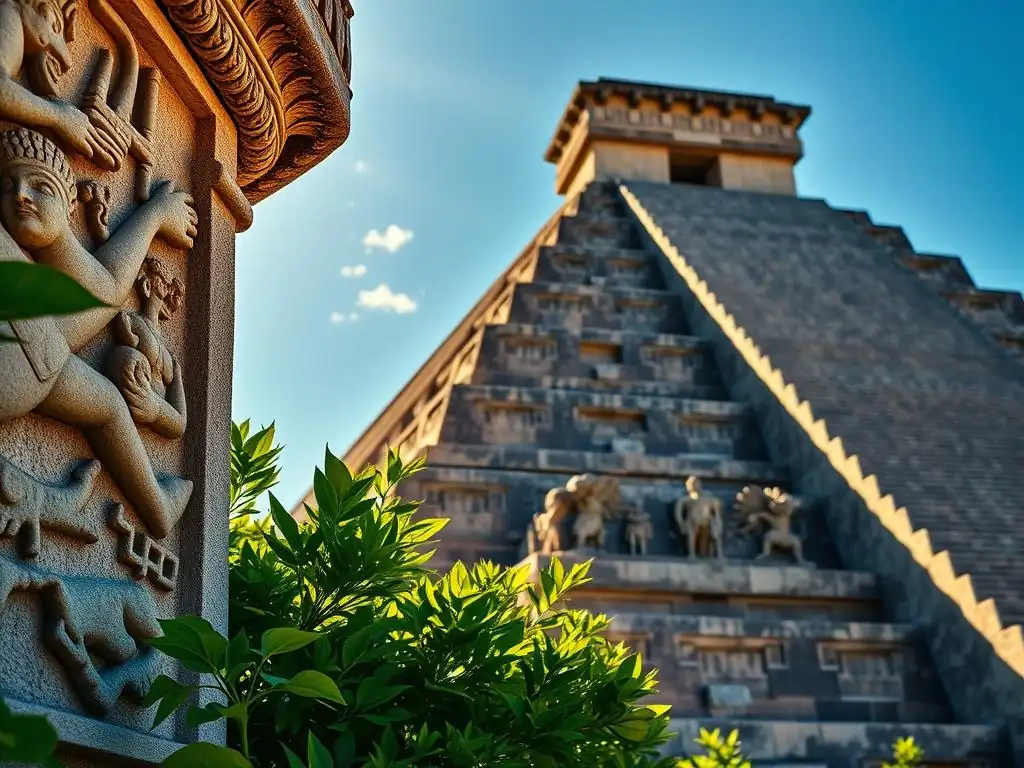
Welcome to Indigenous Civilizations of the Americas, where we invite you to journey into the rich tapestry of cultures that flourished long before European contact. Our in-depth exploration begins with the captivating world of Mesoamerican architectural elements, revealing the artistic ingenuity and sophisticated designs that defined these remarkable societies. From majestic pyramids to intricate carvings, each structure tells a story of innovation and community.
As you delve deeper into our featured article, "The Artistic Elements That Defined Mesoamerican Architecture," prepare to uncover the remarkable achievements that have left an indelible mark on history. Your adventure into the past starts here—read on to discover the legacy of these vibrant civilizations!
- Introduction to Mesoamerican Architectural Elements
- Key Mesoamerican Architectural Elements
- Symbolism in Mesoamerican Architectural Elements
- Regional Variations in Mesoamerican Architectural Elements
- Influence of Mesoamerican Architectural Elements on Modern Design
- Conclusion: The Lasting Impact of Mesoamerican Architectural Elements
-
Frequently Asked Questions
- What are the main Mesoamerican architectural elements discussed in the article?
- How did Mesoamerican architecture reflect the culture of its societies?
- What role did religion play in Mesoamerican architectural design?
- Can you explain the significance of pyramids in Mesoamerican cultures?
- What lasting impact did Mesoamerican architectural elements have on modern architecture?
- Final Reflection: The Enduring Legacy of Mesoamerican Architectural Elements
- Unveil the Beauty of Mesoamerican Architecture!
Introduction to Mesoamerican Architectural Elements
Mesoamerican architecture is a profound testament to the ingenuity and creativity of the indigenous civilizations that flourished in the Americas long before European contact. From the monumental pyramids of the Maya to the intricate stonework of the Aztecs, the architectural elements of this region reflect not only aesthetic beauty but also deep cultural significance.
This article embarks on a comprehensive exploration of Mesoamerican architectural elements, delving into their unique characteristics and the roles they played in shaping urban landscapes and social structures. By understanding these elements, we can appreciate the sophisticated knowledge and skills of Mesoamerican builders, as well as the enduring legacy of their architectural achievements.
Overview of Mesoamerican Architecture
Mesoamerican architecture is characterized by its diverse styles and construction techniques, which evolved over millennia across various cultures, including the Olmec, Maya, and Aztec civilizations. Key features of Mesoamerican architecture include:
- Pyramids and Temples: Central to many Mesoamerican cities, these structures served both religious and ceremonial purposes.
- Ball Courts: Unique to Mesoamerican cultures, these courts were integral to social and political life, often associated with rituals and games.
- Stone Carvings and Reliefs: Artistry in stonework showcased the religious beliefs and historical narratives of these societies.
- Urban Planning: Cities such as Teotihuacan and Tikal demonstrate advanced urban planning principles, including the alignment of structures with celestial events.
Mesoamerican architectural elements not only reflect the aesthetic values of these cultures but also embody their social hierarchies, cosmologies, and religious practices.
Importance of Architectural Elements in Indigenous Cultures
The architectural elements of Mesoamerican civilizations were not merely functional; they were imbued with cultural significance that influenced every aspect of life. Here are some key points regarding their importance:
- Cultural Identity: Architectural styles and elements helped define the cultural identity of different societies. Distinct designs conveyed the values, beliefs, and historical narratives of the people.
- Religious Significance: Many structures were designed with religious purposes in mind, serving as temples for worship, places for rituals, or as symbols of divine connection.
- Social Structure: The layout and size of buildings, such as palaces and communal areas, often reflected the social hierarchy and power dynamics within the community.
- Economic Activity: Architectural elements facilitated trade and interaction among various cultures, as markets and public spaces were often central to urban design.
Understanding the importance of these architectural elements allows us to appreciate the complexity and richness of Mesoamerican cultures, highlighting how they maneuvered their environments and expressed their identities through architecture.
Key Mesoamerican Architectural Elements
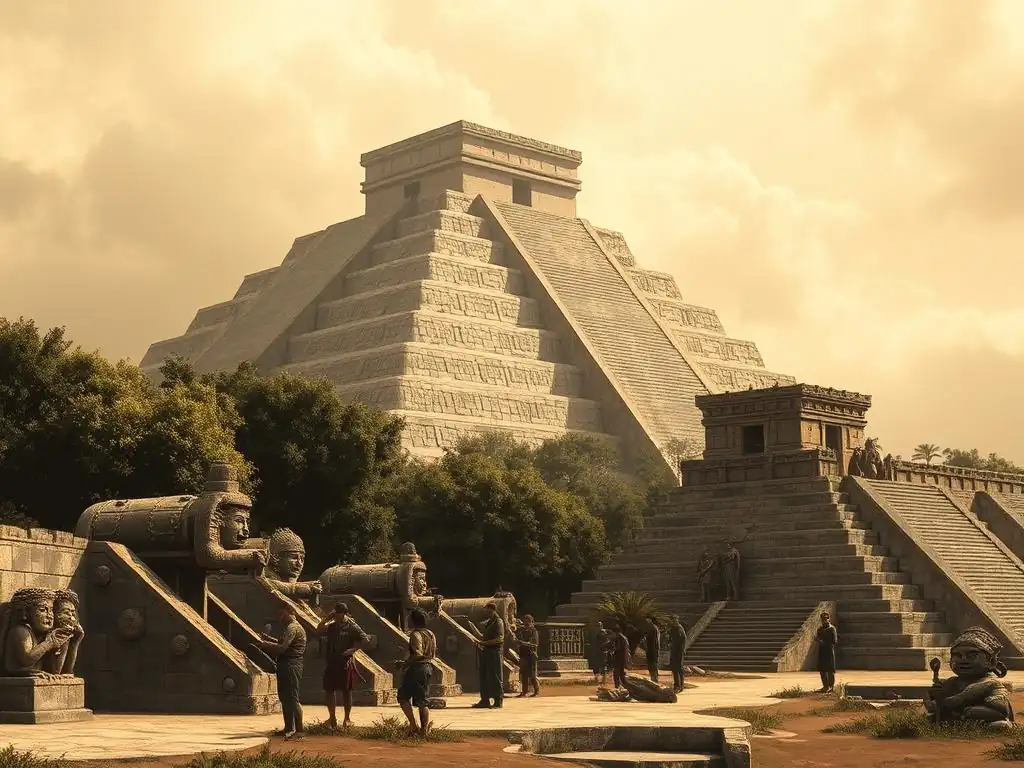
Mesoamerican architecture is characterized by its unique and innovative elements that reflect the cultural, religious, and social values of the civilizations that thrived in this region. The architectural achievements of these societies, such as the Maya, Aztec, and Olmec, are marked by their use of specific materials and techniques, which not only served functional purposes but also conveyed deep spiritual meanings. Understanding these Mesoamerican architectural elements provides insight into the advanced capabilities and artistic expressions of these indigenous cultures.
Stone Construction Techniques in Mesoamerican Architecture
One of the distinguishing features of Mesoamerican architecture is the sophisticated use of stone construction techniques. Mesoamerican builders utilized local stone types, such as limestone and basalt, which were abundant in their respective regions.
- Quarrying and Shaping: The process began with quarrying large stones, which were then meticulously shaped using hand tools. The precision in shaping allowed for tight-fitting joints that enhanced the stability of structures.
- Corbel Arch: This technique was pivotal in Mesoamerican architecture, where stones were layered in a stepped fashion to create archways. Unlike the true arch used in Roman architecture, the corbel arch provided structural support while allowing for decorative openings.
- Masonry Styles: Different cultures developed unique masonry styles. For instance, the Maya often employed a technique called "faced masonry," where large blocks were used for the visible surfaces, while smaller stones filled the core, maximizing the structural integrity while minimizing the use of visible materials.
- Durability: The choice of stone not only contributed to the aesthetic appeal but also ensured the longevity of the structures. Many ancient buildings remain standing today, a testament to the skill of Mesoamerican architects.
Use of Earth and Clay in Building Structures
In addition to stone, many Mesoamerican societies relied on earth and clay for their building practices. This method was particularly prevalent in the construction of residential buildings and ceremonial structures.
- Adobe Construction: Adobe, a mixture of clay, sand, and straw, was commonly used to create sturdy walls. These buildings were not only cost-effective but also provided excellent insulation against the region's varying temperatures.
- Rammed Earth Techniques: Some cultures employed rammed earth techniques, where layers of earth were compacted to create solid walls. This method was particularly suited for the hot, dry climates, providing thermal mass that helped regulate indoor temperatures.
- Decorative Elements: Earth and clay were also used for decorative purposes. Structures were often adorned with intricate stucco reliefs and murals, showcasing the rich artistic traditions of these civilizations.
- Sustainability: The use of local materials like earth and clay reflects a sustainable approach to construction, allowing communities to build without depleting distant resources.
Iconic Elements: Pyramids and Temples
Mesoamerican architecture is perhaps best known for its monumental pyramids and temples, which served as central hubs for religious and social activities.
- Pyramids: The step pyramid is a key architectural element, exemplified by structures like the Pyramid of the Sun at Teotihuacan and the Temple of Kukulcan at Chichen Itza. These pyramids often featured multiple levels, each serving specific ceremonial purposes.
- Temple Complexes: Surrounding the pyramids, temple complexes included altars, plazas, and residential quarters for priests. These complexes were often aligned with astronomical events, showcasing the civilizations' advanced understanding of celestial movements.
- Symbolism: The design and orientation of these structures often held significant symbolic meaning, representing the connection between the earthly realm and the divine. The heights of the pyramids were thought to bring worshippers closer to the gods.
- Cultural Legacy: Today, these iconic structures remain powerful symbols of Mesoamerican heritage, attracting scholars and tourists alike, and serving as a reminder of the architectural ingenuity of these ancient civilizations.
The Mesoamerican architectural elements reflect a blend of functionality and artistry, showcasing the advanced capabilities of indigenous cultures. Whether through stone construction techniques, the use of earth and clay, or the iconic pyramids and temples, these elements tell a rich story of innovation and spiritual significance in the architectural landscape of the Americas.
Decorative Features: Carvings and Frescoes
Mesoamerican architecture is renowned for its intricate decorative features, particularly carvings and frescoes that embody the cultural and spiritual significance of the societies that created them. These artistic elements not only served aesthetic purposes but also functioned as narratives that conveyed the beliefs, mythology, and social hierarchies of the Mesoamerican peoples.
1. Carvings: The Language of Stone
The use of carvings in Mesoamerican architecture is profound, with many structures adorned with elaborate stone reliefs depicting gods, mythological creatures, and significant historical events. These carvings were often executed in bas-relief, where figures protrude slightly from the background, creating a dynamic interplay of light and shadow. Notable examples include the intricate stonework found at sites like Tikal and Palenque, where the lintels and doorways feature detailed scenes that narrate the lives of rulers and their divine connections.
- Symbolism and Meaning: The carvings often carried deep symbolic meanings, with certain motifs representing fertility, warfare, or the cycle of life and death. For instance, the feathered serpent, often depicted in various forms, symbolizes both creation and the duality of existence.
2. Frescoes: Colorful Narratives
Frescoes were another vital decorative feature in Mesoamerican architecture, allowing for vibrant storytelling across expansive wall surfaces. These paintings, executed on wet plaster, became an integral part of temples and public buildings, bringing life and color to the structures. The murals often depicted religious ceremonies, societal roles, and cosmic themes, revealing the rich tapestry of Mesoamerican life.
- Technique and Preservation: The technique of applying pigments to freshly laid plaster allowed colors to bond with the wall as it dried, resulting in remarkably preserved artworks. Sites such as Bonampak are famous for their well-preserved frescoes that provide insight into the rituals and daily life of the Maya civilization.
3. Influence on Modern Art
The legacy of Mesoamerican carvings and frescoes extends beyond their historical context; they continue to inspire modern artists and architects. The themes of nature, mythology, and human emotion found in these ancient artworks resonate in contemporary art, demonstrating the enduring impact of these architectural elements.
The decorative features of carvings and frescoes in Mesoamerican architecture are not mere embellishments; they are vital expressions of cultural identity that reflect the values, beliefs, and artistry of these ancient civilizations. Their intricate designs and vibrant narratives continue to fascinate scholars and the public alike, underscoring the importance of preserving these artistic treasures for future generations.
Symbolism in Mesoamerican Architectural Elements
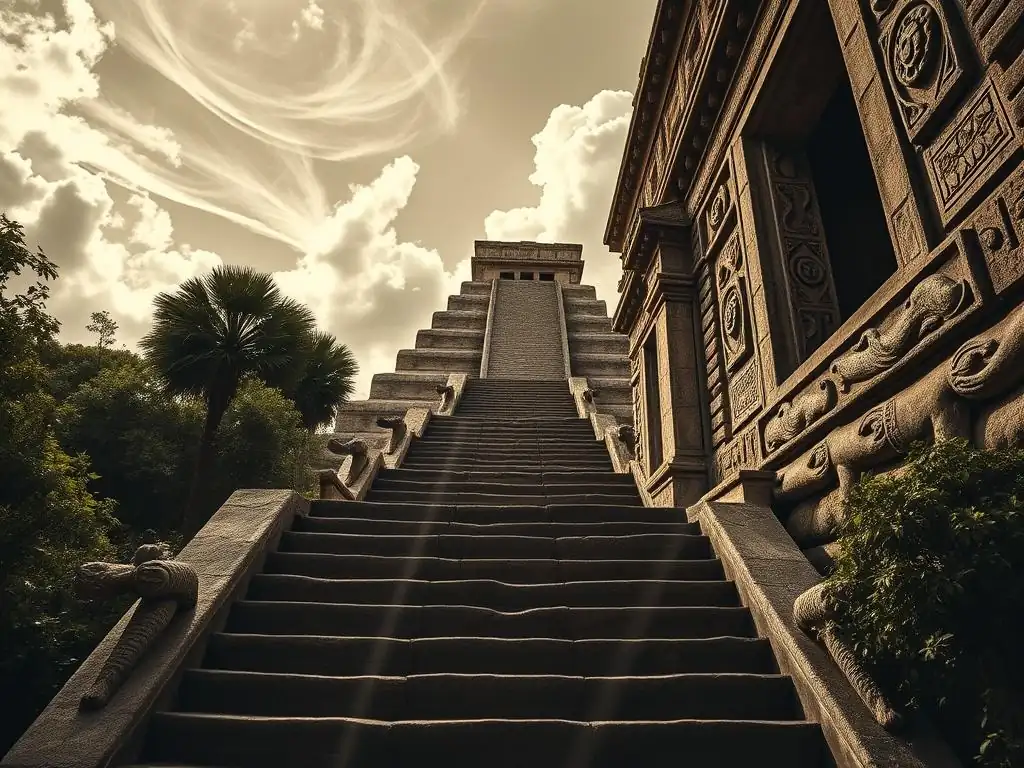
Mesoamerican architectural elements are rich in symbolism, reflecting the intricate belief systems and cultural values of the civilizations that created them. These elements serve not only as functional components of structures but also as expressions of spiritual and societal ideals. The symbolism embedded in Mesoamerican architecture can be observed through various motifs, materials, and designs that convey deeper meanings.
Religious Significance of Mesoamerican Architectural Designs
Religious beliefs played a crucial role in the design of Mesoamerican structures. Temples, pyramids, and ceremonial centers were often constructed to honor deities and facilitate rituals. For instance, the Great Pyramid of Cholula, one of the largest pyramids in the world, was dedicated to the god Quetzalcoatl and served as a significant religious site. The use of specific architectural elements, such as staircases leading to temple tops, symbolizes the connection between the earth and the divine.
- Sacred Geometry: Many Mesoamerican cultures employed sacred geometry in their architecture to reflect cosmic order. The layout of cities like Teotihuacan was meticulously planned to align with celestial bodies, emphasizing the importance of astronomy in their religious practices.
- Symbolic Materials: The choice of materials also held religious significance. For example, the use of limestone in the construction of temples was not only practical but also symbolized purity and the divine.
The Role of Geometric Patterns in Mesoamerican Architecture
Geometric patterns are a defining feature of Mesoamerican architectural elements, serving both aesthetic and symbolic purposes. These patterns often reflect the cultural identity and artistic sensibilities of the civilizations that created them.
- Repetitive Motifs: Geometric motifs, such as zigzags, spirals, and triangles, are prevalent in the facades of temples and ceremonial structures. These designs are not only visually striking but also convey themes of continuity and the cyclical nature of life.
- Cultural Narratives: Different geometric patterns often tell stories or represent significant cultural themes. For example, the Maya utilized intricate carvings that depicted their mythological narratives, thereby integrating storytelling into the architectural elements.
The significance of these patterns extends beyond mere decoration; they encapsulate the philosophical and cosmological beliefs of Mesoamerican societies.
Alignment with Astronomical Events in Mesoamerican Structures
Mesoamerican civilizations were keen observers of the cosmos, and this understanding profoundly influenced their architectural designs. Many structures were deliberately aligned with astronomical events, reflecting the deep connection between the heavens and daily life.
- Solar Alignments: Structures such as the El Castillo pyramid at Chichen Itza were designed to align with the equinoxes. During the spring and fall equinoxes, the sunlight creates the illusion of a serpent descending the stairs of the pyramid, symbolizing the return of the feathered serpent deity, Kukulkan.
- Lunar Observations: The Maya also constructed observatories, such as the one at Uxmal, to track lunar cycles. These structures were essential for creating calendars and planning agricultural activities, demonstrating how architecture served practical purposes rooted in astronomical observations.
The alignment of Mesoamerican architectural elements with celestial events illustrates the sophistication of these ancient cultures and their profound understanding of the universe. Through these architectural practices, they not only constructed physical spaces but also created a framework to connect their earthly existence with the cosmos.
Regional Variations in Mesoamerican Architectural Elements
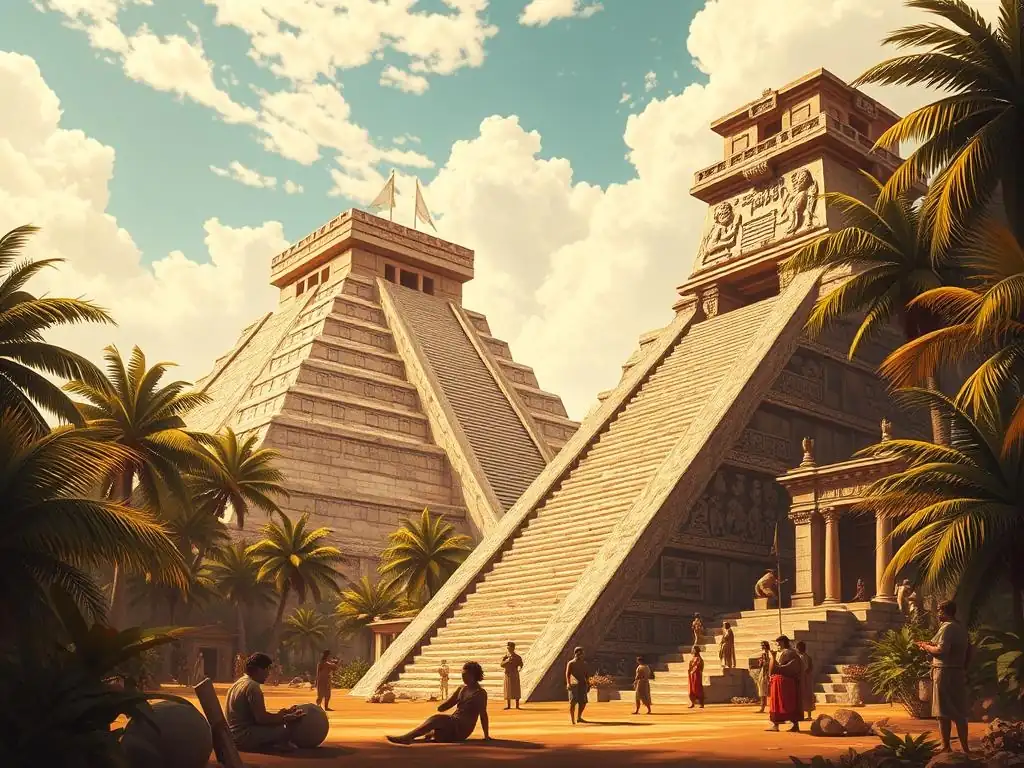
Mesoamerican architectural elements are characterized by a rich tapestry of styles that vary significantly across different cultures and regions. Each civilization developed unique architectural features influenced by their geographical location, available materials, and cultural practices. The diversity in architectural styles reflects the complex social, political, and religious structures of these societies, providing insight into their way of life and worldview.
Differences in Architectural Styles Across Mesoamerican Cultures
- Olmec Architecture:
- The Olmecs, considered the "mother culture" of Mesoamerica, are known for their colossal stone heads and earthen mounds. Their architecture emphasized monumentalism and was often constructed with basalt, a heavy volcanic rock, which showcased their mastery in carving.
- Key features include:
- Platform Mounds: Used for ceremonial purposes, often serving as foundations for temples.
- Sculptural Elements: Elaborate carvings that depicted deities and important figures.
- Mayan Architecture:
- The Maya civilization is renowned for its intricate and sophisticated architectural designs. Their structures often included tall pyramids, palaces, and observatories, constructed from limestone.
- Distinctive elements include:
- Step Pyramids: Such as those found in Tikal and Chichen Itza, which served both religious and astronomical functions.
- Corbel Arch: A construction technique that allowed for larger doorways and ceilings without the need for true arches.
- Teotihuacan Architecture:
- Teotihuacan, a major urban center, is famous for its grand avenue and monumental pyramids. Its architecture reflects a highly organized society with a complex urban layout.
- Notable features include:
- The Pyramid of the Sun and Moon: These structures showcase the city's alignment with celestial events.
- Avenue of the Dead: A central thoroughfare lined with temples and residential complexes, illustrating the city's planned nature.
- Toltec and Aztec Architecture:
- The Toltecs and later the Aztecs incorporated elements from previous cultures while adding their unique stylistic touches.
- Characteristics include:
- Templo Mayor: The central temple in Tenochtitlan, reflecting duality in worship and featuring elaborate carvings and altars.
- Use of Color: Aztec architects frequently painted their buildings, adding vibrant hues that symbolized various meanings.
Case Study: The Pyramids of Teotihuacan
Teotihuacan's pyramids serve as a quintessential example of Mesoamerican architectural elements. The Pyramid of the Sun is one of the largest structures in Mesoamerica, standing at 65 meters (213 feet) tall. It is constructed from a combination of volcanic stone and adobe, showcasing the advanced engineering techniques of the time.
- Construction Techniques:
- The pyramid was built in multiple phases, with layers that reflect the skill of local artisans. The use of talud-tablero (a sloping base topped with a vertical panel) is particularly notable, as it became a hallmark of Mesoamerican architecture.
- Cultural Significance:
- The pyramid is aligned with celestial bodies, indicating its importance in religious rituals and astronomical observations. It is believed that the structure was dedicated to the sun deity, reflecting the cosmological beliefs of the Teotihuacan society.
- Influence on Later Cultures:
- The design and layout of Teotihuacan influenced subsequent civilizations, including the Aztecs, who revered it as a sacred site. The architectural elements found here can be seen echoed in later Mesoamerican constructions.
Case Study: The Architecture of Mayan Cities
Mayan cities present a remarkable array of architectural innovations that highlight their advanced knowledge in urban planning, construction, and artistry. Key examples include:
- Tikal:
- This city features towering pyramids like Temple I, which stands at 47 meters (154 feet). The use of corbel arches and extensive plazas demonstrate the Maya's engineering prowess.
- Stelae: Tall stone monuments carved with intricate hieroglyphs, often depicting rulers and significant events, are common throughout the city.
- Palenque:
- Known for its ornate buildings and elaborate carvings, Palenque showcases the integration of architecture and art. The Palace of Palenque features a unique combination of residential and administrative spaces, along with a distinctive tower.
- Relief Sculptures: These are prevalent on the walls of temples, depicting gods, rituals, and historical events, emphasizing the cultural narrative embedded in their architecture.
- Copán:
- This site is famous for its detailed hieroglyphic stairway and intricately carved altars, reflecting the Maya's commitment to recording their history and beliefs through architecture.
- Ball Courts: Integral to Mayan society, these structures were often located in ceremonial centers, underscoring the significance of the Mesoamerican ballgame in social and religious contexts.
The study of Mesoamerican architectural elements reveals a dynamic interplay of culture, religion, and artistry across different civilizations. Each society's unique contributions to architecture not only shaped their environments but also left a lasting legacy that continues to influence modern architectural practices.
Influence of Mesoamerican Architectural Elements on Modern Design
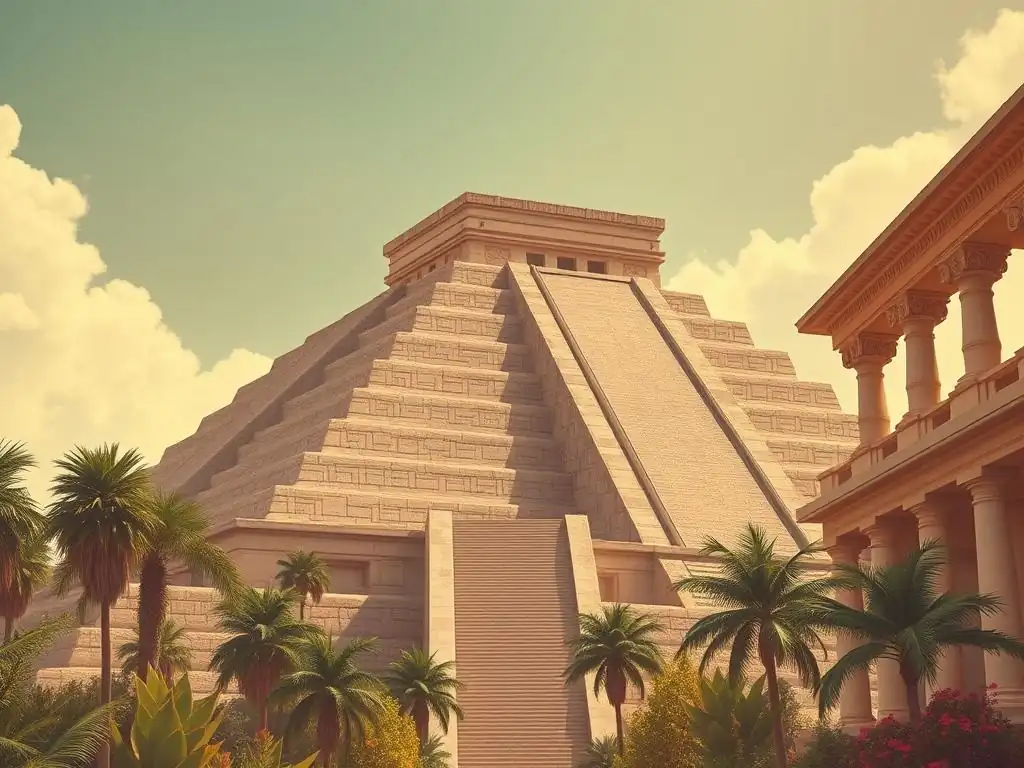
Mesoamerican architectural elements have significantly influenced modern design, particularly in the realms of public buildings, cultural institutions, and residential architecture. The principles derived from the architectural practices of ancient civilizations such as the Maya, Aztec, and Olmec are evident in contemporary structures that seek to harmonize with the environment, reflect cultural identity, and utilize innovative construction techniques.
Legacy of Mesoamerican Architecture in Contemporary Architecture
The legacy of Mesoamerican architecture can be seen in several key design elements that modern architects have integrated into their work:
- Use of Local Materials
- Mesoamerican builders often utilized locally sourced materials like adobe, stone, and wood. This practice has been revisited by contemporary architects who prioritize sustainability and eco-friendliness in their designs.
- For example, the National Museum of the American Indian in Washington, D.C., employs local stone and wood to create a structure that resonates with its cultural context.
- Integration with Nature
- Ancient Mesoamerican architecture emphasized a strong connection with the surrounding landscape. Structures were often built to complement natural features, such as hills or rivers.
- Modern architecture, like the Casa Ventura in Mexico, showcases similar principles, where the building's design harmonizes with its natural environment, integrating indoor and outdoor spaces.
- Geometric Forms and Patterns
- The intricate geometric patterns found in Mesoamerican temples and pyramids have inspired contemporary designers. These patterns not only hold aesthetic value but also carry symbolic meanings.
- The El Tepeyac project in Mexico City incorporates geometric motifs reminiscent of ancient designs, creating a dialogue between past and present.
- Symbolism and Cultural Expression
- Mesoamerican architecture was rich in symbolism, often reflecting the beliefs and values of the society. This has led to a resurgence of culturally significant design in modern architecture.
- Architects like Luis Barragán have drawn from Mesoamerican symbolism to create spaces that evoke emotional and cultural connections.
By studying and integrating these elements, modern architects not only pay homage to Mesoamerican heritage but also enrich their designs with depth and meaning.
Preservation of Mesoamerican Architectural Techniques
Preserving Mesoamerican architectural techniques is crucial for maintaining cultural heritage and providing insights into historical construction methods. Various efforts are underway to safeguard these techniques, including:
- Educational Programs
- Institutions and universities in Mexico and Central America offer courses on traditional building methods, ensuring that knowledge is passed down to future generations.
- Workshops focused on adobe construction and stone masonry are becoming increasingly popular, allowing artisans and students to engage directly with these ancient techniques.
- Restoration Projects
- Numerous restoration projects aim to preserve ancient sites such as the Pyramids of Teotihuacan and the Maya ruins of Tikal. These projects not only stabilize and restore these sites but also serve as a means to study and document traditional construction methods.
- International collaborations often involve archaeologists and architects working together to ensure that restoration efforts maintain the integrity of the original structures.
- Cultural Collaborations
- Collaborations between indigenous communities and architects can foster a deeper understanding of traditional techniques and their significance. By involving local artisans in contemporary projects, architects can ensure that traditional methods are respected and preserved.
- Initiatives like the Maya Cultural Heritage Program work directly with communities to revitalize ancient construction techniques while also providing economic opportunities.
The preservation of Mesoamerican architectural techniques is vital not only for cultural heritage but also for the continued evolution of architectural practices that respect and celebrate indigenous traditions. As modern design continues to evolve, the influence of Mesoamerican architectural elements remains a testament to the ingenuity and creativity of these ancient civilizations.
Conclusion: The Lasting Impact of Mesoamerican Architectural Elements
Mesoamerican architectural elements represent a significant aspect of the cultural heritage of the indigenous civilizations of the Americas. The architectural achievements of these societies, from the monumental pyramids of the Maya to the intricate stone work of the Aztecs, reflect not only their advanced engineering skills but also their deep spiritual and cosmological beliefs. These architectural elements have resonated through time, influencing not only subsequent indigenous practices but also modern architecture across the Americas and beyond.
The legacy of Mesoamerican architecture is evident in contemporary structures that draw inspiration from ancient designs, integrating traditional motifs and materials. As we analyze the impact of these elements, it becomes clear that they serve a dual purpose: they are both functional and symbolic, embodying the identity and values of the societies that created them.
Summary of Key Mesoamerican Architectural Features
The architectural landscape of Mesoamerica is characterized by several distinct elements that define its style and purpose. Here are some key features:
- Pyramids and Platforms:
- Major examples include the Pyramid of the Sun and Pyramid of the Moon in Teotihuacan. These structures often served as ceremonial centers and were aligned with astronomical events.
- Temples:
- Temples were typically built on top of pyramids and were adorned with intricate carvings and sculptures, many of which depicted deities and mythological narratives.
- Ball Courts:
- Unique to Mesoamerican culture, ball courts were used for the ritual ballgame, symbolizing themes of life, death, and the cyclical nature of time.
- Columns and Arches:
- Although less common than in other architectural traditions, some Mesoamerican sites showcase columns and arches, often decorated with ornate carvings.
- Stone Carvings and Reliefs:
- Elaborate stone work serves both decorative and narrative purposes, often illustrating historical events, religious beliefs, and cultural values.
- City Layouts:
- Cities were often organized around a central plaza, with important structures such as temples, palaces, and marketplaces arranged symmetrically to reflect cosmic order.
These elements illustrate a sophisticated understanding of construction techniques and a profound connection to the cosmos and the environment.
Reflection on the Importance of Mesoamerican Architecture in Understanding Indigenous Civilizations
The study of Mesoamerican architectural elements is essential for a comprehensive understanding of the indigenous civilizations that thrived in the region. These structures are not mere remnants of the past; they are a tapestry of history, culture, and identity.
- Cultural Identity:
- Architecture served as a canvas for expressing the unique cultural identity of each civilization, showcasing their values, beliefs, and social hierarchy. The grandeur of a temple or the scale of a pyramid reflects the civilization's aspirations and achievements.
- Societal Organization:
- The layout of cities and the positioning of structures signify a high level of societal organization and planning. This indicates the importance of ritual, governance, and trade in Mesoamerican life, showcasing how architecture was intertwined with everyday activity.
- Connection to Nature:
- Mesoamerican architecture often demonstrates a deep reverence for nature, with designs that harmonize with the landscape and astronomical elements, further emphasizing the indigenous peoples' relationship with their environment.
- Influence on Future Generations:
- The architectural practices of Mesoamerican civilizations laid foundations for later cultures. Their innovations continue to inspire architects and artists today, preserving the legacy of these ancient peoples.
The architectural elements of Mesoamerica are not only remarkable in their construction but also in their ability to convey the richness of indigenous cultural narratives. Understanding these elements provides profound insights into the complexities and advancements of Mesoamerican societies, underscoring their lasting impact on the cultural landscape of the Americas.
Frequently Asked Questions
What are the main Mesoamerican architectural elements discussed in the article?
The article highlights key features such as pyramids, platforms, and ball courts that were integral to Mesoamerican architecture.
How did Mesoamerican architecture reflect the culture of its societies?
Mesoamerican architecture showcased religious beliefs, political power, and social organization, illustrating the complexity of these ancient civilizations.
What role did religion play in Mesoamerican architectural design?
Religious practices heavily influenced Mesoamerican architecture, with structures often built to honor deities and serve as ceremonial centers.
Can you explain the significance of pyramids in Mesoamerican cultures?
Pyramids served as monumental structures that symbolized both spiritual and political significance, often acting as platforms for rituals and ceremonies.
What lasting impact did Mesoamerican architectural elements have on modern architecture?
The innovative designs and techniques of Mesoamerican architecture continue to inspire contemporary architects, showcasing the enduring legacy of these ancient civilizations.
Final Reflection: The Enduring Legacy of Mesoamerican Architectural Elements
The intricate artistry and innovative designs of Mesoamerican architecture remain profoundly relevant today, as they not only reflect the rich cultural heritage of ancient civilizations but also inspire contemporary architectural practices. The architectural elements that defined these ancient structures—such as step pyramids, intricate stone carvings, and expansive plazas—continue to resonate in modern design, reminding us of the ingenuity and creativity that transcends time. As we navigate our own architectural landscapes, we must acknowledge the influence of these historical masterpieces and their ability to shape our understanding of space and community.
The impact of Mesoamerican architectural elements extends beyond mere aesthetics; they embody a deep connection to cultural identity and social structure. The way these ancient societies constructed their environments speaks volumes about their values, beliefs, and communal life. As we witness a resurgence of interest in sustainable and culturally sensitive architecture, we can draw inspiration from the past to create spaces that honor both tradition and innovation. Architecture is the learned game, correct and magnificent, of forms assembled in the light.
– Le Corbusier. This quote encapsulates the essence of how Mesoamerican architecture harmonized form and function, serving as a timeless lesson for modern architects and designers.
As we reflect on the themes presented in this article, I invite you to consider how the principles of Mesoamerican architectural elements can inform your own life and work. Embrace the creativity and cultural significance that these ancient designs represent, and let them inspire you to create spaces that foster community, connection, and a sense of belonging. Whether you are an architect, an artist, or simply a lover of history, take a moment to appreciate the profound legacy of Mesoamerican architecture and think about how you can incorporate its lessons into your own journey.
Unveil the Beauty of Mesoamerican Architecture!
Thank you for exploring the fascinating world of Mesoamerican architecture! We hope you’ve gained a deeper appreciation for the artistic elements that define these incredible structures. Now, it’s time to take this knowledge further and truly connect with these cultural treasures.
Here are a few practical steps you can take:
- Explore virtual tours of iconic Mesoamerican sites like Teotihuacan and Chichen Itza to experience their magnificence firsthand.
- Share your favorite architectural feature from Mesoamerican culture with family or friends, sparking engaging conversations about these rich histories.
- Consider diving deeper into the topic: choose a book or documentary focused on Mesoamerican civilizations to broaden your understanding.
What inspires you most about Mesoamerican architecture, and how do you plan to share that inspiration with others?