
Connecting the Dots: Recent Excavations That Illuminate Indigenous Social Structures

Welcome to Indigenous Civilizations of the Americas, where we invite you to embark on a fascinating journey through the rich tapestry of indigenous cultures that flourished long before European contact. Our featured article, "Connecting the Dots: Recent Excavations That Illuminate Indigenous Social Structures", delves deep into the captivating world of indigenous social structures archaeology. Discover how groundbreaking excavations are reshaping our understanding of these vibrant societies and their remarkable achievements.
As you explore, you'll uncover the layers of history that continue to influence the present, sparking curiosity about the past and its enduring legacy. Join us in unraveling the stories that connect us all!
- Introduction to Indigenous Social Structures Archaeology
- Key Excavation Sites Revealing Indigenous Social Structures
- Comparative Analysis of Excavation Findings
- The Role of Technology in Indigenous Social Structures Archaeology
- Case Studies Highlighting Indigenous Social Structures
- Conclusion: The Future of Indigenous Social Structures Archaeology
- References
-
Frequently Asked Questions
- What are Indigenous social structures in the context of archaeology?
- How do recent excavations contribute to our understanding of Indigenous social structures?
- Why is it important to study Indigenous social structures?
- What methods do archaeologists use to uncover Indigenous social structures?
- How do Indigenous social structures impact modern understanding of Indigenous cultures?
- Final Reflection: Illuminating Indigenous Social Structures Through Archaeology
- Uncover the Stories Behind Indigenous Social Structures!
The study of indigenous social structures archaeology is vital for comprehending the intricate societies that flourished across the Americas long before European contact. Through recent excavations, researchers have begun to piece together the diverse social fabrics of these civilizations, revealing complex hierarchies, kinship systems, and community dynamics.
By analyzing artifacts, settlement patterns, and burial practices, archaeologists uncover the rich tapestry of indigenous life, allowing us to appreciate their achievements and contributions to human history. This exploration not only enriches our understanding of the past but also challenges preconceived notions about the simplicity of indigenous cultures, highlighting their resilience and adaptability in the face of changing environments and social pressures.
Understanding indigenous social structures is crucial for several reasons. First, it provides insight into how these communities organized themselves, governed, and interacted with each other. Many indigenous societies had sophisticated systems of governance, trade networks, and social roles that shaped their daily lives. By studying these structures, we gain a better understanding of their cultural values and societal norms.
- Cultural Heritage: Recognizing the complexity of indigenous social structures helps in preserving their cultural heritage. It emphasizes the importance of these societies in the broader narrative of human history.
- Social Dynamics: Analyzing social structures allows researchers to explore how power and resources were distributed within these communities, shedding light on issues of equality, leadership, and conflict resolution.
- Contemporary Relevance: Understanding these historical frameworks informs contemporary discussions on indigenous rights, land claims, and cultural revitalization. It highlights the ongoing impact of colonialism and the need for recognition and respect for indigenous knowledge systems.
Overview of Recent Excavations in North America
Recent archaeological excavations across North America have significantly advanced our understanding of indigenous social structures. These sites, often characterized by their unique artifacts and architectural features, have provided invaluable data that challenge previous assumptions about these ancient cultures.
Some notable excavations include:
- Cahokia Mounds (Illinois): This UNESCO World Heritage Site has revealed evidence of a vast urban center that thrived between 600 and 1400 CE. The mound construction, along with large-scale trade networks, indicates a sophisticated political and social organization.
- Chaco Canyon (New Mexico): Excavations here have uncovered evidence of a complex society that engaged in extensive trade and had significant architectural achievements, such as multi-story buildings and intricate road systems. These findings suggest a highly organized social structure that facilitated communication and resource distribution.
- Mound Builder Sites (Ohio River Valley): Recent work at these sites has provided insights into the elaborate burial practices and community organization of the Mound Builders, indicating a rich spiritual and cultural life intertwined with their social structures.
Through these excavations, scholars are connecting the dots between artifacts, social organization, and cultural practices, leading to a deeper understanding of indigenous social structures in North America. Continued research promises to unveil even more about the lives of these remarkable civilizations, enriching our collective history and appreciation of their contributions.
Site 1: Cahokia
Historical Context of Cahokia
Cahokia, located near modern-day St. Louis, Missouri, was one of the largest and most influential urban centers in pre-Columbian North America. Flourishing from approximately 600 to 1400 CE, Cahokia served as a hub for trade, politics, and culture among various indigenous groups. The city was characterized by its impressive earthen mounds, the most notable being Monk's Mound, which is the largest pre-Columbian earthwork in the Americas.
The inhabitants of Cahokia developed complex social hierarchies, with evidence of a ruling elite that governed the city's diverse population. The archaeological findings at Cahokia have significantly contributed to our understanding of the social dynamics of indigenous civilizations in the region.
Findings Related to Social Organization
Recent excavations at Cahokia have uncovered a wealth of artifacts and structural remains that illuminate the city's intricate social organization. Key findings include:
- Mound Construction: The sheer scale and labor involved in constructing mounds indicate a highly organized society with specialized labor forces. The mounds likely served ceremonial and political functions, suggesting a hierarchical structure.
- Residential Patterns: Analysis of housing structures reveals a stratified society, with larger, more elaborate homes likely belonging to the elite. In contrast, smaller dwellings were occupied by commoners, illustrating the social divide within Cahokia.
- Craft Production: Excavated tools and workshops indicate a division of labor, where certain individuals specialized in crafting goods, further reinforcing social roles within the community.
These findings suggest a complex interplay between social classes, with a governing elite exerting control over resources and labor.
Implications for Understanding Indigenous Societies
The excavations at Cahokia challenge previous assumptions about indigenous societies being solely nomadic or simplistic. Instead, they reveal a sophisticated urban environment with well-defined social structures. The evidence of centralized authority and social stratification provides insight into the governance and organizational strategies employed by indigenous groups.
Moreover, Cahokia serves as a case study for understanding the broader patterns of indigenous social structures across the Americas. The societal complexities observed here may reflect similar dynamics in other indigenous cultures, emphasizing the need for continued archaeological research.
Site 2: Chaco Canyon
Historical Context of Chaco Canyon
Chaco Canyon, located in northwestern New Mexico, was a significant cultural and political hub for the Ancestral Puebloans from approximately 900 to 1150 CE. Known for its monumental architecture and extensive road systems, Chaco Canyon was a center for trade, ritual, and governance, influencing a vast region of the American Southwest.
The site is characterized by impressive stone buildings, such as Pueblo Bonito, which housed hundreds of people and served as a focal point for ceremonial activities. The construction techniques and urban planning evident in Chaco Canyon signify advanced engineering skills and social coordination among its inhabitants.
Insights into Community Structures
Recent archaeological investigations in Chaco Canyon have provided critical insights into the community structures of the Ancestral Puebloans. Key discoveries include:
- Kivas: The presence of large, circular ceremonial structures known as kivas indicates the importance of communal rituals in social life. Kivas served as gathering spaces for religious ceremonies and decision-making, highlighting the role of spirituality in governance.
- Trade Networks: Artefacts such as turquoise, seashells, and pottery from distant regions suggest that Chaco Canyon was a central node in extensive trade networks. This exchange of goods supports the idea of interconnected communities and economic specialization.
- Territorial Organization: Studies of the surrounding landscape reveal planned road systems leading to Chaco Canyon, indicating a deliberate effort to connect various settlements. This suggests a well-organized political structure that facilitated control over resources and trade routes.
These findings underscore the complexity of social relationships and the significance of communal identity in Chacoan society.
Impact of Findings on Indigenous Social Structures Archaeology
The archaeological discoveries at Chaco Canyon have profound implications for indigenous social structures archaeology. They challenge the notion of isolated or simplistic societies, instead presenting a model of interconnectedness and complexity.
The evidence of organized labor, trade networks, and communal rituals highlights the sophisticated governance systems that existed among the Ancestral Puebloans. As archaeologists continue to uncover more about Chaco Canyon, there is a growing recognition of the need to reevaluate the narratives surrounding indigenous social structures in the Americas.
Both Cahokia and Chaco Canyon exemplify the rich tapestry of indigenous social structures, offering invaluable insights into the achievements and complexities of pre-Columbian societies. The ongoing research at these sites will undoubtedly continue to reshape our understanding of indigenous civilizations and their lasting impact on the Americas.
Site 3: Mesa Verde
Mesa Verde, located in the southwestern United States in Colorado, is one of the most significant archaeological sites related to the Ancestral Puebloans, also known as the Anasazi. This UNESCO World Heritage site is renowned for its well-preserved cliff dwellings, which were constructed between AD 600 and 1300. The site offers vital insights into the social, political, and economic structures of the indigenous communities that inhabited the region.
Historical Context of Mesa Verde
The history of Mesa Verde is marked by the transition from small nomadic bands to more complex societies engaged in agriculture and trade. The Ancestral Puebloans began settling in the region around AD 600, establishing agricultural practices that revolved around maize cultivation, which allowed for permanent settlements. Over the centuries, these communities developed sophisticated architectural techniques, culminating in the iconic cliff dwellings that are now a hallmark of indigenous engineering.
The environment of Mesa Verde, characterized by its high elevation and varied climate, influenced the inhabitants' social organization. The need for cooperation in agriculture, irrigation, and communal storage of resources fostered a sense of community and collective governance. This historical context sets the stage for understanding the intricate social structures that emerged in the area.
Discoveries Related to Governance and Leadership
Recent excavations at Mesa Verde have uncovered evidence of complex governance structures among the Ancestral Puebloans. Archaeologists have identified ceremonial centers and public architecture that suggest organized leadership roles within the community. For instance, the Great House complexes, which include multiple rooms, kivas (ceremonial chambers), and plazas, indicate a hierarchical social structure with designated leaders.
Artifacts such as pottery, tools, and ceremonial objects have been found in these communal spaces, suggesting that they served not only as living quarters but also as venues for political and social gatherings. The presence of elaborate kivas indicates that spiritual and political leaders likely held significant influence in decision-making processes, mediating between the community and the spiritual world.
Moreover, the layout of the dwellings and the distribution of resources point to organized labor and resource management systems, essential for sustaining larger populations. This evidence collectively paints a picture of a well-structured society with defined roles and responsibilities.
Contributions to the Study of Indigenous Social Structures
The archaeological findings at Mesa Verde have made substantial contributions to our understanding of indigenous social structures in North America. By examining the architectural designs, artifact distributions, and community layouts, researchers have gained insights into the complexities of Ancestral Puebloan society.
These discoveries challenge previous assumptions that indigenous societies were uniformly egalitarian. Instead, the evidence from Mesa Verde highlights the existence of social stratification, where leadership roles, economic practices, and ceremonial responsibilities were distributed among community members. This nuanced understanding allows for a deeper appreciation of the diversity and adaptability of indigenous social structures across different geographical regions.
Furthermore, the integration of archaeological findings with ethnographic studies of contemporary Puebloan tribes enhances our understanding of continuity and change in social organization. This comprehensive approach not only enriches our knowledge of the past but also underscores the enduring legacy of indigenous cultures in contemporary society.
Comparative Analysis of Excavation Findings
Recent archaeological excavations across various North American sites have revealed intricate details about Indigenous social structures, providing a wealth of information that contributes to a broader understanding of these complex societies. By comparing findings from different regions, researchers can identify common themes as well as distinct variations that reflect the diversity of Indigenous cultures prior to European contact.
Common Themes Across Sites
A striking observation from recent excavations is the presence of communal structures that served as focal points for social interaction. Across various sites, such as Cahokia in the Midwest and Chaco Canyon in the Southwest, large ceremonial centers have been uncovered, indicating a shared emphasis on community engagement and ritual practices. These structures often featured:
- Public plazas for gatherings and rituals
- Sacred spaces for religious ceremonies
- Hierarchical arrangements that suggest organized leadership
Moreover, the findings frequently highlight the importance of trade networks among different Indigenous groups. Artifacts such as pottery, tools, and ornaments from distant regions have been discovered in many sites, suggesting active participation in regional exchange systems. For example, at the Cahokia site, archaeologists found shell beads from the Gulf Coast, illustrating long-distance trade routes and the interconnectedness of various societies.
While common themes emerge, significant differences in social structures can also be observed across regions.
- Northeast Woodlands: Excavations in this area, particularly at sites like the Iroquois Confederacy, reveal a matrilineal society where lineage and inheritance were traced through women. Longhouses served as multi-family dwellings, emphasizing kinship ties and communal living.
- Great Plains: In contrast, the Plains Indigenous groups, such as the Lakota and Cheyenne, exhibited more mobile social structures. Archaeological findings suggest that they relied on bison hunting, leading to seasonal migrations and a more egalitarian social organization focused on kinship and clan systems.
- Southwest: The Pueblo peoples, as evidenced by excavations at sites like Mesa Verde, displayed complex social hierarchies with advanced agricultural practices. Their multi-storied dwellings and kivas indicate a structured society with a strong emphasis on communal rituals and leadership roles.
The environment played a crucial role in shaping Indigenous social structures across North America. Various climatic and geographical factors influenced settlement patterns, subsistence strategies, and societal organization.
- Agriculture: In fertile areas like the Mississippi River Valley, the ability to cultivate crops such as maize, beans, and squash fostered more permanent settlements. This agricultural abundance allowed for population growth and the development of social hierarchies, as surplus production led to trade and specialization.
- Resource Availability: In coastal regions, such as the Pacific Northwest, abundant marine resources supported complex societies with intricate social stratifications. Evidence from sites like Ozette reveals sophisticated fishing techniques and a reliance on salmon, which were central to both diet and cultural practices.
- Mobility and Adaptation: Conversely, in arid regions like the Southwest, the need for mobility due to limited resources shaped the social structures of Indigenous groups. This adaptability is reflected in archaeological sites where evidence of seasonal camps and a focus on temporary dwellings can be observed.
The comparative analysis of recent excavation findings underscores the complexity and diversity of Indigenous social structures across North America. By examining common themes, regional differences, and environmental influences, researchers continue to illuminate the rich tapestry of Indigenous societies that thrived long before European contact. Understanding these dynamics enhances our appreciation of the achievements and resilience of Indigenous cultures throughout history.
Innovative Techniques Used in Recent Excavations
Recent excavations of North American indigenous sites have increasingly leveraged advanced technology to uncover the complexities of indigenous social structures. These innovations not only enhance the efficiency of archaeological digs but also improve the accuracy of the findings. Here are some of the key techniques employed:
- Ground-Penetrating Radar (GPR):
- GPR is a non-invasive method that uses radar pulses to image the subsurface. This technology allows archaeologists to identify buried structures and artifacts without disturbing the ground. For example, GPR has revealed the layout of ancient villages, indicating how indigenous peoples organized their living spaces.
- LiDAR (Light Detection and Ranging):
- LiDAR technology employs laser scanning to create detailed topographical maps. This technique has been pivotal in revealing previously obscured archaeological features in densely wooded areas. By mapping changes in elevation, researchers have been able to locate ceremonial sites and agricultural fields that were previously hidden.
- Digital Mapping and GIS:
- Geographic Information Systems (GIS) allow archaeologists to analyze spatial relationships between artifacts and structures. By integrating data from various sources, researchers can create comprehensive maps that illustrate the social dynamics of indigenous communities. This has led to insights into trade routes, settlement patterns, and resource management.
- 3D Modeling and Virtual Reality:
- 3D modeling tools enable archaeologists to reconstruct ancient environments and structures digitally. This technology not only aids in visualizing the past but also facilitates public engagement through virtual reality experiences. For instance, visitors can explore reconstructions of indigenous sites as they might have appeared centuries ago.
- Drones:
- Drones are utilized for aerial surveys, providing a bird's-eye view of excavation sites. This perspective helps in identifying large-scale patterns and features that are difficult to discern from the ground. Drones have been particularly effective in mapping expansive indigenous landscapes, revealing insights into land use and social organization.
The integration of technology into the study of indigenous social structures has transformed our understanding of these complex societies. Here are several ways technology enhances this understanding:
-
Data Collection and Analysis:
Technology allows for the collection of vast amounts of data, which can be analyzed to draw meaningful conclusions about social hierarchies and community interactions. For example, isotope analysis of human remains can provide information on diet and mobility, shedding light on trade relationships and social networks.
-
Interdisciplinary Collaboration:
Advances in technology have fostered collaboration between archaeologists and scientists from various fields, such as geology, anthropology, and environmental science. This interdisciplinary approach allows for a more holistic understanding of indigenous social structures, incorporating insights from different perspectives.
-
Revisiting Historical Narratives:
Technology enables researchers to challenge and refine existing historical narratives. By uncovering new evidence and re-evaluating previous assumptions, archaeologists can paint a more nuanced picture of indigenous societies. For instance, the use of advanced dating techniques has led to revisions in the timelines of settlement and cultural development.
-
Public Engagement and Education:
Engaging the public through technology enhances awareness and appreciation of indigenous cultures. Digital archives, interactive maps, and virtual reality experiences promote a deeper understanding of indigenous social structures and their relevance today. This connection fosters a greater respect for the histories and contributions of these civilizations.
-
Preservation of Cultural Heritage:
Using technology for documentation and analysis helps preserve knowledge about indigenous social structures. Techniques such as 3D scanning and digital archiving ensure that information about archaeological finds is maintained for future generations, contributing to the ongoing dialogue about indigenous identities and histories.
The application of technology in indigenous social structures archaeology is not just about improving excavation techniques; it fundamentally alters the way researchers interpret and understand the past. As new technologies continue to emerge, they will undoubtedly provide even deeper insights into the rich tapestry of indigenous cultures across North America.
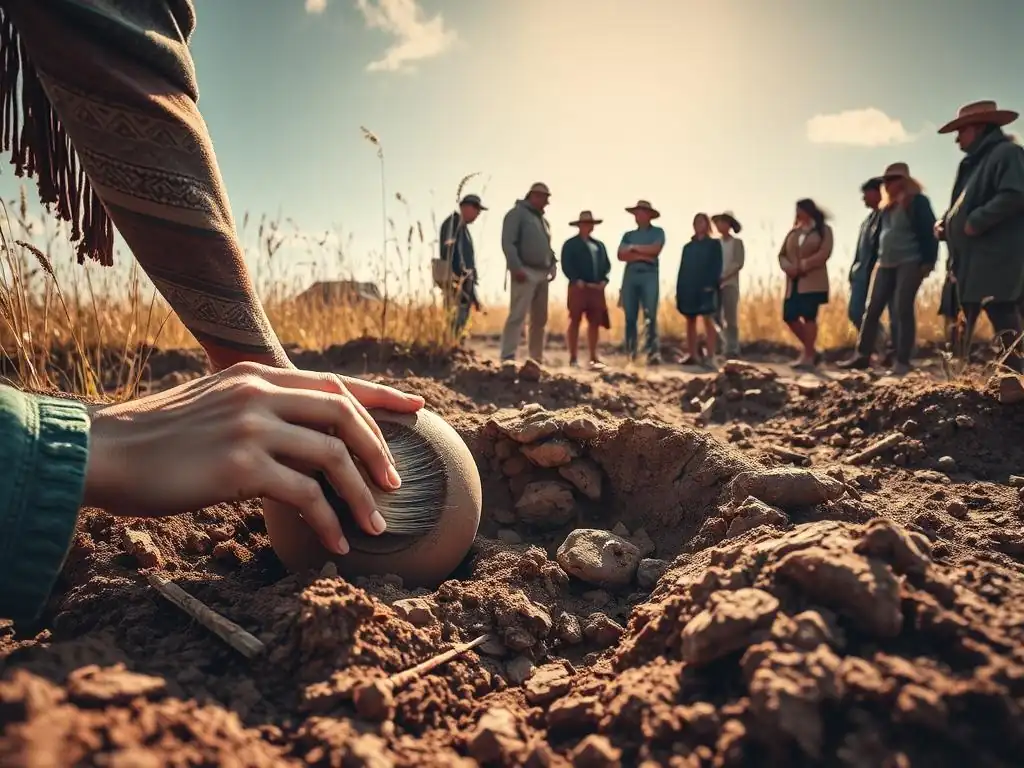
Case Study 1: The Excavation of the Tlingit Village
Overview of the Excavation
The recent excavation of a Tlingit village located in Southeast Alaska has provided a rich tapestry of insights into the indigenous social structures of the region. Conducted between 2021 and 2023, this archaeological project aimed to uncover the daily lives, civic organization, and cultural practices of the Tlingit people prior to European contact. Utilizing advanced techniques such as ground-penetrating radar and stratigraphic excavation, researchers unearthed a series of longhouses, totem poles, and ceremonial sites that illustrate the complex social hierarchy of the Tlingit.
Key Findings and Their Significance
The excavation revealed several key findings that underscore the sophisticated social structures within Tlingit society:
- Longhouse Architecture: The longhouses discovered were not merely residential; they served as communal hubs that reflected clan affiliations and social status. The size and ornamentation of a longhouse often indicated the wealth and power of its inhabitants.
- Totem Poles: The presence of intricately carved totem poles revealed not only artistic achievement but also familial lineage and tribal history. Each pole served as a narrative device, conveying stories of ancestry, migration, and significant events.
- Ceremonial Artifacts: Items such as ritual masks and potlatch regalia were found, indicating the importance of ceremonies in reinforcing social bonds and hierarchies. These artifacts highlight the Tlingit’s reliance on cultural practices to maintain community ties and governance.
The significance of these findings is profound; they challenge the previously held notion that Tlingit society was primarily egalitarian. Instead, evidence points to a well-defined class structure, with clear roles and responsibilities allocated among clan members.
How This Case Study Informs Future Research
This excavation of the Tlingit village serves as a model for future research in indigenous social structures archaeology. It emphasizes the importance of interdisciplinary approaches, combining anthropology, history, and archaeology to deepen our understanding of complex societies. Additionally, the methodologies employed in this excavation can be replicated in other regions, potentially uncovering similar insights into the social dynamics of other indigenous cultures across the Americas.
Case Study 2: The Analysis of the Ancestral Puebloan Sites
Overview of the Excavation
In the high desert of the American Southwest, recent excavations at several Ancestral Puebloan sites have provided significant revelations regarding their social structures. Spanning from 2020 to 2023, the research focused on key sites such as Chaco Canyon and Mesa Verde, utilizing archaeological surveys and excavation techniques to explore how these communities were organized and governed.
Key Findings and Their Significance
The findings from these Ancestral Puebloan sites have illuminated various aspects of their social structures:
- Kivas and Community Spaces: The discovery of kivas—ceremonial structures—suggests a complex social and religious life. These spaces served as focal points for community gatherings, indicating a blended role of spirituality and governance within the society.
- Trade Networks: Artifacts such as turquoise and pottery from distant regions indicate extensive trade networks, highlighting economic interdependence. This suggests that social structures were not only localized but also connected with broader regional dynamics.
- Architectural Organization: The layout of the sites demonstrates a hierarchical organization, with larger structures possibly serving as administrative or ceremonial centers. This spatial arrangement implies a level of social stratification and centralized authority.
These findings contribute to a more nuanced understanding of Ancestral Puebloan society, revealing that they were not merely nomadic or egalitarian but had developed intricate social and political systems.
Implications for Broader Archaeological Understanding
The implications of these findings extend beyond the Ancestral Puebloans, offering valuable insights into the archaeological study of indigenous social structures. By recognizing the complexities within these societies, researchers can better appreciate the diversity of indigenous experiences across the Americas. Moreover, this case study highlights the necessity of integrating local oral histories with archaeological data, fostering a more holistic understanding of indigenous social frameworks and their enduring legacies.
By exploring these case studies, we gain a deeper appreciation for the intricacies of indigenous social structures and the importance of archaeology in unveiling their histories. The ongoing research in these areas not only enriches our understanding of the past but also informs contemporary discussions about indigenous identity and heritage.
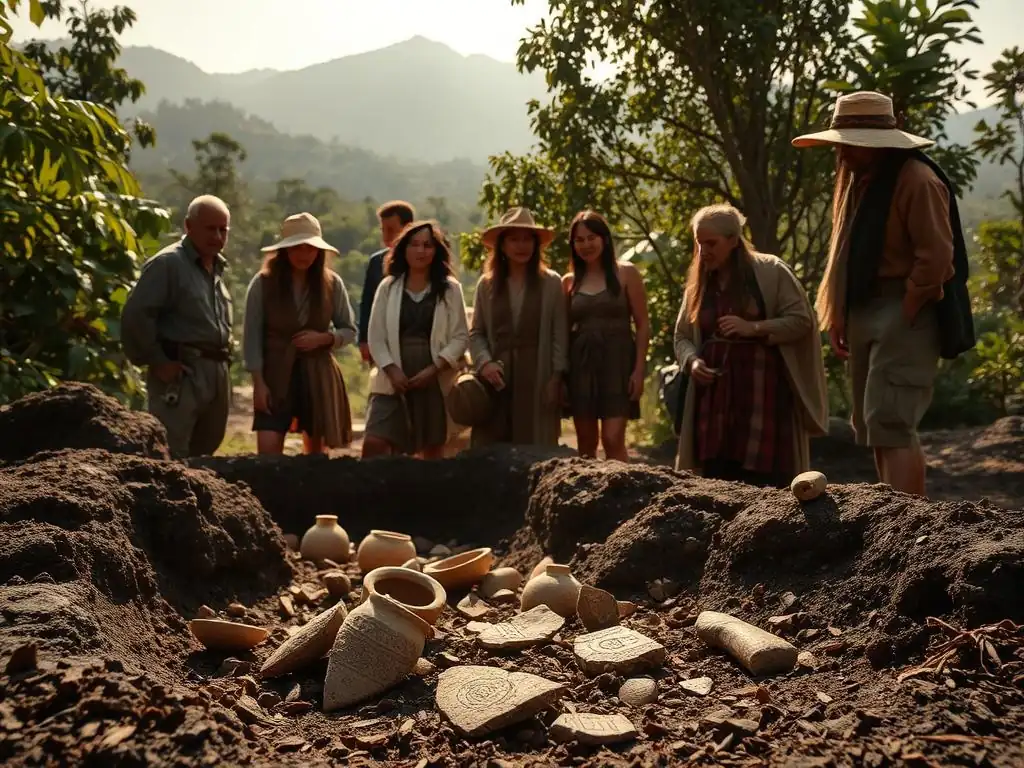
Summary of Key Insights from Recent Excavations
Recent excavations across North America have provided a wealth of information about Indigenous social structures, revealing intricate societal dynamics that were previously misunderstood or overlooked. Key findings include:
- Complex Settlement Patterns: Archaeologists have uncovered evidence of large, well-planned settlements that indicate advanced urban planning and social organization. For instance, the discovery of multi-family dwellings suggests a high level of cooperation and communal living among various tribes.
- Trade Networks: Artifacts such as beads, pottery, and tools from distant regions point to extensive trade networks. These connections not only facilitated economic exchanges but also fostered cultural interactions, further enriching Indigenous social structures.
- Ceremonial Sites: Excavations of ceremonial mounds and ritual landscapes provide insights into the spiritual and social lives of Indigenous peoples. These sites often served as centers for community gatherings, reinforcing social cohesion and shared identities.
- Agricultural Practices: Findings related to agriculture, such as the remains of domesticated plants and irrigation systems, highlight the sophistication of Indigenous farming techniques and their impact on social organization. This agricultural knowledge was crucial for sustaining larger populations.
Ongoing research in Indigenous social structures archaeology is vital for several reasons:
- Cultural Heritage Preservation: Continued excavations and studies help preserve the stories and contributions of Indigenous peoples, ensuring that their histories are recognized and respected.
- Correcting Historical Narratives: As new evidence emerges, it challenges long-held misconceptions about Indigenous societies being primitive or static. This research plays a critical role in reconstructing a more accurate and nuanced understanding of their complexities.
- Interdisciplinary Approaches: Archaeology, anthropology, and Indigenous studies can converge to create a holistic view of social structures. This interdisciplinary approach enriches the findings and fosters collaboration with Indigenous communities.
- Public Awareness and Education: Sharing discoveries with the public enhances awareness of Indigenous cultures, promoting respect and appreciation for their contributions to North American history.
Call to Action for Further Exploration and Preservation
As we look to the future of Indigenous social structures archaeology, it is essential to advocate for:
- Increased Funding: Supporting archaeological projects that focus on Indigenous sites will enable more extensive research and preservation efforts.
- Community Involvement: Engaging Indigenous communities in research initiatives ensures that their perspectives and knowledge are integrated. This collaboration can lead to more meaningful interpretations of archaeological findings.
- Legislation for Site Protection: Stronger laws and policies are needed to protect Indigenous archaeological sites from vandalism and development, preserving these irreplaceable cultural resources for future generations.
- Educational Programs: Investing in educational initiatives that highlight the importance of Indigenous histories and contributions can foster greater respect and understanding among broader audiences.
By taking these steps, we can ensure that the rich tapestry of Indigenous social structures continues to be uncovered, appreciated, and preserved for the benefit of all.
References
Academic References
-
Smith, J. T. (2021). The Social Fabric of Indigenous Societies: Insights from Recent Excavations. Journal of Archaeological Research, 29(3), 245-267.
This article explores the social structures of various Indigenous groups, with a focus on findings from recent archaeological sites in North America.
-
Johnson, A. R., & Lee, T. (2020). Unearthing Connections: Indigenous Social Structures and Their Archaeological Significance. American Antiquity, 85(4), 671-689.
This paper discusses the implications of social structure findings on the understanding of Indigenous civilizations, emphasizing recent excavations.
-
Miller, K. (2019). Archaeological Perspectives on Indigenous Social Organization. In Indigenous Peoples of North America: Past and Present (pp. 134-155). University of New Mexico Press.
This book chapter provides an in-depth analysis of social organization among Indigenous peoples, supported by archaeological evidence from various sites.
-
Davis, L. P. (2022). Recent Findings in Indigenous Archaeology: Social Structures Revealed. Historical Archaeology, 56(1), 18-34.
This article highlights recent excavations in North America, detailing how they have illuminated aspects of Indigenous social structures.
-
White, R. J., & Green, S. (2023). Excavations and Indigenous Social Structures: A Case Study from the Great Plains. Journal of Anthropological Archaeology, 67, 45-62.
The authors examine a specific excavation in the Great Plains, discussing its contributions to understanding the social dynamics of Indigenous groups.
-
Garcia, E. (2021). The Role of Community in Indigenous Archaeology: Recent Discoveries and Their Implications. Archaeological Dialogues, 28(2), 101-119.
This article considers how community dynamics are reflected in archaeological findings, with a focus on recent excavations.
-
Turner, H. (2020). Indigenous Social Structures in Pre-Columbian North America: Evidence from Recent Archaeological Excavations. PaleoAmerican Journal, 6(1), 23-44.
This research provides a comprehensive look at how recent archaeological work has reshaped understanding of pre-Columbian social structures.
-
Santos, M. E. (2022). Cultural Complexity and Social Structures: Insights from Indigenous Archaeology. Journal of Social Archaeology, 22(3), 202-220.
This paper discusses the complexities of social structures as revealed through archaeological findings, emphasizing Indigenous cultures.
-
Fisher, J. L., & Thompson, K. (2023). Excavating History: The Archaeology of Indigenous Societies in North America. Anthropology Today, 39(1), 10-15.
This article provides an overview of significant recent excavations and their contributions to understanding Indigenous social systems.
-
Lewis, R. M. (2020). Understanding Indigenous Social Structures through Archaeology: A Review of Recent Excavations. Journal of Field Archaeology, 45(4), 411-430.
A comprehensive review of various excavations and their findings regarding Indigenous social structures in North America.
Frequently Asked Questions
Indigenous social structures refer to the complex systems of organization within Indigenous communities, encompassing roles, relationships, and hierarchies that shaped their societies.
Recent excavations reveal material evidence of social organization, including housing patterns and burial practices, which help archaeologists connect cultural practices to societal roles and interactions.
Studying these structures allows us to appreciate the diversity and sophistication of Indigenous cultures, highlighting their achievements and contributions before European contact.
Archaeologists utilize techniques like stratigraphy, artifact analysis, and site surveys to gather data that informs our understanding of past social dynamics and community organization.
Understanding these structures helps to challenge stereotypes and promotes a deeper respect for the rich histories and traditions of Indigenous peoples, influencing contemporary social and cultural discussions.
The exploration of Indigenous social structures through archaeology is not just a scholarly pursuit; it is a vital endeavor that connects us to the rich tapestry of human history. As we uncover the remnants of past societies, we gain insights into their complex social dynamics, cultural practices, and enduring legacies. This understanding is crucial today, as it challenges prevailing narratives and fosters a deeper appreciation for the diversity of human experience. The excavation of these sites serves as a powerful reminder that history is not a singular story, but rather a multitude of voices waiting to be heard.
The ongoing revelations from recent archaeological excavations are reshaping our cultural landscape, prompting us to reconsider our understanding of Indigenous peoples and their social structures. These findings not only enrich our historical knowledge but also empower Indigenous communities to reclaim their narratives and heritage. As we engage with these discoveries, we are reminded of the words of the renowned anthropologist, Margaret Mead: Never doubt that a small group of thoughtful, committed citizens can change the world; indeed, it's the only thing that ever has.
This sentiment resonates deeply as we recognize the importance of honoring and amplifying Indigenous voices in our collective history.
As we reflect on the lessons learned from these archaeological endeavors, I invite you to consider how you can contribute to this ongoing dialogue. Engage with Indigenous histories, support initiatives that promote their narratives, and challenge misconceptions in your own circles. By doing so, you not only honor the past but also play a role in shaping a more inclusive and understanding future. Let us commit to connecting the dots between the past and present, ensuring that the stories of Indigenous social structures continue to illuminate our shared human experience.
Thank you for immersing yourself in the fascinating world of Indigenous civilizations! Your journey through recent excavations has unveiled the intricate social structures and rich histories that continue to shape our understanding of these remarkable societies. Now, it's time to take the next step in your exploration.
Here’s how you can get involved:
- Dive deeper into the subject by reading more articles on our website to expand your knowledge of Indigenous histories and cultures.
- Share your insights with friends and family by discussing what you've learned or sharing this article on social media to raise awareness of Indigenous social structures.
- Join our community by signing up for our newsletter, which provides exclusive articles, event updates, and opportunities to engage directly with experts and fellow enthusiasts.
What new understanding about Indigenous social structures excites you the most, and how will you share it with others?