
The Secrets of the Hopewell Culture: Recent Excavations Transform Our Understanding

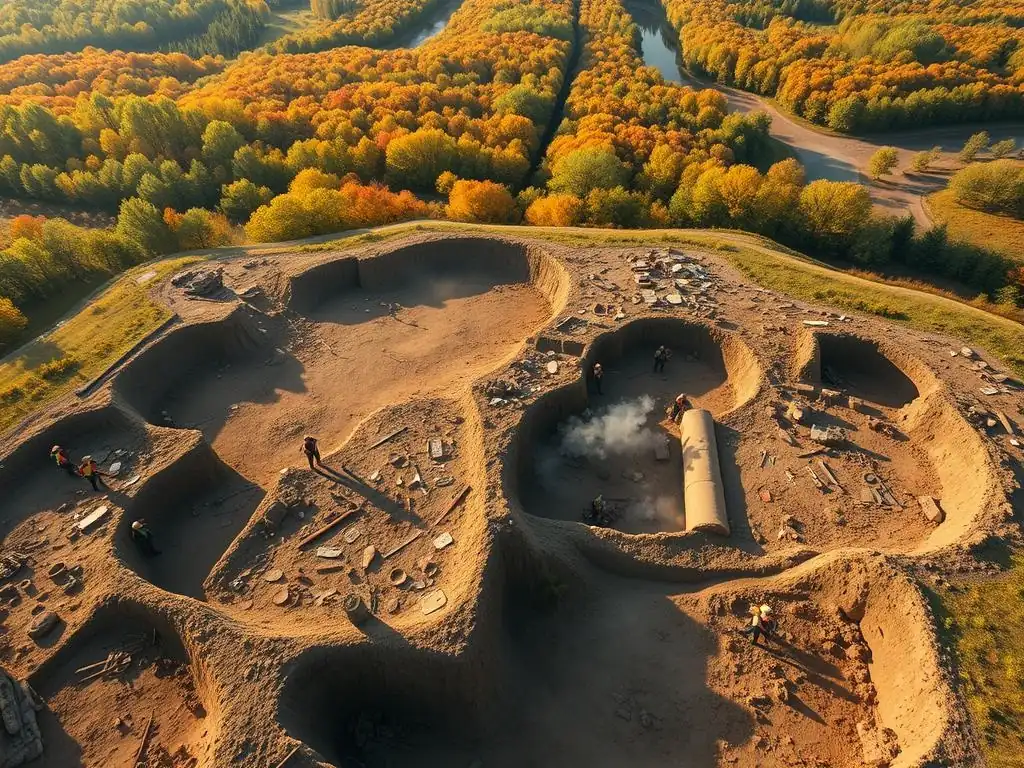
Welcome to Indigenous Civilizations of the Americas, where we invite you to embark on an enlightening journey through the rich tapestry of indigenous cultures that flourished across the continents long before European contact. Our latest article, "The Secrets of the Hopewell Culture: Recent Excavations Transform Our Understanding," unveils the exciting discoveries from Hopewell culture excavations, revealing insights that could reshape our understanding of these remarkable societies.
What hidden treasures and stories lie beneath the surface? Dive in to uncover the profound achievements and enduring legacy of the Hopewell people, and let your curiosity lead you deeper into the fascinating world of ancient civilizations.
The Hopewell culture, flourishing between 200 BCE and 500 CE in the eastern United States, represents a remarkable chapter in the history of Indigenous civilizations. This article delves into the recent excavation discoveries that are transforming our understanding of this intricate society, revealing the complexity of their achievements, social structures, and cultural practices.
As archaeologists unearth new findings, they not only shed light on the Hopewell culture itself but also contribute to a broader comprehension of Indigenous histories across the Americas. This exploration is crucial for recognizing the rich tapestry of human experience that existed long before European contact, allowing us to appreciate the enduring legacy of these Indigenous peoples.
Introduction to the Hopewell Culture
Overview of the Hopewell Culture
The Hopewell culture is distinguished by its elaborate earthworks, intricate burial mounds, and extensive trade networks. Emerging from the Adena culture, the Hopewell people are best known for their construction of large ceremonial mounds and geometric earthworks, which served as both burial sites and places of communal gatherings. Artifacts such as pottery, tools, and exquisite artwork made from materials like copper and shell provide insight into their sophisticated craftsmanship and the rich symbolic meanings behind their creations.
Key characteristics of the Hopewell culture include:
- Trade Networks: Spanning vast distances, Hopewell trade routes facilitated the exchange of goods such as obsidian, marine shells, and crafted items, connecting diverse Indigenous groups.
- Ceremonial Complexes: The construction of large earthworks suggests a deep spiritual and communal life, with these sites likely serving as centers for ritual activities and gatherings.
- Artistic Expression: The Hopewell people produced intricate artworks, including engraved stone tablets and effigy pipes, reflecting their sophisticated aesthetic sensibilities.
Significance of Hopewell Culture in Indigenous History
The significance of the Hopewell culture extends beyond its material achievements; it represents a pivotal moment in the development of complex societies in North America. Their societal structures, which included leadership roles and organized trade, laid the groundwork for subsequent Indigenous cultures. Moreover, the Hopewell's interconnectedness with other groups through trade and cultural exchange illustrates the vibrant networks that existed across the continent.
Understanding the Hopewell culture is crucial for several reasons:
- Cultural Legacy: The Hopewell civilization's innovations and societal structures influenced later Indigenous cultures, contributing to the rich mosaic of Native American history.
- Preservation of Knowledge: Recent excavations reveal not only artifacts but also the stories and traditions that have been passed down through generations, enriching our understanding of Indigenous knowledge systems.
- Reevaluation of Indigenous Histories: The discoveries from Hopewell sites challenge previous narratives that often marginalized Indigenous contributions to history and culture.
Recent Excavation Discoveries in Hopewell Sites
Key Locations of Hopewell Culture Excavations
Recent excavations across the Midwest, particularly in Ohio and Illinois, have unearthed significant Hopewell sites that offer new insights into their culture. Notable locations include:
- Serpent Mound: An effigy mound that depicts a serpent, believed to have astronomical significance. Recent studies have suggested complex alignments with celestial events.
- Mound City Group: A site with multiple mounds that serve as a ceremonial center, yielding artifacts that demonstrate extensive trade connections.
- Hopewell Mound Group: This site has provided a wealth of burial artifacts, indicating the social stratification and cultural practices of the Hopewell people.
These key locations have been instrumental in shifting our understanding of the Hopewell culture, revealing the depth of their social, spiritual, and economic lives.
Innovations in Archaeological Methods for Hopewell Discoveries
Advancements in archaeological methods have revolutionized the study of Hopewell sites, allowing researchers to uncover more detailed and nuanced understandings of this culture. Innovations include:
- Ground-Penetrating Radar (GPR): This non-invasive technique enables archaeologists to visualize subsurface structures without excavation, revealing complex earthwork designs previously hidden from view.
- 3D Scanning Technology: Used to capture detailed images of artifacts and mound structures, facilitating analysis and preservation of these historical items.
- Isotope Analysis: This method helps determine the geographic origins of materials found at Hopewell sites, providing insights into trade networks and migration patterns.
These methodologies not only enhance our understanding of the Hopewell culture but also pave the way for future discoveries, allowing scholars to piece together the intricate history of Indigenous civilizations in the Americas.
As we continue to explore the secrets of the Hopewell culture through ongoing excavations and innovative research techniques, we are reminded of the profound impact these civilizations had on shaping the history of North America.
Major Findings from Recent Excavations
Recent excavations of Hopewell sites have uncovered a wealth of information that significantly enhances our understanding of this complex culture. These discoveries have not only provided insights into the daily lives and practices of the Hopewell people but have also revealed the extent of their social networks and cultural achievements. Key findings include intricately crafted artifacts, elaborate burial mounds, and substantial earthworks that hint at advanced organizational capabilities.
The integration of modern archaeological techniques, such as ground-penetrating radar and 3D modeling, has allowed researchers to visualize and analyze these structures in unprecedented detail. Such technologies have led to the identification of previously unknown sites and the re-evaluation of known locations, indicating a far more extensive and interconnected society than previously believed.
Artifacts Unearthed in Hopewell Excavations
The artifacts recovered from Hopewell excavations are a testament to the artistic and technological capabilities of this civilization. Among the most significant finds are:
- Ceremonial artifacts: Beautifully crafted items such as effigy pipes, pottery, and stone tools showcase the aesthetic sensibilities and the skilled craftsmanship of the Hopewell artisans.
- Exotic materials: Items made from materials like copper, mica, and shell indicate a wide-ranging trade network that connected the Hopewell with distant communities. For instance, the presence of mica from the southern Appalachian region suggests long-distance trade routes.
- Symbolic objects: Many artifacts appear to have ritualistic or symbolic significance, hinting at the spiritual beliefs and practices of the Hopewell culture.
These discoveries not only enrich our understanding of the daily life and artistic expression of the Hopewell people but also provide clues about their interactions with neighboring cultures.
Burial Practices and Their Insights into Hopewell Society
The burial practices of the Hopewell culture are particularly revealing of their social structures and beliefs. Excavations of burial mounds, known as earthworks, have uncovered:
- Elaborate burial goods: The presence of high-status items, including crafted tools and ornamental objects, suggests a stratified society where status was reflected in burial practices.
- Grave goods placement: The arrangement of items within burial sites offers insights into the social roles and relationships of the deceased, indicating that social hierarchy played a significant role in their culture.
- Variation in burial styles: Differences in burial styles across regions point to diverse local customs and beliefs within the broader Hopewell culture, reflecting the adaptability and complexity of their social practices.
These findings underscore the significance of burial customs as a window into the social fabric and spiritual life of the Hopewell people.
Architectural Structures Revealed through Excavation
Excavations have also revealed impressive architectural structures that define the Hopewell culture's landscape. These include:
- Earthworks: The construction of large, geometric earthworks suggests advanced engineering skills and a collective effort among communities. Structures like the Newark Earthworks and the Great Circle demonstrate sophisticated planning and possibly astronomical alignments.
- Residential areas: The discovery of post holes and hearths indicates organized living spaces, hinting at communal living arrangements and shared resources among the Hopewell people.
- Ceremonial centers: Structures that appear to be used for rituals and gatherings highlight the cultural and religious significance of communal spaces, suggesting that these sites played a central role in Hopewell society.
The architectural findings reveal not only the ingenuity of the Hopewell builders but also their complex social organization and community dynamics.
Transformative Insights Gained from Hopewell Culture Excavation Discoveries
The recent discoveries from Hopewell culture excavations have led to transformative insights that reshape our understanding of their society. These insights highlight the intricate social structures, extensive trade networks, and rich spiritual traditions of the Hopewell people.
Understanding Social Structures within the Hopewell Culture
The findings have illuminated the hierarchical nature of Hopewell society. The analysis of burial practices and grave goods suggests a clear distinction in status among individuals, indicating that leadership roles may have existed. Moreover, the presence of elaborate artifacts in specific burial sites hints at the importance of wealth and power dynamics within the community. The social stratification observed in burial mounds reflects a complex society where leadership and status were significant.
Trade Networks and Their Impact on Hopewell Communities
Excavation discoveries reveal a vast and sophisticated trade network that significantly impacted the Hopewell communities. The variety of materials found in these sites, including items not locally sourced, indicates extensive trade connections across vast distances. This trade network allowed for the exchange of not only goods but also ideas and cultural practices, fostering a rich tapestry of cultural interactions. The ability to procure exotic materials suggests that the Hopewell had a well-established system of trade routes, enhancing their economic and cultural influence.
Ritual Practices and Spiritual Beliefs Highlighted by Excavation Findings
The artifacts and architectural structures unearthed during excavations shed light on the ritual practices and spiritual beliefs of the Hopewell culture. The presence of ceremonial items and complex earthworks suggests that the Hopewell engaged in elaborate ritualistic practices that were central to their identity. Furthermore, the alignment of certain structures with celestial events hints at a profound understanding of astronomy and its significance in their spiritual life. These findings indicate that spirituality played a crucial role in the daily lives of the Hopewell people, deeply influencing their communal activities and social cohesion.
Overall, the recent excavation discoveries have significantly enriched our understanding of the Hopewell culture, revealing a complex, interconnected society with rich traditions and practices that continue to intrigue researchers and historians alike.
Comparative Analysis of Hopewell Discoveries with Other Indigenous Cultures
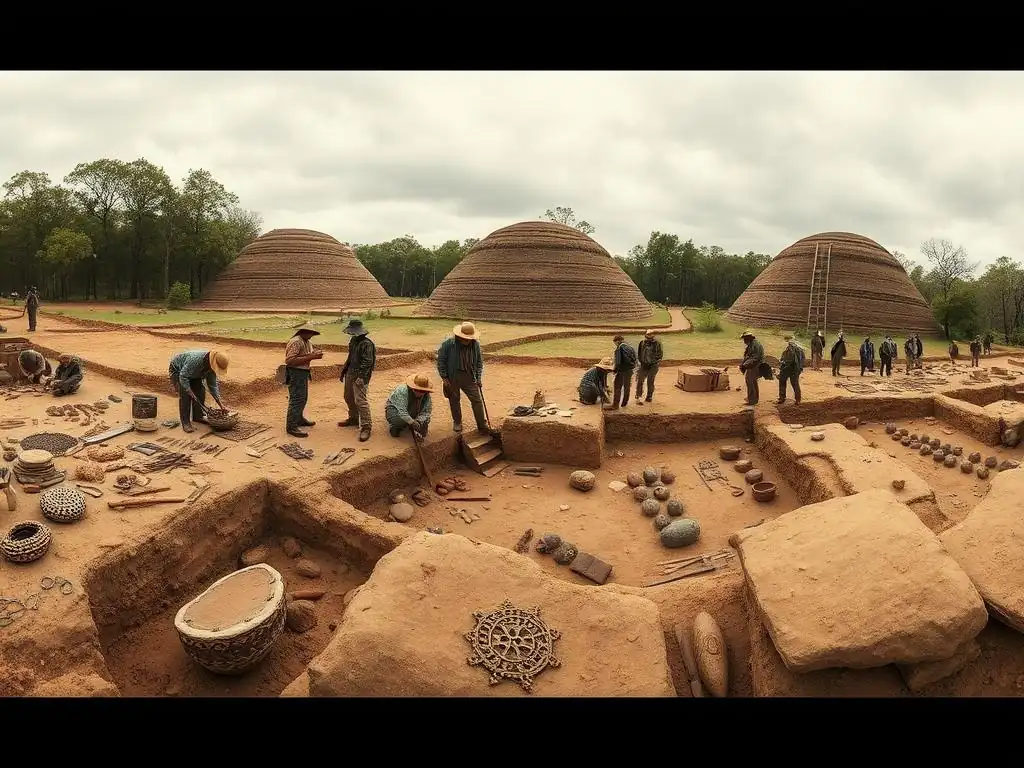
The recent excavations of Hopewell sites have provided significant insights into this ancient culture, revealing both similarities and distinct features when compared to other Indigenous cultures in North America. By analyzing the artifacts, burial practices, and settlement patterns, researchers can draw parallels and highlight unique elements that can deepen our understanding of the broader historical context of Indigenous peoples in the region.
Similarities with Other North American Indigenous Cultures
One of the most compelling aspects of the Hopewell culture is its interconnectedness with other Indigenous cultures across North America. For instance, the use of earthworks and mounds is a common feature shared with cultures such as the Adena, which predates the Hopewell. Both cultures built ceremonial mounds, although the Hopewell structures are often more elaborate and widespread.
Additionally, the trade networks established by the Hopewell culture showcase similarities with other Indigenous groups. Evidence of exotic materials such as copper from the Great Lakes, mica from the Appalachian region, and marine shells from the Gulf Coast illustrates a complex web of exchange akin to those seen in the Mississippian cultures that flourished later. This exchange facilitated not only the spread of goods but also cultural practices, belief systems, and artistic styles, indicating a shared heritage among North American Indigenous peoples.
Distinct Features of Hopewell Culture Revealed by Excavation
Recent excavations have elucidated several distinctive features of Hopewell culture that set it apart from contemporaneous Indigenous societies. One key discovery is the intricate and symbolic nature of Hopewell art, which often incorporates geometric designs and motifs reflecting cosmological beliefs. These artistic expressions are frequently found on ceremonial artifacts and burial goods, highlighting a spiritual depth that may not be as pronounced in other cultures of the time.
Moreover, the complexity of the Hopewell's burial practices is particularly striking. Excavations have uncovered elaborate burial mounds containing not only human remains but also a wealth of grave goods, including decorated pottery, tools, and ceremonial objects. This practice emphasizes a belief in an afterlife and the importance of social status, with evidence suggesting that the Hopewell participated in hierarchical societies more so than some of their contemporaries.
The Future of Hopewell Culture Research
As excavations continue to unfold, the future of Hopewell culture research appears promising, with new technologies and methodologies enhancing the study of this ancient civilization. The integration of advanced techniques such as ground-penetrating radar and LiDAR is allowing archaeologists to uncover hidden structures and artifacts, leading to a more comprehensive understanding of the Hopewell's societal complexities.
Ongoing Excavation Projects and Their Goals
Current excavation projects across various Hopewell sites aim to achieve several key goals. One primary objective is to map and analyze the extensive network of earthworks associated with the Hopewell culture, which spans several states. Understanding the purpose and alignment of these structures could provide insights into the social and spiritual life of the Hopewell people.
In addition, researchers are focusing on the analysis of artifacts recovered from these sites to further explore trade relations and cultural exchanges within the region. By studying the origins of materials found at Hopewell sites, archaeologists hope to reconstruct the social networks that existed prior to European contact.
Importance of Continued Research on Hopewell Culture
Continued research on the Hopewell culture is vital for several reasons. First, it offers a deeper understanding of pre-Columbian North American societies, their innovations, and their interactions with one another. This knowledge not only enriches our historical narrative but also challenges misconceptions about Indigenous cultures being static or isolated.
Furthermore, studying the Hopewell culture can provide valuable lessons on sustainability and social organization that may resonate in today's context. As contemporary societies grapple with issues such as environmental stewardship and community building, the Hopewell people's achievements and adaptations to their environment can serve as an inspiring model. Therefore, the ongoing excavation discoveries play a crucial role in preserving and interpreting the rich legacy of the Hopewell culture for future generations.
Conclusion: The Lasting Impact of Hopewell Culture Excavation Discoveries
The recent excavations related to the Hopewell culture have unveiled a treasure trove of artifacts and insights that significantly enhance our understanding of this remarkable civilization. These discoveries not only shed light on the day-to-day lives of the Hopewell people but also provide a broader context for the intricate networks of trade, social structure, and cultural practices that characterized indigenous civilizations across North America.
Summary of Key Findings and Their Significance
Recent archaeological findings from Hopewell sites, particularly in Ohio, have highlighted several key aspects:
- Complex Earthworks: The construction of large earthen mounds and geometric earthworks indicates advanced engineering capabilities and a profound understanding of landscape manipulation. These structures served not only as burial sites but also as ceremonial spaces, demonstrating the spiritual and communal significance of these constructions.
- Trade Networks: Artifacts such as copper, obsidian, and shell beads reveal extensive trade networks that stretched across vast distances. The presence of materials sourced from regions far beyond Ohio suggests that the Hopewell culture was part of a larger economic and social framework that facilitated interaction among diverse indigenous groups.
- Art and Symbolism: The elaborate artwork found in burial mounds, including intricate pottery and effigy pipes, reflects a rich cultural expression and possibly religious beliefs. These artistic elements provide insights into the Hopewell worldview and their connections to the natural and spiritual realms.
These findings underscore the sophistication of the Hopewell culture, challenging previous notions of indigenous societies as primitive or isolated. Instead, they illustrate a complex and interconnected web of cultures that contributed to the rich tapestry of pre-Columbian North America.
The Role of Hopewell Culture in Understanding Indigenous Civilizations
The Hopewell culture plays a pivotal role in understanding the dynamics of indigenous civilizations in North America. It exemplifies how societies can flourish through innovation and interaction, setting a precedent for subsequent cultures.
- Cultural Exchange: The trade networks established by the Hopewell people highlight the importance of cultural exchange among indigenous groups. This exchange not only involved goods but also ideas, technologies, and practices that would influence neighboring communities.
- Social Organization: The evidence of social stratification, as seen in burial practices and the differentiation of grave goods, provides a glimpse into the social hierarchies that existed within Hopewell society. Understanding these hierarchies helps archaeologists piece together the complexities of governance, leadership, and community roles in ancient indigenous cultures.
- Environmental Adaptation: The ways in which the Hopewell people adapted to and modified their environments reveal significant insights into sustainable practices and land management strategies. Their ability to cultivate crops and manage resources effectively speaks to a deep understanding of their ecological context.
The ongoing exploration of Hopewell culture through excavation discoveries not only enriches our knowledge of this particular civilization but also enhances our overall comprehension of indigenous societies across the Americas. As researchers continue to analyze these findings, they illuminate the diverse and interconnected nature of pre-colonial American cultures, emphasizing the lasting legacy of the Hopewell people in the narrative of indigenous history.
- Introduction to the Hopewell Culture
- Recent Excavation Discoveries in Hopewell Sites
- Major Findings from Recent Excavations
- Transformative Insights Gained from Hopewell Culture Excavation Discoveries
- Comparative Analysis of Hopewell Discoveries with Other Indigenous Cultures
- The Future of Hopewell Culture Research
- Conclusion: The Lasting Impact of Hopewell Culture Excavation Discoveries
- What is the Hopewell culture?
- What recent excavations have been conducted related to the Hopewell culture?
- How have these discoveries changed our understanding of the Hopewell culture?
- What is the significance of mound-building in the Hopewell culture?
- How do the Hopewell culture excavation discoveries impact modern perspectives on indigenous civilizations?
Frequently Asked Questions
What is the Hopewell culture?
The Hopewell culture refers to a pre-Columbian Native American culture that flourished in the Midwestern United States from around 200 BCE to 500 CE, known for its mound-building and extensive trade networks.
Recent excavation discoveries have unearthed artifacts such as intricate pottery, tools, and ceremonial objects that provide insight into the social and economic structures of the Hopewell people.
How have these discoveries changed our understanding of the Hopewell culture?
The findings from recent excavations have revealed the complexity of Hopewell society, indicating they had advanced trade systems, religious practices, and artistic expressions that were previously underappreciated.
What is the significance of mound-building in the Hopewell culture?
Mound-building was a central aspect of the Hopewell culture, serving as ceremonial sites, burial grounds, and markers of social status, reflecting their spiritual beliefs and community organization.
How do the Hopewell culture excavation discoveries impact modern perspectives on indigenous civilizations?
These discoveries challenge the narrative of indigenous societies as simplistic, showcasing the sophistication and diversity of their cultures, which can inform contemporary discussions on indigenous identity and heritage.
Final Reflection: Unveiling the Legacy of the Hopewell Culture
The recent discoveries from Hopewell culture excavations have profoundly reshaped our understanding of this ancient civilization, revealing the intricate social, political, and spiritual dynamics that once thrived in North America. These findings not only illuminate the past but also resonate with contemporary discussions about cultural identity and heritage. As we uncover the layers of history, we are reminded that the stories of our ancestors are not merely relics of time but living narratives that continue to influence our present and future.
Cultural landscapes are constantly evolving, yet the impact of the Hopewell culture remains palpable in our society today. The excavation discoveries serve as a testament to the ingenuity and complexity of Indigenous cultures, challenging us to rethink our perceptions of history. As we engage with these revelations, we find ourselves echoing the words of historian David McCullough: History is a guide to navigation in perilous times.
The Hopewell culture teaches us that understanding our past is crucial for navigating the complexities of our modern world.
As we reflect on the significance of these archaeological findings, I invite you to consider how the lessons of the Hopewell culture can inspire your own journey. Embrace the richness of cultural heritage, seek to understand the narratives that shape our identities, and engage with the world around you. Let the discoveries of the past ignite a passion for exploration and understanding, urging you to contribute to the ongoing dialogue about history, culture, and community. Together, we can honor the legacy of the Hopewell culture and ensure that their stories continue to resonate for generations to come.
Unveil the Wonders of the Hopewell Culture!
Thank you for diving into the fascinating world of the Hopewell Culture! By exploring recent excavations and discoveries, you have gained valuable insights into this remarkable ancient civilization. Now, it's time to take those insights and transform them into action!
Here are some ways you can deepen your understanding and contribute to the conversation:
- Join a local archaeology group to participate in hands-on projects and learn more about indigenous cultures firsthand.
- Share your newfound knowledge with friends or on social media to spark curiosity and awareness about the Hopewell Culture.
- Visit a nearby museum that features artifacts from indigenous cultures to connect with the history on a personal level.
What aspect of the Hopewell Culture intrigues you the most, and how do you plan to explore it further?