
Hidden Treasures: Groundbreaking Findings from Olmec Excavations in Southern Mexico

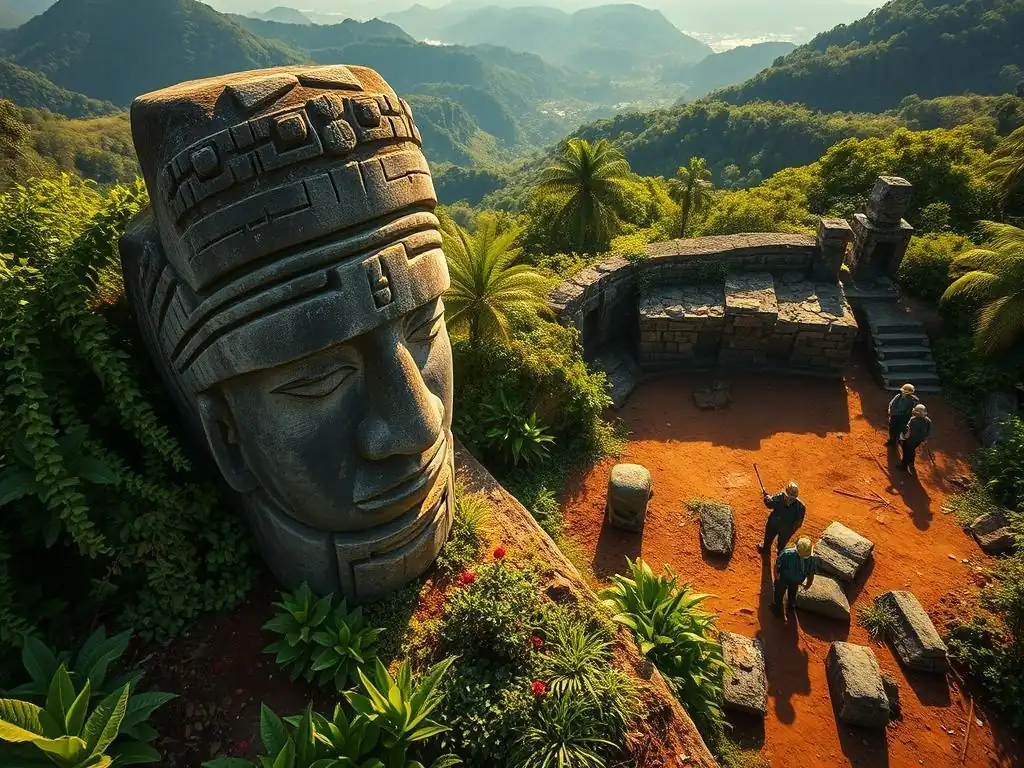
Welcome to Indigenous Civilizations of the Americas, where we invite you to embark on a fascinating journey through the vibrant and diverse cultures that flourished long before European contact. Our featured article, “Hidden Treasures: Groundbreaking Findings from Olmec Excavations in Southern Mexico,” takes you deep into the heart of Olmec culture, revealing the astonishing archaeological discoveries that continue to reshape our understanding of this ancient civilization.
As you explore our site, you’ll uncover the rich tapestry of achievements and societal structures that have left a lasting impact on the world. Dive in and satisfy your curiosity about the secrets hidden beneath the soil of the Americas!
Introduction to Olmec Culture and Archaeological Discoveries
The Olmec civilization, often regarded as the "mother culture" of Mesoamerica, represents one of the earliest and most influential indigenous cultures in the Americas. Flourishing between approximately 1400 and 400 BCE in the tropical lowlands of southern Mexico, the Olmecs established significant societal structures, artistic expressions, and complex belief systems that laid the groundwork for subsequent civilizations such as the Maya and Aztecs.
This article delves into the recent archaeological discoveries that shed light on the rich tapestry of Olmec culture, showcasing groundbreaking findings that not only enhance our understanding of their societal achievements but also underscore their lasting impact on later civilizations.
Overview of the Olmec Civilization
The Olmec civilization is characterized by its monumental architecture, intricate stone carvings, and the famous colossal heads that have become synonymous with their culture. Key aspects of the Olmec civilization include:
- Geographical Influence: Centered in modern-day Veracruz and Tabasco, the Olmecs utilized the region's fertile lands for agriculture, primarily cultivating maize, beans, and squash.
- Cultural Achievements: They are credited with pioneering cultural elements such as the concept of the zero, the calendar, and a writing system that influenced future Mesoamerican cultures.
- Religious Practices: The Olmecs had a rich spiritual life, worshiping a pantheon of deities often depicted in their art and sculptures, reflecting their deep connections with nature and the cosmos.
These foundational elements of Olmec civilization continue to intrigue archaeologists and historians alike, as they explore the layers of cultural complexity that preceded the rise of other Mesoamerican societies.
Significance of Recent Archaeological Discoveries
Recent excavations have unveiled astonishing insights into the Olmec civilization, highlighting their advanced societal structures and cultural practices. Some key findings include:
- Advanced Urban Planning: Excavations at sites such as San Lorenzo and La Venta have revealed sophisticated urban layouts, including plazas, temples, and drainage systems that reflect an impressive level of engineering and social organization.
- Artistic Innovations: Discoveries of intricate jade artifacts and large-scale sculptures demonstrate the Olmecs' exceptional artistic capabilities and their influence on subsequent Mesoamerican cultures.
- Trade Networks: Evidence of extensive trade routes has come to light, indicating that the Olmec civilization engaged in complex economic exchanges with neighboring regions, facilitating cultural diffusion and the spread of ideas.
These discoveries not only enhance our understanding of Olmec culture but also reshape the narrative of early Mesoamerican history, revealing the interconnectedness of ancient civilizations.
The Importance of Olmec Excavations in Southern Mexico
The ongoing archaeological endeavors in southern Mexico are crucial for unraveling the mysteries of the Olmec civilization. By focusing on these excavations, researchers are uncovering vital information about the social, political, and economic frameworks that shaped Olmec society.
Historical Context of Olmec Excavations
The history of Olmec excavations dates back to the 19th century, but it was not until the late 20th century that significant breakthroughs began to emerge. Early excavations primarily focused on large stone heads and other surface artifacts, but modern archaeological techniques have allowed for deeper exploration of Olmec sites. Advances in technology, such as ground-penetrating radar and aerial photography, have revolutionized the way archaeologists uncover hidden structures and artifacts beneath the soil.
Key Locations of Recent Findings
Several key archaeological sites have provided a wealth of information about Olmec culture:
- San Lorenzo: Once a thriving urban center, San Lorenzo has yielded numerous artifacts, including colossal heads and intricate ceramic pieces that illustrate the artistry of the Olmecs.
- La Venta: This site is renowned for its complex ceremonial architecture and monumental sculptures, revealing the Olmecs' religious practices and societal hierarchies.
- Tres Zapotes: Recent excavations here have uncovered evidence of early writing and calendrical systems, indicating the sophistication of Olmec intellectual achievements.
These sites continue to be the focus of intensive research, contributing to a deeper understanding of the Olmec civilization and its profound impact on the cultural landscape of ancient Mesoamerica.
Major Groundbreaking Findings from Recent Olmec Excavations
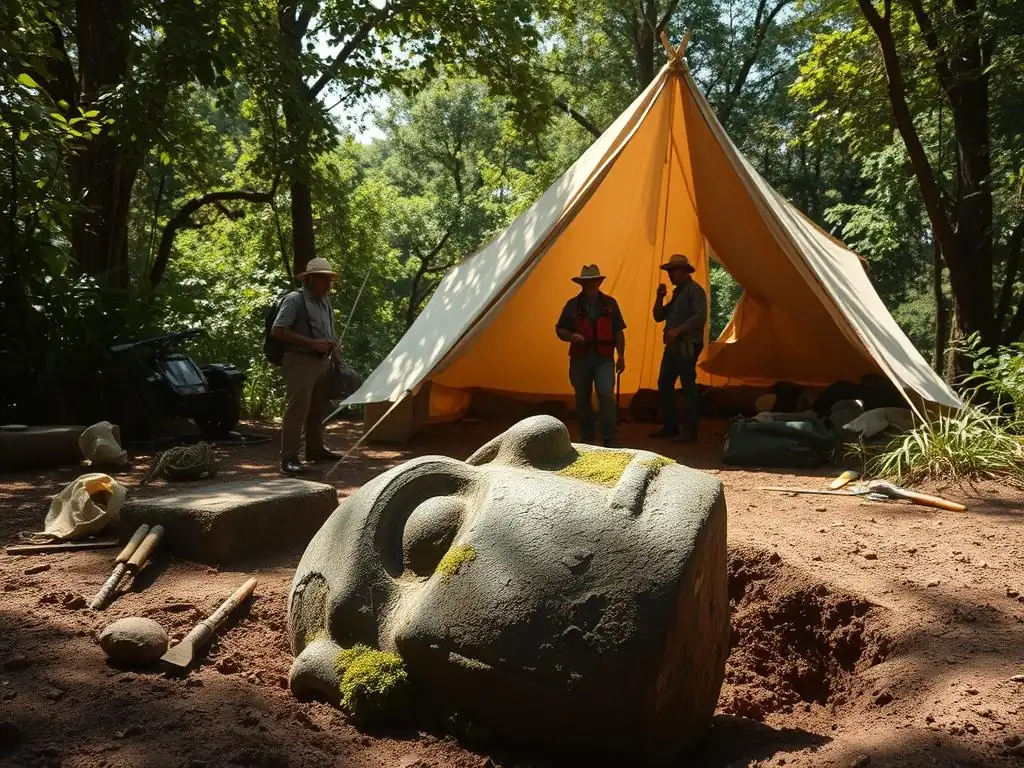
Recent excavations in Southern Mexico have unveiled significant discoveries that shed light on the Olmec culture, often regarded as one of the earliest complex societies in Mesoamerica. These findings not only deepen our understanding of the Olmec civilization but also highlight its influence on subsequent cultures in the region. Among the most notable discoveries are intricate artifacts, monumental architecture, and elaborate burial sites, which together paint a vivid picture of Olmec life, beliefs, and societal organization.
Unearthed Artifacts and Their Significance
Archaeologists have unearthed a wealth of artifacts that showcase the artistic and cultural sophistication of the Olmec people. Notable findings include beautifully crafted jade figurines, pottery adorned with intricate designs, and ceremonial objects believed to have held significant ritualistic value. For instance, the discovery of a jade mask, intricately carved and inlaid with obsidian, provides insight into the Olmec's spiritual beliefs and their reverence for the afterlife.
These artifacts not only highlight the artistic prowess of the Olmec civilization but also serve as crucial evidence of their trade networks, as many materials, such as jade, were sourced from distant regions. The craftsmanship on display suggests a highly developed society with specialized artisans capable of producing items that held both aesthetic and cultural importance.
Architectural Discoveries: Temples and Structures
The architectural discoveries made during recent excavations have been equally groundbreaking. Archaeologists have uncovered the remains of large ceremonial centers, including temples that reflect the Olmec's sophisticated understanding of construction and urban planning. Structures like the impressive pyramid at La Venta and the massive earthen mounds at San Lorenzo reveal the Olmec's monumental architecture, which likely served as sites for rituals and community gatherings.
These structures are not only significant for their size but also for their alignment and construction techniques, indicating an advanced knowledge of astronomy and engineering. The orientation of certain buildings towards celestial events suggests that the Olmec had a complex relationship with their environment and a deep understanding of the cosmos.
Burial Sites: Insights into Olmec Rituals and Beliefs
Recent excavations have also revealed numerous burial sites that provide profound insights into the Olmec's rituals and beliefs surrounding death and the afterlife. Many of these sites contained elaborate grave goods, including pottery, tools, and personal belongings, which were likely intended to accompany the deceased into the afterlife.
The arrangement of bodies and artifacts within these burials suggests a stratified society, where the status of the individual influenced the complexity and richness of their burial. The presence of offerings and ritual items indicates that the Olmec placed great importance on funerary practices, viewing death as a significant transition rather than an end. These discoveries contribute to our understanding of Olmec spirituality and the central role these rituals played in their culture.
Analysis of Olmec Culture Through Archaeological Discoveries
The archaeological discoveries pertaining to the Olmec culture extend beyond mere artifacts and structures; they offer a window into the very fabric of Olmec society. Through careful analysis of these findings, researchers have been able to reconstruct aspects of Olmec life, revealing the complexities of their social, political, and technological advancements.
Artistic Expressions and Their Cultural Implications
The artistic expressions uncovered in Olmec archaeological sites, such as sculpted heads and bas-reliefs, provide critical insights into their cultural identity and societal values. The recurring themes in Olmec art — such as fertility, power, and the divine — suggest a society deeply engaged with spiritual and political symbolism. The depiction of rulers and deities in their artwork highlights the importance of leadership and religious authority in Olmec culture.
Moreover, the stylistic elements seen in Olmec art have influenced later Mesoamerican cultures, indicating that the Olmec were not only creators of their own unique art but also foundational figures in the development of regional artistic traditions.
Technological Advancements Revealed by Excavations
Recent excavations have also revealed significant technological advancements made by the Olmec. The discovery of tools and evidence of advanced agricultural practices suggests that the Olmec were skilled farmers who utilized methods such as swidden agriculture (slash-and-burn) to cultivate their lands effectively.
Additionally, the construction of their monumental architecture demonstrates sophisticated engineering techniques, including the use of complex drainage systems. These technological innovations not only facilitated the growth of their urban centers but also contributed to the sustainability and resilience of their society.
Social Structure Insights from Excavated Sites
The insights gained from excavated sites indicate a complex social structure within Olmec society. The variation in burial practices, the scale of architecture, and the distribution of artifacts all point to a hierarchical society with distinct roles and statuses. Elite individuals likely had access to extensive resources, as evidenced by their lavish burials and the quality of their artifacts.
Furthermore, the presence of communal structures and public spaces suggests that social cohesion played a vital role in Olmec life, as these areas would have served as gathering places for rituals and community activities. Overall, these discoveries illustrate a dynamic society characterized by intricate social interactions and cultural developments that laid the groundwork for future civilizations in Mesoamerica.
The Impact of Olmec Discoveries on Understanding Indigenous Civilizations
The recent archaeological discoveries related to Olmec civilization have significantly reshaped our understanding of the broader indigenous cultures that inhabited the Americas. The Olmec, often referred to as the "mother culture" of Mesoamerica, flourished between 1200 and 400 BCE and is credited with numerous innovations that laid the groundwork for future civilizations such as the Maya and Aztec. Findings from excavations, including monumental stone sculptures, ceremonial centers, and complex urban planning, provide crucial insights into the sociopolitical structures of the Olmec and their influence on neighboring cultures.
One of the most profound impacts of these discoveries is the recognition of the Olmec as early pioneers of artistic expression and religious practices. The large heads sculpted from basalt, for instance, not only demonstrate exceptional craftsmanship but also signify the Olmec's sophisticated understanding of leadership and identity formation. In addition, the excavation of sites like La Venta and San Lorenzo has revealed intricate trade networks and cultural exchanges that underscore the Olmec's role in cultural diffusion across Mesoamerica, promoting a more integrated narrative of indigenous history.
Contributions to the Study of Mesoamerican Cultures
The Olmec discoveries have been pivotal in enhancing our knowledge of Mesoamerican cultures. They serve as a reference point for understanding the evolution of cultural practices, including art, religion, and governance. The Olmec were among the first to develop a hieroglyphic writing system, which predates other known Mesoamerican scripts. This innovation highlights their advanced cognitive and communicative capabilities, providing a crucial link in the timeline of written language in the Americas.
Moreover, the agricultural practices of the Olmec, particularly their cultivation of maize, beans, and squash, have been studied to understand the agricultural foundations that supported complex societies in the region. By examining these contributions, researchers can draw parallels and distinctions between the Olmec and other contemporary civilizations, thus enriching the narrative of pre-Columbian history.
Comparison with Other Indigenous Civilizations in the Americas
Comparing Olmec culture with other indigenous civilizations reveals both unique characteristics and shared traits. For instance, while the Olmec are noted for their colossal heads and intricate jade carvings, other cultures, such as the Mississippian civilization in North America, are recognized for their earthen mounds and complex chiefdoms. These comparisons illustrate a diversity of expression and societal organization across the Americas.
Additionally, the Olmec's influence on the Maya is particularly noteworthy; many scholars argue that the Olmec laid the groundwork for the later achievements of the Maya civilization. This interconnectivity challenges the notion of isolated cultural development, emphasizing a more dynamic exchange of ideas and practices among indigenous peoples. Understanding these relationships not only enriches our knowledge of the Olmec but also enhances our appreciation of the intricate tapestry of indigenous civilizations across the continent.
Future Directions in Olmec Archaeology
The field of Olmec archaeology is poised for exciting developments as ongoing research continues to uncover the complexities of this ancient civilization. Future directions will likely focus on employing advanced technologies, such as ground-penetrating radar and remote sensing, to explore previously unexamined sites. These techniques can reveal buried structures and provide insights into urban planning, social organization, and cultural practices that were not visible through traditional excavation methods.
Ongoing Research and Excavation Projects
Numerous ongoing research and excavation projects aim to deepen our understanding of Olmec society. For example, the ongoing work at La Venta has unveiled new artifacts and structures that challenge previous assumptions about the site’s function and significance. Collaborations between local and international archaeologists are vital in these projects, fostering a holistic approach to understanding the Olmec and their legacy.
Additionally, interdisciplinary studies that integrate anthropology, history, and environmental science are becoming increasingly important. These approaches allow researchers to consider the Olmec within broader ecological and cultural contexts, examining how environmental factors influenced their development and sustainability.
Preservation of Olmec Heritage and Archaeological Sites
As excavations continue to reveal the rich heritage of the Olmec, the preservation of these archaeological sites has become a pressing concern. Protecting these sites from urban encroachment, looting, and environmental degradation is critical for future generations to appreciate the cultural significance of the Olmec civilization.
Efforts to preserve Olmec heritage include establishing protected areas around key archaeological sites and promoting community engagement in heritage conservation. Local initiatives that involve indigenous communities in the stewardship of these sites not only foster a sense of ownership but also enhance the educational value for future visitors and researchers. Through these collaborative efforts, the enduring legacy of the Olmec culture can be safeguarded and celebrated as an integral part of the broader narrative of indigenous civilizations in the Americas.
Conclusion: The Legacy of Olmec Culture and Its Discoveries

The Olmec civilization, often regarded as the "mother culture" of Mesoamerica, has left an indelible mark on the history and development of indigenous societies in the Americas. The recent archaeological discoveries have not only enhanced our understanding of Olmec social structure, artistic expression, and technological innovations but have also shed light on the complex interactions among early Mesoamerican cultures. These findings underscore the significance of the Olmec as pioneers in urban planning, monumental architecture, and ritual practices, influencing generations that followed.
The artifacts and sites uncovered during excavations reveal a rich tapestry of life that included advanced agricultural techniques, trade networks, and religious beliefs. These elements contributed to the establishment of a vibrant culture that thrived for centuries. As archaeologists continue to explore Olmec sites, they uncover hidden treasures that help to piece together the narrative of a civilization that laid the groundwork for future societies, including the Maya and Aztec.
Reflection on the Importance of Olmec Archaeological Discoveries
The archaeological discoveries associated with the Olmec culture serve as a crucial reminder of the ingenuity and resilience of indigenous peoples in the Americas. Each finding—from colossal stone heads to intricately carved jade artifacts—provides invaluable insights into the artistic and cultural achievements of the Olmec. These discoveries not only enrich our knowledge about this ancient civilization but also highlight the need for a deeper appreciation of indigenous histories and contributions.
Moreover, the study of Olmec artifacts fosters a greater understanding of the broader context of Mesoamerican history. By examining the Olmec's influence on subsequent cultures, researchers can trace the evolution of architectural styles, religious practices, and social organization throughout the region. This understanding is essential for constructing a comprehensive picture of pre-Columbian societies and their interconnectedness.
Call to Action for Further Exploration and Preservation
As we delve deeper into the mysteries of the Olmec civilization through ongoing excavations and research, it is vital to advocate for the preservation of these archaeological sites. The threats posed by urban development, climate change, and looting necessitate a collective effort to protect and conserve these invaluable cultural treasures.
Individuals, communities, and organizations can play a significant role in this mission. Supporting local and international archaeological initiatives, promoting awareness about the importance of indigenous heritage, and participating in preservation efforts are all steps that can help safeguard Olmec sites for future generations.
Let us honor the legacy of the Olmec by committing to the exploration and preservation of their archaeological discoveries, ensuring that their stories continue to inspire and educate all who seek to understand the rich tapestry of indigenous civilizations in the Americas.
- Introduction to Olmec Culture and Archaeological Discoveries
- Overview of the Olmec Civilization
- Significance of Recent Archaeological Discoveries
- The Importance of Olmec Excavations in Southern Mexico
- Major Groundbreaking Findings from Recent Olmec Excavations
- Analysis of Olmec Culture Through Archaeological Discoveries
- The Impact of Olmec Discoveries on Understanding Indigenous Civilizations
- Future Directions in Olmec Archaeology
- Conclusion: The Legacy of Olmec Culture and Its Discoveries
- Reflection on the Importance of Olmec Archaeological Discoveries
- Call to Action for Further Exploration and Preservation
Frequently Asked Questions
What is the Olmec culture known for?
The Olmec culture is renowned for its monumental stone heads, intricate art, and being one of the earliest civilizations in Mesoamerica, influencing later cultures.
Recent archaeological discoveries include impressive ceremonial sites, sculptures, and evidence of advanced urban planning, showcasing their cultural sophistication.
Where were the Olmec excavations primarily located?
The Olmec excavations primarily took place in Southern Mexico, particularly in the states of Veracruz and Tabasco, where major sites like La Venta and San Lorenzo are found.
How did the Olmec influence other Mesoamerican cultures?
The Olmec civilization laid the groundwork for later cultures through cultural exchanges, including religious practices, calendar systems, and the concept of kingship, which became prevalent in subsequent societies.
The term "hidden treasures" reflects the significance of these archaeological findings, which reveal the rich history and cultural achievements of the Olmec that were previously overlooked or undiscovered until recent excavations.
Final Reflection: Unearthing the Legacy of Olmec Culture
The groundbreaking findings from Olmec excavations in Southern Mexico serve as a powerful reminder of the rich tapestry of human history that continues to shape our understanding of ancient civilizations. As we delve into the depths of the Olmec culture, we uncover not only artifacts but also the stories and legacies that have influenced countless generations. The significance of these archaeological discoveries is not just in what they reveal about the past, but in how they resonate with our present and future.
The impact of Olmec culture on the broader Mesoamerican landscape is profound and enduring. From their intricate art to their advanced societal structures, the Olmecs laid the groundwork for future civilizations, and their influence can still be felt today. As we reflect on these discoveries, we are reminded of the words of renowned archaeologist Michael D. Coe: The Olmec were the first major civilization in Mexico, and their legacy is a testament to the creativity and resilience of human societies.
This observation highlights the ongoing importance of understanding our past as we navigate the complexities of our modern world.
As we conclude our exploration of Olmec archaeological discoveries, I invite you to reflect on the lessons these findings impart. Consider how the rich history of the Olmec culture can inspire you in your own life—whether it’s through creativity, resilience, or a deeper appreciation for the interconnectedness of human experiences. Let us carry forward the wisdom of the past, allowing it to guide our actions and decisions as we forge a path into the future, honoring the hidden treasures that continue to shape our collective narrative.
Unveil the Secrets of the Olmec!
Thank you for taking the time to explore the fascinating discoveries from Olmec excavations with us! By diving into this subject, you've uncovered the profound impact these ancient civilizations have had on our understanding of history. Now, let's take the next step together!
- Engage with our community: Join our forum to discuss your thoughts and insights on the Olmec findings with fellow enthusiasts.
- Share your excitement: Post about these groundbreaking discoveries on your social media channels and tag us to help spread awareness!
- Discover more: Check out our related articles to deepen your knowledge about other Indigenous civilizations and their incredible contributions.
What newfound knowledge about the Olmec or other Indigenous cultures has inspired you to learn more today?