
How Soil Analysis Reveals Agricultural Practices of Ancient Civilizations

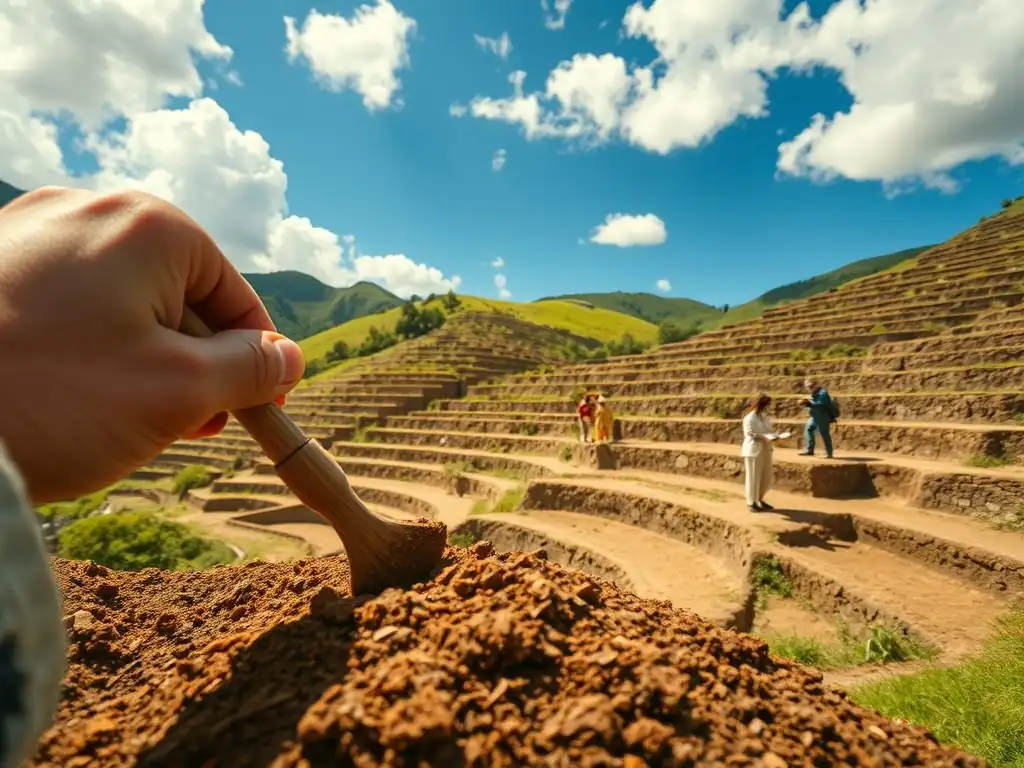
Welcome to Indigenous Civilizations of the Americas, where we embark on a thrilling journey through the rich tapestry of cultures that flourished long before European contact. In our featured article, “How Soil Analysis Reveals Agricultural Practices of Ancient Civilizations,” we delve into the fascinating realm of ancient indigenous agricultural practices. Discover how modern science uncovers the innovative techniques and sustainable methods employed by these remarkable societies, shaping not only their communities but also the environment around them.
Join us as we unravel the secrets of the past and illuminate the profound legacy that continues to influence our world today. Your exploration awaits!
- Introduction to Soil Analysis in Archaeology
- The Role of Soil in Revealing Agricultural Techniques
- Key Soil Analysis Techniques Used in Archaeology
- Case Studies: Soil Analysis of Ancient Indigenous Cultures
- Comparative Analysis: Ancient vs. Modern Agricultural Practices
- Challenges in Soil Analysis for Archaeological Research
- Conclusion: The Significance of Soil Analysis in Understanding Ancient Indigenous Agricultural Practices
- Frequently Asked Questions
- Final Reflection: Unearthing the Wisdom of Ancient Indigenous Agricultural Practices
- Uncover the Secrets Beneath Your Feet!
Introduction to Soil Analysis in Archaeology
Soil analysis plays a pivotal role in the field of archaeology, particularly when it comes to uncovering the agricultural practices of ancient civilizations. As we delve into the rich tapestry of ancient indigenous agricultural practices, soil provides invaluable insights into how these cultures interacted with their environment, cultivated crops, and developed sustainable farming techniques.
By examining soil composition, remnants of plant material, and chemical signatures, archaeologists can reconstruct farming methods, understand crop selection, and reveal the socio-economic structures that supported these practices. This article will explore how advanced soil analysis techniques illuminate the agricultural landscapes of indigenous peoples across the Americas, offering a deeper appreciation of their ingenuity and adaptation long before European colonization.
Importance of Soil Analysis in Understanding Ancient Cultures
Soil analysis is not merely a technical process; it is a gateway to understanding the intricate relationships between ancient societies and their environments. Through the study of soil, researchers can uncover:
- Crop Cultivation Techniques: By identifying the types of crops grown and their spatial distribution, archaeologists can infer the agricultural strategies employed by ancient civilizations. For instance, variations in soil nutrients can indicate methods of crop rotation or the use of fertilizers.
- Land Management Practices: Soil analysis can reveal evidence of land management practices, such as terracing or irrigation systems, that were vital for sustaining agricultural productivity in diverse environments.
- Cultural Significance of Agriculture: The choice of crops and farming techniques often reflects cultural values and social structures. Understanding these choices helps to paint a fuller picture of the societal priorities and interactions of ancient communities.
Through these insights, soil analysis not only sheds light on the practical aspects of agriculture but also enriches our understanding of the cultural identities of ancient indigenous peoples.
Overview of Ancient Indigenous Agricultural Practices
The agricultural practices of ancient indigenous cultures across the Americas were as diverse as the environments they inhabited. Some key aspects include:
- Crop Diversity:
- Maize, Beans, and Squash: Known as the "Three Sisters," these staple crops were cultivated together in a symbiotic relationship, providing essential nutrients and maximizing space.
- Root Crops: Cultures in various regions also relied on root vegetables like potatoes and yams, which were vital for nutrition.
- Innovative Techniques:
- Slash-and-Burn Agriculture: This technique involved clearing forested areas to create arable land, allowing for nutrient-rich soil to support crop growth.
- Raised Field Agriculture: In wetland areas, indigenous peoples constructed raised fields to enhance drainage and protect crops from flooding.
- Sustainable Practices:
- Agroforestry: Many ancient societies practiced agroforestry, integrating trees and shrubs into their agricultural landscapes to enhance biodiversity and soil health.
- Crop Rotation: Rotating crops to different plots allowed soil to recover and maintain fertility over time.
These practices not only reflect the ingenuity of ancient indigenous peoples but also highlight their deep understanding of ecological principles, which enabled them to thrive in varying landscapes across the Americas. By analyzing soil from archaeological sites, we can continue to uncover the richness of their agricultural heritage and its lasting impact on modern agricultural practices.
The Role of Soil in Revealing Agricultural Techniques
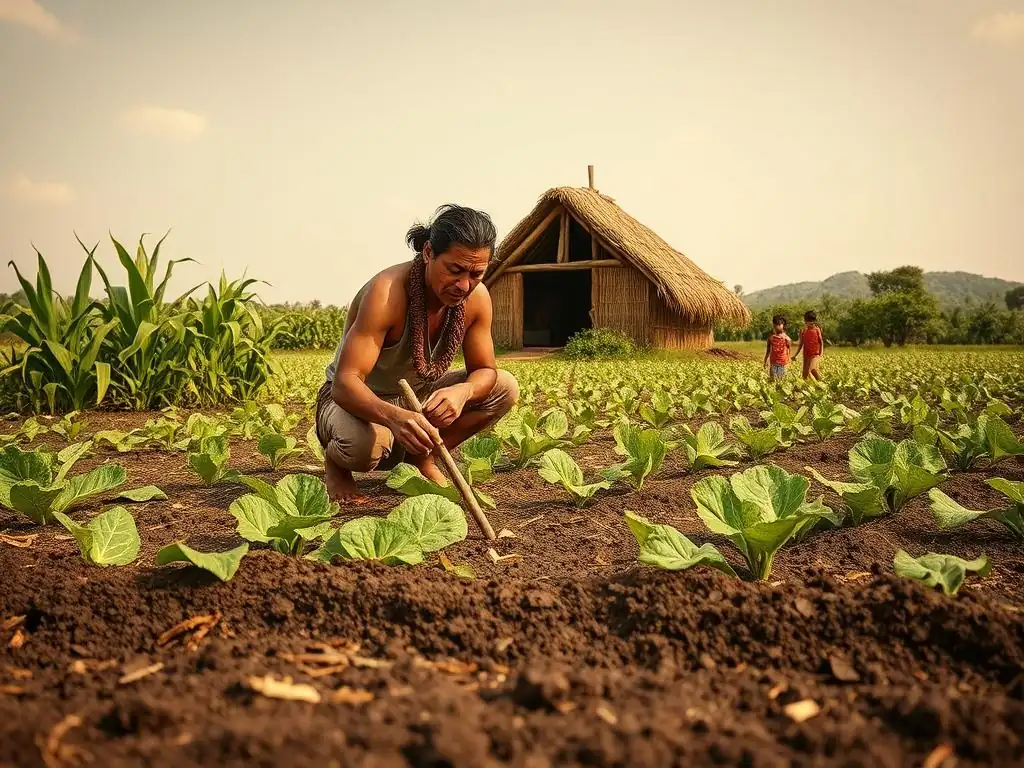
Soil analysis serves as a crucial tool in understanding ancient indigenous agricultural practices. By examining soil characteristics, researchers can infer the types of farming methods employed by various civilizations, the crops they cultivated, and how these practices evolved over time. This analysis not only sheds light on the agricultural techniques utilized but also reveals the relationship between these communities and their environment. Through careful study, we can uncover the sophisticated agricultural systems that sustained diverse societies in the Americas long before European contact.
How Soil Composition Reflects Farming Methods
Soil composition is a direct reflection of the agricultural practices of ancient civilizations. Different types of soil, such as clay, sand, and silt, have unique properties that influence water retention, nutrient availability, and drainage capabilities. These characteristics can indicate specific farming methods used by indigenous peoples. For example:
- Clay-rich soils: Often associated with floodplain farming, where water management was crucial. Communities could utilize the natural flooding cycles to enrich their fields, leading to sustainable agricultural practices.
- Sandy soils: Typically found in areas that relied on dry farming techniques, where crops were selected for their drought resistance. These soils allow for rapid drainage but require careful management to maintain moisture.
- Loamy soils: A combination of clay, sand, and silt, these fertile soils are ideal for diverse crop cultivation. Their balanced composition suggests advanced agricultural practices, including crop rotation and soil amendment techniques.
By analyzing the mineral content and texture of soil samples, archaeologists can reconstruct ancient land-use patterns and infer the technological advancements of these civilizations. For instance, evidence of organic matter, such as charred plant remains, can indicate the use of composting, while high levels of certain nutrients might suggest intensive cultivation practices.
Indicators of Crop Cultivation in Soil Samples
The examination of soil samples provides various indicators of crop cultivation and agricultural intensity among ancient indigenous peoples. Some key indicators include:
- Pollen Analysis: The presence of specific pollen types can reveal which crops were cultivated. For example, maize (corn) pollen is a significant indicator of agricultural activity in certain regions.
- Phytoliths: Microscopic silica structures formed in plant tissues, phytoliths can survive long after the plant itself decomposes. Their identification in soil samples can confirm the presence of specific crops and the methods of cultivation used.
- Stable Isotope Analysis: This technique helps in understanding the dietary habits of ancient populations by analyzing carbon and nitrogen isotopes in soil organic matter. Variations in these isotopes can indicate shifts in agricultural practices or crop types over time.
- Soil Microbial Communities: The composition of microbial communities can signal agricultural intensity. Changes in microbial diversity and abundance often correspond with land-use changes, indicating periods of intensive cultivation or fallow practices.
- Sediment Layers: Stratigraphy of soil layers can reveal historical agricultural practices through the examination of sediment deposits, which may show signs of erosion or cultivation.
By combining these indicators, researchers can create a comprehensive picture of ancient indigenous agricultural practices. These insights not only enhance our understanding of past societies but also inform modern agricultural sustainability practices by revealing time-tested techniques that promoted resilience and productivity.
Key Soil Analysis Techniques Used in Archaeology
Stratigraphy and Its Importance in Identifying Layers
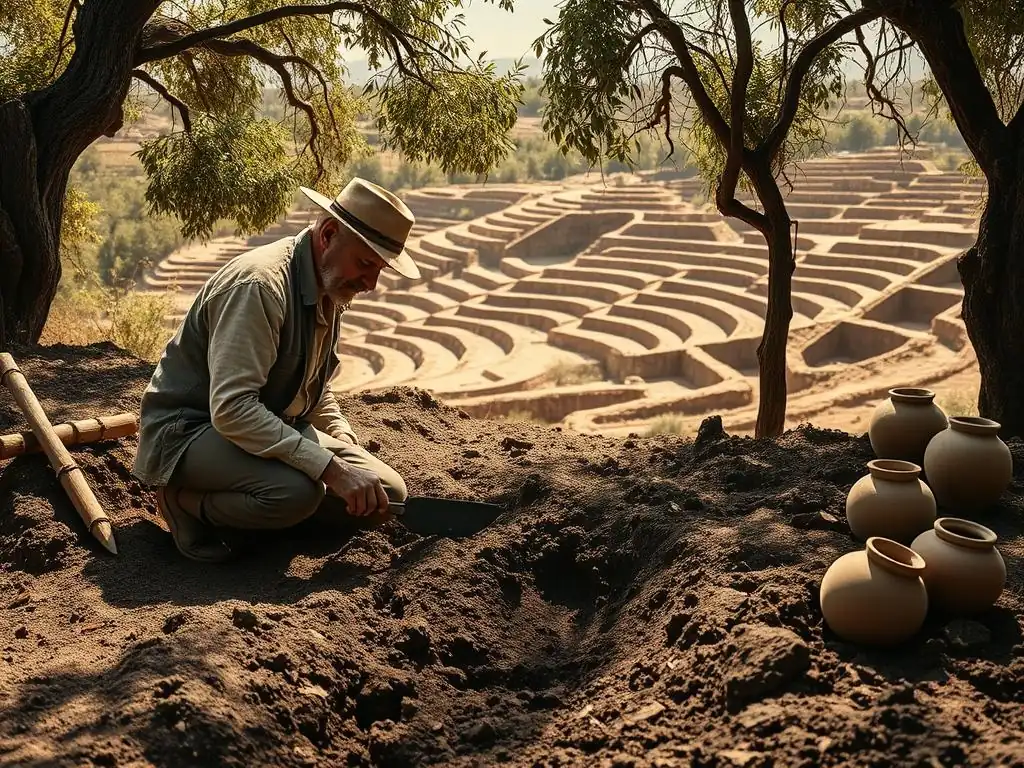
Stratigraphy is a fundamental technique in archaeology that involves studying the layers of soil and sediment in a given area. It is crucial for understanding the chronological sequence of human activity, particularly regarding ancient indigenous agricultural practices. By examining the different strata, archaeologists can establish timelines for when specific agricultural techniques were employed by ancient civilizations.
The layers of soil contain artifacts, organic remains, and other materials that provide insight into past societies. For instance, a deeper layer may reveal evidence of earlier farming methods, while upper layers might show more advanced techniques. This vertical layering can be visualized as a timeline, where each stratum represents a different period of cultivation, crop selection, and agricultural innovation.
Moreover, stratigraphy allows researchers to correlate soil layers across different sites, leading to a broader understanding of regional agricultural practices. By comparing stratigraphic data, archaeologists can identify trends in farming techniques and shifts in crop preferences among various indigenous cultures, such as the maize cultivation practices of the Maya or the complex irrigation systems developed by the Hohokam.
Chemical Analysis and Its Role in Revealing Nutrient Use
Chemical analysis of soil samples provides a wealth of information about the nutrient management strategies employed by ancient indigenous peoples. By examining the chemical composition of soil layers, researchers can infer how these civilizations enriched their soils to maximize agricultural yield.
Key chemical markers include:
- Phosphorus levels: High phosphorus concentrations often indicate the use of fertilizers, which may have been derived from animal waste, fish remains, or plant materials.
- Organic matter content: The presence of decomposed plant material can suggest practices such as crop rotation or the use of cover crops, which enhance soil fertility.
- pH levels: Analyzing soil pH helps determine the suitability of the land for various crops and can inform us about ancient agricultural knowledge, such as when to apply lime to improve soil conditions.
A prominent example is the terra preta of the Amazon, a type of enriched soil created by ancient indigenous farmers who incorporated charcoal, bone, and organic waste, resulting in fertile ground capable of sustaining diverse crops. This chemical understanding contributes significantly to our knowledge of the sustainable practices employed by ancient civilizations.
Microbial Analysis: Understanding Soil Health in Ancient Times
Microbial analysis is a relatively newer approach in the study of ancient soils but offers profound insights into the agricultural practices of indigenous societies. Soil health is closely linked to the diversity and abundance of microbial populations, which play a vital role in nutrient cycling and plant health.
By analyzing soil samples for microbial DNA and activity, researchers can gain an understanding of:
- Historical crop rotations: Different crops support different microbial communities. Identifying microbial signatures can reveal which crops were planted and how they were rotated over time.
- Soil amendments: The presence of specific bacteria and fungi can indicate whether ancient farmers applied compost or other organic amendments to enhance soil health.
- Disease management: A diverse microbial community can suppress soil-borne diseases. Examining past microbial populations helps determine how ancient cultures managed plant health and soil ecology.
For example, studies of ancient agricultural sites in the Southwestern United States have shown that indigenous farmers maintained a diverse range of crops and soil amendments, contributing to resilient agricultural systems that thrived in challenging environments.
These key soil analysis techniques—stratigraphy, chemical analysis, and microbial analysis—offer valuable insights into the ancient indigenous agricultural practices that shaped the Americas long before European contact. By piecing together the evidence from soil, archaeologists not only uncover the agricultural strategies of these civilizations but also highlight their sophisticated approaches to environmental stewardship and sustainability.
Case Studies: Soil Analysis of Ancient Indigenous Cultures
Case Study 1: The Maya Civilization and Their Agricultural Techniques
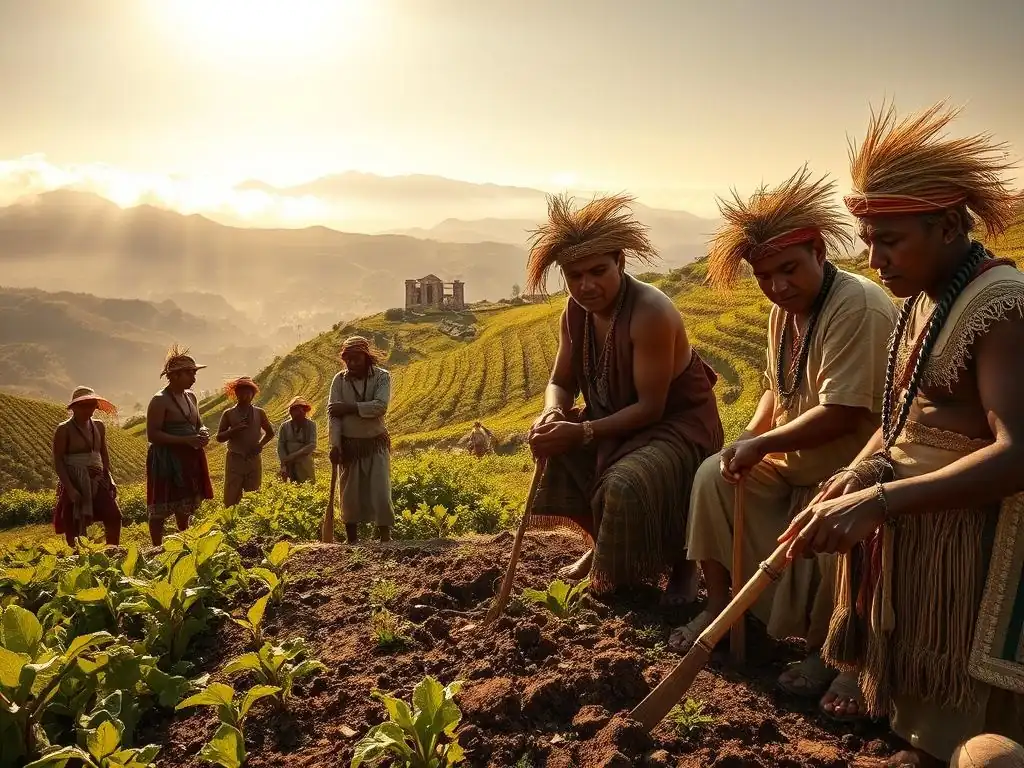
The ancient Maya civilization, known for its advanced societal structures and monumental architecture, also excelled in agricultural practices that sustained their population and supported their complex society. Recent soil analysis has provided significant insights into these practices, revealing a sophisticated understanding of their environment.
Soil Findings and Implications for Farming Practices
Soil samples taken from various Maya sites, including Tikal and Copán, have indicated the use of terra preta, a nutrient-rich dark soil created through human activity. This type of soil is characterized by its high levels of charcoal, organic matter, and nutrients, which suggest that the Maya engaged in deliberate soil management strategies to enhance fertility.
- Key findings include:
- The presence of charcoal indicates controlled burning practices, likely used to manage weeds and enrich the soil.
- High concentrations of pottery shards in soil samples suggest the incorporation of organic waste into the soil, which would improve nutrient availability.
- The analysis revealed evidence of crop rotation and polyculture, where various crops were grown together, promoting biodiversity and soil health.
These practices not only supported the Maya's agricultural output but also contributed to their ability to sustain large urban populations. The integration of soil management techniques highlights the ancient indigenous agricultural practices that were both innovative and effective, allowing the Maya civilization to thrive for centuries.
Case Study 2: The Inca Empire and Their Use of Soil
The Inca Empire, renowned for its vast territorial expanse and intricate road systems, also showcased remarkable agricultural ingenuity. Their adaptation to the diverse Andean environments is well-documented through soil analysis, revealing advanced techniques tailored to their unique landscapes.
The Connection Between Soil Management and Crop Diversity
Soil analysis conducted in regions such as the Sacred Valley has unveiled how the Incas utilized various soil management strategies to enhance crop diversity and resilience.
- Key observations include:
- Terracing: The Inca constructed extensive terrace systems that not only prevented soil erosion but also maximized arable land. These terraces allowed for the cultivation of different crops at varying altitudes, effectively exploiting microclimates.
- Soil enrichment: Analysis shows that the Incas implemented composting techniques using animal manure and plant residues, significantly improving soil fertility.
- Crop selection: Soil studies revealed that the Incas grew a variety of crops, including potatoes, quinoa, and maize, which were well-suited to their specific soil types.
The intricate relationship between soil management and agricultural diversity in the Inca Empire underscores the sophistication of their ancient indigenous agricultural practices. By leveraging their understanding of local soil conditions, the Incas were able to create a sustainable agricultural system that supported one of the largest empires in pre-Columbian America.
By examining these case studies, we gain a clearer understanding of how ancient indigenous cultures utilized soil analysis to inform their agricultural practices, ultimately shaping the landscapes and societies of the Americas long before European contact.
Comparative Analysis: Ancient vs. Modern Agricultural Practices
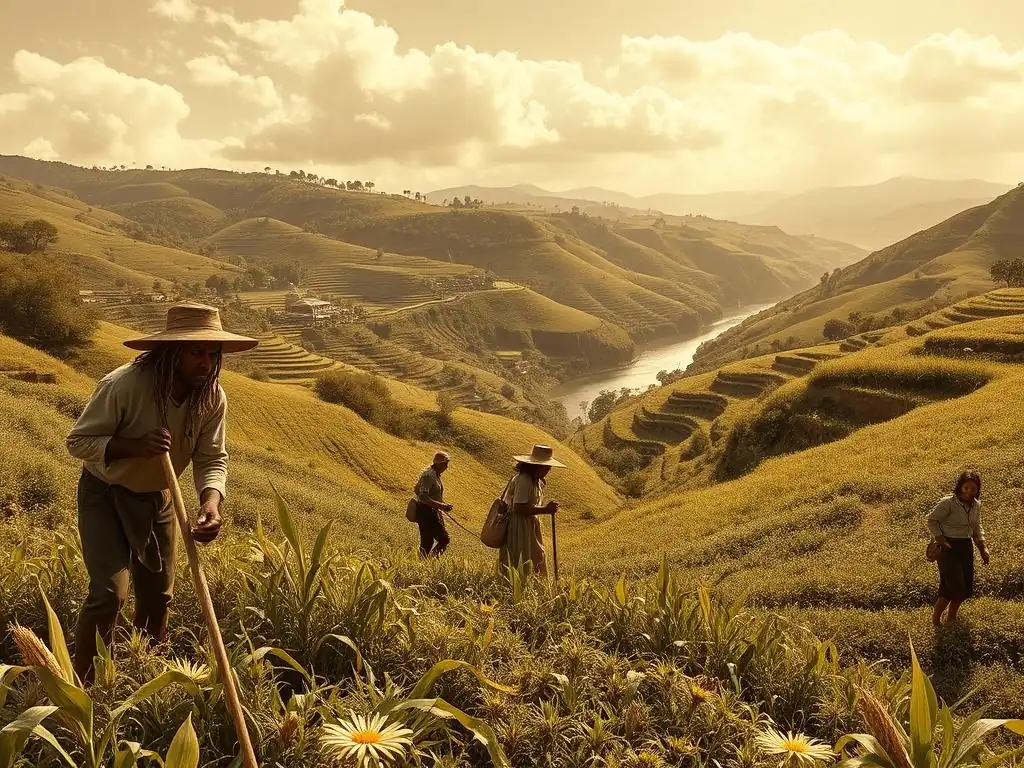
Understanding the agricultural practices of ancient indigenous civilizations provides valuable insights into their societies, economies, and interactions with their environment. By comparing these ancient practices with modern techniques, we can appreciate the innovations and adaptations that have occurred over millennia.
Similarities in Techniques and Soil Management
Despite the vast temporal and technological gaps, ancient indigenous agricultural practices share several similarities with modern techniques, particularly in soil management.
- Crop Rotation:
- Both ancient and contemporary farmers utilize crop rotation to enhance soil fertility and reduce pests. Indigenous peoples often rotated maize, beans, and squash—known as the "Three Sisters"—to maintain soil health and increase yields.
- Organic Fertilization:
- Ancient civilizations, such as the Maya and the Inca, frequently employed organic materials like compost and animal manure to enrich their soil. This practice mirrors modern organic farming techniques, which emphasize sustainable amendments rather than synthetic fertilizers.
- Terracing and Contour Farming:
- The use of terraces to minimize soil erosion and maximize arable land is evident in both ancient and modern agricultural practices. The Inca civilization, for instance, expertly constructed terraces in the Andes, similar to contemporary contour farming strategies that follow the land's natural contours to reduce run-off.
- Mulching:
- Ancient farmers applied organic mulch to retain soil moisture and suppress weeds, a technique still prevalent in modern agriculture. This practice not only improves soil structure but also enhances the soil's microbial life.
- Agroforestry:
- Indigenous practices often incorporated trees within agricultural systems to provide shade, enhance biodiversity, and improve soil quality. Modern sustainable agriculture increasingly recognizes the benefits of agroforestry in promoting ecological balance.
Differences in Tools and Approaches to Soil Fertility
While there are notable similarities, the differences between ancient and modern approaches to soil fertility are equally significant:
- Tools and Technology:
- Ancient indigenous farmers relied on hand tools made from stone, bone, or wood, limiting the scale and efficiency of their farming. In contrast, modern agriculture benefits from advanced machinery and technology, such as tractors, plows, and soil sensors, which enable greater productivity and precision.
- Soil Testing and Analysis:
- Modern agricultural practices utilize sophisticated soil testing methods to analyze pH, nutrient levels, and organic matter content. Ancient civilizations lacked such technology, relying instead on empirical knowledge passed down through generations to manage soil fertility.
- Synthetic Fertilizers:
- The introduction of synthetic fertilizers in the 20th century transformed agricultural practices, allowing for rapid soil enrichment and increased crop yields. Ancient practices, however, were entirely based on natural amendments, which limited their ability to achieve similar levels of productivity.
- Irrigation Techniques:
- While many ancient civilizations, such as the Hohokam in the Southwest United States, developed sophisticated irrigation systems to manage water resources, modern irrigation employs advanced technologies like drip and pivot systems, providing more efficient water use and application.
- Understanding of Soil Science:
- Modern agriculture benefits from a scientific understanding of soil ecosystems, including microbiology and chemistry. In contrast, ancient indigenous practices were based on observational knowledge and cultural traditions rather than a systematic understanding of soil dynamics.
By examining these similarities and differences, we gain a deeper appreciation for how ancient indigenous agricultural practices laid the groundwork for modern techniques, illustrating a continuum of knowledge and adaptation throughout history. The enduring legacy of these practices continues to inform sustainable agriculture today, highlighting the importance of respecting and learning from the wisdom of indigenous cultures.
Challenges in Soil Analysis for Archaeological Research
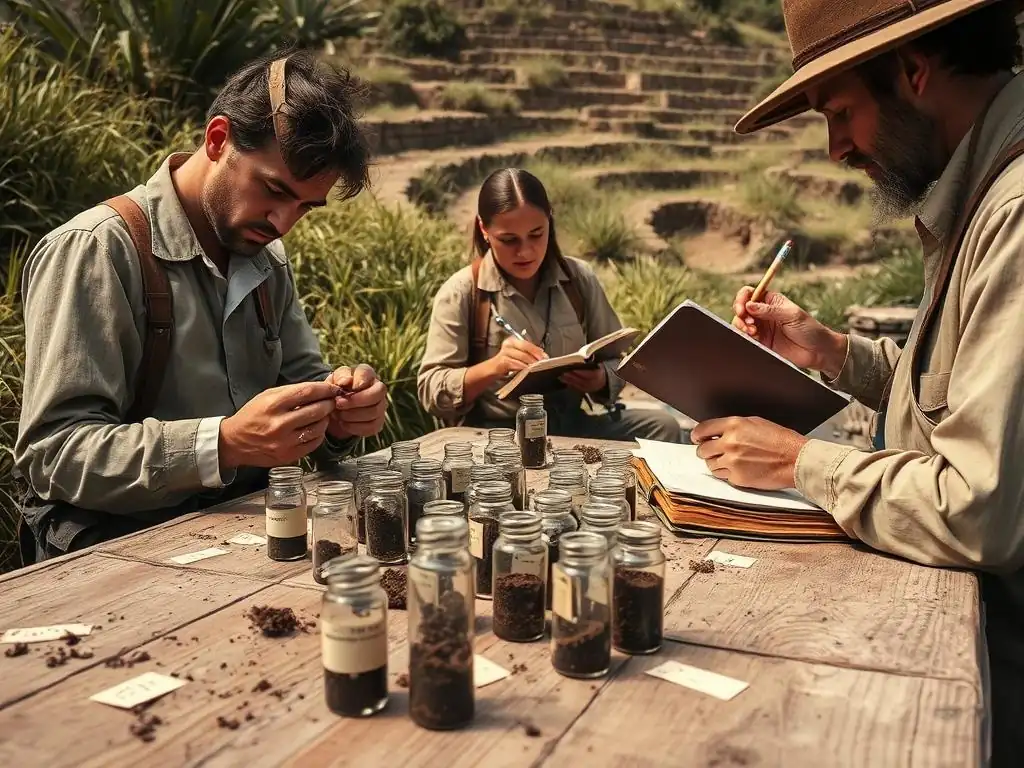
Soil analysis plays a crucial role in understanding ancient indigenous agricultural practices, but it comes with its own set of challenges. Researchers must navigate various complexities when interpreting soil data, which can influence our understanding of ancient civilizations' agricultural systems and their adaptation to environmental conditions. This section delves into the limitations of soil sampling and interpretation, as well as the preservation issues that can arise over time.
Limitations of Soil Sampling and Interpretation
The process of soil sampling in archaeological research is not without its limitations. These constraints can impact the accuracy and representativeness of the data collected:
- Site Selection Bias: Archaeologists often focus on specific locations due to prior discoveries or historical significance. This can lead to a limited understanding of agricultural practices across different regions. For example, soil samples from a well-preserved site may not be representative of practices in surrounding areas, limiting the scope of conclusions drawn.
- Temporal Context: The interpretation of soil samples is heavily influenced by the temporal context of the agricultural practices. Variability in soil properties over time can obscure the relationship between soil composition and farming techniques. For instance, if soil samples are taken from a layer that spans several centuries, it may be difficult to attribute specific agricultural practices to a particular time frame.
- Soil Disturbance: Activities such as plowing or construction can disturb soil layers, making it challenging to obtain undisturbed samples. This disturbance can result in a mixed stratigraphy that complicates the analysis. As a consequence, researchers may encounter difficulties in accurately assessing the agricultural practices that existed at the time of the original deposition.
- Chemical Alterations: Chemical processes can alter soil composition over time, especially in regions with high moisture or temperature fluctuations. These changes can lead to misinterpretations of soil nutrients and pH levels, which are critical for understanding ancient farming methods. For example, if soil samples show higher acidity than expected, it might suggest a different agricultural approach than what was originally practiced.
Preservation Issues of Soil Samples Over Time
The preservation of soil samples is another critical challenge faced by archaeologists studying ancient indigenous agricultural practices. Several factors can affect the integrity and usability of these samples:
- Environmental Factors: Soil samples are susceptible to environmental conditions such as temperature, moisture, and biological activity. Fluctuations in these factors can lead to degradation of organic materials within the soil, which can diminish the information available for analysis. For instance, high moisture levels might promote the growth of microorganisms that decompose organic matter, resulting in loss of crucial data regarding past agricultural practices.
- Container and Transport: The methods used to collect and store soil samples can also impact preservation. If samples are not properly sealed or are exposed to extreme temperatures during transport, the data may become compromised. Researchers must ensure that soil samples are collected in sterile, airtight containers to minimize contamination and degradation.
- Temporal Gaps: Over time, soil samples can become less representative of the original agricultural context due to various factors, including sedimentation and erosion. Such changes can obscure the evidence of historical land use patterns. Archaeologists often face the challenge of reconciling gaps in the archaeological record with the soil evidence available.
- Technological Limitations: Advances in soil analysis techniques continue to evolve, yet not all archaeological sites have access to the latest technology. Limited resources may hinder the ability to conduct thorough analyses, affecting the reliability of the findings. As a result, some ancient indigenous agricultural practices may remain poorly understood due to the constraints of available analytical methods.
While soil analysis provides invaluable insights into ancient indigenous agricultural practices, researchers must be aware of these challenges to interpret findings accurately. By addressing limitations in sampling and preservation, archaeologists can enhance their understanding of the agricultural systems that sustained ancient civilizations across the Americas.
Conclusion: The Significance of Soil Analysis in Understanding Ancient Indigenous Agricultural Practices
Soil analysis has emerged as a pivotal technique in unraveling the complexities of ancient indigenous agricultural practices. By examining soil composition, structure, and nutrient content, researchers can reconstruct the agricultural landscapes that ancient civilizations cultivated. This analysis not only sheds light on the crops grown but also reveals the sophisticated farming methods employed by these communities.
For instance, studies have shown that the ancient Maya utilized the rich, fertile soils of the lowland tropics to cultivate crops like maize, beans, and squash. By analyzing soil samples, archaeologists have identified evidence of crop rotation and the use of organic fertilizers, practices that demonstrate an advanced understanding of sustainable agriculture. The insights gained from soil analysis are crucial for appreciating the ingenuity and adaptability of these civilizations in response to their environmental conditions.
Implications for Modern Agriculture and Sustainability
The lessons learned from ancient indigenous agricultural practices are remarkably relevant to contemporary agriculture and sustainability efforts. As modern society grapples with issues such as soil degradation, climate change, and food security, understanding how ancient civilizations thrived in diverse environments can provide valuable guidance.
- Soil Health: The traditional practices of indigenous cultures often emphasized soil health and fertility. For example, the use of compost and natural fertilizers is now being revisited as a sustainable approach to enhance modern agricultural productivity.
- Crop Diversity: Ancient agricultural systems frequently relied on polyculture, growing multiple crops in the same area. This method not only increased biodiversity but also reduced the risk of crop failure, a strategy that is gaining traction in today's agricultural practices.
- Water Management: Many indigenous communities developed intricate irrigation systems that optimized water use. By studying these systems, modern farmers can learn to implement more efficient water management techniques, especially in water-scarce regions.
The integration of these ancient practices into modern sustainable agriculture holds promise for addressing the pressing challenges faced by today's food systems.
Future Directions in Soil Analysis Research in Archaeology
The field of soil analysis in archaeology is evolving, with exciting developments on the horizon that promise to deepen our understanding of ancient indigenous agricultural practices. Future research directions include:
- Advanced Analytical Techniques: The application of cutting-edge technologies, such as isotopic analysis and high-resolution imaging, will enable archaeologists to gain even more detailed insights into soil composition and its historical changes. This can help identify specific farming techniques and their impacts over time.
- Interdisciplinary Collaboration: Collaborations between archaeologists, ecologists, and agricultural scientists can foster a holistic understanding of how ancient practices can inform modern agriculture. Such partnerships may lead to innovative solutions for current agricultural challenges.
- Longitudinal Studies: Conducting long-term studies on soil samples from various archaeological sites will allow researchers to track changes in soil health and agricultural practices over centuries. This can provide a clearer picture of how indigenous communities adapted to environmental shifts.
- Cultural Perspectives: Incorporating indigenous knowledge and perspectives into soil analysis research can enrich our understanding of ancient practices. Engaging with contemporary indigenous communities can provide insights into the cultural significance of agricultural techniques and their relevance today.
Soil analysis is a critical tool that not only helps uncover the agricultural practices of ancient indigenous civilizations but also offers valuable lessons for modern society. By continuing to explore this field, researchers can bridge the past and present, fostering sustainable agricultural practices that respect both cultural heritage and environmental stewardship.
Frequently Asked Questions
What are ancient indigenous agricultural practices?
Ancient indigenous agricultural practices refer to the traditional farming techniques developed by indigenous peoples in the Americas, including crop rotation, companion planting, and irrigation methods that sustained their communities.
How did soil analysis contribute to understanding these practices?
Soil analysis provides insights into nutrient levels, crop residues, and land management techniques used by ancient civilizations, allowing researchers to reconstruct their agricultural systems and understand their sustainability.
What civilizations are known for their agricultural innovations?
Civilizations such as the Maya, Aztec, and Inca are renowned for their advanced agricultural practices, including the use of terracing, chinampas, and sophisticated irrigation systems that maximized crop yields.
Why is it important to study these agricultural practices?
Studying ancient indigenous agricultural practices is crucial for understanding the environmental knowledge of these civilizations and can inform modern sustainable farming methods in the face of climate change.
How did these practices impact their societies?
The success of ancient agricultural practices supported complex societies, trade networks, and cultural achievements, allowing indigenous civilizations to thrive and leaving a lasting impact on future generations.
Final Reflection: Unearthing the Wisdom of Ancient Indigenous Agricultural Practices
The exploration of ancient indigenous agricultural practices through soil analysis is not just an academic endeavor; it is a vital link to understanding our past and shaping our future. As we face pressing global challenges such as climate change and food security, the lessons embedded in the agricultural techniques of ancient civilizations offer invaluable insights. These practices, honed over centuries, remind us that sustainable farming is not a modern invention but a time-tested approach that can guide contemporary agricultural strategies.
The influence of these ancient practices continues to resonate in today's cultural and social landscapes. By recognizing the ingenuity of our ancestors, we can cultivate a deeper appreciation for indigenous knowledge and its relevance in modern agriculture. As we strive for sustainability, it is essential to honor the wisdom of those who came before us. We do not inherit the earth from our ancestors; we borrow it from our children.
This quote encapsulates the responsibility we hold to learn from the past and apply those lessons to protect our planet for future generations.
As you reflect on the agricultural practices of ancient civilizations, consider how you can incorporate their wisdom into your own life. Whether through supporting local farmers, advocating for sustainable practices, or simply being mindful of your consumption, each action contributes to a larger movement toward ecological harmony. Embrace the opportunity to connect with the earth, honor its history, and become a steward of its future. Let the lessons of the past inspire you to cultivate a more sustainable and equitable world.
Uncover the Secrets Beneath Your Feet!
Thank you for exploring the fascinating relationship between soil analysis and the agricultural practices of ancient civilizations. You’ve unearthed valuable insights that can inspire a deeper appreciation for our environmental heritage. Now, let’s take that knowledge and turn it into action!
Here are a few steps you can take to further engage with this vital topic:
- Conduct a simple soil test in your backyard to understand its composition and health. Discover which ancient practices can enhance your gardening efforts.
- Share your findings and insights with friends or on social media to raise awareness about the importance of soil conservation and the wisdom of traditional agriculture.
- Join a local community garden or agricultural group where you can learn hands-on techniques inspired by historical practices while connecting with like-minded individuals.
What traditional soil practices would you like to experiment with in your own garden, and how do you think they could enhance your growing experience?