
The Fall of the Aztec Empire: A Study in Political Missteps

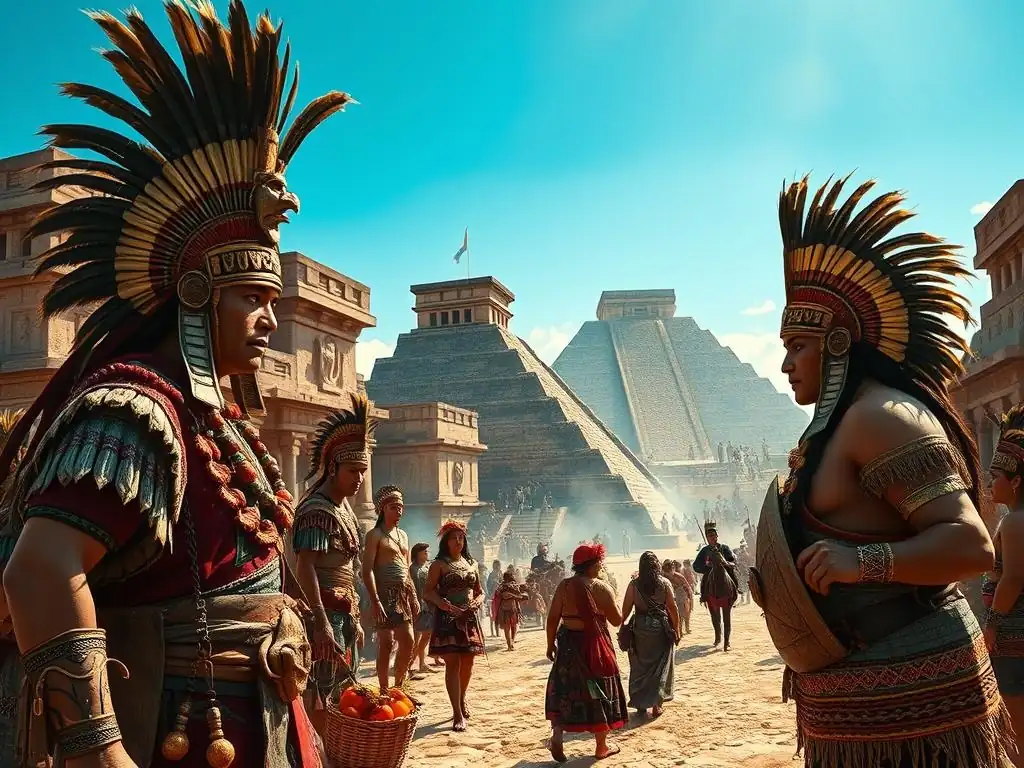
Welcome to Indigenous Civilizations of the Americas, where we invite you to embark on a journey through the rich tapestry of cultures that flourished long before European contact. Our exploration begins with a compelling examination of the causes of the Aztec Empire collapse, a pivotal moment that reshaped the landscape of Mesoamerica. Curious about the political missteps that led to this dramatic downfall?
Join us as we delve into the intricate web of societal dynamics and historical events that influenced one of the most remarkable civilizations in history. Discover the achievements, challenges, and enduring legacy of the Aztecs and their remarkable world. Your adventure into the past starts here!
Introduction to the Aztec Empire
The Aztec Empire, which dominated large parts of Mesoamerica from the 14th to the 16th century, is a fascinating study in the complexities of governance, culture, and power dynamics. Known for their architectural marvels, intricate social hierarchies, and rich religious traditions, the Aztecs built a civilization that thrived for centuries before ultimately succumbing to a series of political missteps and external pressures. Understanding the causes of the Aztec Empire collapse not only sheds light on their historical trajectory but also serves as a poignant reminder of how governance and political decisions can shape the fate of entire civilizations.
Overview of the Aztec Civilization
The Aztec civilization was characterized by its impressive achievements in various domains, including art, engineering, and agriculture. The capital, Tenochtitlan, was a bustling metropolis built on an island in Lake Texcoco, showcasing advanced urban planning and engineering skills. The society was organized around a rigid caste system, with the emperor at the top, followed by nobles, priests, merchants, and farmers. The Aztecs were also known for their polytheistic religion, which played a crucial role in their daily lives and governance.
The empire expanded through a series of conquests, which not only increased its territorial reach but also brought a diverse array of cultures under its influence. Despite its strengths, the Aztec Empire was not without internal challenges, which would ultimately contribute to its downfall.
Importance of Political Structure in Aztec Society
The political structure of the Aztec Empire was complex and multifaceted, heavily influencing its governance and social order. The emperor, considered a divine figure, wielded significant power, supported by a council of nobles and priests who helped make crucial decisions. Local governors, or tlatoque, managed provinces, ensuring that tribute and resources flowed into the capital. This hierarchical system allowed for efficient administration but also created vulnerabilities, particularly when faced with dissent or external threats.
Political decisions were often intertwined with religious beliefs, leading to a society that prioritized ritual and tradition. However, this intertwining of politics and religion could also lead to rigidity in governance, as leaders may have been reluctant to adapt to changing circumstances.
Understanding the Causes of the Aztec Empire Collapse
The collapse of the Aztec Empire was not the result of a single event but rather a confluence of factors that weakened its political structure and societal cohesion. Understanding these causes is essential for appreciating the complexity of this historical moment.
Internal Political Conflicts
Internal strife played a significant role in the decline of the Aztec Empire. As the empire expanded, so did the discontent among subjugated peoples, leading to revolts and challenges to central authority. The political alliances that had once supported the empire began to fracture, as local leaders sought greater autonomy. These conflicts not only distracted the ruling class from external threats but also eroded the loyalty of their allies, ultimately destabilizing the empire.
Economic Factors Leading to Decline
The economy of the Aztec Empire was heavily reliant on tribute from conquered territories. While this system initially bolstered the empire's wealth, it also created a fragile economic foundation. As dissatisfaction grew among tributary states, the flow of resources began to dwindle, leading to economic strain. Additionally, environmental factors, such as drought, contributed to agricultural decline, further exacerbating the situation. A weakened economy meant diminished resources to support military campaigns and public welfare, making the empire increasingly vulnerable.
Social Unrest and Discontent
Social unrest was a significant factor in the collapse of the Aztec Empire. The rigid class structure created deep divisions within society, leading to widespread dissatisfaction among the lower classes, particularly farmers and laborers. The burden of tribute and labor fell disproportionately on these groups, fostering resentment and rebellion. The social fabric of the empire began to fray as these tensions escalated, culminating in a lack of cohesion and loyalty to the central authority.
By examining these causes, we gain insight into the complexities of governance and the multitude of factors that can lead to the fall of even the most powerful empires.
External Influences on the Aztec Empire's Downfall
The fall of the Aztec Empire cannot be understood without considering the significant external influences that played a crucial role in its demise. These influences primarily stemmed from European colonization, which introduced not only foreign military forces but also devastating diseases that impacted indigenous populations. The interplay between these external factors and the internal political structure of the Aztec Empire created a perfect storm that ultimately led to its collapse.
The Role of European Colonization
The arrival of Spanish conquistadors in the early 16th century marked the beginning of a transformative and destructive era for the Aztec Empire. Led by Hernán Cortés, the Spanish were driven by a desire for wealth and land, viewing the Aztecs as obstacles to their imperial ambitions. The Spanish utilized various strategies, including forming alliances with rival indigenous groups, such as the Tlaxcalans, who were discontented with Aztec rule. This tactic not only bolstered the Spanish numbers but also destabilized the political landscape of the Aztec Empire.
The technological superiority of the Spanish, especially in weaponry and military tactics, gave them a significant advantage in confrontations. The use of firearms, horses, and steel swords contrasted sharply with the traditional weapons of the Aztec warriors. Moreover, the Spanish were able to exploit existing tensions within the empire, turning different factions against one another, which ultimately weakened the central authority of the Aztec rulers.
Disease and its Impact on Indigenous Populations
Another critical external influence on the downfall of the Aztec Empire was the introduction of European diseases, such as smallpox, which had a catastrophic impact on indigenous populations. Lacking immunity to these new diseases, the Aztecs suffered devastating mortality rates, significantly reducing their population. It is estimated that smallpox alone may have killed up to 90% of the population in some areas, leading to social disarray and a decline in military strength.
The spread of disease not only caused a demographic crisis but also undermined the social and economic structures of the Aztec Empire. With a diminished population, agricultural production faltered, leading to food shortages and unrest among the populace. The psychological impact of the diseases, perceived as divine punishment, further eroded morale and loyalty towards the Aztec leadership.
Political Missteps Contributing to the Collapse
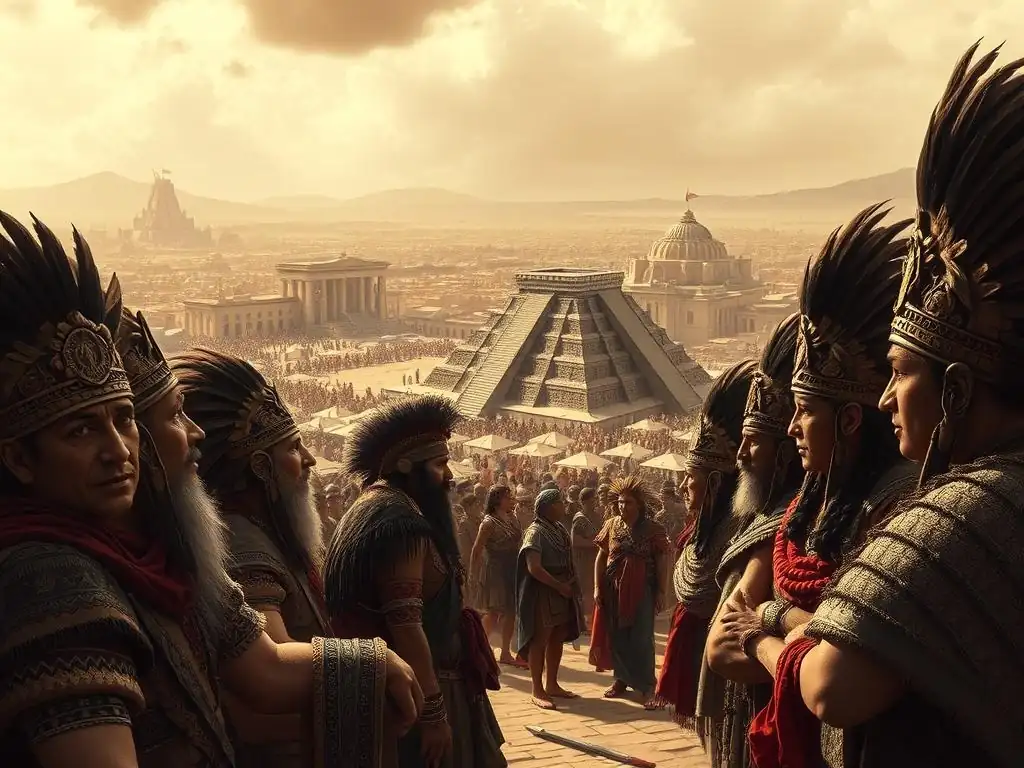
In addition to external factors, internal political missteps significantly contributed to the collapse of the Aztec Empire. The rigid political structure and the inability to adapt to the rapidly changing circumstances of the early 16th century made the empire vulnerable to both internal dissent and external threats.
Failure to Adapt to Changing Circumstances
The Aztec Empire, while powerful, had a political structure that was often inflexible and hierarchical. The leadership, primarily composed of the ruling class and the emperor, failed to recognize and address the shifting dynamics brought about by the arrival of the Spanish. Instead of uniting against a common enemy, internal divisions and the reliance on traditional methods of governance hindered effective responses to the crisis.
Moreover, the Aztecs were overly confident in their military prowess and their ability to quell revolts among subjugated peoples. This underestimation of both the external threat posed by the Spanish and the potential for indigenous alliances against them reflected a critical failure in political foresight. The empire's inability to adapt its governance strategies and military tactics in the face of these unprecedented challenges ultimately contributed to its rapid decline.
Strategic Errors in Military Decisions
Strategic errors in military decisions further exacerbated the vulnerabilities of the Aztec Empire. The initial confrontations with the Spanish were marked by a series of miscalculations. The Aztecs, who had previously enjoyed military success against other indigenous groups, underestimated the capabilities and intentions of the Spanish forces.
One significant error was the decision to engage the Spanish in open combat without fully understanding their tactics and technology. The Aztec warriors, though fierce and courageous, were not prepared for the psychological and tactical warfare employed by the Spanish, including the use of cavalry and firearms. Additionally, the Aztec leadership failed to capitalize on their numerical superiority at critical moments, allowing the Spanish to regroup and strengthen their position.
The reliance on traditional warfare methods in an evolving combat landscape proved detrimental. The Aztec military command did not effectively coordinate a unified response to the Spanish invasion, leading to disarray and weakened defenses. These strategic errors, compounded by the elements of surprise and the disintegration of alliances, paved the way for the eventual fall of the Aztec Empire.
Conclusion: Lessons Learned from the Fall of the Aztec Empire
The collapse of the Aztec Empire serves as a profound case study in political missteps, revealing how a combination of internal strife, overreach, and external pressures can lead to the downfall of even the most powerful civilizations. One key lesson is the importance of adaptability in governance. The Aztecs, while initially successful in their military expansions and tribute system, failed to adapt their political strategies in response to shifting alliances and the growing dissent among subjugated peoples.
Moreover, the reliance on a rigid, hierarchical structure limited the political participation of various groups within the empire, fostering resentment that would later contribute to its collapse. Effective governance must incorporate diverse voices and address the needs of all constituents to ensure stability and loyalty. Additionally, the Aztec experience highlights the dangers of hubris; the belief in their invincibility made them underestimate the potential threat posed by the Spanish conquistadors.
In a broader context, the fall of the Aztec Empire underscores the necessity for continuous assessment of internal dynamics and external relations, reminding modern societies that political vigilance and flexibility are crucial for enduring governance.
Reflection on Political Governance in Indigenous Civilizations
Indigenous civilizations across the Americas employed diverse forms of governance that often prioritized community, consensus, and balance with nature. The Aztec political system, characterized by a centralized authority led by the emperor, contrasted with many other indigenous societies that utilized more egalitarian and decentralized structures.
For example, the Iroquois Confederacy exemplified a model of governance that emphasized collective decision-making and mutual respect among tribes. Such systems not only fostered stability but also facilitated cooperation and negotiation, which can be seen as a response to the challenges of their environments and intertribal relations.
Reflecting on these governance styles offers valuable insights into the diverse political philosophies that existed prior to European influences. It allows for a critical examination of how these systems adapted to challenges and maintained resilience in the face of change. The study of indigenous governance provides contemporary societies with alternative perspectives on leadership, collaboration, and sustainability.
The Lasting Legacy of the Aztec Empire in History
The Aztec Empire's legacy extends far beyond its eventual collapse, influencing subsequent generations in various ways. The empire's remarkable achievements in agriculture, astronomy, and art continue to resonate in modern Mexican culture. The agricultural innovations, such as chinampas (floating gardens), significantly contributed to the region's agricultural practices and are still referenced in discussions of sustainable farming.
Moreover, the Aztecs' complex social structure and vibrant religious practices have left an indelible mark on Mexican identity. The blending of indigenous and European traditions post-conquest has cultivated a rich cultural tapestry that celebrates both Aztec heritage and colonial history.
Additionally, the narratives surrounding the fall of the Aztec Empire have shaped historical discourse around colonization, resistance, and cultural survival. The resilience of indigenous peoples in the face of adversity speaks to the enduring spirit of these civilizations, encouraging ongoing exploration and appreciation of their histories.
References for Further Reading on the Aztec Empire and Political Structures
Suggested Books and Articles
-
"The Aztecs: A Very Short Introduction" by David Carrasco
This book offers a concise overview of the Aztec civilization, touching upon its political structures, cultural practices, and eventual collapse.
-
"The Broken Spears: The Aztec Account of the Conquest of Mexico" by Miguel León-Portilla
This work presents the Aztec perspective on the Spanish conquest, providing insights into the political and social dynamics of the time.
-
"The Aztec Empire: A Historical Encyclopedia" by A. A. MacDonald
This encyclopedia provides detailed entries on various aspects of Aztec life, including governance, economy, and society.
Documentaries and Educational Resources
-
"The Fall of the Aztec Empire" - PBS Documentary
This documentary explores the events leading to the fall of the Aztec Empire and the implications for indigenous peoples in the Americas.
-
"Aztec: The Last Great Civilization of Mesoamerica" - History Channel
This program provides an engaging visual account of the Aztec Empire, focusing on its achievements and political structure.
-
Online Courses and Lectures
Many universities offer free or low-cost courses on Mesoamerican history, which include modules on the Aztec Empire and its governance. Websites such as Coursera or edX may feature relevant content.
By exploring these resources, readers can deepen their understanding of the complexities of the Aztec Empire's political structure and the broader context of indigenous civilizations in the Americas.
- Introduction to the Aztec Empire
- Understanding the Causes of the Aztec Empire Collapse
- External Influences on the Aztec Empire's Downfall
- Political Missteps Contributing to the Collapse
- Conclusion: Lessons Learned from the Fall of the Aztec Empire
- References for Further Reading on the Aztec Empire and Political Structures
- What were the main causes of the Aztec Empire collapse?
- How did European colonization influence the Aztec Empire's fall?
- Were there any internal factors that contributed to the Aztec Empire’s decline?
- What role did alliances play in the fall of the Aztec Empire?
- Can the legacy of the Aztec Empire still be seen today?
Frequently Asked Questions
What were the main causes of the Aztec Empire collapse?
The collapse of the Aztec Empire was primarily due to a combination of political missteps, external invasions, and internal strife that weakened their power and unity.
How did European colonization influence the Aztec Empire's fall?
European colonization, particularly the arrival of Hernán Cortés, introduced new technologies and alliances that the Aztecs could not withstand, leading to their downfall.
Were there any internal factors that contributed to the Aztec Empire’s decline?
Yes, internal factors such as political corruption, social unrest, and the dissatisfaction of subjugated peoples significantly contributed to the empire's weakening before the arrival of Europeans.
What role did alliances play in the fall of the Aztec Empire?
The alliances formed by Cortés with various indigenous groups who were oppressed by the Aztecs helped to create a formidable coalition against them, hastening their collapse.
Can the legacy of the Aztec Empire still be seen today?
Absolutely, the legacy of the Aztec Empire remains evident in modern Mexican culture, including language, traditions, and art, showcasing their lasting impact on the region.
Final Reflection: Understanding the Causes of the Aztec Empire Collapse
The fall of the Aztec Empire serves as a poignant reminder of how political missteps can lead to monumental consequences. In today's world, where political decisions can have far-reaching effects, the lessons learned from the Aztec collapse resonate profoundly. The intricate web of alliances, miscalculations, and the underestimation of external threats that led to their downfall highlights the importance of strategic foresight and adaptability in governance. As we navigate our own complex political landscapes, we must remain vigilant against the pitfalls that led to the disintegration of one of history's most remarkable civilizations.
The cultural and social ramifications of the Aztec Empire's collapse continue to shape our understanding of power dynamics and resilience. The lessons from this historical event remind us that empires, regardless of their might, are vulnerable to internal discord and external pressures. The Aztecs' failure to recognize and adapt to these challenges not only led to their demise but also serves as a cautionary tale for contemporary societies. Those who cannot remember the past are condemned to repeat it.
– George Santayana. This quote encapsulates the essence of learning from history, urging us to reflect on the significance of the Aztec experience in our current societal context.
As we conclude this exploration of the causes of the Aztec Empire's collapse, I invite you to reflect on the implications of these historical lessons in your own life. Consider how the decisions you make, both personally and professionally, can impact your future and the future of those around you.
Embrace the opportunity to learn from the past, fostering a mindset of adaptability and awareness. By doing so, we can honor the legacy of the Aztecs and ensure that their story serves not just as a tale of tragedy, but as a source of inspiration for resilience and growth in our own lives.
Unveil the Lessons of History and Take Action!
Thank you for exploring the fascinating yet cautionary tale of the Aztec Empire. You have gained valuable insights into the political missteps that led to its downfall, and now it's time to apply those lessons to enhance your understanding of contemporary issues. Here’s how you can take the next steps toward exploration and engagement:
- Join a local history group or online forum to discuss and analyze political strategies throughout various civilizations.
- Share your thoughts on social media using the hashtag #LessonsFromHistory to initiate conversations about the relevance of these lessons today.
- Consider visiting a museum or exhibit focused on Indigenous cultures, where you can discover more about the Aztec Empire and its lasting impact.
As you reflect on the past, ask yourself: What modern political missteps do you observe that resonate with the fate of the Aztecs, and how can we learn from them in our current context?