
The Influence of Religion on Aztec Political Authority

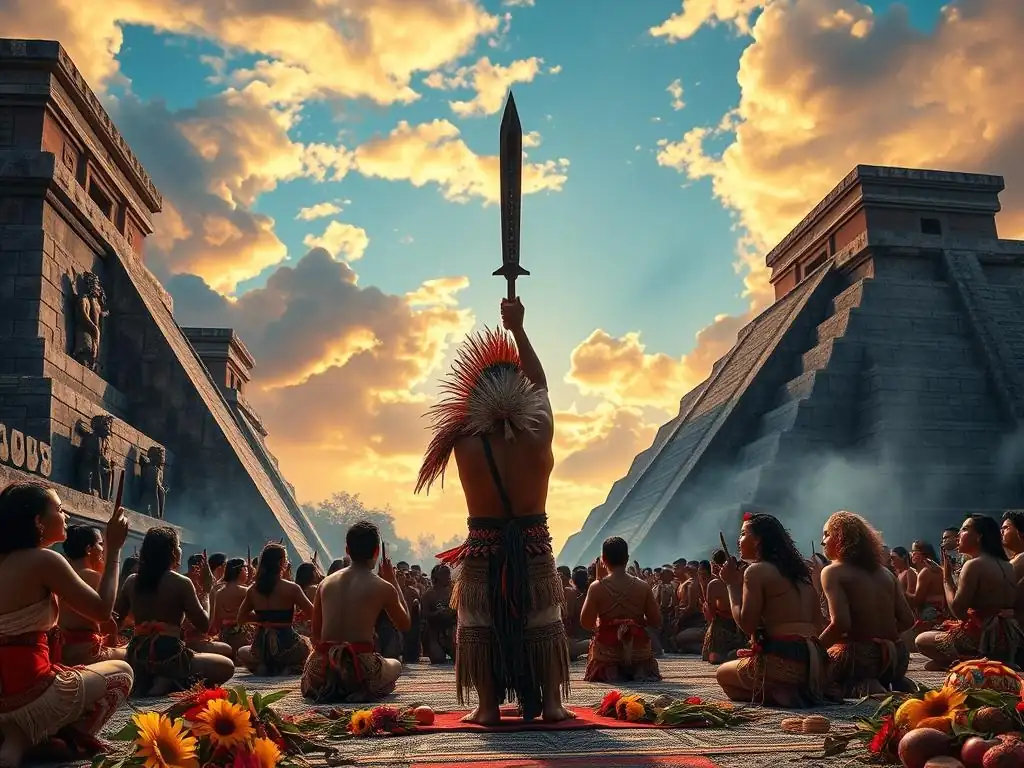
Welcome to Indigenous Civilizations of the Americas, where we invite you to journey through the rich tapestry of cultures that flourished long before European contact. Our exploration delves into the remarkable achievements and intricate societies of Indigenous peoples, spotlighting their enduring legacy. In this article, we unravel the profound connections between Aztec religion and politics, revealing how spiritual beliefs shaped governance and authority in one of history's most fascinating civilizations. Prepare to uncover the layers of influence that crafted the Aztec world—your adventure into the past begins here!
Introduction to Aztec Religion and Politics
The intersection of religion and politics in the Aztec civilization is a fascinating subject, reflecting a society where spiritual beliefs and governance were deeply intertwined. Aztec religion was not merely a set of beliefs but a fundamental pillar that underpinned the entire political structure. This article delves into how Aztec religion and politics were interwoven, shaping the authority and governance of one of the most prominent pre-Columbian civilizations in the Americas. Understanding this relationship is crucial for grasping the complexities of Aztec society and its enduring impact on subsequent cultures.
Overview of Aztec Civilization
The Aztec civilization, flourishing in central Mexico from the 14th to the 16th centuries, was characterized by a rich tapestry of cultural, political, and religious life. At its zenith, the Aztec Empire encompassed a vast territory, with Tenochtitlan as its capital, renowned for its architectural marvels and urban sophistication. The society was structured around a strong central government, led by the tlatoani (king), who wielded significant power, often justified through religious doctrine.
- Key Attributes of Aztec Civilization:
- Capital: Tenochtitlan
- Language: Nahuatl
- Economy: Based on agriculture, trade, and tribute
- Social Structure: Hierarchical, with nobles, commoners, and slaves
The fusion of these elements cultivated a vibrant civilization whose influence extended across Mesoamerica.
Importance of Religion in Aztec Society
Religion was not only a means of worship but also a cohesive force that united the Aztec people. The Aztecs practiced a polytheistic faith, venerating numerous deities associated with natural elements, agriculture, and warfare. Rituals and ceremonies were integral to their daily lives, reinforcing social bonds and cultural identity.
- Key Aspects of Aztec Religion:
- Polytheism: Worship of multiple deities
- Rituals: Sacrifices and ceremonies to appease gods
- Calendar: Religious observances linked to agricultural cycles
This religious framework provided a sense of purpose and order, influencing not only personal lives but also the broader socio-political landscape.
The Role of Religion in Aztec Political Structure
Theocratic Elements of Aztec Governance
The Aztec political system exhibited theocratic characteristics, where religious authorities played crucial roles in governance. The tlatoani often derived legitimacy from divine sanction, believed to be appointed by the gods. This close relationship between religion and political authority ensured that the ruler's decisions were perceived as sacred and justified.
- Examples of Theocratic Governance:
- Rituals performed by rulers before military campaigns
- Divine right to rule, often substantiated through omens and prophecies
This theocratic approach contributed to the stability of the Aztec state, as the populace accepted the ruler's authority as divinely ordained.
Interconnection Between Religion and Political Authority
The interconnection between religion and political authority was evident in various facets of Aztec life. The state was responsible for managing religious festivals, which were not only spiritual events but also occasions for demonstrating political power and reinforcing social hierarchies.
- Impact of Religion on Political Authority:
- Legitimization of rulers through religious ceremonies
- Use of religion to unite diverse groups within the empire
This synergy between religion and politics helped the Aztecs maintain control over their vast territories, as it cultivated loyalty among subjects through shared beliefs and practices.
The Influence of Priests in Aztec Leadership
Priests held a prestigious position within Aztec society, acting as intermediaries between the gods and the people. Their influence extended into the political realm, as they often advised rulers and played significant roles in decision-making processes.
- Roles of Priests in Governance:
- Conducting rituals essential for political legitimacy
- Interpreting omens and signs that guided state actions
The prominence of priests in Aztec leadership underscores the profound impact of religion on governance, marking the era as one where spiritual authority significantly shaped political affairs.
Major Deities and Their Impact on Political Decisions
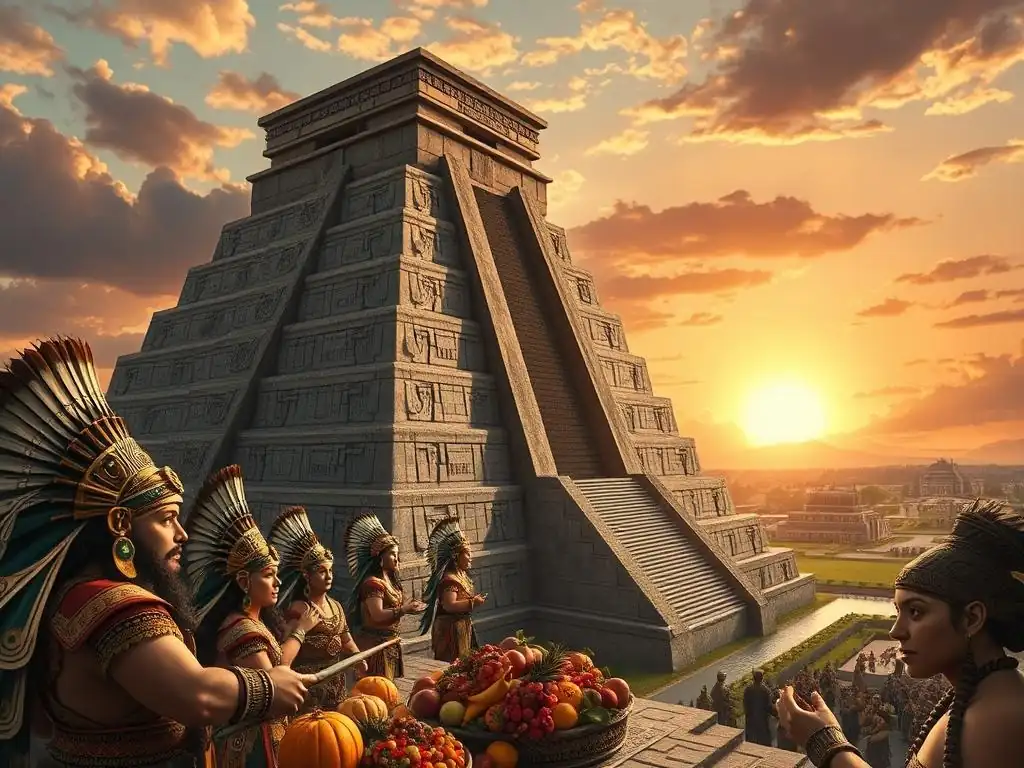
The political landscape of the Aztec civilization was deeply intertwined with their religious beliefs, particularly through the veneration of major deities. The Aztecs believed that the favor of the gods was essential for the stability and prosperity of their society. Consequently, political leaders often made decisions based on religious considerations, seeking divine approval before undertaking significant actions. This connection between religion and politics was evident in the way rulers consulted priests and conducted rituals to ensure their authority was legitimized by the gods.
Key Aztec Deities and Their Significance
Several deities played pivotal roles in shaping Aztec political life. Huitzilopochtli, the god of war and the sun, was central to the Aztec identity. His worship was directly linked to military conquests and the expansion of the empire. Rulers often portrayed themselves as chosen by Huitzilopochtli to lead their people, which reinforced their authority and justified their military campaigns.
Tlaloc, the rain god, was another critical figure whose favor was crucial for agricultural success. Political leaders would invoke Tlaloc to ensure bountiful harvests, which were vital for maintaining social order and economic stability. By aligning political decisions with the worship of these deities, Aztec leaders could solidify their power and gain public support.
Rituals and Ceremonies Influencing Governance
Rituals and ceremonies served as essential tools for political leaders to demonstrate their piety and commitment to the gods. For example, the New Fire Ceremony, held every 52 years, was a significant event marked by elaborate rituals that symbolized renewal and the continuation of the world. During this ceremony, the ruler’s ability to lead effectively was showcased, as it was believed that the gods would only allow the sun to rise if they were pleased.
Additionally, daily rituals performed at temples reinforced the connection between the divine and political authority. These practices not only reinforced the social hierarchy but also served as a reminder to the populace of the divine mandate that supported the rulers' governance.
The Role of Sacrifice in Political Power
Human sacrifice was a crucial element of Aztec religion, deeply influencing their political authority. The Aztecs believed that offering human hearts to the gods was necessary to ensure the sun's rise and maintain cosmic balance. This practice was often used politically to intimidate enemies and assert dominance over conquered peoples.
Rulers leveraged sacrifices during key political events, portraying themselves as intermediaries between the gods and the people. By conducting sacrifices, leaders demonstrated their commitment to maintaining the favor of the gods, which reinforced their legitimacy. The public spectacle of these ceremonies also served to unify the populace under a common religious and political identity.
The Influence of Religion on Law and Order
The intertwining of religion and law in the Aztec civilization was profound, as religious beliefs provided the foundation for legal systems and social norms. The enforcement of laws was often justified through religious doctrine, making compliance not just a civic duty but a spiritual obligation.
Religious Justifications for Aztec Laws
Aztec laws were frequently justified through religious narratives that emphasized divine will. For instance, laws regarding marriage, property, and conduct were often framed as necessary to maintain harmony with the gods. The belief that disobedience could lead to divine retribution motivated adherence to these laws.
Furthermore, the Aztecs viewed their legal system as a reflection of the cosmic order established by the gods, where adherence to laws was essential for societal stability. This religious underpinning lent weight to legal judgments, making it easier for rulers to enforce laws without resistance.
How Religious Beliefs Shaped Social Norms
Religious beliefs permeated every aspect of Aztec life, shaping social norms and expectations. From a young age, individuals were taught the importance of reverence towards the gods and adherence to societal rules. This indoctrination fostered a culture of obedience and respect for authority, both political and divine.
Public festivals and ceremonies reinforced these norms by celebrating the gods and the community's shared values. By aligning societal expectations with religious teachings, the Aztec government could maintain social order and cohesion, ensuring that citizens viewed their leaders as divinely sanctioned figures.
The Enforcement of Law through Religious Authority
The enforcement of laws was often carried out by religious leaders, who wielded significant power in the Aztec political system. Priests not only performed rituals but also served as judges, interpreting laws in accordance with religious principles. This dual role of priests as both spiritual and judicial authorities reinforced the connection between governance and religion.
Moreover, the fear of divine punishment for lawbreakers was a powerful deterrent. The belief that disobedience would result in unfavorable outcomes, both in this life and the afterlife, encouraged compliance with the laws established by the rulers. Thus, the religious authority held by priests and the perceived divine backing of the law ensured that the Aztec political system functioned smoothly.
Case Studies: Religious Events and Political Outcomes
The intersection of religion and politics in the Aztec civilization is vividly illustrated through various case studies, where significant religious events influenced political authority and governance. These events often served as a means of reinforcing the power of rulers while also ensuring the social cohesion of their subjects. Understanding these case studies provides insight into how deeply intertwined the fabric of Aztec society was with its religious beliefs.
The Great Festival of Toxcatl and Its Political Implications
The Great Festival of Toxcatl, celebrated annually, was one of the most important religious events in the Aztec calendar. This festival honored the god Tezcatlipoca and involved elaborate rituals, including the sacrifice of a captive who represented the god himself. The political implications of this event were profound, as it not only reaffirmed the divine right of the emperor but also served to unite the people under a shared religious experience.
During the festival, the emperor would often participate directly in the ceremonies, showcasing his role as the intermediary between the gods and the people. This act of divine association elevated his status and reinforced his authority. Moreover, the event attracted visitors from various city-states, fostering alliances and demonstrating the emperor's power as a leader capable of organizing such a grand spectacle. The festival thus served as both a religious observance and a political tool, solidifying the emperor's position and promoting loyalty among the populace.
The Role of Religious Prophecies in Political Decisions
Religious prophecies played a crucial role in shaping political decisions within the Aztec Empire. Leaders often relied on prophetic visions and interpretations of omens to guide their actions, especially during times of crisis or uncertainty. For instance, the belief in the prophecy of the return of Quetzalcoatl influenced the political landscape as leaders sought to align their governance with these divine expectations.
One notable example is the decision-making process leading up to military campaigns. Aztec rulers would consult priests and diviners to interpret signs that could indicate divine favor or disfavor regarding potential conquests. The outcomes of these prophecies had significant repercussions for political strategies; a favorable prophecy could embolden a ruler to pursue aggressive expansion, while an unfavorable omen might lead to caution or even withdrawal from conflict. This reliance on religious prophecies not only shaped individual rulers' decisions but also impacted the broader political dynamics of the empire.
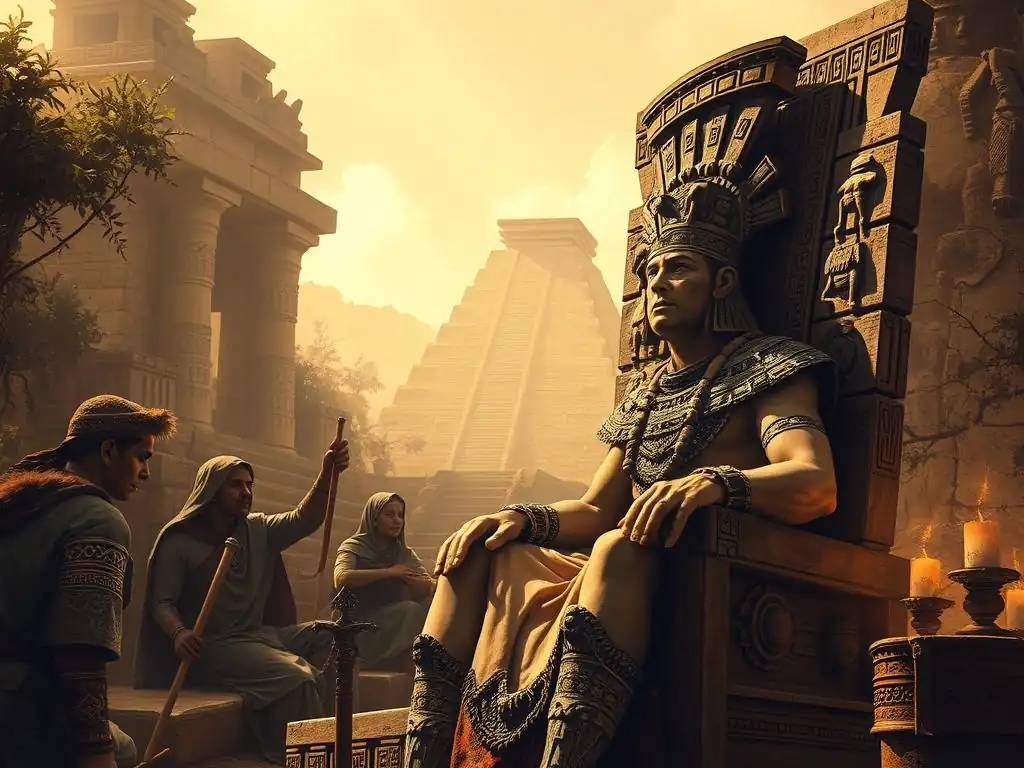
The decline of the Aztec civilization marked a significant transformation in both political authority and religious practice. The arrival of European colonizers brought unprecedented challenges that would disrupt the established religious and political systems, leading to a profound shift in the social fabric of the Aztec Empire.
The Impact of European Colonization on Aztec Religion
European colonization fundamentally altered the religious landscape of the Aztec Empire. The introduction of Christianity and the subsequent efforts of missionaries to convert the indigenous population led to the suppression of traditional Aztec religious practices. Many temples and sacred sites were destroyed or repurposed for Christian worship, effectively erasing centuries of religious history and cultural identity.
The impact of this colonization was not merely cultural; it also had political ramifications. The loss of religious authority weakened the traditional power structures that had been upheld by the religious elite. As the Spanish imposed their beliefs and governance, the Aztec leaders found their roles diminished. The spiritual connection that once legitimized their authority was replaced by foreign doctrines, leading to a loss of cohesion among the people.
Changes in Political Structures Post-Conquest
Following the conquest, the political structure of the Aztec Empire underwent significant changes. The Spanish colonizers implemented a system of governance that dismantled the previous hierarchies, replacing them with colonial administrations. Traditional leaders were often removed from power or coerced into collaboration with the new regime, fundamentally altering the political landscape.
The new political structures favored the Spanish crown, with local indigenous leaders often relegated to subordinate roles. This shift created a complex interplay of power dynamics, where indigenous populations had to navigate the remnants of their old governance while adapting to the demands of their colonizers. Additionally, the blending of Spanish and indigenous governance resulted in a unique political hybrid, which would influence the future political developments in Mexico and beyond.
The decline of Aztec political authority was marked by the erosion of religious foundations, leading to significant changes in governance that reshaped the trajectory of the region's history. The legacy of Aztec religion and politics continues to be a subject of study, reflecting the profound impact of these transformations on modern society.
Conclusion: The Lasting Legacy of Aztec Religion and Politics
The intricate relationship between Aztec religion and political authority has left a profound legacy that continues to influence contemporary perspectives on governance and spirituality. The intertwining of divine sanction and political power created a unique system where rulers were seen as intermediaries between the gods and the people. This dynamic not only legitimized their authority but also reinforced social hierarchies and communal responsibilities. The Aztec emphasis on ritual and sacrifice underscored the importance of maintaining cosmic order, demonstrating how religious beliefs can shape political structures and societal norms.
Today, the understanding of this legacy can be seen in various aspects of modern governance and religious practices in Mexico and beyond. The reverence for indigenous traditions and the ongoing discussions around the rights of indigenous peoples reflect the enduring impact of Aztec governance models. Furthermore, the exploration of Aztec religion offers insights into the ways spirituality can inform political ideologies, revealing a complex interplay that resonates in contemporary discussions on power, authority, and community.
Summary of Key Points on Aztec Religion and Political Authority
The Aztec civilization exemplified a remarkable fusion of religion and politics, characterized by several key points:
- Divine Legitimacy: Aztec rulers derived their authority from the gods, positioning themselves as divine representatives on Earth. This belief system was crucial for maintaining control over the populace.
- Cosmic Order: The Aztecs believed in a cyclical view of time that required regular offerings and rituals to appease the gods, which reinforced the political structure and the rulers' roles in society.
- Sacrificial Practices: Human sacrifice was integral to Aztec religion, believed to nourish the gods and ensure the continuation of the world. This act was both a religious obligation and a means of demonstrating political power.
- Social Hierarchy: The religious framework established a rigid social hierarchy, where the priestly class held significant influence over governance, intertwining spiritual and political authority.
- Cultural Identity: The rituals and beliefs associated with Aztec religion contributed to a strong cultural identity, fostering unity among diverse groups within the empire.
By understanding these points, one can appreciate how Aztec religion was not merely a set of beliefs but a fundamental component of the political fabric of the civilization.
Reflection on the Influence of Aztec Religion in Modern Perspectives
In modern discussions about governance and spirituality, the influence of Aztec religion is evident in several ways. Many contemporary scholars and indigenous leaders advocate for the recognition of traditional beliefs as valid frameworks for understanding governance. The Aztec model, where spirituality informed political decisions, challenges the often rigid separation of church and state found in modern Western contexts.
In Mexico, there is a growing movement to revive indigenous practices and integrate them into contemporary governance. This resurgence highlights the importance of understanding history and the ways in which indigenous knowledge systems can contribute to current political discourses. The reverence for ancient customs serves as a reminder of the rich cultural heritage that continues to shape identities and communities today.
Moreover, the study of Aztec religion fosters a broader understanding of how belief systems influence societal structures. By examining these ancient practices, modern societies can explore alternative models of governance that prioritize community, spirituality, and environmental stewardship, reflecting the holistic approach of the Aztecs.
Further Reading on Aztec Civilization and Governance
For those interested in delving deeper into the fascinating interplay between Aztec religion and political authority, the following resources provide valuable insights:
Recommended Resources for Understanding Aztec Religion and Politics
- Books:
- The Aztecs: A Very Short Introduction by David Carrasco
- Aztec Thought and Culture: A Study of the Ancient Nahuatl Mind by Miguel León-Portilla
- Articles and Journals:
- "The Role of Religion in Aztec Political Life" - Journal of Mesoamerican Studies
- "Sacrifice and Power: The Politics of Religion in the Aztec Empire" - Latin American Politics and Society
- Online Lectures and Documentaries:
- "The Aztec Empire: Religion and Politics" - A lecture series by leading historians in Mesoamerican studies.
Suggested Topics for Deeper Exploration in Indigenous Governance
- Comparative Study of Indigenous Governance Models: Exploring how different indigenous cultures integrated spiritual beliefs into their political structures.
- The Role of Rituals in Power Dynamics: Investigating how rituals serve as tools for legitimizing authority across various cultures.
- Indigenous Rights and Modern Governance: Analyzing the contemporary implications of traditional governance practices in the fight for indigenous rights.
- Environmental Stewardship in Indigenous Cultures: Understanding how ancient belief systems fostered sustainable practices that can inform modern ecological governance.
These resources and topics provide a robust foundation for anyone looking to expand their knowledge of Aztec civilization and its political structures, particularly the intricate relationship between religion and authority.
- Introduction to Aztec Religion and Politics
- Overview of Aztec Civilization
- Importance of Religion in Aztec Society
- The Role of Religion in Aztec Political Structure
- Major Deities and Their Impact on Political Decisions
- The Influence of Religion on Law and Order
- Case Studies: Religious Events and Political Outcomes
- The Decline of Aztec Political Authority and Religion
- Conclusion: The Lasting Legacy of Aztec Religion and Politics
- Further Reading on Aztec Civilization and Governance
- What role did religion play in Aztec politics?
- How did the Aztec religion influence their government?
- What were the main gods in Aztec religion that influenced politics?
- How did Aztec rulers use religion to maintain social control?
- What impact did Aztec religious practices have on their societal structure?
Frequently Asked Questions
What role did religion play in Aztec politics?
Religion was integral to Aztec politics, as political leaders often derived their authority from their religious status as priests. This connection legitimized their power and reinforced the idea that their rule was divinely ordained.
How did the Aztec religion influence their government?
The Aztec religion intertwined with government, where sacred rituals and ceremonies underscored the importance of political decisions. Leaders performed religious rites to ensure favor from the gods, which was essential for sustaining their authority.
What were the main gods in Aztec religion that influenced politics?
Key gods such as Huitzilopochtli (the god of war) and Tlaloc (the rain god) played significant roles in justifying military conquests and agricultural policies, respectively. Their worship was crucial for maintaining social order and political power.
Aztec rulers utilized religion as a tool for social control by promoting a shared belief system that emphasized sacrifice and loyalty to the state. This created a unifying identity among the populace, reinforcing the rulers' power.
What impact did Aztec religious practices have on their societal structure?
Aztec religious practices deeply influenced their societal structure, as the priestly class held significant power and influenced both political and social affairs. This hierarchy established a clear distinction between the ruling elite and the common people.
Final Reflection: The Interwoven Tapestry of Aztec Religion and Politics
The intricate relationship between Aztec religion and politics remains profoundly relevant today, as it highlights how belief systems can shape governance and societal structures. The Aztecs exemplified a civilization where spiritual authority and political power were inextricably linked, demonstrating that the influence of religion extends far beyond mere rituals; it is a cornerstone of societal cohesion and governance. This historical insight serves as a reminder that the dynamics of faith and authority continue to resonate in contemporary societies, where similar intersections can be observed.
The legacy of Aztec religion and its impact on political authority continues to influence our understanding of governance and cultural identity. The ways in which the Aztecs utilized religious beliefs to legitimize their rule and unify their people offer valuable lessons about the power of shared values and collective identity. As historian Miguel León-Portilla noted, The Aztec Empire was not merely a political entity; it was a spiritual community that thrived on the sacred.
This observation underscores the ongoing relevance of examining how belief systems can shape political landscapes, urging us to reflect on our own societal structures and the values that underpin them.
As we contemplate the lessons from the Aztec civilization, let us embrace the invitation to reflect on our own beliefs and their influence on our actions and communities. Consider how your values shape your understanding of authority and governance, and how you can foster a more inclusive and harmonious society. By recognizing the profound connection between religion and politics, we can strive to create a world where diverse beliefs coexist, enriching our collective experience and guiding us toward a more just future.
Thank you for diving into the intricate relationship between religion and political authority in the Aztec civilization! You've uncovered how spiritual beliefs shaped ruling dynamics and societal structures. Now, take the next step in exploring this rich history and its relevance today.
Here are a few actions you can take:
- Join a local discussion group or online forum to delve deeper into Indigenous histories—sharing insights can spark meaningful conversations!
- Visit a museum to explore Aztec artifacts or exhibitions, enhancing your understanding of their cultural influence.
- Read more about the interplay between Indigenous religions and governance to broaden your perspective.
What aspect of Aztec power do you find most fascinating, and how do you think it continues to resonate in modern governance?