
Archaeological Discoveries: Uncovering the Early History of the Aztecs

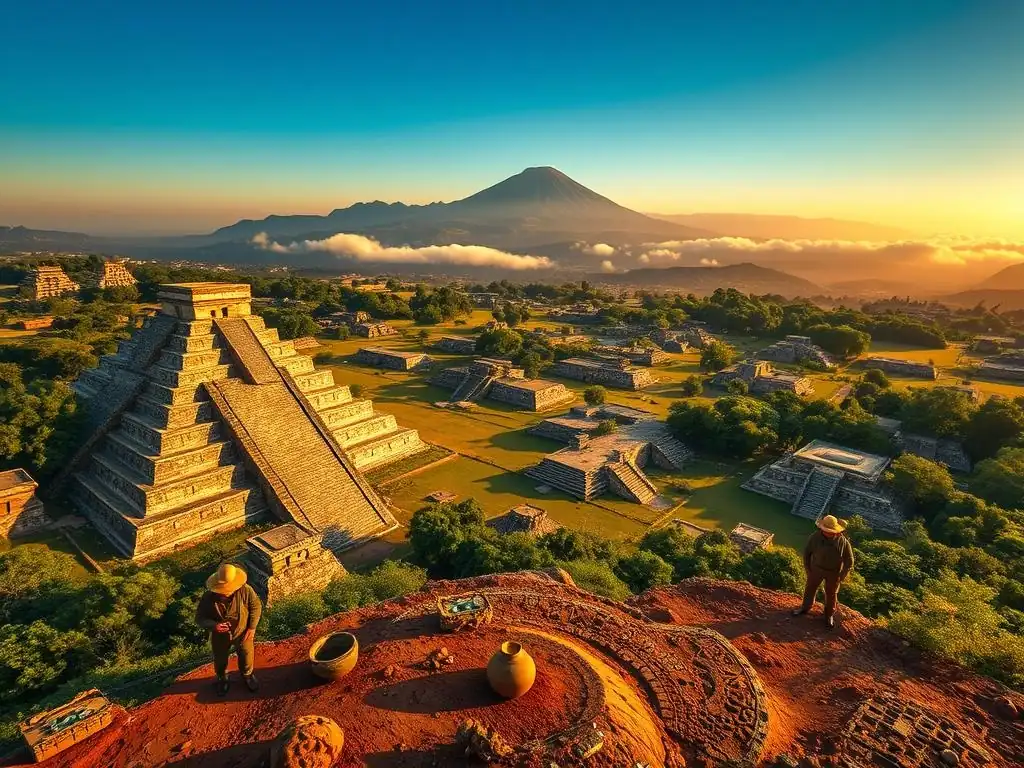
Welcome to Indigenous Civilizations of the Americas, where we invite you to journey through the rich tapestry of cultures that flourished long before European footprints marked this vast land. In our featured article, “Archaeological Discoveries: Uncovering the Early History of the Aztecs,” we delve into the fascinating world of Aztec civilization archaeological discoveries, revealing the remarkable achievements and societal structures that shaped one of history's most intriguing civilizations.
Prepare to be captivated as we unveil layers of history that not only illuminate the past but also echo into the present. Join us in exploring the profound legacy of indigenous peoples that continues to inspire and inform our understanding of the Americas today.
- Introduction to Aztec Civilization Archaeological Discoveries
- Major Archaeological Sites of the Aztec Civilization
- Key Archaeological Discoveries Related to the Aztecs
- The Impact of These Discoveries on Our Understanding of Aztec Society
- Challenges in Aztec Archaeological Research
- Future Directions in Aztec Archaeological Research
- Conclusion: The Legacy of Aztec Civilization Archaeological Discoveries
-
Frequently Asked Questions
- What are some significant archaeological discoveries related to the Aztec civilization?
- How did archaeological discoveries change our understanding of the Aztecs?
- What role did the Aztec civilization play in pre-colonial Americas?
- Are there ongoing archaeological projects focused on the Aztecs?
- How can I learn more about the impact of the Aztec civilization?
- Final Reflection: Unveiling the Rich Tapestry of Aztec Civilization
- Unveil the Secrets of the Aztecs Today!
Introduction to Aztec Civilization Archaeological Discoveries
The Aztec civilization, one of the most significant and influential cultures in pre-Columbian America, thrived in central Mexico between the 14th and 16th centuries. This article delves into the remarkable archaeological discoveries that have shed light on their rich history, complex societal structures, and profound achievements.
From grand temples and intricate artifacts to urban planning and agricultural innovations, archaeological findings provide a window into the lives of the Aztecs, revealing their customs, beliefs, and the sophisticated nature of their civilization. By exploring these discoveries, we not only enhance our understanding of the Aztecs but also appreciate their lasting impact on the cultural landscape of the Americas.
Significance of Archaeological Discoveries in Understanding the Aztecs
Archaeological discoveries play a crucial role in piecing together the narrative of the Aztec civilization. These findings help historians and archaeologists to:
- Reconstruct Historical Events: Excavations at sites such as Tenochtitlán, the capital of the Aztec Empire, have provided insights into the events leading up to the Spanish conquest. Artifacts like weapons, tools, and pottery help establish timelines and understand the context of these encounters.
- Reveal Social Structures: Discoveries of residential areas and public spaces illustrate the social hierarchy and daily life of the Aztecs. For instance, the presence of distinct neighborhoods indicates a complex society with various social classes.
- Understand Cultural Practices: Rituals and religious practices are unveiled through the examination of temples and altars. Findings such as the famous Sun Stone highlight the Aztec's intricate cosmology and religious significance.
- Appreciate Technological Advances: Agricultural innovations, including chinampas (floating gardens), demonstrate the Aztecs' advanced farming techniques and their ability to sustain a large population.
These discoveries not only enrich our knowledge of the Aztecs but also contribute to a broader understanding of indigenous civilizations in the Americas, emphasizing their unique contributions to human history.
Overview of the Aztec Civilization's Historical Context
The Aztec civilization emerged in the early 14th century and quickly rose to prominence in Mesoamerica. Here are some key points that outline their historical context:
- Origins: The Aztecs, originally a nomadic tribe known as the Mexica, migrated to the region of central Mexico around the early 1300s. They settled on an island in Lake Texcoco, where they founded Tenochtitlán.
- Expansion and Empire: Through a combination of military conquest and strategic alliances, the Aztecs expanded their territory, creating a vast empire that encompassed much of present-day Mexico. This empire was characterized by its tribute system, which imposed taxes on conquered peoples.
- Cultural Flourishing: The Aztec society was marked by significant achievements in art, architecture, and science. They constructed monumental temples and developed a complex calendar system. The famous Templo Mayor stands as a testament to their architectural prowess and religious devotion.
- Spanish Conquest: The arrival of Spanish conquistadors led by Hernán Cortés in the early 16th century marked the end of the Aztec Empire. The subsequent conquest resulted in the loss of much of their cultural heritage and knowledge.
Understanding the historical context of the Aztec civilization is essential for appreciating the depth of archaeological discoveries and their implications for our comprehension of this remarkable culture. Through these discoveries, we can explore the complexities of their society, their innovations, and the circumstances that led to their eventual decline.
Major Archaeological Sites of the Aztec Civilization
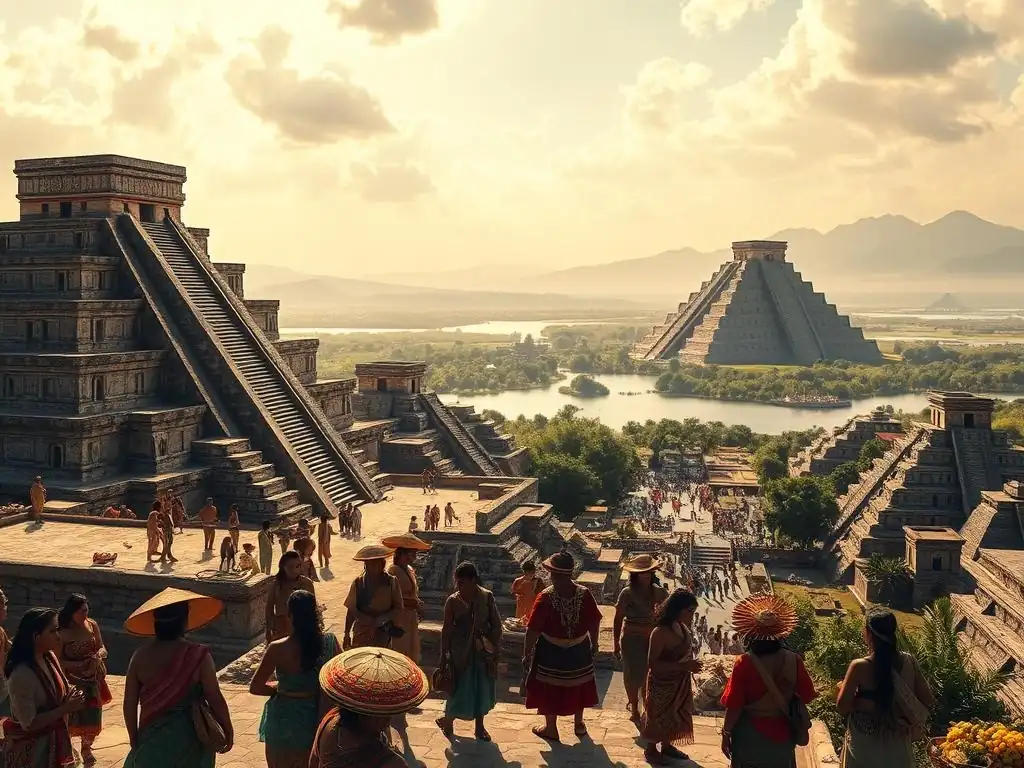
The Aztec civilization, known for its impressive architectural, artistic, and cultural achievements, left a rich archaeological legacy that continues to be explored and understood through various significant sites. These sites reveal not only the grandeur of the Aztec Empire but also its connections to earlier Mesoamerican cultures. Here, we delve into three major archaeological sites: Templo Mayor, Teotihuacan, and Xochicalco, each offering unique insights into the life, beliefs, and advancements of the Aztecs.
Templo Mayor: The Heart of Aztec Religious Life
Templo Mayor, located in the heart of modern-day Mexico City, served as the main temple of the Aztec capital, Tenochtitlan. This monumental site was dedicated to the gods Huitzilopochtli (god of war) and Tlaloc (god of rain), symbolizing the dual nature of Aztec spirituality.
- Construction and Ritual Significance: The temple was constructed in multiple phases, with the final version completed around 1487. It featured a double pyramid structure, where rituals, including human sacrifices, were performed to appease the gods and ensure the prosperity of the Aztec society.
- Archaeological Findings: Excavations at Templo Mayor have uncovered a wealth of artifacts, including ceremonial masks, sculptures, and offerings. One of the most significant discoveries was the coatepantli, or "serpent wall," which adorned the temple and depicted the mythological story of the Aztec creation.
- Cultural Impact: Templo Mayor not only served as a religious center but also as a political symbol of Aztec power. The site's ongoing excavations continue to reveal insights into the political and social dynamics of the Aztec civilization, highlighting its complexity and sophistication.
Teotihuacan: A Precursor to Aztec Culture
Teotihuacan, located about 30 miles northeast of Mexico City, is one of the most important archaeological sites in Mesoamerica. Although it flourished centuries before the Aztecs, its influence on Aztec culture and architecture is undeniable.
- Urban Planning and Architecture: Teotihuacan is renowned for its impressive urban layout, featuring the Avenue of the Dead, the Pyramid of the Sun, and the Pyramid of the Moon. The city exemplified advanced planning, with its grid-like streets and monumental structures, which later inspired the Aztec architectural style.
- Cultural Exchange: The Aztecs revered Teotihuacan as a sacred place, often referring to it as the "City of the Gods." Artifacts such as pottery, tools, and murals found at the site indicate a rich cultural exchange that shaped the beliefs and practices of the Aztecs.
- Religious Significance: Findings suggest that Teotihuacan was a major religious center, where rituals and ceremonies played a crucial role in the lives of its inhabitants. The Aztecs inherited many religious practices and deities from this civilization, further intertwining their histories.
Xochicalco: Insights into Early Mesoamerican Societies
Xochicalco, situated in the modern state of Morelos, is another vital archaeological site that provides insights into the early societies that preceded the Aztecs. This site flourished between 650 and 900 CE and is often linked to the rise of regional powers in Mesoamerica.
- Architectural Features: Xochicalco is characterized by its impressive stone structures, including the Temple of the Feathered Serpent and the Great Plaza. The intricate carvings and murals found here display artistic sophistication and a blend of cultural influences.
- Astronomical Observations: The site is also notable for its observatory, which demonstrates the advanced understanding of astronomy held by its inhabitants. This knowledge was likely passed down to the Aztecs, who incorporated astronomical events into their agricultural and religious calendars.
- Cultural Interactions: Xochicalco served as a hub for trade and cultural exchange among various Mesoamerican civilizations. Evidence of goods such as obsidian, ceramics, and textiles indicates that the site played a critical role in the economic and cultural landscape of pre-Aztec societies.
These archaeological discoveries related to the Aztec civilization not only enhance our understanding of their achievements and daily life but also illustrate the interconnectedness of Mesoamerican cultures. Each site, with its unique characteristics and significance, contributes to the broader narrative of indigenous civilizations in the Americas before European colonization, highlighting their enduring legacy.
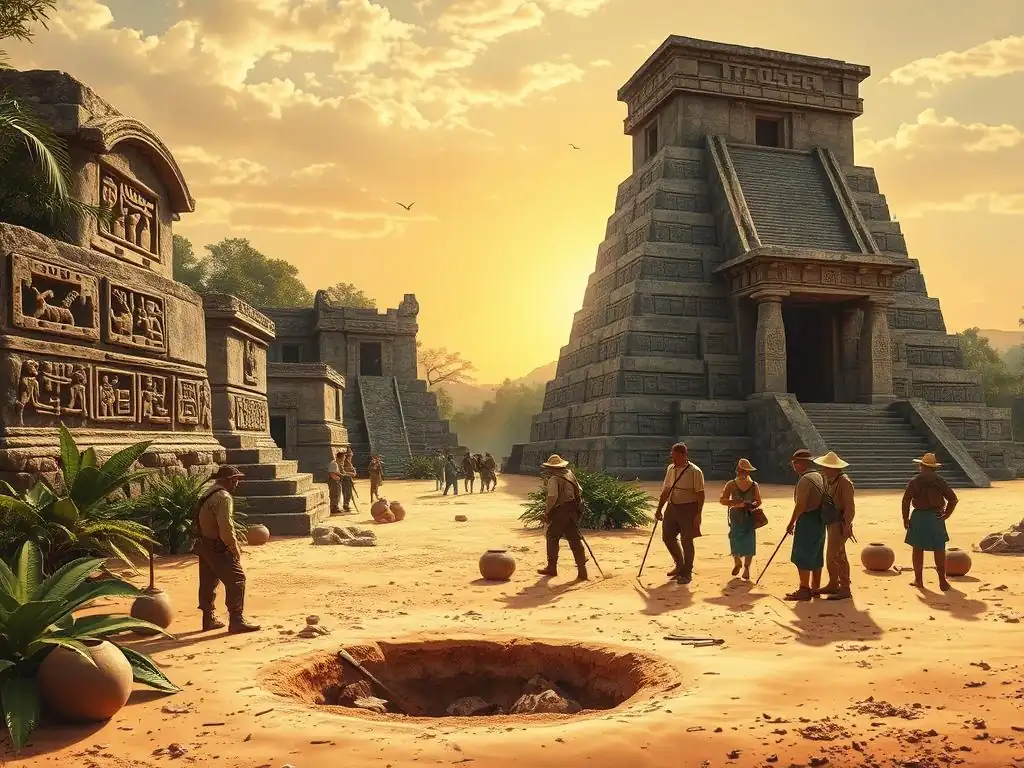
Artifacts Unearthed: Tools, Pottery, and Ritual Objects
Archaeological discoveries within the Aztec civilization have revealed a treasure trove of artifacts that provide insight into their daily life, technological advancements, and spiritual practices. Among the most significant finds are:
- Tools: The Aztecs were skilled craftsmen, producing a variety of tools from obsidian, a volcanic glass known for its sharpness. These tools were essential for crafting, hunting, and agriculture. Archaeological sites like the Templo Mayor have uncovered numerous obsidian blades, which were used not only for practical purposes but also in ritual sacrifices, highlighting the duality of their function.
- Pottery: Pottery fragments are abundant in Aztec archaeological layers, showcasing intricate designs and diverse shapes. These vessels were utilized for cooking, storage, and ceremonial purposes. For instance, the Mictlan burial pottery, decorated with motifs related to the underworld, demonstrates the cultural significance of death and the afterlife in Aztec beliefs.
- Ritual Objects: Items such as incense burners, figurines, and ceremonial masks have been discovered, indicating the importance of rituals in Aztec society. The discovery of a teocalli (temple) at Tenochtitlan revealed altars adorned with offerings and idols, underscoring the centrality of religion in daily life.
Human Remains: Understanding Aztec Society and Health
The excavation of human remains has significantly contributed to our understanding of the Aztec society and its health. Analysis of skeletal remains has provided valuable information regarding:
- Demographics: Studies show that the Aztec population was diverse, with both adult and child remains found in various burial sites. This diversity reflects the social structure of the civilization, including class distinctions and occupational roles.
- Health Insights: Through bioarchaeological methods, researchers have examined signs of disease, malnutrition, and physical trauma on skeletal remains. For example, evidence of trepanation, a surgical procedure where a hole is drilled into the skull, suggests advanced medical practices and insights into their understanding of health and illness.
- Cultural Practices: The positioning of remains, grave goods, and burial styles can indicate societal norms and beliefs. Findings from mass graves, particularly those associated with sacrifices, reveal the extent of ritualistic practices and their significance in maintaining societal order and appeasing deities.
Codices: Written Records of the Aztec Civilization
The Aztec civilization's written records, primarily found in codices, offer a unique window into their history, culture, and governance. These ancient manuscripts, often crafted from bark paper or animal skins, contain a wealth of information, including:
- Historical Accounts: Codices such as the Codex Mendoza provide detailed accounts of Aztec history, including the founding of Tenochtitlan, tribute lists, and societal structure. These documents are invaluable for understanding the political and economic aspects of the civilization.
- Cultural Practices: Many codices illustrate religious rituals, agricultural practices, and daily life. The Codex Borgia, for instance, is renowned for its intricate depictions of deities and ceremonial events, offering insights into the spiritual landscape of the Aztecs.
- Linguistic Significance: The use of Nahuatl, the language of the Aztecs, in these codices has helped linguists and historians decipher the nuances of their culture and communication. The combination of pictographs and glyphs in the codices reflects the complexity of their writing system, demonstrating an advanced method of documentation.
These archaeological discoveries collectively unravel the intricate tapestry of the Aztec civilization, shedding light on their achievements, societal structures, and enduring influence on the Americas.
The Impact of These Discoveries on Our Understanding of Aztec Society
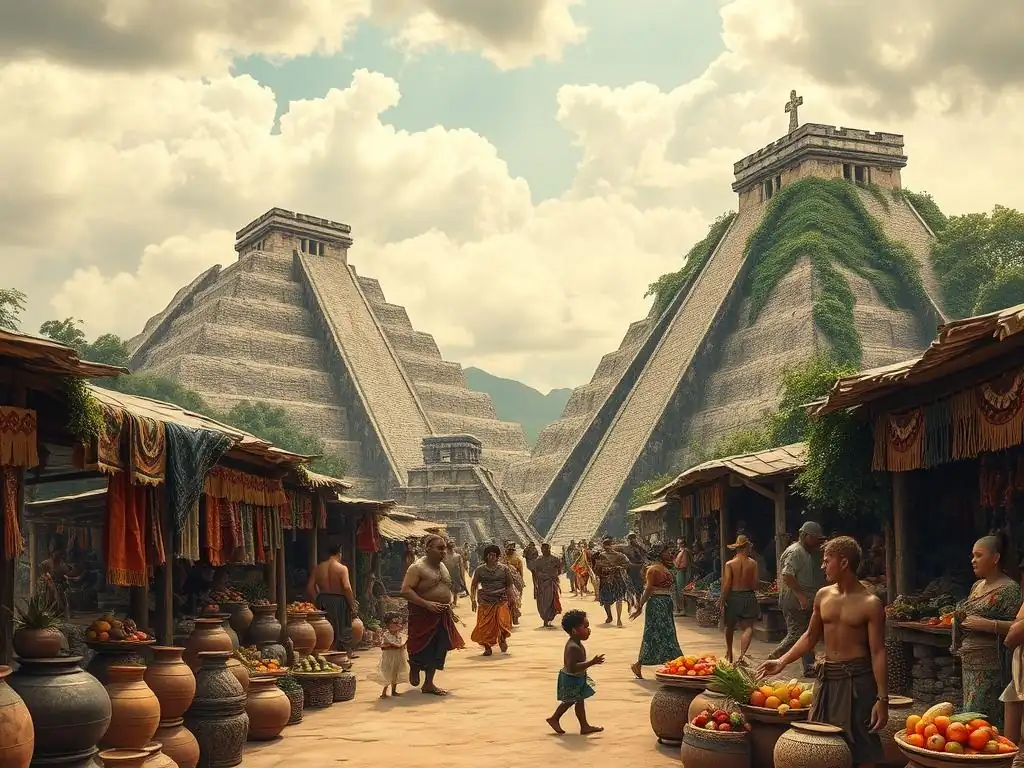
Archaeological discoveries related to the Aztec civilization have profoundly reshaped our understanding of their society, revealing intricate details about their daily life, religious practices, and social structure. These findings not only provide a glimpse into the past but also highlight the complexities of a civilization that thrived in Mesoamerica before European contact. The wealth of information unearthed through archaeological excavations has allowed researchers to piece together a more nuanced narrative about the Aztecs, challenging previous assumptions and offering new insights.
Insights into Aztec Daily Life and Economy
The archaeological evidence from various Aztec sites, particularly from the capital city of Tenochtitlán, has unveiled significant details about the daily lives of the Aztec people. Artifacts such as cooking utensils, tools, and remnants of food provide a clear picture of their dietary habits and economic practices.
- Agricultural Practices: The Aztecs were adept agriculturalists, utilizing techniques such as chinampas (floating gardens) to maximize their crop yields. Archaeological studies indicate that they cultivated maize, beans, squash, and chilies, which formed the backbone of their diet.
- Trade Networks: Evidence of extensive trade networks has been uncovered, showcasing the Aztecs' role as traders in Mesoamerica. Items such as obsidian, textiles, and cacao were commonly traded, indicating a sophisticated economy that extended beyond local boundaries.
- Daily Activities: Excavations have revealed residential areas that reflect a community-oriented lifestyle. Artifacts like grinding stones and pottery suggest that food preparation was a communal activity, reinforcing the importance of family and social ties.
The combination of these insights allows us to appreciate the complexity of Aztec daily life, illustrating a society that was not only industrious but also deeply interconnected through trade and communal practices.
Religious Practices Revealed Through Archaeological Evidence
The role of religion in Aztec society was paramount, and archaeological findings have elucidated various aspects of their spiritual beliefs and practices. From temples to ritual offerings, the remnants of their religious life provide a fascinating glimpse into the importance of the divine in their daily existence.
- Sacred Architecture: Temples such as the Templo Mayor in Tenochtitlán have been pivotal in understanding Aztec religious practices. The structure, dedicated to the gods Huitzilopochtli and Tlaloc, reveals the architectural sophistication and the significance of religious worship in urban planning.
- Ritual Offerings: Archaeologists have uncovered numerous sacrificial offerings, including human remains and ceremonial artifacts. These findings suggest that human sacrifice was not only a religious obligation but also an integral part of Aztec cosmology, reflecting their beliefs in the necessity of appeasing the gods.
- Iconography and Art: The discovery of intricate carvings and painted murals depicting various deities and religious ceremonies has enhanced our understanding of Aztec mythology. These artistic expressions serve as historical documents, providing insights into the narrative and cultural significance of their religious practices.
Through these archaeological discoveries, we gain a deeper appreciation of how religion influenced every aspect of Aztec life, from politics to daily rituals, demonstrating the centrality of spirituality in their civilization.
The social structure of the Aztec civilization was highly stratified, and archaeological discoveries have been instrumental in illuminating the complexities of their hierarchy. From the nobility to commoners, each class had defined roles and responsibilities that shaped the fabric of Aztec society.
- Nobility and Rulers: Evidence from burial sites and elite residences indicates that the nobility held significant power and wealth. Elaborate grave goods and the construction of large homes suggest a class of individuals dedicated to governance, military leadership, and religious roles.
- Commoners and Labor: The majority of the population consisted of commoners who engaged in agriculture, trade, and craftsmanship. Archaeological records reveal workshops and communal areas where these individuals worked, highlighting their contributions to the economy and society.
- Slavery and Servitude: Although slavery existed within Aztec society, it was different from European models. Archaeological findings, including records of servitude in households, indicate that some individuals could improve their status through service, complicating our understanding of social mobility.
These discoveries allow us to reconstruct the intricate layers of Aztec society, emphasizing the importance of social roles and the interplay between different classes. The archaeological evidence paints a vivid picture of a civilization where status, power, and community were deeply intertwined, underscoring the complexity of the Aztec world prior to European contact.
Challenges in Aztec Archaeological Research
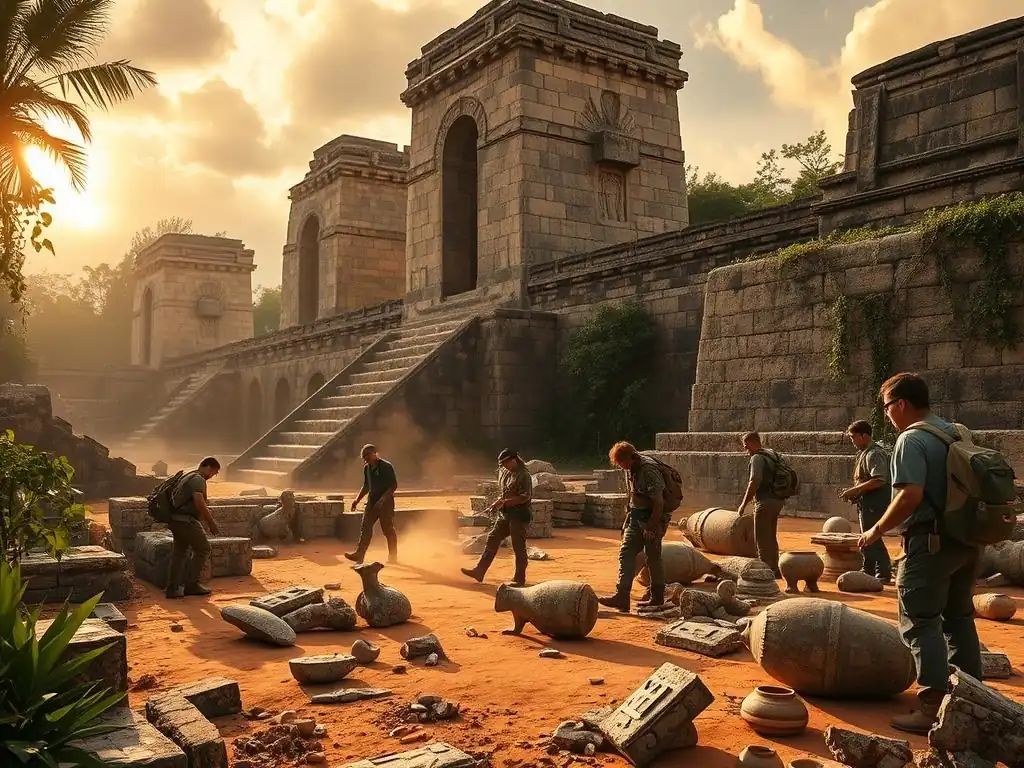
Preservation of Sites: Environmental and Human Threats
The preservation of Aztec archaeological sites is fraught with challenges that stem from both environmental conditions and human activity. As many of these sites are located in regions that are not only ecologically sensitive but also densely populated, they face a multitude of threats:
- Urbanization: The rapid expansion of cities, particularly in and around Mexico City, often encroaches on ancient sites. Construction projects, infrastructure development, and urban sprawl can result in the destruction of important archaeological remains.
- Climate Change: Environmental changes, such as increased rainfall, flooding, and temperature fluctuations, pose significant risks. For instance, rising water levels can lead to erosion and degradation of site integrity.
- Looting and Vandalism: Unfortunately, many archaeological sites are targets for looters seeking valuable artifacts. This illicit activity not only results in the loss of cultural treasures but also compromises the scientific study of the sites.
- Agricultural Impact: Intensive farming practices can lead to soil degradation and erosion, which can unearth or destroy archaeological contexts. The use of pesticides and fertilizers can also have detrimental effects on site preservation.
To combat these threats, researchers advocate for stricter preservation laws and greater public awareness about the importance of protecting archaeological sites. Collaboration with local communities can also play a vital role in conservation efforts.
Interpretation of Findings: The Role of Modern Archaeology
The interpretation of findings from Aztec archaeological sites is a complex process that requires a multidisciplinary approach. Modern archaeology employs various techniques and technologies to gain insights into the Aztec civilization, including:
- Remote Sensing: This technology allows archaeologists to identify site locations without disturbing the ground. Aerial photography, satellite imagery, and LiDAR (Light Detection and Ranging) can reveal hidden structures and landscapes.
- Radiocarbon Dating: This method is crucial for establishing timelines of occupation and activity. By analyzing organic materials found at sites, researchers can better understand the chronological sequence of events and cultural developments.
- Material Analysis: The study of artifacts, including ceramics, tools, and textiles, provides insight into the daily lives, trade practices, and social structures of the Aztecs. Techniques such as X-ray fluorescence (XRF) and petrographic analysis can reveal the composition and origin of materials.
- Interdisciplinary Collaboration: Modern archaeologists often work alongside historians, anthropologists, and even geologists to create a more comprehensive understanding of the Aztec civilization. This collaboration enhances interpretations by integrating various perspectives and methodologies.
Despite these advancements, the interpretation of findings can be subjective and influenced by contemporary biases. It is essential to approach the data with a critical eye, considering the broader cultural and historical contexts.
Ethical Considerations in Aztec Archaeological Practices
Ethics plays a crucial role in how archaeological research is conducted and how findings are handled. In the context of Aztec archaeological practices, several ethical considerations must be taken into account:
- Respect for Indigenous Cultures: Archaeologists must recognize and respect the cultural heritage of indigenous peoples. Engaging with local communities and incorporating their perspectives into research can lead to more ethical and culturally sensitive practices.
- Ownership of Artifacts: The question of who owns artifacts unearthed during excavations is contentious. Many argue that items should remain within their cultural context and be returned to indigenous communities, while others maintain that artifacts are essential for broader historical study.
- Transparency in Research: It is vital for archaeologists to maintain transparency in their research methods and findings. Sharing information openly with both the academic community and the public helps foster trust and encourages collaborative efforts in preservation.
- Long-term Impact of Excavations: Considering the long-term effects of excavations on local communities and environments is essential. Responsible archaeology involves assessing how research can benefit rather than harm the cultural landscape.
By addressing these ethical considerations, archaeologists can work towards a more equitable and respectful approach to uncovering the rich history of the Aztec civilization, ensuring that their legacy is honored and preserved for future generations.
Future Directions in Aztec Archaeological Research
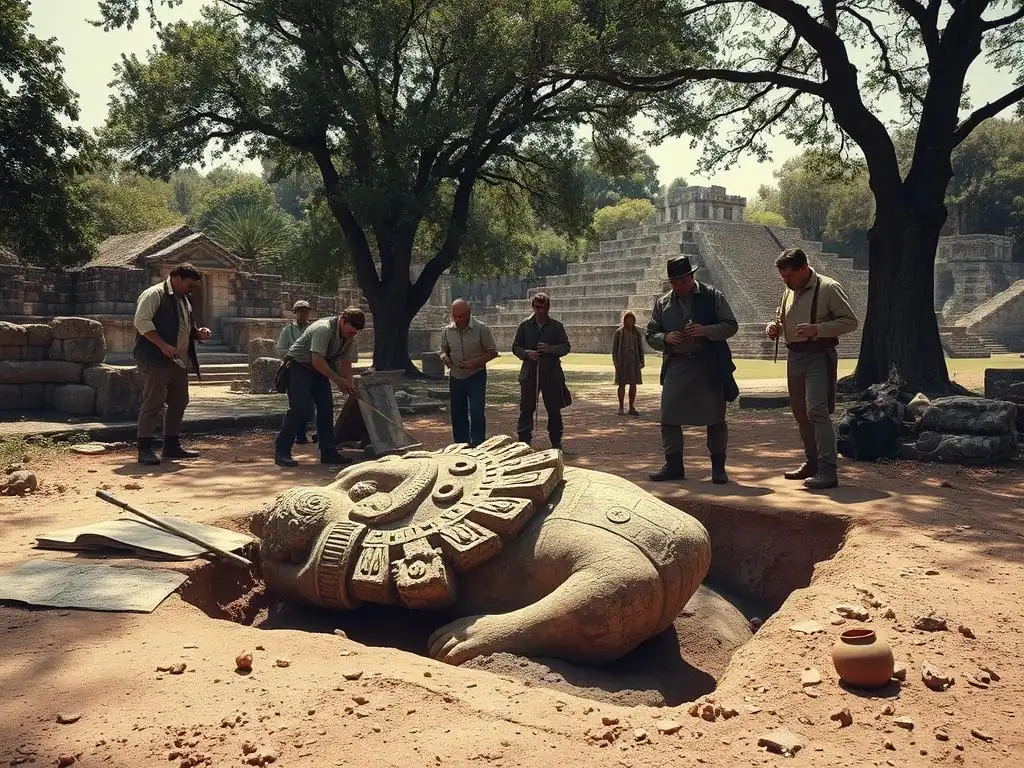
Emerging Technologies in Excavation and Analysis
The landscape of archaeological research has been revolutionized by emerging technologies that enhance our understanding of the Aztec civilization. Techniques such as LiDAR (Light Detection and Ranging) allow researchers to penetrate dense vegetation and reveal hidden structures that were previously undetectable. For instance, LiDAR has been instrumental in uncovering vast urban layouts in areas like the Basin of Mexico, providing insights into the scale and complexity of Aztec cities.
Additionally, ground-penetrating radar (GPR) is becoming a staple in non-invasive archaeological investigations. This technology enables archaeologists to map subsurface features without extensive excavation. Recent GPR studies in urban Tenochtitlan have revealed potential temple structures and residential areas, suggesting the city’s layout was even more intricate than previously thought.
Moreover, the application of 3D modeling and virtual reality allows researchers to recreate Aztec structures and environments, offering a dynamic way to visualize and analyze archaeological findings. These models can facilitate public engagement, providing educational experiences that bring Aztec history to life.
Collaborative Efforts with Indigenous Communities
Engaging with Indigenous communities is crucial for a holistic understanding of the Aztec civilization. Collaborative archaeological projects that involve local communities not only respect ancestral knowledge but also enrich academic research. For example, partnerships with descendants of the Aztecs can provide insights into traditional practices, oral histories, and cultural significance that are often overlooked in conventional archaeological studies.
Such collaborations can lead to community-led excavations where local knowledge guides research priorities. This approach fosters a sense of ownership and pride in cultural heritage, promoting the preservation of historical sites. Additionally, Indigenous perspectives can challenge established narratives and encourage a more nuanced view of Aztec history.
Organizations like the Mexican National Institute of Anthropology and History (INAH) are increasingly recognizing the importance of these partnerships. By incorporating Indigenous voices, archaeologists can address ethical considerations surrounding the excavation of sacred sites while ensuring that the findings benefit the communities involved.
The Importance of Continued Research in Understanding Aztec Civilization
Ongoing research is paramount for unraveling the complexities of Aztec civilization. As new archaeological discoveries emerge, they can reshape our understanding of social organization, trade networks, and cultural practices. For instance, the analysis of artifacts found at sites like Teotihuacan has provided valuable insights into the interactions between the Aztecs and their predecessors, highlighting a continuity of cultural influences.
Furthermore, interdisciplinary approaches that incorporate anthropology, history, and environmental science can shed light on how the Aztecs adapted to their environment, managed resources, and responded to climate changes. Such studies are essential for grasping the factors that led to the civilization's rise and eventual decline.
The significance of Aztec civilization extends beyond historical interest; it informs contemporary discussions on identity, resilience, and cultural heritage. Continued research not only contributes to academic knowledge but also fosters a greater appreciation for the rich legacy of the Aztecs, ensuring that their story is preserved for future generations.
As we look to the future, leveraging advanced technologies, fostering community collaborations, and committing to ongoing research will be vital in uncovering the full narrative of the Aztec civilization through archaeological discoveries.
Conclusion: The Legacy of Aztec Civilization Archaeological Discoveries
The legacy of archaeological discoveries related to the Aztec civilization offers invaluable insights into the complexities of their society, culture, and achievements. These findings not only enhance our understanding of the Aztecs but also challenge preconceived notions about indigenous civilizations in the Americas. The meticulous excavation of sites such as Templo Mayor in Mexico City, alongside the discovery of artifacts, structures, and art, has significantly contributed to our knowledge of Aztec life and their sophisticated urban planning, religious practices, and social hierarchies.
Moreover, these archaeological endeavors have revealed the extent of trade networks, agricultural innovations, and the political structures that were instrumental in the formation of one of the most notable civilizations in pre-Columbian America. The vivid depiction of Aztec life through pottery, tools, and codices allows contemporary society to appreciate the rich tapestry of indigenous cultures and their contributions to human history.
The Lasting Impact on Modern Understanding of Indigenous Cultures
The archaeological discoveries of the Aztec civilization have far-reaching implications for the modern understanding of indigenous cultures. By examining the physical remnants of the Aztecs, we gain a clearer picture of their societal organization, religious beliefs, and interactions with neighboring cultures. For instance, the discovery of the Aztec calendar stone has not only provided insights into their timekeeping practices but also highlights their sophisticated understanding of astronomy and mathematics.
Key findings include:
- Urban Planning: Evidence of the layout of Tenochtitlan, including canals and causeways, showcases advanced engineering practices and urban design.
- Trade Networks: Artifacts such as obsidian tools and intricate jewelry illustrate the vast trade networks that connected the Aztecs with other cultures across Mesoamerica.
- Cultural Practices: Items such as sacrificial offerings and ceremonial artifacts reveal much about the religious rituals and societal values of the Aztecs.
These discoveries underscore the complexity and richness of indigenous cultures, challenging the historical narrative that often downplays their achievements. The recognition of the Aztec civilization as a dynamic and influential society reshapes how we view indigenous histories and their ongoing impact on contemporary cultures.
Encouraging a Deeper Appreciation for Aztec History and Heritage
Archaeological discoveries serve as a powerful reminder of the importance of preserving and respecting indigenous histories. By uncovering the past, we not only acknowledge the achievements of the Aztecs but also foster a deeper appreciation for their heritage. Educational programs, community initiatives, and museum exhibits featuring Aztec artifacts play a crucial role in promoting awareness and understanding of indigenous cultures.
Ways to Encourage Appreciation:
- Educational Outreach: Schools and universities can incorporate Aztec history into their curricula, highlighting the significance of archaeological findings.
- Cultural Events: Hosting events that celebrate Aztec traditions, art, and cuisine can create a dialogue about their cultural legacy.
- Public Exhibitions: Museums can showcase excavated artifacts, providing context and engaging narratives that illustrate the richness of Aztec civilization.
By emphasizing the importance of these archaeological discoveries, we can inspire future generations to appreciate and respect the diverse cultures that have shaped our world. The Aztec civilization, with its remarkable history and achievements, continues to resonate today, reminding us of the vital contributions of indigenous peoples throughout history.
Frequently Asked Questions
Significant archaeological discoveries include the Templo Mayor in Mexico City and the Great Pyramid of Tenochtitlan, revealing insights into Aztec architecture and religious practices.
How did archaeological discoveries change our understanding of the Aztecs?
These discoveries have provided evidence of complex societal structures, advanced agricultural techniques, and rich cultural practices, reshaping our view of the Aztec civilization.
What role did the Aztec civilization play in pre-colonial Americas?
The Aztec civilization was a major political and cultural force in Mesoamerica, influencing trade, warfare, and the arts, which can be understood better through archaeological findings.
Are there ongoing archaeological projects focused on the Aztecs?
Yes, many ongoing archaeological projects aim to uncover more about Aztec life, including excavations in Tenochtitlan and surrounding areas that continue to reveal new artifacts and insights.
How can I learn more about the impact of the Aztec civilization?
To learn more, explore resources like the website "Indigenous Civilizations of the Americas," which offers comprehensive explorations of the achievements and legacies of the Aztecs.
Final Reflection: Unveiling the Rich Tapestry of Aztec Civilization
The exploration of archaeological discoveries related to the Aztec civilization is not just a journey into the past; it is a vital key to understanding our present. As we delve into the remnants of this remarkable culture, we uncover not only their achievements but also the lessons they impart about resilience, innovation, and the interconnectedness of humanity. The significance of these discoveries resonates deeply today, reminding us that history is not merely a record of events but a living narrative that shapes our identity and informs our future.
The impact of Aztec archaeological discoveries extends far beyond academic circles; it influences our cultural consciousness and enriches our appreciation for diversity. As we learn about the complexities of the Aztec society—its art, religion, and social structures—we gain insights into the human experience that transcend time and geography. The past is never dead. It's not even past.
— William Faulkner. This quote encapsulates the enduring relevance of our historical inquiries, urging us to recognize that the echoes of the Aztec civilization still resonate in our contemporary world.
As we reflect on the lessons derived from the Aztec civilization, I invite you to consider how these insights can inspire your own journey. Embrace the richness of history as a source of wisdom and creativity in your life. Whether through supporting archaeological efforts, engaging with indigenous cultures, or simply reflecting on the narratives that shape our world, each of us has the power to contribute to a deeper understanding of our shared human heritage. Let the stories of the past guide your actions today, fostering a future that honors the complexity and beauty of all civilizations.
Unveil the Secrets of the Aztecs Today!
Thank you for diving deep into the fascinating world of Aztec archaeology with us! Your interest in uncovering early histories is vital for understanding the rich tapestry of Indigenous civilizations. Now that you've explored these groundbreaking discoveries, it’s time to put your passion into action.
Here are a few ways you can continue your journey:
- Explore a Local Museum: Visit an exhibit that focuses on Indigenous cultures or ancient civilizations to see artifacts in person and engage with the stories they tell.
- Share What You've Learned: Discuss the intriguing facts and discoveries from this article with friends or on social media; spark a conversation about the significance of Aztec culture!
- Join a Community Group: Look for local or online groups dedicated to Indigenous history—connecting with like-minded individuals can enhance your understanding and passion.
What aspect of Aztec culture fascinates you the most, and how do you plan to further explore it?