
The Role of Trade in Shaping the Early Aztec Society

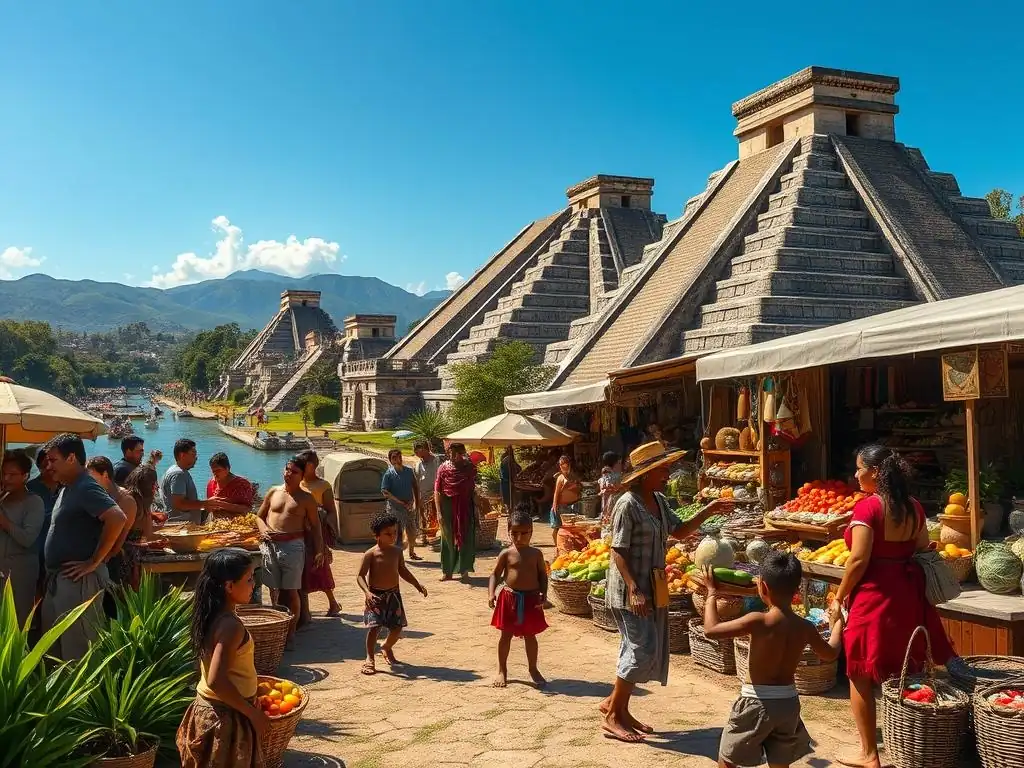
Welcome to Indigenous Civilizations of the Americas, where we invite you to embark on a captivating journey through the vibrant tapestry of indigenous cultures that flourished long before European contact. In our featured article, "The Role of Trade in Shaping the Early Aztec Society," we delve into the intricate networks of commerce that not only defined Aztec trade but also profoundly influenced their societal structure and cultural legacy.
Prepare to uncover how these ancient practices laid the groundwork for a civilization that continues to resonate through time. Join us as we explore the remarkable achievements and enduring impacts of the Aztec civilization, sparking your curiosity and deepening your understanding of their world.
Introduction to Aztec Trade and Society Impact
The intricate web of trade that developed among the early Aztec society played a pivotal role in shaping their culture, economy, and social structures. Long before the arrival of Europeans, the Aztecs established themselves as a dominant force in Mesoamerica, leveraging trade not only to enhance their wealth but also to foster intricate relationships with neighboring cultures.
This article will delve into the profound impact of Aztec trade on their society, exploring how it facilitated the exchange of goods, ideas, and cultural practices, which ultimately contributed to the empire's resilience and expansion. By analyzing the dynamics of trade networks and the rise of the Aztec Empire, we can gain a clearer understanding of how commerce influenced their identity and legacy in the Americas.
Historical Context of Aztec Trade
To fully appreciate the impact of trade on Aztec society, it's essential to understand the historical context in which these trade networks emerged and flourished. The Aztecs, known for their remarkable achievements in agriculture, engineering, and governance, capitalized on the rich resources of Mesoamerica. This section will explore the foundational elements that set the stage for their extensive trade systems.
Emergence of Trade Networks in Mesoamerica
Trade in Mesoamerica has deep roots, with various civilizations engaging in commerce long before the rise of the Aztecs. The Olmecs, Teotihuacan, and Maya laid the groundwork for complex trade routes that connected different regions. These early networks facilitated the exchange of not just goods but also cultural practices, innovations, and technologies.
- Key Trade Goods:
- Cacao: Valued as currency and used in ceremonial drinks.
- Textiles: Beautifully woven fabrics often adorned with intricate designs.
- Ceramics: Functional and artistic pieces that reflected the culture of the artisans.
- Obsidian: A crucial material for tools and weapons.
As these networks expanded, they began to include the valley of Mexico, where the Aztecs would later rise to prominence. The interaction with other cultures through trade fostered a sense of shared identity and mutual influence, paving the way for the Aztecs to adopt and adapt various elements from their trading partners.
The Rise of the Aztec Empire
The establishment of the Aztec Empire in the 14th century marked a significant turning point in Mesoamerican trade. The Aztecs, utilizing their military prowess and strategic alliances, conquered neighboring city-states, which allowed them to control vast territories and vital trade routes.
- Trade Centers:
- Tenochtitlán: The empire's capital, serving as a bustling hub of commerce.
- Texcoco: A key city that facilitated trade across the region.
- Tlacopan: An important ally that helped expand trade networks.
The Aztecs implemented a tribute system, demanding goods from conquered territories, which further enriched their economy and solidified their power. This system not only ensured a steady flow of resources but also integrated diverse cultures into the Aztec socio-economic fabric.
In this dynamic environment, trade became a cornerstone of Aztec society, influencing everything from social hierarchy to religious practices. The exchange of goods and ideas created a vibrant cultural landscape, ultimately leaving a lasting impact on the civilizations that followed.
The Mechanics of Aztec Trade
The mechanics of Aztec trade were intricate and multifaceted, playing a fundamental role in the development and sustenance of their society. At the heart of this trade network was the capital city of Tenochtitlán, strategically located on an island in Lake Texcoco. This location not only facilitated access to various resources but also made Tenochtitlán a bustling hub of commerce. The Aztecs engaged in both local and long-distance trade, connecting them with diverse regional cultures and economies.
Trade in Aztec society was conducted through a combination of bartering and the use of a standardized currency system, primarily based on cacao beans, cotton cloth, and gold dust. These items served as mediums of exchange, allowing for more complex transactions than simple barter. The Aztecs established a vast network of routes that linked various regions, enabling the movement of goods such as textiles, pottery, and food items. These trade networks were essential not just for economic sustenance but also for the political power and influence of the Aztec empire.
Types of Goods Traded in Aztec Society
The goods traded in Aztec society encompassed a wide range of items that reflected both the practical needs and cultural values of the people. Some of the primary categories of goods included:
- Agricultural Products: The Aztecs traded staple foods such as maize, beans, and squash, which were fundamental to their diet. Additionally, they exchanged luxury items like chocolate and vanilla, which were highly valued.
- Crafted Goods: Artisans created intricate pottery, textiles, and jewelry, which were traded both locally and with distant cultures. These items often carried cultural significance and showcased Aztec artistry.
- Raw Materials: The Aztecs sourced materials like obsidian for tools and weapons, as well as feathers and precious stones, which were used in ceremonial regalia and trade.
- Slaves: Unfortunately, the trade in human lives also occurred, with slaves being captured during wars or sold by their families, and they played a role in labor and domestic service within the empire.
This diverse array of traded goods not only met the practical needs of the Aztecs but also served as a medium for cultural exchange and social relationships.
Trade Methods and Practices
Aztec trade methods were characterized by both formal and informal practices. The primary methods included:
- Marketplaces: Local markets were vibrant centers of trade, where sellers and buyers interacted directly. Tlatelolco, a significant market in Tenochtitlán, was famous for its size and variety of goods available, attracting traders from across the empire.
- Merchants and Brokers: Professional merchants, known as pochteca, played a crucial role in long-distance trade. They traveled extensively to procure exotic goods and establish trade relationships, often acting as agents for the elite.
- Trade Alliances: The Aztecs formed alliances with neighboring city-states, which facilitated trade through mutual agreements. These partnerships were critical in expanding their trade network and ensuring the flow of goods.
- Tribute System: Conquered regions were required to pay tribute to the Aztec empire, which often included goods and resources. This system not only enriched the empire but also integrated diverse cultures into the Aztec economy.
These methods and practices established a dynamic and efficient trade system that significantly contributed to the prosperity of Aztec society.
Impact of Trade on Aztec Society
The impact of trade on Aztec society extended beyond mere economic benefits; it shaped the very fabric of Aztec culture, politics, and social structures. The extensive trade networks fostered a sense of interconnectedness among various regions, influencing social dynamics and cultural practices.
Economic Growth and Wealth Distribution
Trade was a catalyst for economic growth within the Aztec empire. The influx of goods and resources led to increased agricultural productivity and the emergence of specialized crafts. As trade flourished, so did the wealth of the elite, who often monopolized the most lucrative trade routes and goods. This created a distinct social hierarchy, where wealth was concentrated among the nobility and prominent merchants, leading to disparities in wealth distribution.
However, the economic growth fueled by trade also allowed for the development of a complex urban society. It contributed to advancements in infrastructure, such as the construction of roads and canals that facilitated trade. The wealth generated from trade enabled the Aztecs to invest in public works, religious structures, and the arts, enriching their cultural heritage.
Cultural Exchange and Influence
Trade also served as a powerful vehicle for cultural exchange. Through interactions with other civilizations, the Aztecs absorbed new ideas, technologies, and artistic influences. This exchange was evident in various aspects of Aztec life, including:
- Religious Practices: The Aztecs adopted and adapted deities and rituals from other cultures, enriching their spiritual practices. For instance, the influence of the Toltecs can be seen in Aztec religious ceremonies.
- Art and Architecture: The influx of artistic styles and techniques from neighboring cultures led to a distinctive Aztec aesthetic, visible in their sculptures, pottery, and buildings.
- Language and Communication: Trade interactions facilitated linguistic exchange, influencing the Nahuatl language and contributing to the rich oral traditions of the Aztec people.
In essence, trade was a cornerstone of Aztec society, shaping its economy, social structure, and cultural identity, while laying the groundwork for a civilization that would leave a lasting legacy.
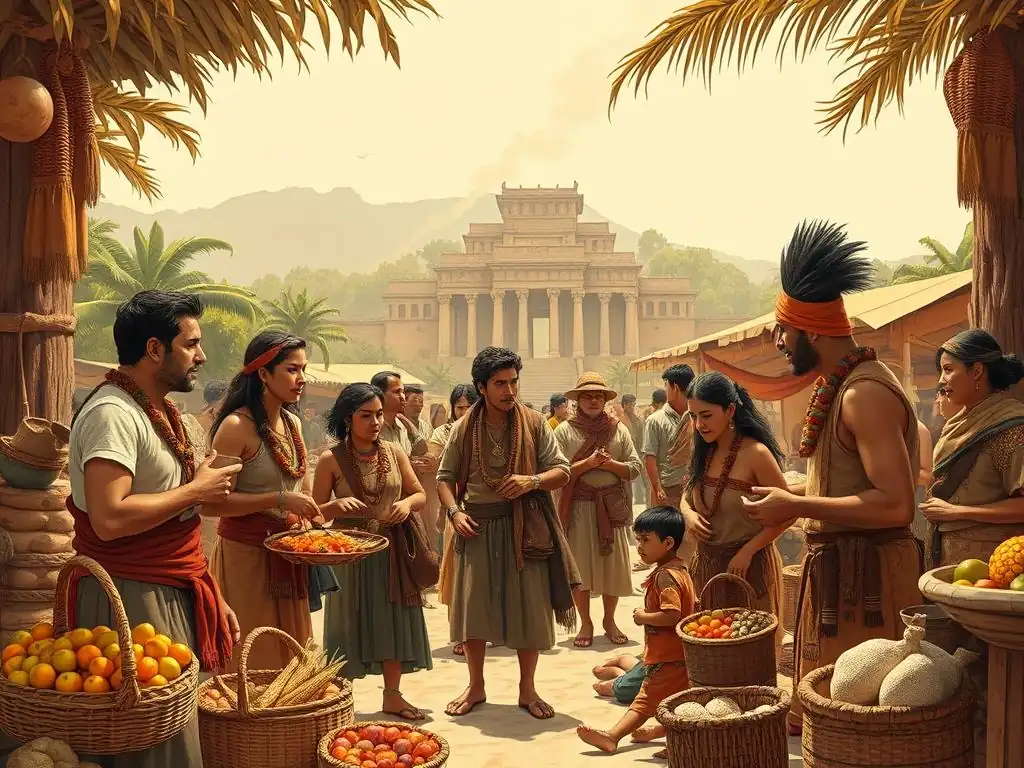
The intricate trade network of the Aztecs was not just a means of economic exchange but also a crucial element that shaped their social structure. Trade facilitated the movement of goods, ideas, and cultural practices across the vast expanse of the Aztec Empire, from the highlands to the coastal regions. This interconnectedness fostered a society where social stratification became pronounced, with merchants and traders occupying significant roles within the hierarchy.
At the top of the social structure were the nobles and priests, who held political and religious authority, respectively. However, merchants, known as pochteca, carved out a unique position for themselves due to their wealth and influence. The wealth generated through trade allowed some merchants to ascend the social ladder, thus blurring the lines between the traditional class divisions. Their ability to acquire luxury goods, such as cacao, textiles, and precious metals, not only elevated their status but also provided them with political leverage, making them integral to both the economy and governance of Aztec society.
The Aztec economy was primarily based on the tribute system, where conquered peoples were required to pay tribute in the form of goods. This system relied heavily on trade, as it facilitated the distribution of these goods throughout the empire. Consequently, the flourishing of trade led to urban centers developing as cultural and economic hubs, which in turn supported a more complex social structure. The interdependency created by trade fostered a society where relationships and alliances were formed based on economic interactions, further solidifying the role of trade as a cornerstone of Aztec civilization.
The Role of Merchants in Aztec Hierarchy
Merchants, or pochteca, played a pivotal role in the Aztec hierarchy, transcending the traditional boundaries of social class. They were not merely traders; they were also spies and ambassadors who provided valuable intelligence about distant lands and cultures. This dual role allowed them to influence politics and society significantly.
The pochteca were organized into guilds that had their own rituals and social standings. They often traveled long distances, establishing trade routes that connected the Aztec empire with other Mesoamerican civilizations. This network enabled them to acquire rare products, such as tropical feathers, jade, and luxury textiles, which were highly valued in Aztec society. Their wealth granted them access to the nobility, and many pochteca were able to attain high-ranking positions within the political landscape, further intertwining trade with governance.
Moreover, the pochteca held considerable power over the economy. They maintained control over the distribution of goods and acted as middlemen between producers and consumers. This centralization of trade activities allowed them to influence market prices and establish standards for quality, thus enhancing their importance within the Aztec social hierarchy.
Trade and Gender Roles
Trade in the Aztec society also had implications for gender roles, as it created a distinct division of labor based on gender. While men predominantly occupied the roles of long-distance traders and merchants, women played crucial roles in local markets and household trade. Women were responsible for producing and selling goods, particularly textiles and food, which were essential for daily sustenance.
In urban centers, women often participated in the marketplace, engaging in trade and commerce. This involvement allowed them to exert a degree of economic autonomy and influence within their communities. Some women even managed their own businesses, showcasing their vital role in sustaining the household economy.
However, the roles of women in trade were often limited by societal norms, which prioritized male participation in long-distance trade and decision-making processes. Despite this, the contributions of women to local trade networks were significant and underscored the complexities of gender dynamics within Aztec society.
Challenges and Limitations of Aztec Trade
Despite its sophistication, Aztec trade faced numerous challenges and limitations that could impact its effectiveness and reach. Environmental factors, external threats, and socio-political dynamics all played a role in shaping the trade landscape of the Aztec civilization.
Environmental Factors Affecting Trade
The geography of the Aztec Empire presented both opportunities and challenges for trade. The diverse ecosystems within the empire meant that different regions specialized in various goods, leading to a reliance on trade for essential resources. However, environmental factors such as droughts and floods could disrupt agricultural production, leading to food shortages and economic instability.
Additionally, the mountainous terrain and the dense forests surrounding the Valley of Mexico made transportation of goods difficult. The Aztecs utilized a network of roads and waterways to facilitate trade, but natural obstacles could hinder these routes. Seasonal changes also affected trade activities, as inclement weather could limit travel and the movement of goods.
Moreover, the Aztec reliance on tribute from conquered territories meant that any disruption in these regions could have cascading effects on trade. If tributary states faced their own environmental challenges, the flow of goods into the Aztec capital could be compromised, leading to shortages and economic strain.
External Threats to Trade Networks
The Aztec trade networks were not only vulnerable to internal challenges but also faced external threats that could jeopardize their stability. The expansion of the Aztec Empire often led to conflicts with neighboring civilizations, which could disrupt established trade routes and alliances. Wars and skirmishes could result in the closure of trade access to vital resources or the loss of control over tributary states.
Additionally, competition from rival powers posed a significant threat to Aztec trade. Other Mesoamerican civilizations, such as the Tarascans and Zapotecs, sought to dominate trade routes and access to valuable resources. Such competition could lead to economic instability and shifting alliances, further complicating trade dynamics.
The arrival of European colonizers in the 16th century marked a dramatic shift in the trade landscape. The introduction of new diseases, military technologies, and the disruption of established trade networks had profound and lasting impacts on the Aztec economy and society. The collapse of the Aztec Empire ultimately transformed the region's trade practices and interactions, leading to a new era in Mesoamerican history.
Conclusion: The Legacy of Aztec Trade
The legacy of Aztec trade extends far beyond the mere exchange of goods; it fundamentally shaped the social, political, and economic structures of early Aztec society. Trade routes served as conduits not only for commodities but also for cultural exchange, facilitating the spread of ideas, technologies, and practices among diverse Mesoamerican civilizations. The strategic location of Tenochtitlan, at the crossroads of these trade networks, enabled the Aztecs to flourish economically and politically, establishing their dominance in the region.
The impact of Aztec trade can be observed in the intricate marketplace systems that emerged, such as the famous Tlatelolco market, where thousands gathered to barter goods ranging from food to luxury items. This vibrant exchange fostered social stratification and economic specialization, leading to a more complex societal structure. Additionally, trade alliances with other city-states and cultural groups not only bolstered the Aztecs’ wealth but also contributed to the cohesion and expansion of their empire.
Moreover, the Aztecs' extensive trade networks laid the groundwork for the cultural syncretism that characterized the region. The interaction between different peoples and cultures through trade facilitated the blending of artistic styles, religious beliefs, and agricultural practices, which enriched Aztec civilization and left a lasting imprint on their descendants and the broader history of the Americas.
The role of trade in shaping early Aztec society was pivotal. It influenced not only the economy and politics but also the cultural identity of the Aztecs, creating a legacy that continues to be studied and appreciated today.
References
- Hassig, Ross. Aztec Warfare: Imperial Expansion and Political Control. University of Oklahoma Press, 1988.
- McCafferty, Geoffrey, and Janine Gasco. The Oxford Handbook of Mesoamerican Archaeology. Oxford University Press, 2012.
- Smith, Michael E. The Aztecs. Wiley-Blackwell, 2012.
- Townsend, Richard F. The Aztecs. Thames & Hudson, 2009.
- Weiner, Michael. The Economy of the Aztec Empire. University of Chicago Press, 1992.
- Introduction to Aztec Trade and Society Impact
- Historical Context of Aztec Trade
- The Mechanics of Aztec Trade
- Impact of Trade on Aztec Society
- Trade and Social Structure in Aztec Society
- Challenges and Limitations of Aztec Trade
- Conclusion: The Legacy of Aztec Trade
- References
Frequently Asked Questions
What role did trade play in early Aztec society?
Trade was a crucial element in early Aztec society, facilitating the exchange of goods, culture, and ideas. It helped to establish the economic foundation that supported their growing civilization.
How did trade influence the Aztec economy?
The Aztec economy was heavily reliant on trade networks that connected various regions. These networks allowed for the distribution of resources, which bolstered their wealth and power.
What were some key goods traded by the Aztecs?
The Aztecs traded a variety of goods, including cacao, textiles, and pottery. These items were not only valuable for their economic worth but also held significant cultural importance.
Trade fostered a complex social hierarchy among the Aztecs, as merchants held significant power and influence. This created a class of wealthy traders who contributed to the overall fabric of Aztec society.
What was the impact of trade on the Aztecs' relationships with other cultures?
Trade allowed the Aztecs to establish diplomatic ties with neighboring cultures, enhancing their influence. These interactions often led to cultural exchanges that enriched Aztec civilization and expanded their reach.
Final Reflection: The Enduring Legacy of Aztec Trade and Society
The intricate web of trade that defined early Aztec society not only facilitated economic prosperity but also fostered cultural exchange and social cohesion. Today, as we navigate a globalized world, the lessons from the Aztecs remind us of the profound impact that trade can have on societal development. The Aztec civilization thrived through its trade networks, which connected diverse communities and enriched their culture, a striking testament to the power of commerce in shaping human experience.
The influence of Aztec trade extends beyond mere economic transactions; it has left an indelible mark on cultural identity and social structures. The exchange of goods, ideas, and traditions among the Aztecs and their neighbors created a vibrant tapestry of life that resonates even in contemporary society. As historian Charles C. Mann eloquently stated, Trade is not just about goods; it's about the relationships that form through the act of exchange.
This observation underscores the ongoing relevance of trade in fostering connections and understanding among diverse populations.
As we reflect on the lessons of Aztec trade and its societal impact, let us consider how we can apply these insights in our own lives. Embrace the spirit of collaboration and cultural exchange in your daily interactions. Whether through supporting local businesses, engaging in community initiatives, or exploring global cultures, each action contributes to a richer, more interconnected society. Take a moment to reflect on how you can be a part of this ongoing journey, honoring the legacy of the Aztecs while shaping a future that values trade as a bridge between people.
Uncover the Secrets of Aztec Trade Today!
Thank you for exploring the fascinating role of trade in shaping early Aztec society! You’ve gained key insights into how this vibrant civilization interconnected through commerce. Now, it’s time to take your newfound knowledge and put it into action!
- Dive Deeper: Research other Indigenous civilizations and their trading practices to expand your understanding of global trade dynamics.
- Join the Conversation: Share your thoughts in the comments below—how do you think trade influenced cultural exchanges in Aztec society?
- Get Involved: Participate in local cultural events or workshops that celebrate Indigenous histories, fostering community connections and respect for these rich cultures.
What aspects of Aztec trade intrigue you the most, and how do you think they contributed to the society's success?