
Divine Duality: The Role of Quetzalcoatl and Tezcatlipoca in Aztec Religion

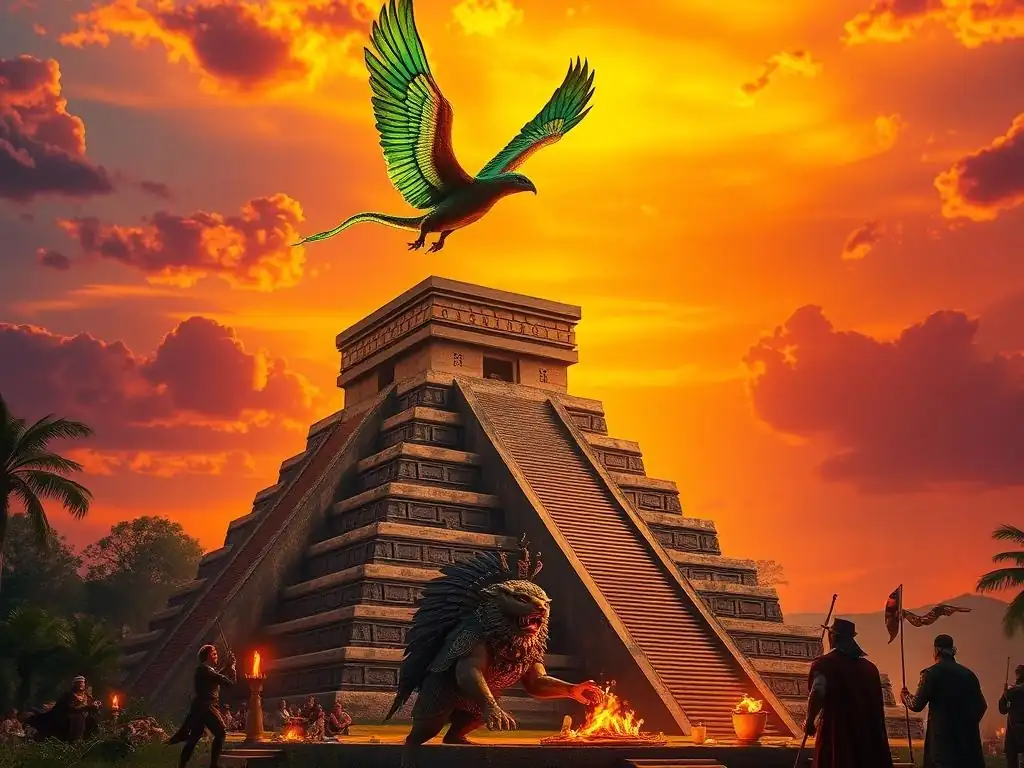
Welcome to Indigenous Civilizations of the Americas, where we invite you to embark on a fascinating journey through the vibrant tapestry of pre-colonial cultures. Here, you'll uncover the rich stories and remarkable achievements of diverse indigenous societies that shaped the Americas long before European contact. In our featured article, "Divine Duality: The Role of Quetzalcoatl and Tezcatlipoca in Aztec Religion," we delve into the profound beliefs and myths that defined the Aztec worldview.
What secrets do these powerful deities hold, and how did they influence the daily lives of the Aztec people? Join us as we explore these questions and more, igniting your curiosity about the enduring legacy of indigenous civilizations.
-
Divine Duality: The Role of Quetzalcoatl and Tezcatlipoca in Aztec Religion and Mythology
- Introduction to Aztec Religion and Mythology
- Quetzalcoatl: The Feathered Serpent
- Tezcatlipoca: The Smoking Mirror
- The Duality of Quetzalcoatl and Tezcatlipoca
- Rituals and Worship Practices Related to Quetzalcoatl and Tezcatlipoca
- Conclusion: The Lasting Legacy of Quetzalcoatl and Tezcatlipoca in Aztec Religion and Mythology
- References and Suggested Further Reading on Aztec Religion and Mythology
- Frequently Asked Questions
- Final Reflection: Embracing the Divine Duality in Aztec Religion
- Embrace the Balance: Unleash the Power of Duality in Your Life
Divine Duality: The Role of Quetzalcoatl and Tezcatlipoca in Aztec Religion and Mythology
In the rich tapestry of Aztec religion and mythology, the interplay between deities not only illustrates the complexities of their beliefs but also reflects the profound understanding of duality that the Aztecs embraced. Central to this belief system are two pivotal figures: Quetzalcoatl, the Feathered Serpent, and Tezcatlipoca, the Smoking Mirror.
These gods embody contrasting yet complementary principles that shaped the Aztec worldview, influencing their rituals, societal norms, and cultural achievements. This article seeks to explore the significance of Quetzalcoatl and Tezcatlipoca within the broader context of Aztec spirituality, examining their origins, myths, and the impact they had on the civilization's development.
Introduction to Aztec Religion and Mythology
Aztec religion is a fascinating amalgamation of beliefs that were integral to the daily lives and governance of the Aztec people. It was characterized by a pantheon of deities, ritual practices, and cosmological narratives that explained the universe and humanity's place within it. Central to this belief system was the idea of duality, where opposing forces were seen as essential to maintaining balance in the cosmos. The reverence for deities such as Quetzalcoatl and Tezcatlipoca illustrates how the Aztecs navigated the complexities of existence, highlighting themes of creation, destruction, life, and death.
Overview of Aztec Cosmology
Aztec cosmology is deeply rooted in the concept of cycles and duality. The universe was perceived as a dynamic interplay of forces, with the sun, moon, and stars playing crucial roles in their religious narratives. The Aztecs believed in multiple layers of existence, including:
- The Earth: The physical realm where humans reside.
- The Underworld (Mictlan): The domain of the dead, ruled by the god Mictlantecuhtli.
- The Heavens: A celestial space inhabited by gods and spiritual beings.
This cosmological framework was essential for understanding the rituals and ceremonies that sought to appease the gods and maintain harmony within the universe.
Importance of Deities in Aztec Beliefs
Deities in Aztec religion were not mere figures of worship; they embodied natural forces and societal ideals. The Aztecs believed that these gods required sustenance in the form of offerings, prayers, and, in some cases, human sacrifice. Each deity was associated with specific aspects of life, such as:
- Agriculture and fertility (e.g., Tlaloc)
- War and conquest (e.g., Huitzilopochtli)
- Knowledge and culture (e.g., Quetzalcoatl)
This intricate web of divine relationships underscored the importance of maintaining a harmonious balance between human actions and the will of the gods.
Quetzalcoatl: The Feathered Serpent
Quetzalcoatl, often depicted as a feathered serpent, is one of the most revered deities in Aztec mythology. His symbolism encompasses themes of creation, culture, and wisdom, marking him as a figure of enlightenment and benevolence.
Origins and Symbolism of Quetzalcoatl
The origins of Quetzalcoatl are complex and interwoven with various Mesoamerican cultures. As a deity associated with wind, air, and learning, he symbolizes the duality of life—both nurturing and destructive. His name translates to "Feathered Serpent," representing the convergence of the earthly (serpent) and the celestial (feathers). This duality reflects the Aztec belief in the interconnectedness of nature and spirituality.
Major Myths Involving Quetzalcoatl
Quetzalcoatl is central to many myths and legends that illustrate his significance in Aztec culture. Some notable stories include:
- The Creation of Humanity: Quetzalcoatl is credited with the creation of humankind from the bones of the previous world, emphasizing his role as a benevolent creator.
- The Journey to the Underworld: In this myth, Quetzalcoatl travels to Mictlan to retrieve the bones of the ancestors, highlighting themes of resurrection and renewal.
These narratives not only reflect the values of the Aztec society but also served as moral lessons, guiding individuals in their daily lives.
Quetzalcoatl's Influence on Aztec Society and Culture
Quetzalcoatl's impact on Aztec society was profound. As a deity of knowledge and culture, he was associated with the arts, education, and civilization. Temples dedicated to him were centers of learning, and his festivals celebrated the agricultural cycles, reinforcing the importance of community and cooperation. His enduring legacy can still be felt in the cultural practices and beliefs that emerged from the Aztec civilization.
The exploration of Quetzalcoatl and Tezcatlipoca within the context of Aztec religion and mythology not only highlights their divine roles but also unveils the intricate relationship between belief and daily life in the Aztec civilization. As we delve deeper into their stories, we gain insight into the fundamental principles that guided one of history's most remarkable cultures.
Tezcatlipoca: The Smoking Mirror
Tezcatlipoca, often referred to as "The Smoking Mirror," is one of the principal deities in Aztec religion and mythology. He embodies a complex array of attributes, symbolizing both creation and destruction, light and darkness. Tezcatlipoca is frequently depicted as a powerful figure who wields significant influence over the fate of humanity, often associated with the night sky, the earth's magnetic field, and the obsidian stone. His name translates to "smoking mirror," a reference to his connection with divination and reflection, as well as his role in the supernatural realm.
Understanding Tezcatlipoca’s Origins and Attributes
Tezcatlipoca's origins are deeply rooted in the Aztec creation myths, where he is often presented as a rival of Quetzalcoatl. His aggressive and cunning nature is encapsulated in various tales, showcasing his ability to manipulate events and beings to his advantage. As one of the gods of the Aztec pantheon, he represents the chaotic forces of the universe. His attributes include the power of warfare, sorcery, and the ability to see into the hearts of men, further emphasizing his role as a god who governs fate and destiny.
Tezcatlipoca is commonly associated with the color black and the direction north. He is often depicted with a black stripe across his face, symbolizing his connection to the night and the unknown. His representations may include the obsidian mirror, which is said to have mystical properties, allowing for glimpses into the future and the past.
Key Myths Surrounding Tezcatlipoca
Numerous myths revolve around Tezcatlipoca, illustrating his multifaceted nature. One of the most prominent narratives is the story of the creation of the Fifth Sun, where he plays a critical role in the battle against his brother, Quetzalcoatl. In this myth, Tezcatlipoca transforms himself into a jaguar to defeat Quetzalcoatl, who had created humans. This conflict leads to the eventual establishment of the world as it is known.
Another significant myth involves Tezcatlipoca’s interactions with the hero, Huitzilopochtli, the god of war. Tezcatlipoca, in his role as a trickster, often tests the hero's resolve and capabilities, showcasing the duality of his nature as both a mentor and adversary. These stories emphasize his influence over human affairs, fate, and morality.
The Role of Tezcatlipoca in Aztec Society and Governance
In Aztec society, Tezcatlipoca was not only a deity of the cosmos but also a critical figure in governance and social order. His influence extended into the political realm, where leaders often sought his favor to legitimize their rule. Rulers would invoke Tezcatlipoca to gain insight and wisdom in their decision-making processes, as he was believed to see into the hearts and minds of individuals.
Religious ceremonies dedicated to Tezcatlipoca involved significant rituals, including human sacrifices, which were thought to appease him and ensure the stability of the cosmos. These practices underscored the importance of his worship within Aztec culture, reflecting the belief that the balance between his chaotic nature and the order brought by other deities was essential for societal harmony.
The Duality of Quetzalcoatl and Tezcatlipoca
The relationship between Quetzalcoatl and Tezcatlipoca is characterized by duality, representing opposing forces in Aztec mythology. This duality reflects a broader philosophical framework in Aztec thought, where balance and tension between contrasting elements are seen as essential for the universe's sustainability.
The Complementary Nature of Their Roles
Quetzalcoatl, known as the Feathered Serpent, is often viewed as a deity of light, culture, and civilization. In contrast, Tezcatlipoca embodies the darker aspects of existence, such as chaos and destruction. Together, they represent the duality of life—creation and destruction, order and chaos. This relationship is not merely adversarial but rather complementary, as each deity relies on the other to fulfill their roles within the cosmos.
The cyclical nature of their interactions reinforces the idea that neither deity can exist in isolation. For instance, Quetzalcoatl's creation of humanity is intricately linked to Tezcatlipoca’s subsequent challenges, which serve to test and shape the human experience. This dynamic interplay highlights the belief in a balanced universe where opposing forces coexist and influence one another.
Conflicts and Interactions Between the Two Deities
The conflicts between Quetzalcoatl and Tezcatlipoca are a recurring theme in Aztec mythology. Their battles are not merely physical but represent deeper philosophical struggles—good versus evil, light versus darkness. One of the most famous myths recounts how Tezcatlipoca deceives Quetzalcoatl, leading to the latter's temporary downfall and subsequent exile. This narrative serves to illustrate the importance of humility and the dangers of hubris.
These interactions are also mirrored in the natural world, where the cycles of day and night, seasons, and life and death are seen as reflections of their ongoing struggle. The tension between the two deities provides a framework for understanding the complexities of human existence, emphasizing that life is a continuous interplay of conflicting forces.
The Impact of Their Duality on Aztec Religion and Mythology
The duality of Quetzalcoatl and Tezcatlipoca significantly shaped Aztec religion and mythology, influencing various aspects of cultural expression, including art, literature, and ritual practices. Their stories are often depicted in codices and murals, serving as lessons about morality, balance, and the human condition.
The belief in the necessity of both deities reinforces the idea that chaos and order must coexist. This understanding permeated Aztec society, affecting everything from governance to daily life. Rituals often included offerings to both gods, acknowledging their intertwined existence and the need for balance in all aspects of life.
The dynamic between Quetzalcoatl and Tezcatlipoca is a cornerstone of Aztec mythology, illustrating the complex nature of their divine roles and their lasting impact on the cultural and religious fabric of the Aztec civilization.
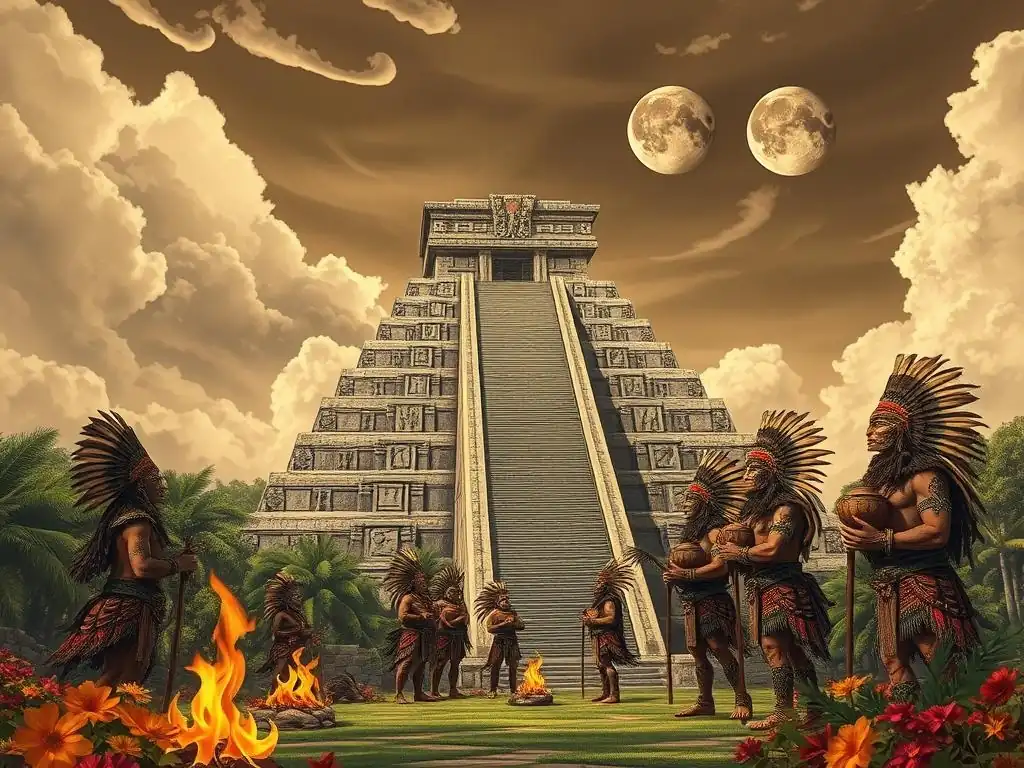
The worship of Quetzalcoatl and Tezcatlipoca was central to Aztec religion, manifesting through various rituals and practices that underscored their duality and complementary nature. These deities were venerated in numerous ceremonies, each reflecting their unique attributes and the overarching themes of balance and conflict within Aztec mythology. Rituals often involved elaborate ceremonies that combined music, dance, and offerings, aimed at both honoring these gods and ensuring the favor of the divine for agricultural and societal prosperity.
Ceremonial Importance in Aztec Religion
Ceremonial practices dedicated to Quetzalcoatl and Tezcatlipoca were deeply embedded in the fabric of Aztec society. Temples, like the Templo Mayor in Tenochtitlan, served as focal points for these ceremonies, where priests conducted rites to invoke the presence of the gods. The duality of Quetzalcoatl, often associated with creation, wisdom, and life, contrasted sharply with Tezcatlipoca, who represented war, chaos, and the night. This balance was vital, as it illustrated the importance of both life-giving and destructive forces within the cosmos.
Rituals often included purification rites where participants would fast, bathe, and engage in prayer to cleanse themselves before approaching the deities. This preparation underscored the sanctity of the rituals and the reverence with which Aztecs approached their gods.
Festivals Celebrating Quetzalcoatl and Tezcatlipoca
Festivals honoring Quetzalcoatl and Tezcatlipoca were grand events that showcased the importance of these deities in Aztec culture. One of the most significant festivals was the Tlacaxipehualiztli, dedicated to the god Xipe Totec but also honoring Tezcatlipoca. This festival involved the ritualistic sacrifice of captives, symbolizing the renewal of life and the cycles of nature.
Another important celebration was the Toxcatl, which was primarily dedicated to Tezcatlipoca. During this festival, a young man was chosen to embody the god for a year, after which he was sacrificed in a ceremonial display that represented the cyclical nature of life, death, and rebirth. Such festivals not only reinforced religious beliefs but also served to unify the community through shared cultural practices and experiences.
Offerings and Sacrifices: Understanding Their Significance
Offerings and sacrifices were integral to Aztec worship, particularly in relation to Quetzalcoatl and Tezcatlipoca. The Aztecs believed that the gods required nourishment in the form of offerings, which included food, flowers, and incense. However, the most profound offerings were human sacrifices, which were believed to appease the gods and maintain cosmic order.
Quetzalcoatl, associated with life and fertility, was often honored with offerings of maize, the staple crop of Mesoamerica, while Tezcatlipoca demanded more intense sacrifices, reflecting his role as a god of war and chaos. The act of sacrifice was viewed as a means of maintaining balance in the universe, ensuring that the cycle of life continued.
Conclusion: The Lasting Legacy of Quetzalcoatl and Tezcatlipoca in Aztec Religion and Mythology
The legacy of Quetzalcoatl and Tezcatlipoca extends far beyond the rituals and sacrifices of the Aztec civilization. These deities encapsulate the fundamental principles of duality, reflecting the intertwined nature of creation and destruction, life and death. Their narratives and worship practices continue to influence contemporary understandings of spirituality and balance in various indigenous cultures.
Reflection on Their Roles in Contemporary Indigenous Beliefs
In modern times, the figures of Quetzalcoatl and Tezcatlipoca are often revisited in contemporary indigenous beliefs and practices. Many indigenous communities in Mexico and Central America retain aspects of these ancient deities within their cultural narratives, using them as symbols of balance and harmony in the natural world. This ongoing reverence helps sustain a connection to their ancestral heritage, showcasing the resilience of these ancient beliefs.
The Influence of Aztec Religion on Modern Understandings of Duality
The influence of Aztec religion on modern perspectives of duality is significant, as it offers a framework for understanding the complexities of existence. The dual nature of Quetzalcoatl and Tezcatlipoca serves as a reminder of the necessity of balance in life and the importance of acknowledging both positive and negative forces. This concept of duality is increasingly relevant today, as it encourages a more nuanced view of human experience and the interconnectedness of all things.
References and Suggested Further Reading on Aztec Religion and Mythology
For those interested in delving deeper into the rich tapestry of Aztec religion and mythology, a variety of resources provide extensive insights into the beliefs, practices, and cultural significance of deities like Quetzalcoatl and Tezcatlipoca. Here are some recommended texts and materials that can enhance your understanding:
Books
-
"The Mythology of Mexico and Central America" by John Bierhorst
This comprehensive book explores the mythological traditions of Mexico and Central America, including detailed sections on the Aztec pantheon and their cosmological beliefs. It provides context for the duality of Quetzalcoatl and Tezcatlipoca within broader indigenous narratives.
-
"Aztec Thought and Culture: A Study of the Ancient Nahuatl Mind" by Miguel León-Portilla
León-Portilla's work is a seminal text that examines the philosophical underpinnings of Aztec culture, including religious practices and the significance of deities in everyday life. This book is particularly valuable for understanding the nuances of Aztec spirituality.
-
"The Aztecs: A Very Short Introduction" by David Carrasco
This concise introduction offers a quick overview of Aztec civilization, highlighting key aspects of their religion and mythology. It serves as an accessible entry point for readers new to the subject.
Academic Journals
-
"The Journal of Latin American Lore"
This journal frequently publishes articles that delve into various aspects of indigenous cultures, including Aztec religion and mythology. Exploring its archives can yield valuable academic insights and research findings.
-
"Ethnohistory"
This interdisciplinary journal often features studies that examine the intersection of indigenous cultures and historical analysis. Articles relevant to Aztec beliefs and their enduring legacy can be found here.
Online Resources
-
The British Museum: Aztec Civilization
The British Museum's website offers a wealth of information and digital resources related to Aztec artifacts, including religious items and descriptions of ceremonial practices that illuminate the roles of Quetzalcoatl and Tezcatlipoca in daily life.
-
The Metropolitan Museum of Art: Aztec Art and Culture
This resource provides access to a collection of Aztec artworks, along with descriptions that explain their religious significance. It can be particularly inspiring for those interested in the visual representations of Aztec mythology.
Documentaries
-
"The Lost Civilizations of the Americas"
This documentary series covers various indigenous cultures, including the Aztecs, and discusses their religious beliefs and practices. It offers visual storytelling that brings the mythology to life.
These resources will not only expand your knowledge of Aztec religion and mythology but also provide diverse perspectives on the cultural, social, and historical contexts in which these beliefs were practiced. Whether through academic texts, online platforms, or visual media, there is a wealth of information available for those eager to learn more about the divine duality represented by Quetzalcoatl and Tezcatlipoca.
Frequently Asked Questions
What is the significance of Quetzalcoatl in Aztec religion?
Quetzalcoatl, known as the Feathered Serpent, represents creation, fertility, and the wind. He played a pivotal role in the Aztec pantheon, embodying the duality of life and death.
How does Tezcatlipoca contrast with Quetzalcoatl?
Tezcatlipoca, the Smoking Mirror, is often seen as Quetzalcoatl's antithesis, symbolizing chaos, conflict, and the night sky. Together, they depict the balance of opposing forces in Aztec mythology.
What role did duality play in Aztec mythology?
Duality is central to Aztec beliefs, illustrating the coexistence of opposing forces, such as life and death or order and chaos. This concept is embodied by gods like Quetzalcoatl and Tezcatlipoca.
How did Aztec religion influence their society?
Aztec religion shaped their social structure, politics, and culture, dictating rituals, governance, and the arts. The worship of deities like Quetzalcoatl and Tezcatlipoca was integral to their daily lives.
What lasting impacts did Aztec religion have on modern culture?
The myths and symbols of Aztec religion continue to influence contemporary art, literature, and spirituality. Concepts of duality and respect for nature found in their beliefs are still relevant today.
Final Reflection: Embracing the Divine Duality in Aztec Religion
The exploration of Quetzalcoatl and Tezcatlipoca reveals the profound complexity of Aztec religion and mythology, emphasizing that balance and duality are essential to understanding the human experience. In a world increasingly divided by extremes, the lessons from these two deities resonate more than ever, reminding us of the necessity to embrace both light and darkness in our lives.
The duality represented by Quetzalcoatl and Tezcatlipoca continues to shape our cultural and social landscape, illustrating how opposing forces can coexist and create harmony. As we navigate our own lives, we can draw inspiration from their dynamic relationship, recognizing that both creation and destruction are integral to growth. In the midst of chaos, there is also opportunity.
This quote serves as a reminder that embracing the complexities of life can lead to profound insights and personal evolution.
As you reflect on the teachings of Aztec religion and mythology, consider how you can apply the principles of duality in your own life. Embrace the balance between opposing forces, and allow this understanding to guide your actions and decisions. The journey toward harmony begins with the acknowledgment of both the light and dark within us, inviting you to explore the richness of your own divine duality.
Embrace the Balance: Unleash the Power of Duality in Your Life
Thank you for exploring the fascinating world of Aztec religion and the divine duality represented by Quetzalcoatl and Tezcatlipoca. You’ve gained valuable insights into how these powerful deities reflect the intricate balance of opposing forces. Now, it's time to take that knowledge and apply it to your own life!
Here are some actionable steps to deepen your understanding and engagement:
- Reflect on the dualities present in your life. Identify the contrasting forces that shape your experiences, and consider how you can harmonize their energies.
- Join a community discussion either online or in person to share your thoughts on how the teachings of Quetzalcoatl and Tezcatlipoca can inspire contemporary living.
- Research: Explore the myths and stories surrounding these figures to see how they resonate with your personal growth and cultural understanding.
As you embark on this journey, ponder this: How can you apply the lessons of duality to create balance and harmony in your daily life?