
Gods and Myths: The Spiritual Origins of the Aztec Civilization

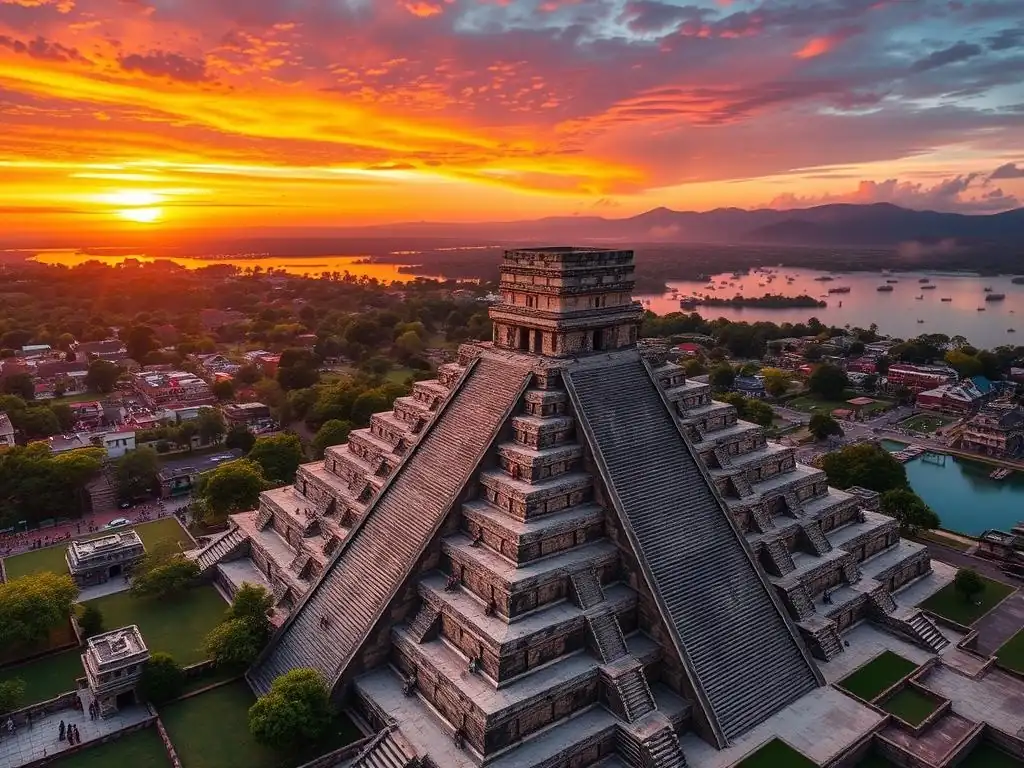
Welcome to Indigenous Civilizations of the Americas, where we invite you to journey through the rich tapestry of cultures that flourished long before European footprints marked the land. In this captivating exploration, we delve into the spiritual beliefs of the Aztec civilization, uncovering the profound connection between their gods, myths, and daily life. What secrets lie within the rituals and traditions that shaped one of history's most fascinating societies?
Prepare to be intrigued as you discover how these ancient beliefs continue to resonate today. Dive deeper into our main article, "Gods and Myths: The Spiritual Origins of the Aztec Civilization," and unlock the mysteries of a civilization that has left an indelible mark on history.
- Introduction to Aztec Civilization Spiritual Beliefs
- The Pantheon of Aztec Gods
- Creation Myths and Legends
- Rituals and Practices in Aztec Spirituality
- The Connection Between Nature and Aztec Spirituality
- The Legacy of Aztec Spiritual Beliefs
- Conclusion: The Spiritual Foundations of Aztec Civilization
-
Frequently Asked Questions
- What were the main spiritual beliefs of the Aztec civilization?
- How did the spiritual practices influence Aztec daily life?
- What role did sacrifice play in Aztec spirituality?
- How did the creation myths shape Aztec culture?
- What impact did the spiritual beliefs of the Aztecs have on their civilization?
- Final Reflection: The Enduring Legacy of Aztec Spiritual Beliefs
- Uncover the Mysteries of the Aztec Spiritual Legacy!
Introduction to Aztec Civilization Spiritual Beliefs
The Aztec civilization, a remarkable society that flourished in central Mexico from the 14th to the 16th centuries, is renowned not only for its architectural and agricultural achievements but also for its deeply intricate spiritual beliefs. At the heart of Aztec culture lies a rich tapestry of myths, deities, and rituals that shaped their worldview and daily life. This exploration of Aztec civilization spiritual beliefs reveals how the sacred intertwined with the mundane, influencing everything from governance to agriculture, and providing profound insights into the societal values of the Aztecs.
Overview of the Aztec Civilization
The Aztec civilization, known as Mexica, emerged from the fusion of various Mesoamerican cultures and established a powerful empire that reached its zenith in the early 16th century. Key aspects of this civilization include:
- Political Structure: The Aztecs were organized under a complex political hierarchy led by emperors, supported by a council of nobles and priests.
- Economy: They developed a robust economy based on agriculture, trade, and tribute systems, utilizing chinampas (floating gardens) for farming.
- Society: The society was stratified into classes, including nobles, commoners, and slaves, each playing distinct roles in cultural and economic life.
- Art and Architecture: The Aztecs are celebrated for their monumental architecture, including the Templo Mayor, and their vibrant artistry displayed in sculptures, pottery, and codices.
The Aztec civilization was characterized by its capital, Tenochtitlán, a marvel of engineering and urban planning located on Lake Texcoco. With a population of over 200,000 at its peak, Tenochtitlán was a bustling urban center that showcased the Aztecs' advanced agricultural practices and trade networks.
Importance of Spirituality in Aztec Life
Spirituality was not merely a facet of Aztec life; it was the backbone of their existence, influencing every aspect of their culture. The following points illustrate the significance of spiritual beliefs in the Aztec civilization:
- Polytheism: The Aztecs worshipped a pantheon of gods, each representing various aspects of life and nature. Major deities included:
- Huitzilopochtli: God of war and the sun, central to Aztec identity.
- Quetzalcoatl: The feathered serpent, symbolizing wind, air, and the dawn.
- Tlaloc: God of rain and fertility, vital for agriculture.
- Rituals and Sacrifices: Ritual practices, including human sacrifices, were believed to appease the gods and ensure cosmic balance. The Aztecs thought that the sun required nourishment through these offerings to rise each day, thus maintaining the cycle of life.
- Cosmology and Creation Myths: The Aztecs had a rich set of myths explaining the creation of the world and humanity's place within it. These stories not only provided a framework for understanding existence but also reinforced cultural values and communal identity.
- Calendar Systems: The Aztec calendar, with its solar and ritual cycles, was intricately tied to their spirituality. It guided agricultural practices, festivals, and religious ceremonies, ensuring harmony between the divine and the earthly realms.
Through these beliefs, the Aztecs forged a profound connection with their environment and society, allowing them to thrive and leave a lasting legacy that continues to captivate scholars and enthusiasts alike.
The Pantheon of Aztec Gods
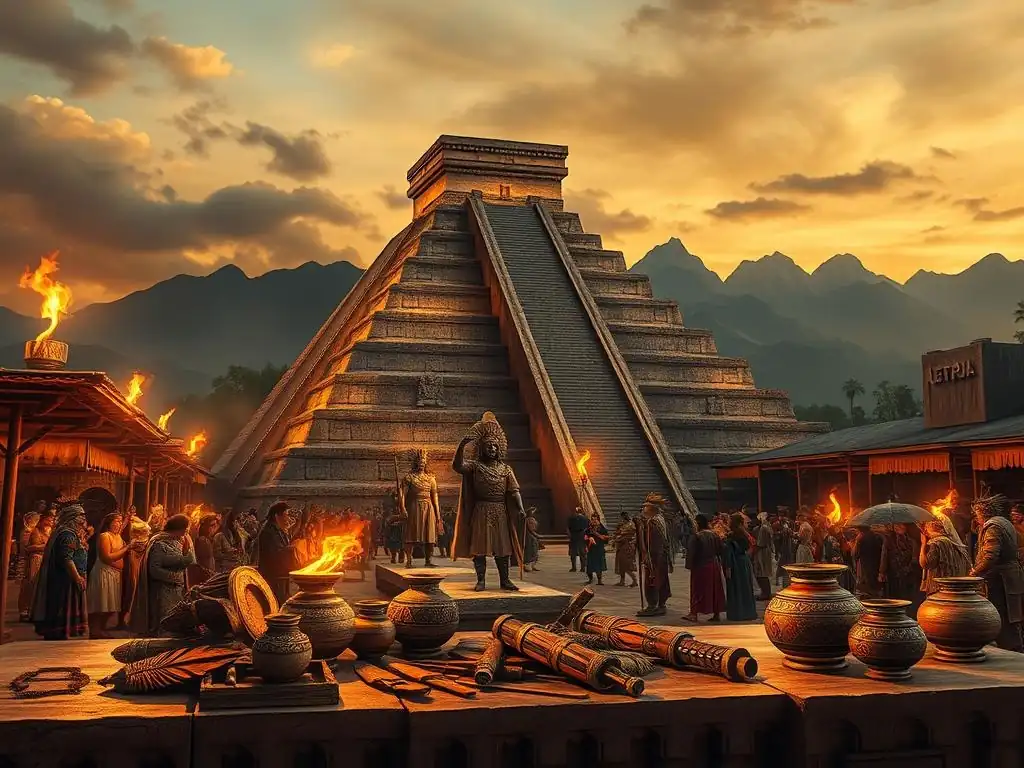
The Aztec civilization, renowned for its rich tapestry of spiritual beliefs, revolved around a complex pantheon of gods that encompassed various aspects of life and nature. Each deity held specific attributes, powers, and responsibilities, reflecting the multifaceted worldview of the Aztecs. The spiritual beliefs of the Aztecs were deeply intertwined with their daily lives, agriculture, warfare, and social order, creating a vibrant cultural identity that emphasized reverence for the divine.
Major Deities of the Aztec Religion
The Aztec pantheon consisted of numerous gods, each representing different elements, forces, and natural phenomena. Some of the major deities included:
- Huitzilopochtli: The god of war and the sun, Huitzilopochtli was one of the most venerated deities. He was believed to lead the Aztecs in battle and was associated with the sun's daily journey across the sky.
- Tlaloc: As the god of rain and fertility, Tlaloc played a crucial role in agriculture. The Aztecs relied on his benevolence for bountiful crops and successful harvests.
- Quetzalcoatl: Often referred to as the Feathered Serpent, Quetzalcoatl represented wisdom, wind, and life. He was also associated with the arts and the creation of humanity.
- Tezcatlipoca: Known as the god of the night sky and sorcery, Tezcatlipoca embodied duality and conflict. He was often depicted as a rival to Quetzalcoatl, representing the struggles inherent in life.
- Coatlicue: The earth goddess and mother of gods, Coatlicue was revered for her role in the cycle of life and death. She was associated with fertility and the nurturing aspects of motherhood.
Each of these deities was worshipped through rituals, offerings, and festivals, highlighting their importance in the spiritual beliefs of the Aztec civilization.
Characteristics and Symbolism of Aztec Gods
The symbolism associated with Aztec gods was rich and varied, often reflecting their powers and the natural elements they governed. The characteristics of these deities can be summarized as follows:
- Anthropomorphism: Many Aztec gods were depicted in human forms but often featured animal characteristics, symbolizing their connection to nature. For instance, Quetzalcoatl was depicted as a serpent with feathers, emphasizing his dual nature.
- Color Associations: Colors played a vital role in the representation of gods. For example:
- Red: Associated with Huitzilopochtli, representing warfare and sacrifice.
- Blue: Linked to Tlaloc, symbolizing water and fertility.
- Black: Connected with Tezcatlipoca, representing night and mystery.
- Sacred Symbols: Each deity had specific symbols that represented their essence. For example, the Tlalocan (the realm of Tlaloc) was symbolized by water, while Huitzilopochtli was often associated with the hummingbird, signifying agility and strength.
These characteristics highlighted the Aztecs' deep understanding of their environment and the significance of their gods in shaping the world around them.
The Role of Gods in Aztec Society
The gods of the Aztec civilization were not merely figures of worship; they were integral to the social and political fabric of society. Their roles can be understood through several key aspects:
- Rituals and Sacrifices: The Aztecs believed that to maintain cosmic order and appease the gods, they needed to perform elaborate rituals, including human sacrifices. This practice underscored the belief that the gods required nourishment from the blood of the living to sustain the universe.
- Civic Identity: The worship of specific deities often fostered a sense of identity and belonging among communities. Temples and pyramids dedicated to gods served as central points for gathering and communal activities, reinforcing social bonds.
- Political Authority: Leaders and rulers often claimed divine favor or lineage to gods, legitimizing their authority. For instance, a ruler might declare themselves a representative of Huitzilopochtli to justify their military campaigns and governance.
- Cultural Transmission: The myths and stories surrounding the gods were essential for passing down knowledge, history, and moral lessons. These narratives influenced art, literature, and education, ensuring that the spiritual beliefs of the Aztec civilization were preserved through generations.
The spiritual beliefs of the Aztec civilization were deeply rooted in their pantheon of gods, who played pivotal roles in shaping their culture, society, and worldview. The reverence for these deities reflected the intricate relationship between the Aztecs and the cosmos, emphasizing the importance of their spiritual heritage.
Creation Myths and Legends
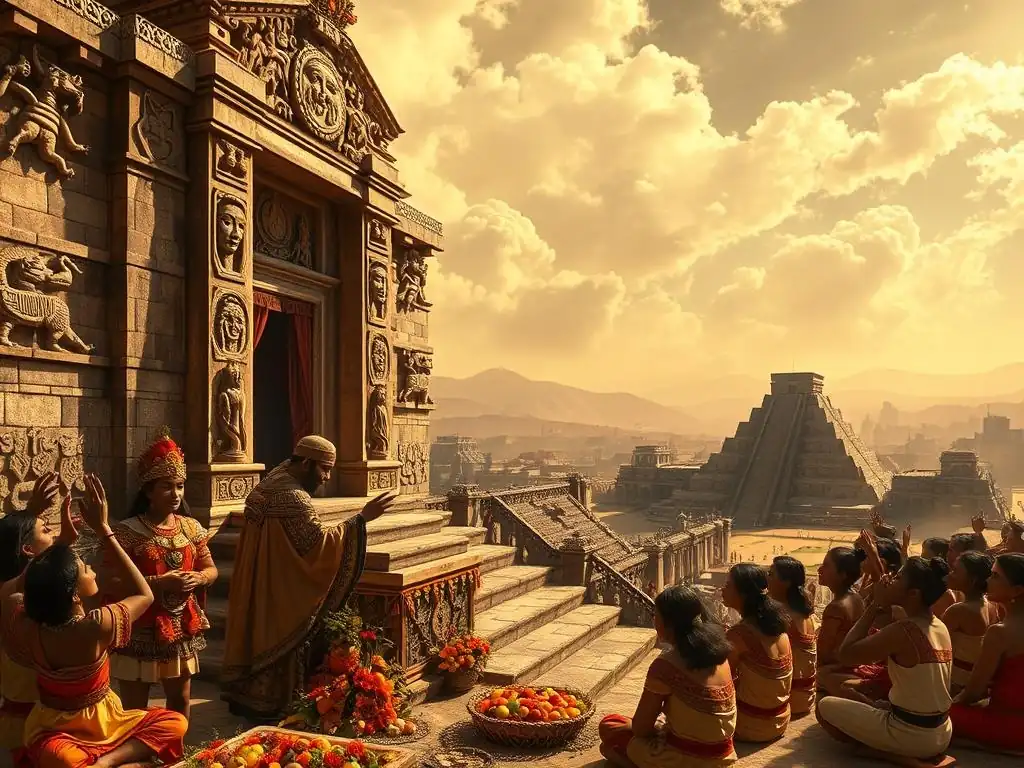
The creation myths and legends of the Aztec civilization play a crucial role in understanding their spiritual beliefs and overall worldview. These narratives not only serve as explanations for the origins of the universe but also reflect the values, struggles, and aspirations of the Aztec people. Central to these myths is the idea of a cyclical universe, where creation, destruction, and rebirth are fundamental themes that shape their spiritual existence.
The Origins of the Aztec Universe
The Aztec cosmology is complex, featuring multiple deities and realms. According to their creation myths, the universe was born from a primordial chaos known as Tlālōcān, a realm associated with water and fertility. The first gods, Tezcatlipoca and Quetzalcoatl, played pivotal roles in the creation of the world.
- Tezcatlipoca, often associated with darkness and conflict, created the earth by casting aside the primordial waters, forming land where life could flourish.
- In contrast, Quetzalcoatl, the feathered serpent god, is seen as a benevolent force who introduced agriculture and civilization to humanity.
This duality between light and darkness, creation and destruction, reflects the balance that the Aztecs sought to maintain in their lives. The belief that the universe underwent multiple cycles of creation and destruction is central to the Aztec understanding of time and existence. Each cycle, known as a "sun," represented a different age, culminating in the present era, the Fifth Sun, which was believed to be constantly at risk of destruction.
Key Myths Explaining Aztec Spiritual Beliefs
Several key myths encapsulate the essence of Aztec spiritual beliefs:
- The Myth of the Five Suns: This myth narrates the existence of four previous suns that were destroyed in various cataclysmic events—by jaguars, wind, fire, and floods. The current sun, which is associated with the god Tonatiuh, is believed to need regular sacrifices to sustain its energy and prevent the world from falling into darkness.
- The Legend of Huitzilopochtli: Huitzilopochtli, the god of war and the sun, is a central figure in Aztec mythology. According to legend, he was born from Coatlicue, the earth goddess, and fought off his siblings to establish dominance. This myth emphasizes the importance of warfare and sacrifice in Aztec culture, as Huitzilopochtli required the nourishment of human hearts to ensure the sun's rise.
- The Tale of the Creation of Humanity: Another significant myth details how the gods sacrificed themselves to create humanity. Tezcatlipoca, Quetzalcoatl, and Huitzilopochtli all contributed to the creation of humans from the bones of previous civilizations, instilling them with a divine essence that connected them to the gods.
These myths not only serve as religious narratives but also reinforce societal norms and values, illustrating the interconnectedness of the divine and mortal realms.
Influence of Myths on Aztec Culture and Society
The spiritual beliefs encapsulated in Aztec myths profoundly influenced their culture and society. Here are some key areas of impact:
- Rituals and Ceremonies: The need to appease the gods through rituals, including elaborate ceremonies and human sacrifices, was a vital aspect of Aztec life. These practices were integral to maintaining the cosmic order, ensuring the continuity of the sun, and securing agricultural fertility.
- Art and Architecture: Aztec mythology significantly influenced their artistic expressions. Temples, sculptures, and codices often depicted gods and mythological scenes, serving both religious purposes and as a means of preserving their history and beliefs.
- Social Hierarchy: The priesthood held a prominent position in Aztec society, as they were the intermediaries between the gods and the people. Their role in performing rituals and interpreting the will of the gods placed them at the center of social and political power.
The spiritual beliefs of the Aztec civilization, as conveyed through their creation myths and legends, were foundational to their identity, influencing various aspects of their culture and societal structure. The narratives surrounding their gods not only provided explanations for the mysteries of existence but also shaped the very fabric of Aztec life, reflecting their reverence for the divine and the cyclical nature of the universe.
Rituals and Practices in Aztec Spirituality
Ceremonies and Offerings to the Gods
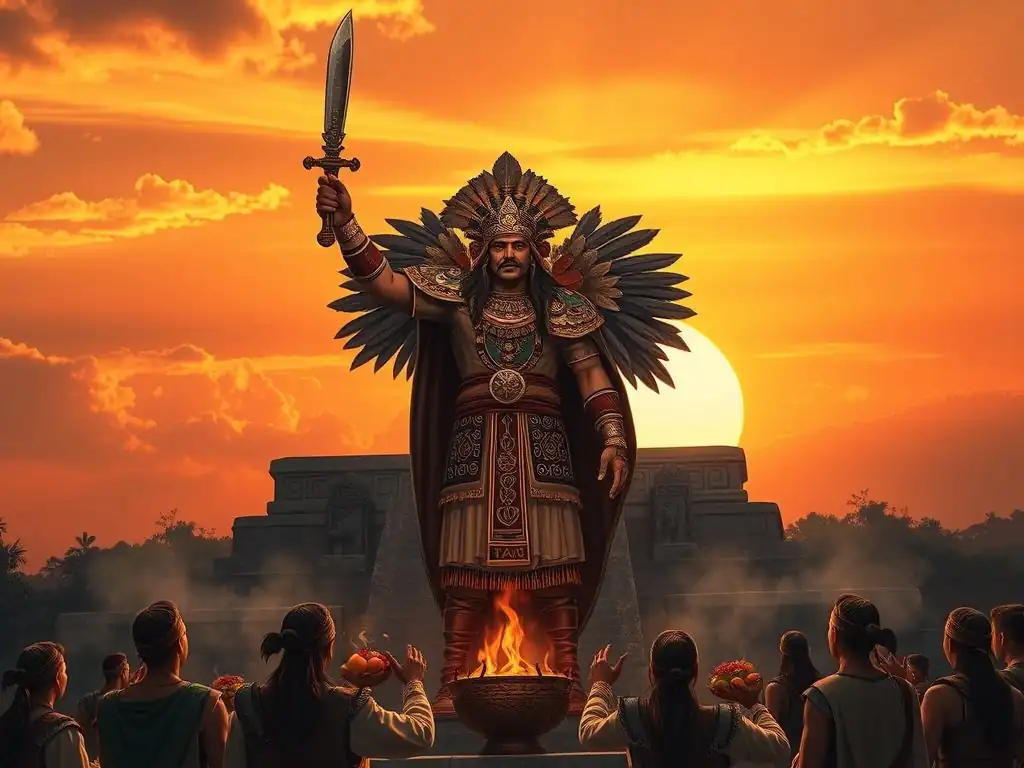
The Aztec civilization was deeply intertwined with a rich tapestry of spiritual beliefs that manifested through various ceremonies and offerings to their pantheon of gods. These rituals were not merely acts of devotion; they were essential to maintaining the cosmic balance and ensuring the continued favor of the deities.
Key Elements of Ceremonies
- Temples as Sacred Spaces: The Aztecs built grand temples, such as the Templo Mayor in Tenochtitlan, which served as the focal point for many rituals. These spaces were considered the earthly homes of the gods.
- Ritual Practices: Ceremonies often involved complex rituals, including:
- Purification: Participants underwent cleansing rites to prepare for communion with the divine.
- Processions: Elaborate parades featuring music, dance, and costumes honored the gods and set the tone for the sacred events.
- Offerings: Food, flowers, and other goods were presented to the deities as a sign of respect and gratitude.
The ceremonial calendar was filled with specific dates dedicated to particular deities, and each event had its unique set of rituals. These ceremonies reinforced the community's collective identity and their connection to the divine.
The Significance of Blood Sacrifice in Aztec Beliefs
Blood sacrifice was a cornerstone of Aztec civilization spiritual beliefs, reflecting the profound connection between the human and divine realms. This practice was rooted in the idea that the gods required nourishment, and human blood was viewed as the most potent offering.
Understanding Blood Sacrifice
- Divine Reciprocity: The Aztecs believed that by offering their blood, they were ensuring the gods' continued support in maintaining the world, including the sun's rising and the fertility of the land.
- Types of Sacrifices: Not all sacrifices were equal; they varied in scale and method:
- Individual Sacrifices: Often conducted during specific rituals, these involved a single person, usually a captive or a volunteer, who would be honored for their role in the ceremony.
- Mass Sacrifices: During significant festivals, thousands of individuals might be sacrificed to appease multiple gods simultaneously, demonstrating the community's devotion.
This practice was not viewed as barbaric by the Aztecs but rather as a vital part of their existence, integral to their understanding of life, death, and the universe. The act of sacrifice was a powerful affirmation of faith and a means of sustaining the order of the cosmos.
Festivals Celebrating Aztec Deities
The Aztec calendar was filled with vibrant festivals dedicated to their myriad gods, each celebration reflecting the unique attributes and stories associated with these deities. These festivals were crucial in reinforcing the spiritual beliefs and cultural identity of the Aztec people.
Major Festivals and Their Importance
- Tlaxochimaco: Celebrating the beginning of the agricultural cycle, this festival involved elaborate dances and offerings to Tlaloc, the rain god, ensuring a bountiful harvest.
- Huey Tochtli: This festival honored the maize god, Centeotl, and featured feasting, music, and rituals designed to celebrate the vital importance of corn in Aztec society.
- Tlacaxipehualiztli: A significant festival dedicated to Xipe Totec, the god of spring and renewal, this event involved dramatic reenactments of the cycle of life and death, emphasizing the themes of regeneration and transformation.
These festivals served multiple purposes: they were times of community gathering, reaffirmation of cultural identity, and renewal of spiritual commitments. By honoring their deities in such grand ways, the Aztecs ensured that their civilization's spiritual beliefs remained a vibrant and integral part of daily life.
The Connection Between Nature and Aztec Spirituality
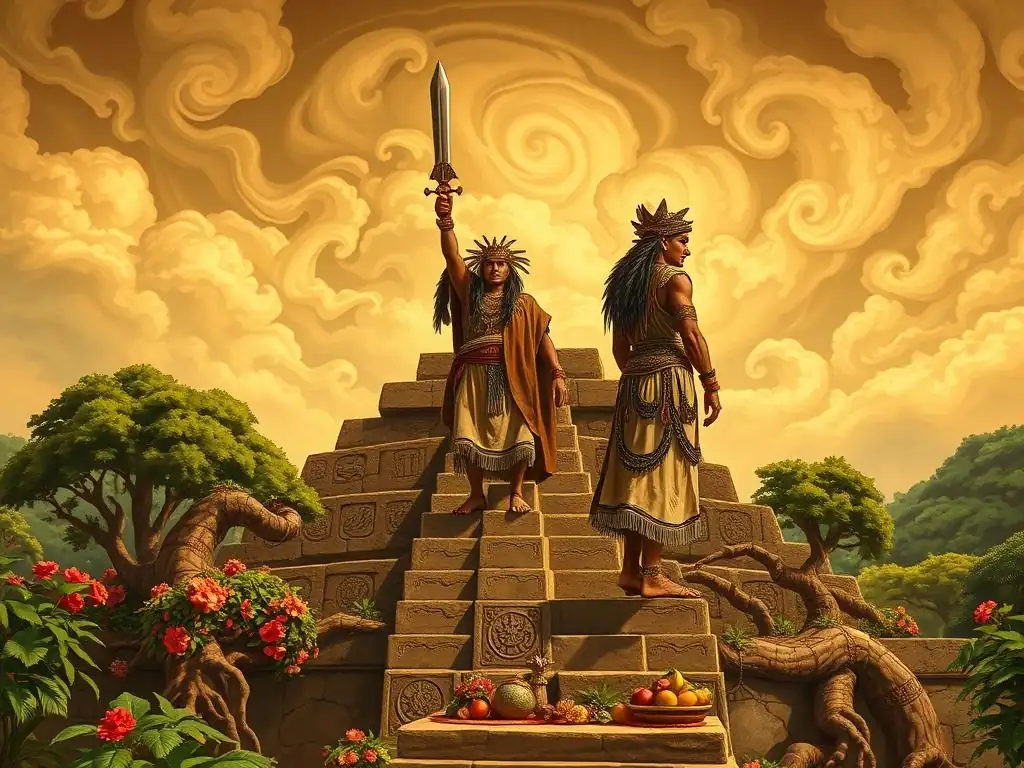
The Sacredness of Natural Elements in Aztec Beliefs
The Aztec civilization spiritual beliefs were deeply intertwined with their understanding of nature. Every aspect of the natural world held significant meaning, and various elements were revered as sacred. The Aztecs perceived the universe as a living entity, where every creature, plant, and celestial body played a vital role in the cycle of life and death.
- The Four Elements: The Aztecs recognized four primary elements that formed the foundation of their worldview:
- Earth ( Tlaltikpak): Representing stability and nourishment, earth was central to agricultural practices, which were essential for the survival of the Aztec society.
- Water ( Atl): Vital for agriculture and sustenance, water was personified by deities such as Tlaloc, the rain god, who was essential for ensuring bountiful harvests.
- Fire ( Tlāltikpak): Representing transformation and regeneration, fire was a symbol of the sun's power and was used in various rituals and ceremonies to honor the gods.
- Air ( Ehecatl): The breath of life, air was associated with the winds and the vital force that connected the heavens and the earth.
- Divine Spirits in Nature: The Aztecs believed that spirits resided within natural elements, embodying the essence of various phenomena. For instance, mountains were thought to be the dwelling places of gods, while rivers and lakes were considered sacred, often associated with specific deities.
- Mythological Narratives: The myths surrounding natural elements provided a framework for understanding the world. For example, the narrative of the creation of the fifth sun, Tonatiuh, emphasized the sun's role in sustaining life and was celebrated through various rituals that honored its power.
Through these beliefs, the Aztecs established a profound connection with their environment, emphasizing the importance of maintaining harmony with nature.
How Nature Influenced Aztec Religious Practices
The influence of nature on Aztec religious practices is evident in their rituals, ceremonies, and the pantheon of deities they worshipped. These practices were designed to honor the gods and ensure the balance of natural forces.
- Ritual Offerings: The Aztecs performed numerous rituals to appease the gods, often involving offerings of food, flowers, and even human sacrifices.
- Agricultural Festivals: Festivals were held to celebrate planting and harvesting seasons, where offerings were made to Tlaloc and other agricultural deities to secure favorable weather and abundant crops.
- Ceremonial Dances: Ritual dances mimicked the movements of natural phenomena, such as the flow of water or the rustling of leaves, creating a symbolic connection between the performers and the forces of nature.
- Calendrical Systems: The Aztec calendar was intricately linked to natural cycles, including the solar and lunar phases. The Tonalpohualli, a 260-day ritual calendar, was used to determine auspicious days for ceremonies and agricultural activities. Each day was associated with specific natural elements and deities, dictating the appropriate rituals to perform.
- Sacred Sites: Natural landscapes, such as mountains, caves, and rivers, were transformed into sacred sites where the Aztecs conducted ceremonies. For instance, the Great Pyramid of Tenochtitlan, dedicated to the rain god Tlaloc and the war god Huitzilopochtli, served as a focal point for religious activities, reinforcing the connection between the divine and the natural world.
Through these practices, the Aztec civilization spiritual beliefs evolved, highlighting the significance of nature as a source of life, power, and divine connection. The reverence for natural elements was not merely a reflection of their environment but a crucial aspect of their identity and culture.
The Legacy of Aztec Spiritual Beliefs
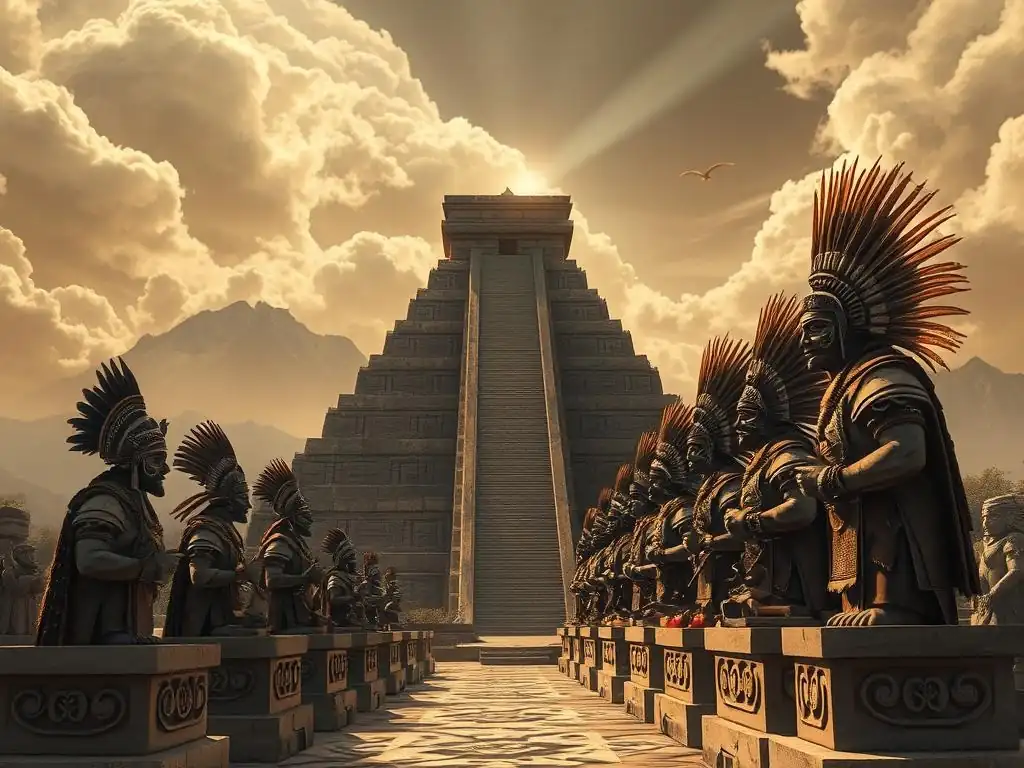
Lasting Impact on Modern Indigenous Cultures
The spiritual beliefs of the Aztec civilization have left a profound legacy that continues to resonate within modern indigenous cultures across the Americas. The Aztecs were not merely a culture of myths and deities; they expressed a worldview deeply interwoven with their understanding of nature, the cosmos, and the human experience.
- Cultural Syncretism:
- Many contemporary indigenous groups have integrated elements of Aztec spirituality into their own practices. This syncretism often occurs in rituals, festivals, and community gatherings.
- For instance, the celebration of Day of the Dead (Día de los Muertos) is a vivid example where ancient Aztec traditions are blended with Catholic practices, honoring ancestors while retaining a connection to pre-colonial beliefs.
- Symbolism in Art and Rituals:
- The use of symbols derived from Aztec mythology, such as the eagle and serpent, persists in indigenous art forms and storytelling.
- These symbols often serve as reminders of cultural identity, continuity, and resilience against colonial narratives that sought to erase indigenous histories.
- Spiritual Practices:
- Traditional healing practices and herbal medicine used by various indigenous communities often echo Aztec methods, reflecting a shared understanding of spirituality and the medicinal properties of plants.
- Rituals involving offerings, sacrifices (in a non-literal sense), and nature reverence are common threads that link present-day practices to ancient beliefs.
Preservation of Aztec Spirituality in Contemporary Society
The preservation of Aztec spirituality in modern society is a testament to the resilience of indigenous cultures. Despite centuries of colonization and cultural suppression, many communities actively work to keep their spiritual heritage alive.
- Educational Initiatives:
- Numerous organizations and cultural centers focus on education about Aztec spirituality, offering workshops, lectures, and ceremonies. These initiatives aim to educate both indigenous and non-indigenous populations about the significance of these beliefs.
- Schools in areas with significant indigenous populations often incorporate teachings about ancestral histories, including Aztec spiritual traditions, into their curricula.
- Revival Movements:
- Movements aimed at reviving traditional practices have gained momentum in recent years. These movements advocate for the recognition and respect of indigenous spiritual beliefs as legitimate and vital components of cultural heritage.
- Events like the annual "Aztec Dance" gatherings serve to bring communities together, fostering a sense of belonging and purpose while celebrating their spiritual roots.
- Digital Platforms and Social Media:
- The rise of digital platforms has enabled indigenous voices to share their knowledge and practices globally. Through social media, practitioners of Aztec spirituality can connect, share experiences, and educate others about their traditions.
- Online communities often discuss the relevance of ancient beliefs in contemporary contexts, exploring how they can still inform modern life and identity.
The spiritual beliefs of the Aztec civilization have not only shaped their own society but continue to influence and inspire modern indigenous cultures. The ongoing efforts to preserve and celebrate these beliefs highlight the importance of cultural identity and the resilience of indigenous communities in the face of historical challenges.
Conclusion: The Spiritual Foundations of Aztec Civilization
Summary of Key Aspects of Aztec Spiritual Beliefs
The Aztec civilization spiritual beliefs were intricately woven into the fabric of their daily life, influencing everything from governance to agriculture. Central to these beliefs was the reverence for a pantheon of gods who represented various aspects of nature and human experience. Among the most significant deities were:
- Huitzilopochtli: The god of war and the sun, revered as the primary deity of the Aztecs. His guidance was crucial during battles, and he was often invoked for victory.
- Tlaloc: The rain god, essential for agriculture and the sustenance of the Aztec people. Rituals to appease Tlaloc were vital, especially during droughts.
- Quetzalcoatl: The feathered serpent god, symbolizing wisdom and the wind. He represented knowledge and was often seen as a benevolent figure.
The Aztecs practiced a variety of rituals and ceremonies to honor these gods, including:
- Human Sacrifice: Often viewed as a necessary offering to ensure the gods' favor and maintain cosmic balance.
- Festivals: Celebrations like the Tlacaxipehualiztli, dedicated to the god Xipe Totec, which involved elaborate rituals and public displays of devotion.
Through these practices, the Aztecs expressed their understanding of the world and their place within it, reflecting a complex worldview that emphasized the interconnectedness of the spiritual and physical realms.
Reflection on the Importance of Understanding Aztec Origins
Understanding the spiritual origins of the Aztec civilization is crucial for several reasons. Firstly, it provides insight into how the Aztecs interpreted their existence and the forces that governed their lives. Their mythology and religious practices not only shaped their social structure but also influenced their cultural achievements in art, architecture, and science.
Moreover, by studying these spiritual beliefs, we can appreciate the complexity and sophistication of Aztec society beyond simplistic narratives often presented in popular culture. The Aztecs had a rich tradition of philosophy and ethics, which underpinned their legal systems and communal responsibilities.
Finally, recognizing the spiritual dimensions of the Aztec civilization fosters a greater respect for indigenous cultures and their contributions to human history. It challenges modern perspectives that may overlook the significance of spirituality in shaping civilizations and encourages a more nuanced understanding of the past.
The spiritual beliefs of the Aztec civilization are not only key to comprehending their historical context but also vital for appreciating the enduring legacy of indigenous cultures in contemporary society.
Frequently Asked Questions
What were the main spiritual beliefs of the Aztec civilization?
The Aztecs held a polytheistic belief system, worshipping multiple gods associated with various aspects of life, including agriculture, war, and fertility.
How did the spiritual practices influence Aztec daily life?
Religious rituals were integral to Aztec society, guiding their agricultural cycles, military endeavors, and social order, which reinforced their connection to the divine.
What role did sacrifice play in Aztec spirituality?
Human sacrifices were believed to appease the gods and ensure the continuation of life, reflecting the Aztecs' view of a reciprocal relationship with the divine.
How did the creation myths shape Aztec culture?
The creation myths provided a framework for understanding the universe and humanity's place within it, influencing Aztec art, architecture, and societal values.
What impact did the spiritual beliefs of the Aztecs have on their civilization?
The Aztec spiritual beliefs were foundational, shaping their societal structures, political systems, and cultural expressions, leaving a lasting legacy on future generations.
Final Reflection: The Enduring Legacy of Aztec Spiritual Beliefs
The spiritual beliefs of the Aztec civilization remain profoundly relevant today, as they illuminate the intricate relationship between culture, identity, and the divine. In an age where many seek meaning and connection in a rapidly changing world, the exploration of the Aztec's rich tapestry of gods and myths serves as a reminder of the power of spirituality in shaping human experience. The Aztecs understood the universe as a complex interplay of forces, where every element held significance, and this perspective invites us to reconsider our own beliefs and practices in the modern context.
The influence of Aztec spiritual beliefs extends far beyond their historical timeline, resonating in contemporary discussions about identity, heritage, and the environment. As we navigate the challenges of the present, the lessons from the Aztec civilization encourage us to honor our roots and recognize the interconnectedness of all life. The gods are not just in the heavens; they are in the earth, the water, and the air we breathe.
This quote encapsulates the essence of Aztec spirituality, reminding us that reverence for nature and the cosmos is a timeless principle that can guide our actions today.
As you reflect on the themes presented in this article, I invite you to explore how the spiritual beliefs of the Aztecs can inspire your own journey. Consider how you can integrate a deeper appreciation for the sacredness of life into your daily practices. Whether through mindfulness, environmental stewardship, or cultural appreciation, let the wisdom of the Aztec civilization guide you toward a more meaningful existence. Embrace the call to honor the past while forging a path toward a future enriched by spiritual understanding and connection.
Uncover the Mysteries of the Aztec Spiritual Legacy!
Thank you for diving into the fascinating world of the Aztec civilization and their rich spiritual origins. You've uncovered valuable insights into the gods and myths that shaped an entire culture. Now, it's time to take your curiosity further and engage with this incredible heritage!
Here are a few actionable steps to deepen your exploration:
- Join a Local Workshop: Participate in a workshop focused on indigenous cultures to connect directly with community knowledge and teachings.
- Share Your Insights: Discuss what you’ve learned with friends or on social media to inspire others to appreciate the richness of Aztec mythology.
- Explore Further: Read more about other indigenous civilizations and their spiritual practices, broadening your understanding of the diverse cultures of the Americas.
What aspect of Aztec mythology resonates with you the most, and how has it shaped your perspective on spirituality today?