The Ingenious Architecture of the Maya: A Study of Pyramids and Temples
The intricate design of Maya architecture and cultural significance reflects a profound understanding of cosmology and community needs. Pyramids and temples stand…
Read article
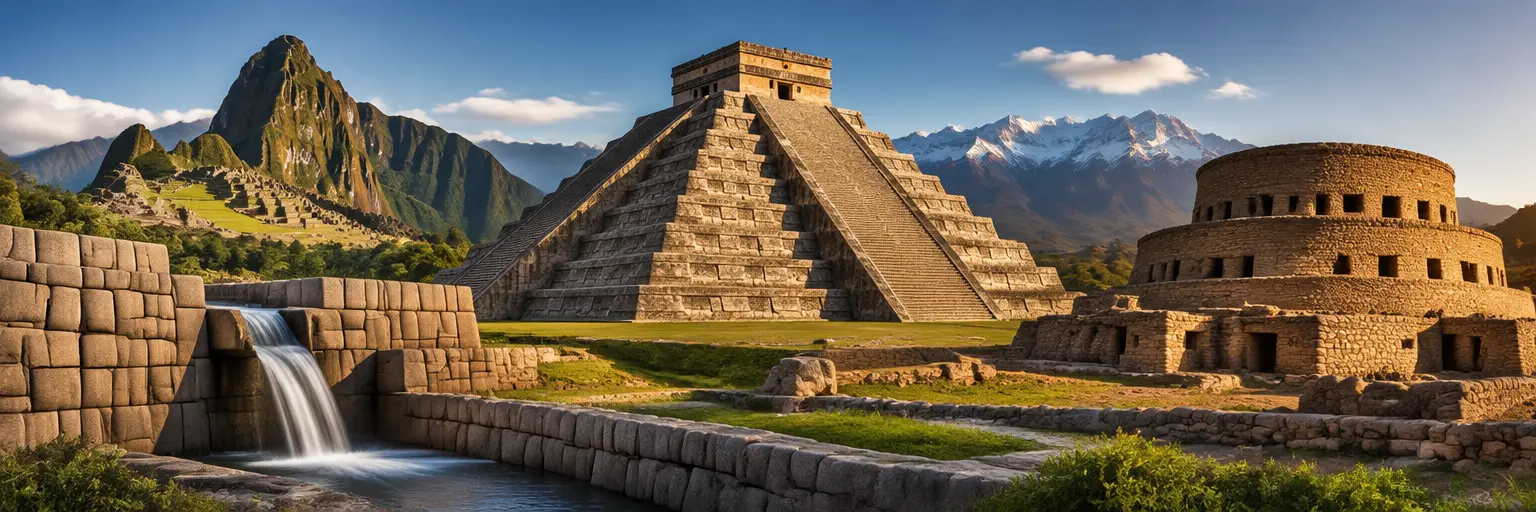
From the towering stepped pyramids that pierced the clouds to the precise, star-aligned cities that mapped the heavens, the Engineering Achievements of Indigenous civilizations stand as a breathtaking testament to human ingenuity. These societies mastered complex irrigation systems, suspension bridges, and earthquake-resistant architecture without the use of wheels, metal tools, or draft animals. Their monumental stonework, like the interlocking blocks of the Inca and the colossal Olmec heads, still defies modern explanation, showcasing an advanced understanding of mathematics, hydraulics, and celestial mechanics. Each aqueduct, causeway, and terraced hillside tells a story of resilience and profound knowledge, proving that the Americas were home to some of the most innovative minds in history—engineering not just structures, but entire sustainable worlds that continue to inspire awe and study today.
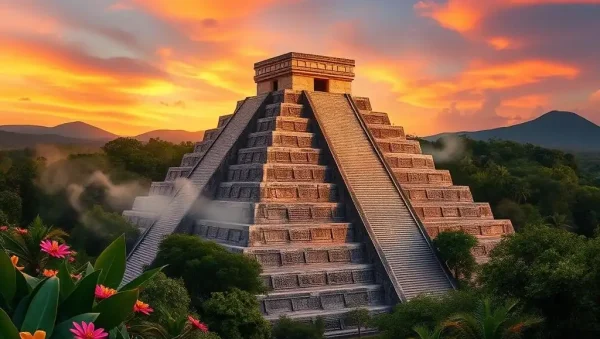
The intricate design of Maya architecture and cultural significance reflects a profound understanding of cosmology and community needs. Pyramids and temples stand…
Read article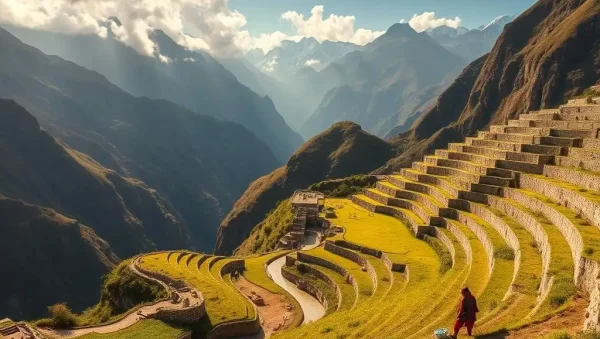
🌄 Discover the remarkable Inca engineering techniques and achievements that transformed the Andes. Through innovative terracing and advanced water management, the Incas…
Read article
Indigenous pottery techniques showcase a rich history of engineering ingenuity, reflecting the cultural values and environmental adaptations of pre-colonial societies. This exploration…
Read article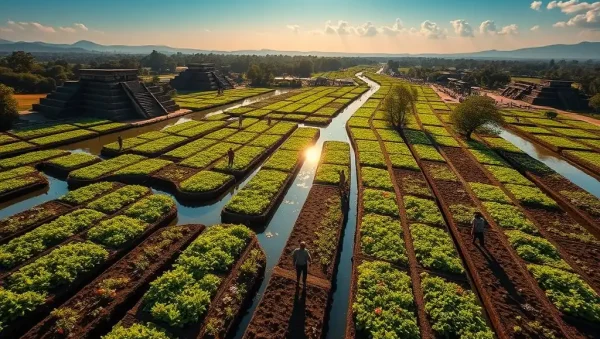
🌿 Discover the remarkable Aztec floating gardens history, where innovative chinampas transformed agriculture in Tenochtitlan. These engineering marvels not only showcased the…
Read articleExplore the remarkable engineering feats that allowed Indigenous peoples of the Americas to build resilient cities, manage vast water systems, and create durable infrastructure—long before European contact. From the terraced mountains of the Andes to the raised causeways of the Maya lowlands, these innovations reveal sophisticated knowledge of mathematics, hydraulics, materials science, and environmental stewardship that continues to inspire modern engineers and archaeologists.
Massive construction projects such as the Pyramid of the Sun at Teotihuacan, the stepped temples of Tikal, and the serpentine mounds of the Ohio Valley showcase advanced load-bearing techniques, precise astronomical alignment, and labor organization on an unprecedented scale. Indigenous engineers used locally sourced stone, adobe, and compacted earth, often without the wheel or draft animals, relying instead on ramps, levers, and human power. These structures have survived centuries of seismic activity, proving their mastery of foundation design and seismic resilience.
Urban planning was equally advanced: cities like Cahokia (near modern St. Louis) featured earthen mounds arranged around plazas, while Andean engineers built with interlocking stone blocks that needed no mortar, such as at Sacsayhuamán. Each project integrated ceremonial, residential, and defensive functions, demonstrating a holistic understanding of community needs and environmental constraints. Visitors today can still observe drainage systems, sun-aligned doorways, and acoustic engineering in these monumental sites, offering tangible proof of engineering brilliance.
Water management was a cornerstone of Indigenous engineering, with cultures like the Aztecs and the Nazca creating intricate networks of canals, aqueducts, and reservoirs. The Chinampas (floating gardens) of Tenochtitlan used a system of canals and nutrient-rich mud to support intensive agriculture, while the Inca built stone-lined channels that transported water across mountain slopes with minimal evaporation. These systems not only supplied drinking water but also irrigated crops, controlled flooding, and enabled trade via navigable waterways.
In the Amazon, pre-Columbian societies engineered raised fields and drainage ditches to transform seasonally flooded savannas into fertile farmland. Similarly, the Hohokam of the American Southwest constructed hundreds of miles of irrigation canals, some still traceable in modern Phoenix. These hydraulic works required precise leveling, seasonal forecasting, and communal governance—laying foundations for sustainable agriculture that modern climate adaptation studies now revisit. Their durability underscores a deep ecological understanding that prioritized long-term resilience over short-term gain.
The Inca road system (Qhapaq Ñan) is one of the most impressive engineering achievements of any pre-industrial civilization, spanning over 40,000 kilometers (25,000 miles) across rugged Andes, deserts, and rainforests. It included suspension bridges woven from plant fibers, stone-paved causeways, and stairways carved into cliffs, enabling rapid military, administrative, and religious communication. The Maya also built raised causeways (sacbeob) connecting ceremonial centers, while the Navajo engineered intricate trails through canyon lands.
These networks were not merely functional; they reflected political power and spiritual cosmology, often aligning with celestial landmarks. Engineering innovations included drainage culverts, retaining walls, and rest stops, ensuring safety and reliability. The Inca even used a chaski relay system with runners stationed every few kilometers, achieving daily message delivery over long distances—an early example of logistics engineering. Today, portions of the Qhapaq Ñan are UNESCO World Heritage, recognized for their technical sophistication and cultural significance.
Terraced farming in the Andes, such as at Machu Picchu and Moray, demonstrates advanced knowledge of microclimates, irrigation, and soil fertility. Stone retaining walls created flat planting surfaces on steep slopes, capturing rainwater and preventing erosion, while the Inca engineered thermal buffers by using different elevation levels to grow diverse crops. The Maya developed raised-field systems and milpa (swidden) cycles that combined maize, beans, and squash with forest regeneration, optimizing nutrients without depleting the land.
In the Amazon,terra preta (dark earth) is a human-made soil enriched with charcoal, bone, and organic waste, which remains fertile for centuries—a testament to intentional soil engineering. The Pueblo peoples of the Southwest built check dams and waffle gardens to capture rare rainfall, while the Iroquois developed the Three Sisters intercropping system, improving yields and soil health. These methods reflect a fragmented yet effective empirical science, now being studied for climate-resilient agriculture. Modern agronomists are increasingly applying these indigenous techniques to combat desertification and food insecurity.
Indigenous engineers pioneered advanced mathematics—including the concept of zero (Maya) and base-20 numeral systems—to align structures with solstices, eclipses, and planetary cycles. The Maya used corbelled arches, while the Inca employed trapezoidal doors and ashlar masonry without mortar, creating earthquake-resistant joints. The quipu (knotted cords) served as a positional numerical system, enabling census and resource allocation across the empire. Engineering drawings and models, such as clay scale models found in Mesoamerican sites, suggest a formal design process.
Structural innovation extended to floating islands on Lake Titicaca (Uros) built from totora reeds, and the kiva of Pueblo cultures—semi-subterranean round rooms engineered for thermal stability. The Olmec and Zapotec built drainage systems and aqueducts using stone pipes, while the Tlingit and Haida constructed plank houses with post-and-beam frameworks that could withstand strong coastal winds. These achievements were often achieved without metal tools, relying on obsidian, stone, and fire-hardened wooden implements, showcasing resourcefulness and precision. Their legacy influences modern biomimicry and sustainable architecture.
They used harder stones like obsidian and basalt for cutting, plus wooden wedges, fire, and water to fragment rock. Sandstones and water were used for polishing, while animal tendons and plant fibers served as bindings. This demanding process required extraordinary patience and fine motor skills, but it produced durable, precision-fit structures that still stand today.
Inca bridges, made from woven ichu grass and wood, spanned canyons up to 50 meters wide. They were lightweight, flexible, and easily replaceable—an early proof of tensile engineering. The bridges allowed rapid troop movement and trade, and they were updated annually, demonstrating systematic maintenance and communal labor organization.
Yes. The Maya of Palenque built aqueducts and underground conduits to manage rainwater, while Teotihuacan had a network of canals and drainage systems. The Aztec capital Tenochtitlan used stone-lined canals and sluice gates to control lake levels, preventing flooding and enabling freshwater access—an impressive feat for a city built on an artificial island.
Indigenous engineering offers low-cost, low-carbon solutions for sustainable infrastructure. For example, terra preta enhances carbon sequestration, Chinampas provide high-yield urban farming, and Andean terraces reduce erosion. Modern projects in disaster-prone regions now use Inca-style mortarless masonry for earthquake resistance and indigenous canal designs for water conservation.
Absolutely. Quechua farmers continue to use Inca terraces and irrigation canals, while the Uros people maintain floating reed islands. In Mexico, some Chinampas remain productive in Xochimilco. The Qhapaq Ñan road is partly used for trekking and transport. These living examples prove that Indigenous engineering was not only historically advanced but also enduringly functional.