
Indigenous Tattoo Designs: Bridging Ancient Cultures with Modern Expression

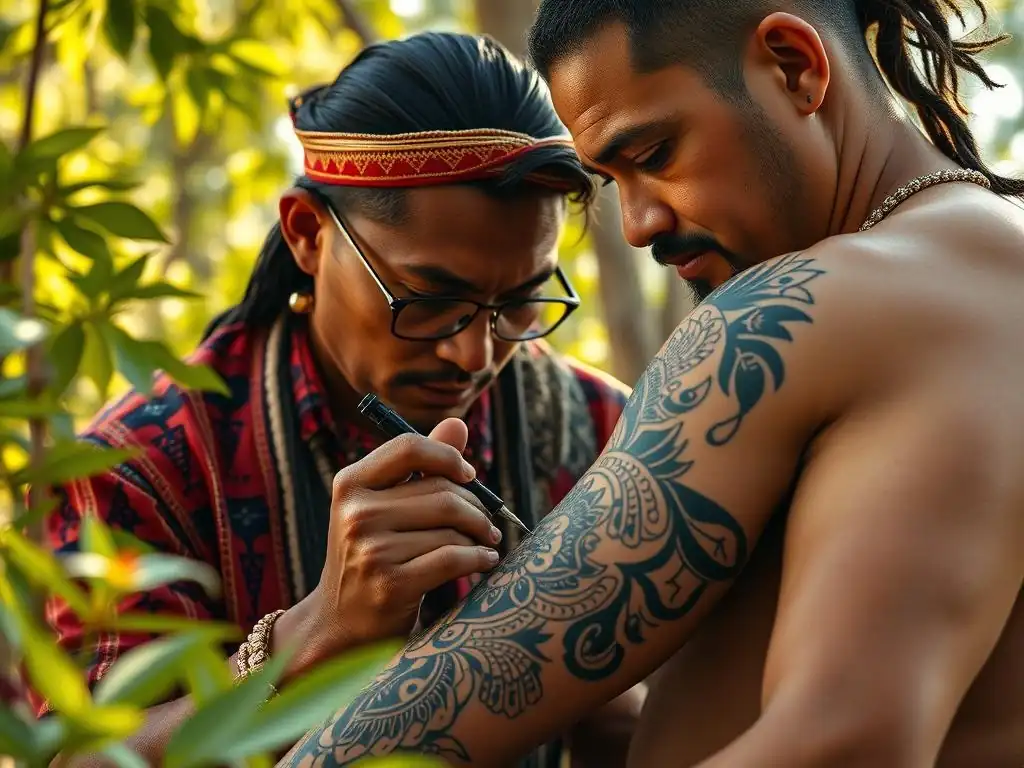
Welcome to Indigenous Civilizations of the Americas, where we invite you on a captivating journey through the rich tapestry of indigenous cultures that flourished long before European contact. Here, we delve into the profound legacy and remarkable achievements of these societies, focusing on the fascinating world of traditional indigenous tattoo designs. Discover how these ancient art forms not only express identity and heritage but also serve as a bridge between past and present.
Are you ready to explore the intricate stories etched in ink and the cultural significance behind each design? Dive deeper into our site to uncover the vibrant traditions and inspirations that continue to shape modern expression!
Indigenous tattoo designs represent a profound connection between the past and the present, showcasing the rich tapestry of cultures that once thrived across the Americas. This article delves into the traditional indigenous tattoo designs, which not only served as personal symbols of identity and belonging but also as powerful expressions of spirituality, history, and societal values.
As we explore the intricate patterns and meanings behind these tattoos, we will uncover how they have influenced modern tattoo artistry and continue to resonate within contemporary cultural expressions. Understanding these ancient designs allows us to appreciate the depth of indigenous heritage and the enduring significance of body art as a means of storytelling and cultural preservation.
Introduction to Traditional Indigenous Tattoo Designs
Tattooing among indigenous peoples of the Americas is woven into the fabric of their cultural identities. Traditional indigenous tattoo designs often embody stories, beliefs, and social status, serving as a visual language that communicates an individual’s heritage and experiences. From the bold markings of the Inuit to the intricate designs of the Maori, these tattoos are not merely decorative; they are imbued with meanings that connect the wearer to their ancestors and the natural world.
Key Elements of Traditional Indigenous Tattoos:
- Symbolism: Each design carries specific meanings, often linked to animals, nature, or tribal stories.
- Cultural Significance: Tattoos may signify rites of passage, achievements, or connections to spiritual beliefs.
- Techniques: Various indigenous cultures employed unique methods and tools for tattooing, reflecting their environmental resources and artistic traditions.
Historical Context of Indigenous Tattoo Designs
The practice of tattooing has a long and complex history among indigenous cultures in the Americas, dating back thousands of years. Tattoos were not only a form of personal decoration but also a vital aspect of cultural expression. As these civilizations developed, their tattooing practices evolved, often influenced by their interactions with the environment and neighboring tribes.
Ancient Practices of Tattooing in Indigenous Civilizations
In ancient times, tattooing was often ritualistic, with each design serving a purpose beyond aesthetics. For example, the Māori of New Zealand utilized ta moko, a form of tattooing that conveyed the wearer’s genealogy and social status. Similarly, the Inuit used tattoos as a means of protection and to signify milestones in life.
- Cultural Variations: Different regions and tribes developed unique styles and meanings for their tattoos, resulting in a rich diversity of designs.
- Tools and Techniques: Traditional methods often involved natural pigments and tools made from bone or wood, highlighting a deep connection to the environment.
- Spirituality: Many indigenous tattoos were believed to have spiritual significance, providing protection or showing devotion to deities.
As we progress through this article, we will further explore the rich legacy of traditional indigenous tattoo designs and their evolution into modern expressions, drawing connections between ancient practices and contemporary artistry.
The Evolution of Traditional Indigenous Tattoo Designs
Traditional indigenous tattoo designs have undergone significant evolution over the centuries, reflecting the changes in cultural practices, beliefs, and artistic expression. These designs played a critical role in the identity and social status of individuals within various tribes and communities. Initially, tattoos served as rites of passage, symbols of bravery, and marks of spiritual significance. The techniques and meanings behind these tattoos varied widely across different indigenous cultures, encompassing a rich tapestry of stories and traditions.
As indigenous societies encountered external influences, particularly during and after European colonization, traditional tattooing methods and designs began to adapt. Many indigenous peoples faced oppression and cultural erasure, which led to a decline in traditional practices. However, in recent years, there has been a resurgence of interest in reclaiming and revitalizing these ancient art forms. Modern tattoo artists, often of indigenous descent, are blending traditional motifs with contemporary styles, creating a vibrant dialogue between the past and present. This fusion not only preserves cultural heritage but also promotes a deeper understanding and appreciation of indigenous identities.
From Ancient Methods to Modern Interpretations
The methods of tattooing have transformed significantly from ancient times to the present. Historically, indigenous peoples used tools made from natural materials, such as needles crafted from bone or thorns, and pigments derived from plants, minerals, and animal blood to create intricate designs. Techniques varied by region; for example, some cultures employed the tapping method, where a tool was struck to embed ink into the skin, while others utilized hand-poked techniques for more delicate work.
In modern interpretations, tattoo artists have adopted contemporary technologies, including sterilized needles and machine-based tattooing, to enhance safety and precision. Despite these advancements, many artists strive to retain the essence of traditional designs, often collaborating with elders and cultural bearers to ensure authenticity. This blend of old and new not only revitalizes ancient practices but also brings them into dialogue with modern aesthetics, allowing traditional indigenous tattoo designs to flourish in today's society.
Key Elements of Traditional Indigenous Tattoo Designs
Traditional indigenous tattoo designs are characterized by specific elements that reflect the cultural values, beliefs, and stories of the communities from which they originate. These elements often include intricate patterns, geometric shapes, and representations of nature, each imbued with significant meaning. The designs serve not only as personal adornment but also as a form of storytelling, connecting individuals to their heritage and ancestry.
Common Symbols and Their Meanings
Various symbols used in traditional indigenous tattoo designs convey deep messages and meanings, often rooted in the natural world and spiritual beliefs. Here are some common symbols and their interpretations:
- Eagles: Representing strength and freedom, eagles are often seen as messengers between the earthly and spiritual realms.
- Serpents: Symbolizing transformation and rebirth, serpents are powerful motifs in many indigenous cultures, often associated with healing and fertility.
- Mountains: Signifying stability and endurance, mountain designs reflect the strong connection to the land and its sacredness.
- Water: Representing life and flow, water motifs underscore the importance of nature and its cycles in indigenous cosmology.
Each symbol carries a unique story that resonates within its cultural context, making the tattoos not just art but also a vital part of the individual's identity and community.
Materials and Techniques Used in Indigenous Tattooing
The materials and techniques employed in traditional indigenous tattooing are essential to understanding its cultural significance. Historically, tribes used locally sourced materials, which varied by region. Common materials included:
- Natural Pigments: Derived from plants, minerals, and animal products, these pigments were used to create vibrant colors for tattoos. For example, charcoal and ochre were often utilized for their rich hues.
- Tattooing Tools: Traditional tools included sharpened sticks, bone needles, and fish spines, which were used to puncture the skin and insert pigment. These tools were often crafted with great care, reflecting the skill and artistry of the tattooist.
The techniques varied, with some communities employing methods like hand-tapping or stick-and-poke, which required immense precision and patience. In contrast, other cultures developed more complex techniques that incorporated the use of tattooing machines in modern adaptations. Regardless of the method, the process of tattooing was often seen as a sacred ritual, with specific songs, prayers, and ceremonies accompanying the practice to invoke protection and blessings for the wearer. The preservation of these materials and techniques is vital for maintaining the authenticity of traditional indigenous tattoo designs in contemporary applications.
Modern Expression of Traditional Indigenous Tattoo Designs
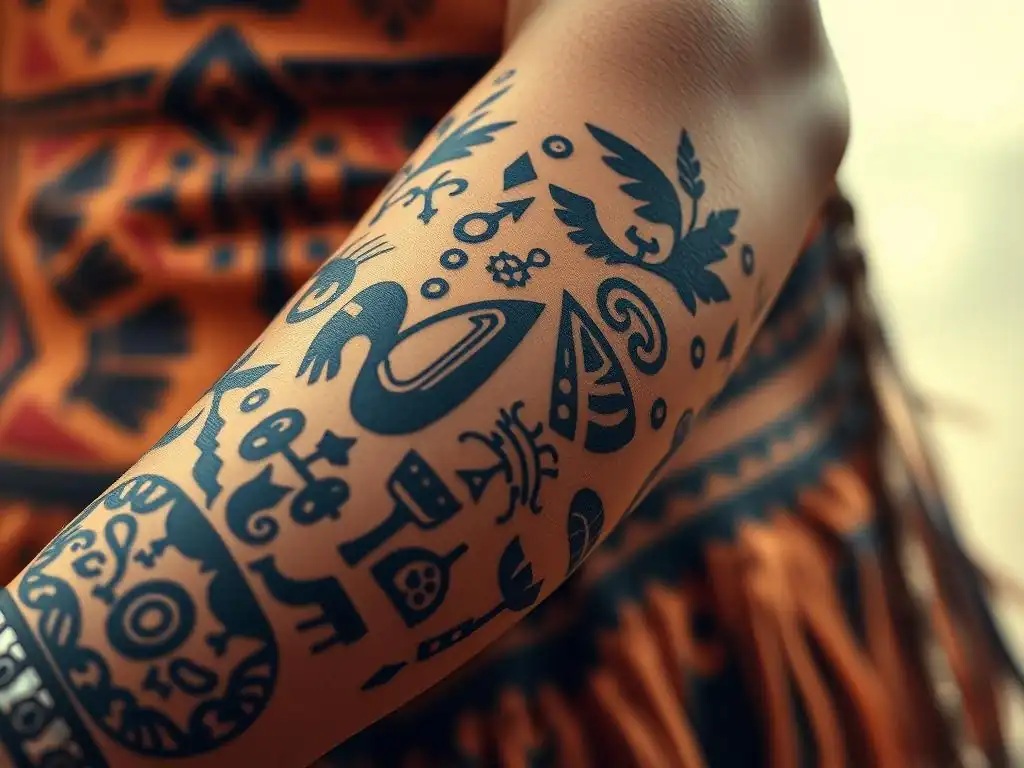
Traditional indigenous tattoo designs have undergone a significant transformation in contemporary society, serving as a bridge between ancient cultures and modern expression. These tattoos are not merely decorative; they convey deep meanings, cultural narratives, and historical connections. In today's world, many individuals seek to honor indigenous traditions through body art, adapting these ancient designs to fit personal aesthetics while maintaining their original significance.
The resurgence of interest in indigenous tattooing has led to a revival of traditional techniques and materials. Artists are increasingly incorporating methods passed down through generations, such as hand-poking and the use of natural inks derived from plants and minerals. This revival not only preserves the artistry and cultural heritage but also fosters a deeper understanding of the stories behind each symbol.
Additionally, modern tattoo artists are now collaborating with indigenous communities to ensure that the designs they use are authentic and respectful of their origins. This collaboration helps to create an inclusive environment where traditional indigenous tattoo designs can flourish in contemporary settings while retaining their cultural integrity.
Blending Ancient Symbols with Contemporary Styles
The blending of ancient symbols with contemporary styles has led to innovative tattoo designs that resonate with a wider audience. Many modern tattoo artists are inspired by the rich symbolism found in indigenous cultures and incorporate these elements into their work, creating a fusion that respects the past while appealing to modern sensibilities.
For instance, geometric patterns and animal motifs, often found in traditional indigenous art, are being reimagined in minimalist styles or combined with other cultural elements. This integration not only showcases the beauty of indigenous designs but also makes them more accessible to those unfamiliar with their meanings.
Moreover, the use of vibrant colors and abstract interpretations allows for a new expression of these ancient symbols, making them relevant in today's artistic landscape. However, it is essential for artists to approach this blending thoughtfully, ensuring that the significance of the symbols is not diluted or misrepresented.
Cultural Appreciation vs. Cultural Appropriation in Tattoo Art
The conversation surrounding cultural appreciation versus cultural appropriation is particularly relevant in the world of tattoo art. Many individuals admire and wish to celebrate traditional indigenous tattoo designs; however, the line between appreciation and appropriation can be thin and often controversial.
Cultural appreciation involves recognizing and valuing the significance of traditional designs, often accompanied by respectful acknowledgment of their origins. This approach encourages collaborations with indigenous artists and communities, ensuring that the designs are used in a way that honors their cultural context.
On the other hand, cultural appropriation occurs when elements of one culture are adopted by members of another, often without understanding or respect for their original meanings. This can lead to the commodification of sacred symbols and practices, stripping them of their significance.
Understanding the Fine Line
To navigate the fine line between appreciation and appropriation, it is crucial to engage in open dialogues with indigenous communities and educate oneself about the cultural significance of the designs. Listening to the voices of those from the cultures being represented can provide insight into the proper usage of traditional symbols in tattoo art.
Furthermore, supporting indigenous artists and businesses can ensure that the cultural narratives are conveyed authentically. This not only fosters respect for the traditions but also enables a mutual exchange of knowledge and creativity. Ultimately, the goal should be to celebrate and honor the rich heritage of indigenous tattoo designs while promoting a deeper understanding of their meanings and significance in contemporary society.
Where to Find Authentic Traditional Indigenous Tattoo Designs
Finding authentic traditional indigenous tattoo designs requires a thoughtful approach, as these artworks are deeply rooted in the history and culture of various indigenous communities. Here are some avenues to explore:
- Cultural Centers and Museums: Many indigenous cultural centers and museums host exhibitions featuring traditional art, including tattoos. These institutions often provide educational resources about the meanings and significance behind specific designs. Engaging with these centers can also lead to workshops or events where community artists share their knowledge.
- Indigenous Artists and Collaborations: Seek out indigenous tattoo artists who have been trained in their cultural traditions. Websites and social media platforms highlight the work of these artists, showing portfolios that include traditional designs. Collaborating directly with them allows for a deeper understanding of the cultural significance behind the tattoos.
- Books and Academic Resources: There are numerous publications focusing on indigenous art and tattooing practices. Look for books by indigenous authors that delve into the history and symbolism of tattoos within their cultures. These texts often provide visual references and in-depth explanations of various designs.
- Online Communities and Forums: Engage with online platforms that focus on indigenous art and tattooing. These forums often feature discussions about traditional designs, share experiences, and offer recommendations for artists.
Recommended Tattoo Studios Specializing in Indigenous Art
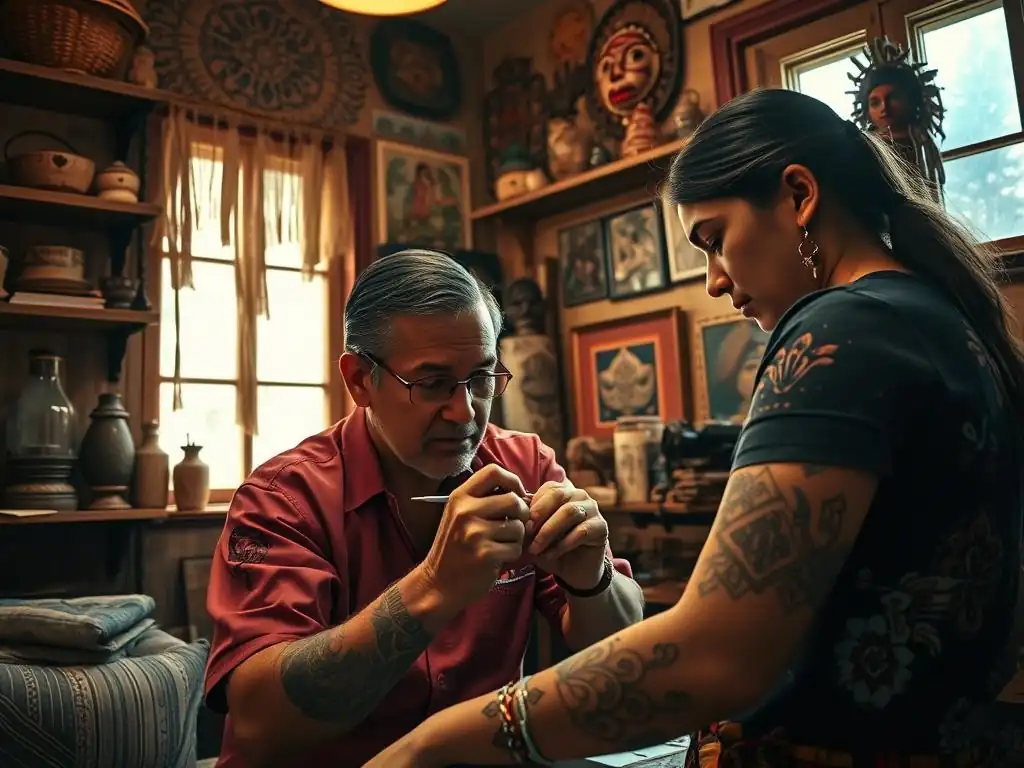
If you’re looking for tattoo studios that specialize in traditional indigenous designs, consider the following recommendations:
- Sacred Tattoo Studio: Located in the heart of a culturally rich community, Sacred Tattoo Studio focuses on indigenous techniques and symbolism. The artists here often collaborate with local indigenous communities to ensure authenticity in their designs.
- Native Ink: Known for its commitment to preserving indigenous traditions, Native Ink employs artists who are well-versed in the cultural significance of various tattoo styles. The studio offers a range of traditional designs, ensuring that each piece tells a story.
- Tribal Art Tattoo Studio: This studio not only provides traditional indigenous tattoos but also educates clients on the meanings behind each design. They host workshops where participants can learn about the history of indigenous tattooing practices.
- Cultural Roots Tattoo Parlor: Specializing in indigenous art forms, this parlor emphasizes cultural respect and education. The artists often work closely with community members to create custom tattoos that reflect personal stories intertwined with traditional motifs.
Conclusion: The Future of Traditional Indigenous Tattoo Designs
The future of traditional indigenous tattoo designs lies in the balance between preservation and evolution. As more people seek to embrace and understand indigenous cultures, there is a growing interest in these ancient art forms. However, this interest must be approached with respect and cultural sensitivity.
- Cultural Revitalization: Many indigenous communities are experiencing a resurgence in traditional practices, including tattooing. As younger generations reconnect with their heritage, we may see a revival of ancient designs that have been passed down through generations. This revitalization ensures that traditional knowledge is not only preserved but also adapted to contemporary contexts.
- Collaborative Efforts: The collaboration between indigenous artists and non-indigenous tattoo lovers can lead to cross-cultural exchanges that enrich both communities. It is essential to approach these collaborations mindfully, ensuring that indigenous voices are at the forefront of the conversation.
- Innovative Expressions: As traditional designs merge with modern aesthetics, new interpretations of indigenous tattoos are emerging. This evolution reflects the living nature of culture, where traditional motifs can be reimagined while retaining their original meanings.
The future of traditional indigenous tattoo designs will be shaped by ongoing dialogue, respect for cultural heritage, and a commitment to authenticity. As we appreciate these ancient art forms, we contribute to a broader understanding of indigenous cultures and their significance in contemporary society.
Call to Action
Embrace the rich heritage of traditional indigenous tattoo designs by exploring their meanings and significance in both historical and contemporary contexts. Whether you're considering getting a tattoo or simply wish to appreciate the artistry and symbolism behind these designs, we invite you to dive deeper into this fascinating world.
Here are a few ways you can engage:
- Research: Take time to learn about specific designs and their origins. Understanding the history behind these tattoos can deepen your appreciation for the culture and artistry involved.
- Visit Indigenous Art Exhibits: Seek out local exhibitions showcasing indigenous art, including tattooing. These events often provide insights into techniques and cultural significance.
- Support Indigenous Artists: If you're considering a tattoo, look for indigenous tattoo artists who specialize in traditional designs. Supporting these artists helps preserve cultural practices and promotes their work.
- Share Your Journey: If you decide to get a traditional tattoo, share your experience and the story behind your choice. This can help spread awareness and appreciation of indigenous cultures.
Join us in celebrating the beauty and depth of indigenous tattoo artistry, and let these designs serve as a bridge between ancient cultures and modern expression!
Additional Resources
To further enhance your understanding of traditional indigenous tattoo designs and their cultural significance, here are some valuable resources to explore:
- Books:
- Tattooing the World: Pacific Designs in Print and Skin by Anna Felicity Friedman
- Ancient Ink: The Story of Tattooing by Matt Lodder
- Documentaries:
- Tattoo Nation – A film that explores the history and evolution of tattoos, including indigenous styles.
- Sacred Skin – A documentary focusing on the tattooing traditions of various indigenous cultures.
- Online Platforms:
- Websites dedicated to indigenous art and culture, such as the International Indigenous Development Research Conference, often feature articles and discussions on tattoo symbolism.
- Social media platforms can connect you with tattoo artists and enthusiasts who share insights on traditional designs.
- Cultural Organizations:
- Engage with indigenous cultural organizations that promote awareness and preservation of their traditions. They often host workshops and events related to indigenous arts, including tattooing.
By utilizing these resources, you can gain a deeper appreciation for the intricate world of traditional indigenous tattoo designs and their enduring impact on contemporary culture.
- Introduction to Traditional Indigenous Tattoo Designs
- Historical Context of Indigenous Tattoo Designs
- The Evolution of Traditional Indigenous Tattoo Designs
- Key Elements of Traditional Indigenous Tattoo Designs
- Modern Expression of Traditional Indigenous Tattoo Designs
- Blending Ancient Symbols with Contemporary Styles
- Cultural Appreciation vs. Cultural Appropriation in Tattoo Art
- Where to Find Authentic Traditional Indigenous Tattoo Designs
- Recommended Tattoo Studios Specializing in Indigenous Art
- Conclusion: The Future of Traditional Indigenous Tattoo Designs
- Call to Action
- Additional Resources
Frequently Asked Questions
What are traditional indigenous tattoo designs?
Traditional indigenous tattoo designs are intricate body art that reflect the cultural heritage, spiritual beliefs, and social status of various indigenous communities in the Americas.
How did indigenous cultures use tattoos?
Tattoos served as symbols of identity, rites of passage, and spiritual protection. They often represented significant life events, achievements, and connections to ancestry.
Are there specific symbols associated with indigenous tattoos?
Yes, many indigenous tattoos feature specific symbols that hold deep meanings, such as animals, nature elements, and geometric patterns that convey the values and stories of their cultures.
How have indigenous tattoo designs influenced modern art?
Modern artists often draw inspiration from traditional indigenous tattoo designs, blending ancient techniques with contemporary styles to create unique expressions that honor and celebrate indigenous heritage.
Where can I learn more about indigenous tattooing practices?
To learn more about indigenous tattooing practices, explore resources on cultural anthropology, visit museums featuring indigenous art, or engage with indigenous communities to gain authentic insights.
Final Reflection: Embracing Heritage Through Traditional Indigenous Tattoo Designs
The resurgence of traditional indigenous tattoo designs in contemporary society is a powerful testament to the enduring strength of cultural identity. As we navigate an increasingly globalized world, these tattoos serve not only as art but as a bridge connecting us to our ancestors and their stories. The significance of these designs transcends mere aesthetics; they embody the resilience and continuity of indigenous cultures, reminding us of the importance of honoring our roots in a rapidly changing landscape.
The influence of traditional indigenous tattoo designs is palpable in today's cultural discourse, where conversations about identity, heritage, and self-expression are more relevant than ever. These tattoos are not just personal markers; they are symbols of community, history, and belonging. As artist and activist Tania Willard once said, Tattooing is a way to reclaim our stories and assert our identities.
This reclaiming process is vital, as it empowers individuals to connect with their heritage while fostering a deeper understanding and appreciation of indigenous cultures among broader audiences.
As you reflect on the themes presented in this article, consider how traditional indigenous tattoo designs can inspire you to explore your own heritage and express your identity. I invite you to think about the stories you carry and how they shape who you are today. Whether through art, storytelling, or personal expression, let the lessons of resilience and cultural pride found in these designs guide you in your journey toward self-discovery and connection with the world around you. Embrace the beauty of your own narrative, and remember that every mark tells a story worth sharing.
Unveil Your Unique Journey Through Indigenous Art
Thank you for exploring the rich tapestry of Indigenous tattoo designs with us! By diving into this vibrant art form, you’ve discovered how ancient symbols can resonate in contemporary expression. Now, let’s take the next step to appreciate and celebrate these meaningful connections.
Here’s how you can deepen your engagement with Indigenous cultures and their artistry:
- Explore your own design: Consider crafting a personal tattoo inspired by the motifs discussed. Research the meanings behind each symbol and reflect on how they relate to your own life experiences.
- Share your knowledge: Discuss what you've learned with friends or on social media. Use the hashtag #IndigenousInk to spark conversations and inspire others to appreciate these incredible traditions.
- Support Indigenous artists: Follow and engage with Indigenous tattoo artists and their work. Consider scheduling a consultation to gain insight into the cultural significance of their art.
What personal story would you want your tattoo to tell, and how does it connect to the heritage you’ve discovered?