
The Bounty of the Land: How Indigenous Peoples Cultivated Nutritional Diversity

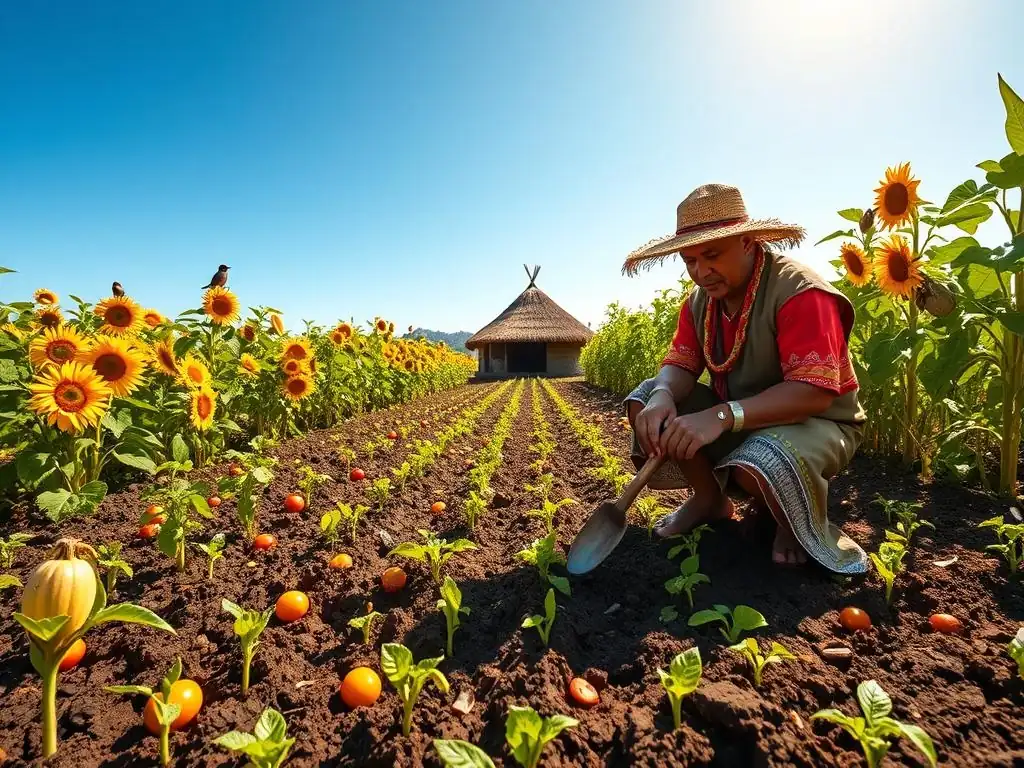
Welcome to Indigenous Civilizations of the Americas, where we invite you to embark on a captivating journey through the rich tapestry of indigenous cultures that flourished across the continents long before European contact. Discover the profound wisdom embedded in indigenous agricultural practices as we delve into "The Bounty of the Land: How Indigenous Peoples Cultivated Nutritional Diversity." Uncover the remarkable techniques and sustainable practices that not only nourished communities but also shaped ecosystems. Prepare to be inspired by the ingenuity and resilience of these civilizations—your exploration begins here!
Introduction to Indigenous Agricultural Practices in the Americas
Indigenous agricultural practices in the Americas represent a profound and intricate relationship between people and the land, showcasing the ingenuity and adaptability of various cultures long before European colonization. These practices not only provided sustenance but also reflected the deep spiritual and cultural connections that indigenous peoples maintained with their environment.
By cultivating a variety of crops suited to their local climates and ecosystems, they created a rich tapestry of nutritional diversity that laid the foundation for their societies. This article delves into the multifaceted agricultural systems developed by indigenous peoples, highlighting their innovations, key crops, and the lasting impact these practices have had on contemporary diets.
Overview of Indigenous Nutritional Diversity
Indigenous peoples across the Americas cultivated a wide range of crops, leading to a diverse nutritional profile that was pivotal for their survival and cultural identity. From the Andes to the Great Plains, indigenous agricultural systems were tailored to the unique conditions of their environments. Some notable staples include:
- Maize (Corn): A fundamental crop for many indigenous groups, maize provided essential carbohydrates and was used in various forms, from tortillas to porridge.
- Beans: Often grown alongside maize in a technique known as companion planting, beans enriched the soil with nitrogen and offered a vital source of protein.
- Squash: This versatile crop complemented the diet with vitamins and minerals, while also serving as a storage food.
- Quinoa: In the Andean regions, quinoa was revered for its high protein content, making it a staple for sustaining communities in high-altitude areas.
The nutritional diversity fostered by these crops not only supported physical health but also influenced cultural practices, rituals, and social structures.
Importance of Agriculture in Indigenous Societies
Agriculture was central to the daily life and social organization of indigenous peoples in the Americas. It served not just as a means of sustenance, but also as a foundation for community cohesion and identity. Key aspects include:
- Economic Systems: Surplus food production allowed for trade and the development of economic relationships between different groups. This exchange of goods fostered cultural interactions and alliances.
- Social Structures: The roles of men and women in agricultural practices often differed, creating distinct social roles and responsibilities that contributed to community organization.
- Cultural Practices: Many indigenous agricultural societies incorporated farming into their spiritual practices, celebrating planting and harvest festivals that honored the earth and its bounty.
Historical Context of Indigenous Agricultural Practices
Understanding indigenous agricultural practices requires a look at the historical context in which they developed. These practices evolved over thousands of years, adapting to environmental changes and societal needs.
Pre-Columbian Agricultural Innovations
Before European contact, indigenous peoples demonstrated remarkable agricultural innovations that transformed their landscapes. Techniques included:
- Terracing: Used by Andean civilizations to maximize arable land in mountainous regions.
- Chinampas: An ingenious method of farming on floating gardens developed by the Aztecs, which allowed for year-round cultivation.
- Crop Rotation and Companion Planting: Sustainable practices that preserved soil fertility and enhanced crop yields.
These innovations not only supported large populations but also contributed to the establishment of complex societies with rich cultural heritages.
Key Crops and Their Nutritional Contributions
Various crops played crucial roles in the diets of indigenous peoples, providing essential nutrients and fostering agricultural biodiversity. Some key examples include:
| Crop | Nutritional Value | Cultural Significance |
|---|---|---|
| Maize | Rich in carbohydrates and fiber | Central to many creation myths and rituals |
| Potatoes | High in potassium and vitamin C | Staple food in the Andes with numerous varieties |
| Cassava | Source of carbohydrates and resistant starch | Essential for survival in tropical regions |
| Amaranth | High in protein and essential amino acids | Used in ceremonial practices and offerings |
This table illustrates the profound impact of indigenous agricultural practices on nutrition and culture, highlighting how these crops were integral not only to survival but also to the social and spiritual lives of indigenous communities.
Core Indigenous Agricultural Techniques
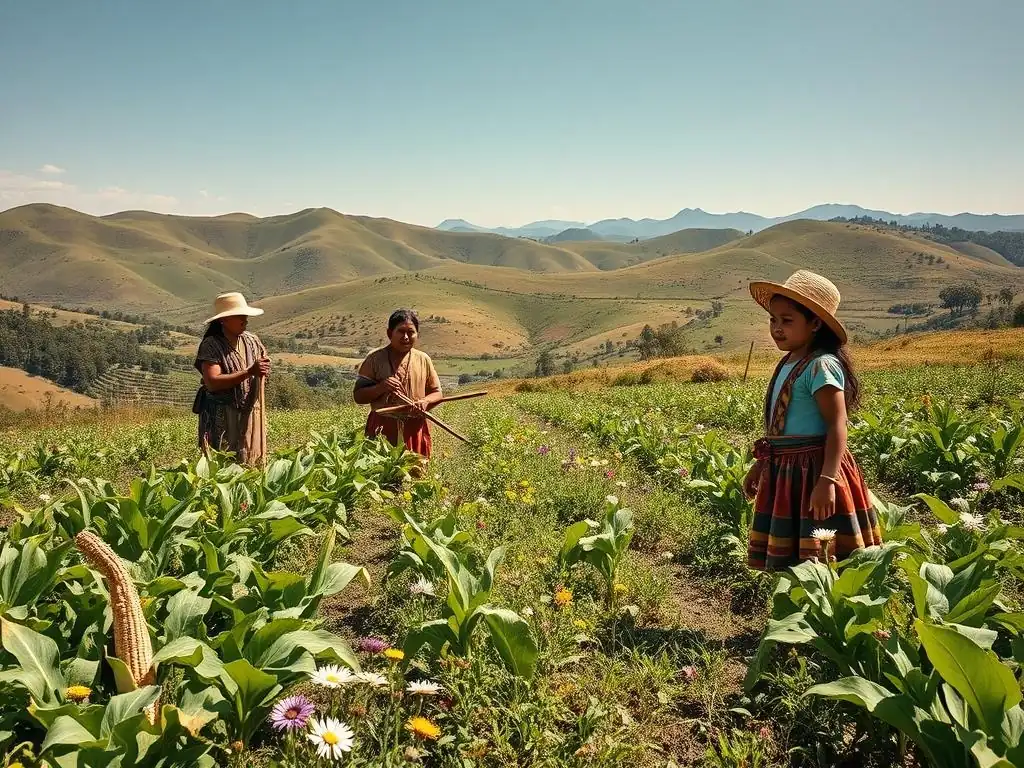
Indigenous agricultural practices in the Americas were not only innovative but also deeply interconnected with the surrounding environment. These techniques were developed over centuries, showcasing a thorough understanding of local ecosystems, soil health, and plant behavior. Among the core methods employed by indigenous peoples were companion planting, crop rotation, and sustainable farming practices. Each of these techniques contributed significantly to nutritional diversity and the overall health of the land.
Indigenous farmers often utilized companion planting, where different crops were grown in close proximity to each other for mutual benefit. This method maximized space and resources, enhanced crop resilience, and reduced pests. Crop rotation was another essential practice, which involved alternating different types of crops in the same area across seasons, helping to maintain soil fertility and reduce disease. The emphasis on sustainability allowed these communities to cultivate their lands without depleting natural resources, laying the groundwork for a rich agricultural heritage that continues to influence modern practices today.
Companion Planting and Its Benefits
Companion planting is an age-old agricultural practice that Indigenous peoples across the Americas employed to enhance crop yields and promote ecological balance. By strategically planting different crops together, indigenous farmers created symbiotic relationships that benefited all plants involved.
For instance, the classic combination of corn, beans, and squash—known as the Three Sisters—demonstrates this practice beautifully. Corn provides a natural structure for beans to climb, while beans enrich the soil with nitrogen, a vital nutrient. Squash, with its broad leaves, offers ground cover that suppresses weeds and retains moisture.
The benefits of companion planting extend beyond improved yields. It also fosters biodiversity, supports pest control by attracting beneficial insects, and reduces the need for chemical fertilizers and pesticides. By harnessing the natural relationships among plants, indigenous peoples not only cultivated diverse diets but also nurtured the ecosystems in which they lived.
Crop Rotation Practices for Soil Health
Crop rotation is another fundamental agricultural technique that indigenous peoples practiced to sustain soil health and fertility. This method involves planting different crops in a specific sequence over several seasons, allowing the soil to recover and replenish its nutrients.
By rotating crops, indigenous farmers effectively minimized the risk of soil depletion and reduced the incidence of pests and diseases that thrive on specific plants. For example, after growing nitrogen-fixing legumes, farmers would follow with nutrient-demanding crops, allowing the soil to maintain a balanced nutrient profile.
This practice not only improved soil quality but also enhanced biodiversity, as different plants attract various beneficial organisms to the soil. Overall, crop rotation exemplifies the indigenous understanding of land stewardship and the importance of maintaining healthy ecosystems for sustainable agriculture.
Sustainable Farming Methods in Indigenous Cultures
Sustainability was at the heart of indigenous agricultural practices throughout the Americas. Indigenous peoples designed their farming methods to ensure the long-term viability of their lands. Techniques such as agroforestry, intercropping, and the use of organic fertilizers (like compost and animal manure) exemplify their commitment to environmental stewardship.
Agroforestry, for instance, combines agriculture and forestry to create a more diverse and productive system. By integrating trees with crops, indigenous farmers benefited from improved soil structure, reduced erosion, and increased biodiversity. Intercropping, or growing multiple crops in the same space, further optimized land use and enhanced food security.
These sustainable practices not only provided nutrition for indigenous communities but also preserved the health of ecosystems for future generations. The legacy of these methods serves as a vital reminder of the importance of working harmoniously with nature.
Regional Variations in Agricultural Practices
The agricultural practices of indigenous peoples varied significantly across the Americas, shaped by the diverse climates, landscapes, and resources available in each region. From the arid deserts of the Southwest to the lush rainforests of the Amazon, indigenous farmers adapted their methods to cultivate rich and varied diets.
The Three Sisters: Corn, Beans, and Squash
One of the most celebrated examples of indigenous agricultural ingenuity is the cultivation of the Three Sisters—corn, beans, and squash. This trio of crops was not only a staple in the diets of many indigenous peoples but also exemplified the principles of companion planting.
The Three Sisters were cultivated together in a way that maximized their individual strengths. Corn provided height and structure, beans added nitrogen to the soil, and squash covered the ground, preventing weeds and conserving moisture. This cooperative planting technique demonstrated a deep understanding of ecological relationships, resulting in a sustainable and nutritious food source.
The Three Sisters continue to be a symbol of indigenous agricultural success and resilience, showcasing how traditional practices can provide both sustenance and sustainability.
Adaptation to Diverse Climates and Ecosystems
Indigenous agricultural practices were characterized by remarkable adaptability to the diverse climates and ecosystems found across the Americas. From the Arctic tundra to tropical rainforests, indigenous peoples developed specific techniques tailored to their unique environments.
For example, in the arid Southwest, the Pueblo peoples practiced dry farming techniques, such as planting drought-resistant crops and utilizing water conservation methods like contour farming. In contrast, indigenous communities in the Amazon Basin used slash-and-burn agriculture to clear land for cultivation, allowing for nutrient-rich soil and the growth of diverse crops.
This adaptability not only enabled indigenous peoples to thrive in varying conditions but also fostered a deep connection to their environments, ensuring that their agricultural practices aligned with the natural rhythms of the land.
Unique Practices of Indigenous Peoples in the Andes
In the Andean region, indigenous agricultural practices were shaped by the unique geography and climate of the mountains. The Incas, among other Andean cultures, are known for their sophisticated terracing systems, which transformed steep slopes into arable land. These terraces minimized soil erosion and maximized sunlight exposure, allowing for the cultivation of a variety of crops, including potatoes, quinoa, and maize.
Additionally, the Andean peoples practiced crop diversification and developed a rich knowledge of native plants and their nutritional properties. This diversity not only ensured food security but also contributed to the cultural identity of Andean communities.
The agricultural practices of indigenous peoples in the Andes exemplify their extraordinary ability to innovate and thrive in challenging environments while maintaining a sustainable relationship with their land.
The Role of Indigenous Knowledge in Agriculture
Indigenous agricultural practices in the Americas have long been shaped by a deep understanding of local ecosystems, seasonal patterns, and the intricate relationships between plants, animals, and the environment. This knowledge, often referred to as Indigenous Knowledge, encompasses a range of techniques and philosophies that have enabled Indigenous peoples to cultivate a variety of crops sustainably for thousands of years. Unlike conventional agricultural methods that prioritize monoculture, Indigenous practices emphasize biodiversity and ecological balance, which are pivotal for maintaining soil health, conserving water, and enhancing resilience against climate change.
The role of Indigenous knowledge extends beyond mere cultivation; it is intertwined with cultural identity, spiritual beliefs, and community life. By integrating traditional ecological practices with contemporary agricultural strategies, Indigenous communities continue to demonstrate the importance of holistic approaches to farming. This blending of ancient wisdom with modern techniques not only preserves their heritage but also contributes to global discussions on sustainable agriculture.
Traditional Ecological Knowledge (TEK) and Its Importance
Traditional Ecological Knowledge (TEK) is a critical component of Indigenous agricultural practices. TEK refers to the cumulative body of knowledge, practices, and beliefs that Indigenous peoples have developed over generations through direct interactions with their environment. This knowledge system emphasizes the importance of observing natural processes, understanding seasonal changes, and recognizing the interdependence of species.
For instance, many Indigenous communities have developed sophisticated systems for crop rotation, intercropping, and agroforestry that enhance soil fertility and maximize yields. By using plants that complement each other, such as the traditional Three Sisters method (corn, beans, and squash), these practices not only increase nutritional diversity but also promote ecological resilience. TEK also includes knowledge of local biodiversity, which helps in the selection of crop varieties that are best suited to local conditions, thus ensuring food security and sustainability.
Intergenerational Knowledge Transfer in Indigenous Communities
The transfer of knowledge between generations is vital to the preservation and adaptation of Indigenous agricultural practices. In many Indigenous communities, elders play a crucial role in teaching younger generations about traditional farming methods, the significance of specific crops, and the cultural practices associated with agriculture. This intergenerational knowledge transfer occurs through storytelling, hands-on experiences, and community gatherings, fostering a sense of identity and continuity.
Moreover, this process is not merely a one-way transmission of information; it is dynamic and adaptable. Younger community members often incorporate modern techniques and technologies into traditional practices, leading to innovative solutions that respect cultural heritage while addressing contemporary agricultural challenges. This synergy between old and new ensures that Indigenous agricultural practices remain relevant and effective in an ever-changing world.
Nutritional Diversity and Its Impact on Health
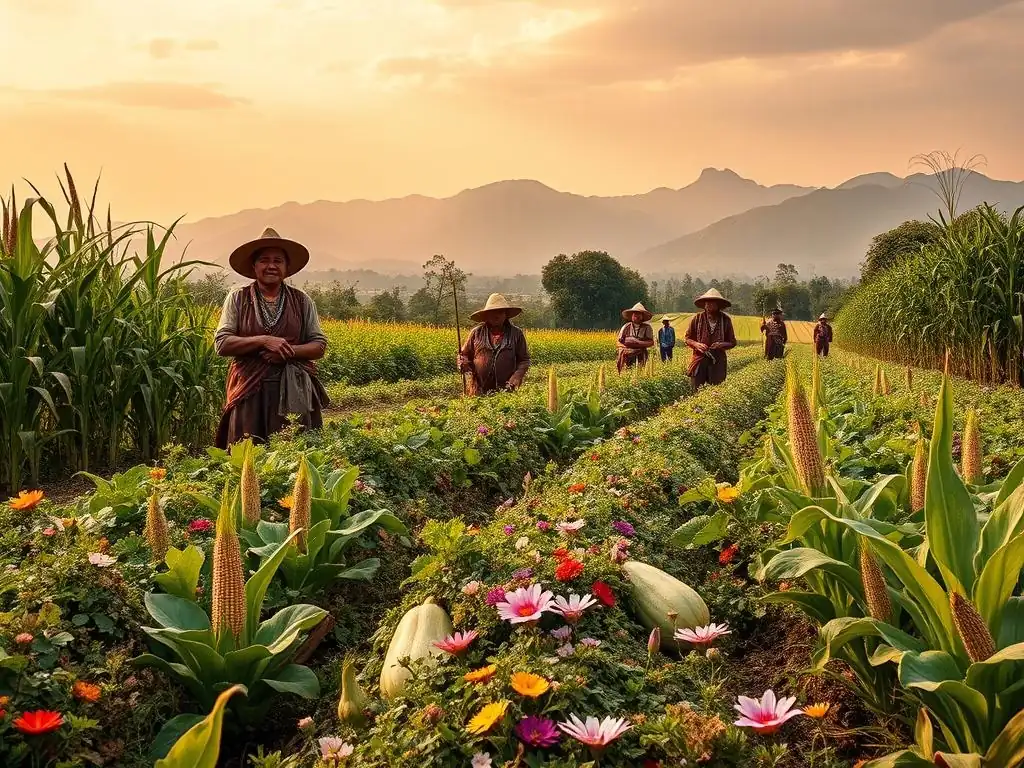
Nutritional diversity is a hallmark of Indigenous diets, which are characterized by a wide variety of fruits, vegetables, grains, and animal products. This diversity is not only a testament to the rich agricultural practices of Indigenous peoples but also plays a significant role in promoting health and well-being. By consuming a varied diet, Indigenous communities benefit from a broad spectrum of nutrients necessary for optimal health, including vitamins, minerals, and essential fatty acids.
Research has shown that diets rich in diversity can lead to lower rates of chronic diseases such as obesity, diabetes, and heart disease. Furthermore, the use of traditional foods, which are often less processed and more nutrient-dense than modern alternatives, contributes to better health outcomes. The emphasis on local and seasonal foods not only enhances nutrition but also strengthens community ties and fosters a sense of place and identity.
Varied Diets and Nutritional Benefits
The varied diets of Indigenous peoples are closely linked to the agricultural diversity cultivated through Indigenous practices. For example, the incorporation of a wide range of plant species, such as wild greens, roots, and berries, alongside cultivated crops, provides essential nutrients that support overall health. Many of these foods are rich in antioxidants, fiber, and healthy fats, which are crucial for preventing nutritional deficiencies and promoting longevity.
Additionally, the consumption of traditional foods fosters a deeper connection to the land and its resources, reinforcing the cultural significance of food in Indigenous communities. This connection not only enhances the enjoyment of meals but also promotes mindfulness about food choices and their impact on health. As Indigenous peoples continue to advocate for the consumption of traditional diets, there is a growing recognition of the importance of these varied diets in addressing contemporary health challenges.
The Link Between Agricultural Diversity and Food Security
Agricultural diversity is intrinsically linked to food security, particularly in Indigenous communities that rely on a wide range of crops and wild foods. By cultivating diverse plant species and maintaining traditional farming techniques, Indigenous peoples are better equipped to adapt to environmental changes, pests, and diseases. This resilience is critical in the face of climate change, which poses significant threats to food production worldwide.
Moreover, the emphasis on biodiversity in agriculture supports the availability of food throughout the year, mitigating the risks associated with crop failures. Diverse agricultural systems allow for staggered harvests and ensure a steady supply of food, which is essential for maintaining community health and well-being. As Indigenous communities continue to navigate the challenges of modern agriculture, the lessons learned from their diverse practices serve as valuable insights for achieving food security in a sustainable manner.
Conservation of Indigenous Agricultural Practices Today
Indigenous agricultural practices have long been recognized for their sustainability and biodiversity, with many traditional methods still in use today. However, the conservation of these practices faces significant challenges. Various initiatives aim to document and preserve these ancient techniques, emphasizing the importance of knowledge transfer between generations. Community-led programs are increasingly vital, as they empower Indigenous farmers to maintain their cultural heritage while adapting to modern agricultural demands.
Moreover, organizations and educational institutions have begun to collaborate with Indigenous communities, offering platforms for sharing traditional ecological knowledge. These partnerships help to ensure that practices such as crop rotation, polyculture, and the use of native seeds are not only conserved but also integrated into contemporary agricultural systems. Nevertheless, the ongoing pressures of globalization, climate change, and land development continue to threaten these vital practices, making their conservation a pressing concern.
Modern Challenges Facing Indigenous Agriculture
The landscape of Indigenous agriculture is fraught with modern challenges that hinder the continuation of traditional practices. One of the most pressing issues is land loss due to urban expansion, agricultural commodification, and resource extraction. Many Indigenous communities find their ancestral lands encroached upon, reducing both the area available for traditional farming and access to culturally significant resources.
Additionally, climate change poses a significant threat, impacting weather patterns and agricultural productivity. Indigenous farmers often rely on ancient knowledge to navigate their environments, but unpredictable climate conditions can disrupt these time-tested practices. Furthermore, younger generations are increasingly drawn to urban areas for economic opportunities, leading to a decline in traditional farming knowledge as elders pass on without a new cohort to carry it forward.
Economic pressures also play a role, as many Indigenous farmers struggle to compete with industrialized agriculture, which often benefits from government subsidies and technological advancements. This disparity can lead to a reliance on modern agricultural practices that may not align with Indigenous values or sustainability goals.
Efforts to Revitalize Traditional Practices
In response to these challenges, numerous initiatives focus on revitalizing Indigenous agricultural practices. Community-based programs are essential, emphasizing the importance of local knowledge and cultural heritage. These efforts often include workshops, seed exchanges, and collaborative farming projects aimed at teaching younger generations the skills necessary to sustain traditional agriculture.
Non-profit organizations and governmental bodies have also recognized the value of Indigenous practices in promoting biodiversity and sustainability. They are increasingly supporting projects that promote the cultivation of native crops, like quinoa and amaranth, which are well-suited to local environments and carry significant cultural importance.
Additionally, some Indigenous groups are leveraging modern technology to enhance their agricultural practices. For instance, the use of social media and digital platforms allows for greater information sharing and networking among Indigenous farmers, fostering a sense of community and collaboration. These revitalization efforts not only serve to preserve traditional knowledge but also empower Indigenous communities to adapt and thrive in today’s agricultural landscape.
Conclusion: The Legacy of Indigenous Agricultural Practices in the Americas
The legacy of Indigenous agricultural practices in the Americas is profound, shaping not only the diets of Indigenous peoples but also the broader agricultural landscape. The intricate systems of farming developed over thousands of years have created diverse ecosystems that support a wide variety of crops and wildlife. These practices, rooted in a deep understanding of the environment, have contributed significantly to the nutritional diversity of the region.
Lasting Impact on Modern Agriculture
Importantly, Indigenous agricultural practices have had a lasting impact on modern agriculture. Many contemporary farming techniques, such as agroforestry and polyculture, draw inspiration from Indigenous methods that prioritize sustainability and ecosystem balance. The resurgence of interest in organic farming and local food systems can also be traced back to the principles espoused by Indigenous farmers who have long understood the importance of working harmoniously with nature.
Furthermore, the preservation of Indigenous crops is crucial for global food security. Many staple foods, such as maize, potatoes, and tomatoes, trace their origins back to Indigenous cultures in the Americas. By recognizing and valuing these contributions, modern agriculture can learn vital lessons in biodiversity and resilience.
The Importance of Preserving Indigenous Agricultural Heritage
Preserving Indigenous agricultural heritage is not merely about conserving practices but also about honoring the cultural identities and histories of Indigenous peoples. The knowledge embedded in these practices represents centuries of adaptation and innovation, making it essential for the survival of diverse food systems today.
Efforts to preserve this heritage involve recognizing the rights and sovereignty of Indigenous communities to manage their lands and resources. Supporting these communities in their quest to revitalize traditional practices is crucial for fostering a sustainable future. By prioritizing Indigenous knowledge and practices, we can cultivate a more inclusive approach to agriculture that acknowledges and celebrates the rich diversity of the Americas.
- Introduction to Indigenous Agricultural Practices in the Americas
- Overview of Indigenous Nutritional Diversity
- Importance of Agriculture in Indigenous Societies
- Historical Context of Indigenous Agricultural Practices
- Core Indigenous Agricultural Techniques
- Regional Variations in Agricultural Practices
- The Role of Indigenous Knowledge in Agriculture
- Nutritional Diversity and Its Impact on Health
- Conservation of Indigenous Agricultural Practices Today
- Conclusion: The Legacy of Indigenous Agricultural Practices in the Americas
- What are some indigenous agricultural practices in the Americas?
- How did indigenous peoples contribute to nutritional diversity?
- What impact did indigenous agricultural methods have on the environment?
- How did European colonization affect indigenous agricultural systems?
- Are any indigenous agricultural practices still in use today?
Frequently Asked Questions
What are some indigenous agricultural practices in the Americas?
Indigenous peoples developed sophisticated agricultural techniques like crop rotation, intercropping, and terracing to enhance soil fertility and maximize yield.
How did indigenous peoples contribute to nutritional diversity?
They cultivated a wide variety of crops, including maize, beans, and squash, known as the Three Sisters, which provided a balanced diet and ensured sustainable agriculture.
What impact did indigenous agricultural methods have on the environment?
These practices promoted biodiversity and improved soil health, demonstrating a deep understanding of ecosystem balance that supported their communities sustainably.
How did European colonization affect indigenous agricultural systems?
Colonization introduced disruption to traditional practices, leading to the loss of crops, knowledge, and land, which severely impacted indigenous food sovereignty.
Are any indigenous agricultural practices still in use today?
Yes, many traditional techniques are being revived and integrated into modern agriculture, emphasizing sustainability and the preservation of cultural heritage.
Final Reflection: Embracing the Wisdom of Indigenous Agricultural Practices
The profound connection between Indigenous agricultural practices and nutritional diversity is more relevant today than ever. As we face global challenges such as climate change, food insecurity, and loss of biodiversity, the sustainable methods honed by Indigenous peoples across the Americas offer invaluable insights. Their deep understanding of the land and its ecosystems serves as a reminder that the solutions to our modern dilemmas often lie in the wisdom of the past.
Cultivating a diverse array of crops is not merely a practice; it is a philosophy that fosters resilience and harmony with nature. The teachings of Indigenous communities continue to resonate in contemporary discussions about sustainable agriculture and food sovereignty. As we learn from their practices, we recognize the importance of preserving biodiversity and nurturing our relationship with the earth. To forget how to dig the earth and to tend the soil is to forget ourselves.
– Mahatma Gandhi. This quote encapsulates the essence of our connection to the land, highlighting the necessity of honoring the agricultural traditions that have sustained generations.
As we reflect on the lessons from Indigenous agricultural practices, let us be inspired to take action in our own lives. Consider how you can incorporate these principles into your daily choices, whether through supporting local farmers, embracing diverse diets, or advocating for sustainable practices. The bounty of the land is a gift that requires stewardship and respect. Together, we can honor the legacy of Indigenous peoples and work towards a future that values nutritional diversity and ecological balance.
Embrace the Journey of Nutritional Diversity!
Thank you for taking the time to explore the rich legacy of how Indigenous Peoples cultivated nutritional diversity. Your interest in this vital topic fosters a deeper understanding of sustainable practices that can inspire us today. Now, let’s take practical steps to connect with this heritage!
- Start a garden that reflects traditional agricultural methods in your backyard or community. Consider using heirloom seeds that honor the crops cultivated by Indigenous Peoples.
- Visit local farmers' markets to discover and support produce that is grown using traditional practices, connecting with growers and learning about their sustainable methods.
- Share your knowledge! Discuss what you've learned with friends or on social media to inspire others to appreciate and embrace nutritional diversity.
What unique traditions or practices have you discovered that could enhance your culinary experience?