
The Circle of Knowledge: Informal Learning Practices in Indigenous Communities

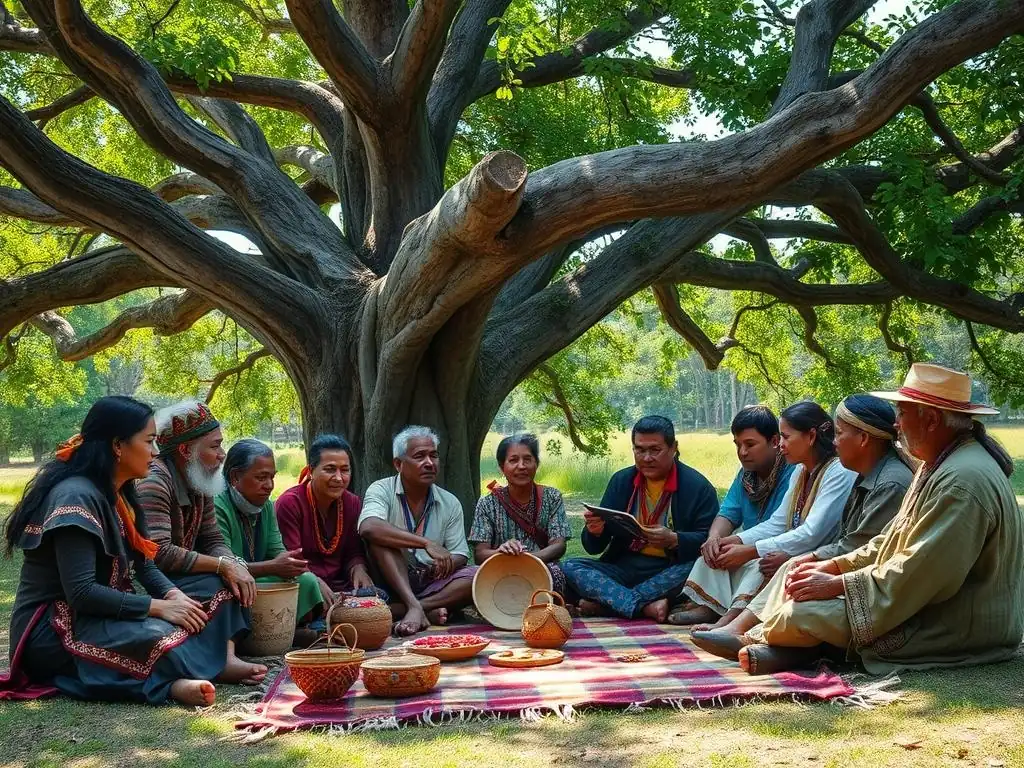
Welcome to Indigenous Civilizations of the Americas, where we invite you to embark on a fascinating journey through the rich tapestry of pre-colonial cultures that once flourished across the continent. In today’s exploration, we delve into indigenous informal learning practices, shedding light on the unique and profound ways in which knowledge was shared and preserved within these vibrant communities. Discover how these age-old traditions not only shaped their societies but continue to resonate in contemporary times. Ready to uncover the wisdom of the past? Let’s dive deeper into The Circle of Knowledge!
Introduction to Indigenous Informal Learning Practices
Indigenous informal learning practices refer to the ways in which knowledge, skills, and cultural values are passed down through generations within indigenous communities across the Americas. These practices are deeply rooted in the social fabric and worldviews of these cultures, often transcending formal educational structures. Instead of being confined to classrooms, learning in these communities occurs in everyday settings—through storytelling, hands-on activities, and communal experiences. Understanding these informal learning practices is essential, as they not only preserve cultural heritage but also empower individuals and strengthen community bonds.
Definition of Informal Learning in Indigenous Contexts
Informal learning in indigenous contexts can be defined as the process where individuals acquire knowledge and skills through unstructured, everyday interactions and experiences rather than through formal educational systems. This type of learning is often:
- Community-Centric: Rooted in shared experiences and collective wisdom.
- Experiential: Involves hands-on activities, such as hunting, farming, or crafting.
- Intergenerational: Knowledge is passed down from elders to younger generations, fostering respect and continuity.
This approach contrasts sharply with the formalized, standardized education systems prevalent in many Western societies, emphasizing the importance of context, relationships, and cultural significance.
Importance of Informal Learning in Indigenous Cultures
The significance of informal learning practices in indigenous cultures cannot be overstated. These practices are vital for:
- Cultural Preservation: They safeguard languages, traditions, and customs that might otherwise be lost.
- Identity Formation: Informal learning reinforces individual and collective identities, fostering a sense of belonging and purpose.
- Skill Development: Practical skills necessary for daily living and survival are taught and honed through informal channels, ensuring that knowledge remains relevant and applicable.
Moreover, informal learning cultivates resilience and adaptability, as community members navigate changing circumstances while maintaining their cultural integrity.
Historical Overview of Indigenous Informal Learning Practices
Traditional Methods of Knowledge Transmission
Historically, indigenous communities employed a variety of methods for transmitting knowledge informally. Some traditional methods include:
- Storytelling: Oral traditions are a cornerstone of knowledge transmission, where elders share myths, legends, and personal experiences that encapsulate moral lessons and cultural values.
- Ceremonies and Rituals: Events such as seasonal festivals or rites of passage serve as platforms for learning, where participants engage in cultural practices and learn their significance.
- Apprenticeship: Younger members often learn through apprenticeships, working alongside skilled community members in activities like crafting, hunting, or healing.
These methods not only impart knowledge but also reinforce community ties and shared values.
Role of Elders in Informal Learning
Elders hold a revered position within indigenous communities, acting as primary knowledge bearers and guides in informal learning processes. Their roles include:
- Mentorship: Elders mentor younger generations, providing guidance, wisdom, and practical skills necessary for life within the community.
- Cultural Transmission: They play a crucial role in ensuring that cultural practices, languages, and histories are passed down, often sharing their own life experiences to illustrate key lessons.
- Mediators of Knowledge: Elders often facilitate discussions and learning opportunities, helping to bridge generational gaps and foster understanding among community members.
Through their involvement, elders not only contribute to the education of individuals but also reinforce the cultural continuity of the community as a whole.
Characteristics of Indigenous Informal Learning Practices
Indigenous informal learning practices encompass a range of distinctive characteristics that reflect the values, traditions, and social structures of indigenous communities. These practices are often rooted in the community's cultural heritage and are designed to foster a deep understanding of the environment, social relationships, and spiritual beliefs. Key characteristics include:
- Holistic Learning: Knowledge is often seen as interconnected, where spiritual, emotional, and physical dimensions are integrated into the learning process. This holistic approach ensures that learners gain a comprehensive understanding of their culture and environment.
- Intergenerational Transmission: Learning frequently occurs through intergenerational relationships, where elders pass down knowledge and skills to younger members. This process not only preserves cultural heritage but also strengthens community bonds.
- Contextualized Knowledge: Learning is typically situational and context-specific, meaning that knowledge is acquired in relevant settings such as during community gatherings, traditional ceremonies, or through practical activities like hunting and gathering.
- Adaptability and Flexibility: Informal learning practices are not rigidly structured but instead allow for adaptability based on the needs and interests of learners. This encourages engagement and personal investment in the learning process.
Community-Centric Learning Approaches
Community-centric learning approaches emphasize the collective nature of knowledge acquisition in indigenous cultures. These methods foster a sense of belonging and responsibility among community members.
- Collaborative Learning: Knowledge is often shared through group activities, where individuals learn from one another's experiences, skills, and wisdom. This collaborative approach reinforces social ties and collective identity.
- Role of Elders: Elders play a crucial role in community-centric learning, serving as mentors and guides. They impart wisdom through storytelling, rituals, and direct teaching, ensuring that cultural values are upheld and transmitted.
- Cultural Events and Gatherings: Community events, such as festivals, ceremonies, and communal workdays, provide opportunities for collective learning. Participants engage in shared activities that highlight cultural practices and reinforce communal knowledge.
Experiential Learning and Storytelling
Experiential learning is a cornerstone of indigenous educational practices, where direct experience is prioritized over formal instruction. This method is complemented by storytelling, which serves as a powerful tool for knowledge transmission.
- Hands-On Learning: Indigenous communities often emphasize learning by doing, whether through hunting, crafting, or farming. This experiential approach allows individuals to develop practical skills and a deeper connection to their environment.
- Storytelling as a Pedagogical Tool: Storytelling is used to convey important lessons, cultural values, and historical narratives. Through stories, learners absorb complex ideas in a relatable and memorable way, often incorporating moral teachings that guide behavior.
- Cyclical Learning: Many indigenous cultures view learning as a cyclical process, where experiences are revisited and reflected upon, allowing for continuous growth and understanding. This cyclical nature enhances retention and fosters a lifelong learning mindset.
Examples of Informal Learning Practices Across Indigenous Communities
Indigenous communities across the Americas showcase a diverse array of informal learning practices that highlight their rich cultural heritage and adaptability to the environment. These practices often serve both educational and social functions.
Case Study: The Powwow as a Learning Environment
The powwow is a vibrant cultural gathering that serves as an informal learning environment for indigenous communities. At powwows, participants engage in a variety of activities such as dance, music, and crafts, all of which facilitate learning in several ways:
- Cultural Expression: Through dance and music, participants learn about their heritage, traditions, and the significance of various cultural symbols and practices.
- Skill Development: Powwows often include workshops where individuals can learn traditional crafts or skills, such as beadwork, drumming, and regalia making, fostering practical knowledge that is passed down through generations.
- Community Engagement: The powwow reinforces social connections, as community members gather to celebrate and share knowledge, thus ensuring the continuity of cultural practices.
Fishing and Hunting Traditions: Learning through Practice
Fishing and hunting are integral aspects of many indigenous cultures, providing not only sustenance but also a framework for informal learning. These practices exemplify experiential learning and the transmission of knowledge through practice:
- Skill Acquisition: Young hunters and fishers learn essential skills through observation and participation, guided by experienced community members. This hands-on approach fosters proficiency and confidence.
- Environmental Stewardship: Participants learn about local ecosystems, sustainability, and the responsible use of natural resources, reinforcing a deep respect for the environment and its inherent balance.
- Cultural Significance: Fishing and hunting traditions are often imbued with spiritual meaning, teaching participants about the cultural narratives and beliefs that shape their identities.
Medicinal Plant Knowledge: Lessons from Nature
Medicinal plant knowledge is another vital area of informal learning within indigenous communities, where individuals learn to identify, harvest, and utilize plants for health and healing:
- Ecological Understanding: Knowledge of medicinal plants is rooted in a profound understanding of local ecosystems and biodiversity. Learners gain insights into plant characteristics, growth patterns, and seasonal changes.
- Cultural Practices: The use of medicinal plants often involves traditional practices and rituals, educating practitioners about the cultural significance of healing methods and the importance of holistic health.
- Interpersonal Teaching: Knowledge is typically shared in informal settings, such as family gatherings or community walks, allowing for rich discussions and experiential learning about the natural world and its resources.
Indigenous informal learning practices are deeply embedded in the cultural fabric of communities, reflecting their values and beliefs while ensuring the transmission of knowledge across generations.
The Impact of Informal Learning on Indigenous Identity
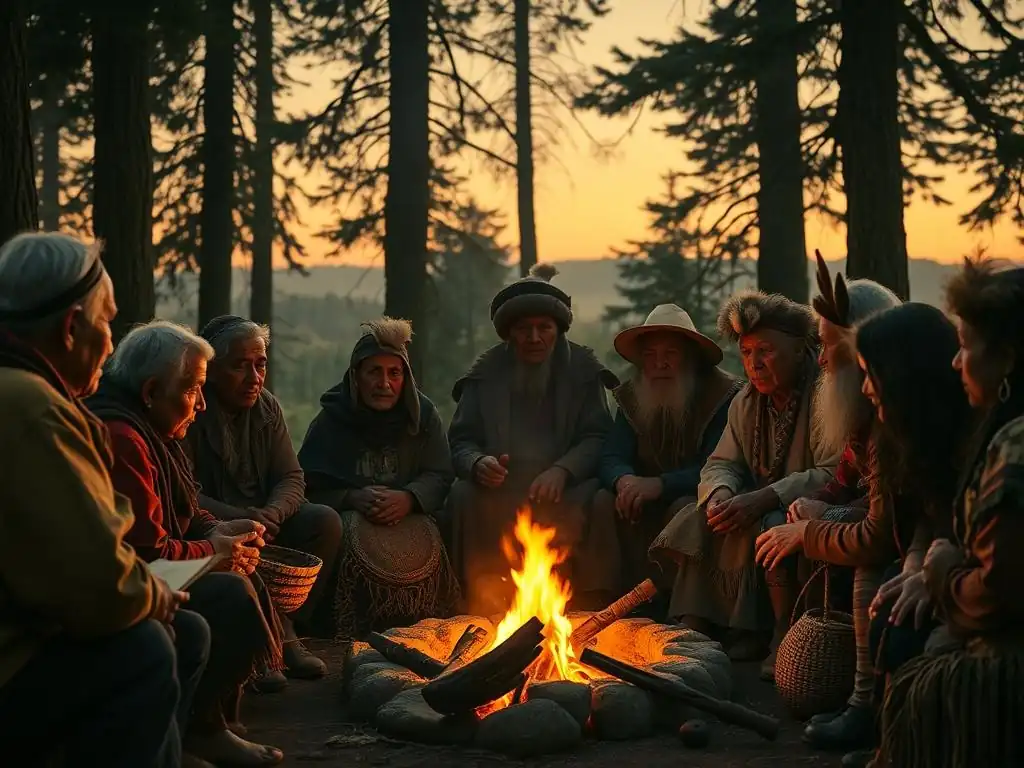
Informal learning practices are deeply embedded in the fabric of indigenous communities, significantly shaping their identities. These practices, which often occur outside formal educational settings, are vital in transmitting cultural values, beliefs, and traditions from one generation to the next. Through storytelling, communal activities, and hands-on experiences, individuals in indigenous societies cultivate a strong sense of belonging and self-awareness.
One of the primary ways informal learning influences indigenous identity is through the preservation and revitalization of languages. Many indigenous languages are at risk of extinction, but informal learning environments provide a platform for community members to engage with their linguistic heritage. Elders often play a crucial role, sharing stories and teachings in their native tongues, thus fostering a connection to their ancestors and reinforcing cultural pride.
Moreover, informal learning practices help maintain traditional ecological knowledge, which is essential for the sustainable management of natural resources. By engaging in activities such as hunting, fishing, and gathering, individuals not only acquire practical skills but also develop a profound respect for the land and its ecosystems. This connection to the environment is a cornerstone of indigenous identity, linking community members to their history and cultural narratives.
Preservation of Language and Culture through Informal Education
Informal education serves as a critical mechanism for preserving indigenous languages and cultural practices. In many communities, language is not merely a means of communication but is intrinsically tied to identity and worldview. Elders often educate youth through storytelling, songs, and traditional ceremonies, ensuring that language is not only learned but lived.
For instance, community gatherings and cultural festivals often include storytelling sessions where elders recount historical events, legends, and moral lessons in their native languages. This immersive experience reinforces language skills while simultaneously teaching cultural values. Additionally, informal education allows for the adaptation of language use in contemporary contexts, bridging the gap between traditional and modern expressions.
Furthermore, the use of informal education to preserve culture extends beyond language. Arts and crafts, traditional food preparation, and rituals are taught in communal settings, emphasizing the importance of participation and collaboration. Through these practices, community members learn the significance of their cultural heritage and the need to pass it on to future generations.
Informal learning practices are instrumental in fostering strong community bonds and enhancing social cohesion among indigenous peoples. These practices often occur in communal settings where individuals come together to share knowledge, skills, and experiences. The collaborative nature of informal learning creates a sense of unity and belonging, reinforcing social ties within the community.
Participatory activities such as communal hunting, fishing, and farming serve not only as educational experiences but also as opportunities for social interaction and relationship building. These activities facilitate the sharing of responsibilities and resources, promoting a spirit of cooperation and mutual support. As individuals work together, they develop trust and solidarity, essential elements for a resilient community.
Moreover, informal learning often involves mentorship, where elders guide younger generations. This mentorship model not only helps transfer knowledge but also strengthens intergenerational relationships. By engaging with elders, youth gain insights into their cultural heritage and are encouraged to take an active role in their communities, further solidifying social cohesion.
Challenges Facing Indigenous Informal Learning Practices Today
Despite the resilience of indigenous informal learning practices, several challenges threaten their sustainability and effectiveness. These challenges stem from both external influences and internal community dynamics, making it essential to address them to preserve these vital educational practices.
Influence of Modern Education Systems
The encroachment of modern education systems poses a significant challenge to indigenous informal learning. As formal education becomes increasingly prevalent, the emphasis on standardized curricula often sidelines traditional knowledge and practices. Many indigenous youth are drawn to formal education, perceiving it as a pathway to success, which can lead to a decline in participation in informal learning activities.
Moreover, the values promoted in modern educational systems may conflict with indigenous worldviews, further alienating youth from their cultural roots. This disconnection can result in the erosion of traditional practices and a diminished sense of identity. Consequently, communities must navigate the delicate balance between integrating modern education while preserving their informal learning traditions.
Loss of Traditional Knowledge and Practices
The loss of traditional knowledge is another pressing challenge for indigenous informal learning practices. As globalization and urbanization continue to impact indigenous communities, younger generations may be less exposed to traditional lifestyles and practices. This shift can lead to a gap in knowledge transfer, as fewer individuals engage in activities that have sustained their cultures for centuries.
Furthermore, the aging population of elders who possess invaluable knowledge and skills raises concerns about the continuity of informal learning practices. As these elders pass away, the risk of losing unique cultural practices and languages increases, threatening the very foundation of indigenous identity. To combat this trend, communities must implement strategies to document and revitalize traditional knowledge, ensuring its transmission to future generations.
While indigenous informal learning practices remain a vital component of cultural identity and community cohesion, they face significant challenges that require concerted efforts for preservation and revitalization.
Revitalizing Indigenous Informal Learning Practices
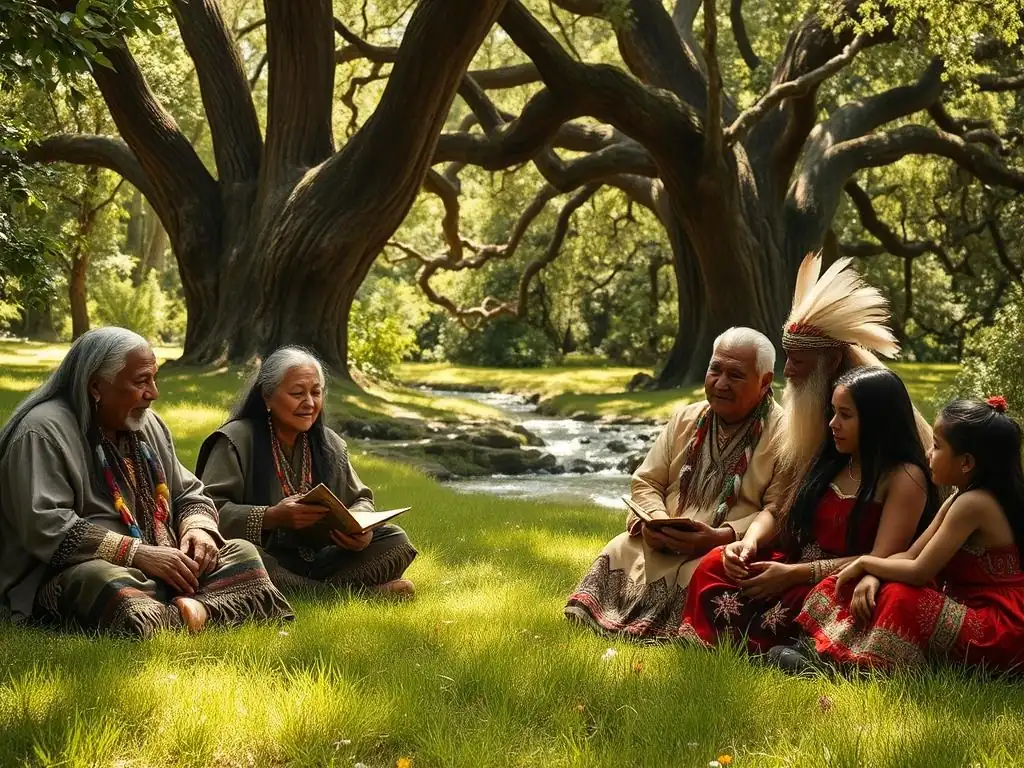
Revitalizing indigenous informal learning practices involves a conscious effort to preserve and adapt traditional methods of knowledge transmission in contemporary contexts. These practices, deeply rooted in the cultural fabric of indigenous communities, serve as a means of imparting skills, values, and worldviews from one generation to the next. The importance of revitalization cannot be overstated, as it not only fosters community identity but also strengthens resilience against external influences that threaten indigenous ways of life.
Communities are increasingly recognizing the value of their traditional knowledge systems. By reintegrating informal learning practices into daily life, they are able to enhance educational outcomes and promote cultural continuity. Initiatives such as cultural camps, storytelling sessions, and mentorship programs are pivotal in this process. These activities provide opportunities for elders and community members to share their wisdom, ensuring that younger generations are equipped with the knowledge necessary to navigate both traditional and modern worlds.
Community Initiatives and Programs
Community initiatives and programs play a critical role in revitalizing indigenous informal learning practices. Many indigenous groups have developed specific projects aimed at fostering traditional skills and knowledge. For example, programs that focus on traditional crafts, hunting, and foraging not only teach practical skills but also reinforce the cultural significance of these practices.
These initiatives often involve collaboration between community members and external organizations, creating a synergy that enhances learning experiences. Workshops and hands-on training sessions are commonplace, allowing participants to engage actively with the material. Additionally, some communities have established partnerships with educational institutions to create curricula that incorporate indigenous knowledge while respecting traditional learning methods.
Moreover, technology has also been harnessed to support these programs. Digital storytelling, online platforms for sharing traditional practices, and virtual workshops can reach a broader audience, ensuring that indigenous informal learning practices are not confined to geographic boundaries. This modern approach is essential for keeping the knowledge alive and relevant in today's fast-paced world.
Integrating Traditional Knowledge into Modern Education
Integrating traditional knowledge into modern education systems is crucial for fostering a holistic understanding of the world. By incorporating indigenous informal learning practices into formal curricula, educators can create a more inclusive and representative educational environment. This integration not only validates indigenous perspectives but also enriches the learning experience for all students.
Schools and educational institutions are increasingly recognizing the importance of including indigenous content in their programs. This can be achieved through collaborative projects with local indigenous communities, where students participate in activities that reflect traditional practices. For instance, lessons on indigenous history might be complemented by field trips to significant cultural sites or by inviting community elders to share their stories and knowledge in the classroom.
Moreover, educational frameworks that embrace indigenous ways of knowing, such as experiential learning and storytelling, can foster critical thinking and creativity among students. This approach encourages learners to engage with the material, promoting a deeper understanding of both indigenous cultures and the broader context of global issues.
Conclusion: The Future of Indigenous Informal Learning Practices
The future of indigenous informal learning practices hinges on their ability to adapt and thrive in an ever-changing world. As communities face challenges from globalization and cultural assimilation, the preservation and innovation of these practices will be essential for maintaining cultural identity and continuity.
Emphasizing the Importance of Cultural Heritage
Emphasizing the importance of cultural heritage is vital for the survival of indigenous informal learning practices. By valuing and promoting their unique histories, languages, and traditions, communities can instill a sense of pride and responsibility in younger generations. Educational initiatives that highlight the significance of cultural heritage not only enhance community bonds but also empower individuals to take an active role in preserving their legacy.
Cultural heritage programs, including festivals, exhibitions, and storytelling events, serve as platforms for sharing knowledge and experiences. They encourage community participation and foster intergenerational relationships, which are key to the transmission of informal learning practices. By engaging with their cultural heritage, individuals develop a deeper appreciation for their identity and the wisdom of their ancestors.
Encouraging the Continuation of Informal Learning Traditions
Encouraging the continuation of informal learning traditions requires a commitment from both community members and external supporters. As indigenous communities navigate modern challenges, it is crucial to create spaces where traditional knowledge can flourish alongside contemporary practices. This can be achieved through community-led initiatives, where individuals are empowered to share their skills and stories.
Support from governmental and non-governmental organizations can also facilitate the preservation of these practices. Funding for cultural programs, mentorship opportunities, and resources for community-led initiatives can significantly impact the sustainability of indigenous informal learning.
Ultimately, the future of indigenous informal learning practices lies in a collaborative effort to honor and revitalize these traditions, ensuring that they remain a vital part of indigenous identity and community life for generations to come.
Call to Action for Preserving Indigenous Informal Learning Practices
Indigenous informal learning practices are vital to the cultural heritage and identity of Indigenous communities across the Americas. These practices, which include storytelling, mentorship, and community rituals, serve as essential means of knowledge transmission, preserving languages, traditions, and ecological wisdom. As we acknowledge the significance of these practices, it becomes imperative to advocate for their preservation.
Why Preservation Matters:
- Cultural Identity: Informal learning is intertwined with the identity of Indigenous peoples, helping to maintain a sense of belonging and continuity.
- Environmental Knowledge: Indigenous practices often encompass a deep understanding of biodiversity and sustainable practices that can inform contemporary ecological approaches.
To preserve these practices effectively, we must actively engage with Indigenous communities, listen to their needs, and support their initiatives aimed at sustaining their educational traditions.
Engaging with Indigenous Communities
Engaging with Indigenous communities is crucial for fostering a mutual understanding and respect for their informal learning practices. This engagement can take various forms, including:
- Community Workshops: Participating in or organizing workshops that highlight traditional practices promotes knowledge sharing and enhances community ties.
- Cultural Exchanges: Initiatives that allow for cultural exchanges between Indigenous communities and non-Indigenous populations can facilitate understanding and appreciation of Indigenous knowledge systems.
- Active Listening: Taking the time to listen to the narratives and experiences shared by Indigenous elders and knowledge keepers enriches our understanding of their informal learning practices.
By adopting a respectful and open approach, we can build meaningful relationships that honor Indigenous knowledge and contribute to its preservation.
Supporting Indigenous-led Educational Initiatives
Supporting Indigenous-led educational initiatives is essential for the sustainability of informal learning practices. These initiatives are often rooted in cultural values and are designed to meet the unique needs of Indigenous learners. Here are some ways to provide support:
- Funding and Resources: Contributing financial resources to Indigenous-led programs allows them to flourish and adapt to the community's needs.
- Advocacy: Promoting policies that recognize and integrate Indigenous educational practices within formal education systems helps legitimize their importance.
- Collaboration: Partnering with Indigenous organizations can lead to the development of programs that respect and incorporate Indigenous knowledge and teaching methods.
By prioritizing the support of Indigenous-led educational initiatives, we can empower communities to reclaim and revitalize their informal learning practices, ensuring they continue to thrive for future generations.
- Introduction to Indigenous Informal Learning Practices
- Historical Overview of Indigenous Informal Learning Practices
- Characteristics of Indigenous Informal Learning Practices
- Examples of Informal Learning Practices Across Indigenous Communities
- The Impact of Informal Learning on Indigenous Identity
- Preservation of Language and Culture through Informal Education
- Strengthening Community Bonds and Social Cohesion
- Challenges Facing Indigenous Informal Learning Practices Today
- Revitalizing Indigenous Informal Learning Practices
- Conclusion: The Future of Indigenous Informal Learning Practices
- Call to Action for Preserving Indigenous Informal Learning Practices
- What are indigenous informal learning practices?
- How did indigenous communities use informal learning?
- Why are informal learning practices significant today?
- How do informal learning practices differ from formal education?
- What impact have indigenous informal learning practices had on modern education?
Frequently Asked Questions
What are indigenous informal learning practices?
Indigenous informal learning practices refer to the traditional ways in which knowledge and skills are passed down through storytelling, observation, and community engagement, rather than formal education systems.
How did indigenous communities use informal learning?
Indigenous communities utilized informal learning to transmit cultural values, history, and practical skills essential for survival, fostering a sense of identity and community cohesion.
Why are informal learning practices significant today?
These practices are significant today as they offer insights into cultural resilience and contribute to the preservation of indigenous languages, traditions, and ecological knowledge in a rapidly changing world.
How do informal learning practices differ from formal education?
Informal learning practices prioritize experiential learning and individualized mentorship, whereas formal education typically follows a standardized curriculum delivered in a structured environment.
What impact have indigenous informal learning practices had on modern education?
Indigenous informal learning practices have influenced modern education by promoting holistic approaches that emphasize experiential learning, community involvement, and the integration of indigenous knowledge into educational frameworks.
Final Reflection: Embracing Indigenous Informal Learning Practices
The exploration of indigenous informal learning practices reveals a profound connection between knowledge, culture, and community that remains incredibly relevant today. In an era where formal education often overshadows traditional methods, the wisdom embedded in these practices serves as a powerful reminder of the value of experiential learning and the importance of cultural heritage. The resilience of indigenous communities in preserving their knowledge systems amidst globalization is not just a testament to their strength but also a call for us to recognize and integrate these practices into our broader understanding of education.
Cultural landscapes are continually shaped by the ways in which knowledge is shared and passed down through generations. Indigenous informal learning practices, characterized by storytelling, mentorship, and community engagement, have a lasting impact on social cohesion and identity. As we witness a growing appreciation for diverse educational methodologies, it becomes clear that these practices are not relics of the past but living traditions that enrich our collective knowledge. Education is not the filling of a pail, but the lighting of a fire.
— William Butler Yeats. This quote encapsulates the essence of indigenous learning, emphasizing the importance of igniting curiosity and fostering a love for learning that transcends conventional boundaries.
As we reflect on the lessons imparted by indigenous informal learning practices, let us strive to incorporate these values into our own lives and communities. Consider how you can engage with and learn from the rich tapestry of knowledge that surrounds you. Whether through mentorship, storytelling, or simply being open to different ways of knowing, each of us has the opportunity to contribute to a more inclusive and holistic understanding of education. Embrace the call to action: seek out these practices, honor their significance, and allow them to inspire your own journey of lifelong learning.
Embrace the Journey of Learning and Sharing!
Thank you for exploring the rich tapestry of informal learning practices within Indigenous communities. Your interest in this subject not only enhances your understanding but also plays a vital role in preserving and honoring these invaluable traditions. Now, let's transform that knowledge into meaningful action!
Here are some simple yet impactful ways to deepen your engagement:
- Participate in a local Indigenous workshop or event to experience these traditions firsthand and learn directly from community members.
- Share this article with friends and family to spark conversations about the significance of informal learning in Indigenous cultures and its broader implications.
- Expand your knowledge by reading books or articles authored by Indigenous scholars to gain diverse perspectives and enrich your appreciation of their knowledge systems.
What new insights will you incorporate into your life from the learning practices observed in Indigenous communities?