
A Cautionary Tale: Lessons from Indigenous Experiences with Epidemics and Disease

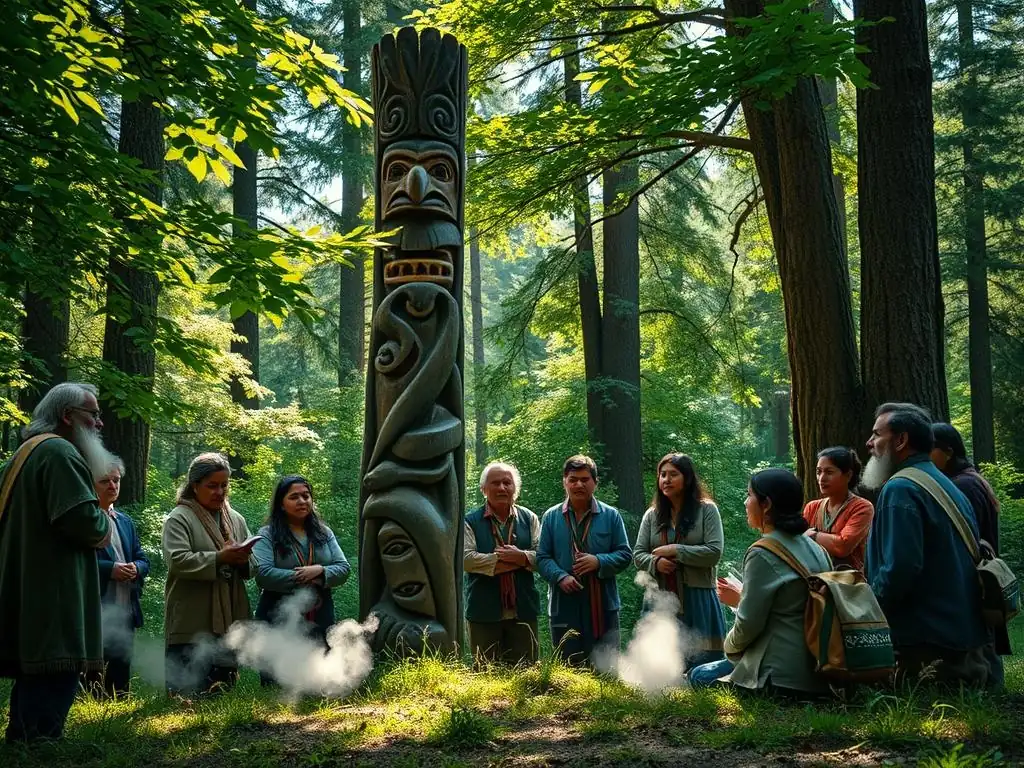
Welcome to Indigenous Civilizations of the Americas, where we delve into the rich tapestry of indigenous cultures that flourished long before European influence reshaped the continent. In our featured article, "A Cautionary Tale: Lessons from Indigenous Experiences with Epidemics and Disease," we explore the profound impact of epidemics on these vibrant societies. Discover how these historical narratives not only illuminate the resilience of indigenous peoples but also offer crucial lessons that resonate to this day.
Join us as we uncover the untold stories and enduring legacies that continue to shape our understanding of the past and present. Your journey into the heart of indigenous experiences begins here—read on to learn more!
Introduction to Indigenous Experiences with Epidemics
The history of indigenous civilizations in the Americas is marked by resilience and adaptability, yet it is also a cautionary tale of the devastating impact of epidemics and disease. Before the arrival of Europeans, indigenous communities had their own complex societies with rich cultural traditions, but they were unprepared for the biological onslaught that followed colonization.
This article delves into the indigenous experiences with epidemics, illuminating the profound consequences these encounters had on their populations and cultures. Understanding these historical contexts not only highlights the suffering endured by these communities but also offers critical lessons about the interplay between disease and societal resilience in the face of unprecedented challenges.
Overview of Epidemics in Indigenous Communities
Indigenous populations across the Americas faced various epidemics prior to and during the period of European colonization. These outbreaks were often exacerbated by factors such as:
- Limited Immunity: Indigenous peoples had not been exposed to many diseases common in Europe, resulting in a lack of immunity.
- Trade and Movement: Interconnected trade routes facilitated the spread of diseases, allowing pathogens to travel rapidly between communities.
- Environmental Factors: Changes in the environment due to colonization, such as deforestation and the introduction of new species, also played a significant role in altering disease dynamics.
Understanding these factors is crucial to comprehending the scale and severity of the epidemics that struck indigenous communities.
Importance of Understanding Historical Context
The historical context of indigenous experiences with epidemics is vital for several reasons:
- Recognition of Suffering: Acknowledging the impact of these diseases helps give voice to the suffering of indigenous populations, who often faced catastrophic mortality rates.
- Cultural Resilience: Despite the devastating effects of epidemics, many indigenous communities demonstrated remarkable resilience, adapting their social structures and cultural practices to cope with the loss.
- Lessons for Modern Society: By studying these historical epidemics, contemporary societies can learn valuable lessons about public health, community response, and the importance of cultural sensitivity in addressing health crises.
The Impact of European Diseases on Indigenous Populations
The arrival of Europeans in the Americas marked the beginning of a tragic chapter in the history of indigenous peoples. The introduction of foreign diseases had far-reaching consequences that reshaped entire societies and cultures.
Introduction of Disease: A Historical Perspective
The first encounters between Europeans and indigenous populations were often marked by the introduction of diseases such as smallpox, measles, and influenza. These diseases spread rapidly, leading to:
- High Mortality Rates: Epidemics often resulted in the death of large portions of indigenous populations, with estimates suggesting that some communities lost up to 90% of their members.
- Disruption of Social Structures: The loss of community leaders and knowledgeable elders severely disrupted the social fabric, leading to the breakdown of traditional governance and cultural practices.
- Psychological Impact: The trauma associated with widespread illness and death left deep psychological scars that affected subsequent generations.
Understanding the historical perspective of these introductions is crucial to grasping the full impact of European diseases on indigenous populations.
Major Epidemics and Their Effects on Indigenous Societies
Several major epidemics had particularly devastating effects on indigenous societies, including:
- Smallpox Epidemic (1520s): This outbreak decimated populations across central Mexico and the Andean region, paving the way for Spanish conquest.
- Measles Outbreak (1616-1619): This epidemic swept through northeastern North America, significantly impacting tribes such as the Narragansett and Pequot.
- Influenza Pandemic (1918): While this pandemic occurred later in history, its effects on already weakened indigenous communities were catastrophic, highlighting the long-term consequences of earlier epidemics.
The cumulative impact of these epidemics reshaped indigenous societies, leading to significant changes in demographic structures, cultural practices, and relationships with European settlers.
Understanding these historical epidemics not only provides insight into the resilience of indigenous cultures but also serves as a reminder of the ongoing challenges faced by these communities in the wake of colonialism and disease.
Case Studies of Indigenous Experiences with Epidemics
The impact of epidemics on Indigenous communities in the Americas provides a poignant illustration of the vulnerabilities and resilience that characterized these societies. Through various case studies, we can uncover crucial lessons about how these communities faced the challenges posed by new diseases, often introduced by European colonizers. These experiences not only highlight the immediate effects of epidemics but also reveal the long-term implications for Indigenous cultures and their health systems.
Case Study 1: The Lakota Sioux and Smallpox
The Lakota Sioux experienced devastating smallpox epidemics in the 18th and 19th centuries, with significant outbreaks occurring in 1781 and again in the 1830s. The introduction of smallpox had catastrophic effects on this community, leading to high mortality rates and a profound disruption of their social structure. During the 1837 outbreak, it is estimated that nearly half of the Lakota population perished, leading to a considerable decline in their numbers and a loss of traditional knowledge and practices as elders and healers, who were crucial to the community's cultural transmission, died.
In response to this crisis, the Lakota utilized traditional healing practices, which included the use of herbal remedies and spiritual ceremonies aimed at restoring balance and health. Community solidarity played a vital role in their response, with families coming together to care for the sick. However, the loss of a significant portion of their population severely impacted their ability to maintain their traditional ways of life and defend their territories against encroaching settlers.
Case Study 2: The Navajo Nation and Measles
The Navajo Nation faced significant challenges during measles outbreaks in the late 19th and early 20th centuries, particularly notable in 1950 when a widespread outbreak occurred. Measles, highly contagious and often leading to severe complications, wreaked havoc on the Navajo population, which had no previous exposure to the disease. The outbreak resulted in numerous fatalities, especially among young children, compounding the already existing health disparities exacerbated by poverty and limited access to healthcare.
In the aftermath, the Navajo community implemented strategies to combat the disease, including educational campaigns about vaccination and hygiene practices. Traditional healers played a crucial role in these efforts, integrating modern medical practices with Indigenous knowledge systems, thus fostering a collaborative approach to health. This blending of practices not only addressed immediate health concerns but also reinforced community bonds and cultural identity.
Lessons Learned from Indigenous Responses to Epidemics
Indigenous experiences with epidemics offer essential lessons in resilience, adaptability, and the importance of community. The responses to these health crises reveal how traditional knowledge and practices can be pivotal in managing health challenges, emphasizing the value of integrating Indigenous wisdom with modern medical approaches.
Traditional Healing Practices and Community Resilience
Traditional healing practices among Indigenous peoples are deeply rooted in their cultural identity and spiritual beliefs. These practices often include a holistic approach to health, considering physical, emotional, and spiritual well-being. Community resilience is evident in how these practices were employed during epidemics, where collective efforts for healing and support became crucial.
For instance, the use of herbal medicines and rituals not only provided physical remedies but also served to strengthen community ties and cultural practices. The ability of Indigenous communities to adapt their traditional knowledge to new challenges demonstrates their resilience and underscores the importance of preserving these practices in the face of modern health crises.
Adaptation Strategies of Indigenous Societies During Epidemics
Indigenous societies have historically employed various adaptation strategies during epidemics, showcasing their resourcefulness and ability to respond to changing circumstances. These strategies often included:
- Community Mobilization: Mobilizing community members to care for the sick and support one another during crises.
- Cultural Practices: Engaging in traditional ceremonies that promote healing and restore balance within the community.
- Integration of Knowledge: Combining traditional healing methods with modern medical practices to enhance health outcomes.
Through these strategies, Indigenous societies have not only survived epidemics but have also emerged with a renewed sense of identity and purpose. The lessons gleaned from these experiences continue to inform contemporary health practices and policies, emphasizing the importance of Indigenous perspectives in public health discussions.
The Role of Colonization in Amplifying Epidemic Effects
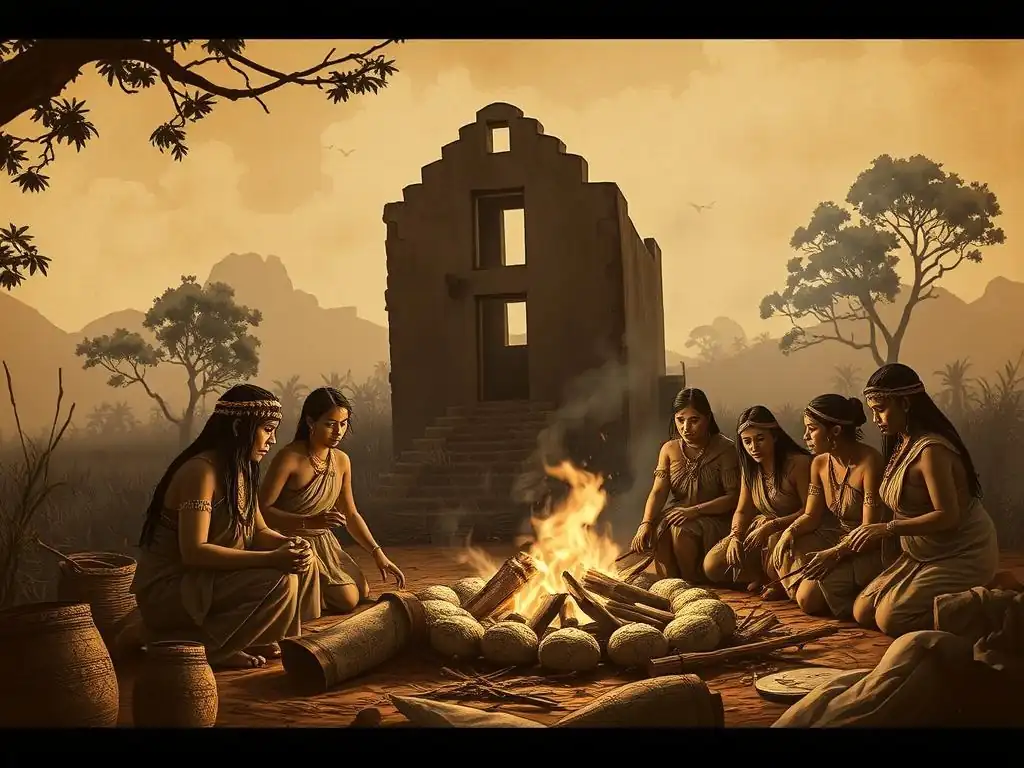
The arrival of European colonizers in the Americas marked a significant turning point for indigenous populations, particularly in the context of health and disease. European settlers brought with them a host of diseases, including smallpox, measles, and influenza, to which indigenous peoples had no prior exposure and therefore no immunity. This lack of immunity resulted in devastating mortality rates among Native populations, often decimating entire communities within a short time frame.
The process of colonization not only introduced these diseases but also exacerbated their effects through various mechanisms. As European settlements expanded, they encroached on indigenous lands, leading to the disruption of traditional lifestyles and practices. The forced relocation of communities, combined with the violence and trauma of conquest, weakened the social fabric that had previously allowed these societies to cope with health crises. The disintegration of family structures, the loss of cultural practices, and the fragmentation of community networks all contributed to the increased vulnerability of indigenous peoples to epidemics.
Disruption of Social Structures and Community Networks
The social structures of indigenous communities were deeply interwoven with their health practices and mutual support systems. Traditional healing methods, community gatherings, and the sharing of resources were integral to maintaining health and well-being. However, colonization disrupted these vital networks, leading to isolation and increased susceptibility to diseases.
With the arrival of European settlers, many indigenous peoples were forcibly removed from their ancestral lands, which not only displaced them but also dismantled their community bonds. This fragmentation resulted in a loss of collective knowledge regarding medicinal practices and the management of health crises. Additionally, as families were separated, the intergenerational transmission of health practices became severely hindered. The traditional roles that individuals played within their communities were often rendered obsolete, which further affected their health outcomes during epidemics.
European Policies and Their Impact on Indigenous Health
European colonial policies were often detrimental to the health of indigenous populations. In many cases, these policies prioritized land acquisition and resource exploitation over the well-being of indigenous communities. Treaties were frequently broken, leading to further displacement and the loss of access to traditional food sources, which were vital for sustaining health.
Moreover, the introduction of European agricultural practices disrupted local ecosystems, leading to food insecurity and malnutrition among indigenous peoples. The imposition of foreign systems of governance often overlooked indigenous perspectives on health and well-being, resulting in inadequate responses to public health crises. For instance, during epidemics, colonial administrations often provided little to no support for affected communities, further compounding the impact of disease on indigenous populations.
Reflection on Modern Implications of Indigenous Experiences with Epidemics
The historical experiences of indigenous peoples with epidemics during the colonization of the Americas offer critical insights into contemporary health challenges faced by these communities. The trauma and loss incurred during these events have had lasting effects on the health and resilience of indigenous populations today.
Ongoing Health Disparities in Indigenous Communities
Indigenous communities continue to grapple with significant health disparities that can be traced back to the colonial era. Factors such as systemic inequities in healthcare access, socioeconomic disadvantages, and historical trauma contribute to poorer health outcomes for many indigenous peoples. For example, they experience higher rates of chronic diseases, mental health issues, and lower life expectancy compared to their non-indigenous counterparts.
Additionally, the legacy of colonization has led to a mistrust of healthcare systems among many indigenous individuals. This mistrust is rooted in historical injustices and ongoing marginalization, making it imperative for contemporary healthcare policies to address these issues proactively. Understanding the historical context of indigenous experiences with epidemics is essential to fostering a more equitable healthcare system that respects and integrates traditional knowledge and practices.
Importance of Historical Knowledge in Contemporary Health Policies
Recognizing the historical experiences of indigenous peoples with epidemics is crucial for developing effective health policies today. By understanding how colonization has shaped the health landscape, policymakers can create strategies that are not only culturally sensitive but also tailored to the specific needs of indigenous communities.
Incorporating traditional healing practices and perspectives into modern healthcare frameworks can enhance the effectiveness of health interventions. Furthermore, acknowledging past traumas and addressing the resulting disparities is vital for building trust between indigenous communities and healthcare providers. This approach can pave the way for more inclusive and equitable health policies that honor the resilience and knowledge of indigenous peoples, ultimately promoting their well-being in a modern context.
Conclusion: The Significance of Indigenous Experiences with Epidemics
The experiences of Indigenous peoples with epidemics and disease serve as crucial lessons that extend beyond the historical context. Understanding these experiences highlights the resilience and adaptability of Indigenous cultures in the face of devastating health crises. The impact of epidemics, primarily introduced through European contact, not only decimated populations but also profoundly altered social structures, cultural practices, and relationships with the land. Recognizing these experiences allows for a deeper appreciation of the complexities surrounding Indigenous health today and the ongoing repercussions of historical injustices.
Moreover, these experiences remind us of the importance of storytelling and oral histories in preserving knowledge. Indigenous narratives provide insight into traditional healing practices, community responses to disease, and the significance of maintaining cultural integrity amidst adversity. These lessons are not purely historical; they are relevant in contemporary discussions about public health, epidemiology, and the importance of integrating Indigenous perspectives into modern health systems.
Summary of Key Lessons from Indigenous Histories
The histories of Indigenous experiences with epidemics reveal several key lessons:
- Resilience and Adaptation: Indigenous communities showcased remarkable resilience in adapting to new realities brought about by epidemics. This adaptability can inform current public health strategies, emphasizing the importance of community-led responses.
- Holistic Understanding of Health: Indigenous approaches often encompass a holistic view of health that integrates physical, mental, and spiritual well-being. This perspective challenges the conventional biomedical model and encourages a more inclusive approach to health care.
- Importance of Cultural Heritage: The preservation of cultural practices and languages is vital for community identity and health. Historical experiences with epidemics underline the need for Indigenous peoples to reclaim and revitalize their cultural heritage.
- Collaboration with Western Medicine: Successful health interventions often arise from collaboration between Indigenous knowledge systems and Western medicine. Acknowledging the value of Indigenous healing practices can enhance health care delivery and outcomes.
- Advocacy for Rights and Recognition: The historical context of epidemics emphasizes the ongoing need for Indigenous rights to be recognized in health policy. Empowering Indigenous voices in health discourses can lead to more equitable health outcomes.
Call to Action: Recognizing Indigenous Knowledge in Health Discourses
As we reflect on the lessons from Indigenous experiences with epidemics, it is imperative to actively incorporate Indigenous knowledge into current health discourses. This can be achieved through:
- Educational Initiatives: Integrating Indigenous history and health practices into educational curricula for health professionals. This will foster a better understanding of Indigenous perspectives and promote culturally competent care.
- Policy Development: Advocating for health policies that recognize and prioritize Indigenous health needs, including the integration of traditional healing practices into health care systems.
- Research Partnerships: Encouraging collaborative research that involves Indigenous communities in the design and implementation of health studies. This ensures that research is relevant, respectful, and beneficial to Indigenous populations.
- Community Engagement: Supporting community-led initiatives that empower Indigenous peoples to take charge of their health narratives and solutions. Engaging Indigenous voices in health discussions fosters trust and cooperation.
- Public Awareness Campaigns: Raising awareness about the significance of Indigenous experiences with epidemics can help combat stereotypes and promote understanding. Campaigns that highlight these histories can cultivate empathy and support for Indigenous health initiatives.
By recognizing and valuing Indigenous knowledge, we can foster healthier communities and work towards a more just and equitable health landscape that honors the resilience of Indigenous peoples throughout history.
- Introduction to Indigenous Experiences with Epidemics
- The Impact of European Diseases on Indigenous Populations
- Case Studies of Indigenous Experiences with Epidemics
- Lessons Learned from Indigenous Responses to Epidemics
- The Role of Colonization in Amplifying Epidemic Effects
- Reflection on Modern Implications of Indigenous Experiences with Epidemics
- Conclusion: The Significance of Indigenous Experiences with Epidemics
- What is the main focus of the article "A Cautionary Tale: Lessons from Indigenous Experiences with Epidemics and Disease"?
- How did epidemics affect Indigenous cultures in the Americas?
- What lessons can be learned from Indigenous experiences with disease?
- Why is it important to study Indigenous experiences with epidemics today?
- How can the lessons from Indigenous experiences be applied to contemporary public health issues?
Frequently Asked Questions
What is the main focus of the article "A Cautionary Tale: Lessons from Indigenous Experiences with Epidemics and Disease"?
The article primarily explores Indigenous experiences with epidemics and how these historical events shaped their societies and responses to disease.
How did epidemics affect Indigenous cultures in the Americas?
Epidemics had a devastating impact on Indigenous populations, leading to significant loss of life, disruption of communities, and a profound cultural shift that influenced their societal structures.
What lessons can be learned from Indigenous experiences with disease?
The article emphasizes the importance of resilience, adaptation, and the need for culturally informed health strategies in modern contexts, showcasing how historical knowledge can inform current public health responses.
Why is it important to study Indigenous experiences with epidemics today?
Studying these experiences helps to acknowledge the historical injustices faced by Indigenous peoples and informs current health policies, ensuring that they are inclusive and respectful of Indigenous perspectives.
How can the lessons from Indigenous experiences be applied to contemporary public health issues?
The insights gained from Indigenous experiences highlight the necessity of community engagement, understanding cultural contexts, and recognizing the social determinants of health to effectively address modern health challenges.
Final Reflection: Learning from Indigenous Experiences with Epidemics
In examining Indigenous experiences with epidemics, we uncover a profound narrative that resonates deeply with contemporary society. The historical lessons drawn from the struggles and resilience of Indigenous communities in the face of disease are not merely relics of the past; they are urgent reminders of the vulnerabilities that persist today. As we navigate our own public health challenges, the echoes of these experiences compel us to confront the systemic inequities that still affect marginalized populations.
The impact of these Indigenous experiences has shaped our cultural and social landscape, highlighting the importance of community, traditional knowledge, and holistic health approaches. These narratives serve as a powerful testament to resilience and adaptation in the face of adversity. As we reflect on the ongoing influence of these stories, we are reminded of the words of Indigenous scholar Vine Deloria Jr.: The great challenge of the future is to find a way to live together, to find a way to share the earth.
This call to unity and understanding is more relevant than ever as we grapple with global health crises and the need for inclusive solutions.
As we conclude this exploration, I invite you to reflect on the lessons learned from Indigenous experiences with epidemics and consider how they can inform your own actions and perspectives. Embrace the opportunity to advocate for equitable health practices, honor Indigenous wisdom, and foster a deeper understanding of the interconnectedness of our communities. Let us carry these lessons forward, not just as historical insights, but as guiding principles for a healthier, more inclusive future.
Embrace the Lessons: Take Action Today!
Thank you for taking the time to explore the profound lessons from Indigenous experiences with epidemics and disease. By engaging with this vital topic, you’ve gained insights that not only honor history but also empower steps towards resilience and understanding in the present.
Now, it's time to turn this knowledge into action! Here are some impactful ways you can contribute and deepen your engagement:
- Join or support Indigenous health initiatives that focus on community well-being and resilience against health challenges. Your involvement can make a difference!
- Share this article with friends and family to spread awareness about the importance of learning from historical experiences to inform present-day practices.
- Participate in local cultural events or discussions that celebrate Indigenous wisdom and promote health education in your community.
As you reflect on these actions, consider this: What lessons can we apply today to build stronger, healthier communities that honor Indigenous perspectives? Let's keep the conversation going!