
From Flourishing to Forgotten: The Fate of Indigenous Languages PostConquest

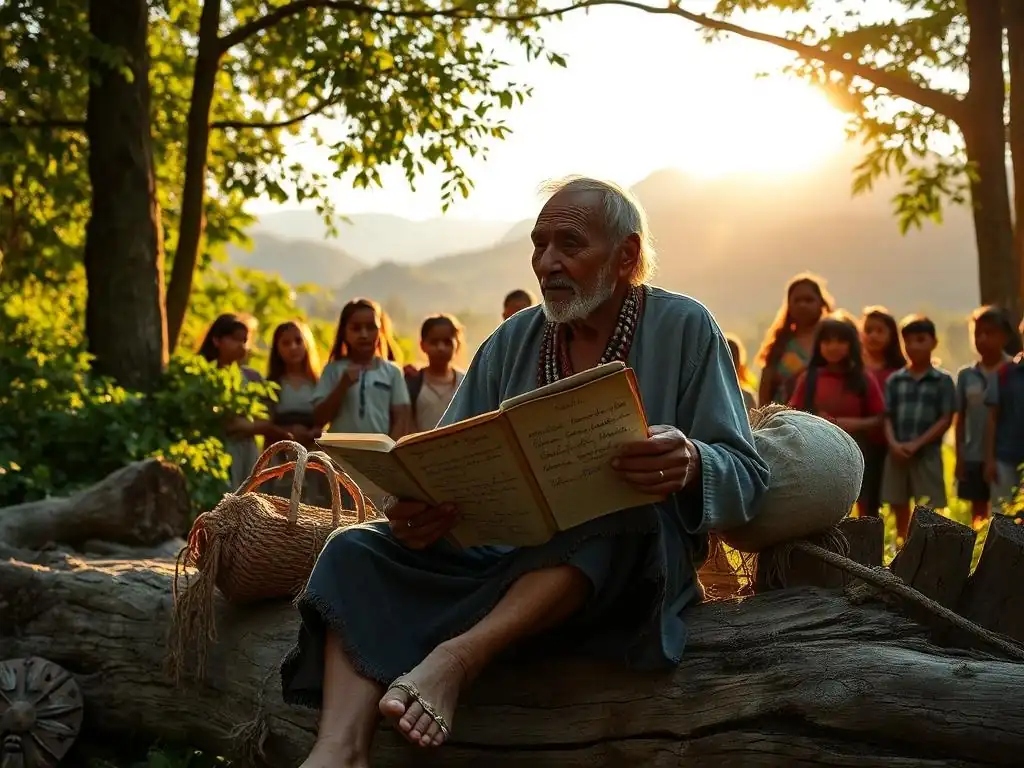
Welcome to Indigenous Civilizations of the Americas, where we invite you to embark on a journey through the rich tapestry of indigenous cultures that flourished long before European contact. In our featured article, "From Flourishing to Forgotten: The Fate of Indigenous Languages PostConquest," we delve into the profound transformations experienced by these vibrant communities and the haunting legacy of their languages. How did conquest shape the linguistic landscape of the Americas? Join us as we unravel this compelling narrative and discover the remarkable resilience of indigenous identities amidst adversity. Your exploration begins here!
Introduction to Indigenous Languages PostConquest
The indigenous languages of the Americas represent a rich tapestry of history, culture, and identity, reflecting the diverse civilizations that flourished long before European contact. These languages, each with their unique phonetics, vocabularies, and grammatical structures, were not merely communication tools; they encapsulated the worldviews, traditions, and spiritual beliefs of their speakers.
However, the arrival of European colonizers marked a significant turning point for these languages, leading to a tragic decline that has persisted through the centuries. This article delves into the profound effects of colonization on indigenous languages postconquest, exploring how societal upheaval and cultural disruption contributed to the loss of these vital linguistic heritages.
The Impact of European Conquest on Indigenous Languages
The European conquest of the Americas brought about dramatic changes that reverberated through indigenous communities, shaping not only their societies but also their languages. Understanding this impact requires examining both the historical context of language use prior to conquest and the immediate effects of colonization that facilitated language loss.
Historical Context of Language Use Pre-Conquest
Before European contact, the Americas were home to an estimated 3000 distinct languages, belonging to various language families. These languages were deeply embedded in the cultural practices and social structures of indigenous societies. For instance:
- Cultural Transmission: Language played a crucial role in passing down traditions, oral histories, and knowledge of the land.
- Social Identity: Each language fostered a sense of belonging and identity among its speakers, linking communities through shared linguistic heritage.
- Diverse Dialects: Many indigenous languages had multiple dialects, reflecting regional variations and the adaptability of language in response to local environments and social interactions.
The richness of these languages was not only a testament to the diversity of indigenous cultures but also an essential element of their resilience and continuity.
The Immediate Effects of Colonization on Language
With the onset of colonization, indigenous languages faced immediate threats from various fronts:
- Suppression of Language: European powers often imposed their languages, such as Spanish, English, and Portuguese, through policies that marginalized indigenous tongues. This suppression was exacerbated in missions and educational institutions where indigenous children were punished for speaking their native languages.
- Displacement and Disruption: The forced relocation of indigenous peoples disrupted traditional ways of life, leading to the fragmentation of communities and the loss of linguistic transmission from one generation to the next.
- Cultural Assimilation: The drive towards assimilation into European cultures further led to the decline of indigenous languages, as speakers adopted foreign languages to navigate new social realities and gain acceptance.
These factors combined created a hostile environment for indigenous languages, resulting in a decline that would echo through subsequent generations. The legacy of this language loss continues to impact indigenous communities across the Americas, raising critical questions about cultural preservation and identity in the postconquest era.
Case Studies of Indigenous Languages PostConquest
The aftermath of European colonization saw the drastic decline of many indigenous languages, fundamentally altering the cultural landscape of the Americas. By examining specific case studies, we can better understand the mechanisms of language loss and the resilience of indigenous communities.
One striking example is the Quechua language, primarily spoken in the Andean regions of Peru, Bolivia, and Ecuador. Despite its rich history and the fact that it was once the language of the Inca Empire, Quechua faces significant challenges today. Spanish colonization initiated a long period of suppression, where speaking Quechua was often forbidden in schools and public life. As a result, a significant number of Quechua speakers have gradually shifted to Spanish, leading to a decline in fluent speakers. However, recent revitalization efforts, including bilingual education programs, have helped to revive interest in Quechua among younger generations.
Another noteworthy case is the Ojibwe language in North America. Following European contact, the Ojibwe people experienced a marked decline in their language usage due to forced assimilation policies, including the residential school system, which aimed to eradicate indigenous cultures. Despite these challenges, there have been concerted efforts within the Ojibwe community to revitalize the language through immersion programs and community initiatives. The success of these programs highlights the potential for language recovery even after significant loss.
Analysis of Specific Indigenous Languages
Analyzing specific indigenous languages postconquest reveals patterns of resilience and struggle. The Navajo language, for example, has shown remarkable endurance despite historical attempts to suppress it. During World War II, Navajo speakers played a crucial role as code talkers, utilizing their language to create an unbreakable code for military communications. This recognition boosted pride in the language and led to renewed efforts to teach Navajo in schools. Today, however, the language is still at risk due to the dominance of English and the younger generation's diminishing use of Navajo in daily life.
In contrast, the Taino language of the Caribbean faced almost complete extinction after European colonization. The Taino people suffered from disease, enslavement, and displacement, leading to a dramatic decrease in the population. Consequently, the language was not transmitted to subsequent generations. Although some Taino words have been absorbed into Caribbean Spanish, the complete loss of the Taino language serves as a poignant reminder of the consequences of colonization.
Comparative Study of Language Loss Across Regions
The loss of indigenous languages has not been uniform across the Americas; it varies significantly by region. In North America, languages like Cherokee and Lakota have faced severe endangerment, often due to historical trauma from forced removals and assimilation policies. In contrast, many Central American languages, such as Maya languages, have experienced varying degrees of preservation, despite colonial pressures. While some Mayan communities actively maintain their languages, others have seen a decline in fluent speakers as Spanish predominates.
In South America, the Guarani language represents a unique case. While it has been influenced by Spanish and Portuguese, Guarani remains widely spoken in Paraguay, where it holds official status alongside Spanish. This contrasts with languages in regions like the Amazon, where many smaller indigenous languages are rapidly disappearing due to external pressures such as deforestation and resource extraction.
This comparative analysis demonstrates the complexity of language loss and retention, influenced by historical, social, and political factors across different regions.
Consequences of Language Loss in Indigenous Communities

The loss of indigenous languages has profound consequences for the communities that speak them. These effects extend beyond mere communication, touching upon cultural identity, social structure, and mental well-being.
Cultural Impacts of Losing Indigenous Languages
Language is a crucial vessel for carrying cultural knowledge, traditions, and worldviews. When an indigenous language disappears, so too does a wealth of cultural heritage. For instance, many indigenous languages contain unique concepts tied to local ecology, spirituality, and social relations that are untranslatable into dominant languages. This loss can lead to a disconnection from ancestral practices and a diminished sense of identity among community members.
Moreover, language loss contributes to the erosion of traditional knowledge related to medicine, agriculture, and environmental stewardship. Indigenous languages often encapsulate specific ecological knowledge that has been passed down through generations, and losing these languages can threaten the survival of sustainable practices that have existed for centuries.
Social and Psychological Effects on Indigenous Peoples
The social ramifications of language loss are also significant. Many indigenous peoples experience a sense of alienation and marginalization when their languages decline. The inability to communicate fluently in their native tongue can create barriers between generations, as elders may speak only their indigenous language while younger members may struggle to connect with it.
Psychologically, the loss of a language can lead to feelings of grief, loss, and identity crisis among indigenous peoples. Studies have shown that connection to one's language is linked to mental health and well-being. Communities that actively engage in language revitalization often report higher levels of cultural pride and mental resilience. Conversely, the absence of a language can contribute to feelings of inferiority and cultural dislocation, leading to broader societal issues, including increased rates of depression and anxiety among indigenous populations.
The consequences of language loss are multifaceted, affecting cultural identity, social cohesion, and psychological health, underscoring the importance of efforts to preserve and revitalize indigenous languages in the postconquest era.
Revitalization Efforts and Future of Indigenous Languages
The fate of indigenous languages postconquest has been a subject of concern and activism in recent years. As many languages teeter on the brink of extinction, various revitalization efforts have emerged, aiming to breathe new life into these languages and preserve them for future generations. These initiatives not only focus on language itself but also seek to reconnect indigenous communities with their cultural heritage, fostering pride and identity among younger generations.
Current Initiatives to Preserve and Revive Languages
Numerous organizations and communities are actively working to revive indigenous languages that have suffered significant decline since the conquest. Some prominent initiatives include:
- Language Immersion Programs: These programs, often established in schools, immerse students in their native language, promoting fluency and cultural literacy. For example, the K-12 Immersion Program in New Zealand has successfully integrated Māori language into mainstream education, leading to increased fluency among young speakers.
- Community Language Classes: Local communities are organizing classes to teach indigenous languages to both children and adults. These classes often incorporate cultural elements, such as storytelling and traditional practices, to enhance learning. The Cree Language and Culture program in Canada has seen success in rekindling interest in the Cree language through engaging community activities.
- Digital Resources: The advent of technology has opened new avenues for language preservation. Websites, apps, and social media platforms are being utilized to teach and promote indigenous languages. The Duolingo app, for instance, has launched a course for the Navajo language, making it accessible to a global audience.
- Documentation and Archiving: Linguists and community members are working together to document endangered languages, creating dictionaries, oral history archives, and educational materials. Projects like the Endangered Languages Archive at SOAS University of London play a crucial role in preserving linguistic diversity.
Global Perspectives on Language Revitalization
Language revitalization efforts are not confined to the Americas; they are a global phenomenon. Various countries and regions have engaged in their own initiatives to sustain and rejuvenate indigenous languages:
- Australia: The Australian Government's Indigenous Languages and Arts program aims to support the revival of Aboriginal languages through funding for community-led projects. The emphasis is placed on intergenerational teaching, allowing elders to pass on their language to younger members of the community.
- New Zealand: The Māori language, once on the verge of extinction, has seen a remarkable revival due to government support and public interest. The Māori Language Act 1987 officially recognized Māori as a living language, paving the way for its integration into education and media.
- North America: In the United States, various tribes are launching language revitalization initiatives. The Cherokee Nation has implemented language immersion schools and developed online resources to engage younger generations in learning the Cherokee language.
These examples illustrate the global commitment to preserving indigenous languages, highlighting the significance of these languages in maintaining cultural identity and heritage.
Conclusion: Reflecting on the Fate of Indigenous Languages
The journey of indigenous languages postconquest is a poignant tale of resilience and dedication. While many languages have faced near extinction, the ongoing revitalization efforts offer hope for their future. These initiatives underscore the importance of indigenous languages not just as communication tools but as vital components of cultural identity and community cohesion.
As we reflect on the fate of indigenous languages, it becomes evident that the fight for their survival is essential in preserving the rich tapestry of human history. With continued support and commitment from both indigenous communities and global allies, the potential for revitalizing these languages remains bright, ensuring that they thrive for generations to come. The story of indigenous languages is far from over; it is an evolving narrative of reclamation, pride, and cultural renaissance.
- Introduction to Indigenous Languages PostConquest
- The Impact of European Conquest on Indigenous Languages
- Case Studies of Indigenous Languages PostConquest
- Consequences of Language Loss in Indigenous Communities
- Revitalization Efforts and Future of Indigenous Languages
- Conclusion: Reflecting on the Fate of Indigenous Languages
- What are the primary themes explored in the article?
- How did European colonization affect indigenous languages?
- Why is it important to study indigenous languages postconquest?
- What efforts are being made to preserve indigenous languages today?
- How did the fate of indigenous languages vary across different regions?
Frequently Asked Questions
What are the primary themes explored in the article?
The article covers the diverse indigenous cultures of the Americas, their achievements, and their lasting impact on modern society, emphasizing the significance of indigenous languages postconquest.
How did European colonization affect indigenous languages?
European colonization led to the suppression and decline of many indigenous languages, as colonizers imposed their own languages and cultures, significantly impacting linguistic diversity.
Why is it important to study indigenous languages postconquest?
Studying these languages is crucial for understanding the cultural heritage and identity of indigenous peoples, as well as the historical context of their societies that existed before colonization.
What efforts are being made to preserve indigenous languages today?
Various organizations are working to revitalize and preserve indigenous languages through education, community programs, and documentation to ensure they remain a part of cultural identity.
How did the fate of indigenous languages vary across different regions?
The fate of indigenous languages postconquest varied significantly, with some languages facing extinction while others have experienced resurgence due to cultural revival efforts in specific regions.
Final Reflection: The Resilience of Indigenous Languages Post-Conquest
The fate of indigenous languages post-conquest is not merely a historical narrative; it is a pressing contemporary issue that demands our attention. As we navigate a world increasingly dominated by globalization and homogenization, the survival of these languages embodies the struggle for cultural identity and heritage. The loss of an indigenous language is not just the fading of words; it is the erasure of unique worldviews and histories that have flourished for millennia.
The ongoing influence of indigenous languages post-conquest is a testament to the resilience of cultures that refuse to be silenced. Despite centuries of oppression, many indigenous communities are revitalizing their languages, fostering a sense of pride and belonging among younger generations. As the renowned linguist Noam Chomsky once said, "> The language we speak is a reflection of our identity, and the loss of language is the loss of identity." This profound connection between language and identity underscores the importance of preserving these languages as living symbols of cultural heritage.
As we reflect on the lessons of this article, I invite you to consider your role in the preservation of indigenous languages and cultures. What can you do to support these communities and their linguistic heritage? Whether through advocacy, education, or simply by engaging with indigenous narratives, each of us has the power to contribute to a more inclusive and diverse world. Let us honor the voices that have been marginalized and commit to ensuring that the languages of our past continue to resonate in the future.
Revitalize Indigenous Voices Today!
Thank you for exploring the vital topic of Indigenous languages and their journey from flourishing to being forgotten. By engaging with this article, you have taken the first step toward understanding the rich tapestry of cultures and histories that deserve to be remembered and celebrated. Now, let’s transform that awareness into action!
- Join a local language revitalization group to help keep Indigenous languages alive in your community.
- Share this article with friends and family to spread awareness about the importance of preserving cultural heritage.
- Explore online resources or classes dedicated to Indigenous languages to deepen your knowledge and appreciation.
What new insights have you gained about Indigenous languages, and how can you contribute to their resurgence?