
Intermarriage and Cultural Exchange: The Dynamics of PostConquest Relationships

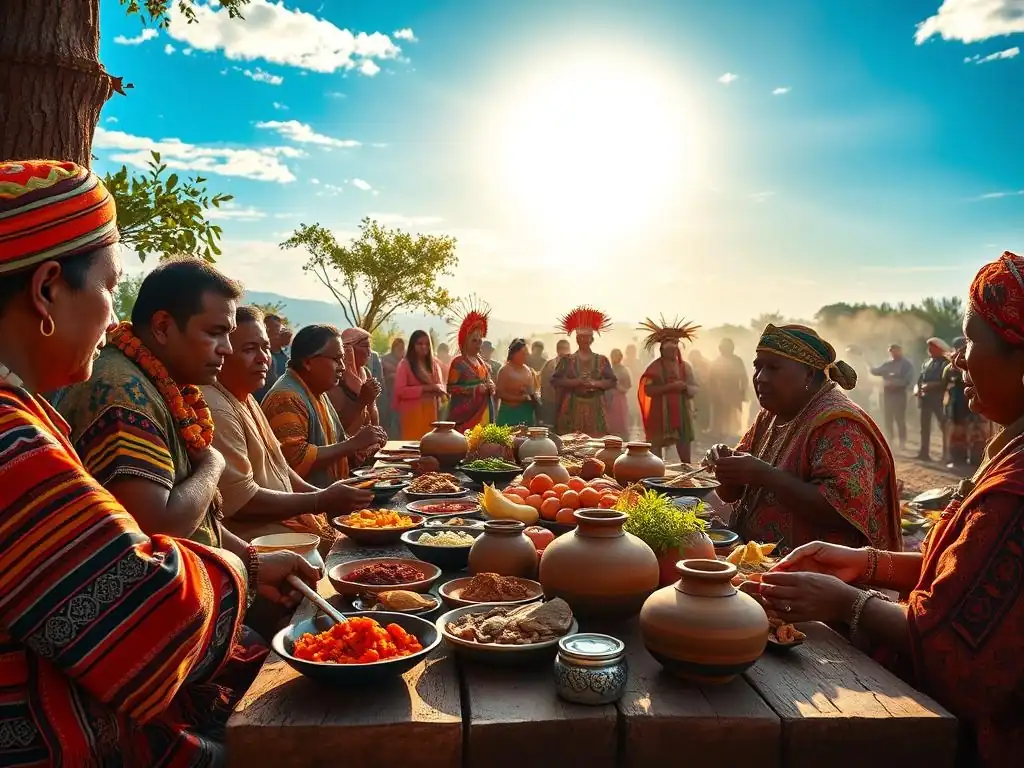
Welcome to Indigenous Civilizations of the Americas, where we invite you to embark on a journey through time to discover the remarkable cultures that flourished long before European explorers arrived. Our focus on Post-Conquest Indigenous Cultural Exchange reveals the intricate dynamics of intermarriage and cultural interactions that reshaped societies in the wake of conquest.
As you delve into our main article, "Intermarriage and Cultural Exchange: The Dynamics of PostConquest Relationships," prepare to unearth the rich tapestry of resilience and adaptation that defines the legacy of these vibrant civilizations. Join us as we explore the profound impact these exchanges had on both indigenous communities and the broader history of the Americas.
Introduction to Post-Conquest Indigenous Cultural Exchange
The period following the European conquest of the Americas marked a significant transformation in the social and cultural landscapes of indigenous societies. The dynamics of post-conquest indigenous cultural exchange were shaped by a complex interplay of intermarriage, trade, and the sharing of knowledge between European colonizers and diverse indigenous groups.
This article delves into the multifaceted relationships that emerged during this era, highlighting how these interactions not only facilitated cultural adaptations but also led to new social structures and identities within indigenous communities. Understanding these dynamics is essential for appreciating the resilience and adaptability of indigenous cultures in the face of dramatic change.
Overview of Intermarriage in Post-Conquest Context
Intermarriage between European settlers and indigenous peoples served as a crucial mechanism for cultural exchange during the post-conquest period. This practice was not merely a personal choice but was often influenced by various social and political factors, including:
- Political Alliances: Intermarriage was frequently used to forge alliances between indigenous groups and European powers, which could provide mutual benefits such as protection and access to resources.
- Economic Considerations: Couples often engaged in intermarriage to strengthen trade ties and enhance economic stability within their communities.
- Cultural Integration: The blending of traditions through marriage helped foster understanding and cooperation, allowing for a richer exchange of cultural practices.
These marriages contributed to the emergence of new cultural identities that incorporated elements from both indigenous and European heritages.
Importance of Cultural Exchange in Indigenous Societies
Cultural exchange during the post-conquest period played a vital role in shaping the identities and practices of indigenous societies. Key aspects of this exchange included:
- Language Development: Many indigenous languages absorbed elements from European languages, creating new dialects that reflect the shared experiences of these communities.
- Artistic Expression: Artistic styles evolved as indigenous artists incorporated European techniques and materials, leading to the creation of unique art forms that continue to resonate today.
- Religious Syncretism: The fusion of European religious practices with indigenous beliefs gave rise to new spiritual expressions, influencing rituals and community gatherings.
These exchanges were not one-sided; indigenous peoples actively shaped the cultural landscape, demonstrating their agency and resilience in adapting to new circumstances.
Historical Background of Post-Conquest Relationships
Understanding the historical context of post-conquest relationships is essential to grasp the complexities of intermarriage and cultural exchange. This section explores the foundational elements that set the stage for these dynamics.
European Conquest and Its Impact on Indigenous Communities
The arrival of European colonizers in the Americas initiated a series of profound changes for indigenous peoples. The consequences of this conquest included:
- Displacement and Disruption: Many indigenous communities faced displacement from their ancestral lands, leading to significant social and economic upheaval.
- Population Decline: Diseases brought by Europeans decimated indigenous populations, weakening traditional structures and creating a demand for new social alliances.
- Cultural Encounters: The cultural interactions between Europeans and indigenous peoples were marked by both conflict and cooperation, as groups navigated the challenges of coexistence.
These factors deeply influenced the nature of intermarriage and cultural exchange, creating a landscape where adaptation was necessary for survival.
Emergence of Intermarriage as a Cultural Practice
As indigenous communities sought to navigate the complexities of post-conquest life, intermarriage emerged as a practical response to the changing dynamics. This practice evolved through:
- Adaptation to New Realities: Intermarriage allowed indigenous peoples to form strategic alliances that could bolster their position in a rapidly changing world.
- Cultural Hybridization: The blending of customs and practices through intermarriage facilitated a unique form of cultural hybridization, enriching both indigenous and European heritages.
- Social Resilience: By fostering relationships across cultural lines, indigenous communities demonstrated remarkable resilience, preserving their identities while adapting to new influences.
The interplay of intermarriage and cultural exchange during the post-conquest period underscores the adaptability and strength of indigenous societies as they engaged with the challenges posed by European colonization.
The Role of Intermarriage in Shaping Cultural Exchange
Intermarriage between Indigenous peoples and European settlers played a crucial role in shaping the cultural landscape of the Americas during the post-conquest period. This blending of cultures was not merely a byproduct of colonization but rather a dynamic process that facilitated the exchange of ideas, traditions, and practices. Through intermarriage, new social structures emerged, allowing for the integration of beliefs and customs from both sides.
The relationships formed through marriage often led to the creation of hybrid identities that incorporated elements from both Indigenous and European cultures. These unions frequently served as bridges between communities, fostering understanding and collaboration in trade, agriculture, and governance. The resulting cultural exchanges enriched both traditional Indigenous practices and European customs, leading to the development of unique cultural expressions that continue to influence contemporary societies.
Additionally, intermarriage often resulted in the establishment of new alliances that were vital for survival in a rapidly changing environment. These alliances not only facilitated the sharing of resources and knowledge but also created networks of kinship that transcended racial and cultural boundaries. Ultimately, intermarriage was a pivotal factor in the evolution of Indigenous communities post-conquest, influencing everything from social structures to religious practices.
Blending of Indigenous and European Traditions
The blending of Indigenous and European traditions is evident in various aspects of life, including religion, art, and governance. One notable example is in religious practices, where Indigenous beliefs were often fused with Christian elements introduced by European missionaries. This syncretism led to the creation of unique spiritual practices that incorporated both Indigenous deities and Christian saints, reflecting a complex cultural adaptation.
In the realm of art and craftsmanship, the exchange of techniques and materials resulted in new artistic expressions. Indigenous artisans began to incorporate European styles into traditional crafts, such as pottery and weaving, while European settlers adopted Indigenous motifs and methods in their own artistic endeavors. This mutual influence not only enriched the artistic heritage of both cultures but also served as a means of identity formation for communities navigating the complexities of their post-conquest realities.
Governance structures also experienced significant transformations as Indigenous leaders adapted European political ideas to their existing systems. Intermarried families often occupied key positions in these hybrid governance models, facilitating the negotiation of power dynamics between Indigenous and European communities. This blending of traditions laid the groundwork for new societal norms and practices that would endure long after the initial contact.
Language Exchange and Its Cultural Implications
Language exchange was another essential aspect of post-conquest cultural exchange, reflecting deeper processes of adaptation and integration. As Indigenous peoples and European settlers interacted, their languages influenced one another, resulting in the creation of pidgins and creoles that blended linguistic elements from both groups. These new forms of communication not only facilitated trade and diplomacy but also symbolized the merging of cultures.
The impact of language exchange extended beyond mere communication; it played a significant role in the preservation and transformation of cultural knowledge. Indigenous languages often carried essential cultural narratives, histories, and worldviews. As European settlers adopted words and phrases from Indigenous languages, they inadvertently recognized the value of these cultural elements, leading to a greater awareness and appreciation of Indigenous perspectives.
Furthermore, language exchange had implications for identity formation and cultural continuity. For many Indigenous peoples, the incorporation of European languages into their daily lives was a double-edged sword, allowing access to new opportunities while also posing challenges to the preservation of their linguistic heritage. This complex interplay highlights the need for ongoing efforts to revitalize and maintain Indigenous languages as vital components of cultural identity.
Case Studies of Intermarriage and Cultural Exchange
Case Study 1: The Interactions between the Haudenosaunee and French Settlers
The interactions between the Haudenosaunee Confederacy and French settlers exemplify the profound effects of intermarriage and cultural exchange. In the 17th century, as the French established trade relationships with the Haudenosaunee, many French men married Indigenous women, leading to the emergence of mixed-heritage families. These unions facilitated not only trade but also the sharing of agricultural practices and technologies.
The Haudenosaunee adopted certain European farming techniques and crops, such as wheat and barley, which complemented their traditional agricultural systems. In return, the French learned about Indigenous methods of resource management and hunting practices, leading to a more sustainable approach to the environment. The cultural exchange fostered through these intermarriages ultimately strengthened alliances that shaped the geopolitical landscape of the region.
The mixed-heritage offspring often acted as cultural mediators, navigating both worlds and playing essential roles in diplomacy and trade negotiations. This case study illustrates how intermarriage served as a catalyst for cultural adaptation, leading to a richer, more diverse social fabric among the Haudenosaunee and their European counterparts.
Case Study 2: Cultural Exchange Practices among the Plains Indigenous Peoples and European Fur Traders
The cultural exchange practices among the Plains Indigenous peoples and European fur traders provide further insights into the dynamics of post-conquest relationships. As European traders established routes across the Great Plains in the 18th and 19th centuries, they engaged in extensive trade with Indigenous groups such as the Lakota and Cheyenne. Intermarriage between traders and Indigenous women was common, leading to the formation of new familial ties and networks.
These relationships facilitated the exchange of goods, ideas, and cultural practices. Indigenous peoples introduced European traders to local resources, such as bison and medicinal plants, while traders brought new technologies like firearms and metal tools. The resulting cultural exchange enriched both Indigenous and European ways of life, creating a dynamic interplay of traditions.
Moreover, the intermarriage of fur traders and Indigenous women often led to the establishment of hybrid communities that blended elements from both cultures. These communities became centers of cultural innovation, where traditional Indigenous practices merged with European influences, resulting in unique expressions of identity and social organization. This case study underscores the significance of intermarriage as a driving force behind the ongoing cultural exchange that characterized post-conquest interactions in the Americas.
The Benefits of Post-Conquest Indigenous Cultural Exchange
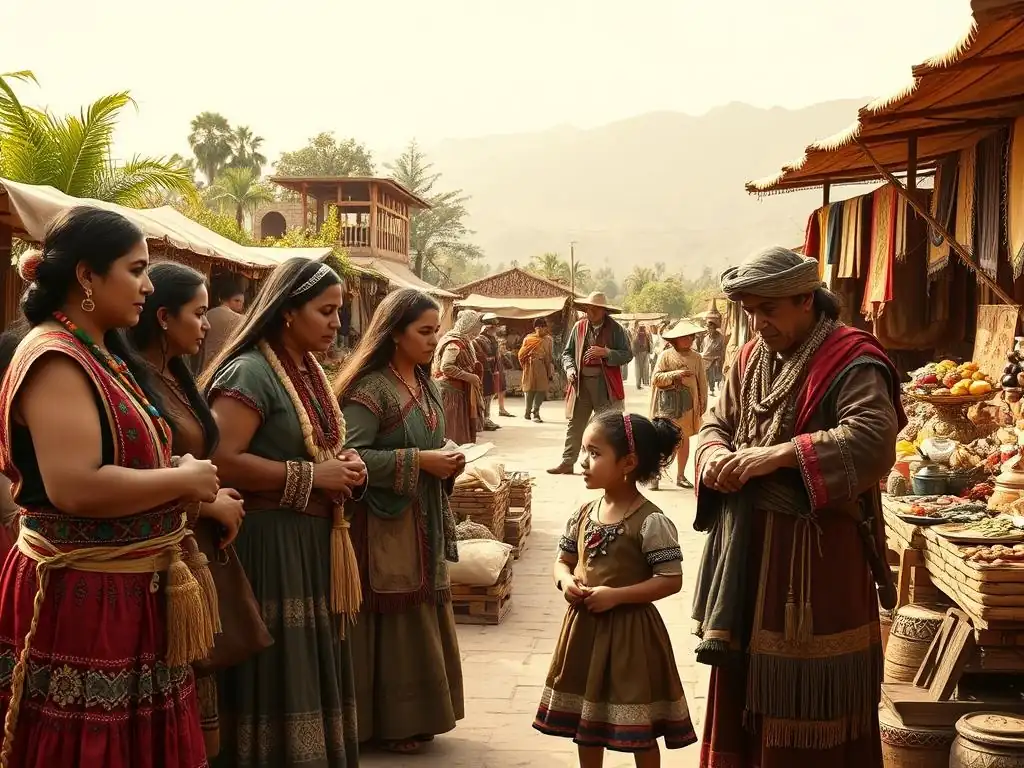
The period following the European conquest of the Americas was marked by significant cultural exchanges between indigenous peoples and European colonizers. This interaction led to various benefits, notably in the realms of identity preservation and cultural innovation. The blending of different cultural practices contributed to the resilience and adaptability of indigenous societies as they navigated the changing landscape after conquest.
One of the primary benefits was the preservation of indigenous identity through intermarriage, which served as a bridge between cultures. Families formed through these unions often maintained aspects of their ancestral traditions, ensuring that indigenous customs and values were passed down through generations. Furthermore, these cross-cultural relationships encouraged dialogue and understanding, which helped to mitigate some of the tensions that arose from colonization.
In addition, the creation of hybrid cultural practices and new traditions emerged from these exchanges. As indigenous communities and Europeans interacted, they began to adopt and adapt elements from one another, resulting in a vibrant tapestry of cultural expressions that celebrated both heritages. This blending of traditions not only enriched the cultural landscape but also fostered a sense of community and shared identity among diverse groups.
Preservation of Indigenous Identity Through Intermarriage
Intermarriage between indigenous peoples and Europeans was a crucial factor in the preservation of indigenous identity during the post-conquest era. These unions often allowed indigenous individuals to maintain a connection to their cultural roots while also navigating the new realities imposed by colonial powers.
As indigenous communities faced pressure to assimilate into European ways of life, intermarriage provided a means of retaining cultural practices. For instance, many indigenous women who married European men were instrumental in preserving their languages, traditions, and social structures within their families. They often acted as cultural brokers, imparting indigenous values to their children while also adapting to European customs.
Additionally, these marriages sometimes allowed indigenous families to gain social and economic advantages within colonial society. By establishing ties with European settlers, indigenous peoples could negotiate better terms of trade and access to resources, which further supported their cultural continuity.
Creation of Hybrid Cultural Practices and New Traditions
The interactions resulting from post-conquest relationships led to the emergence of hybrid cultural practices that combined elements from both indigenous and European traditions. This cultural syncretism manifested in various aspects of daily life, including art, music, religion, and cuisine.
For example, many indigenous communities integrated European agricultural techniques and crops into their traditional farming practices, leading to increased food security and diversity. Similarly, the fusion of musical styles gave rise to unique forms of expression that reflected both indigenous and European influences.
Religious practices also saw significant transformation, as indigenous beliefs often blended with Christianity, resulting in new rituals and celebrations that honored both spiritual heritages. These hybrid practices not only enriched cultural life but also fostered a sense of belonging and identity among communities navigating a rapidly changing world.
Challenges and Tensions in Post-Conquest Cultural Dynamics
While post-conquest cultural exchange offered various benefits, it was not without its challenges and tensions. The dynamics of intermarriage and cultural exchange created complexities that sometimes led to resistance and conflict within indigenous communities.
Resistance to Intermarriage from Indigenous Groups
Many indigenous groups exhibited resistance to intermarriage with Europeans, driven by a desire to preserve their cultural integrity and social structures. Concerns about loss of identity and dilution of indigenous traditions were prevalent, as communities feared that intermarriage would lead to the erosion of their unique cultural practices.
Additionally, power dynamics played a significant role in this resistance. Some indigenous leaders viewed intermarriage as a form of colonial domination and exploitation, perceiving it as a strategy employed by Europeans to assert control over indigenous populations. This led to tensions between those who supported intermarriage for pragmatic reasons and those who advocated for cultural preservation.
Societal Impacts of Cultural Exchange on Indigenous Communities
The societal impacts of cultural exchange on indigenous communities were profound and multifaceted. While some communities benefitted from the exchange, others faced significant upheaval. The introduction of European customs often led to shifts in social hierarchies and power structures within indigenous societies.
For instance, the adoption of European legal systems and land ownership concepts disrupted traditional governance and communal land practices. This shift could result in internal conflicts as communities grappled with new ways of organizing themselves.
Moreover, the hybridization of culture sometimes led to identity crises among younger generations, who found themselves straddling two worlds. The challenge of reconciling indigenous heritage with European influences often created tensions within families and communities, as individuals navigated their place in a rapidly evolving cultural landscape.
Overall, while post-conquest indigenous cultural exchange offered opportunities for resilience and adaptation, it also presented challenges that shaped the trajectory of indigenous societies in the Americas.
Long-Term Effects of Intermarriage on Indigenous Cultures
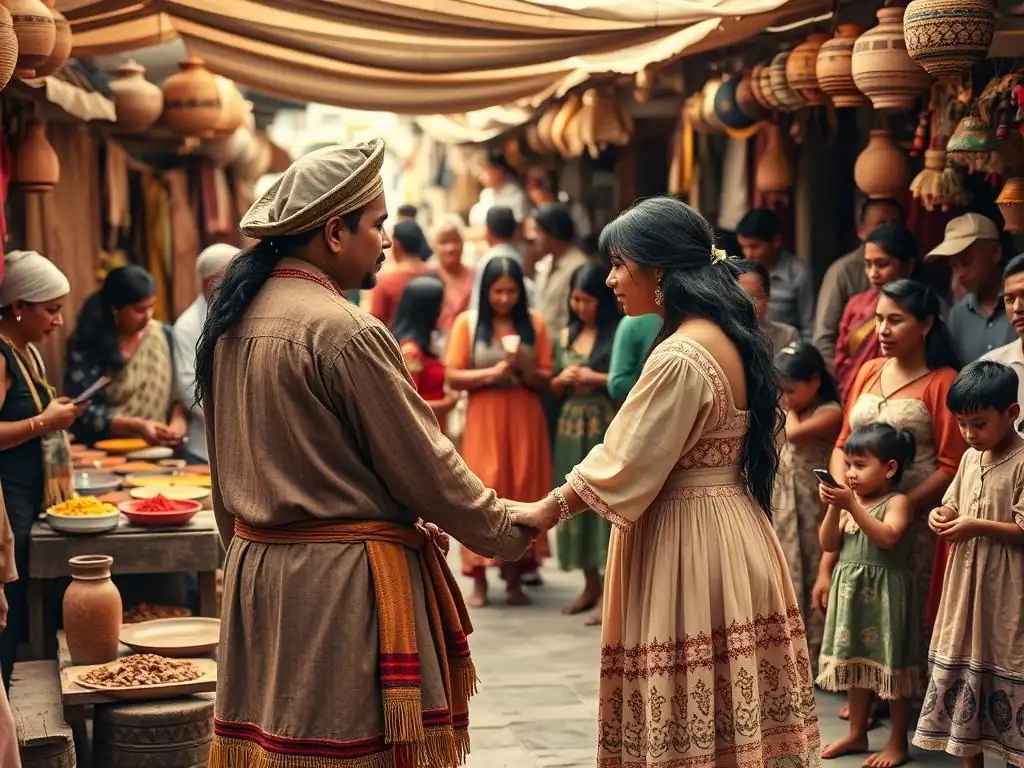
Intermarriage between Indigenous peoples and European colonizers had profound long-term effects on the cultural landscape of the Americas. This blending of cultures led to the emergence of new identities and social structures, as well as the reinterpretation of traditional practices. The offspring of these unions often navigated complex cultural terrains, embodying a mixture of Indigenous and European heritages.
Over generations, this cultural intermingling resulted in the creation of unique communities that maintained aspects of Indigenous traditions while also adopting European customs. In some regions, such as parts of Mexico and Peru, these mixed communities became vibrant centers of cultural synthesis, influencing local languages, religious practices, and artistic expressions. The long-term effects can be seen not only in the demographic shifts but also in the evolving narratives of identity, where individuals often claimed dual heritage as a source of strength and diversity.
Evolution of Identity in Post-Conquest Societies
The evolution of identity in post-conquest societies was significantly shaped by intermarriage. Indigenous peoples who engaged in relationships with European settlers often found themselves at the crossroads of conflicting cultural expectations. The challenges of maintaining Indigenous identity while assimilating into European-dominated societies led to a dynamic and often fluid sense of self.
For many, this resulted in the creation of new societal roles, such as mestizos, individuals of mixed Indigenous and European descent who played vital roles in bridging cultural divides. These evolving identities allowed for a distinct cultural expression that incorporated elements from both heritages. Such identities were not static; they adapted over time, influenced by social, political, and economic changes. This continual evolution has enriched the cultural tapestry of the Americas, creating a legacy of resilience and adaptability among Indigenous descendants.
Lasting Cultural Contributions and Exchanges
The lasting cultural contributions and exchanges resulting from post-conquest intermarriage are evident in various aspects of life across the Americas. Culinary traditions, for instance, saw significant transformations as Indigenous ingredients and cooking methods were combined with European techniques. This melding gave rise to unique dishes that reflect a rich culinary heritage still appreciated today.
Furthermore, artistic expressions flourished as Indigenous artisans incorporated European styles and motifs into their work, resulting in vibrant new forms of art. Similarly, religious syncretism emerged, where Indigenous beliefs intertwined with Catholicism, producing distinctive practices that continue to be celebrated in various communities.
Linguistically, many Indigenous languages absorbed European terms and concepts, leading to the evolution of pidgins and creoles that reflect this cultural exchange. Thus, the contributions from these interactions not only enriched Indigenous cultures but also reshaped broader societal norms and practices across the continent.
Conclusion: The Legacy of Post-Conquest Indigenous Cultural Exchange
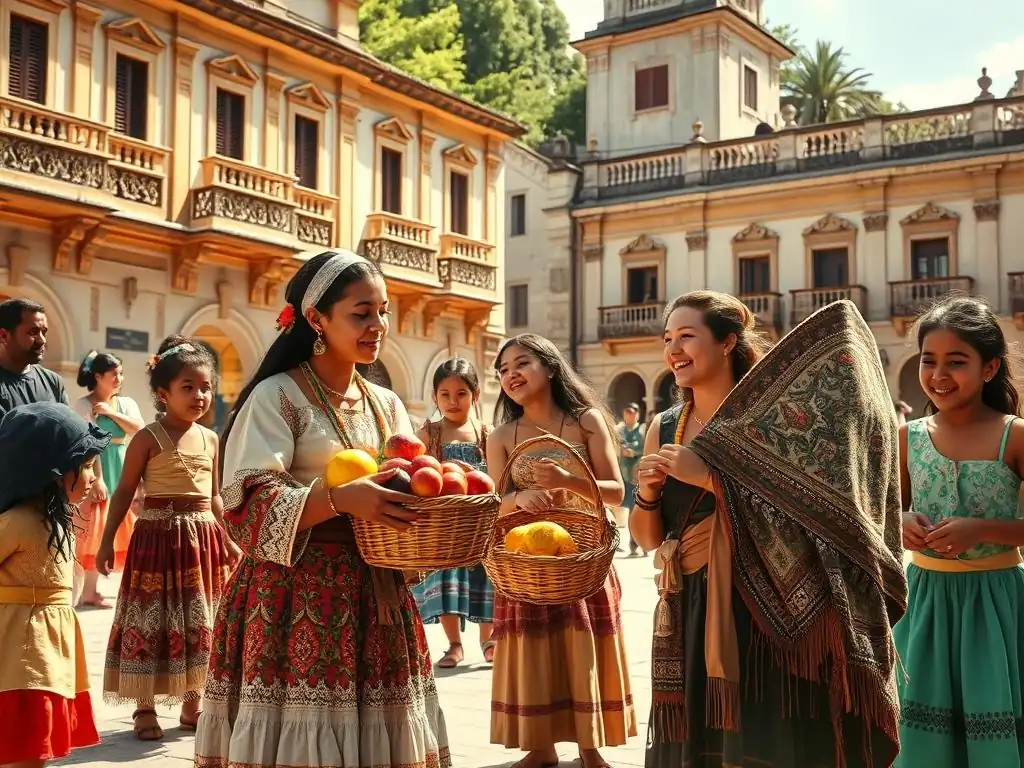
The legacy of post-conquest Indigenous cultural exchange is a testament to the resilience and adaptability of Indigenous peoples in the face of colonization. Intermarriage served as a crucial mechanism through which diverse cultures interacted, negotiated, and transformed one another. This ongoing exchange fostered the development of hybrid identities and new cultural expressions that continue to be relevant today.
Modern descendants of these early interactions often celebrate their mixed heritage as a source of pride, recognizing the complex histories that have shaped their communities. The legacy of this cultural exchange is not merely a historical relic but a living aspect of contemporary identity.
Reflection on Intermarriage as a Catalyst for Cultural Adaptation
Reflecting on intermarriage as a catalyst for cultural adaptation reveals the intricate ways in which societies evolve in response to external influences. Rather than viewing the post-conquest period solely as a time of loss for Indigenous cultures, it is essential to recognize the agency that Indigenous peoples exercised in adapting to new realities.
Intermarriage facilitated the negotiation of power dynamics, allowing Indigenous communities to influence colonial societies in various ways. This interaction led to the development of new social norms and cultural practices, underscoring the adaptability and resilience of Indigenous peoples. The ability to blend and reinterpret traditions highlights the dynamic nature of culture, emphasizing that adaptation is often a strength rather than a weakness.
Future Implications for Understanding Indigenous History and Culture
The implications of understanding intermarriage and cultural exchange extend into contemporary discussions about Indigenous history and culture. By acknowledging the complexities of post-conquest relationships, scholars and communities can foster a more nuanced view of Indigenous experiences and identities.
Recognizing the contributions of mixed heritage individuals to the broader narrative of Indigenous history allows for a richer appreciation of cultural diversity. As society continues to grapple with issues of identity, representation, and historical memory, the legacy of post-conquest Indigenous cultural exchange serves as a reminder of the enduring impact of these relationships on the cultural landscape of the Americas. Emphasizing the importance of these exchanges can contribute to a more inclusive understanding of history that honors all voices within the Indigenous narrative.
- Introduction to Post-Conquest Indigenous Cultural Exchange
- Historical Background of Post-Conquest Relationships
- The Role of Intermarriage in Shaping Cultural Exchange
- Case Studies of Intermarriage and Cultural Exchange
- The Benefits of Post-Conquest Indigenous Cultural Exchange
- Preservation of Indigenous Identity Through Intermarriage
- Creation of Hybrid Cultural Practices and New Traditions
- Challenges and Tensions in Post-Conquest Cultural Dynamics
- Long-Term Effects of Intermarriage on Indigenous Cultures
- Evolution of Identity in Post-Conquest Societies
- Lasting Cultural Contributions and Exchanges
- Conclusion: The Legacy of Post-Conquest Indigenous Cultural Exchange
- Reflection on Intermarriage as a Catalyst for Cultural Adaptation
- Future Implications for Understanding Indigenous History and Culture
- What is the primary focus of the article "Intermarriage and Cultural Exchange: The Dynamics of PostConquest Relationships"?
- How did intermarriage influence Indigenous cultures after European contact?
- What role did Indigenous women play in post-conquest cultural exchange?
- How does the article address the concept of "Post-Conquest Indigenous Cultural Exchange"?
- Why is understanding these cultural exchanges important today?
Frequently Asked Questions
What is the primary focus of the article "Intermarriage and Cultural Exchange: The Dynamics of PostConquest Relationships"?
The article emphasizes the dynamics of relationships formed through intermarriage between Indigenous peoples and Europeans, highlighting the resulting cultural exchange and its impact on post-conquest societies.
How did intermarriage influence Indigenous cultures after European contact?
Intermarriage led to blending of traditions, languages, and practices, creating hybrid cultures that reflected both Indigenous and European influences, significantly shaping the post-conquest landscape.
What role did Indigenous women play in post-conquest cultural exchange?
Indigenous women were often central to cultural transmission, serving as mediators between communities, which facilitated social cohesion and the exchange of knowledge and customs.
How does the article address the concept of "Post-Conquest Indigenous Cultural Exchange"?
The article explores Post-Conquest Indigenous Cultural Exchange as a vital process wherein Indigenous cultures adapted and incorporated elements from European settlers while maintaining their unique identities.
Why is understanding these cultural exchanges important today?
Understanding these exchanges is crucial for recognizing the resilience and adaptability of Indigenous cultures, as well as their ongoing impact on contemporary society and identity in the Americas.
Final Reflection: Embracing the Tapestry of Post-Conquest Indigenous Cultural Exchange
**The dynamics of post-conquest relationships reveal a profound truth about our shared humanity: **cultural exchange is not merely a byproduct of intermarriage, but a vital force that shapes identities and communities. As we navigate an increasingly interconnected world, understanding the complexities of these relationships becomes essential. The stories of intermarriage and cultural exchange remind us that our histories are intertwined, and that the legacies of the past continue to influence our present and future.
The impact of post-conquest indigenous cultural exchange resonates deeply in today’s society, where diversity is both celebrated and challenged. The blending of cultures through intermarriage has fostered rich traditions and new identities that reflect resilience and adaptability. > “In diversity, there is beauty and there is strength.” – Maya Angelou. This ongoing influence encourages us to embrace our differences and recognize the value in the stories that emerge from the intersections of various cultures. It is a testament to the enduring power of connection and understanding in a world that often seeks to divide.
As we reflect on the lessons of intermarriage and cultural exchange, I invite you to consider your own role in this tapestry of human experience. How can you contribute to fostering understanding and appreciation for diverse cultures in your community? Let us take inspiration from the past and actively engage in creating spaces where cultural exchange thrives, ensuring that the legacy of post-conquest relationships continues to enrich our lives for generations to come.
Embrace the Journey of Cultural Exchange!
Thank you for diving into the fascinating world of intermarriage and cultural exchange following historical events. Your interest plays a vital role in understanding the rich tapestry of our shared history. Now, let’s take your newfound insights and create positive change together!
- Dive deeper into your own heritage and explore how cultural exchanges have shaped your community. Visit local cultural sites or exhibitions to see these dynamics in action!
- Engage with others! Share this article with friends or on social media to spark conversations about the powerful stories of intermarriage and cultural resilience.
- Consider writing your own piece or blog post about a personal or historical experience related to cultural exchange— your voice matters!
As you reflect on these ideas, what unique story of cultural exchange from your own life would you like to share? Your experiences can inspire others on this enlightening journey!