
The Role of Ceremony in Maintaining Indigenous Identity PostConquest

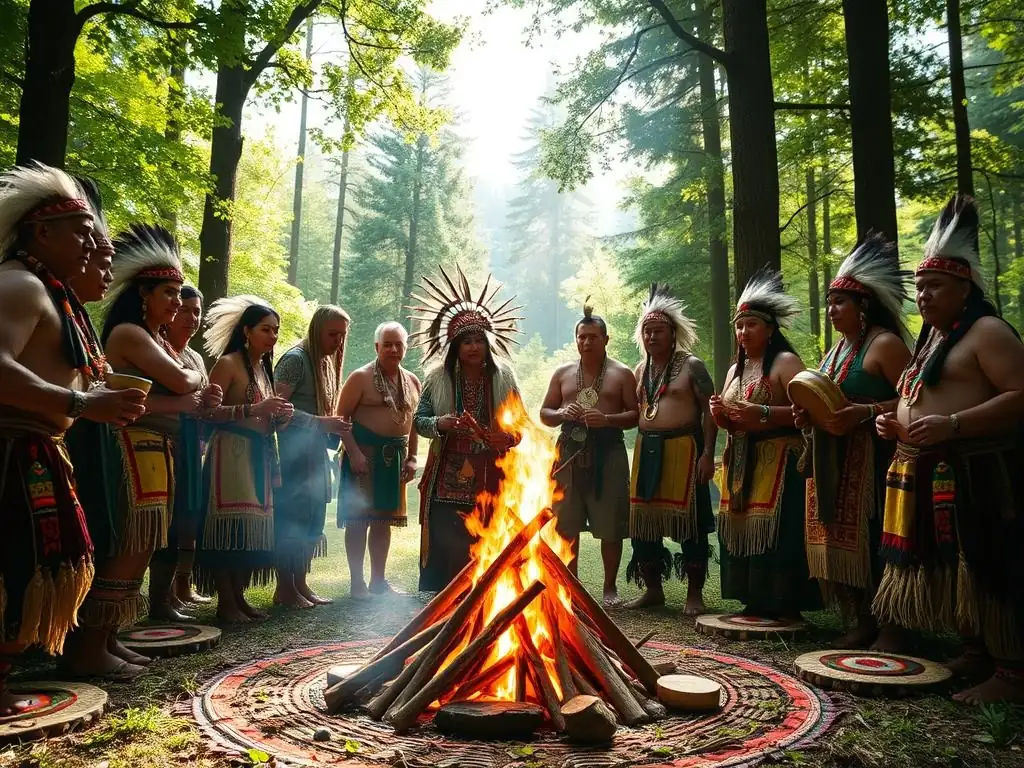
Welcome to Indigenous Civilizations of the Americas, where we invite you to embark on a fascinating journey through the rich tapestry of cultures that flourished across the continent long before European contact. Here, we delve into the profound significance of indigenous identity and ceremony, unraveling how these vibrant traditions have been pivotal in preserving heritage and fostering resilience in the face of conquest.
As you explore our in-depth article, "The Role of Ceremony in Maintaining Indigenous Identity PostConquest," you'll discover the intricate ways in which ceremony not only honors the past but also shapes the future. Prepare to be inspired and enlightened as you uncover the enduring legacy of indigenous civilizations!
Introduction to Indigenous Identity and Ceremony
The intricate relationship between indigenous identity and ceremony is a cornerstone of understanding how indigenous cultures have adapted and thrived in the wake of European conquest. For many indigenous peoples across the Americas, ceremonies serve not just as ritualistic practices but as vital expressions of identity, heritage, and community cohesion.
These ceremonies encapsulate historical narratives, reinforce cultural values, and provide a sense of belonging that has persisted despite the upheavals brought about by colonization. This article aims to explore the profound role that ceremonies play in maintaining indigenous identity in the post-conquest era, shining a light on how these traditions have evolved and adapted while remaining central to community life.
Importance of Ceremony in Indigenous Cultures
Ceremonies within indigenous cultures are multifaceted; they encompass a wide range of practices, from seasonal celebrations to rites of passage. Their significance can be summarized as follows:
- Cultural Preservation: Ceremonies help to pass down traditions, stories, and languages from one generation to the next, preserving the cultural fabric of the community.
- Spiritual Connection: Many indigenous ceremonies are rooted in spirituality, connecting participants with ancestral spirits, nature, and the cosmos.
- Community Cohesion: Gatherings for ceremonies foster unity among community members, strengthening social bonds and collective identity.
- Resistance and Resilience: In the face of colonization, ceremonies have become acts of resistance, asserting indigenous identity and sovereignty against external pressures.
These aspects highlight the critical role ceremonies play in affirming and revitalizing indigenous identity, especially in the context of post-conquest challenges.
Overview of Indigenous Identity Post-Conquest
The conquest of the Americas had profound implications for indigenous identities. Following European colonization, many indigenous peoples faced significant challenges, including:
- Cultural Disruption: Traditional ways of life were often violently disrupted, leading to the loss of languages, customs, and social structures.
- Forced Assimilation: Colonizers frequently imposed their beliefs and practices, attempting to erase indigenous identities through policies of assimilation.
- Survival of Traditions: Despite these challenges, many indigenous communities found ways to retain and adapt their cultural identities, often blending traditional practices with new influences.
Understanding the complexities of indigenous identity post-conquest requires an appreciation of how these communities navigated the pressures of colonization while preserving their unique cultural essence.
Historical Context of Indigenous Identity
Examining the historical context of indigenous identity reveals the profound impact of European conquest and the resilience of indigenous peoples in the face of adversity.
Impact of European Conquest on Indigenous Communities
The arrival of Europeans in the Americas brought about catastrophic changes for indigenous communities. Some key impacts include:
- Population Decline: Diseases introduced by Europeans decimated indigenous populations, leading to significant demographic shifts.
- Territorial Displacement: The seizure of land disrupted traditional ways of life and forced many communities into unfamiliar environments.
- Cultural Suppression: Colonizers often sought to eradicate indigenous spiritual practices and replace them with Christianity, leading to a loss of cultural practices.
These factors contributed to a deep sense of dislocation and change, yet many indigenous communities sought ways to reclaim and assert their identities through ceremony and tradition.
Changes in Cultural Practices and Beliefs
In response to the challenges posed by colonization, indigenous cultures underwent transformations that allowed them to adapt while maintaining core aspects of their identities:
- Syncretism: Many communities engaged in syncretism, blending traditional beliefs with introduced religious practices, creating unique expressions of faith that reflect both indigenous and European influences.
- Revitalization Movements: Throughout history, there have been movements aimed at revitalizing traditional practices and languages, emphasizing a return to cultural roots.
- Contemporary Ceremonies: Today, many indigenous groups continue to hold ceremonies that honor their ancestors, celebrate cultural heritage, and reaffirm their identities in modern contexts.
These changes illustrate the dynamic nature of indigenous identity, highlighting how ceremonies serve as a vital mechanism for cultural survival and renewal even in the face of ongoing challenges.
The Significance of Ceremony in Indigenous Identity
Ceremony plays a pivotal role in the expression and preservation of Indigenous identity, particularly in the aftermath of the European conquest. For many Indigenous communities, ceremonies act as vital conduits for cultural continuity, allowing them to reaffirm their identities in the face of historical trauma and ongoing marginalization. These practices are not merely rituals; they are embodiments of collective memory, spirituality, and social cohesion, linking generations past with those present and future.
Ceremonies serve to reinforce a sense of belonging and communal identity, offering a space where individuals can connect with their heritage, ancestors, and the natural world. In an era where Indigenous identities have been challenged and diluted, the significance of these ceremonies has only intensified, acting as both a means of survival and a declaration of resilience. They encapsulate the essence of what it means to be part of a particular Indigenous group, fostering pride and unity among members.
Definitions of Ceremony in Indigenous Cultures
In Indigenous cultures, the term "ceremony" encompasses a wide array of practices that hold spiritual, social, and cultural significance. These can include rites of passage, seasonal festivals, healing rituals, and community gatherings, each imbued with meanings that reflect the values and beliefs of the community.
Ceremonies are often defined by their connection to the land and environment, serving as reminders of the intrinsic relationship between people and nature. They may involve prayers, songs, dances, and offerings, all of which are meant to honor the spirits, ancestors, and the elements. Importantly, these ceremonies are not static; they evolve over time while maintaining core elements that resonate with Indigenous identity.
Types of Ceremonies and Their Functions
Indigenous ceremonies can be categorized into several types, each serving distinct functions within the community:
- Rites of Passage: These ceremonies mark significant transitions in an individual's life, such as birth, puberty, marriage, and death. They often involve specific rituals that impart cultural values and responsibilities to the individual.
- Seasonal Ceremonies: These are tied to agricultural cycles and natural events, such as planting and harvesting. They help communities celebrate and give thanks for the bounty of the earth, reinforcing their spiritual connection to land.
- Healing Ceremonies: These rituals are aimed at restoring balance and health within individuals and the community. They often involve traditional medicine, prayers, and the guidance of spiritual leaders.
- Cultural Festivals: These gatherings celebrate the community's unique heritage, showcasing traditional music, dance, and art. They serve as a platform for cultural expression and education, reinforcing identity and pride.
Ceremony as a Tool for Cultural Resistance
In the face of colonialism and ongoing systemic oppression, ceremonies have emerged as powerful tools for cultural resistance among Indigenous peoples. They serve not only to preserve traditions but also to assert the legitimacy of Indigenous identities in a world that has often sought to erase them.
Role of Ceremony in Preserving Traditions
Ceremonies are crucial for the transmission of knowledge and cultural practices from one generation to the next. They create opportunities for elders to share stories, teachings, and skills with youth, ensuring that the community's heritage remains vibrant and relevant. By participating in ceremonies, younger generations learn about their history, values, and the significance of their cultural practices, thereby reinforcing their sense of identity.
Moreover, these ceremonies often incorporate elements that address contemporary issues faced by Indigenous communities, such as land rights, environmental stewardship, and social justice. This adaptability allows ceremonies to remain relevant and impactful, serving as both a link to the past and a catalyst for future resilience.
Examples of Ceremonial Practices That Reinforce Identity
Several ceremonial practices illustrate how Indigenous identity is reinforced through ritual:
- Powwows: These gatherings are a celebration of Indigenous culture, featuring dancing, singing, and traditional dress. Powwows serve not only as a social gathering but also as a reaffirmation of cultural identity and community solidarity.
- Sun Dance: Practiced by various Plains Indigenous peoples, this ceremony is a complex ritual involving fasting, dancing, and prayer. It symbolizes renewal, sacrifice, and the connection to the spiritual world, reinforcing communal ties and cultural identity.
- Day of the Dead (Día de los Muertos): Celebrated by many Indigenous communities in Mexico, this ceremony honors deceased loved ones. It emphasizes the importance of ancestry and the ongoing relationship between the living and the dead, thus reinforcing cultural continuity.
These examples highlight the dynamic role of ceremony in maintaining Indigenous identity, showcasing how these practices are not merely historical relics but living traditions that continue to shape the lives of Indigenous peoples today.
Case Studies of Indigenous Ceremonies Post-Conquest
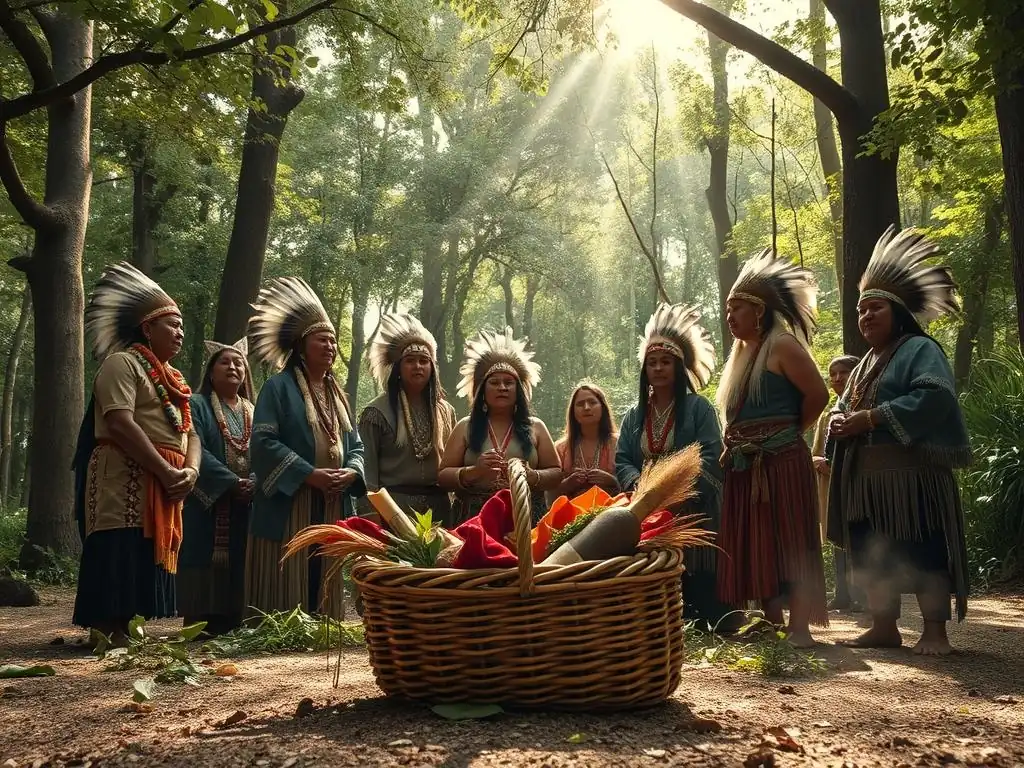
Indigenous ceremonies have played a vital role in maintaining cultural identity following European conquest. These events serve not only as a means of spiritual expression but also as a community gathering that reinforces social bonds, cultural teachings, and the continuity of traditions. Various case studies illustrate how specific ceremonies have adapted and evolved, showcasing resilience in the face of colonial challenges.
The Powwow and Its Role in Identity
The Powwow is a significant ceremonial gathering that has evolved as a prominent expression of Indigenous identity in North America. Originating from traditional intertribal gatherings, Powwows were redefined in the late 19th and early 20th centuries as a response to colonial pressures. They served as a way for various tribes to come together, celebrate their heritage, and assert their cultural identity in a landscape that often sought to erase their existence.
During a Powwow, participants engage in dance, music, and storytelling, fostering a sense of community and belonging. The event often features various competitions, such as dance contests and drumming, serving to highlight individual and collective achievements. This dynamic atmosphere reinforces Indigenous identity by celebrating cultural expressions and storytelling traditions, which are crucial for passing down knowledge and values to younger generations. As such, the Powwow has become a powerful symbol of resilience, unity, and the enduring legacy of Indigenous peoples.
The Sun Dance and Its Impact on Community
The Sun Dance is a sacred ceremony observed by several Plains tribes, including the Lakota and Cheyenne, traditionally held in the summer. This ritual embodies the interconnectedness of the individual, the community, and the spiritual world. Post-conquest, the Sun Dance has faced significant challenges, including attempts at suppression by colonial authorities. Nevertheless, its resurgence in contemporary society showcases the determination of Indigenous peoples to reclaim and revitalize their cultural practices.
The Sun Dance involves rigorous physical endurance, communal participation, and spiritual offerings, reflecting deep cultural values around sacrifice, renewal, and community healing. It serves not only as a rite of passage but also as a means of reinforcing collective identity and solidarity among tribes. Participants often express their hopes, prayers, and communal aspirations through this ceremony, thereby fostering a sense of belonging and continuity amid the backdrop of historical trauma. The revival of the Sun Dance has become a powerful tool for healing and reaffirmation of Indigenous identities, bridging the past and present.
The Evolution of Ceremony and Indigenous Identity
Indigenous ceremonies have undergone significant transformations in response to external pressures and changing social landscapes. This evolution is not merely a process of adaptation; it reflects a dynamic interplay between tradition and contemporary experiences, where cultural practices continue to thrive despite historical challenges.
Adaptation of Ceremonial Practices Over Time
Ceremonial practices have been continuously adapted to incorporate new elements while preserving essential cultural values. For example, many Indigenous communities have integrated contemporary music styles into traditional dances, creating a fusion that resonates with younger generations. This adaptation serves to maintain relevance and appeal, ensuring that ceremonies remain vibrant and engaging.
Moreover, the incorporation of modern technology, such as social media, has allowed for broader participation and awareness of ceremonies, enabling communities to share their practices with a global audience. These adaptations demonstrate the resilience and creativity inherent in Indigenous cultures, allowing them to navigate the complexities of modern existence while honoring their ancestral traditions.
Influence of External Factors on Indigenous Ceremonies
External factors, including governmental policies, societal attitudes, and environmental changes, have profoundly influenced the practice of Indigenous ceremonies. For instance, during the mid-20th century, various legal restrictions were placed on ceremonial practices, leading to a decline in participation and awareness. However, recent movements advocating for Indigenous rights have fostered a resurgence in ceremonial practices, emphasizing their importance in cultural identity.
Additionally, the ongoing issues related to land rights, environmental degradation, and social justice continue to shape the context in which ceremonies are practiced. Many Indigenous communities are now using ceremonies as platforms for activism, blending traditional spiritual practices with modern political movements. This intersection of ceremony and advocacy highlights the adaptability of Indigenous identities, showcasing how cultural practices can evolve while still honoring their historical roots.
Challenges to Maintaining Ceremony and Indigenous Identity
The preservation of ceremony as a means of sustaining Indigenous identity has faced numerous challenges, particularly in the wake of European conquest and subsequent modernization. These challenges are multifaceted and often intersect, influencing the ability of Indigenous communities to maintain their cultural practices and identities.
One significant challenge is the erosion of traditional knowledge and practices due to historical trauma, including forced assimilation and land displacement. Many Indigenous ceremonies were disrupted or prohibited, leading to a generational gap in knowledge transmission. As elders pass away without transferring their wisdom and practices, younger community members often feel disconnected from their cultural roots.
Additionally, the rapid pace of modernization has altered societal structures and lifestyles, resulting in a shift away from communal values that underpin many Indigenous ceremonies. Urbanization, economic pressures, and the influence of mainstream culture can lead to a dilution of traditional practices, making it increasingly difficult to engage in ceremonial life.
Effects of Modernization and Globalization
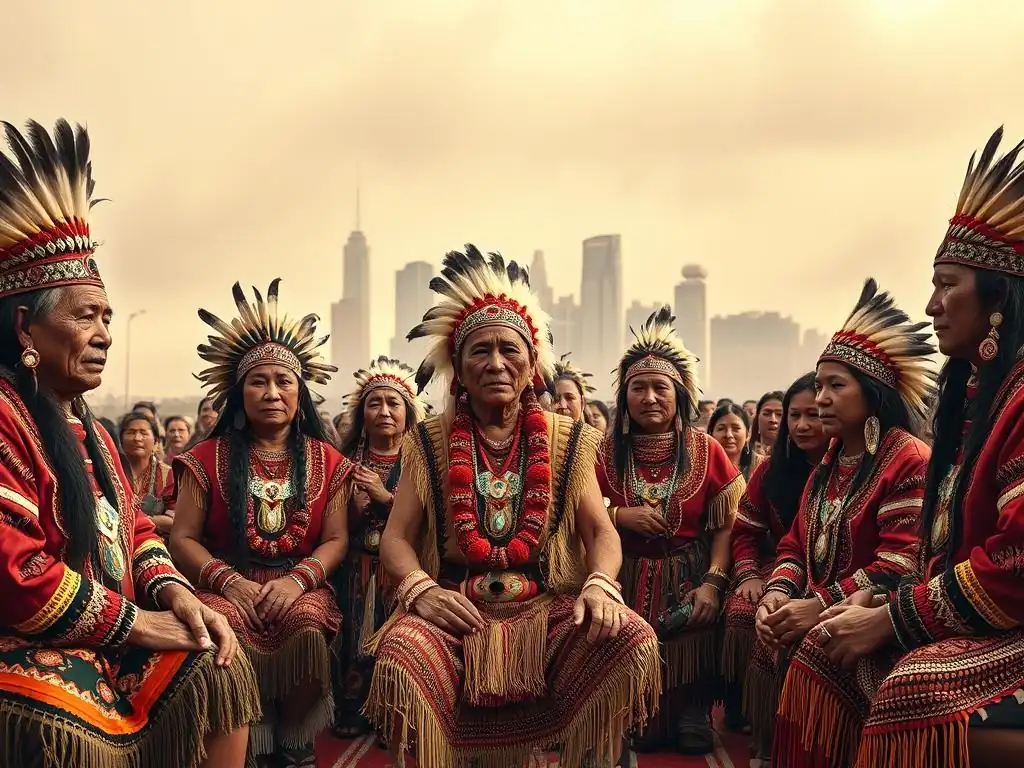
Modernization and globalization have undeniably impacted Indigenous communities, often posing threats to traditional ceremonial practices. The integration of modern technologies and lifestyles can lead to a decline in the participation of community members in ceremonies, as people become more absorbed in contemporary life and its demands.
Furthermore, globalization has facilitated the commodification of Indigenous cultures, where ceremonies may be performed for entertainment or tourism rather than for their original spiritual or community significance. This commodification can lead to a misrepresentation of Indigenous identities and practices, undermining their authenticity.
Despite these challenges, some Indigenous communities have adapted to modern influences by incorporating new elements into their ceremonies while preserving core traditional aspects. This blending can serve as a means of survival, allowing ceremonies to remain relevant in contemporary contexts while still honoring ancestral practices.
Legal and social barriers have also emerged as significant obstacles to the practice of Indigenous ceremonies. Historically, many Indigenous groups have faced legal restrictions that prohibited or regulated their ceremonial activities. These restrictions often stemmed from colonial policies aimed at eradicating Indigenous cultures and assimilating populations into dominant societal norms.
In contemporary society, issues such as land rights and access to sacred sites remain critical. Many ceremonies are intrinsically linked to specific geographical locations that hold cultural and spiritual significance. Legal battles over land ownership can hinder access to these sites, impacting the ability to perform traditional ceremonies.
Social barriers, including discrimination and misunderstanding from non-Indigenous populations, can further complicate the practice of ceremony. The lack of awareness about the importance of these traditions may lead to cultural appropriation or disrespect, causing Indigenous communities to feel marginalized or pressured to dilute their practices to fit within broader societal norms.
The Future of Ceremony in Indigenous Identity
The future of ceremony in maintaining Indigenous identity is one of resilience and potential revitalization. As communities continue to navigate the complexities of modern life, there is a growing recognition of the importance of ceremonies as vital expressions of cultural identity and continuity.
Revitalization Efforts in Indigenous Communities
Many Indigenous communities are undertaking revitalization efforts aimed at reclaiming and reinvigorating traditional ceremonial practices. These initiatives often involve intergenerational dialogue, where elders share their knowledge with younger members, ensuring that cultural practices are passed down and adapted for contemporary relevance.
Workshops, cultural camps, and community gatherings are being organized to foster participation and education around traditional ceremonies. Such events not only serve to educate but also to strengthen community bonds and reinforce a collective identity rooted in shared traditions.
Additionally, collaborations with academic institutions and Indigenous organizations are increasingly focused on documenting and preserving ceremonial practices, offering resources and support for communities engaged in revitalization efforts. These collective actions hold promise for the ongoing significance of ceremony in Indigenous identity.
Prospects for the Role of Ceremony in Future Generations
Looking ahead, the role of ceremony in Indigenous identity will likely evolve while remaining a cornerstone of cultural expression. As Indigenous communities adapt to ongoing challenges, there is potential for innovative ceremonial practices that reflect both ancestral traditions and contemporary realities.
Future generations may see a reimagining of ceremonies that incorporate technology and modern narratives, bridging the gap between past and present. This evolution could foster greater engagement among youth, encouraging them to participate actively in their cultural heritage.
Moreover, as global awareness of Indigenous rights and cultural diversity grows, there may be increased support for Indigenous ceremonial practices. Recognition of the value of ceremonies as integral to cultural identity could prompt policy changes and social movements aimed at protecting and promoting these vital traditions, ensuring their survival for future generations.
While challenges to maintaining ceremony and Indigenous identity persist, the resilience and creativity of Indigenous communities signal a hopeful future for these essential cultural practices.
Conclusion: The Enduring Power of Ceremony in Indigenous Identity
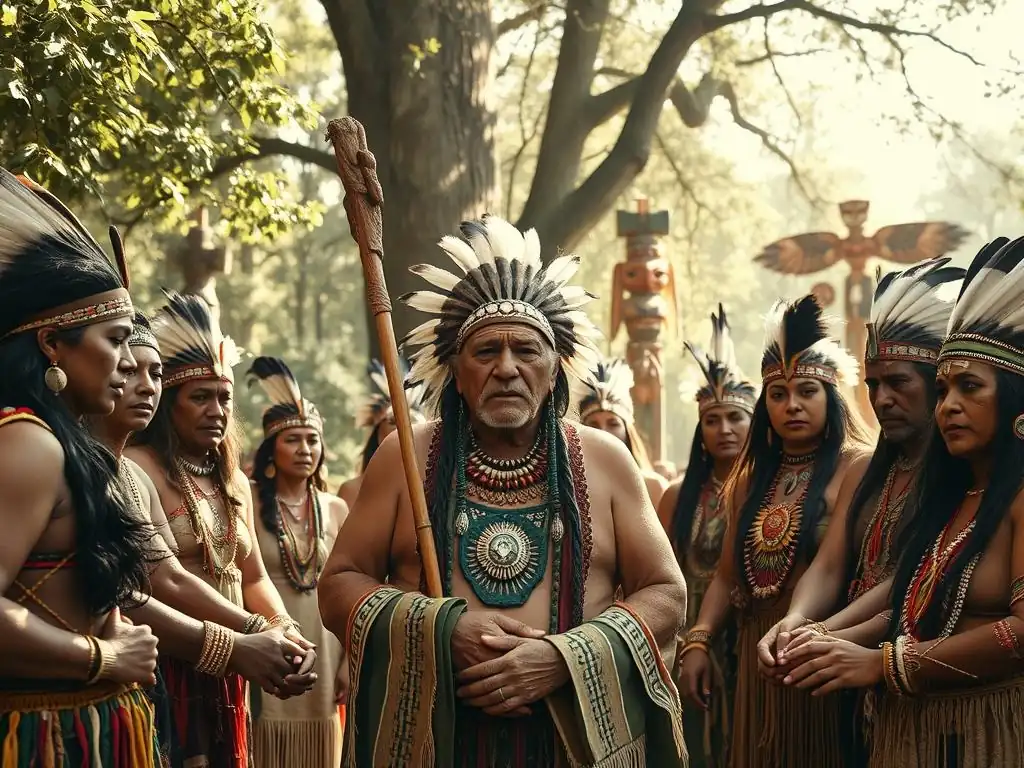
The role of ceremony in maintaining Indigenous identity post-conquest cannot be overstated. Ceremonies serve as vital expressions of cultural heritage, enabling Indigenous communities to preserve their historical narratives, spiritual beliefs, and social structures despite the pressures of colonialism. By participating in traditional rituals, Indigenous peoples reinforce their collective memory and identity, creating a sense of belonging and continuity that transcends generations.
Through ceremonies, communities are able to reclaim their narratives, reinforcing their resilience in the face of historical trauma. These events often serve as platforms for cultural education, where younger generations learn about their ancestors’ traditions, creating an intergenerational bond that is crucial for the survival of Indigenous identity. Furthermore, the act of gathering for ceremonies fosters community solidarity, allowing individuals to come together, share experiences, and support one another in their cultural journeys.
Summary of Key Points
- Cultural Preservation: Ceremonies are essential for preserving Indigenous traditions, languages, and practices that may have otherwise been lost due to colonial impacts.
- Identity Reinforcement: Participation in rituals helps individuals affirm their cultural identity and provides a sense of belonging within their community.
- Intergenerational Transmission: Ceremonies facilitate the transfer of knowledge and traditions from elders to youth, ensuring the continuity of cultural heritage.
- Community Cohesion: Gatherings for ceremonies strengthen social bonds and foster communal support, reinforcing collective identity and resilience.
- Resistance and Reclamation: Engaging in traditional practices acts as a form of resistance against colonial narratives, allowing Indigenous peoples to reclaim their histories and identities.
The Continuing Legacy of Ceremony in Indigenous Cultures
Indigenous ceremonies today reflect a blend of traditional practices and contemporary adaptations, demonstrating the dynamic nature of cultural expression. Many communities have revitalized ceremonies that were suppressed or altered during colonization, infusing them with new meanings while honoring their origins. For instance, powwows across North America serve not only as celebrations of Indigenous culture but also as arenas for political activism and cultural exchange.
Moreover, the resurgence of ceremonies has sparked a broader interest in Indigenous knowledge systems, prompting collaborations between Indigenous and non-Indigenous peoples aimed at fostering understanding and reconciliation. This exchange highlights the importance of ceremonies in educating others about Indigenous worldviews and experiences, contributing to greater respect and acknowledgment of Indigenous rights and heritage.
The enduring power of ceremony in Indigenous identity is evident in its ability to adapt and thrive despite historical challenges. Through these sacred practices, Indigenous peoples continue to assert their place in the world, ensuring that their cultural legacies remain vibrant and relevant for future generations. Each ceremony not only reinforces individual and collective identity but also serves as a testament to the resilience and richness of Indigenous cultures in the Americas.
- Introduction to Indigenous Identity and Ceremony
- Historical Context of Indigenous Identity
- The Significance of Ceremony in Indigenous Identity
- Ceremony as a Tool for Cultural Resistance
- Case Studies of Indigenous Ceremonies Post-Conquest
- The Evolution of Ceremony and Indigenous Identity
- Challenges to Maintaining Ceremony and Indigenous Identity
- Effects of Modernization and Globalization
- Legal and Social Barriers to Ceremonial Practices
- The Future of Ceremony in Indigenous Identity
- Conclusion: The Enduring Power of Ceremony in Indigenous Identity
- Summary of Key Points
- The Continuing Legacy of Ceremony in Indigenous Cultures
- What is the significance of ceremony in Indigenous cultures?
- How do ceremonies contribute to the preservation of Indigenous identity?
- In what ways have ceremonies evolved post-conquest?
- How do modern ceremonies reflect the challenges faced by Indigenous communities?
- What role do ceremonies play in community cohesion among Indigenous peoples?
Frequently Asked Questions
What is the significance of ceremony in Indigenous cultures?
Ceremony plays a crucial role in maintaining Indigenous identity by reinforcing cultural values, traditions, and community bonds, especially in the face of historical challenges.
How do ceremonies contribute to the preservation of Indigenous identity?
Ceremonies serve as a means to pass down knowledge, traditions, and spiritual beliefs, ensuring that the essence of Indigenous identities is preserved through generations.
In what ways have ceremonies evolved post-conquest?
Post-conquest, many ceremonies have adapted to incorporate new influences while still honoring traditional practices, helping communities reclaim and reinforce their cultural heritage.
How do modern ceremonies reflect the challenges faced by Indigenous communities?
Modern ceremonies often address social, political, and economic challenges, acting as a platform for advocacy and the assertion of Indigenous rights and identities.
What role do ceremonies play in community cohesion among Indigenous peoples?
Ceremonies foster a sense of belonging and unity among community members, helping to strengthen relationships and reinforce a shared Indigenous identity.
Final Reflection: The Enduring Power of Ceremony in Indigenous Identity
The role of ceremony in maintaining Indigenous identity is more crucial now than ever. As societies grapple with the legacies of colonialism, the resurgence of Indigenous practices and ceremonies serves as a powerful reminder of resilience and cultural continuity. In a world increasingly disconnected from its roots, the significance of these rituals transcends mere tradition; they embody the very essence of identity, community, and belonging.
Ceremony acts as a bridge between the past and the present, fostering a sense of unity and purpose among Indigenous peoples. The ongoing revival of these practices not only strengthens cultural ties but also challenges the dominant narratives that have historically marginalized Indigenous voices. As we witness this cultural renaissance, we are reminded of the words of Indigenous activist Winona LaDuke: We are the land. We are the water. We are the air. We are the people.
This profound connection underscores the importance of ceremony in nurturing a collective identity that honors both heritage and the environment.
As you reflect on the themes presented in this article, I invite you to consider how you can engage with and support Indigenous identities and ceremonies in your own life. Take a moment to appreciate the rich tapestry of cultures that surround you, and think about how you can contribute to the preservation and celebration of these traditions.
Whether through education, advocacy, or simply by participating in local ceremonies, your actions can help honor the resilience of Indigenous peoples and their enduring connection to their identities. Together, we can foster a deeper understanding and appreciation for the vital role that ceremony plays in shaping not only Indigenous identity but also the broader human experience.
Embrace and Celebrate Indigenous Ceremonies Today!
Thank you for exploring the vital role of ceremony in preserving Indigenous identity in our modern world. Your interest in this topic paves the way for a greater understanding and appreciation of cultural heritage. Now, let's translate that interest into meaningful action!
- Attend a local Indigenous ceremony or cultural event in your community. Experience the traditions firsthand and engage with community members.
- Share this article with friends and family to raise awareness about the significance of these ceremonies in shaping cultural identities.
- Explore literature and resources about Indigenous traditions— delve into the rich stories, songs, and ceremonies that have been passed down through generations.
As you reflect on the importance of culture and identity, consider this: How can you integrate or honor Indigenous practices in your daily life? Let's ignite a meaningful conversation!