
Impact of Colonial Education on the Suppression of Indigenous Spiritual Knowledge


Welcome to Indigenous Civilizations of the Americas, where we invite you to embark on a fascinating journey through the rich tapestry of indigenous cultures that flourished across the Americas long before European arrival. In our featured article, "Impact of Colonial Education on the Suppression of Indigenous Spiritual Knowledge," we delve into the profound effects of colonial education systems on native spiritual practices and the intricate knowledge that has shaped these vibrant societies.
Prepare to uncover the hidden narratives and resilient legacies of these remarkable civilizations, sparking your curiosity and inspiring a deeper understanding of their enduring influence. Dive in and explore the complexities of their experiences and contributions!
- Introduction to Colonial Education and Indigenous Spiritual Knowledge
- Historical Context of Colonial Education
- The Impact of Colonial Education on Indigenous Spiritual Knowledge
- Mechanisms of Suppression Through Education
- Resistance and Resilience of Indigenous Spiritual Knowledge
- Conclusion: The Lasting Impact of Colonial Education on Indigenous Spiritual Knowledge
- Call to Action: Supporting Indigenous Knowledge Systems
-
Frequently Asked Questions
- What is the main focus of the article "Impact of Colonial Education on the Suppression of Indigenous Spiritual Knowledge"?
- How did colonial education affect indigenous cultures?
- What were some specific methods used in colonial education to suppress indigenous knowledge?
- Why is it important to understand the impact of colonial education on indigenous spiritual knowledge today?
- How can the legacy of colonial education be addressed in contemporary society?
- Final Reflection: Unveiling the Shadows of Colonial Education
- Unveil the Path to Revive Indigenous Spiritual Wisdom!
Introduction to Colonial Education and Indigenous Spiritual Knowledge
The impact of colonial education on indigenous societies in the Americas is a profound and often painful chapter in the historical narrative of cultural suppression. As European powers exerted control over vast territories, they introduced educational systems aimed at assimilating indigenous peoples into colonial norms and values. This process often involved a systematic dismantling of indigenous spiritual knowledge, which was foundational to the identity and cultural practices of various communities.
Understanding the colonial education's role in this context is crucial to grasping the broader implications of European colonization and its enduring effects on indigenous cultures. This article will delve into the intricate relationship between colonial education and the suppression of indigenous spiritual knowledge, highlighting the complexities and consequences of these historical actions.
Overview of Colonial Education's Role in Indigenous Societies
Colonial education was designed to achieve specific objectives that aligned with the interests of European colonizers. It served not only as a tool for imparting knowledge but also as a mechanism for cultural domination and assimilation.
- Assimilation Policies: Many colonial governments implemented policies aimed at erasing indigenous identities. Educational institutions often enforced European languages, religions, and cultural practices, marginalizing traditional indigenous teachings.
- Missionary Influence: Missionaries played a significant role in establishing schools, where they aimed to convert indigenous peoples to Christianity. This often involved denouncing indigenous spiritual practices as "pagan" and encouraging students to abandon their cultural heritage.
- Curriculum and Content: The content taught in colonial schools predominantly reflected European perspectives, leading to a lack of representation of indigenous histories, languages, and spiritual practices. This exclusion contributed to the devaluation of indigenous knowledge systems.
These factors collectively created an environment where indigenous spiritual knowledge was not only suppressed but often ridiculed, leading to a generational disconnect between indigenous youth and their cultural heritage.
Importance of Indigenous Spiritual Knowledge in Pre-Colonial Cultures
Indigenous spiritual knowledge encompasses a rich tapestry of beliefs, practices, and worldviews that were integral to the lives of pre-colonial societies. Understanding its significance provides insight into the profound loss experienced by these communities due to colonial education.
- Cultural Identity: Spiritual knowledge was often intertwined with cultural identities, shaping the social structures, traditions, and practices of indigenous peoples. It fostered a sense of belonging and continuity within communities.
- Connection to the Environment: Many indigenous spiritual systems emphasized the interconnectedness of all living beings and the environment. This understanding fostered sustainable practices and deep respect for nature, which were often in stark contrast to colonial exploitation.
- Holistic Understanding of Knowledge: Indigenous education systems traditionally encompassed a holistic approach to learning, where spiritual, social, and practical knowledge coexisted. This comprehensive framework allowed for a deeper understanding of the world, nurturing not only individual growth but community cohesion.
By examining the importance of indigenous spiritual knowledge, we can begin to appreciate the depths of the cultural loss experienced due to colonial educational practices. The suppression of this knowledge not only affected individual identities but also had lasting repercussions on the fabric of indigenous societies.
Historical Context of Colonial Education
The Emergence of Colonial Education Systems
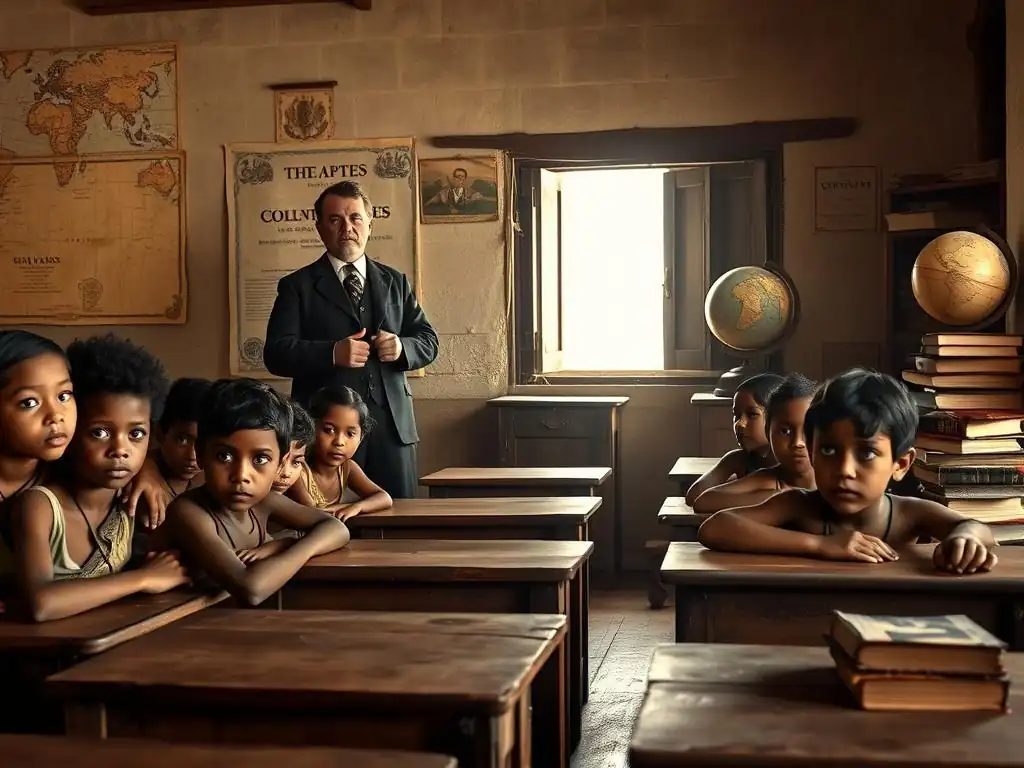
The establishment of colonial education systems can be traced back to the European powers' quest for control over newly acquired territories in the Americas. These systems emerged primarily in the 16th and 17th centuries as a means of disseminating European values and beliefs among indigenous populations. The primary objective was to impose a foreign cultural framework that would facilitate the colonial agenda.
Colonial education was characterized by a rigid curriculum that emphasized European history, language, and religious doctrine, often at the expense of indigenous knowledge systems. Schools were often run by religious orders, such as the Jesuits and Franciscans, who viewed education as a tool for evangelization. This approach led to the systematic devaluation of indigenous spiritual knowledge, creating a narrative that positioned European culture as superior.
The emergence of these educational systems also coincided with the establishment of colonial governments, which sought to create a compliant and subservient society. By controlling education, colonizers aimed to shape the identity of indigenous peoples, erasing their cultural heritage and spiritual practices.
Initial Interactions Between Colonizers and Indigenous Peoples
The initial interactions between colonizers and indigenous peoples were marked by a complex mix of curiosity, exploitation, and cultural exchange. Early European explorers often documented indigenous beliefs and practices, sometimes with respect, but more often with a sense of superiority and misunderstanding. These interactions laid the groundwork for the imposition of colonial education.
As colonizers sought to expand their influence, they recognized the importance of controlling indigenous knowledge systems. Initially, some missionaries engaged in dialogue with indigenous leaders, attempting to learn their languages and customs. However, this approach quickly shifted as colonizers realized that true control required the dismantling of indigenous spiritual frameworks.
Missionary schools became a primary vehicle for this transformation. Indigenous children were often forcibly removed from their families and communities to attend these institutions, where they were subjected to harsh discipline and indoctrination. The aim was to sever their ties to their cultural identities and replace them with colonial values.
Goals of Colonial Education: Assimilation and Control
The overarching goals of colonial education systems were twofold: assimilation and control. Assimilation involved molding indigenous peoples into subjects who would accept and adopt European ways of life, effectively erasing their cultural identities. Education was viewed as a means to achieve this goal by instilling European languages, religious beliefs, and social norms.
Colonial education not only sought to change the way indigenous peoples thought but also aimed to control their spiritual practices. By labeling indigenous beliefs as "pagan" or "heathen," colonizers justified the eradication of these practices in favor of Christianity. This led to the suppression of indigenous spiritual knowledge, often through punitive measures against those who resisted.
Moreover, colonial education served as a tool for social control. By promoting a Eurocentric worldview, colonizers ensured that indigenous peoples were seen as inferior and dependent. This created a power dynamic where indigenous knowledge was systematically belittled, contributing to the long-term marginalization of these cultures.
The impact of colonial education on indigenous spiritual knowledge was profound and devastating. It facilitated the systematic suppression of rich cultural traditions, leaving lasting scars on indigenous communities that resonate to this day. Understanding this historical context is crucial for recognizing the ongoing effects of colonial legacy in contemporary indigenous struggles for cultural revitalization and sovereignty.
The Impact of Colonial Education on Indigenous Spiritual Knowledge
Suppression of Traditional Knowledge Systems
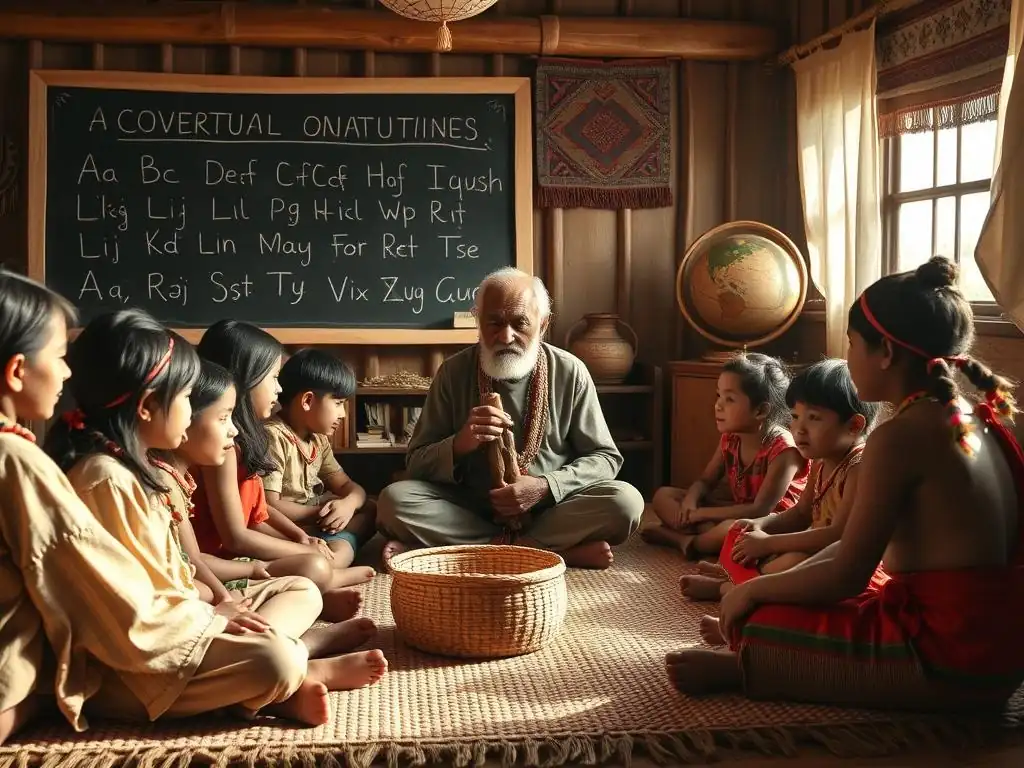
Colonial education systems were designed not only to impart European knowledge but also to actively suppress and dismantle existing indigenous knowledge systems. This was particularly evident in the Americas, where missionaries and colonial authorities sought to replace indigenous spiritual practices with Christian beliefs. Traditional knowledge systems, which encompassed a wide range of spiritual, medicinal, and ecological wisdom, were systematically undermined.
- Cultural Erasure: Indigenous children were often forcibly removed from their communities and placed in residential schools, where they were prohibited from speaking their native languages or practicing their spiritual traditions. This cultural erasure led to a significant loss of knowledge as elders, who were the custodians of spiritual practices, were no longer able to pass down their teachings.
- Curriculum Control: The curriculum in colonial schools typically emphasized European history, literature, and science while disregarding or misrepresenting indigenous cultures. As a result, indigenous students were not only deprived of their spiritual knowledge but were also taught to view their own traditions as inferior or primitive.
The consequences of such suppression are profound, leading to the fragmentation of indigenous identities and the disconnection of many from their spiritual roots.
Transformation of Indigenous Beliefs Through Education
The colonial education system did not merely suppress indigenous spiritual knowledge; it also aimed to transform it. This transformation was often framed as "civilizing" or "enlightening" indigenous peoples, but it predominantly involved the imposition of European values and beliefs.
- Syncretism: In some cases, indigenous peoples began to blend their traditional beliefs with Christian teachings. This syncretism resulted in new forms of spirituality that incorporated elements from both traditions, but it often came at the cost of traditional practices, which were deemed pagan or unacceptable by colonial authorities.
- Reinterpretation of Spiritual Practices: Colonial education also led to the reinterpretation of indigenous spiritual practices. For instance, rituals and ceremonies were often stripped of their original meanings and recontextualized to fit within a Christian framework. This gradual transformation diluted the essence of indigenous spirituality, making it more palatable to colonial sensibilities.
Despite these transformations, many indigenous communities have worked to reclaim and revitalize their spiritual knowledge in contemporary times, striving to reconnect with their ancestral traditions.
Case Studies of Specific Indigenous Groups Affected
Several indigenous groups across the Americas were significantly impacted by colonial education and the suppression of their spiritual knowledge. Here are a few notable case studies:
- The Lakota Sioux: The Lakota faced intense pressure to abandon their spiritual practices. The establishment of boarding schools aimed at assimilating Native American children into Euro-American culture led to a decline in traditional ceremonies, such as the Sun Dance. However, in recent years, there has been a resurgence of interest in Lakota spirituality, with efforts to revitalize and practice these sacred traditions.
- The Hopi Tribe: The Hopi people maintained a rich spiritual tradition centered around agriculture and seasonal ceremonies. Colonial education disrupted their practices by promoting individualism over communal values. The Hopi have since engaged in cultural revival movements to reclaim their spiritual practices, emphasizing the importance of kachina rituals and their connection to the land.
- The Inuit of Canada: Inuit education systems were heavily influenced by colonial ideologies that dismissed traditional ecological knowledge. The imposition of Western education led to a decline in the transmission of spiritual practices related to hunting, fishing, and family dynamics. Recently, Inuit communities have begun to integrate traditional knowledge into modern curricula, reaffirming the importance of their spiritual heritage.
These case studies illustrate the enduring impact of colonial education on indigenous spiritual knowledge and highlight the resilience of indigenous communities in their efforts to reclaim and revitalize their cultural identities.
Mechanisms of Suppression Through Education
Curriculum Design and Content Focus
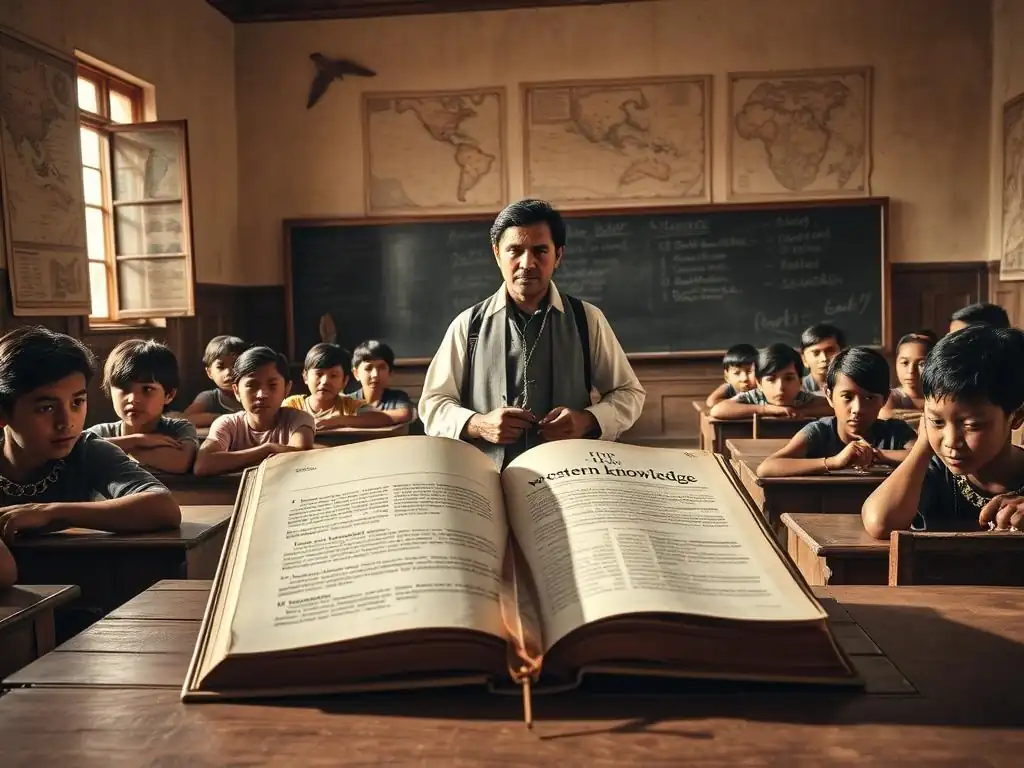
The curriculum designed under colonial education systems often reflected a Eurocentric worldview that marginalized and suppressed indigenous spiritual knowledge. Subjects taught in colonial schools typically emphasized European history, literature, and values, while indigenous perspectives were either omitted or misrepresented. This design had several implications:
- Selective Historical Narratives: The curriculum highlighted European achievements, often portraying indigenous civilizations as primitive or inferior. For example, the rich histories of the Aztec and Inca civilizations were overshadowed by a narrative that focused on European conquest and "civilizing" missions.
- Religious Indoctrination: Schools frequently incorporated Christian teachings that disparaged indigenous beliefs as pagan or superstitious. This not only devalued indigenous spirituality but actively sought to replace it with Christian doctrine.
- Practical Skills Over Cultural Knowledge: The focus on practical skills for labor and service further alienated indigenous students from their cultural heritage. By prioritizing agricultural techniques or vocational training, colonial education systems discouraged the transmission of traditional spiritual practices and knowledge.
The impact of this curriculum design is profound. It created a disconnect between indigenous youth and their spiritual roots, contributing to a gradual erosion of cultural practices and beliefs.
Language and Cultural Erasure in Educational Systems
Language plays a crucial role in the preservation of culture and spiritual knowledge. Colonial education systems often enforced the use of European languages, which had several detrimental effects on indigenous communities:
- Suppression of Indigenous Languages: Many colonial schools prohibited the use of indigenous languages, viewing them as barriers to "proper" education. This policy not only hindered communication but also diminished the transmission of spiritual teachings that were embedded in indigenous languages.
- Loss of Cultural Nuances: Language carries cultural nuances and spiritual concepts that are often untranslatable. The replacement of indigenous languages with European ones resulted in a significant loss of context and meaning associated with spiritual practices.
- Generational Disconnect: By imposing a foreign language, colonial education created a rift between generations. Elders who spoke indigenous languages found it increasingly difficult to communicate their spiritual knowledge to younger generations, leading to a decline in the practice and understanding of indigenous spirituality.
This language and cultural erasure contributed to a broader strategy of assimilation, further suppressing indigenous spiritual knowledge in favor of colonial narratives.
The Role of Missionaries in Shaping Educational Practices
Missionaries played a pivotal role in establishing educational institutions that aimed to convert indigenous peoples to Christianity. Their influence on education had far-reaching consequences for indigenous spiritual knowledge:
- Establishment of Mission Schools: Many mission schools were founded with the explicit purpose of indoctrinating indigenous youth into Christian beliefs. Education was often coupled with religious instruction, which sought to replace indigenous spiritual practices.
- Cultural Assimilation Programs: Missionaries often employed educational practices that aimed at cultural assimilation. This included the promotion of European customs and the denigration of indigenous traditions, which were often labeled as sinful or backward.
- Textbook Creation and Teaching Methods: Missionaries were instrumental in creating textbooks that presented a biased view of indigenous cultures and religions. These materials often contained inaccuracies and stereotypes, further entrenching misconceptions and reinforcing colonial narratives.
The involvement of missionaries in education not only facilitated the suppression of indigenous spiritual knowledge but also contributed to a broader cultural erasure that has had lasting effects on indigenous communities today.
Resistance and Resilience of Indigenous Spiritual Knowledge
Forms of Resistance to Colonial Educational Practices
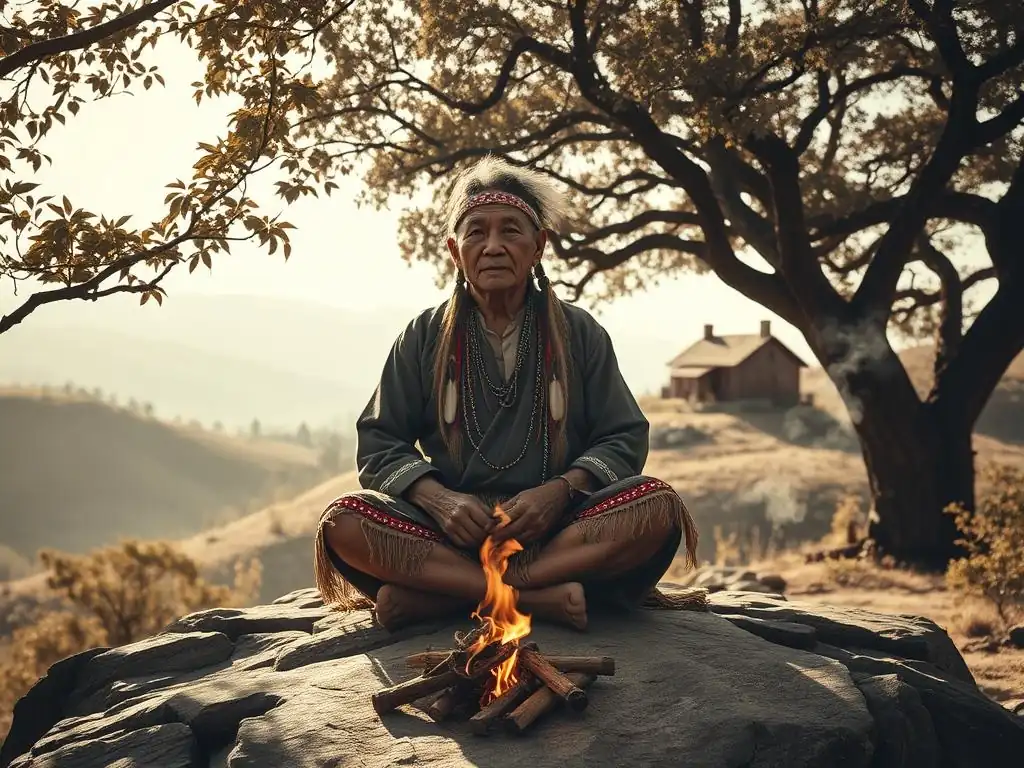
The imposition of colonial education systems sought to obliterate indigenous spiritual knowledge by promoting European religious and cultural values. However, indigenous communities employed various forms of resistance to combat this suppression:
- Cultural Retention: Many indigenous peoples maintained their spiritual practices covertly. Ceremonies, rituals, and traditional teachings were often conducted in secrecy, ensuring that the knowledge was passed down through generations despite the external pressures to conform.
- Creation of Hybrid Beliefs: Some communities blended elements of their spiritual traditions with those of the colonial powers, resulting in unique syncretic practices. For example, the integration of Catholic saints with indigenous deities allowed for the preservation of core beliefs while navigating colonial restrictions.
- Educational Alternatives: Indigenous leaders and elders often established their own educational systems, wherein they taught the youth about their spiritual beliefs and cultural heritage. This grassroots approach fostered a sense of identity and continuity, counteracting the colonial narrative.
Indigenous knowledge systems are more than mere beliefs; they are frameworks that sustain the community's worldview.
Preservation of Indigenous Spiritual Knowledge Amidst Suppression
Despite the relentless efforts of colonial education to erase indigenous spiritual knowledge, various strategies were employed to preserve these rich traditions:
- Oral Traditions: Oral storytelling has been a fundamental method for passing down knowledge. Elders shared lessons, myths, and teachings, keeping the spiritual practices alive through generations. This dynamic form of transmission allowed for adaptation and resilience in the face of colonial pressures.
- Sacred Sites: Many indigenous communities maintained their sacred sites as places of cultural and spiritual significance. These sites became focal points for community gatherings, rituals, and the reaffirmation of identity, serving as a bastion of resistance against colonial encroachment.
- Documentation: In some cases, indigenous scholars and activists began documenting their spiritual practices and beliefs in written form, creating a legacy that could withstand colonial narratives. This documentation has become vital for contemporary movements seeking to reclaim and revitalize indigenous knowledge.
| Preservation Strategy | Description |
|---|---|
| Oral Traditions | Storytelling to pass down spiritual knowledge. |
| Sacred Sites | Maintaining sites of cultural significance. |
| Documentation | Recording practices and beliefs in written form. |
Contemporary Revivals of Indigenous Spiritual Practices
In recent years, there has been a resurgence of interest in indigenous spiritual practices as communities seek to reclaim their heritage and identity in the face of historical suppression:
- Cultural Festivals: Events celebrating indigenous cultures have gained popularity, providing platforms for the expression of spiritual practices. These festivals often feature traditional ceremonies, music, dance, and art, fostering a collective identity and pride.
- Educational Initiatives: Many indigenous organizations are developing educational programs that focus on traditional knowledge systems and spiritual practices. These initiatives aim to empower younger generations and instill a sense of pride in their heritage.
- Interfaith Dialogues: Increasingly, indigenous spiritual leaders are engaging in dialogues with representatives of other faiths, promoting understanding and respect for indigenous beliefs while addressing the historical injustices faced.
- Digital Platforms: The rise of digital media has allowed for the dissemination of indigenous spiritual knowledge on a global scale. Online platforms provide spaces for education, sharing stories, and connecting with broader communities, amplifying the voice of indigenous peoples.
The revival of indigenous spiritual practices is not merely an act of remembrance but a powerful assertion of identity and resilience.
The impact of colonial education on indigenous spiritual knowledge has been profound, yet the resistance and resilience shown by indigenous communities continue to shape the narrative of cultural survival and revival today.
Conclusion: The Lasting Impact of Colonial Education on Indigenous Spiritual Knowledge
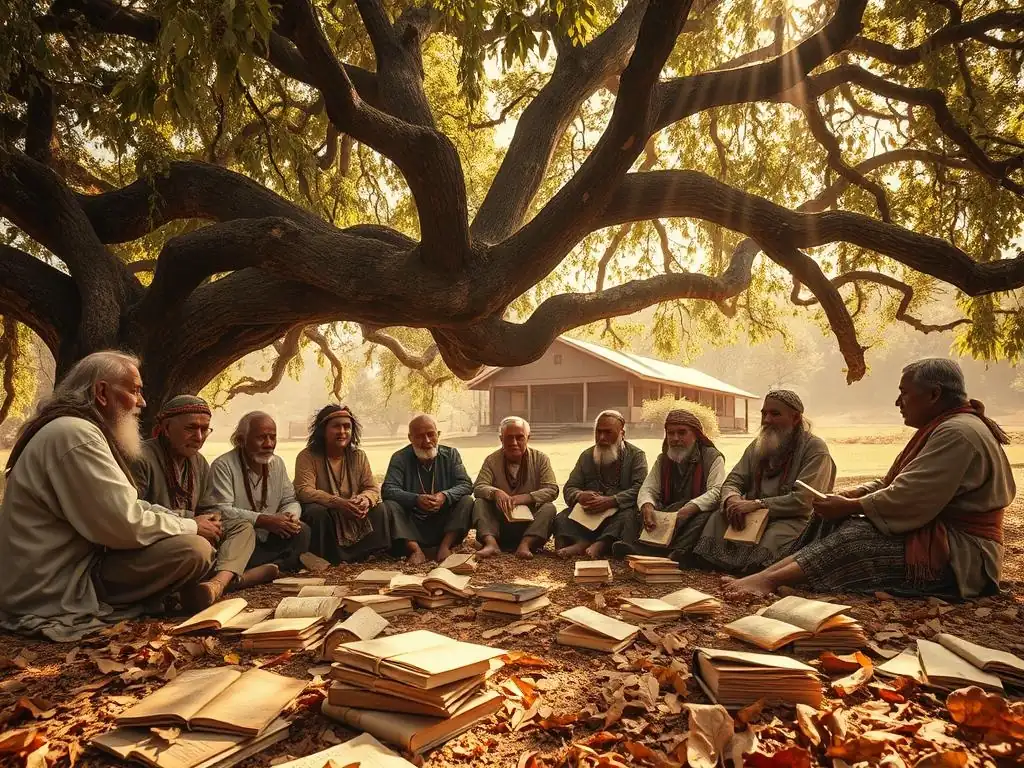
The legacy of colonial education has profoundly affected indigenous spiritual knowledge across the Americas. This educational system, designed to assimilate indigenous peoples into European norms, systematically undermined traditional beliefs and practices. Through methods such as forced attendance at missionary schools and the vilification of indigenous spiritual practices, colonial education created a significant disconnect between indigenous communities and their ancestral knowledge.
Colonial education not only suppressed indigenous spiritual knowledge but also fostered a sense of inferiority among indigenous peoples regarding their cultural identities. This resulted in a gradual erosion of traditional practices and beliefs, as generations were taught to view their own spiritual heritage as primitive or inferior. Consequently, many indigenous cultures faced significant challenges in preserving their unique spiritual identities and practices.
Reflection on the Long-term Effects of Education on Indigenous Cultures
The ramifications of colonial education extend far beyond the immediate suppression of spiritual practices. For many indigenous communities, the consequences have been intergenerational, affecting cultural transmission and identity formation. The educational policies that sought to eradicate indigenous languages and spiritual beliefs have led to a decline in cultural continuity.
- Cultural Disconnection: Many indigenous youth grow up with little knowledge of their spiritual traditions, leading to a disconnection from their heritage. This disconnection can manifest in various ways, including a reduced understanding of traditional ecological practices that are deeply intertwined with spiritual beliefs.
- Identity Crisis: The internalization of colonial narratives has resulted in an identity crisis for some indigenous individuals. The struggle to reconcile modern life with traditional beliefs often creates a sense of conflict, making it difficult for individuals to fully embrace their cultural roots.
- Psychological Impact: The legacy of colonial education has also contributed to psychological challenges within indigenous communities. Feelings of shame regarding one's culture can lead to lower self-esteem and mental health issues, further perpetuating cycles of marginalization.
- Community Resilience: Despite these challenges, many indigenous communities have shown remarkable resilience. Efforts to reclaim and revitalize indigenous spiritual knowledge are increasingly prominent, leading to a resurgence of interest in traditional practices and beliefs.
Importance of Reclaiming Indigenous Spiritual Knowledge Today
In contemporary society, the reclamation of indigenous spiritual knowledge is critical for several reasons:
- Cultural Revitalization: Reclaiming spiritual knowledge helps restore cultural practices that have been lost or suppressed. This revitalization fosters a sense of pride and identity among indigenous peoples.
- Environmental Sustainability: Indigenous spiritual knowledge often encompasses concepts of stewardship and respect for the land. By integrating these teachings into modern environmental practices, communities can promote sustainability and ecological health.
- Healing and Reconciliation: The process of reclaiming spiritual knowledge can be therapeutic, allowing individuals and communities to heal from the traumas of colonization. This healing contributes to broader reconciliation efforts between indigenous and non-indigenous populations.
- Educational Empowerment: As indigenous communities reclaim their spiritual knowledge, there is a growing movement to incorporate these teachings into educational curricula. This empowerment enables future generations to learn about and engage with their heritage in meaningful ways.
The impact of colonial education on indigenous spiritual knowledge is profound and lasting. However, through conscious efforts to reclaim and revitalize these traditions, indigenous peoples can forge a path toward cultural renewal, ecological sustainability, and personal empowerment. Embracing this journey is essential not only for the preservation of indigenous cultures but also for the enrichment of global diversity.
Call to Action: Supporting Indigenous Knowledge Systems
The impact of colonial education on indigenous spiritual knowledge has been profound and far-reaching. As we explore this topic, it becomes increasingly vital to take actionable steps in supporting the preservation and revitalization of indigenous knowledge systems. These systems encompass not only spiritual beliefs but also cultural practices, languages, and traditions that are integral to the identity of indigenous peoples across the Americas.
By actively advocating for the recognition of indigenous rights, we can help counteract the historical injustices inflicted by colonial education systems that sought to suppress and erase indigenous spiritual knowledge. Below, we outline practical approaches to foster a supportive environment for indigenous communities.
How to Advocate for Indigenous Rights and Knowledge
- Educate Yourself and Others
- Understand the History: Familiarize yourself with the historical context of colonial education and its effect on indigenous spiritual knowledge. This includes studying key events, policies, and the voices of indigenous communities.
- Share Knowledge: Use your platforms—social media, local events, or community gatherings—to disseminate information about indigenous cultures and their spiritual practices.
- Support Indigenous Organizations
- Donate: Contribute financially to indigenous-led organizations that work towards preserving cultural heritage and advocating for rights.
- Volunteer: Offer your time and skills to local indigenous groups, helping them with their initiatives or educational programs focused on spiritual knowledge.
- Advocate for Policy Change
- Engage in Activism: Participate in campaigns that promote the rights of indigenous peoples, such as land rights, cultural recognition, and educational reforms.
- Contact Representatives: Reach out to local and national lawmakers to voice your support for policies that acknowledge and protect indigenous spiritual practices and knowledge.
- Participate in Cultural Events
- Attend Workshops and Ceremonies: Engage with indigenous communities by attending cultural events, workshops, and ceremonies to better understand their spiritual practices and traditions.
- Respect and Learn: Approach these events with humility, respect, and a willingness to learn, recognizing that participation should not be exploitative but rather supportive.
Resources for Further Learning About Indigenous Spirituality
To deepen your understanding of indigenous spiritual knowledge and its significance, consider exploring the following resources:
| Resource Type | Title / Description | Link (if applicable) |
|---|---|---|
| Books | "Braiding Sweetgrass" by Robin Wall Kimmerer | [Link Pending] |
| Documentaries | "In the Light of Reverence" - A documentary on sacred sites | [Link Pending] |
| Websites | Indigenous Peoples Literature - A hub for indigenous writings | [Link Pending] |
| Online Courses | Courses on indigenous rights and knowledge offered by universities | [Link Pending] |
By engaging with these resources, you can further enrich your understanding of the complexities surrounding indigenous spiritual knowledge and the ongoing efforts to restore and honor these traditions in the face of historical suppression. Together, we can support the resilience and revival of indigenous cultures across the Americas.
Frequently Asked Questions
What is the main focus of the article "Impact of Colonial Education on the Suppression of Indigenous Spiritual Knowledge"?
The article examines how colonial education systems were designed to suppress indigenous spiritual knowledge, undermining the cultural practices and beliefs of indigenous peoples in the Americas.
How did colonial education affect indigenous cultures?
Colonial education imposed European values and beliefs, leading to the erosion of indigenous cultures. This resulted in the loss of traditional spiritual practices and knowledge that had been passed down through generations.
What were some specific methods used in colonial education to suppress indigenous knowledge?
Colonial education often utilized language barriers, cultural assimilation practices, and religious indoctrination to diminish the role of indigenous spiritual knowledge, promoting instead a Eurocentric worldview.
Why is it important to understand the impact of colonial education on indigenous spiritual knowledge today?
Understanding this impact is crucial for recognizing the historical injustices faced by indigenous communities, as well as for supporting cultural revitalization efforts and the reclaiming of spiritual practices that were suppressed.
How can the legacy of colonial education be addressed in contemporary society?
Addressing this legacy involves promoting culturally relevant education, acknowledging historical wrongs, and creating spaces for indigenous voices to share their spiritual knowledge and practices, fostering healing and reconciliation.
Final Reflection: Unveiling the Shadows of Colonial Education
The impact of colonial education on indigenous spiritual knowledge is not just a historical footnote; it is a pressing issue that resonates deeply in today's society. As we navigate a world increasingly aware of the importance of cultural diversity and the rights of indigenous peoples, we must confront the legacy of colonial education that sought to erase these rich spiritual traditions. This ongoing struggle for recognition and respect underscores the urgency of reclaiming indigenous knowledge systems and fostering a more inclusive narrative.
The suppression of indigenous spiritual knowledge has left profound scars on cultural identities, yet the resilience of these communities continues to shine through. The ongoing revival of indigenous practices and teachings serves as a testament to the strength and determination of those who have fought against centuries of erasure.
As noted by scholar Vine Deloria Jr., “The greatest tragedy of the Indian is that he has been made to feel that he is not a part of the world.” This quote encapsulates the enduring impact of colonial education, reminding us that the journey toward healing and recognition is still very much alive.
As we reflect on the lessons of this article, let us commit to amplifying indigenous voices and honoring their spiritual knowledge in our own lives. Consider how you can contribute to the restoration of these traditions, whether through education, advocacy, or personal exploration. By embracing the richness of indigenous cultures and challenging the narratives imposed by colonial systems, we can foster a more equitable and respectful world for future generations.
Unveil the Path to Revive Indigenous Spiritual Wisdom!
Thank you for taking the time to explore how colonial education has impacted the suppression of Indigenous spiritual knowledge. Your engagement with this important topic is a step toward understanding and reclaiming these rich traditions. Now, let's take meaningful action together!
- Join a local workshop or seminar focused on Indigenous spirituality to deepen your understanding and connect with the community.
- Share this article with friends and family to raise awareness about the significance of preserving Indigenous knowledge.
- Explore genuine Indigenous literature and art to support Indigenous creators and foster a richer appreciation for their cultural heritage.
What steps will you take today to help revive and protect Indigenous spiritual knowledge in your community?