
The Stories of Incan Survivors: Voices from the Shadows of Conquest

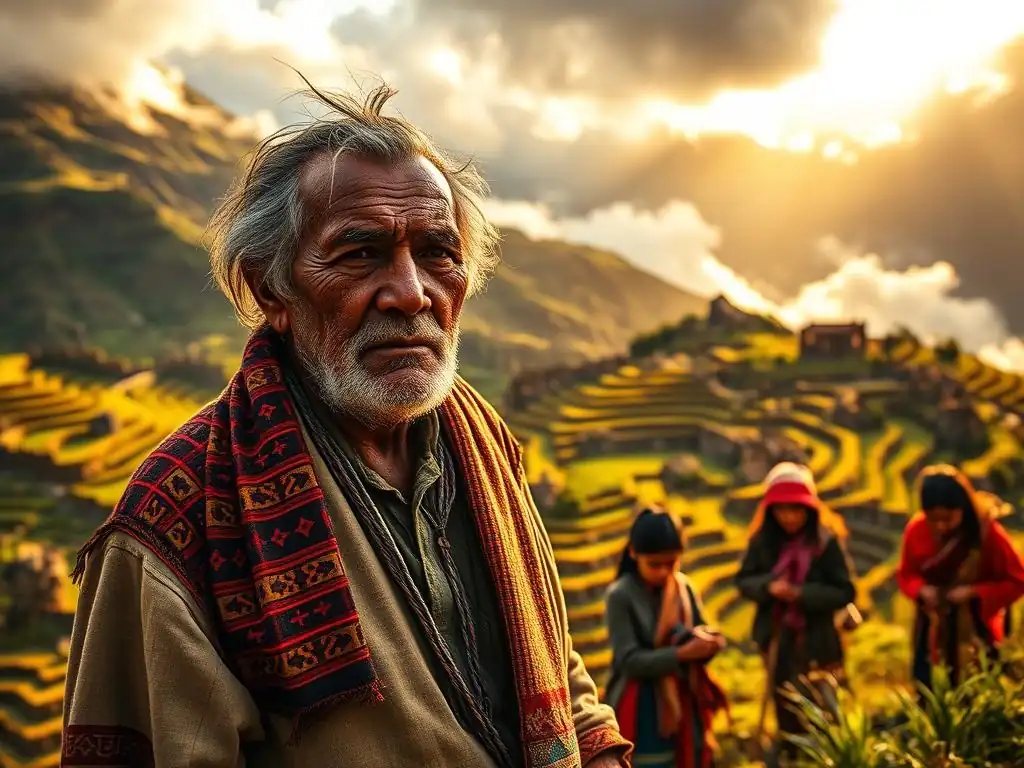
Welcome to Indigenous Civilizations of the Americas, where we delve into the rich tapestry of cultures that flourished across the continent long before European contact. In our featured article, “The Stories of Incan Survivors: Voices from the Shadows of Conquest,” we invite you to uncover the remarkable narratives of resilience and endurance that echo through time. Discover the vibrant lives, customs, and traditions of the Incan people, and learn how their legacies continue to shape our understanding of history today.
Join us on this enlightening journey as we explore the profound impact of European conquest on these extraordinary civilizations and the stories that deserve to be told. Your adventure into the heart of indigenous heritage begins here!
Introduction to Incan Survivor Stories and Culture
The tales of Incan survivors are not just remnants of a past marred by conquest; they are vibrant narratives that encapsulate the resilience, adaptation, and enduring spirit of the Indigenous peoples of the Andes. These stories offer profound insights into the rich tapestry of Incan culture and society that flourished long before the Spanish arrived.
By delving into the Incan survivor stories and culture, we uncover the layers of history that reflect both the trauma of colonization and the strength of those who lived through it. Amidst the shadows of conquest, the voices of these survivors resonate, reminding us of the complexities of cultural survival and transformation.
The Importance of Oral Histories in Indigenous Cultures
Oral histories play a crucial role in preserving the legacies of Indigenous cultures, serving as a primary means of transmitting knowledge, traditions, and values across generations. For the Incan descendants, these stories are vital in maintaining a connection to their ancestors and cultural identity.
- Cultural Preservation: Oral traditions help safeguard the language, myths, and customs that define Incan heritage.
- Community Identity: Sharing stories fosters a sense of belonging and strengthens the bonds within communities.
- Historical Record: Oral narratives offer alternative perspectives on historical events, often contrasting with written accounts from colonial sources.
Oral histories are not just stories; they are the very fabric of our identity, woven through time and experience.
Overview of the Impact of Spanish Conquest on Incan Society
The Spanish conquest marked a pivotal turning point for the Incan Empire, leading to profound changes in their social, political, and cultural structures. The arrival of Spanish conquistadors in the early 16th century brought not only violence and upheaval but also a series of devastating consequences:
- Collapse of Political Structures: The swift downfall of the Incan leadership resulted in a power vacuum that led to internal strife and fragmentation.
- Cultural Suppression: Spanish colonizers imposed their language, religion, and customs, often eradicating indigenous practices.
- Economic Exploitation: The extraction of resources and forced labor systems, such as the encomienda, devastated local economies and communities.
The Historical Context of the Incan Empire
To fully understand the stories of Incan survivors, it is essential to explore the historical context of the Incan Empire. The Incas, who established one of the largest empires in pre-Columbian America, were renowned for their architectural achievements, agricultural innovations, and complex societal structures.
Rise and Fall of the Incan Civilization
The Incan Empire emerged in the early 15th century, expanding rapidly under the leadership of notable rulers like Pachacuti. This expansion was characterized by:
- Territorial Growth: Incorporating diverse cultures and peoples from modern-day Peru, Ecuador, Bolivia, and parts of Chile and Argentina.
- Infrastructure Development: Building extensive road systems, agricultural terraces, and architectural marvels like Machu Picchu.
- Systems of Governance: Establishing a centralized administration that facilitated trade and resource distribution.
However, by the late 16th century, the empire faced significant challenges, including civil wars and the Spanish invasion, leading to its eventual collapse.
Key Figures in Incan History Before the Conquest
Several key figures played pivotal roles in shaping the Incan civilization before the arrival of the Spanish:
- Pachacuti: The ninth Inca ruler, credited with transforming the kingdom into a vast empire through military conquests and state reforms.
- Topa Inca Yupanqui: Pachacuti’s son, who expanded the empire further and consolidated its power.
- Atahualpa: The last Inca emperor, whose reign ended with his capture and execution by Spanish conquistadors.
These historical figures not only shaped the Incan Empire but their legacies also influence the narratives of survival and cultural resilience that persist in the voices of their descendants today.
The Experience of Incan Survivors During the Conquest
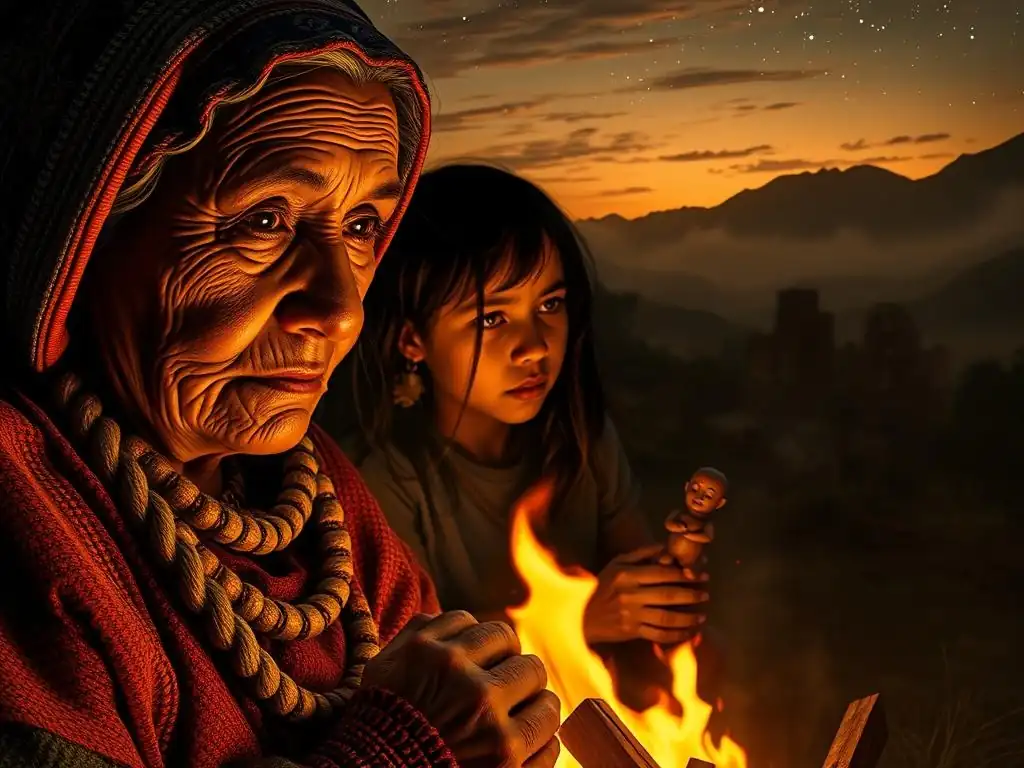
The Spanish conquest of the Incan Empire in the 16th century was a cataclysmic event that reshaped the lives of countless indigenous people. The experience of Incan survivors during this tumultuous period was marked by violence, loss, and upheaval. As Spanish forces led by Francisco Pizarro invaded the Andes, they encountered a complex society that had thrived for centuries. The initial encounters were often deceptive; the Incas, eager to understand their new visitors, attempted to engage diplomatically. However, as greed and ambition fueled the Spanish, it soon devolved into a brutal campaign of subjugation.
Many Incan survivors witnessed the destruction of their communities, as Spanish troops plundered cities, seized resources, and imposed foreign rulers. The devastation was not just physical; it also tore apart the social fabric of Incan society. Traditional leadership structures were dismantled, and the population was subjected to forced labor and conversion to Christianity, leading to the erasure of many cultural practices. Survivors of this era were left grappling with a profound sense of loss, struggling to reconcile their identities with the stark realities of colonial oppression.
Personal Accounts of Incan Survivors
Personal narratives from Incan survivors provide a poignant glimpse into the individual experiences that characterized this dark chapter in history. These accounts often reveal the emotional turmoil faced by those who lost loved ones, homes, and their way of life. For instance, one well-documented account is that of a young Incan woman who spoke of her family's struggle after the death of her father during a violent encounter with Spanish soldiers. She recounted how her family attempted to flee into the mountains to escape the relentless pursuit of colonizers, illustrating the deep fear and desperation that permeated their lives.
Moreover, some survivors managed to document their experiences through oral traditions, which were later transcribed by sympathetic chroniclers. These stories often highlight themes of resilience and resistance, showcasing how survivors fought to preserve their culture amidst overwhelming odds. They reveal not only the trauma of conquest but also the strength of the human spirit in the face of adversity.
The Role of Women in Incan Society During Conquest
Women held a vital role in Incan society, serving as caretakers, agriculturalists, and weavers, among other important functions. During the conquest, their roles became even more critical as communities faced the threat of annihilation. Many women were forced into positions of leadership, taking on responsibilities to ensure the survival of their families and communities. They organized resistance efforts and played a pivotal part in the preservation of cultural practices, even as they faced their own personal tragedies.
The narratives of these women often reflect their resilience and adaptability. For example, some women would hide sacred objects or texts, ensuring that elements of their culture could be passed down to future generations. Their stories reveal how, despite the violence and disruption caused by the conquest, women became central figures in the maintenance of Incan identity and heritage.
Cultural Resilience Amidst Destruction
Despite the overwhelming challenges posed by the Spanish conquest, Incan survivors exhibited remarkable cultural resilience. This resilience was manifested in various forms, including the preservation of language, traditions, and spiritual practices. Many survivors continued to practice their ancestral customs in secret, often blending them with new beliefs introduced by the Spanish missionaries. This syncretism allowed for a continuation of cultural identity, even in the face of oppression.
Art and storytelling became vital tools for cultural transmission. Survivors used oral histories to pass down knowledge about their ancestors, agricultural practices, and spiritual beliefs. Festivals and rituals often adapted to incorporate elements from both Incan and Spanish traditions, creating a unique cultural tapestry that reflected the complexities of their experiences. This ability to adapt and persevere highlights the strength of the Incan spirit and the enduring legacy of their culture.
Themes in Incan Survivor Stories
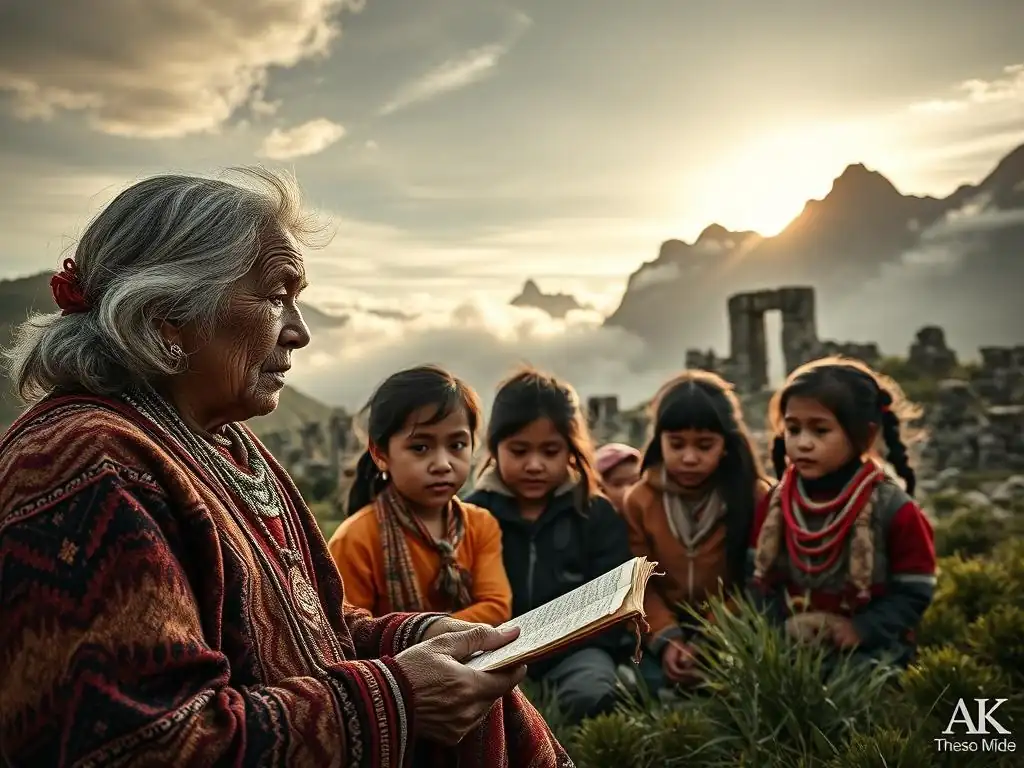
Incan survivor stories are rich with themes that reflect the complexities of their experiences during and after the conquest. These themes often encompass identity, heritage, and the role of the past in shaping the present. They provide critical insights into how survivors navigated the challenges of colonialism while striving to maintain their cultural integrity.
Identity and Heritage in Incan Narratives
The struggle for identity is a recurring theme in Incan survivor stories. Many accounts express a profound sense of dislocation and the search for belonging in a world that has changed dramatically. Survivors often grappled with the duality of their identity as both Incan and subjects of a foreign empire. These narratives reveal how individuals sought to reclaim their heritage, often by emphasizing their connection to ancestors and traditional practices, despite the pressure to conform to Spanish norms.
The Significance of Ancestors in Survivor Accounts
Ancestral connections play a vital role in the narratives of Incan survivors. Many stories highlight the importance of honoring ancestors and the wisdom imparted through generations. This reverence for the past served as a source of strength and guidance in times of crisis. Survivors frequently invoked the names and deeds of their forebears, reinforcing their cultural legacy and asserting their place in a world that sought to erase their identity.
Spiritual Beliefs and Practices Reflected in Stories
Spirituality is intricately woven into the fabric of Incan survivor stories. The narratives often reflect a blend of traditional Incan beliefs and newly introduced Christian practices. Survivors recount how they adapted their spiritual rituals to include elements of both faiths, creating a unique spiritual landscape. This fusion allowed them to maintain a sense of connection to their cultural roots while navigating the complexities of colonial rule. The continued veneration of natural elements, such as mountains and rivers, underscores the enduring significance of the Incan worldview, even amidst the challenges of conquest.
Modern Perspectives on Incan Survivor Culture
Modern perspectives on Incan survivor culture highlight the resilience and adaptability of the descendants of this great civilization. While the legacy of the Inca Empire has been profoundly affected by colonization, contemporary Incan communities strive to preserve their rich cultural heritage. This includes languages, traditional practices, and belief systems, which are being revitalized in various ways. The stories of Incan survivors serve not only as historical accounts but also as a source of identity and strength for their communities today. These narratives emphasize the continuity of Incan culture despite centuries of external pressures.
Reviving Incan Traditions: A Contemporary View
In recent years, numerous initiatives have emerged aimed at reviving traditional Incan customs and practices. Cultural festivals, language workshops, and community gatherings have become vital platforms for sharing and practicing Incan heritage. For instance, the celebration of Inti Raymi, the Festival of the Sun, has seen a resurgence in many Andean communities, where it is celebrated with vibrant reenactments and rituals that honor the Incan relationship with nature.
Furthermore, artisans are reclaiming traditional crafts such as weaving and pottery, which hold significant cultural meaning. These efforts not only strengthen community bonds but also foster a sense of pride and identity among younger generations, ensuring that the stories and practices of their ancestors continue to thrive.
Education and Preservation of Incan History
Education plays a crucial role in the preservation of Incan history and culture. Many organizations, both local and international, focus on integrating Indigenous teachings into educational curricula. This approach not only empowers Incan youth with knowledge of their heritage but also promotes respect and understanding among non-Indigenous populations.
Schools in Peru and other countries with significant Incan ancestry are increasingly incorporating Quechua language classes and Indigenous history lessons into their programs. Additionally, museums and cultural centers are working to create exhibitions that accurately represent Incan civilization, showcasing their advancements in agriculture, architecture, and governance. By educating future generations, there is hope that the rich legacy of the Incas will remain alive and relevant.
The Influence of Incan Survivor Stories on Today's Indigenous Movements
The narratives of Incan survivors have significantly influenced contemporary Indigenous movements across the Americas. These stories of resilience and resistance inspire many Indigenous groups seeking to reclaim their rights and assert their identities in the face of ongoing marginalization. Activists often draw parallels between the historical injustices faced by the Incas and those experienced by modern Indigenous populations, advocating for social justice, land rights, and cultural recognition.
The oral traditions and survivor accounts serve as powerful tools in these movements, fostering solidarity and inspiring action among diverse Indigenous communities. As such, Incan survivor stories are not just relics of the past; they are living narratives that continue to shape the struggle for Indigenous rights today.
Challenges Faced by Incan Descendants Today
Despite the rich cultural legacy of the Incas, their descendants face numerous challenges in contemporary society. These issues range from socioeconomic struggles to ongoing legal battles for land rights and recognition. The impact of historical trauma, coupled with persistent disparities, continues to affect Incan communities across the Andes. Addressing these challenges is crucial for the survival and flourishing of Incan culture in modern times.
Socioeconomic Struggles and Cultural Preservation
Socioeconomic challenges are among the most pressing issues faced by Incan descendants today. Many communities grapple with poverty, limited access to education, and inadequate healthcare, which hinder their ability to preserve their cultural practices. Traditional livelihoods, such as agriculture and artisan crafts, are often overshadowed by modern economic pressures, leading to a decline in cultural transmission.
However, some communities are finding innovative ways to blend traditional practices with sustainable development initiatives. By promoting eco-tourism and fair trade, they create opportunities for economic growth while simultaneously preserving their cultural heritage. This intersection of culture and economy is vital for ensuring that Incan traditions continue to thrive in a rapidly changing world.
Legal Battles for Land Rights and Recognition
Legal battles for land rights and recognition remain a significant challenge for Incan descendants. Many Indigenous communities claim ancestral lands that have been encroached upon or taken by external entities, often facing legal hurdles in their quest for justice. Landmark cases, such as those seeking recognition of ancestral territories, highlight the ongoing struggle for land rights that many Indigenous groups face.
In Peru, the recognition of Indigenous territories is enshrined in law, yet implementation remains inconsistent, leading to conflicts over resource extraction and land usage. These legal battles are not just about land; they reflect a broader fight for identity, cultural integrity, and the right to self-determination. The outcomes of these struggles will significantly impact the future of Incan culture and its survival in the modern world.
Conclusion: The Legacy of Incan Survivor Stories and Culture
The stories of Incan survivors serve as a profound reminder of resilience and the enduring spirit of a civilization that faced immense challenges. These narratives not only highlight the struggles against colonization but also celebrate the rich tapestry of Incan culture, traditions, and knowledge that have persisted through generations. The legacy of the Incan survivors is woven into the fabric of contemporary Andean societies, where their descendants continue to honor ancestral practices, languages, and beliefs.
As we reflect on these stories, it becomes evident that they are essential for understanding the broader historical context of the Americas. They provide insights into the complexities of cultural survival and adaptation in the face of external pressures. The Incan survivors' experiences remind us of the importance of preserving indigenous narratives, as they contribute to a more nuanced understanding of history and identity. By recognizing and valuing these stories, we can foster a sense of connection and respect for the cultures that have shaped our world.
The Ongoing Influence of Incan History on Modern Society
Incan history continues to influence modern society in various ways, particularly in the Andean region. Descendants of the Incas maintain a strong cultural identity, with many communities preserving traditional practices, such as weaving, pottery, and agriculture. These practices are not merely remnants of the past but are vital components of contemporary life that contribute to local economies and cultural pride.
Furthermore, the Quechua and Aymara languages, which are rooted in Incan heritage, are still spoken by millions today. Language plays a crucial role in cultural transmission, allowing for the continuation of traditions, oral histories, and social norms. Educational initiatives aimed at revitalizing indigenous languages highlight the importance of these languages in fostering cultural identity and community cohesion.
Additionally, the stories of Incan survivors have inspired artistic expressions, including literature, music, and visual arts, that reflect their rich heritage. Artists draw upon these narratives to create works that resonate with both indigenous and non-indigenous audiences, promoting cross-cultural understanding and appreciation.
Call to Action: Supporting Incan Cultural Preservation Initiatives
To ensure the survival and flourishing of Incan culture, it is essential to support initiatives aimed at cultural preservation. There are several ways individuals and communities can contribute:
- Promote Awareness: Share information about Incan history and culture through social media, community events, or educational programs. Raising awareness can foster appreciation and respect for indigenous cultures.
- Support Indigenous Organizations: Many organizations work tirelessly to preserve Incan culture and advocate for the rights of indigenous peoples. Consider donating or volunteering with these organizations to help amplify their efforts.
- Participate in Cultural Events: Engage with local festivals, workshops, or exhibitions that celebrate Incan heritage. Participation not only supports the community economically but also helps keep traditions alive.
- Advocate for Language Revitalization: Support programs that aim to teach and promote the Quechua and Aymara languages. Language preservation is a vital aspect of cultural identity and should be encouraged in educational institutions.
By taking these steps, we can collectively honor the legacy of Incan survivor stories and contribute to the ongoing preservation of their vibrant culture. Embracing and supporting indigenous narratives enriches our collective history and fosters a more inclusive future for all.
- Introduction to Incan Survivor Stories and Culture
- The Importance of Oral Histories in Indigenous Cultures
- Overview of the Impact of Spanish Conquest on Incan Society
- The Historical Context of the Incan Empire
- The Experience of Incan Survivors During the Conquest
- Personal Accounts of Incan Survivors
- The Role of Women in Incan Society During Conquest
- Cultural Resilience Amidst Destruction
- Themes in Incan Survivor Stories
- Modern Perspectives on Incan Survivor Culture
- Challenges Faced by Incan Descendants Today
- Conclusion: The Legacy of Incan Survivor Stories and Culture
Frequently Asked Questions
What are Incan survivor stories?
Incan survivor stories refer to the narratives and experiences of individuals from the Inca civilization who lived through the Spanish conquest and its aftermath, highlighting their resilience and cultural preservation.
How did the Incan culture adapt after the conquest?
After the conquest, Incan culture adapted by blending traditional practices with European influences, allowing them to maintain their identity while navigating new social and political landscapes.
Why are survivor stories important in understanding Incan history?
Survivor stories are crucial as they provide personal insights into the challenges faced by the Inca, revealing a human perspective on historical events often overlooked in traditional narratives.
What themes are prevalent in Incan survivor stories?
Common themes in Incan survivor stories include resilience, the struggle for identity, and the importance of community, emphasizing how these individuals sought to preserve their heritage in the face of adversity.
Where can I find more information on Incan culture and survivor stories?
For more information on Incan culture and survivor stories, the website "Indigenous Civilizations of the Americas" offers a comprehensive exploration of diverse indigenous cultures, including achievements and their lasting impact.
Final Reflection: Echoes of Resilience in Incan Survivor Stories
The narratives of Incan survivors serve as a powerful reminder of the enduring strength of culture amidst adversity. As we delve into these stories, we uncover not just the historical injustices faced by the Incan people but also the rich tapestry of their culture that continues to thrive today. The resilience demonstrated by these individuals in the face of conquest and colonization is a testament to the human spirit's ability to endure and adapt. In a world that often overlooks marginalized voices, these stories demand our attention and respect.
The influence of Incan survivor stories extends far beyond historical accounts; they shape our understanding of identity, heritage, and community in contemporary society. These narratives invite us to reflect on our own cultural roots and the importance of preserving them. As we listen to the voices that have emerged from the shadows of conquest, we recognize the ongoing impact of colonization and the need for reconciliation. The stories of the past are not just echoes; they are the foundation upon which we build our future.
This quote encapsulates the significance of these narratives in fostering a deeper connection to our shared humanity.
As we conclude this exploration of Incan survivor stories, I invite you to reflect on your own journey and the stories that have shaped your identity. Consider how you can honor and amplify the voices of those who have been marginalized in your community. Embrace the lessons of resilience and cultural pride found within these narratives, and let them inspire you to take action. Together, we can ensure that the echoes of the past continue to resonate, fostering understanding, empathy, and a commitment to justice for all.
Unveil the Voices of Resilience!
Thank you for taking the time to explore the incredible stories of Incan survivors. You've gained valuable insights into their resilience and strength throughout history. These narratives are not just tales of survival; they are reminders of the rich cultures that continue to thrive today. Now, it's your turn to take action and keep these stories alive!
- Dive deeper into history: Visit our collection of resources and documentaries on Indigenous civilizations to further discover their remarkable journeys.
- Share these powerful stories with friends or on your social media platforms to spread awareness and appreciation for Incan heritage.
- Join our community: Participate in discussions, events, and workshops that celebrate Indigenous voices and culture!
How can we ensure that the stories of Indigenous resilience continue to inspire future generations? **Your thoughts are important and can make a difference! **