
Indigenous Adaptation: How Cultures Responded to Other European Conquests

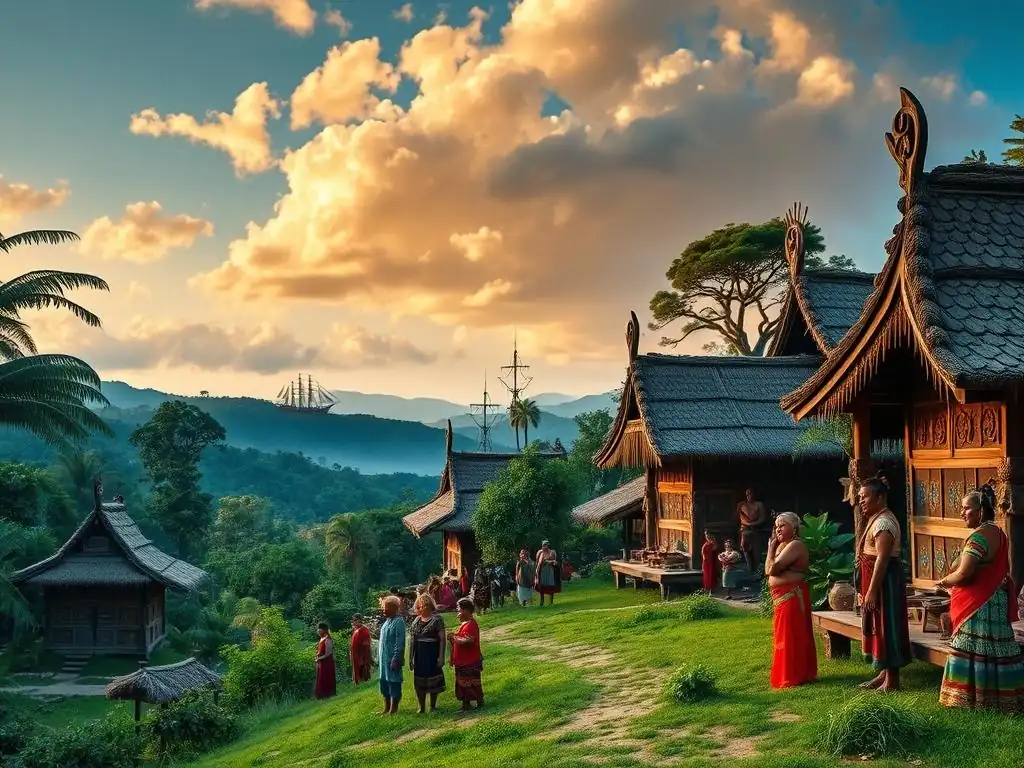
Welcome to Indigenous Civilizations of the Americas, where we embark on a compelling journey through the rich tapestry of indigenous cultures that flourished long before European colonization. In our featured article, "Indigenous Adaptation: How Cultures Responded to Other European Conquests," we delve into the remarkable resilience and ingenuity of these societies as they faced unprecedented challenges. Discover how their unique responses not only shaped their communities but also left an indelible mark on history.
Join us as we uncover the stories of adaptation, survival, and cultural richness that continue to influence the Americas today. Dive in and explore the profound legacies of these civilizations!
The Indigenous cultures of the Americas are a tapestry woven from countless threads of history, resilience, and adaptation. Before the arrival of Europeans, these societies developed rich traditions, sophisticated governance structures, and profound relationships with their environments. However, the advent of European conquests marked a pivotal turning point, challenging the very foundations of these cultures.
This article will delve into the complex ways in which Indigenous peoples responded to these conquests, highlighting their adaptability and ingenuity in the face of overwhelming change. By examining their lives before European contact and the subsequent impact of these conquests, we gain a deeper understanding of the enduring legacy of Indigenous cultures and their ability to navigate and resist colonial pressures.
Understanding Indigenous Cultures Before European Contact
The Diversity of Indigenous Civilizations in the Americas
The Americas were home to a vast array of Indigenous cultures, each with its own unique practices, languages, and social structures. From the intricate societies of the Aztecs and Mayans in Mesoamerica to the diverse tribes of North America, these civilizations exhibited remarkable diversity. Key characteristics include:
- Social Organization: Many Indigenous societies were organized into complex hierarchies or clans, often led by chiefs or councils.
- Economic Systems: Economies varied from agriculture-based societies, like the Mississippian culture known for its mound-building, to nomadic tribes that relied on hunting and gathering.
- Spiritual Beliefs: Indigenous cultures held diverse spiritual beliefs, often deeply tied to the land and nature, which influenced their social practices and governance.
Key Achievements of Indigenous Societies
Indigenous civilizations made significant contributions to various fields, which laid the groundwork for future generations. Noteworthy achievements include:
- Agriculture: The domestication of crops such as maize, potatoes, and beans revolutionized food systems, leading to population growth and urbanization.
- Architecture and Engineering: Monumental structures, such as the pyramids of Teotihuacan and the cliff dwellings of the Ancestral Puebloans, showcase advanced engineering skills.
- Art and Writing: Many cultures developed unique artistic expressions and written languages, preserving their histories and beliefs for posterity.
The Impact of European Conquests on Indigenous Cultures
Overview of European Conquest Strategies
European powers employed various strategies during their conquests, which had profound effects on Indigenous societies. Strategies included:
- Military Might: The use of advanced weaponry and military tactics often overwhelmed Indigenous defenses.
- Alliances and Betrayals: Europeans frequently forged alliances with certain tribes, leading to divisions and conflicts within Indigenous groups.
- Cultural Imposition: Missionaries sought to convert Indigenous peoples to Christianity, significantly impacting spiritual practices and cultural identities.
Initial Reactions of Indigenous Peoples to Conquests
The responses of Indigenous cultures to European conquests were diverse and complex. Initial reactions included:
- Resistance and Rebellion: Many tribes actively resisted European encroachment, leading to conflicts such as the Powhatan Wars and the Pueblo Revolt.
- Adaptation and Collaboration: In some cases, Indigenous groups adapted to new realities by incorporating European goods and technologies into their ways of life.
- Negotiation and Accommodation: Certain societies sought to negotiate treaties, hoping to secure their sovereignty amidst the changing landscape.
Through these lenses, we can better understand the resilience of Indigenous cultures in the face of European conquest, revealing a rich narrative of adaptation, resistance, and transformation.
Indigenous Response to European Conquests
Indigenous cultures across the Americas displayed remarkable resilience in the face of European conquests, employing various responses that reflect their unique societal structures, values, and histories. The responses ranged from armed resistance and strategic alliances to cultural adaptations. Each group adapted to the pressures of colonization in ways that preserved their identity while also navigating the challenges posed by European settlers. These responses were not uniform; instead, they varied widely based on local contexts, the nature of the European encounter, and the specific cultural frameworks of the indigenous peoples involved.
The initial encounters often revealed a mix of curiosity and caution, with some indigenous groups seeking to understand the newcomers' motives while others prepared for conflict. As European powers expanded their territories, indigenous responses became increasingly organized, leading to complex interactions that included warfare, diplomacy, and cultural exchange. The legacies of these interactions continue to shape indigenous identities and their historical narratives today.
Resistance Movements: Examples of Indigenous Defiance
Indigenous resistance to European conquest took many forms, with notable uprisings and movements emerging in various regions. One of the most famous examples is the Pueblo Revolt of 1680 in present-day New Mexico, where the Pueblo people united against Spanish colonization, successfully driving the Spanish out for over a decade. This revolt highlighted the power of collective action and indigenous agency in resisting foreign domination.
Another significant instance is the Túpac Amaru II rebellion in the late 18th century, where indigenous people in Peru rose against Spanish oppression. This uprising was not only a reaction to the exploitation of indigenous labor but also a broader movement for social justice, reflecting a deep-seated desire for autonomy and recognition of indigenous rights.
These resistance movements often faced brutal repression, yet they served to inspire subsequent generations, reinforcing the importance of cultural identity and the ongoing struggle for sovereignty among indigenous peoples.
Adaptation Strategies: Cultural and Social Changes
In addition to resistance, many indigenous cultures embraced adaptation strategies that allowed them to survive in a rapidly changing environment. These adaptations often included the incorporation of European goods, technologies, and agricultural practices into their traditional ways of life. For example, indigenous groups in the Great Plains adopted horses introduced by Europeans, which transformed their hunting practices and mobility.
Socially, some communities restructured their political alliances and social hierarchies in response to European encroachment. This reorganization allowed them to better negotiate with colonial powers or to resist external threats. The incorporation of new religious elements, often blended with traditional beliefs, is another way that indigenous cultures adapted, enabling them to maintain their spiritual practices while engaging with the new religious ideologies brought by Europeans.
Alliances and Collaborations: Strategic Partnerships
Strategic alliances formed between indigenous groups and European colonizers often played a crucial role in shaping the dynamics of conquest and resistance. Some indigenous leaders recognized the potential benefits of aligning with European powers to counterbalance rival tribes or to gain access to new trade opportunities. For instance, the Iroquois Confederacy formed alliances with the British and the French during the colonial conflicts, leveraging their position to maintain a degree of autonomy and influence.
These collaborations were not without complexities; they could lead to internal divisions among indigenous groups and sometimes resulted in a loss of traditional lands and autonomy. Yet, they also provided indigenous peoples with tools to negotiate their place in the colonial landscape, illustrating the nuanced and often strategic nature of indigenous responses to European conquest.
Case Studies of Indigenous Adaptation
The Inca Response to Spanish Conquest
The Inca Empire, one of the most advanced indigenous civilizations in South America, faced the Spanish conquest led by Francisco Pizarro in the 1530s. The response of the Inca was multifaceted, involving both military resistance and attempts at negotiation. Initially, the Inca leader Atahualpa was captured during a surprise attack, which significantly disrupted their political structure. However, in response, the Inca mobilized their military forces, engaging in guerrilla warfare tactics to resist Spanish advances.
Despite their efforts, the Inca ultimately faced overwhelming challenges due to the technological superiority of Spanish weaponry and the catastrophic impact of European diseases. In the aftermath, some Inca leaders attempted to negotiate terms for coexistence, leading to a complex interplay of adaptation and resistance as they sought to maintain their cultural identity amidst colonial rule.
The Taino Adaptation to European Colonizers
The Taino people of the Caribbean were among the first indigenous groups to encounter Christopher Columbus and subsequent European colonizers. Their initial response involved curiosity and attempts at hospitality, which soon turned into resistance as the reality of colonization set in. The Taino faced extreme exploitation, forced labor, and violence, leading to a dramatic decline in their population.
In response to these pressures, the Taino adapted by forming alliances with other indigenous groups and utilizing their knowledge of the land to resist colonization efforts. They also engaged in cultural adaptations, blending their traditional practices with new influences from European settlers. Despite facing significant challenges, the Taino legacy persists, influencing contemporary Caribbean culture and identity.
The Powhatan Confederacy and Their Strategies Against English Settlers
The Powhatan Confederacy, a group of Algonquian-speaking tribes in Virginia, faced the arrival of English settlers at Jamestown in 1607. Led by Chief Powhatan, the confederacy initially adopted a strategy of cautious engagement, attempting to establish trade relationships while assessing the intentions of the English. However, as settlers expanded their territory and encroached on Powhatan lands, tensions escalated.
The Powhatan employed a combination of diplomacy and military resistance, launching several attacks against the settlers in a bid to protect their territories. The conflicts, known as the Anglo-Powhatan Wars, showcased the Powhatan’s resilience and adaptability in the face of colonial aggression. Ultimately, the Powhatan Confederacy's strategies reflected a profound understanding of the shifting political landscape, as they navigated complex relationships with both European settlers and neighboring indigenous tribes.
These case studies exemplify the diverse and dynamic ways in which indigenous cultures responded to European conquest, highlighting their agency and enduring legacies in the face of significant challenges.
Long-Term Effects of European Conquests on Indigenous Cultures
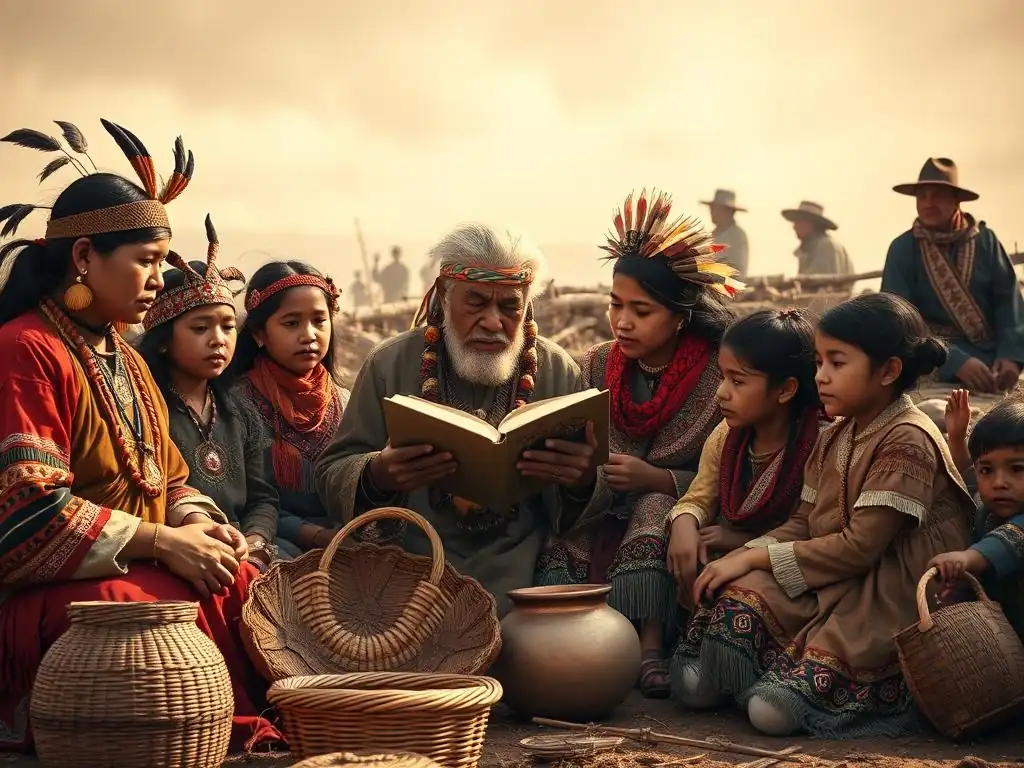
The long-term effects of European conquests on Indigenous cultures were profound and multifaceted. The introduction of new diseases, such as smallpox and influenza, led to catastrophic population declines in many Indigenous communities. These demographic shifts not only decimated populations but also disrupted social structures and traditional practices.
Moreover, European colonization often involved the appropriation of land, which forced Indigenous peoples to adapt their lifestyles. Many communities transitioned from traditional agricultural practices to more sedentary or altered forms of farming and resource management in response to the loss of their ancestral territories. This displacement also led to the loss of spiritual and cultural ties to the land, profoundly impacting Indigenous identity.
In addition, European conquest brought about significant changes in social organization and governance. Indigenous groups had to navigate new power dynamics and often formed alliances or engaged in resistance against colonial powers. These responses reflected a complex interplay of adaptation, resilience, and resistance that shaped the trajectory of Indigenous cultures in the Americas.
Cultural Resilience and Transformation
Cultural resilience among Indigenous peoples has been a remarkable response to the challenges posed by European conquests. Despite facing overwhelming odds, many Indigenous communities adapted their cultural practices in innovative ways. For instance, while some tribes adopted European agricultural techniques, they simultaneously retained traditional knowledge, creating hybrid practices that merged both worlds.
Art, language, and spirituality also underwent transformation during this period. Many Indigenous groups infused European elements into their artistic expressions while preserving core aspects of their cultural identity. This blending fostered a rich tapestry of cultural expression that continues to resonate today.
Furthermore, oral histories and storytelling became vital tools for preserving Indigenous knowledge and experiences. These narratives not only served to maintain cultural continuity but also provided a means to critique and resist colonial narratives. The resilience displayed in these adaptations highlights the dynamic nature of Indigenous cultures, emphasizing their ability to sustain and evolve in the face of adversity.
The Legacy of Indigenous Adaptation in Modern Times
The legacy of Indigenous adaptation is evident in contemporary society, where many Indigenous cultures continue to thrive and assert their identities. Modern Indigenous movements often draw upon historical experiences of resistance and adaptation, advocating for rights, sovereignty, and recognition within broader national narratives.
Cultural revival initiatives, including language preservation programs and traditional arts, showcase the enduring strength of Indigenous cultures. These movements serve not only to honor ancestral practices but also to empower younger generations to reclaim their heritage.
Additionally, Indigenous knowledge systems are increasingly recognized for their contributions to sustainable practices and environmental stewardship. The integration of traditional ecological knowledge into contemporary land management strategies is a testament to the value of Indigenous adaptation and its relevance in addressing current global challenges.
Conclusion: The Enduring Impact of Indigenous Cultures and Their Responses to European Conquests
The responses of Indigenous cultures to European conquests illustrate a profound narrative of resilience and adaptation. Rather than being passive victims, Indigenous peoples actively shaped their destinies, employing a range of strategies to navigate the complexities of colonization. This agency is crucial in understanding the historical and contemporary significance of Indigenous cultures.
Reflection on Indigenous Agency in Historical Context
Reflecting on Indigenous agency within historical contexts reveals the complexities of power dynamics and cultural negotiation. Indigenous leaders often engaged in diplomatic relationships with European powers, showcasing their political acumen and strategic thinking. Events such as the formation of alliances or participation in trade networks demonstrate that Indigenous peoples were not merely reacting to conquests but were also influential actors in their own right.
Recognizing this agency challenges monolithic narratives that depict Indigenous cultures solely as victims of colonization. Instead, it highlights the varied responses, adaptations, and resistances that characterized Indigenous history during and after European conquests.
The Importance of Recognizing Indigenous Narratives in History
Acknowledging Indigenous narratives is essential for a comprehensive understanding of history. These narratives offer unique perspectives on events, emphasizing the resilience, creativity, and adaptability of Indigenous cultures in the face of European conquests. By centering Indigenous voices, historians and scholars can better appreciate the multifaceted impacts of colonization and the enduring legacies of Indigenous peoples.
Furthermore, incorporating Indigenous narratives into educational curricula promotes a more inclusive understanding of history, fostering respect and recognition of diverse cultural contributions. This acknowledgment is crucial not only for historical accuracy but also for encouraging dialogue and reconciliation in contemporary society.
Further Reading and Resources on Indigenous Cultures and European Conquests
Understanding the intricate responses of Indigenous cultures to European conquests requires a deep dive into various resources that explore their histories, adaptations, and resilience. Below, we present curated suggestions that offer valuable insights into these complex narratives.
Recommended Books and Articles
-
"1491: New Revelations of the Americas Before Columbus" by Charles C. Mann
This book provides a comprehensive overview of the Americas before European contact, challenging the conventional narratives and highlighting the sophisticated societies that existed.
-
"The Indigenous Peoples of North America: A History" by Roger L. Nichols
Nichols presents a detailed account of Native American history, including the profound effects of European conquests and the adaptive strategies that Indigenous peoples employed in response.
-
"The Other Slavery: The Uncovered Story of Indian Enslavement in America" by Andrés Reséndez
Reséndez uncovers the often-overlooked history of Indigenous enslavement and the responses of various tribes, shedding light on their resilience and adaptation.
-
"Conquest and Survival in Colonial New England" by David B. Davis
This article explores how Indigenous populations in New England navigated the challenges posed by European settlers, showcasing their strategies for survival and resistance.
-
"American Indian History: A Documentary Reader" edited by Elizabeth A. Fenn
This anthology compiles essential primary documents that illustrate the diverse experiences of Indigenous peoples during European conquests, providing firsthand accounts of their responses.
Online Archives and Documentaries
-
The American Indian Experience
This online resource offers a wealth of articles, videos, and primary sources that detail the experiences of Native Americans throughout history, including their responses to European conquests.
-
PBS: We Shall Remain
This documentary series provides an in-depth look at the history of Native Americans from the perspective of Indigenous peoples, focusing on their resilience and adaptation during European colonization.
-
The Smithsonian National Museum of the American Indian
The museum's website features extensive online collections and educational resources that explore Indigenous cultures and their responses to European invasions.
-
Native American Heritage Month Resources
Various institutions compile resources highlighting Indigenous histories, including articles, documentaries, and educational materials that focus on the impacts of European conquests.
-
"In Search of the First Americans" by the PBS series Secrets of the Dead
This documentary investigates the early migrations to the Americas and includes insights into Indigenous cultures and their responses to the challenges posed by European settlers.
These resources serve as valuable tools for anyone seeking to understand the resilience and adaptive strategies of Indigenous cultures in the face of European conquests, enriching the narrative of their historical experiences.
- Understanding Indigenous Cultures Before European Contact
- The Impact of European Conquests on Indigenous Cultures
- Indigenous Response to European Conquests
- Case Studies of Indigenous Adaptation
- Long-Term Effects of European Conquests on Indigenous Cultures
- Conclusion: The Enduring Impact of Indigenous Cultures and Their Responses to European Conquests
- Further Reading and Resources on Indigenous Cultures and European Conquests
- What are the main themes explored in the article "Indigenous Adaptation: How Cultures Responded to Other European Conquests"?
- How did indigenous cultures respond to European conquest according to the article?
- What achievements of indigenous cultures are highlighted in the article?
- Why is it important to study the responses of indigenous cultures to European conquest?
- How does the article address the concept of cultural adaptation among indigenous peoples?
Frequently Asked Questions
What are the main themes explored in the article "Indigenous Adaptation: How Cultures Responded to Other European Conquests"?
The article focuses on indigenous cultures in the Americas and their adaptation strategies in response to European conquests, highlighting their achievements and societal impacts.
How did indigenous cultures respond to European conquest according to the article?
Indigenous cultures employed various strategies of resistance and adaptation, including the blending of traditions and forming alliances to cope with the challenges posed by European colonizers.
What achievements of indigenous cultures are highlighted in the article?
The article emphasizes the rich cultural heritage, including advancements in agriculture, architecture, and social organization, showcasing how these societies thrived prior to European contact.
Why is it important to study the responses of indigenous cultures to European conquest?
Understanding these responses provides insights into the resilience and agency of indigenous peoples, allowing us to appreciate their lasting impact and contributions to global history.
How does the article address the concept of cultural adaptation among indigenous peoples?
The article discusses how indigenous peoples not only resisted but also adapted to European influences, leading to a dynamic exchange that shaped their cultures and identities in profound ways.
Final Reflection: Resilience and Adaptation of Indigenous Cultures in the Face of European Conquest
The exploration of Indigenous cultures' responses to European conquests reveals a profound narrative of resilience and adaptability that remains strikingly relevant today. As we witness ongoing discussions about colonial legacies and cultural preservation, it becomes clear that the ways in which Indigenous peoples navigated the complexities of foreign domination are not just historical footnotes but vital lessons for contemporary society. The ability of these cultures to adapt while maintaining their identities underscores a powerful statement: the spirit of a culture can endure even in the face of overwhelming challenges.
The impact of Indigenous adaptation is woven into the fabric of our cultural and social landscape, influencing everything from art and literature to social justice movements. This ongoing influence serves as a reminder of the strength found in diversity and the importance of honoring different perspectives. As we reflect on the resilience of Indigenous cultures, we are reminded of the words of Vine Deloria Jr.: We are not just a part of the past, we are a part of the future.
This sentiment encapsulates the enduring legacy of Indigenous peoples, who continue to inspire movements for cultural sovereignty and rights today.
As we conclude this exploration, I invite you to reflect on the lessons of adaptability and resilience highlighted in this article. Consider how these principles can be applied in your own life and community. Whether it's advocating for cultural preservation, supporting Indigenous rights, or simply learning more about the histories that shape our world, each of us has a role to play in fostering a more inclusive and respectful society. Let us carry forward the spirit of resilience, honoring the past while actively shaping a future that embraces and celebrates the richness of all cultures.
Unveil Your Role in Indigenous Resilience Today!
Thank you for taking the time to explore the intricacies of how Indigenous cultures adapted to European conquests. Your interest in this vital subject not only enriches your understanding but also honors the resilience and ingenuity of these communities. Now, let’s transform that knowledge into action!
Here are some practical steps you can take:
- Engage with Indigenous Voices: Reach out to local Indigenous communities or organizations. Attend cultural events or workshops to learn directly from their experiences and perspectives.
- Share What You've Learned: Discuss this topic with friends and family, or share insights on social media to raise awareness of Indigenous adaptation and resilience.
- Support Indigenous Artists: Seek out and support Indigenous artists and creators, whether by purchasing their work or promoting their initiatives.
Consider how you can incorporate what you’ve learned about Indigenous adaptation into your daily life to support these vibrant cultures moving forward.