
The Unseen Consequences of European Rivalries on Indigenous Civilizations

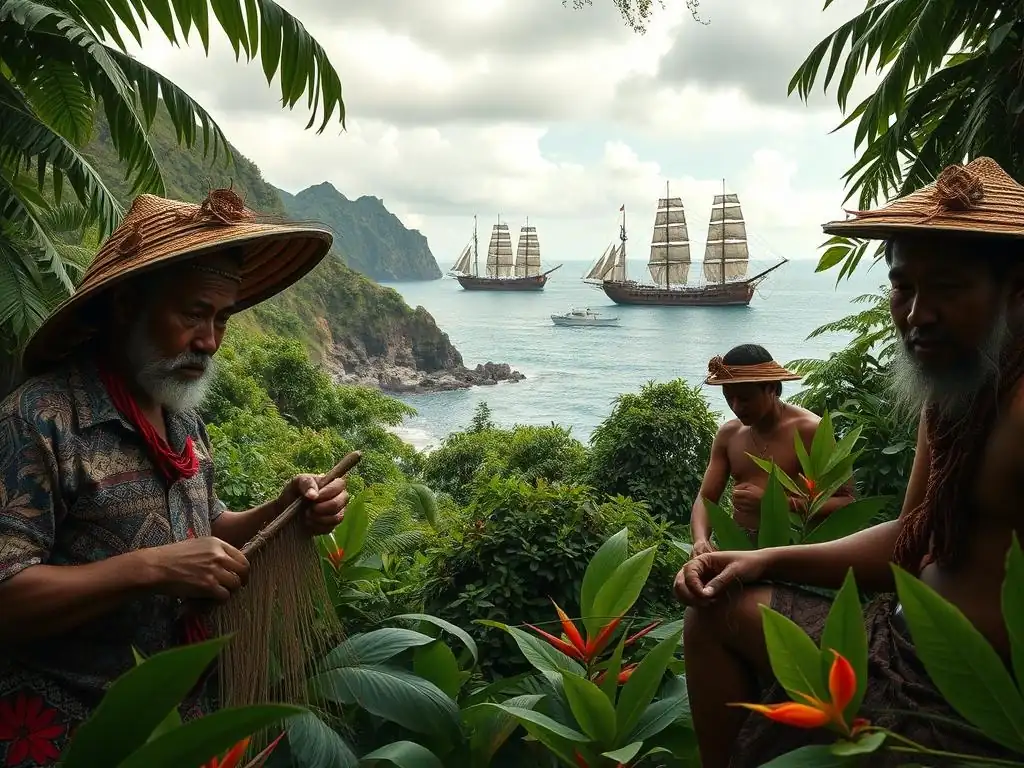
Welcome to Indigenous Civilizations of the Americas, where we invite you to delve into the rich tapestry of cultures that flourished long before European colonization. In our featured article, "The Unseen Consequences of European Rivalries on Indigenous Civilizations," we unravel the intricate ways in which European rivalries shaped the destinies of diverse indigenous societies. Prepare to embark on a journey that uncovers the profound impact these historical conflicts had on the vibrant cultures of the Americas.
As you explore, you'll discover stories of resilience, innovation, and an enduring legacy that continues to influence our world today. Join us as we shed light on this often-overlooked chapter of history!
Introduction to European Rivalries and Indigenous Cultures
The impact of European rivalries on indigenous cultures in the Americas is a profound and often overlooked aspect of history. As European powers vied for dominance across the globe, their conflicts extended far beyond their borders, significantly affecting the diverse indigenous civilizations that had flourished for centuries. This article delves into the intricate web of interactions between these rivalries and the indigenous cultures, revealing the unseen consequences that shaped their destinies. By examining the dynamics of European competition and its ramifications, we can better understand how these historical events influenced the development and survival of indigenous societies.
Overview of European Rivalries in the Context of Indigenous Civilizations
European rivalries, particularly during the 15th to 18th centuries, were fueled by the quest for territory, resources, and trade routes. Major European powers such as Spain, France, England, and Portugal engaged in fierce competition, each seeking to expand their empires and secure economic advantages. This struggle for dominance frequently led to direct confrontations with indigenous populations, resulting in a complex interplay of cooperation, conflict, and cultural exchange.
- Key Factors of Rivalries:
- Territorial disputes over newly discovered lands
- Competition for lucrative trade routes and resources
- Alliances with certain indigenous groups against others
- The spread of Christianity as a means to assert cultural superiority
Understanding these rivalries is crucial to comprehending the broader impacts of European colonization on indigenous cultures. The consequences of these encounters were profound, leading to significant demographic shifts, cultural transformations, and the destabilization of established societies.
Importance of Understanding the Impact of Rivalries on Indigenous Cultures
Grasping the impact of European rivalries on indigenous cultures is essential for several reasons:
- Cultural Preservation: Recognizing how these rivalries disrupted traditional ways of life helps in efforts to preserve indigenous cultures today.
- Historical Context: It provides context for the historical narratives often dominated by European perspectives, allowing for a more balanced understanding of history.
- Contemporary Implications: Understanding the past informs current discussions on indigenous rights, sovereignty, and the ongoing effects of colonization.
By exploring these themes, we can gain valuable insights into the resilience and adaptability of indigenous civilizations in the face of external pressures.
The Context of European Conquests
Historical Background of European Expansion in the Americas
The era of European expansion began in the late 15th century, marked by the voyages of explorers such as Christopher Columbus, who opened the floodgates for European powers to explore and exploit the Americas. The discovery of vast resources and the promise of wealth ignited a race among European nations to claim territories. This period saw the establishment of colonies and trade networks that fundamentally altered the social, economic, and political landscapes of indigenous societies.
- Key Events:
- The Treaty of Tordesillas (1494) dividing the New World between Spain and Portugal.
- The establishment of Spanish colonies in Mesoamerica and South America.
- French and English explorations leading to claims in North America.
These events not only set the stage for the extensive colonization that followed but also initiated a series of rivalries and conflicts that would have far-reaching consequences for the indigenous cultures inhabiting these lands.
Key European Powers Involved in the Colonization Efforts
Several European powers played pivotal roles in the colonization of the Americas, each contributing to the dynamics of competition and conflict:
- Spain: The foremost power during the early colonization efforts, Spain established vast territories across Central and South America, exerting significant influence over indigenous cultures.
- France: Focused primarily in North America, French colonization efforts often involved alliances with indigenous tribes, shaping the cultural landscape of regions like Canada and the Great Lakes.
- England: Initially focused on the eastern seaboard of North America, England’s expansion led to conflicts with both indigenous populations and rival European powers.
In examining the actions and motivations of these key players, we gain insight into how their rivalries not only shaped their own histories but also had lasting impacts on the indigenous cultures they encountered.
The Impact of European Rivalries on Indigenous Societies
The European rivalries of the 15th to 18th centuries had profound and often devastating impacts on indigenous societies across the Americas. As European powers vied for dominance, they inadvertently disrupted established indigenous cultures, governance, and economies. The competition for land, resources, and strategic advantages led to military confrontations and alliances that deeply altered the social fabrics of indigenous communities. This section explores how such rivalries not only transformed indigenous worlds but also laid the groundwork for ongoing challenges faced by these cultures today.
Disruption of Indigenous Governance and Social Structures
European rivalries often undermined traditional governance systems among indigenous cultures. As European powers sought alliances with specific tribes to leverage their position against rival nations, they frequently exacerbated existing tensions within and between indigenous groups. For instance, tribes that allied with Europeans could gain temporary advantages, but they often faced backlash from rival tribes, leading to escalated conflicts and shifting power dynamics.
Moreover, the introduction of European legal frameworks and political ideologies disrupted indigenous governance. Many indigenous nations had their own sophisticated systems of governance, which were often overlooked or dismissed by European settlers. This disregard not only diminished the authority of indigenous leaders but also led to the erosion of traditional practices that had governed social relations for generations. The resulting fragmentation weakened indigenous societies, making them more vulnerable to external pressures and colonization.
Economic Consequences for Indigenous Communities
The economic impact of European rivalries on indigenous communities was severe. As European powers established trade networks, indigenous peoples were often drawn into these systems in ways that undermined their traditional economies. The demand for furs, food, and other resources reshaped indigenous trade routes and economic practices. In many cases, indigenous communities became reliant on European goods, which altered their self-sufficiency and traditional ways of life.
Additionally, territorial conflicts stemming from European rivalries frequently led to the loss of land and resources for indigenous peoples. As European settlers encroached upon indigenous territories, many communities faced displacement and were forced to adapt to new economic realities. These changes often resulted in poverty and dependency, as traditional means of subsistence were disrupted, and access to ancestral lands was curtailed. The long-term economic consequences of these rivalries can still be felt today, as many indigenous groups continue to struggle with economic disenfranchisement.
Cultural Erasure and Transformation of Indigenous Beliefs
The cultural impact of European rivalries was profound, leading to significant erasure and transformation of indigenous beliefs and practices. As European powers sought to assert their dominance, they often imposed their own cultural values and religious beliefs on indigenous populations. This cultural imperialism led to the suppression of indigenous languages, spiritual practices, and cultural expressions.
The introduction of European educational systems and religious institutions further contributed to cultural erasure. Indigenous children were frequently removed from their families and communities to attend missionary schools, where they were forbidden to speak their languages or practice their traditions. This systematic approach to assimilation aimed to create a homogenous European culture, undermining the rich diversity of indigenous beliefs and practices.
Despite these efforts, many indigenous cultures adapted and transformed in ways that allowed them to retain elements of their identity. However, the lasting effects of cultural disruption continue to pose challenges for indigenous peoples, who often struggle to reclaim and revitalize their traditions in the face of ongoing colonial legacies.
Specific Case Studies of Rivalries Affecting Indigenous Cultures
The Spanish and Portuguese Rivalry: Case Study of the Taino
The rivalry between Spain and Portugal had significant repercussions for the Taino people of the Caribbean. Initially, the Taino were among the first indigenous groups to encounter European explorers, leading to disastrous consequences. The competition for control over the lucrative Caribbean trade routes resulted in the Spanish colonization of Taino territories, leading to widespread violence, disease, and enslavement.
As the Spanish sought to exploit the region's resources, the Taino population drastically declined, diminishing their cultural presence. The impact of European rivalries not only decimated the Taino population but also contributed to the loss of their traditional governance and social structures, culminating in the near disappearance of their culture.
The French and British Rivalry: Impact on the Huron-Wendat
The rivalry between the French and British in North America had a profound impact on the Huron-Wendat people. Initially, the French established alliances with the Huron-Wendat to strengthen their position against the British. However, these alliances also embroiled the Huron-Wendat in conflicts with rival tribes, such as the Iroquois Confederacy.
The ongoing warfare and shifting allegiances resulted in significant population losses and the destabilization of Huron-Wendat society. Additionally, the introduction of European trade goods changed their economic practices, leading to dependency on European products while undermining traditional subsistence strategies. The cultural and social disruptions from this rivalry continue to affect the Huron-Wendat community today.
The Dutch Influence: Consequences for the Iroquois Confederacy
The Dutch presence in North America and their rivalry with other European powers had lasting consequences for the Iroquois Confederacy. The Dutch engaged in fur trading with the Iroquois, which initially strengthened their economic position. However, the influx of European goods and weapons also intensified intertribal warfare among the Iroquois and their neighbors.
As the Iroquois sought to leverage their trading position, they became embroiled in conflicts that altered their traditional alliances and governance structures. The Dutch rivalry ultimately contributed to the Iroquois' expansionist policies, which had significant ramifications for neighboring indigenous nations. The consequences of this rivalry illustrate the complex interactions between European interests and indigenous cultures, leaving a legacy of conflict and transformation that shaped the region's history.
Long-term Effects of European Rivalries on Indigenous Civilizations
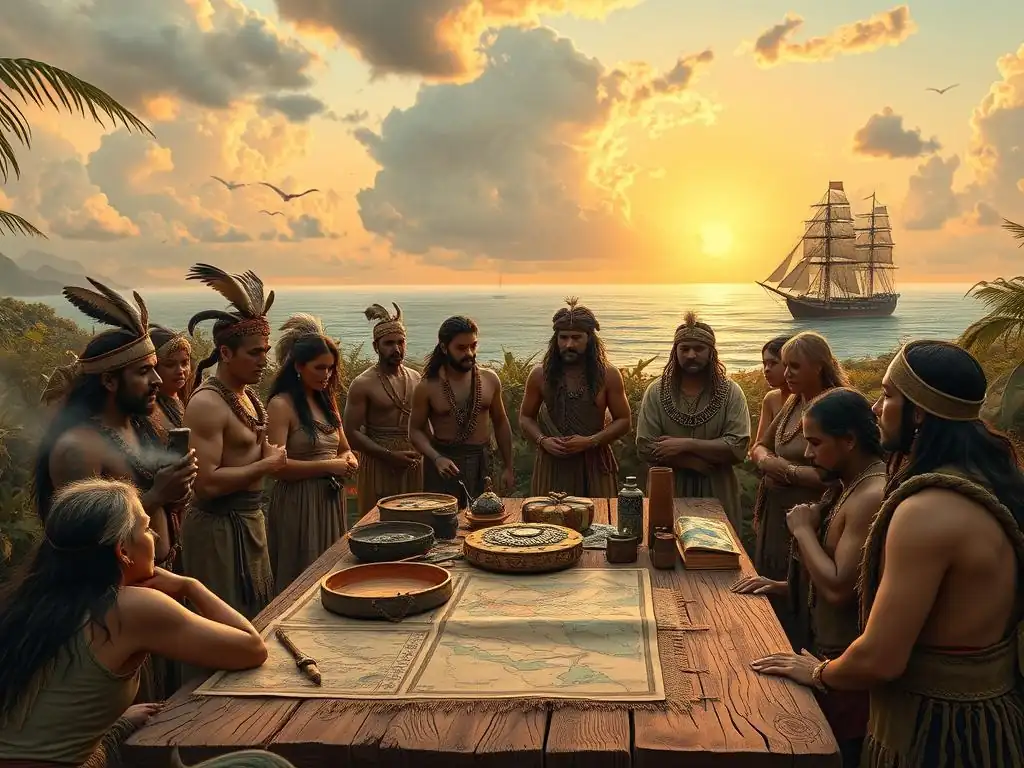
The long-term effects of European rivalries on indigenous civilizations are complex and multifaceted, resulting in profound changes that have shaped the cultural, economic, and social landscapes of the Americas. As European powers vied for dominance, their conflicts often spilled over into indigenous territories, leading to significant disruptions. These rivalries not only resulted in direct violence but also altered the very fabric of indigenous societies, pushing them into a cycle of adaptation and resilience.
Indigenous cultures experienced shifts in their governance structures, often influenced by the alliances and enmities fostered by European powers. The introduction of new political dynamics led to the rise of certain tribes over others, as they aligned themselves with specific European nations. This reconfiguration of power dynamics had enduring implications for tribal relations and territorial boundaries, often resulting in protracted conflicts that would echo through generations.
Moreover, the introduction of European economic practices and goods fundamentally transformed indigenous economies. The competition for resources and trade routes among European nations pressured indigenous groups to adapt to new economic realities, often prioritizing European commodities over traditional practices. This shift not only altered indigenous livelihoods but also eroded traditional economic systems, leading to a long-term dependency on European goods and markets.
Alteration of Trade Networks and Economic Systems
The rivalry between European powers had significant repercussions for indigenous trade networks and economic systems. Prior to European contact, indigenous societies had well-established trade routes that facilitated the exchange of goods such as textiles, tools, and agricultural products. However, as European nations sought to expand their influence in the Americas, they disrupted these traditional networks.
European powers introduced new commodities, including metal tools, firearms, and alcohol, which began to dominate indigenous trade. This shift led to a dependence on European goods, altering indigenous economic practices and undermining traditional systems of barter and trade. Additionally, the competition for control over lucrative trade routes resulted in conflicts among indigenous groups, further complicating their economic interactions.
The establishment of European trading posts and alliances also transformed indigenous economies. European demand for fur, for instance, incentivized the over-exploitation of natural resources, leading to environmental degradation and depletion of animal populations. The long-term result was a significant alteration in the economic landscape, with many indigenous groups becoming increasingly reliant on European markets and less self-sufficient.
Shifts in Population Demographics Due to Conflict and Disease
One of the most devastating long-term impacts of European rivalries on indigenous cultures was the shift in population demographics, primarily driven by conflict and the introduction of diseases. The arrival of Europeans brought diseases such as smallpox, measles, and influenza, to which indigenous populations had no immunity. This led to catastrophic mortality rates, decimating entire communities and creating demographic voids that would take centuries to recover from.
In addition to the health crises sparked by European diseases, direct conflicts arising from European rivalries further exacerbated population declines. Indigenous groups often found themselves caught in the crossfire of European wars, leading to violence, displacement, and loss of life. The resulting demographic shifts not only diminished the population but also disrupted social structures, as families and communities were torn apart.
The combination of disease and conflict led to significant changes in the composition of indigenous populations. Many groups were forced to migrate in search of safety or resources, resulting in new alliances and cultural exchanges. However, these adaptations often came at the cost of traditional ways of life, as indigenous peoples were compelled to navigate a landscape marked by European dominance and hostility.
Lasting Cultural Legacies of European Rivalries
The cultural legacies of European rivalries on indigenous civilizations are evident in both the persistence of traditional practices and the incorporation of European influences. As indigenous groups adapted to the pressures of European colonization, they also assimilated certain European elements into their cultures. This interplay resulted in hybrid cultural expressions that reflect the complexities of their historical experiences.
One of the most significant legacies is the bilingualism often seen in indigenous communities today. Many groups adopted European languages alongside their native tongues, facilitating communication and trade with European settlers. This linguistic blending serves as a reminder of the historical interactions between cultures and the ongoing influence of European presence in indigenous lives.
Moreover, the introduction of European religious practices also left a mark on indigenous spirituality. While many indigenous peoples maintained their traditional beliefs, the syncretism of European Christianity and indigenous spirituality created unique religious practices that continue to exist today. This blending of beliefs illustrates the resilience of indigenous cultures in the face of external pressures.
In addition to language and religion, artistic expressions were profoundly influenced by European aesthetics. Indigenous art forms began to incorporate European styles and materials, leading to a rich tapestry of cultural production that reflects both indigenous heritage and European impact. These cultural legacies demonstrate the dynamic nature of indigenous societies, which have continually adapted while preserving core elements of their identity.
Resistance and Adaptation of Indigenous Cultures
The resistance and adaptation of indigenous cultures in response to European rivalries highlight the strength and resilience of these societies. Despite the overwhelming challenges posed by colonization, many indigenous groups actively resisted European encroachments, employing various strategies to protect their culture, land, and sovereignty.
Strategies Employed by Indigenous Groups to Counteract European Influence
Indigenous groups employed a variety of strategies to counteract the influence of European powers and protect their interests. One prominent method was the formation of alliances among different tribes. By uniting against common European foes, indigenous groups were able to strengthen their positions and negotiate from a place of collective power. These alliances often transcended traditional rivalries, demonstrating a shared commitment to resist external pressures.
In addition to forming alliances, many indigenous groups engaged in guerrilla warfare tactics to defend their territories. This form of resistance leveraged their intimate knowledge of the land, enabling them to launch surprise attacks against European forces. Such strategies not only aimed to reclaim lost lands but also to instill fear and uncertainty among European settlers.
Cultural preservation also played a critical role in indigenous resistance. Many communities focused on maintaining their languages, traditions, and practices as a means of asserting their identity in the face of European assimilation efforts. By fostering cultural continuity, indigenous groups created a sense of unity and purpose, which was crucial in their resistance efforts.
Resilience of Indigenous Traditions Amidst European Rivalries
Despite the immense pressures and challenges posed by European rivalries, indigenous cultures demonstrated remarkable resilience. The ability to adapt while preserving core traditions has been a hallmark of many indigenous societies. This resilience is evident in the continued practice of traditional ceremonies, languages, and art forms, which have been passed down through generations.
Cultural revitalization movements have emerged in the modern era, as indigenous peoples seek to reclaim and reinvigorate their traditions. These movements often focus on language preservation, traditional ecological knowledge, and the revitalization of cultural practices that were suppressed during colonization. Such efforts serve not only as a means of cultural survival but also as a source of empowerment and identity.
Moreover, the resilience of indigenous cultures is reflected in their ongoing advocacy for rights and recognition. Many indigenous groups have mobilized to assert their sovereignty and reclaim territories, drawing upon historical narratives that highlight their enduring connection to the land. This activism underscores the strength of indigenous identities and their determination to navigate the legacies of European rivalries in pursuit of justice and self-determination.
The impact of European rivalries on indigenous civilizations is profound and far-reaching, affecting trade, population demographics, culture, and resistance strategies. The enduring legacy of these interactions continues to shape the lives of indigenous peoples today, highlighting their adaptability and the importance of their cultural heritage.
Conclusion: Reflecting on the Legacy of European Rivalries
The legacy of European rivalries during the age of exploration and conquest has left an indelible mark on the indigenous cultures of the Americas. These rivalries, primarily driven by competition for land, resources, and strategic advantages, initiated a series of conflicts that profoundly altered the social, economic, and political landscapes of indigenous societies.
The consequences of these rivalries were not merely immediate; they have reverberated through centuries, shaping the identities and trajectories of indigenous peoples long after the cessation of overt conflict. As we reflect on this legacy, it becomes clear that understanding these historical dynamics is crucial for recognizing the contemporary issues faced by indigenous communities today, including cultural preservation, land rights, and socio-economic disparities.
Summary of the Impact of European Rivalries on Indigenous Cultures
European rivalries facilitated numerous forms of disruption to indigenous cultures across the Americas. The fierce competition among European powers often resulted in alliances with certain indigenous groups against others, thereby exacerbating existing tensions and leading to brutal conflicts. For instance, the Spanish and the French often enlisted the support of local tribes in their efforts to undermine their rivals, which not only fragmented indigenous alliances but also introduced European military tactics and technologies into traditional warfare.
Moreover, the imposition of European economic systems, driven by the need for resources to fuel imperial ambitions, disrupted indigenous economies. Traditional practices were often sidelined or destroyed, leading to economic dependency on European powers. This dependency eroded self-sufficiency and traditional knowledge systems.
Culturally, the impact of European rivalries was equally significant. Many indigenous groups faced attempts at cultural erasure as European colonizers sought to impose their religions and social structures. The lasting effects of these actions can still be seen today, as many indigenous cultures continue to grapple with the loss of languages, traditions, and practices that were integral to their identities.
The Importance of Recognizing These Historical Consequences for Modern Understanding
Recognizing the historical consequences of European rivalries on indigenous cultures is essential for several reasons. Firstly, it allows for a deeper understanding of the complex socio-political landscapes that exist in contemporary indigenous communities. Many current issues, such as land disputes, cultural revival movements, and socio-economic challenges, are rooted in these historical dynamics.
Furthermore, acknowledging this history promotes a more nuanced appreciation of indigenous resilience and adaptation. Despite the adversities faced, many indigenous cultures have demonstrated remarkable strength and creativity in retaining their identities and traditions. This recognition fosters respect and solidarity between indigenous peoples and broader society.
Lastly, understanding these historical contexts is vital for informing policies and practices that affect indigenous communities today. By learning from the past, there is potential to create more equitable systems that honor indigenous rights, support cultural revitalization, and promote social justice.
Further Reading on European Conquests and Indigenous Cultures
For those interested in delving deeper into the complex interplay between European conquests and indigenous civilizations, several resources can provide valuable insights. These works explore the historical narratives, cultural impacts, and the ongoing legacies of these interactions.
Recommended Resources for Understanding Indigenous Civilizations
-
"1491: New Revelations of the Americas Before Columbus" by Charles C. Mann
This book provides a comprehensive overview of the pre-Columbian Americas, challenging common misconceptions about indigenous civilizations before European contact.
-
"The Invention of Nature: Alexander von Humboldt's New World" by Andrea Wulf
This biography explores how Humboldt's travels in the Americas influenced European perspectives on nature and indigenous cultures.
-
"An Indigenous Peoples' History of the United States" by Roxanne Dunbar-Ortiz
This text presents a history of the United States from the perspective of indigenous peoples, highlighting the effects of European colonization and the ongoing struggles for rights and recognition.
Related Articles on the Impact of European Conquests on Indigenous Societies
-
"The Role of Disease in the Conquest of the Americas"
This article examines how European diseases decimated indigenous populations and altered the balance of power during colonization.
-
"Cultural Resilience: Indigenous Responses to European Colonization"
This piece discusses the adaptive strategies employed by indigenous cultures in response to the challenges posed by European colonizers.
-
"The Political Landscape of Native American Alliances in the 17th Century"
This article explores how European rivalries shaped indigenous political alliances and conflicts, highlighting the dynamic interactions between different groups.
- Introduction to European Rivalries and Indigenous Cultures
- The Context of European Conquests
- The Impact of European Rivalries on Indigenous Societies
- Specific Case Studies of Rivalries Affecting Indigenous Cultures
- Long-term Effects of European Rivalries on Indigenous Civilizations
- Resistance and Adaptation of Indigenous Cultures
- Conclusion: Reflecting on the Legacy of European Rivalries
- Further Reading on European Conquests and Indigenous Cultures
- What were the major indigenous cultures in the Americas before European colonization?
- How did European rivalries affect indigenous societies?
- What lasting impacts did European colonization have on indigenous civilizations?
- How did indigenous cultures respond to European rivalries?
- Why is it important to understand the impact of European rivalries on indigenous civilizations today?
Frequently Asked Questions
What were the major indigenous cultures in the Americas before European colonization?
Many diverse indigenous cultures thrived, including the Aztecs, Mayans, and Incas, each with unique achievements in areas such as architecture, agriculture, and governance.
How did European rivalries affect indigenous societies?
The rivalries among European powers led to conflicts that disrupted indigenous societies, often resulting in the displacement, disease, and destruction of their cultures.
What lasting impacts did European colonization have on indigenous civilizations?
European colonization had profound impacts, including the loss of land, forced assimilation, and the imposition of foreign governance, which significantly altered indigenous ways of life.
How did indigenous cultures respond to European rivalries?
Indigenous cultures often adapted by forming alliances or engaging in resistance against European encroachments, showcasing their resilience in the face of external pressures.
Why is it important to understand the impact of European rivalries on indigenous civilizations today?
Understanding the impact of these rivalries is crucial for recognizing the historical injustices faced by indigenous peoples and for fostering cultural awareness and reconciliation in contemporary society.
Final Reflection: The Lasting Echoes of European Rivalries on Indigenous Cultures
The intricate dance of European rivalries has left an indelible mark on indigenous civilizations, shaping their trajectories in ways that continue to resonate today. As we explore the historical context of these rivalries, it becomes clear that the consequences were not merely confined to the past; they have evolved into complex legacies that affect cultural identities, social structures, and geopolitical landscapes in the present. The struggle for power among European nations often came at the expense of indigenous peoples, leading to a profound and often painful transformation of their societies.
The ongoing influence of these historical rivalries is evident in the cultural narratives and identities of indigenous communities today. The scars of colonization and competition among European powers have fostered resilience and adaptation among these cultures, prompting a re-examination of their histories and identities. As noted by historian David Stannard, “The history of colonization is not just a story of conquest, but one of survival and resistance.” This perspective invites us to recognize the strength and agency of indigenous peoples as they navigate the legacies of the past while striving to reclaim their narratives and cultural heritage.
As we reflect on the themes presented in this article, let us consider how we can honor and support indigenous cultures in our own lives. Take a moment to engage with the histories and stories of these communities, acknowledging their struggles and triumphs.
By fostering a deeper understanding of the impact of European rivalries on indigenous civilizations, we can contribute to a more equitable future that respects and celebrates the diversity of human experience. Embrace this opportunity to learn, reflect, and act—because every step we take toward understanding can help heal the wounds of history and pave the way for a more inclusive world.
Thank you for exploring the complex relationship between European rivalries and Indigenous civilizations. Your engagement with this crucial subject is the first step toward recognizing and addressing historical injustices. Now, let’s transform that knowledge into meaningful action!
- Educate Others: Share your insights with friends and family. Initiate conversations about how historical events continue to influence contemporary Indigenous rights and identities.
- Support Indigenous Voices: Seek out and amplify the work of Indigenous creators, authors, and organizations. Consider following their work on social media or contributing to initiatives that celebrate and promote their cultures.
- Participate in Local Events: Attend local events or workshops that focus on Indigenous issues and engage in community discussions. Building connections with others can foster powerful networks for change!
What resonates most with you about the historical impact of European rivalries on Indigenous cultures, and how do you plan to incorporate this understanding into your daily life?