
Women in the Conquest: The Unseen Influence of Indigenous Women during the Spanish Takeover

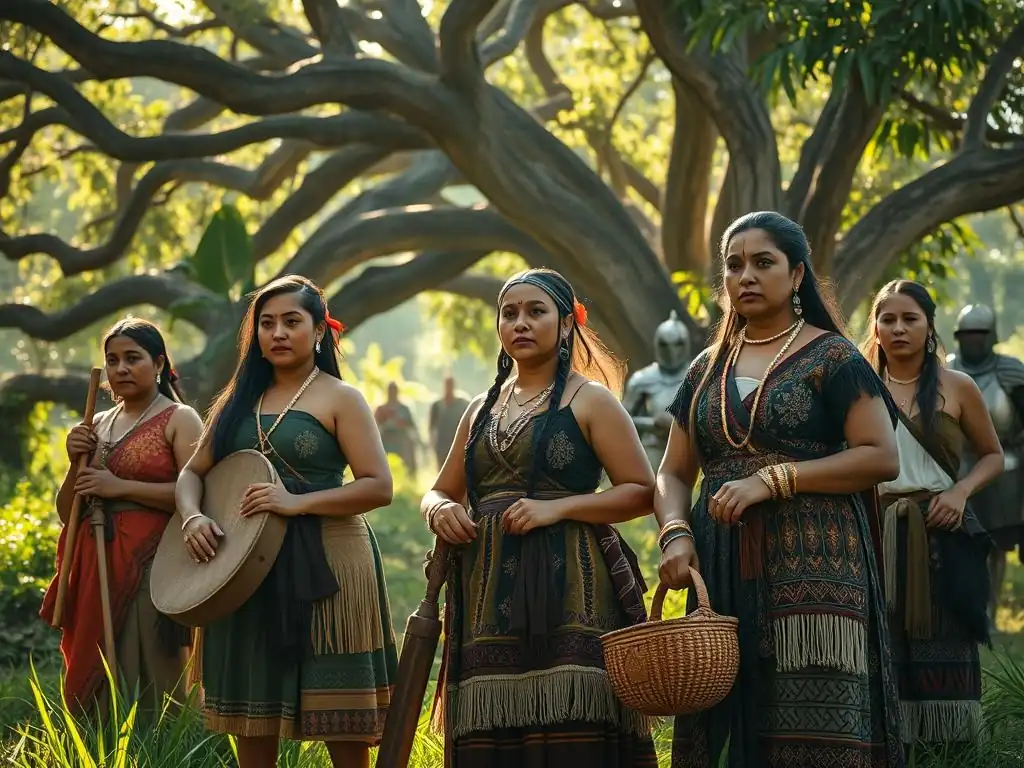
Welcome to Indigenous Civilizations of the Americas, where we invite you to embark on a fascinating journey through the rich tapestry of indigenous cultures that flourished long before European contact. In our featured article, “Women in the Conquest: The Unseen Influence of Indigenous Women during the Spanish Takeover,” we uncover the critical yet often overlooked roles that indigenous women played in shaping the course of history during the Spanish conquest.
Prepare to challenge your perceptions and discover how these remarkable figures wielded influence in ways that still resonate today. Join us as we delve deeper into their stories and the profound impact they had on their societies and beyond.
- Introduction to Indigenous Women and the Spanish Conquest
- The Role of Indigenous Women in Pre-Colonial Societies
- Indigenous Women as Key Players During the Spanish Conquest
- The Cultural Exchange and Influence of Indigenous Women
- Challenges and Misrepresentation of Indigenous Women’s Roles
- Conclusion: Recognizing the Unseen Influence of Indigenous Women
-
Frequently Asked Questions
- What role did indigenous women play during the Spanish conquest?
- How did the influence of indigenous women affect Spanish policies?
- Were there notable indigenous women who impacted the conquest?
- How did the presence of indigenous women alter perceptions of conquest?
- What is the lasting impact of indigenous women's influence today?
- Final Reflection: The Unseen Power of Indigenous Women in History
- Unveil the Untold Stories of Indigenous Women!
Introduction to Indigenous Women and the Spanish Conquest
The Spanish conquest of the Americas represents one of the most transformative periods in history, marked by the collision of European and Indigenous cultures. Within this complex narrative, the role of Indigenous women often remains obscured, yet their influence was profound and multifaceted.
This article aims to shed light on the unseen contributions of Indigenous women during the Spanish takeover, particularly focusing on their pivotal roles within societies that thrived long before European arrival. By exploring their agency, resilience, and influence, we can gain a more nuanced understanding of how these women shaped the course of events during a time of immense upheaval and change.
Overview of the Spanish Conquest of the Aztecs
The conquest of the Aztec Empire by Spanish conquistadors, led by Hernán Cortés in the early 16th century, marked a significant turning point in the history of the Americas. The events unfolded rapidly, characterized by a series of battles, alliances, and betrayals. Key details include:
- Timeline: The conquest began in 1519 and culminated in the fall of Tenochtitlán in 1521.
- Key Figures: Hernán Cortés, Moctezuma II, and La Malinche (Doña Marina) played critical roles.
- Strategies: The Spanish employed a combination of military tactics and alliances with rival Indigenous groups to weaken the Aztecs.
These events not only led to the downfall of one of the most powerful empires in the Americas but also set the stage for a broader colonization that would impact countless Indigenous communities.
Importance of Indigenous Women in Historical Context
Indigenous women were integral to the social, political, and economic fabric of their societies long before the Spanish arrived. Their roles often encompassed:
- Cultural Custodians: Women were responsible for passing down traditions, languages, and knowledge, ensuring the survival of their cultures.
- Political Influence: Many women held positions of power and influence within their communities, acting as advisors and leaders.
- Economic Contributions: Women played vital roles in agriculture, trade, and the production of goods, significantly contributing to the sustenance and economy of their societies.
Recognizing these contributions challenges the traditional narratives that often marginalize women and overlooks their essential roles during the conquest.
Purpose of the Article: Unveiling Unseen Influences
The primary aim of this article is to illuminate the indigenous women influence during the Spanish conquest, uncovering their stories and contributions that have been largely omitted from mainstream historical accounts. By focusing on:
- Individual Stories: Highlighting specific women who influenced the course of the conquest, such as La Malinche, who served as an interpreter and strategist.
- Cultural Resistance: Examining how women resisted cultural erasure and maintained their identities in the face of colonization.
- Legacy: Understanding the lasting impact of Indigenous women on contemporary Indigenous identities and movements.
This exploration will offer readers a deeper appreciation of the complexities of the Spanish conquest and the vital roles played by Indigenous women in shaping history.
The Role of Indigenous Women in Pre-Colonial Societies
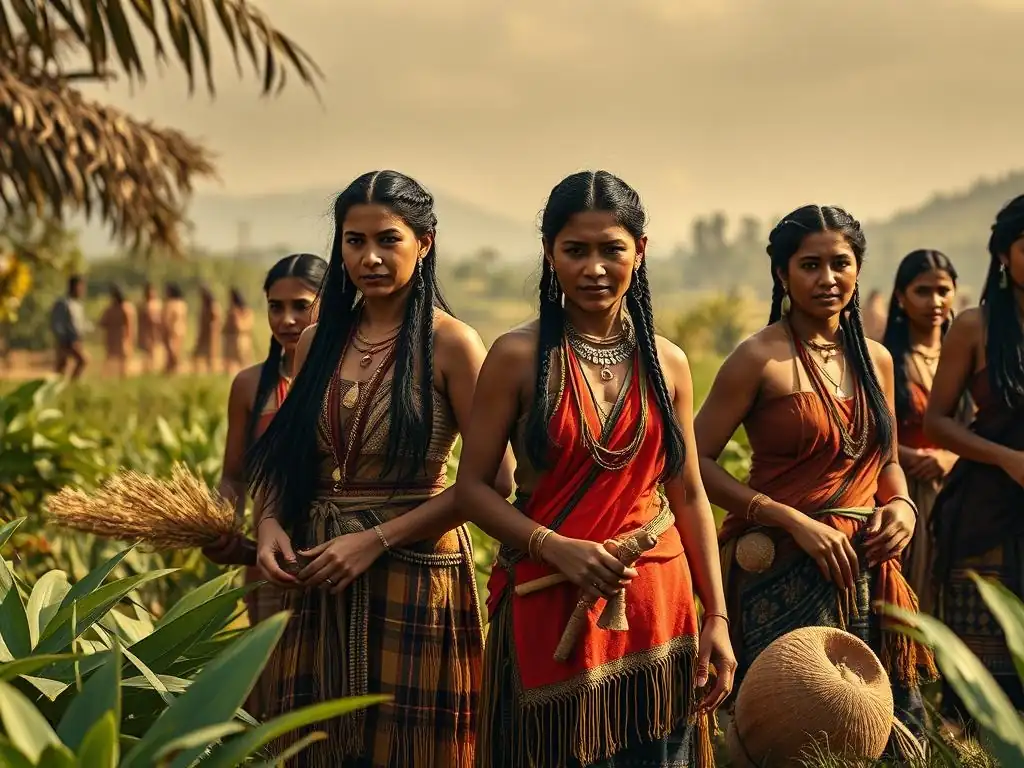
Indigenous cultures across the Americas were characterized by complex social structures that often included defined gender roles. In many societies, women held significant positions within their communities, contributing not only to domestic spheres but also to economic, spiritual, and political realms.
- Matriarchal and Matrilineal Systems:
- In several tribes, such as the Iroquois, lineage was traced through the female line, granting women substantial authority in family and community matters.
- Women often owned property and made crucial decisions regarding its use, reinforcing their influence in social structures.
- Economic Contributions:
- Indigenous women were key players in agriculture, managing the cultivation of crops like maize, beans, and squash—often referred to as the "Three Sisters."
- They also engaged in trade, crafting goods that were essential for both local and intertribal exchange, thereby solidifying their economic status.
- Spiritual Roles:
- Women frequently held roles as healers and spiritual leaders, possessing knowledge of medicinal plants and rituals that were vital for community health and wellness.
- Their involvement in rituals ensured the continuity of cultural practices, further emphasizing their importance in societal frameworks.
Contributions of Indigenous Women to Their Communities
The contributions of Indigenous women to their communities during the pre-colonial era extend beyond household responsibilities. Their roles were multifaceted and essential for the survival and prosperity of their societies.
-
Agricultural Innovation:
Women were not only responsible for farming but also for developing agricultural techniques that improved crop yields. Their knowledge of seasonal cycles and plant species played a crucial role in sustaining their communities.
-
Social Cohesion and Conflict Resolution:
Women often acted as mediators in disputes, utilizing their social networks to maintain harmony within and between groups. This ability to foster relationships was vital in times of conflict, especially during the initial encounters with Spanish forces.
-
Cultural Transmission:
Indigenous women were the primary educators of children, passing down traditions, languages, and cultural practices. This role was crucial in preserving the identity of their people amidst changing circumstances.
The Intersection of Gender and Power in Indigenous Societies
The intersection of gender and power within Indigenous societies was complex and varied. While many societies exhibited patriarchal traits, women frequently exerted significant influence, particularly in times of crisis.
-
Political Influence:
Some Indigenous women held titles that allowed them to participate in governance. For example, leaders like Malinche (Doña Marina) played pivotal roles during the Spanish conquest, acting as interpreters and advisors, thereby shaping the course of events.
-
Resistance and Agency:
Women were often at the forefront of resistance against colonization. Their roles as caregivers and protectors of cultural heritage meant that they were instrumental in the defense of their communities against Spanish incursions.
-
Legacy of Indigenous Women:
The legacy of Indigenous women during the Spanish conquest is profound. Their influence extended beyond immediate family and community ties, shaping the socio-political landscape of the Americas. Understanding this influence is crucial for a comprehensive view of the Spanish conquest, as Indigenous women navigated their roles with resilience and agency.
The unseen influence of Indigenous women during the Spanish takeover reveals a rich tapestry of social, economic, and political contributions that played a critical role in the resistance and adaptation of Indigenous cultures in the face of European colonization. Their legacy continues to be an important area of study for understanding the complexities of Indigenous societies and their enduring impact on history.
Indigenous Women as Key Players During the Spanish Conquest
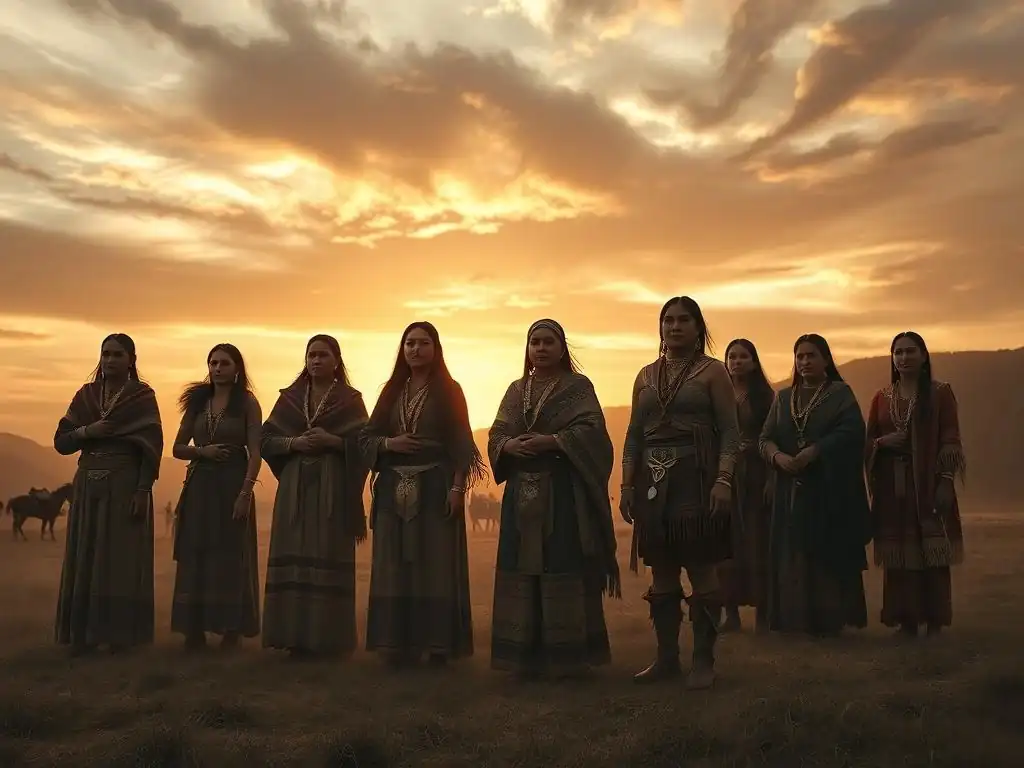
The role of Indigenous women during the Spanish conquest of the Americas is often overshadowed by their male counterparts, yet these women played critical roles as influential agents in the complex dynamics of power, culture, and resistance. Their contributions were multifaceted, ranging from diplomacy and negotiation to cultural mediation and support for their communities. Understanding the influence of Indigenous women during this tumultuous period reveals a more nuanced narrative of the conquest and its consequences.
Notable Indigenous Women and Their Impact
La Malinche: Translator and Intermediary
La Malinche, also known as Malintzin or Doña Marina, is perhaps the most iconic figure among Indigenous women during the Spanish conquest. As a Nahua woman, she was pivotal in shaping the interactions between the Spanish conquistadors and the Indigenous peoples of Mexico.
- Background: Born into a noble family, La Malinche was given away as a slave to the Mayans. Eventually, she came into contact with Hernán Cortés and became one of his key translators.
- Role in Conquest: Her fluency in both Nahuatl and Spanish allowed her to serve as an interpreter, negotiator, and advisor to Cortés. This linguistic skill was crucial in establishing alliances with various Indigenous groups, as she facilitated communication and understanding between different cultures.
- Cultural Impact: La Malinche's influence extended beyond mere translation; she was instrumental in shaping the strategies employed by the Spanish. Her insights into Indigenous customs and political landscapes allowed Cortés to manipulate rivalries among Indigenous groups, ultimately aiding in the Spanish conquest of the Aztecs.
Doña Marina: Political Strategist and Cultural Broker
Doña Marina, often conflated with La Malinche, represents another facet of Indigenous women's influence during this era. Her role as a political strategist and cultural broker underscores the significance of women in the sociopolitical realm.
- Diplomatic Engagements: Doña Marina was known for her ability to navigate complex political landscapes. She engaged in negotiations that led to vital alliances between the Spaniards and various Indigenous factions, such as the Tlaxcalans, who became crucial allies in the fight against the Aztecs.
- Cultural Mediation: As a cultural broker, she helped to mediate not only political alliances but also cultural exchanges. Her position allowed her to advocate for her people’s interests, often tempering the harsh realities of conquest with diplomacy.
- Legacy: The contributions of Doña Marina and her strategic acumen had long-lasting effects, influencing the power dynamics that shaped colonial Mexico. Her legacy is a testament to the vital roles that Indigenous women played in the broader context of the conquest.
The Influence of Women in Negotiations and Diplomacy
The influence of Indigenous women extended far beyond individual figures; they were integral to the fabric of negotiations and diplomacy throughout the conquest. Their involvement can be understood through several key dimensions:
- Strategic Alliances: Indigenous women often facilitated critical alliances by leveraging kinship ties and existing social structures. Their roles in family and community networks enabled them to act as mediators, creating pathways for cooperation between different groups.
- Crisis Management: During periods of conflict and upheaval, women often took on leadership roles, guiding their communities through negotiations with Spanish forces. Their ability to articulate the needs and aspirations of their people was essential in these discussions.
- Cultural Resilience: Through their diplomatic efforts, Indigenous women also worked to preserve aspects of their culture and identity amidst the pressures of colonization. By negotiating terms of engagement with the Spaniards, they sought to protect their communities from potential violence and exploitation.
The impact of Indigenous women during the Spanish conquest was profound and multifaceted. Their roles as translators, strategists, and cultural brokers highlight not only their individual agency but also the broader significance of women in shaping the historical narrative of the conquest. Understanding their influence provides a deeper appreciation of the complex interplay between Indigenous cultures and European colonizers.
Roles of Women in Resistance Against Conquest
Indigenous women played a vital role in the resistance against the Spanish conquest, significantly impacting the dynamics of their societies and the outcome of confrontations. Their involvement ranged from direct participation in battles to strategic roles in decision-making and leadership.
One of the most notable examples is the case of Malintzin, also known as La Malinche, who was an indigenous woman that became an interpreter and advisor to Hernán Cortés. While often viewed through a lens of betrayal, her contributions were pivotal in navigating the political landscape of the Aztec Empire. Malintzin facilitated communications between the Spanish and various indigenous groups, which sometimes resulted in alliances against the Aztecs. Thus, her linguistic skills and cultural knowledge were instrumental in shaping the interactions between the two worlds, showcasing how women's roles were multifaceted and critical during this tumultuous period.
Moreover, women were not only involved behind the scenes but also took up arms to defend their communities. For instance, women from various indigenous groups organized resistance movements, mobilizing other women and men to participate in the fight against Spanish forces. Their efforts were crucial in maintaining morale and unity among the tribes, often serving as rallying points during skirmishes. In some instances, they led raids against Spanish encampments or provided essential supplies to their warriors.
Additionally, women played a key role in preserving cultural practices and traditions during the invasion. By maintaining their languages, rituals, and social structures, indigenous women ensured that their communities retained a sense of identity amidst the chaos of conquest. This cultural resilience often translated into a form of resistance, as it posed a direct challenge to Spanish efforts to impose their customs and beliefs.
The roles of indigenous women in resistance against the Spanish conquest were diverse and significant. They were not merely passive observers; instead, they actively shaped the course of history through their courage, leadership, and unwavering commitment to their communities. Their influence, often overlooked, is a testament to the strength and agency of indigenous women during one of the most critical periods in the Americas.
The Cultural Exchange and Influence of Indigenous Women
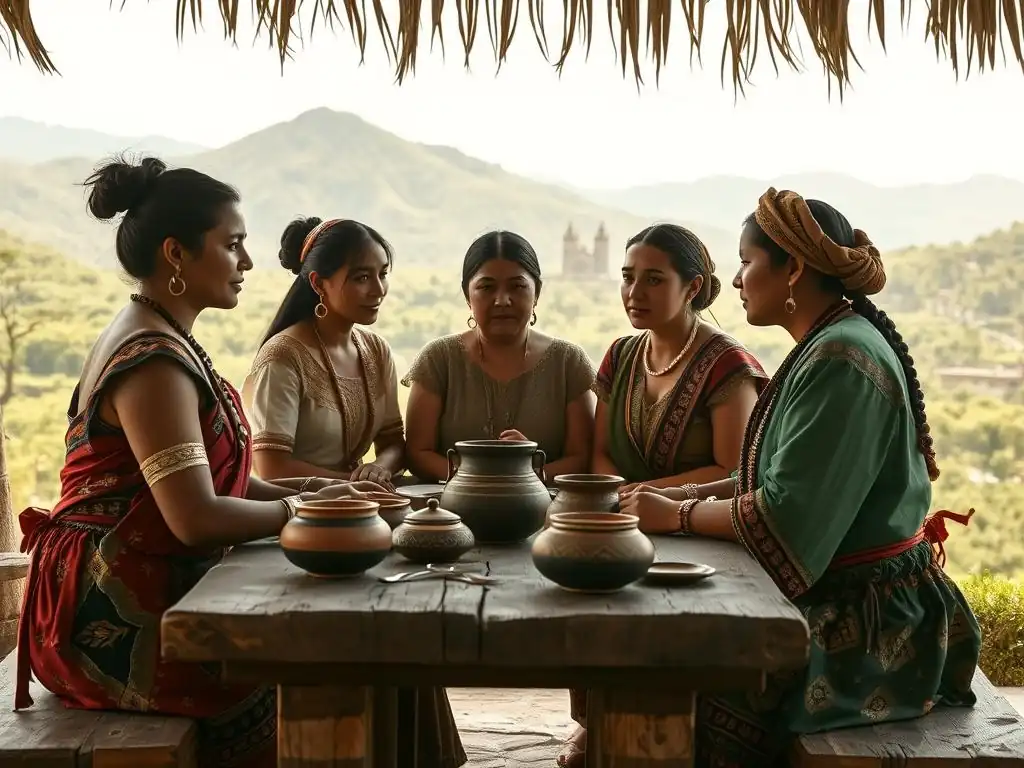
Indigenous women played a crucial role in shaping the cultural landscape during the Spanish conquest, often operating behind the scenes to influence events and decisions. Their unique position within their societies allowed them to act as intermediaries, facilitators, and critical sources of knowledge. This cultural exchange not only impacted the dynamics of the conquest but also established a legacy that would endure long after the initial encounters between Indigenous peoples and European settlers.
The intersection of Indigenous and European cultures during the conquest period was not merely a clash of civilizations; it was a complex interaction characterized by negotiation, adaptation, and transformation. Indigenous women, in particular, were pivotal in this exchange, as they bridged the gap between two worlds that were often at odds with each other.
The Transfer of Knowledge and Practices
Indigenous women were custodians of traditional knowledge, including agricultural practices, medicinal uses of local plants, and crafts unique to their cultures. As the Spanish settlers sought to adapt to their new environment, they relied heavily on this knowledge to survive and thrive in unfamiliar territory.
- Agricultural Techniques: Indigenous women introduced the Spanish to intricate farming methods, including the cultivation of maize, beans, and squash—known as the "Three Sisters." These crops became staples in the Spanish diet and were essential for sustainable agriculture in the colonies.
- Medicinal Knowledge: The rich understanding of herbal medicine possessed by Indigenous women was invaluable. They shared knowledge about local flora, which included remedies for ailments unknown in Europe. This exchange not only saved lives but also led to a blending of medical practices that influenced future generations of healers.
- Craftsmanship: Indigenous women were skilled artisans, creating textiles, pottery, and tools. Their craftsmanship not only supplied the local communities but also intrigued the Spanish, leading to the incorporation of Indigenous designs and techniques into European practices.
The transfer of these practices exemplified how Indigenous women influenced the Spanish conquest, establishing a foundation for a hybrid culture that emerged in the post-conquest era.
Indigenous Women as Cultural Mediators
In the tumultuous environment of the conquest, Indigenous women often served as cultural mediators between their communities and the Spanish colonizers. Their bilingual abilities, knowledge of customs, and understanding of both cultures positioned them uniquely to facilitate communication and negotiations.
- Translators and Interpreters: Many Indigenous women acted as interpreters, conveying messages between leaders and facilitating discussions. Their ability to navigate linguistic and cultural barriers was essential for establishing alliances and peace treaties.
- Diplomatic Roles: Some women were influential figures within their communities, holding positions of respect and authority. Their involvement in negotiations often swayed decisions, as they could advocate for their people's interests while also engaging with the Spanish.
- Symbolic Figures: Indigenous women were often viewed as symbols of their cultures and communities. Their presence in negotiations and interactions with the Spanish underscored the importance of Indigenous traditions and values, ensuring that these elements remained part of the conversation during the conquest.
Through their roles as cultural mediators, Indigenous women significantly influenced the Spanish conquest, shaping the interactions that would determine the future of their societies.
The Impact of Indigenous Women on Spanish Settlements
The influence of Indigenous women extended beyond the initial encounters and negotiations; their impact was felt within the emerging Spanish settlements as well. Their contributions were integral to the establishment and development of new communities.
- Social Structures: Indigenous women often played vital roles in the social fabric of new settlements. Their knowledge and practices contributed to the establishment of family structures, community governance, and social norms that blended Indigenous and Spanish elements.
- Cultural Preservation: Despite the pressures of colonization, Indigenous women were instrumental in preserving their cultural heritage. They passed down traditions, stories, and practices to future generations, ensuring that their identities remained intact even as they adapted to new realities.
- Economic Contributions: Indigenous women participated in the economy of Spanish settlements, often engaging in trade and production. Their skills in agriculture and crafts not only supported local economies but also introduced new products and practices that enriched the colonial experience.
The lasting influence of Indigenous women during the Spanish conquest is a testament to their resilience and adaptability. Their contributions shaped both Indigenous and colonial societies, leaving an enduring legacy that continues to be recognized and celebrated today.
Challenges and Misrepresentation of Indigenous Women’s Roles
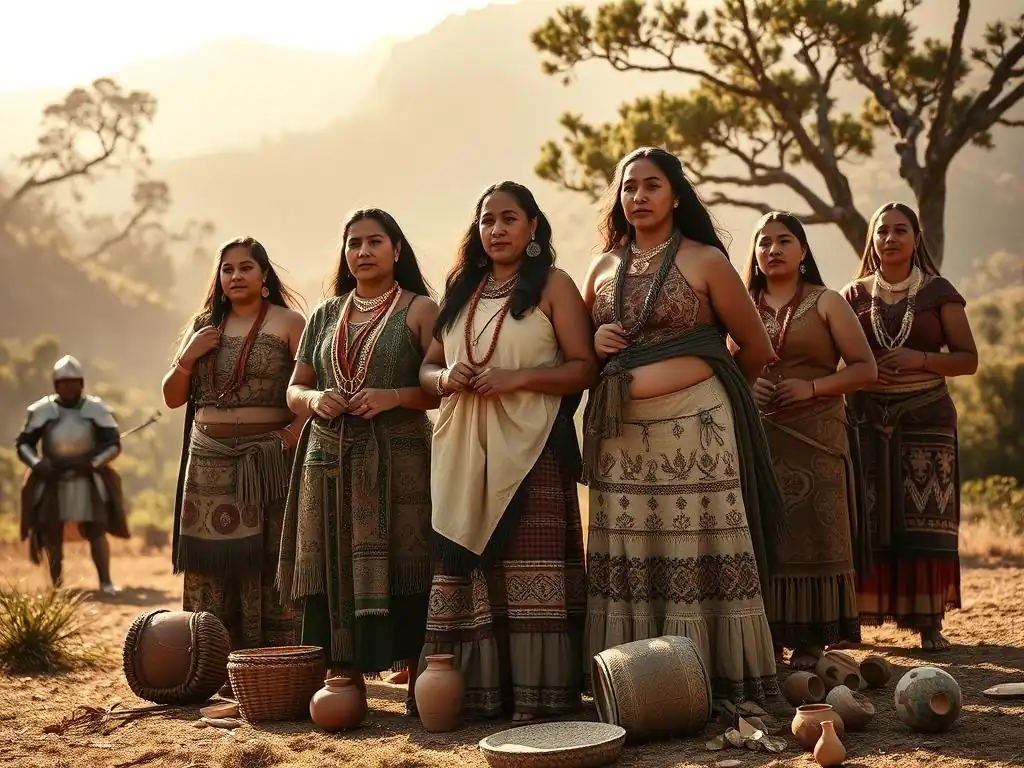
The Spanish conquest of the Americas presents a complex narrative, particularly regarding the roles of Indigenous women. Historically, these women have been marginalized in both written accounts and popular understandings of the conquest. Their contributions and influences were often overlooked, leading to a skewed perception of their roles during this pivotal time in history.
Historical Marginalization of Indigenous Women in Records
The chroniclers of the Spanish conquest, primarily men, tended to focus on the actions of male figures, often relegating Indigenous women to the background of historical narratives. This tendency resulted in a significant historical distortion, where the contributions of Indigenous women were either minimized or completely erased.
- Limited Documentation: Few written records explicitly detail the lives and roles of Indigenous women. Most historical accounts were produced by European men, reflecting their biases and perspectives.
- Cultural Misunderstandings: Spanish chroniclers often failed to comprehend the societal structures and significance of women within Indigenous cultures. This lack of understanding led to misinterpretations of their roles and contributions.
Moreover, the prevailing patriarchal views of European society influenced how Indigenous women were perceived, often casting them as mere victims or passive figures in the conquest narrative.
Myths vs. Realities: The True Influence of Indigenous Women
Contrary to the myths that depict Indigenous women as inconsequential during the conquest, they played critical roles that shaped the outcomes of various encounters. Their influence can be categorized into several key areas:
- Cultural Mediators: Indigenous women often served as translators and cultural liaisons between their communities and Spanish conquistadors. Figures such as La Malinche (Malintzin) are emblematic of this role, acting as an interpreter and advisor to Hernán Cortés. Her knowledge of Indigenous languages and cultures significantly impacted the Spanish conquest strategy.
- Strategic Alliances: Women were instrumental in forming alliances between different Indigenous groups and the Spanish. Their ability to negotiate and mediate was crucial in shaping political landscapes during the conquest.
- Resilience and Resistance: Indigenous women were not passive; many actively resisted colonization efforts. Their roles in warfare, whether as combatants or supporters, illustrate their agency and influence.
These realities stand in stark contrast to the myths of helplessness and victimhood often associated with Indigenous women during the Spanish conquest.
The Legacy of Indigenous Women Post-Conquest
The legacy of Indigenous women extends far beyond the immediate aftermath of the conquest. Their roles and influences have left an indelible mark on both Indigenous societies and the broader cultural tapestry of the Americas.
- Cultural Continuity: Indigenous women have been pivotal in preserving cultural traditions, languages, and knowledge systems that have survived colonization. Their efforts to maintain cultural practices amidst oppression speak to their resilience and strength.
- Contemporary Influence: Today, Indigenous women continue to advocate for their rights and the rights of their communities. They play crucial roles in social movements, environmental activism, and cultural revitalization efforts, demonstrating an ongoing legacy of influence that can be traced back to the conquest era.
- Educational Efforts: Increasingly, scholars and activists are working to highlight the contributions of Indigenous women throughout history, aiming to correct the historical narratives that have long marginalized their roles.
The contributions of Indigenous women during the Spanish conquest are profound and multifaceted. Recognizing their influence not only enriches our understanding of the past but also empowers contemporary Indigenous movements and identities.
Conclusion: Recognizing the Unseen Influence of Indigenous Women
The role of Indigenous women during the Spanish conquest is often overlooked, yet their influence was significant and multifaceted. As key figures in their communities, Indigenous women were instrumental in shaping the responses to Spanish colonization. They were not only caregivers and bearers of culture but also negotiators and strategists, wielding considerable social and political power. Their knowledge of local customs, languages, and geography allowed them to act as intermediaries between the Spanish and Indigenous populations, influencing decisions that would shape the course of history.
The Lasting Impact of Indigenous Women on History
Indigenous women’s influence on the Spanish conquest extends beyond immediate interactions. Many women participated in resistance movements and provided support to their communities during periods of upheaval. For instance, women were essential in maintaining agricultural practices and the distribution of food, which became crucial during times of war and famine. Their contributions ensured the survival of their people in the face of overwhelming adversity.
Moreover, these women played a vital role in preserving cultural practices and knowledge, which would otherwise have been lost during the tumult of colonization. The oral traditions, medicinal practices, and spiritual beliefs that they passed down through generations continue to resonate within Indigenous cultures today. The legacy of Indigenous women is reflected in the resilience of these cultures, demonstrating their enduring impact on both history and contemporary society.
Call to Acknowledge Indigenous Women in Historical Narratives
Despite their significant contributions, Indigenous women have often been relegated to the margins of historical narratives. The traditional focus on male figures in the context of conquest often obscures the vital roles played by women. Acknowledging their influence is essential for a more comprehensive understanding of the Spanish conquest and its implications.
Historians and educators must strive to include Indigenous women's perspectives in their analyses and narratives. This includes recognizing their roles not only as victims of colonization but as active agents of change. By highlighting the stories and experiences of Indigenous women, we can challenge the dominant narratives that have shaped our understanding of history, promoting a more inclusive and accurate portrayal of the past.
Future Research Directions on Indigenous Women and Conquest
The study of Indigenous women during the Spanish conquest is an area ripe for further exploration. Future research should focus on uncovering specific stories of women who played crucial roles during this period, examining their strategies and the outcomes of their actions. Additionally, interdisciplinary approaches that incorporate anthropology, sociology, and gender studies can provide deeper insights into the social dynamics of Indigenous societies during the conquest.
Moreover, the impact of Indigenous women's resistance on contemporary issues, such as land rights and cultural preservation, warrants thorough investigation. Understanding how the legacies of these women influence current movements can foster a greater appreciation for their historical significance and inspire future generations to advocate for Indigenous rights and representation.
The recognition of Indigenous women's influence during the Spanish conquest not only enriches our understanding of historical events but also honors the resilience and agency of these remarkable women. By broadening our historical narratives, we can create a more nuanced and respectful discourse that acknowledges the complexities of the past.
Frequently Asked Questions
What role did indigenous women play during the Spanish conquest?
Indigenous women were crucial in shaping alliances and negotiations with Spanish conquistadors, leveraging their cultural knowledge and social status to influence outcomes.
How did the influence of indigenous women affect Spanish policies?
The influence of indigenous women led to the integration of certain practices and customs into Spanish colonial policies, reflecting their unique perspectives and roles in society.
Were there notable indigenous women who impacted the conquest?
Yes, figures like La Malinche played significant roles as interpreters and advisors, directly influencing Spanish strategies and interactions with other indigenous groups.
How did the presence of indigenous women alter perceptions of conquest?
The presence of indigenous women challenged the traditional narratives of conquest, highlighting their agency and contributions in a predominantly male-dominated historical context.
What is the lasting impact of indigenous women's influence today?
The influence of indigenous women during the conquest continues to resonate today, as their stories underscore the importance of recognizing diverse voices in historical narratives and contemporary discussions.
Final Reflection: The Unseen Power of Indigenous Women in History
The influence of Indigenous women during the Spanish conquest is a testament to their resilience and agency in a time of upheaval. As we delve into the complexities of history, it becomes increasingly clear that the narratives we often hear overlook the profound contributions of these women. Their roles were not merely supportive; they were pivotal in shaping the outcomes of encounters between cultures, challenging the dominant narratives that have long overshadowed their impact.
Clearly, the legacy of Indigenous women continues to resonate in today's cultural and social landscapes. Their stories remind us that history is not just about the victors but also about those who fought silently yet fiercely for their communities. As we reflect on their influence, we can draw parallels to contemporary movements where women, especially from marginalized backgrounds, are at the forefront of change. The most common way people give up their power is by thinking they don’t have any.
– Alice Walker. This quote encapsulates the spirit of Indigenous women, who, despite facing immense challenges, wielded their influence in ways that still inspire us today.
As we conclude this exploration, I invite you to reflect on the lessons learned from the resilience and strength of Indigenous women during the Spanish conquest. Consider how their stories can inspire you to recognize and amplify the voices of those who are often overlooked in our own communities. Let us honor their legacy by actively seeking out and supporting the narratives of women who continue to shape our world, ensuring that their influence is acknowledged and celebrated in all spheres of life.
Unveil the Untold Stories of Indigenous Women!
Thank you for taking the time to explore the remarkable role of Indigenous women during the Spanish takeover. Your interest in these untold stories helps shine a light on the invaluable contributions that have shaped history. Now, let's take the next step in understanding and honoring their legacy.
Here are a few empowering actions you can take:
- Share this article with friends and family to spread awareness of the unseen influence of Indigenous women in history.
- Dive deeper into the subject by joining a local or online discussion group focused on Indigenous history and women's roles, fostering a community of learning and exploration.
- Explore more resources and literature that highlight the contributions of Indigenous women, enriching your knowledge and perspective.
As you reflect on these actions, consider this: How do you think acknowledging the role of Indigenous women can change our understanding of history today? Let's continue the conversation!