
The Inca Empire: Unraveling the Origins of a Powerful Civilization

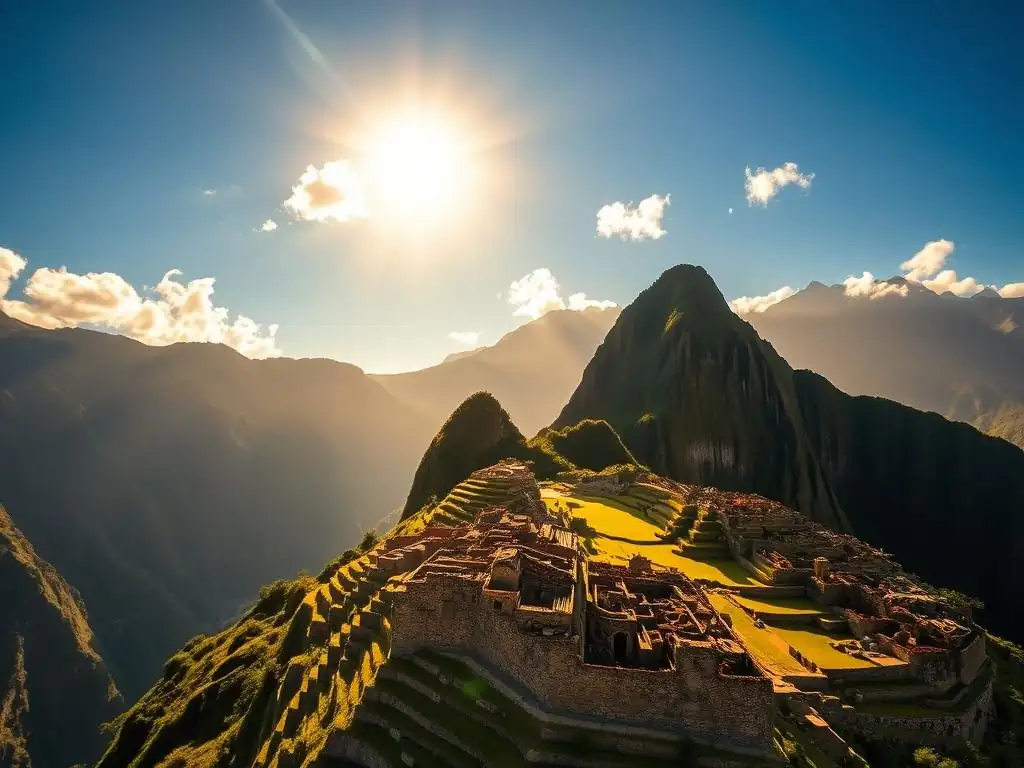
Welcome to Indigenous Civilizations of the Americas, where we embark on an enlightening journey through the rich tapestry of indigenous cultures that flourished long before European contact. In this exploration, we delve into the fascinating origins and achievements of the Inca Empire, a civilization renowned for its architectural marvels and sophisticated societal structures. What secrets lie within the Andes, and how did this powerful empire shape the world around it? Join us as we unravel the incredible story of the Incas and discover the lasting impact of their legacy. Your adventure into the depths of history begins here!
The Inca Empire, one of the most remarkable civilizations in the Americas, presents a fascinating tapestry of history that intertwines the origins, achievements, and societal structures of its people. Spanning from the early 15th century until the Spanish conquest in the 16th century, the Inca Empire was not only the largest empire in pre-Columbian America but also a beacon of innovation and resilience in the face of adversity.
This article delves into the origins of the Inca Empire, exploring how a small tribal group transformed into a powerful civilization renowned for its sophisticated engineering, agricultural techniques, and a complex social hierarchy.
As we unravel the intricate layers of this civilization, we will highlight the achievements that set the Incas apart from their contemporaries and discuss their lasting impact on the cultures that followed. By examining the socio-political dynamics, technological advancements, and cultural practices of the Inca Empire, we aim to provide a comprehensive understanding of its significance in the broader narrative of indigenous civilizations in the Americas. Whether you are an enthusiast of history or simply curious about one of the most influential societies of the past, this exploration promises to uncover the rich legacy of the Inca Empire.
- Introduction to the Inca Empire Origins and Achievements
- Historical Context of the Inca Empire
- Key Factors Influencing the Origins of the Inca Empire
- Major Achievements of the Inca Empire
- Cultural Aspects of the Inca Empire
- The Legacy of the Inca Empire
- Conclusion: Understanding the Inca Empire Origins and Achievements
- Further Reading on Inca Civilization History and Origins
- Frequently Asked Questions
- Final Reflection: The Enduring Legacy of the Inca Empire
- Embrace the Legacy of the Inca!
Introduction to the Inca Empire Origins and Achievements
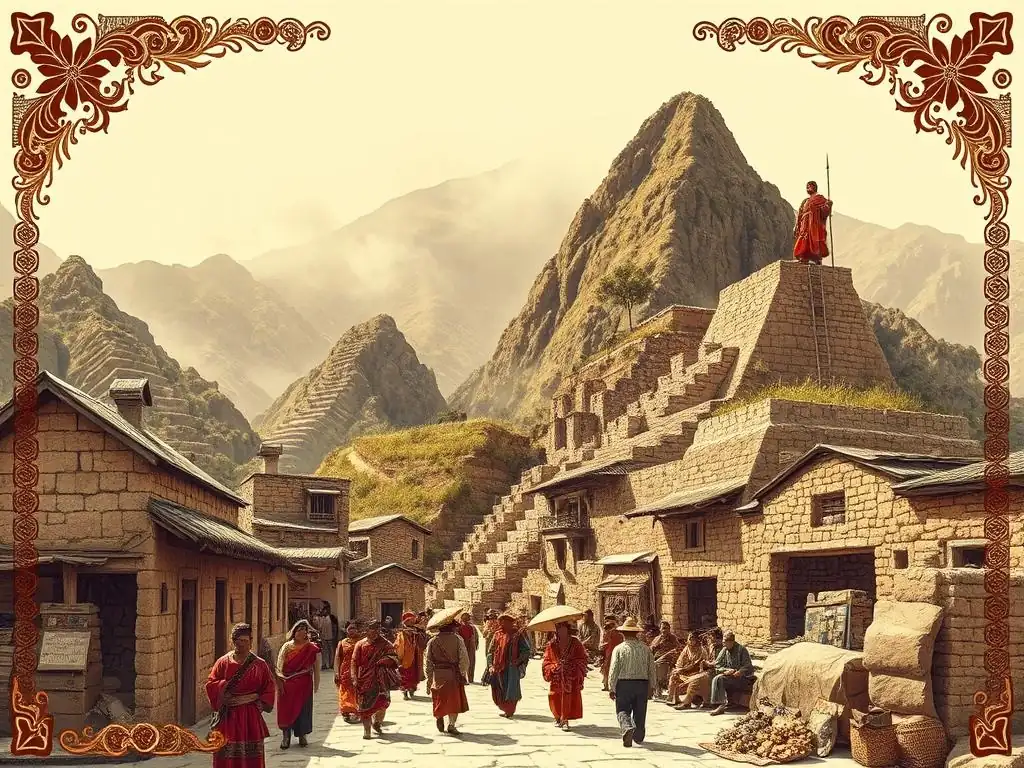
The Inca Empire, one of the most remarkable civilizations in pre-Columbian history, flourished in the Andean region of South America from the early 15th century until the Spanish conquest in the 16th century. Understanding the origins and achievements of the Inca Empire not only illuminates the complexities of its societal structure and cultural practices but also highlights its significant role in shaping the history of the Americas. This section delves into the foundational aspects of the Inca civilization, exploring its roots and the enduring legacy it left behind.
Overview of the Inca Civilization
The Inca civilization was characterized by its extensive territorial reach, which at its height encompassed a vast area stretching from modern-day Colombia to Chile. The empire was known for its sophisticated political organization, advanced agricultural practices, and impressive architectural feats.
- Political Structure:
- The Inca Empire was a centralized state ruled by a single emperor, known as the Sapa Inca. This position was seen as a divine authority, with the emperor regarded as the descendant of the sun god, Inti.
- The empire was divided into four regions, each governed by local leaders (or kurakas), who were appointed by the Sapa Inca to maintain order and ensure tribute collection.
- Agricultural Innovations:
- The Incas developed advanced agricultural techniques, including terracing, irrigation, and the cultivation of diverse crops such as potatoes, maize, and quinoa.
- They utilized a system called ayllu, which organized communities into cooperative groups for agricultural production and resource management.
- Architectural Achievements:
- The Incas are renowned for their monumental architecture, including the famous city of Machu Picchu. Their construction techniques utilized precisely cut stones that required no mortar, allowing structures to withstand earthquakes.
- Roads and bridges were built to connect various regions of the empire, facilitating trade and military movement.
Importance of Studying Inca Empire Origins
Studying the origins of the Inca Empire is crucial for several reasons:
- Cultural Understanding:
- The Inca civilization represents a unique cultural identity that encompasses language, religion, and social customs. By examining its origins, we can appreciate the diversity of human experience and the development of complex societies in the Americas.
- Historical Context:
- Understanding the rise of the Inca Empire provides insight into the broader historical narrative of pre-Columbian civilizations. It allows historians and archaeologists to piece together the interactions between different cultures and the factors that led to the empire's expansion.
- Lessons from the Past:
- The Inca's achievements in governance, agriculture, and architecture offer valuable lessons for contemporary societies. Their ability to adapt and innovate in response to environmental challenges is particularly relevant today, as we face similar issues.
- Preservation of Heritage:
- A deeper understanding of the Inca Empire's origins and achievements fosters appreciation for indigenous heritage and contributes to ongoing efforts to preserve and celebrate these cultures in the face of modern challenges.
The exploration of the Inca Empire origins and achievements provides a critical lens through which we can view not only the past but also our present and future. The legacy of the Inca civilization continues to influence the cultural landscape of South America, making it an essential area of study for anyone interested in the rich tapestry of human history.
Historical Context of the Inca Empire
Understanding the origins and achievements of the Inca Empire requires delving into the historical context that shaped this remarkable civilization. This section explores the pre-Inca cultures that laid the foundation for the Inca Empire and the significant factors that contributed to its rise in the 15th century.
Pre-Inca Cultures in the Andes
Before the Inca Empire emerged, a variety of sophisticated cultures inhabited the Andean region. These pre-Inca civilizations played a critical role in the development of social structures, agricultural practices, and technological innovations that would later be integrated into Inca society.
- Norte Chico Civilization (circa 3000-1800 BCE): One of the earliest known civilizations in the Americas, the Norte Chico, located in present-day Peru, is noted for its monumental architecture and complex society. They engaged in agriculture, primarily cultivating cotton and squash, and developed one of the earliest forms of urbanization.
- Moche Culture (circa 100-700 CE): Renowned for their intricate pottery and impressive irrigation systems, the Moche civilization thrived along the northern coast of Peru. Their artistry, particularly in ceramics and metalwork, showcased advanced techniques and significant social stratification.
- Nazca Culture (circa 100 BCE-800 CE): Famous for the Nazca Lines—large geoglyphs etched into the desert floor—the Nazca were skilled artisans and agriculturalists. They developed sophisticated irrigation systems to support their farming, which influenced later Inca agricultural practices.
- Tiwanaku and Wari Cultures (circa 400-1000 CE): Situated in the southern Andes, Tiwanaku and Wari cultures were influential in developing urban centers and extensive trade networks. Their architectural innovations and agricultural advancements, such as raised-field farming, set the stage for the Incas' later achievements.
The interplay of these diverse cultures contributed to a rich tapestry of knowledge, technology, and tradition that the Inca Empire would inherit and expand upon. The Incas absorbed various elements from these civilizations, particularly in agricultural techniques, architectural styles, and social organization.
The Rise of the Inca Empire in the 15th Century
The emergence of the Inca Empire in the 15th century marked a turning point in the history of the Andes. Several key factors contributed to the rapid expansion and consolidation of Inca power during this period.
- Political Unification: The Inca, originally a small tribe in the Cusco region, began to unify neighboring tribes through both diplomacy and military conquest. Under the leadership of powerful rulers like Pachacuti, the Inca consolidated their territories, leading to the establishment of a centralized government.
- Military Innovations: The Inca developed a highly organized military that utilized advanced tactics and effective communication strategies, such as the use of runners (chasquis) for message delivery. This enabled rapid mobilization and coordination during military campaigns, allowing for swift territorial expansion.
- Agricultural Advancements: The cultivation of diverse crops, such as potatoes, maize, and quinoa, along with the invention of terracing and irrigation techniques, significantly increased agricultural productivity. This surplus supported a growing population and the administrative demands of an expanding empire.
- Economic Integration: The Inca Empire established extensive trade routes that facilitated the exchange of goods, ideas, and cultural practices across vast distances. The mit'a system, a form of labor tax, enabled the state to mobilize resources effectively for public works and military endeavors.
- Cultural Cohesion: The Incas implemented a policy of cultural assimilation, promoting the worship of their sun god, Inti, and the use of the Quechua language throughout their territories. This fostered a sense of unity and identity among diverse groups within the empire.
By the late 15th century, the Inca Empire emerged as one of the largest and most powerful civilizations in pre-Columbian America, stretching from modern-day Colombia to Chile. Its origins, rooted in the achievements of earlier Andean cultures, combined with strategic military and economic practices, laid the groundwork for a civilization that would leave a lasting legacy.
Key Factors Influencing the Origins of the Inca Empire
Geographic Advantages of the Andean Region
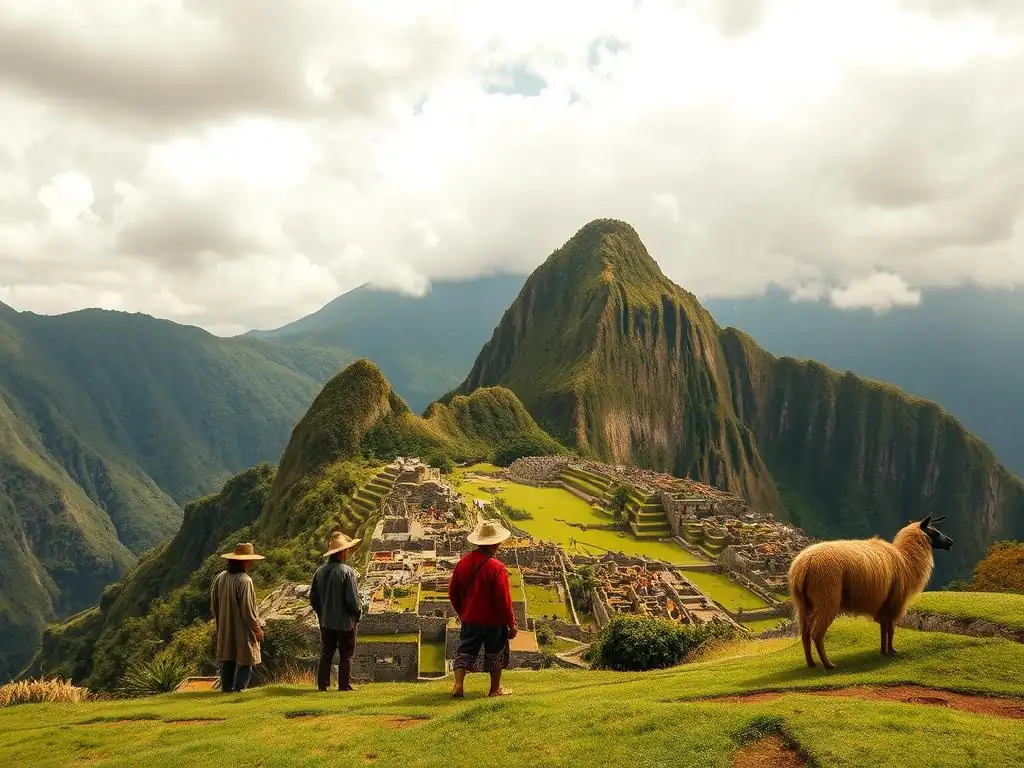
The Andean region provided a unique geographical landscape that significantly contributed to the origins of the Inca Empire. This mountainous area, characterized by its high altitudes, deep valleys, and diverse climates, offered several advantages that facilitated the rise of this powerful civilization.
- Natural Defenses: The rugged terrain acted as a natural barrier against potential invasions. The steep mountains and deep canyons made it challenging for enemies to penetrate the heart of the Inca territories. This geographical isolation allowed the Incas to develop their society with relative security.
- Diverse Ecological Zones: Within the Andes, the Incas exploited a variety of ecological niches. The range of climates—from arid deserts to lush valleys—enabled them to cultivate a wide array of crops. This diversity supported a stable food supply, crucial for the growth of cities and the expansion of the empire.
- Strategic Trade Routes: The geography of the Andes facilitated the establishment of trade networks. The Incas developed extensive road systems that connected various regions, allowing for efficient movement of goods, resources, and information. This connectivity was vital in unifying the empire and fostering economic growth.
Agricultural Innovations and Their Role in Expansion
Agriculture played a pivotal role in the origins and achievements of the Inca Empire. The Incas were adept at innovating agricultural practices that not only sustained their population but also allowed them to expand their territory.
- Terracing Techniques: The Incas developed sophisticated terracing methods to cultivate crops on steep mountain slopes. These terraces maximized arable land and reduced soil erosion. This innovation enabled them to significantly increase their agricultural output.
- Irrigation Systems: In addition to terracing, the Incas constructed extensive irrigation systems that included canals and aqueducts. These systems helped manage water resources effectively, ensuring that crops received adequate hydration even in the arid regions of the empire.
- Crop Diversity: The Incas cultivated a wide range of crops, including maize, potatoes, and quinoa. This agricultural diversity helped them withstand climatic variations and food shortages, reinforcing the stability of their society.
The combination of these agricultural innovations not only supported a growing population but also provided surplus resources that could sustain military campaigns and further territorial expansion, solidifying the Inca Empire's power.
The social structure and political organization of the Inca Empire were integral to its origins and achievements. Understanding this hierarchy sheds light on how the Incas managed their vast territories and diverse populations.
- Centralized Authority: At the pinnacle of the political organization was the Sapa Inca, the emperor, who was considered a divine ruler. The Sapa Inca held absolute power, and his leadership was crucial in unifying the various cultures and regions under Inca control.
- Administrative Divisions: The empire was divided into four main regions, or suyus, each administered by a governor. This division allowed for more effective governance and resource management across the sprawling empire. Each suyu had its own local leaders who reported directly to the Sapa Inca.
- Labor System: The Inca implemented the mita system, a form of labor tax that required citizens to work on public projects for a certain period. This system not only ensured a steady labor force for agriculture, construction, and military endeavors but also fostered a sense of communal responsibility and loyalty to the empire.
The combination of geographic advantages, agricultural innovations, and a robust social and political structure laid the foundation for the Inca Empire's origins and achievements. These elements created a civilization that could thrive and adapt in the challenging Andean environment, ultimately leading to one of the most powerful empires in pre-Columbian America.
Major Achievements of the Inca Empire
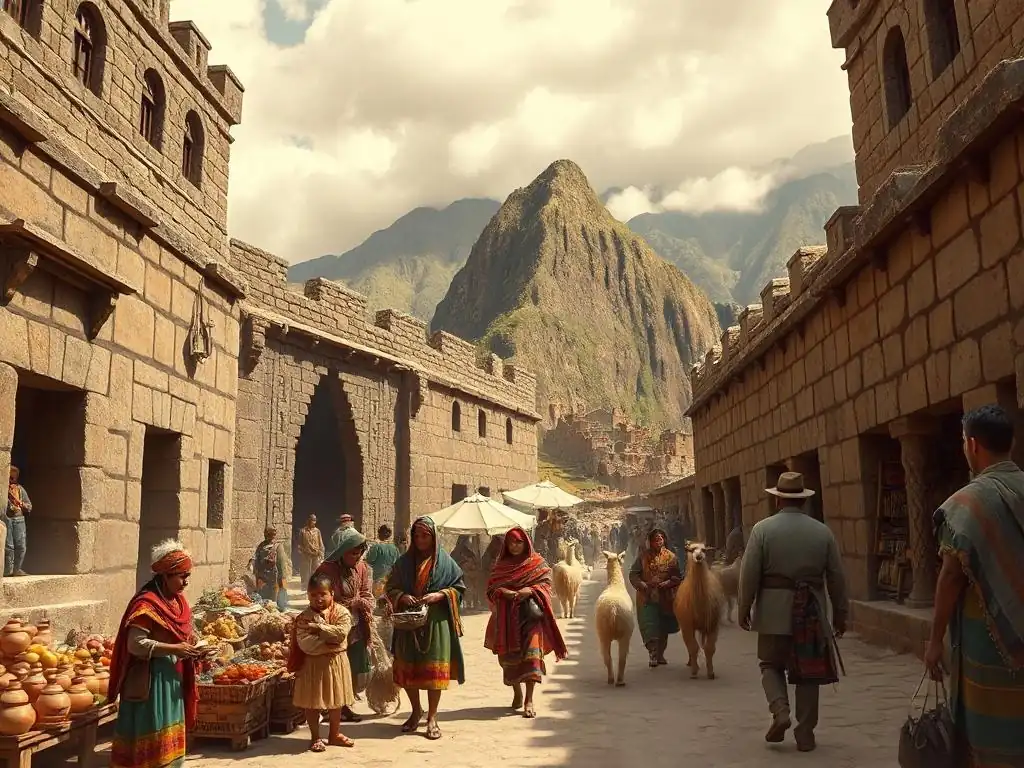
The Inca Empire, known for its remarkable achievements, was not only the largest empire in pre-Columbian America but also a civilization that demonstrated sophisticated governance, engineering, and cultural practices. Its legacy continues to influence contemporary society and is a subject of extensive study. The origins and achievements of the Inca Empire reveal a society that thrived through innovation, adaptation, and a deep connection to the Andean environment.
Architectural Marvels: Machu Picchu and Beyond
One of the most iconic symbols of the Inca Empire is Machu Picchu, a stunning archaeological site located high in the Andes Mountains. Believed to have been constructed in the 15th century during the reign of Emperor Pachacuti, Machu Picchu exemplifies the Inca's architectural prowess. The site features:
- Precision Stonework: The Incas mastered the technique of fitting stones together without mortar, creating structures that have withstood centuries of earthquakes.
- Terraced Farming: The agricultural terraces at Machu Picchu illustrate the Inca's understanding of environmental adaptation, allowing them to cultivate crops efficiently in a mountainous terrain.
- Sophisticated Water Management: The site includes an intricate system of channels and fountains that provided fresh water, showcasing their advanced engineering capabilities.
Beyond Machu Picchu, the Inca Empire is also known for other significant architectural achievements, such as Sacsayhuamán, a ceremonial complex near Cusco, which features massive stone walls that demonstrate their advanced construction techniques. These structures not only served practical purposes but also held significant cultural and ceremonial importance.
Advances in Engineering: Roads and Bridges
The Inca Empire is renowned for its extensive network of roads, often referred to as the Qhapaq Ñan. This system connected various regions of the empire and facilitated trade, communication, and military movements. Key aspects of this engineering marvel include:
- Diverse Terrain Navigation: The Inca roads traversed diverse landscapes, including mountains, valleys, and deserts. They utilized tunnels, bridges, and stairs to overcome natural obstacles.
- Chasquis System: The Inca employed a relay system of runners known as chasquis to carry messages and goods across vast distances rapidly. This enabled efficient governance and coordination within the empire.
- Suspension Bridges: The Incas built remarkable suspension bridges using natural fibers, allowing for safe passage across deep gorges and rivers. These bridges exemplified their ingenuity and engineering capabilities.
The road network was not only a testament to the Inca's engineering skills but also a vital component of their administrative control, enabling them to maintain communication across their vast territory.
Contributions to Agriculture: Terracing and Irrigation
Agriculture was the backbone of the Inca Empire, and the Incas made significant advancements in agricultural practices that contributed to their sustainability and prosperity. Some notable contributions include:
- Terracing: The Incas developed extensive terracing systems on steep hillsides, which maximized arable land and reduced soil erosion. These terraces allowed for the cultivation of various crops, including potatoes, corn, and quinoa.
- Irrigation Techniques: They constructed sophisticated irrigation systems, including canals and aqueducts, to channel water from rivers to their fields. This innovation was crucial for farming in the arid highland regions.
- Crop Diversity: The Incas implemented a diverse agricultural strategy, cultivating a wide range of crops and using techniques such as crop rotation and companion planting to enhance yields.
The agricultural innovations of the Inca Empire not only supported their growing population but also established a foundation for trade and cultural exchange, influencing agricultural practices in the Andes long after the empire's decline.
The origins and achievements of the Inca Empire reflect a civilization that excelled in architecture, engineering, and agriculture, leaving a lasting legacy on the indigenous cultures of the Americas and beyond.
Cultural Aspects of the Inca Empire
The Inca Empire, known for its monumental achievements and extensive influence across the Andes, was characterized by a rich tapestry of cultural aspects that defined its identity. These elements were deeply intertwined with the daily lives of the Inca people and played a significant role in their societal structure and governance. In this section, we will explore the religious beliefs, language, and artistic expressions that contributed to the Inca Empire's legacy.
Religion and Spirituality in Inca Society
Religion was the cornerstone of Inca society, deeply embedded in daily life and governance. The Incas practiced a polytheistic belief system centered around the worship of several deities, with Inti, the sun god, holding a prominent position. The Incas believed that Inti was the ancestor of their rulers, which lent divine legitimacy to the Sapa Inca, the emperor. This connection between religion and leadership emphasized the importance of spiritual authority in maintaining social order.
Key features of Inca spirituality include:
- Rituals and Offerings: The Incas performed elaborate ceremonies to appease the gods, which included sacrifices of llamas, textiles, and even human offerings during significant events. The Capacocha ceremony, for example, involved the sacrifice of children to ensure agricultural fertility and societal prosperity.
- Sacred Places: The landscape was imbued with spiritual significance. The Incas constructed temples, such as the famous Coricancha in Cusco, dedicated to Inti, which served as the empire's religious center. These sacred sites often aligned with astronomical events, reflecting the Incas' deep understanding of celestial movements.
- Cosmology: The Inca worldview was structured around the concept of Hanan Pacha (the upper world), Kay Pacha (the world of the living), and Ukhu Pacha (the underworld). This triadic structure influenced their rituals, governance, and societal organization.
The Inca's religious practices not only fostered community cohesion but also established a framework for their governance, as rulers were seen as intermediaries between the divine and the mortal realms.
The Role of Language and Communication
Language played a vital role in the administration and cultural cohesion of the Inca Empire. The principal language, Quechua, was a unifying force that facilitated communication among the diverse groups within the empire. Its significance can be understood through several key aspects:
- Administrative Efficiency: The Incas implemented a sophisticated system of record-keeping known as quipus, which utilized knotted strings to convey numerical data and information. This method allowed for efficient management of resources and population, essential for a vast empire.
- Cultural Transmission: Quechua was not just a means of communication but a vessel for transmitting cultural knowledge, oral history, and traditions. The oral tradition was paramount, with ayllus (kinship groups) passing down stories, songs, and customs from generation to generation.
- Integration of Diverse Cultures: As the Inca Empire expanded, the use of Quechua helped assimilate various ethnic groups. Although many local languages persisted, Quechua became the lingua franca, fostering a sense of shared identity among the empire's subjects.
The emphasis on language and communication in the Inca Empire exemplified its administrative prowess and cultural unity, solidifying its identity as a powerful civilization.
Art and Craftsmanship: Symbols of Inca Identity
Art and craftsmanship in the Inca Empire were not merely decorative; they served as profound expressions of identity, spirituality, and societal values. The Incas excelled in various artistic forms, each reflecting their sophisticated understanding of materials and techniques:
- Textiles: Inca textiles are renowned for their vibrant colors and intricate designs. The use of high-quality alpaca and llama wool enabled artisans to create textiles that were not only functional but also served as status symbols. The patterns often depicted cosmological themes and social hierarchy.
- Architecture: The engineering marvels of the Incas are exemplified in structures like Machu Picchu and the extensive road networks that connected the empire. The use of precisely cut stones that fit together without mortar showcased their architectural ingenuity and understanding of seismic activity.
- Pottery and Metalwork: The Incas produced exquisite pottery and metalwork, often adorned with symbolic motifs. Gold and silver were not only materials of adornment but also held spiritual significance, believed to represent the sweat of the sun and the moon, respectively.
The artistic achievements of the Inca Empire were central to their cultural identity, serving as both functional objects and powerful symbols of their rich heritage. Through their artistry, the Incas left a lasting legacy that continues to capture the imagination of people today.
The Legacy of the Inca Empire
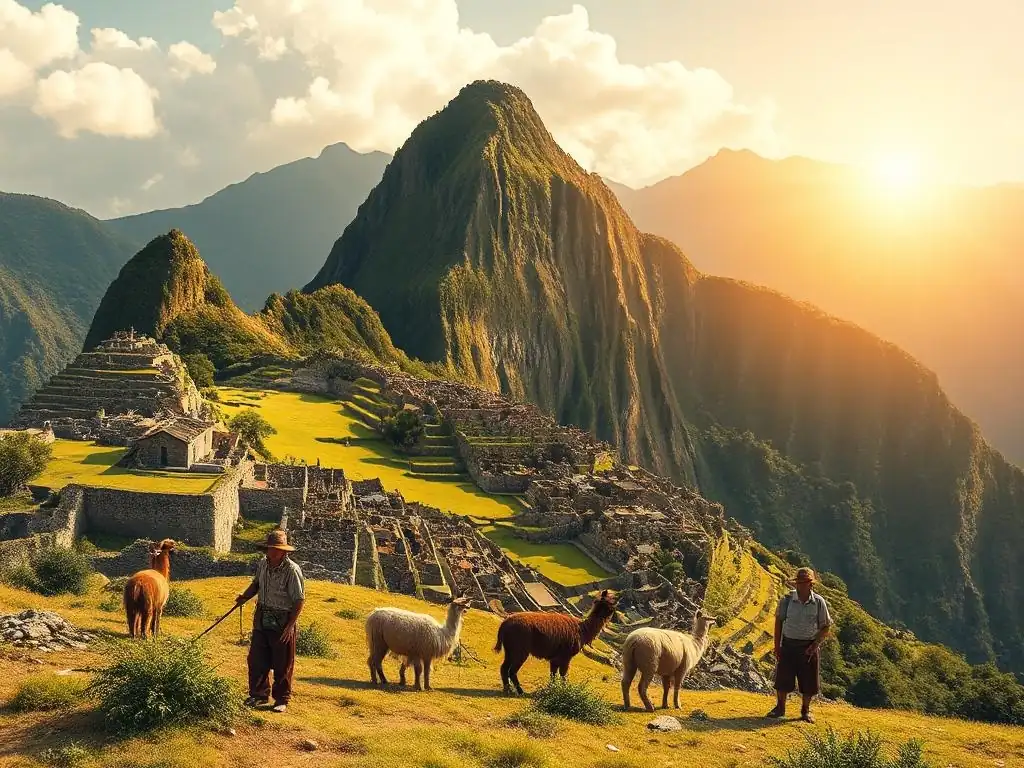
The Inca Empire, known for its remarkable achievements in architecture, agriculture, and governance, left a profound legacy that continues to influence the indigenous cultures and contemporary nations of South America. The integration of various cultural elements, innovative practices, and social structures established by the Inca has shaped the identity of numerous communities, demonstrating the enduring power of this ancient civilization.
Lasting Impact on Modern Indigenous Cultures
The influence of the Inca Empire can be seen in the traditions and practices of modern indigenous groups throughout the Andes region. Several key aspects highlight this enduring heritage:
- Agricultural Techniques:
- The Incas mastered advanced farming methods, including terrace farming and irrigation systems, which are still utilized by indigenous farmers today.
- These techniques not only optimized land use but also preserved water resources in the mountainous terrain.
- Textile and Craftsmanship:
- Incan textile production was renowned for its quality and complexity. Many contemporary indigenous artisans continue to use traditional weaving techniques and patterns that trace back to Incan designs.
- The symbolism embedded in these textiles often reflects historical narratives and cultural beliefs that have persisted through generations.
- Social Structures:
- The Inca society was organized into a hierarchical structure that influenced the social organization of many indigenous communities.
- Concepts of community labor and reciprocity, known as ayni, remain integral to indigenous societal interactions today, fostering cooperation and mutual support.
- Spiritual Practices:
- The Inca Empire’s religious beliefs, which revered the sun god Inti and incorporated elements of nature worship, have been adapted and preserved in various forms by modern indigenous religions.
- Rituals that honor the earth, such as Pachamama (Mother Earth) celebrations, continue to be significant in many Andean cultures.
Influence on Contemporary South American Nations
The impact of the Inca Empire extends beyond indigenous cultures, shaping the broader socio-political landscape of modern South American nations. Here are some noteworthy influences:
- Cultural Identity:
- The Inca heritage has become a source of pride and identity for many South American nations, particularly Peru, Bolivia, and Ecuador.
- Festivals like Inti Raymi, which celebrates the Inca sun god, attract tourists and serve as a reminder of the region's rich history.
- Political Structures:
- The centralized governance model established by the Incas has influenced contemporary political systems in South America, highlighting the importance of strong leadership and resource management.
- The concept of territorial division based on ethnic and cultural lines, rooted in the Inca administrative practices, continues to resonate in modern governance debates.
- Economic Practices:
- The Inca emphasis on agriculture and community-based economies has inspired modern sustainable farming initiatives aimed at preserving biodiversity and promoting local food systems.
- Cooperative models that reflect Inca principles of mutual aid and shared resources are increasingly becoming popular in rural areas.
The legacy of the Inca Empire is a testament to the resilience and adaptability of indigenous cultures in South America. From agricultural innovations to cultural celebrations, the Inca origins and achievements continue to resonate, shaping the lives and identities of people across the continent today.
Conclusion: Understanding the Inca Empire Origins and Achievements
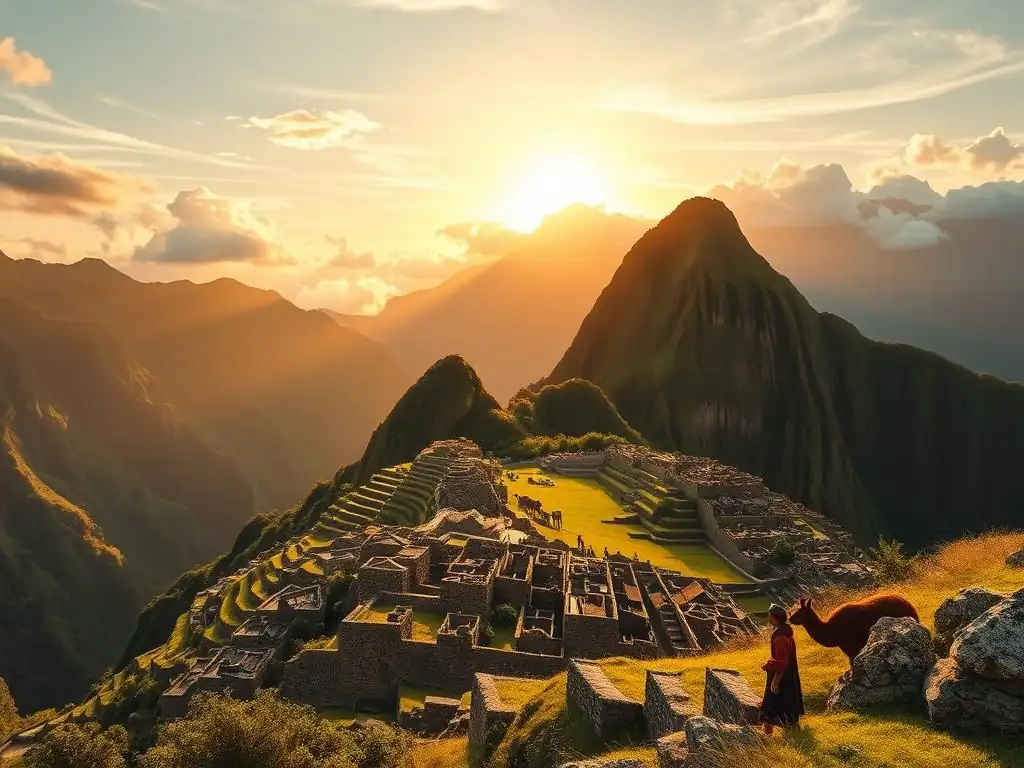
Summarizing the Significance of the Inca Empire
The Inca Empire stands as one of the most remarkable civilizations in the history of the Americas, distinguished not only by its vast territorial expanse but also by its rich cultural and technological advancements. Spanning from the early 15th century until the Spanish conquest in the 16th century, the Inca Empire was characterized by sophisticated agricultural practices, advanced engineering, and a complex social structure.
One of the key achievements of the Inca Empire was its extensive road system, which facilitated trade and communication across diverse terrains. Stretching over 25,000 miles, this network connected various regions and allowed for the efficient movement of goods, troops, and information. The Incas also excelled in agricultural innovation, utilizing terrace farming techniques that maximized arable land in the rugged Andean mountains. These methods not only supported a large population but also influenced agricultural practices in subsequent civilizations.
Additionally, the Quipu, a unique system of knotted strings, served as a vital tool for record-keeping and communication, illustrating the Incas' ingenuity in managing their vast empire. The architectural prowess displayed in structures like Machu Picchu and the Sacsayhuamán fortress further exemplifies the Inca's achievements, showcasing their ability to harmonize with the environment while building monumental sites that still capture the imagination today.
The Importance of Preserving Inca Heritage
Preserving the Inca heritage is crucial for understanding the historical narrative of the Americas and recognizing the contributions of indigenous cultures. The legacy of the Inca Empire is not merely a subject of academic interest; it is a profound part of the identity for many indigenous peoples in the region today.
Efforts to safeguard Inca sites and traditions are essential for promoting cultural pride and awareness among future generations. This preservation includes not only the physical remnants of the empire—such as temples, roads, and agricultural terraces—but also the intangible cultural heritage, including language, rituals, and traditional practices that continue to thrive among descendants of the Inca.
Moreover, the study of the Inca Empire origins and achievements provides valuable insights into sustainable practices and community organization that can inform modern society. By understanding their methods of resource management and social cohesion, contemporary cultures can learn from the past to address current challenges in sustainability and community development.
The Inca Empire represents a foundational chapter in the history of indigenous civilizations in the Americas. Its origins and achievements not only shaped the Andean region but also offer timeless lessons that resonate in today’s world. As we continue to explore and celebrate this remarkable civilization, the commitment to preserving its heritage will ensure that the story of the Inca lives on for generations to come.
Further Reading on Inca Civilization History and Origins
Recommended Books and Articles
For those interested in delving deeper into the origins and achievements of the Inca Empire, a selection of books and articles can provide invaluable insights. Here are some noteworthy recommendations:
- "The Inca Empire: A Very Short Introduction" by Teresa A. P. R. M. C. B.
- This concise volume offers a comprehensive overview of Inca history, culture, and social structure, making it an excellent starting point for readers new to the subject.
- "The Last Days of the Incas" by Kim MacQuarrie
- A gripping historical narrative that chronicles the fall of the Inca Empire. MacQuarrie combines archaeological findings with vivid storytelling to illustrate the complexities of Inca society and its eventual demise.
- "Inca Religion and Customs" by L. A. W. C. G.
- This book explores the spiritual beliefs and rituals of the Inca civilization, shedding light on how religion intertwined with daily life and governance.
- "The Inca: A History" by David W. B.
- A scholarly examination of Inca history, this work discusses the empire's origins, expansion, and administrative achievements, emphasizing the political and economic systems that sustained it.
- "Empire of the Sun: The Inca" by K. A. H.
- This illustrated book offers a visual journey through the Inca Empire, featuring maps, artifacts, and insights into the daily life of the Incas.
Online Resources for Learning About the Inca Empire
The internet is a rich source of information for those wishing to study the Inca Empire further. Here are some valuable online resources:
- Smithsonian National Museum of the American Indian
- The museum's website offers an array of articles, exhibitions, and educational resources focused on Indigenous cultures, including the Inca.
- World History Encyclopedia
- This extensive online encyclopedia provides detailed articles about the Inca Empire's history, culture, and societal achievements, complemented by maps and images.
- Khan Academy: The Inca Empire
- An educational platform that features lessons on various aspects of Inca civilization, including economy, society, and architecture.
- National Geographic: Inca Civilization
- National Geographic's website includes articles and multimedia content that explore the Inca Empire's fascinating history and its lasting legacy.
- YouTube Documentaries
- Platforms like YouTube host several documentary films and educational videos detailing the Inca Empire’s history, culture, and archaeological discoveries, providing engaging visual content for learners.
By utilizing these books and online resources, readers can gain a more profound understanding of the Inca Empire origins and achievements, enriching their knowledge of this remarkable civilization.
Frequently Asked Questions
What were the origins of the Inca Empire?
The Inca Empire originated in the Andean region of South America, specifically in present-day Peru. It began as a small tribe in the early 15th century and rapidly expanded through military conquest and diplomacy.
What are some key achievements of the Inca Empire?
The Inca Empire is renowned for its advanced agricultural practices, including the creation of terraced farming. They also constructed an extensive road network and impressive stone architecture, like Machu Picchu.
How did the Inca Empire manage its society?
The Inca society was highly organized, with a system of hierarchical governance. The Sapa Inca was the supreme ruler, and the society was structured around ayllus, or communal groups, which facilitated resource sharing and cooperation.
What was the impact of the Inca Empire on surrounding cultures?
The Inca Empire influenced surrounding cultures through trade, cultural exchange, and administrative practices. Their achievements in agriculture and engineering set a standard that affected later civilizations in the region.
How did the Inca Empire contribute to the understanding of indigenous cultures?
The Inca Empire serves as a crucial example of the complexity and sophistication of indigenous cultures in the Americas. Their achievements and societal structures offer valuable insights into the diverse civilizations that existed prior to European colonization.
Final Reflection: The Enduring Legacy of the Inca Empire
The origins and achievements of the Inca Empire resonate profoundly in today's world, reminding us of the remarkable capabilities of human civilization. As we explore the intricate tapestry of their history, we uncover not just a powerful empire but also a testament to innovation, resilience, and cultural richness that continues to inspire modern societies. The Inca Empire's legacy is not merely a chapter in history; it is a beacon of what can be achieved through unity and vision.
Culturally and socially, the influence of the Inca Empire is palpable in contemporary discussions about sustainability, community, and heritage. Their sophisticated agricultural practices and social structures offer valuable lessons in how we can harmonize with our environment and foster community resilience. As we reflect on their achievements, we are reminded of the words of historian John Hemming: The Incas were not just builders of roads and cities; they were architects of a society that thrived on cooperation and ingenuity.
This observation underscores the importance of collaboration in achieving greatness, a principle that remains relevant in our interconnected world.
As we conclude our exploration of the Inca Empire, I invite you to reflect on how the lessons from their origins and achievements can be applied in your own life. Consider how you can embody the spirit of innovation and community that defined this remarkable civilization. Whether through sustainable practices, cultural appreciation, or fostering collaboration in your endeavors, let the legacy of the Inca Empire inspire you to create a brighter future. Embrace the call to action and carry forward the wisdom of the past into the present and beyond.
Embrace the Legacy of the Inca!
Thank you for exploring the fascinating world of the Inca Empire with us! Your journey into the origins of this powerful civilization has undoubtedly sparked curiosity and a deeper appreciation for Indigenous cultures. Now, it’s time to take action and further your exploration!
Here are a few inspiring steps you can take right now:
- Dive deeper: Learn more about the Inca's innovative agricultural methods and their lasting impact on contemporary farming practices.
- Join the conversation: Discuss your insights about this article with friends or engage in an online community dedicated to Indigenous history.
- Explore further: Visit local museums or exhibitions that showcase the rich legacy of the Inca Empire and other Indigenous civilizations.
What aspect of the Inca Empire's history resonates most with you, and how do you plan to share that knowledge with others?