
How the Sapa Inca Ruled: The Role of the Emperor in Incan Governance

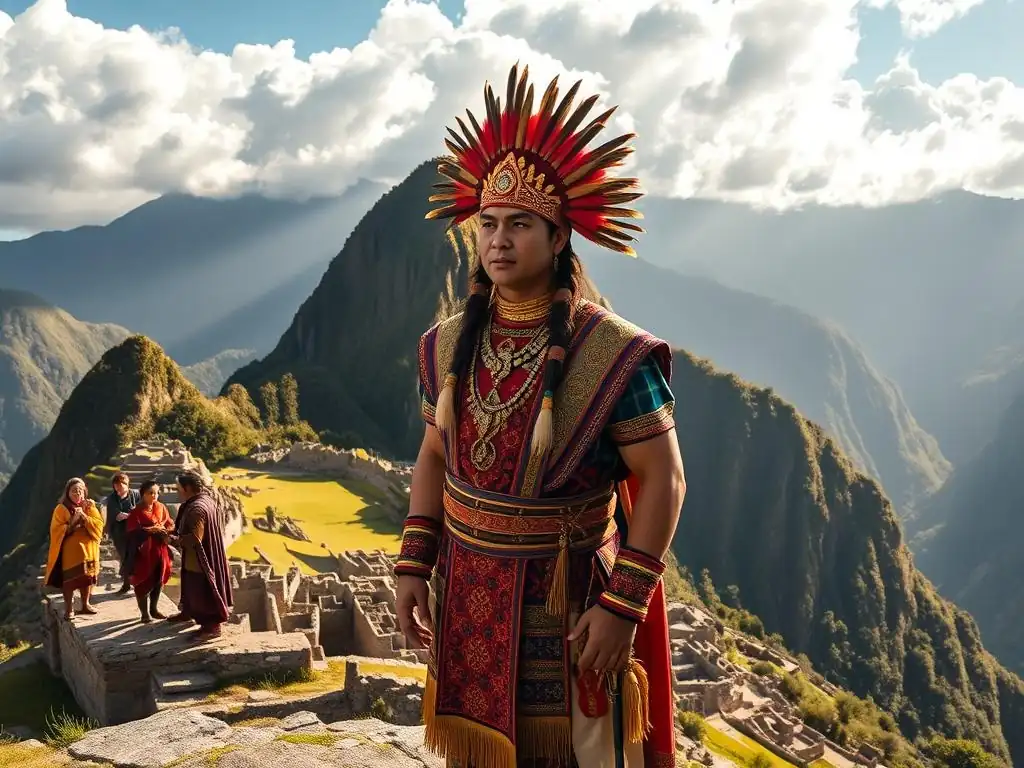
Welcome to Indigenous Civilizations of the Americas, where we invite you to journey through the vibrant tapestry of cultures that flourished long before European contact. Our exploration begins with a deep dive into the remarkable governance system of the Inca emperor, known as the Sapa Inca—an intriguing model of leadership that shaped the destiny of one of history's greatest civilizations. What made this emperor's rule so distinctive, and how did it influence the Incan society?
Join us as we uncover the complexities of Incan governance and the lasting legacy it has left behind. Your adventure into the past starts here!
- Introduction to the Inca Emperor Governance System
- The Role of the Sapa Inca: Authority and Responsibilities
- The Sapa Inca's Relationship with the Nobility
- Administrative Organization Under the Sapa Inca
- The Sapa Inca’s Influence on Incan Society
- Challenges and Limitations of the Inca Emperor Governance System
- Conclusion: Legacy of the Sapa Inca and Governance System
- Frequently Asked Questions
- Final Reflection: The Enduring Legacy of Inca Emperor Governance
- Embrace the Legacy of the Sapa Inca!
Introduction to the Inca Emperor Governance System
The governance system of the Inca Empire, particularly the role of the Sapa Inca, is a fascinating subject that reveals the intricate political structures that supported one of the largest empires in pre-Columbian America. The Sapa Inca, as the supreme ruler, was not only a political leader but also a religious figure, embodying the state and its divine authority.
Understanding the governance system of the Inca emperor provides insights into how the empire managed its vast territories, implemented laws, and maintained social order among its diverse population. This article will delve into the complexities of the Incan political structure and highlight the significance of the Sapa Inca in the governance of one of history's most remarkable civilizations.
Overview of Incan Political Structure
The Incan political structure was highly organized and centralized, designed to maintain control over a vast and diverse empire that stretched along the western coast of South America. At its core was the Sapa Inca, who wielded supreme authority over all aspects of governance. Below the Sapa Inca, a series of administrative levels helped manage the extensive territories.
- Sapa Inca: The emperor, considered a direct descendant of the sun god Inti, had ultimate authority over the empire, including military, religious, and economic decisions.
- Noble Class: This group included high-ranking officials, military leaders, and priests who assisted the Sapa Inca in governance. They were responsible for managing local regions and reporting directly to the emperor.
- Ayllus: The basic social and political units in Inca society, the ayllus were groups of families that worked together for mutual benefit. Each ayllu had its own leader, who acted as a liaison between the families and the higher authorities.
The governance system was characterized by a blend of hierarchical organization and communal responsibility, ensuring that resources were effectively distributed and local issues were addressed. The Incan road system further facilitated communication and control, allowing the Sapa Inca to maintain oversight across vast distances.
Significance of the Sapa Inca in Governance
The role of the Sapa Inca was pivotal in shaping the governance system of the Inca Empire. As the embodiment of both political and spiritual authority, the Sapa Inca's decisions had profound impacts on the empire's stability and prosperity.
- Divine Right to Rule: The belief that the Sapa Inca was of divine descent legitimized his authority, fostering loyalty among the populace and ensuring compliance with his edicts.
- Centralized Decision Making: The Sapa Inca's ability to make swift, unilateral decisions enabled the empire to respond effectively to challenges, such as resource shortages or external threats. This centralization was crucial for maintaining order in a diverse empire.
- Cultural Integration: The Sapa Inca played a key role in integrating various cultures within the empire, promoting a shared identity through infrastructure projects, religious practices, and economic policies. This cultural cohesion was vital for the empire's longevity.
The governance system of the Inca emperor, particularly through the role of the Sapa Inca, was a sophisticated structure that combined divine authority with political acumen. This system not only facilitated effective governance but also left a lasting impact on the social and cultural landscape of the Andes. Understanding this governance system is essential for appreciating the remarkable achievements of the Inca civilization and its enduring legacy.
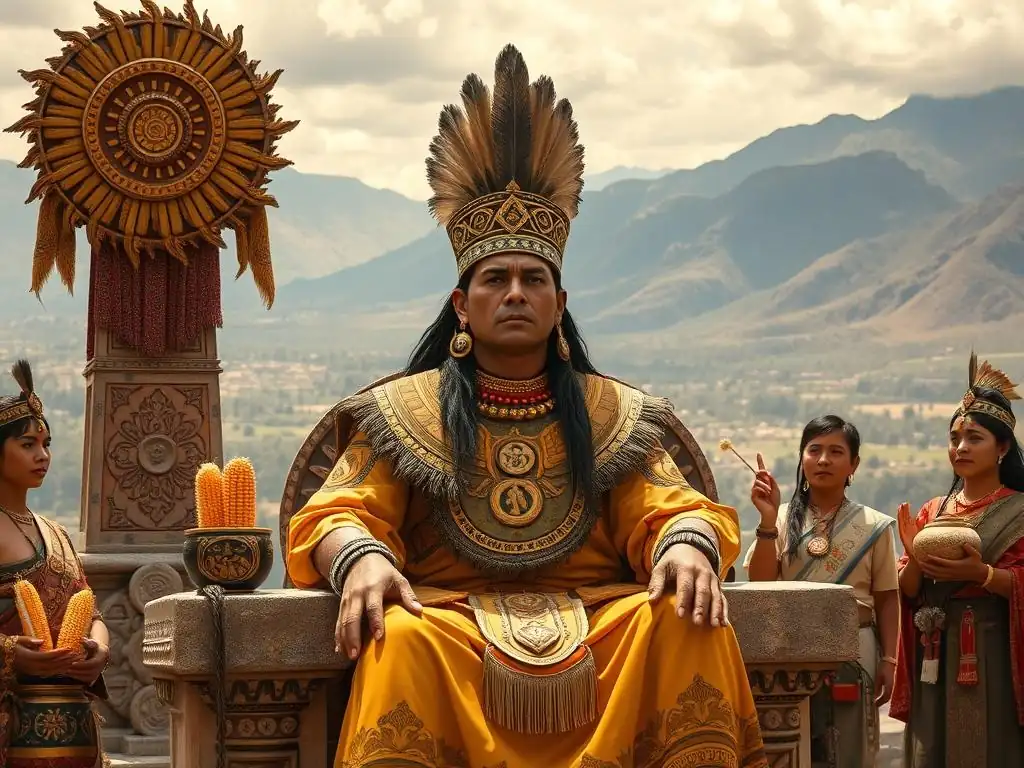
The Sapa Inca, or the emperor of the Incan civilization, held a central and multifaceted role in the governance system of the Inca Empire. This position was not merely ceremonial; the Sapa Inca wielded significant power and authority over various aspects of society, including religion, politics, military, and economy. The Sapa Inca was considered the "son of the sun," a title that underscored his divine right to rule and the belief that he was chosen by the gods to govern the vast territories of the empire.
The responsibilities of the Sapa Inca extended beyond ruling; he was seen as a figure of unity for the diverse cultures within the empire. His governance was characterized by a centralized system that enabled him to implement policies across vast distances. The Sapa Inca's authority was reinforced by a network of loyal nobles and administrators who helped manage the intricate affairs of the state, ensuring that the emperor's edicts were followed.
Divine Right of the Inca Emperor
The concept of divine right was integral to the governance system of the Inca Empire. The Sapa Inca was believed to be a direct descendant of Inti, the sun god, which imbued his rule with a sacred legitimacy. This belief system established a hierarchical order where the emperor's decisions were seen as divinely inspired, demanding absolute loyalty and obedience from his subjects.
- Religious Authority: The Sapa Inca was not only the political leader but also the high priest of the Incan religion. This dual role allowed him to officiate essential ceremonies and rituals that were crucial for maintaining cosmic harmony and agricultural fertility.
- Cultural Symbol: As a divine figure, the Sapa Inca embodied the unity of the Incan people. His presence was essential in reinforcing cultural traditions and promoting the worship of the gods, which further solidified his position as a ruler.
The Sapa Inca's divine status was pivotal in legitimizing his governance system. It created a sense of collective identity among the diverse groups within the empire, fostering loyalty and stability.
In the governance system of the Incan empire, the Sapa Inca held unparalleled political authority. His ability to make decisions unilaterally was supported by a structured hierarchy of advisors, including the Apu (high-ranking nobles) and other officials who specialized in various administrative functions.
- Centralized Power: The Sapa Inca's decisions affected all aspects of life, from land distribution to taxation and resource management. This centralization allowed for efficient governance, as laws and policies could be quickly enacted and enforced across the empire.
- Bureaucratic System: The Sapa Inca relied on a sophisticated bureaucratic system, which included various levels of administrators who managed local affairs in the provinces. This system ensured that his policies were implemented effectively and helped maintain order in the expansive territory.
- Consultative Approach: While the Sapa Inca possessed absolute power, he often consulted with his council of nobles, especially on matters of significant consequence. This consultative approach allowed for some degree of feedback and facilitated a more cohesive governance structure.
The Sapa Inca's political authority was central to maintaining the empire’s stability, enabling the Inca civilization to thrive for centuries.
Military Leadership and Expansion of the Empire
The Sapa Inca was also the supreme military leader of the Incan Empire, responsible for overseeing military campaigns and the defense of the realm. His role in military leadership was crucial for the expansion and consolidation of Incan territories.
- Military Campaigns: Under the Sapa Inca’s command, the Inca army undertook numerous campaigns, successfully incorporating diverse groups into the empire. These military efforts were often justified by the belief that the Sapa Inca was chosen by the gods to unify the lands and peoples.
- Strategic Alliances: The Sapa Inca was skilled in forming strategic alliances with neighboring tribes, often using diplomacy to secure peace or gain tribute without engaging in warfare. When necessary, however, the Sapa Inca did not hesitate to resort to military action to protect the empire’s interests.
- Infrastructure for Defense: The Sapa Inca also prioritized the construction of extensive road networks and fortifications, which facilitated troop movement and communication. This infrastructure was vital for maintaining control over the vast territories of the empire.
Through his military leadership, the Sapa Inca not only expanded the empire but also ensured its security, consolidating his power as both a political and military authority. The governance system that emerged under his rule was marked by a blend of religious legitimacy, centralized authority, and military prowess, ensuring the lasting impact of the Inca civilization.
The Sapa Inca's Relationship with the Nobility
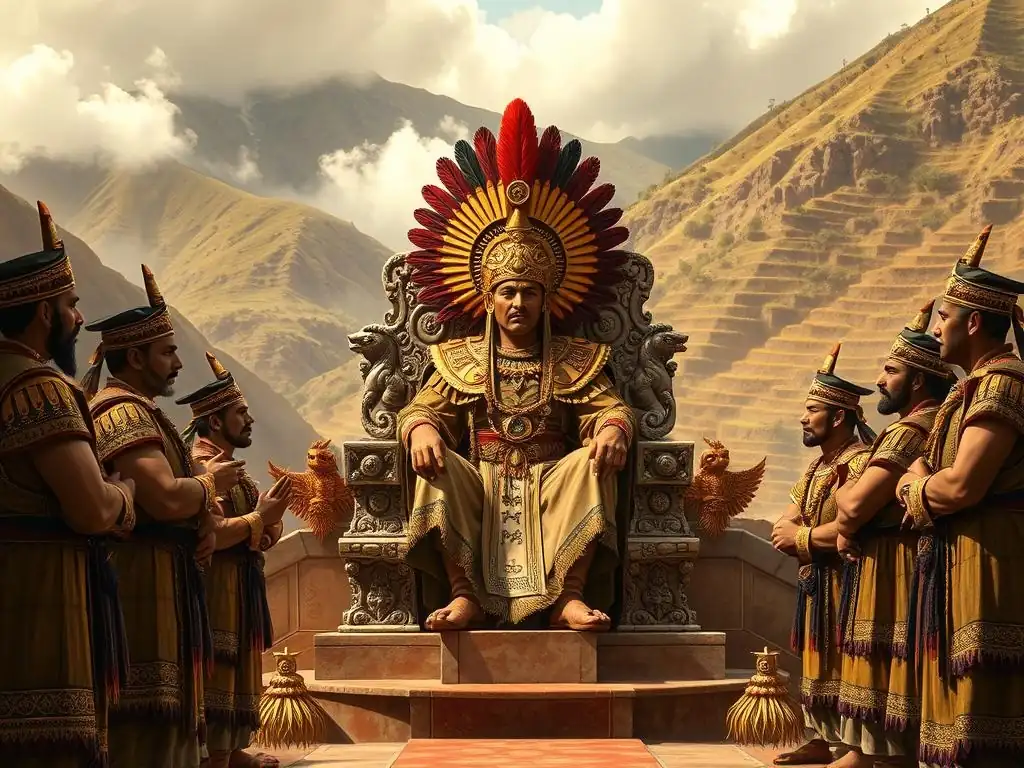
The Sapa Inca, as the supreme ruler of the Incan Empire, held a pivotal role in the governance system, where his relationship with the nobility was essential for maintaining authority and stability. This relationship was built upon mutual dependence, where the Sapa Inca relied on the nobility for local governance and loyalty, while the nobles benefited from the emperor's patronage and protection.
The Role of the Incan Nobility in Governance
The Incan nobility, known as Inca or Inka, were integral to the administration of the vast empire, which stretched over diverse territories and cultures. They were primarily responsible for governing various regions, often referred to as suyus. Each suyu had its own local leaders, typically from the noble class, who enforced the Sapa Inca's laws and collected tribute.
The nobility was divided into two main classes:
- Royal Family: This included the immediate relatives of the Sapa Inca, who held high positions and were deeply involved in strategic decision-making.
- Common Nobility: This group comprised noble families who were often granted lands and titles for their service to the empire. They acted as intermediaries between the Sapa Inca and the common people, ensuring local governance and stability.
The Sapa Inca appointed these nobles based on their loyalty, military prowess, and administrative capability. This meritocratic approach ensured that competent individuals held positions of power, which was crucial for the effective governance of the Incan Empire.
Patronage System and Loyalty among Nobles
The patronage system was a cornerstone of the Incan governance structure. The Sapa Inca provided nobles with land, resources, and titles in exchange for their loyalty and service. This relationship fostered a strong sense of obligation among the nobles to support the emperor’s interests, both politically and militarily.
- Land Grants: Nobles received vast estates, allowing them to cultivate crops and maintain a workforce. This wealth not only secured their loyalty but also enabled them to exert local influence.
- Military Support: In times of conflict, the Sapa Inca relied on nobles to muster troops from their territories. Nobles were incentivized to maintain a loyal and well-equipped military force, reinforcing their power and ensuring the emperor's protection.
This patronage system reinforced the hierarchical structure of Inca society, where loyalty to the Sapa Inca was paramount. Nobles who displayed disloyalty faced severe consequences, including loss of land and even execution, which served as a deterrent against rebellion.
The Influence of the High Priest and Religious Leaders
In addition to the nobility, religious leaders played a vital role in the governance system of the Inca Empire. The high priest, known as the Willaq Uma, was not only a spiritual leader but also a political figure with significant influence over the Sapa Inca.
- Religious Authority: The Willaq Uma acted as an intermediary between the gods and the people, legitimizing the Sapa Inca’s rule through religious ceremonies and rituals. This spiritual validation was crucial for maintaining the emperor's authority.
- Advisory Role: Religious leaders often provided counsel to the Sapa Inca on matters of governance, war, and social issues. Their insights into the populace's beliefs and needs were invaluable for maintaining social harmony and stability.
- Control of Resources: The priesthood managed significant resources, including temples and lands dedicated to the gods. This control allowed them to influence the economy and the distribution of wealth within the empire.
The relationship between the Sapa Inca and the nobility, alongside the influence of religious leaders, formed the backbone of the Inca emperor governance system. This intricate network of loyalty, patronage, and spiritual authority ensured that the empire functioned efficiently and maintained its dominance over a vast and diverse territory.
Administrative Organization Under the Sapa Inca
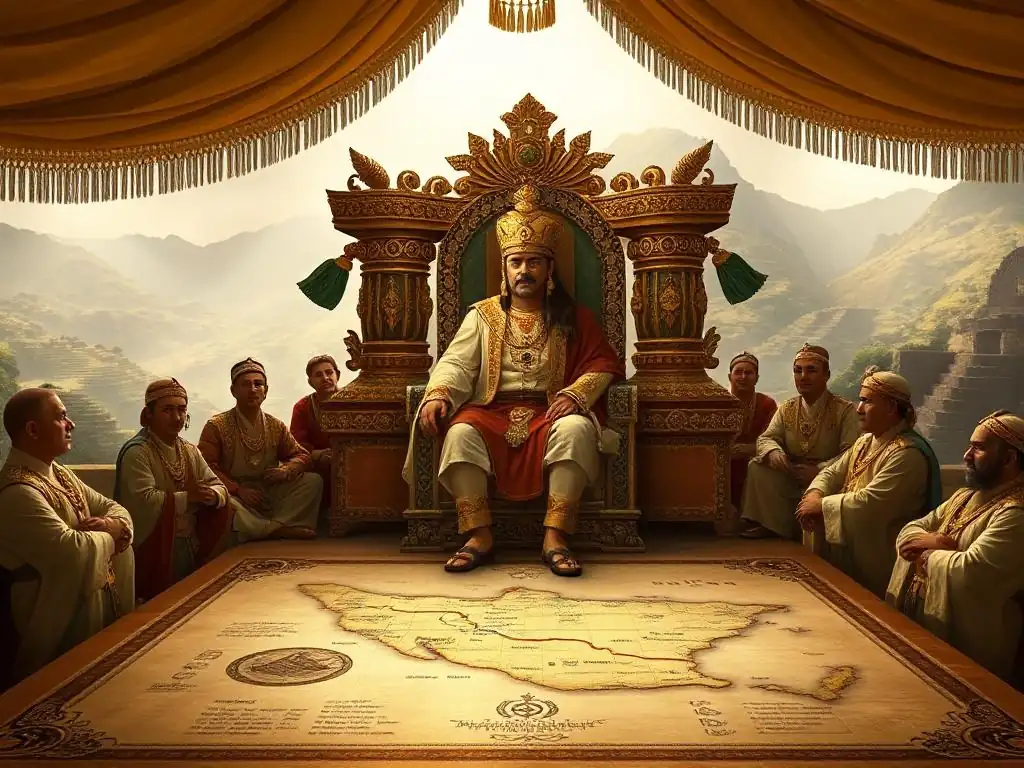
The administrative organization under the Sapa Inca was a sophisticated system that allowed for effective governance of the vast Incan Empire. The Sapa Inca, as the supreme ruler, held unparalleled power and was considered both a political and religious figure. His leadership was characterized by a complex hierarchy that facilitated control over the diverse regions of the empire, enabling the Inca civilization to flourish across the Andes.
Regional Governance and the Role of Local Leaders
The Incan Empire was divided into several regions known as suyus, which were further subdivided into smaller administrative units. Each suyu was governed by a local leader, often referred to as a kuraka. These leaders played a crucial role in maintaining order and implementing the policies of the Sapa Inca.
- Local Authority: Local leaders were responsible for collecting tribute, enforcing laws, and managing agricultural production. Their authority was derived from both their position and their relationship with the Sapa Inca, which was often cemented through kinship ties or loyalty to the emperor.
- Integration of Cultures: The kurakas acted as intermediaries between the Incan central government and the local populations. This facilitated the integration of various ethnic groups into the Incan system, promoting a sense of unity while respecting local customs and traditions.
- Accountability and Oversight: To ensure that local leaders were fulfilling their duties, the Incan government employed a system of oversight, including periodic visits by royal officials known as mitimaes. This helped maintain accountability and prevent corruption among local leaders.
The Taxation System and Resource Distribution
The taxation system in the Incan Empire was a vital aspect of the governance model, enabling the distribution of resources and wealth across the empire. The Inca emperor governance system was designed to ensure that resources were allocated efficiently to support infrastructure, military needs, and social welfare.
- Types of Taxation: The Inca imposed various forms of tribute, including labor contributions ( mita), agricultural produce, and textiles. The mita system required communities to provide a certain number of laborers for state projects, such as road construction and agricultural development.
- Resource Redistribution: Collected tributes were stored in state warehouses, known as qollqas, and redistributed as needed. This system ensured that regions experiencing poor harvests or natural disasters received the necessary support, thus maintaining stability and loyalty among the populace.
- Social Services: The Incan taxation system also funded social services, such as education and healthcare, which were administered through local leaders. This fostered a sense of community and reinforced the authority of the Inca government.
Infrastructure Development and State Control
Infrastructure development was a hallmark of the Incan Empire and a critical component of the governance system under the Sapa Inca. The extensive network of roads, bridges, and agricultural terraces not only facilitated military movement but also supported trade and communication across the empire.
- Road Network: The Inca constructed over 25,000 miles of roads, connecting various regions of the empire. This network allowed for efficient administration and rapid deployment of resources and military forces when necessary. The famous Inca Trail is a prime example of this engineering prowess.
- Agricultural Innovations: The Inca developed advanced agricultural techniques, including terracing and irrigation systems, which maximized arable land in the mountainous terrain. These innovations were crucial for sustaining a large population and ensuring food security.
- Centralized Control: Through infrastructure, the Sapa Inca exerted centralized control over the empire, allowing for the rapid movement of information and resources. The emperor's ability to mobilize labor for public works projects not only demonstrated his power but also solidified loyalty among the diverse populations within the empire.
The administrative organization under the Sapa Inca was characterized by a well-structured governance system that integrated regional leaders, a robust taxation framework, and comprehensive infrastructure development. These elements collectively ensured the stability and prosperity of the Incan Empire, allowing it to thrive for centuries before European contact.
The Sapa Inca’s Influence on Incan Society
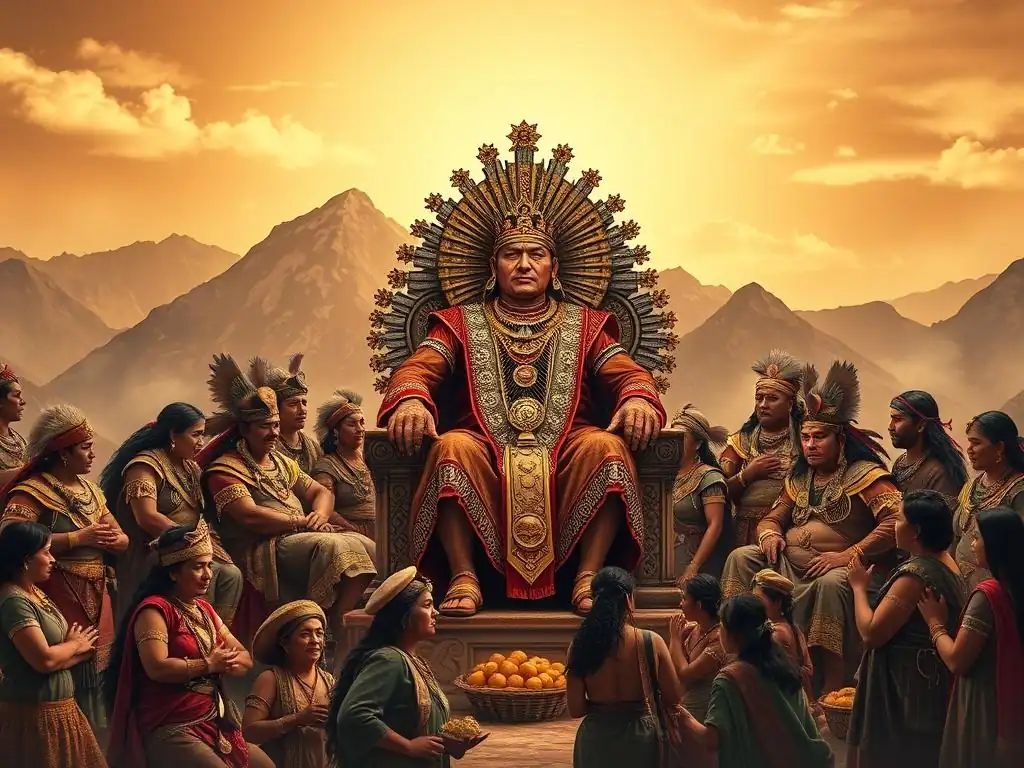
The governance of the Inca civilization was intrinsically linked to a well-defined social hierarchy that reinforced the authority of the Sapa Inca. At the pinnacle of this structure was the Sapa Inca himself, considered not just a political leader but a divine figure, believed to be the direct descendant of the sun god, Inti. This status conferred a profound legitimacy to his rule, shaping the societal norms and expectations throughout the empire.
Class Divisions
The Incan society was stratified into several classes, which can be summarized as follows:
- Nobility (Inca and Ayllu Leaders): The nobility were the elite class, often related to the Sapa Inca. They held significant land and wealth and were responsible for administering various regions of the empire.
- Commoners (Hatun Runa): This class comprised the majority of the population, including farmers, artisans, and laborers. They were vital to the economy and contributed to the empire's agricultural output.
- Servants and Laborers: At the bottom of the hierarchy were the servants and laborers, who were often conscripted for labor projects, including the construction of roads and temples.
This hierarchical system ensured a clear chain of command, where the Sapa Inca's directives were disseminated through the noble class down to the commoners, maintaining order and stability across the vast territories of the Incan empire.
The Role of the Sapa Inca in Cultural Integration
The Sapa Inca played a pivotal role in promoting cultural integration across the diverse regions of the empire. His governance system emphasized unity, utilizing a variety of strategies to blend various cultural practices into a cohesive Incan identity.
Policies of Integration
- Language Promotion: The Sapa Inca implemented Quechua as the official language of the empire, fostering communication and cultural exchange among the various ethnic groups.
- Relocation of Populations: The Inca often relocated communities to different areas of the empire, which facilitated the exchange of agricultural practices, customs, and beliefs. This practice also helped to quell potential rebellions by dispersing groups that might challenge Incan authority.
- Cultural Festivals: The Sapa Inca sponsored festivals that celebrated Incan deities, integrating local customs and traditions into the broader Incan narrative. This not only reinforced loyalty to the emperor but also celebrated the cultural diversity within the empire.
Through these initiatives, the Sapa Inca helped to create a sense of shared identity and purpose, crucial for maintaining control over an extensive and diverse empire.
Impact on Religion and Spiritual Life
Religion played an integral role in the governance of the Incan civilization, with the Sapa Inca serving as the supreme religious authority. His governance system was deeply intertwined with spiritual beliefs, reinforcing his power and the societal structure.
Religious Authority
- Divine Kingship: The Sapa Inca was viewed as a living god, a belief that justified his absolute power. His decisions were seen as divinely inspired, which discouraged dissent and fostered obedience among his subjects.
- Priestly Class: The Sapa Inca appointed high-ranking priests to oversee temples and religious ceremonies, ensuring that religious practices aligned with his governance. This connection between religion and politics solidified the Sapa Inca's authority.
Rituals and Ceremonies
Religious rituals were essential in maintaining the social order and reinforcing the emperor's divine right to rule. Key aspects included:
- Inti Raymi: The Festival of the Sun was one of the most important ceremonies, celebrating the sun god and reaffirming the Sapa Inca's role as the intermediary between the gods and the people.
- Offerings and Sacrifices: The Inca believed that offerings to the gods, including llamas and other goods, were necessary to ensure fertility and prosperity. These practices were often orchestrated by the Sapa Inca, further entrenching his position as a divine ruler.
The Sapa Inca's governance system was not only a political framework but also a means of sustaining the spiritual and cultural fabric of the Incan civilization, ultimately ensuring the stability and longevity of one of the most remarkable empires in history.
Challenges and Limitations of the Inca Emperor Governance System
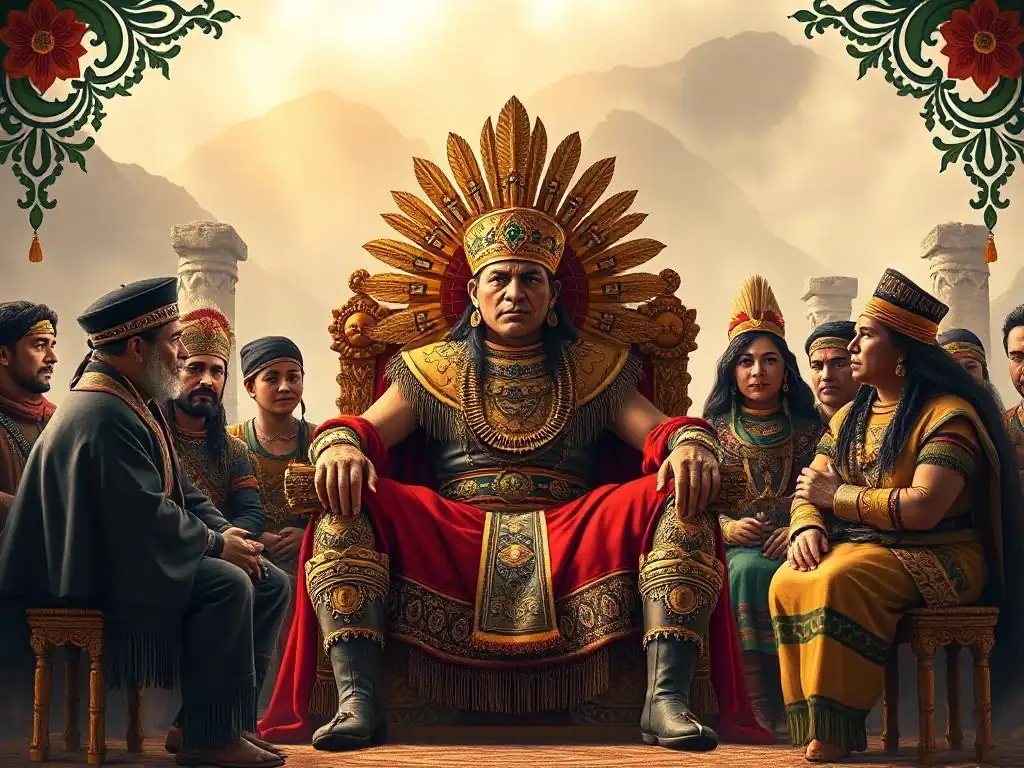
The governance system of the Inca Empire, while highly sophisticated, faced several challenges and limitations that impacted its effectiveness and stability. These challenges arose from internal conflicts, external pressures from conquered peoples, and environmental issues that complicated resource management. Understanding these complexities is essential to grasp the nuances of the Inca emperor governance system.
Internal Conflicts and Succession Issues
One of the most significant challenges to the Inca emperor governance system was internal conflict. As the empire expanded, the question of succession became increasingly complicated. The Sapa Inca, or emperor, was viewed as a divine figure with absolute authority, but this concentration of power often led to disputes among potential heirs.
- Divine Right vs. Bloodline: The Inca believed that the Sapa Inca was a descendant of the sun god, Inti. However, this belief complicated familial succession, as multiple sons often vied for the throne. The absence of a clear and universally accepted method for selecting the next emperor frequently led to power struggles.
- Civil Wars: Historical records indicate that succession disputes sometimes resulted in civil wars, which weakened the empire. For instance, the conflict between Huascar and Atahualpa showcased how rivalry among brothers could lead to significant instability and ultimately contributed to the empire's downfall.
Challenges from Conquered Peoples and Rebellions
The Inca governance system faced significant external challenges from the diverse groups that they conquered. While the Incas employed a strategy of integration, which included the incorporation of local customs and leaders, this approach did not always yield harmony.
- Resistance to Incan Rule: Many conquered peoples resented Incan authority, leading to uprisings. For instance, the Chanca and Cañari peoples resisted Incan expansion and sought to maintain their autonomy. Such resistance required the Inca to deploy military resources to quell rebellions, diverting attention from governance and development.
- Cultural Integration vs. Rebellion: The Incas attempted to integrate conquered societies through a system of mitmaqkuna (settler colonies), where loyal Inca subjects were moved into conquered territories. However, this often led to cultural tensions and conflicts, as local populations felt their identities threatened. The Mita system, which required labor from the conquered peoples, was also a source of resentment, contributing to periodic rebellions.
Environmental Challenges and Resource Management
The Inca Empire was situated in a geographically diverse region that presented both opportunities and challenges for governance. Effective resource management was crucial for maintaining the empire's stability and supporting its population.
- Geographic Diversity: The varied terrain, ranging from high mountains to coastal plains, required adaptive agricultural practices. The Incas developed terracing and irrigation systems to maximize arable land, but environmental factors such as droughts or floods could disrupt these systems, leading to food shortages.
- Resource Allocation: Managing resources across such a vast empire was a complex task. The central government needed to ensure equitable distribution of goods, particularly during times of crisis. However, local leaders sometimes prioritized their own regions, leading to disparities that could incite discontent among subjects.
The Inca emperor governance system was marked by significant challenges, including internal conflicts over succession, external pressures from conquered peoples, and environmental hurdles that complicated resource management. These factors played a crucial role in shaping the dynamics of power within the empire, ultimately influencing its resilience and longevity.
Conclusion: Legacy of the Sapa Inca and Governance System
The governance system of the Sapa Inca left an indelible mark on the political landscape of the Americas, influencing not only the Incan Empire but also the structures of governance among various indigenous cultures in the region. The Sapa Inca, as a figure of immense authority and divinity, embodied the intricate blend of leadership and spirituality that characterized Incan rule. This unique system of governance, which emphasized both centralized power and local autonomy, allowed for a cohesive and efficient administration that effectively managed vast territories and diverse populations.
Lasting Impact on Indigenous Governance in the Americas
The Sapa Inca's governance system introduced concepts that resonate in various indigenous governance models even today. Core elements such as collective decision-making, community responsibilities, and resource distribution can trace their origins back to Incan practices. The emphasis on local leaders, known as ayllu, underscores a system where communities had a voice in governance, allowing for a balance between central authority and local autonomy.
- Centralization vs. Decentralization: The Incan model demonstrated how a centralized figure could effectively govern a sprawling empire while delegating authority to local leaders. This dual approach has influenced subsequent indigenous governance systems, promoting the idea that effective leadership can emerge from both centralized and decentralized frameworks.
- Social Welfare Systems: The Incan emphasis on the well-being of its citizens through state-supported agriculture, infrastructure, and community services established a governance precedent that many indigenous societies adopted. This focus on communal welfare highlights a legacy of governance rooted in the needs of the people.
- Cultural Syncretism: The governance practices of the Sapa Inca also facilitated cultural exchanges among various indigenous groups. The integration of diverse customs and practices into the governance framework has had a lasting influence on the political dynamics of the Americas, fostering a rich tapestry of governance influenced by shared cultural heritage.
Reflections on the Sapa Inca's Role in Incan Civilization
The Sapa Inca was not merely a ruler; he was perceived as a divine intermediary between the gods and the people. This role imbued the governance system with a sense of legitimacy and authority that transcended mere political power. His decisions were seen as manifestations of divine will, which reinforced compliance and allegiance among the populace.
- Symbol of Unity: The Sapa Inca served as a unifying figure, representing the interests of diverse ethnic groups within the empire. His governance strategies often involved recognizing and incorporating local customs, which fostered loyalty and reduced resistance among conquered peoples.
- Strategic Militarism: The Sapa Inca's ability to maintain control over vast territories was partly due to a strategic approach to militarism. By utilizing a well-organized military and engaging in diplomacy, the Sapa Inca ensured the stability and expansion of the empire.
- Cultural Patronage: The role of the Sapa Inca extended beyond governance into the realms of culture and religion. Through the patronage of arts, architecture, and religious practices, the Sapa Inca solidified his status as a pivotal cultural leader, shaping the identity of the Incan civilization.
The legacy of the Sapa Inca and the Incan governance system is profound and far-reaching. It not only shaped the political and social structures of the Inca civilization but also laid the foundation for indigenous governance models throughout the Americas. The principles of leadership, community involvement, and cultural integration that emerged from this system continue to resonate in contemporary discussions of governance among indigenous peoples today.
Frequently Asked Questions
What was the role of the Sapa Inca in governance?
The Sapa Inca was the supreme leader of the Inca Empire, holding both political and religious authority. His decisions shaped the governance system and maintained the unity of the empire.
How did the Sapa Inca ensure loyalty among his subjects?
The Sapa Inca employed a system of administrative divisions and appointed governors to oversee different regions, ensuring loyalty through a network of local leaders aligned with his rule.
What were the key features of the Inca governance system?
The Inca governance system was characterized by centralized authority, a complex bureaucracy, and a focus on economic control through systems like ayllu and mit'a labor.
How did religion influence the governance of the Inca emperor?
Religion played a crucial role, as the Sapa Inca was considered a divine figure. His governance was intertwined with religious rituals, which reinforced his power and the social order within the empire.
What lasting impacts did the Sapa Inca's governance system have?
The governance system of the Sapa Inca laid the foundation for future administrative practices in the region and influenced the perception of leadership and authority in Andean cultures even after the Spanish conquest.
Final Reflection: The Enduring Legacy of Inca Emperor Governance
The governance system of the Inca emperor remains a profound example of effective leadership and societal organization that resonates with contemporary discussions on authority and governance. In an age where leadership is often scrutinized and questioned, the Inca emperor's ability to unify a vast empire through a combination of divine right, administrative efficiency, and cultural integration offers valuable lessons on the importance of governance that prioritizes both the ruler's vision and the people's welfare.
The influence of the Inca emperor's governance system extends beyond the historical context, shaping our understanding of leadership in modern societies. The intricate balance of power, responsibility, and community engagement seen in the Incan model serves as a reminder that effective governance is not merely about authority but about fostering a sense of belonging and purpose among the populace. As historian John Hemming noted, The Inca Empire was not just a political entity; it was a cultural phenomenon that united diverse peoples under a common identity.
This observation underscores the importance of cultural cohesion in governance, a principle that remains relevant today as societies grapple with diversity and inclusion.
As we reflect on the lessons from the Inca emperor's governance system, I invite you to consider how these principles can be applied in your own life and community. What can we learn from the Inca's approach to leadership and unity?
Embrace the idea that effective governance—whether in a nation, organization, or personal relationships—requires not only authority but also empathy, vision, and a commitment to the collective good. Let the legacy of the Inca emperor inspire you to cultivate a leadership style that values collaboration and inclusivity, ensuring that every voice is heard and every individual feels valued in the tapestry of our shared human experience.
Embrace the Legacy of the Sapa Inca!
Thank you for diving into the fascinating world of the Sapa Inca and their remarkable governance. You've uncovered the intricacies of Incan leadership, revealing how power was wielded and the profound impact it had on society. Now, it’s time to take that knowledge and transform it into action!
- Explore more about indigenous civilizations by delving into related topics on our site—unlock the stories of other remarkable leaders and cultures!
- Share this article with friends and family to spark conversations about the rich history and enduring legacy of the Inca. Social media provides an excellent platform for these discussions!
- If you’re feeling adventurous, consider visiting one of the many historical sites that honor Incan heritage. Experiencing it in person can significantly deepen your understanding.
How has learning about the Sapa Inca changed your perspective on leadership in contemporary societies? We invite you to share your thoughts below!