
The Inca Road System: A Testament to Advanced Ancient Transportation

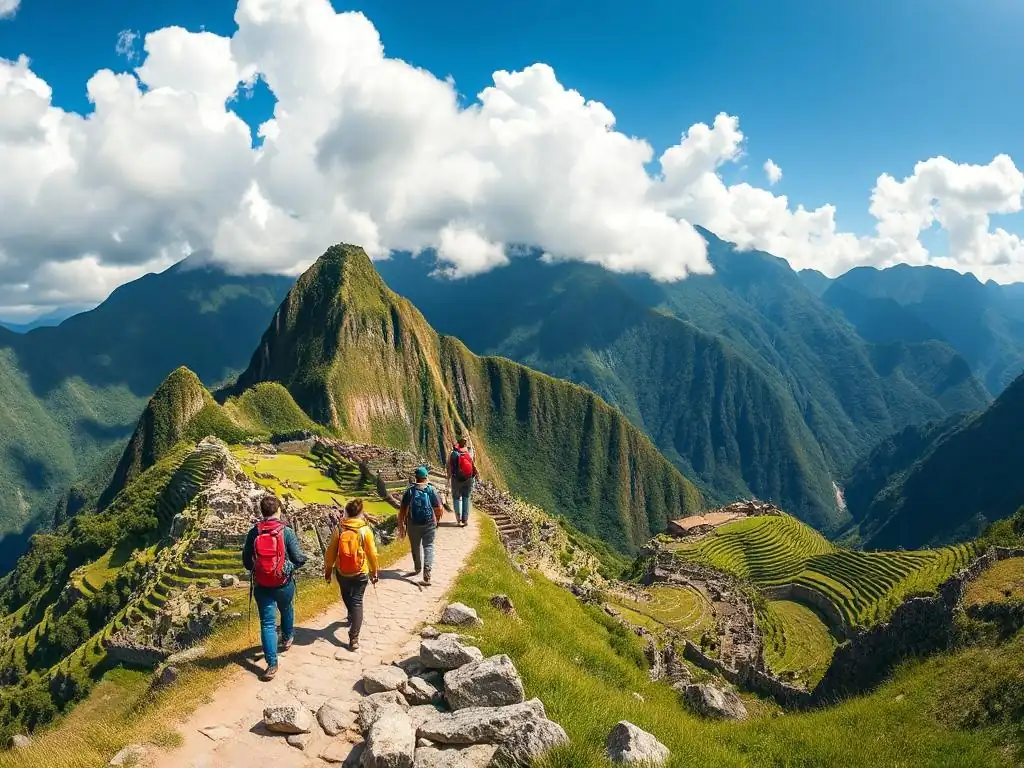
Welcome to Indigenous Civilizations of the Americas, where we embark on a captivating journey through the rich tapestry of indigenous cultures that flourished long before the arrival of Europeans. Here, we delve into their remarkable achievements and the profound legacies they left behind. Today, we invite you to explore the Inca road system achievements, a stunning testament to the ingenuity and advanced engineering of the Inca civilization.
As we uncover the intricate networks that united vast territories, you’ll discover how these ancient pathways shaped not only their society but also the very fabric of history itself. Ready to traverse this fascinating landscape? Let’s dive in!
Introduction to the Inca Road System
The Inca Road System stands as one of the most remarkable achievements of the Inca Civilization, which flourished in South America from the early 15th century until the Spanish conquest in the 16th century. This vast network of roads and pathways not only facilitated the movement of armies, goods, and information across the diverse landscapes of the Andes but also served as a vital artery for cultural exchange and cohesion among the various Inca communities. The sheer scale and ingenuity of this transportation system are a testament to the advanced engineering capabilities and organizational skills of the Incas.
Through this article, we will delve into the significant achievements of the Inca road system, exploring its engineering marvels, expansive coverage, and the innovative ways in which it integrated with the challenging terrains of the Andes mountains.
Overview of the Inca Civilization
The Inca Civilization, known for its sophisticated culture, remarkable architectural feats, and extensive agricultural practices, emerged in the highlands of Peru. At its zenith, the empire stretched from present-day Colombia to Chile, encompassing diverse environments and peoples. The Incas developed a centralized government, established a unique system of record-keeping using quipus (a series of knotted strings), and built impressive cities like Cusco and Machu Picchu. Central to their success was their ability to manage resources efficiently and maintain order across vast distances, largely facilitated by their advanced road system.
Importance of Transportation in Ancient Societies
Transportation has always played a critical role in the development and sustainability of civilizations. For the Incas, the road system was not just about moving people and goods; it was a key element in maintaining political control and fostering economic stability. Efficient transportation allowed for:
- Military Mobilization: Quick movement of troops to quell rebellions or defend against threats.
- Trade and Commerce: Enhanced exchange of goods, including textiles, food, and precious metals.
- Cultural Exchange: Facilitated interaction between diverse cultures, promoting the flow of ideas and traditions.
Inca Road System Achievements
The achievements of the Inca road system are numerous and varied, showcasing the sophistication of Inca engineering and their ability to adapt to the diverse landscapes of the Andes.
Engineering Marvels of the Inca Roads
The Inca road system is celebrated for its remarkable engineering feats. The Incas constructed roads that incorporated various techniques, including:
- Stone Paving: Many roads were paved with large stones, providing durability and stability.
- Terracing: In steep areas, the Incas employed terracing techniques to create flat surfaces for roadways.
- Bridges and Causeways: Ingenious suspension bridges made from natural fibers and causeways were built to cross rivers and swamps.
These engineering marvels not only facilitated transportation but also showcased the Incas' understanding of their environment.
Length and Coverage of the Road Network
The Inca road system spanned approximately 25,000 miles (40,000 kilometers), with primary roads known as the Qhapac Ñan connecting major cities and regions. This extensive network included:
- Main Highways: Designed for rapid movement across vast distances.
- Branch Roads: Providing access to remote villages and agricultural areas.
The sheer length and interconnectedness of these roads highlight the logistical prowess of the Inca civilization.
Integration with Diverse Terrains and Environments
One of the most impressive aspects of the Inca road system was its ability to adapt to a variety of terrains, including:
- Mountains: Roads were carved into cliffs and supported by retaining walls.
- Deserts: Paths were designed to withstand arid conditions.
- Forests: Clearings were made to create travel corridors.
This adaptability ensured that the Inca roads remained functional and efficient across the diverse environments of the Andes, reinforcing the unity of the empire.
The Inca road system is not only a significant achievement of the Inca civilization but also a profound testament to human ingenuity in overcoming geographical challenges. Its legacy continues to influence contemporary transportation and remains a point of fascination for historians and engineers alike.
Historical Context of the Inca Road System
The Inca road system, known as the Qhapaq Ñan, was a remarkable feat of engineering that emerged during the height of the Inca Empire in the 15th century. Spanning over 25,000 miles, it linked the vast territories of the empire, which stretched from present-day Colombia to Chile, and facilitated the movement of people, goods, and ideas. The roads were not merely pathways; they were integral to the administration and cohesion of the empire, allowing the Incas to exert control over their diverse populations and resources.
Before the rise of the Inca Empire, various cultures across the Andes had developed rudimentary trails. However, it was the Incas who transformed these simple paths into a sophisticated network. This development was motivated by the need to unify their expansive territory, enhance military mobility, and promote trade. The road system played a crucial role in the Incas' ability to manage their vast empire, contributing to their legacy as one of the most advanced civilizations in pre-Columbian America.
Development Timeline of the Inca Roads
The timeline for the development of the Inca road system can be traced through several key phases:
- Pre-Inca Foundations: Early Andean societies, such as the Tiwanaku and Wari cultures, established initial trade routes and paths. These early roadways laid the groundwork for the more extensive Inca system.
- Rise of the Inca Empire (1438-1533): Under the reign of Pachacuti, the Inca Empire expanded rapidly. This period saw the construction of extensive roadways to connect newly acquired territories. The roads were strategically built to connect administrative centers, military outposts, and agricultural zones.
- Expansion and Consolidation (Late 15th Century): As the empire reached its zenith, the road system was further expanded and improved. The Incas implemented standardized construction techniques and materials, which enhanced the durability and usability of the roads.
- Spanish Conquest (1532 Onwards): Following the arrival of the Spanish, the Inca road system remained crucial for transportation and communication, even as it began to be repurposed for colonial use.
Cultural and Economic Significance of Roadways
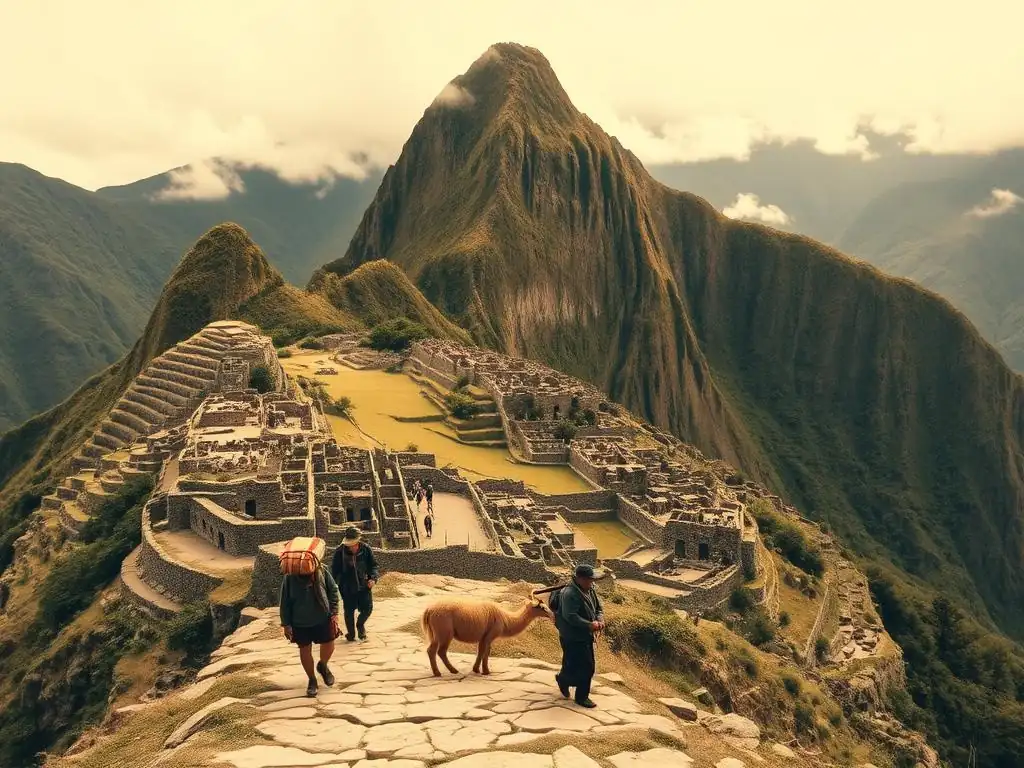
The Inca road system was not just a means of transportation; it played a vital role in the cultural and economic fabric of the empire. Culturally, the roads facilitated the movement of people, which in turn allowed for the exchange of ideas, traditions, and religious practices across diverse regions. Festivals, rituals, and ceremonies often required travel along these roads, fostering a sense of unity among the varied groups within the empire.
Economically, the roadways were essential for trade and resource distribution. They enabled the efficient movement of agricultural products, textiles, and other goods between different ecological zones—such as the coastal deserts, highlands, and jungles. This economic integration was critical for sustaining the empire's population and supporting its administrative structures. The roads also allowed for the rapid deployment of military forces, ensuring that resources and reinforcements could be dispatched swiftly in times of conflict.
Role of the Road System in Inca Administration
The Inca road system served as a backbone for the empire's administrative framework. It facilitated the efficient governance of a vast and diverse territory, allowing for effective communication between the central government and distant provinces. Messengers, known as chasquis, utilized the roads to relay important information and directives quickly, ensuring that the emperor's orders could be executed in a timely manner.
Additionally, the roads enabled the state to collect tribute and manage resources effectively. The Incas established way stations, or tambos, along the routes, which provided rest and supplies for travelers and officials. These stations played a crucial role in maintaining the flow of goods and services, as well as supporting the movement of military and administrative personnel. The strategic placement of the road system reinforced the authority of the Inca government and helped maintain social order across the empire.
Construction Techniques and Materials
The construction of the Inca road system exemplified advanced engineering techniques and a deep understanding of the local environment. The Incas employed various techniques to create durable and functional roads that could withstand the diverse climatic and geographical challenges of the Andes.
Tools and Technologies Used by the Incas
The Incas utilized a range of tools and technologies to construct their roadways. While they lacked modern machinery, they were adept with simple yet effective tools such as:
- Stone Hammers: Used for shaping and breaking rocks.
- Wooden Picks: Essential for digging and loosening soil.
- Rope and Lianas: Employed for securing structures and assisting in the movement of heavy materials.
- Surveying Instruments: The Incas developed rudimentary tools to measure distances and ensure straight alignments in their road construction.
These tools, combined with the labor of thousands of workers, allowed the Incas to build roads that were not only functional but also remarkably enduring.
Types of Materials in Road Construction
The Inca road system was constructed using various materials sourced from the surrounding environment. Key materials included:
- Stone: Used extensively for creating solid foundations and durable surfaces. The Incas often employed local stones that were readily available and suited to their construction needs.
- Gravel and Earth: These materials were used to fill in gaps and create a stable base for the roadways.
- Vegetation: In some areas, the Incas incorporated plant materials to help stabilize the soil and prevent erosion.
The careful selection and use of these materials contributed to the long-lasting nature of the roads, many of which can still be traced today.
Innovative Solutions for Difficult Terrains
The Inca road system was remarkable for its ability to navigate the challenging Andean landscape. The Incas employed several innovative solutions to overcome difficult terrains, including:
- Terracing: In steep areas, the Incas built terraces to create flat surfaces for the road, preventing erosion and allowing for easier travel.
- Bridges: They constructed suspension bridges using natural fibers and grasses, enabling the crossing of rivers and deep ravines.
- Gradients: The roads were designed with gentle gradients wherever possible, allowing for easier navigation by foot and pack animals.
These innovations not only reflected the Incas' engineering prowess but also their deep understanding of their environment, ensuring the roadways were practical and sustainable.
The Role of the Inca Road System in Trade and Communication
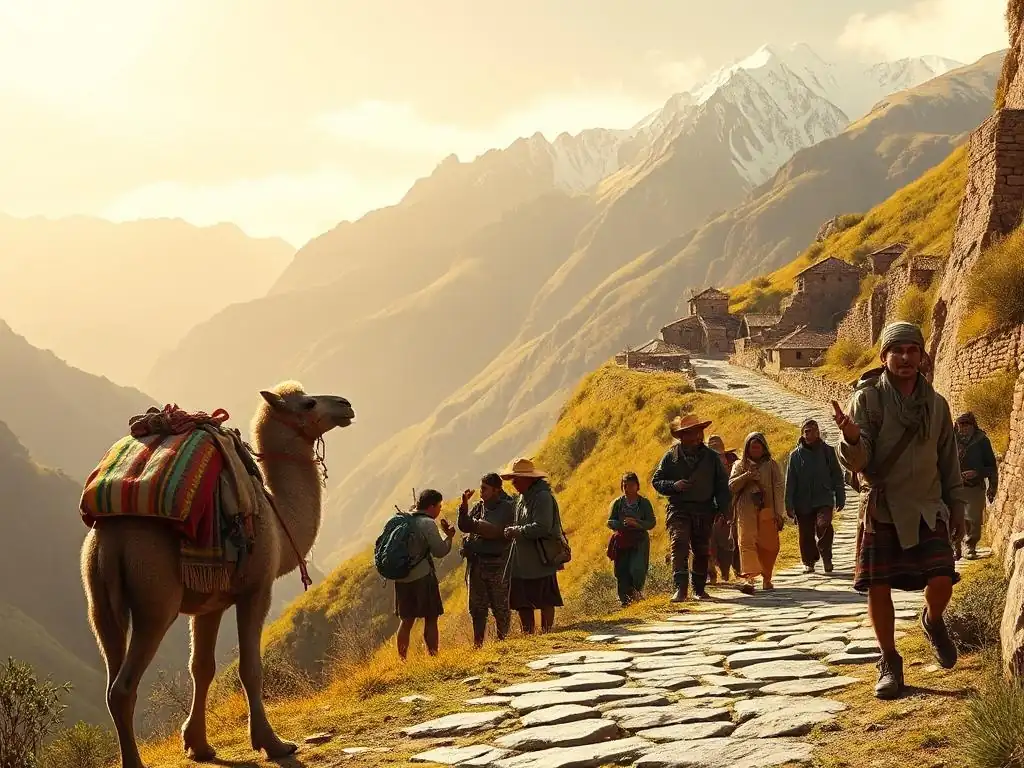
The Inca road system played a crucial role in the empire's ability to manage its vast territories and facilitate interaction among its diverse populations. This intricate network of roads stretched over 25,000 miles, connecting cities, agricultural areas, and resources across varied terrains, including mountains, deserts, and forests. The road system was not only a feat of engineering but also a vital artery for trade and communication that contributed significantly to the stability and prosperity of the Inca Empire.
Facilitation of Trade Among Regions
Trade was a fundamental aspect of Inca society, and the road system was essential for the movement of goods, resources, and people. The highways enabled the exchange of various products, including textiles, ceramics, and agricultural produce. The Incas implemented a 'mandatory exchange' system called mita, which required communities to contribute labor and goods to support state projects, including trade routes.
- Major Trade Routes: Key routes connected major centers like Cusco, the capital, with coastal areas, rainforests, and high-altitude regions, significantly boosting regional economies.
- Resource Distribution: The road system allowed efficient distribution of resources, such as maize from the lowlands and potatoes from the highlands, which were vital for sustaining population growth.
- Market Access: Local markets flourished along the routes where merchants could trade goods, fostering economic interdependence among the various regions of the empire.
Impact on Communication and Information Flow
The Inca road system also facilitated rapid communication across the empire, which was critical for governance and military purposes. The extensive network allowed for the swift transmission of messages and information, enabling the centralized administration to maintain control over distant territories.
- Chasquis Runners: The Incas employed a system of relay runners known as chasquis who would carry messages and important information across long distances with remarkable speed, often using the road system for efficient travel.
- Military Coordination: Quick communication channels were essential for military coordination, allowing the Incas to respond effectively to threats and manage resources during conflicts.
- Cultural Exchange: The roadways also served as conduits for cultural exchange, allowing ideas, traditions, and customs to flow between different regions, thereby enriching the Inca civilization.
Connection of Diverse Cultures within the Empire
The Inca Empire was home to a myriad of cultures, languages, and ethnic groups. The road system was instrumental in knitting together these diverse communities, fostering a sense of unity and shared identity under the Inca rule.
- Integration of Regions: By linking various regions, the road system promoted the integration of local cultures into the broader Inca society, facilitating the spread of the Quechua language and Inca customs.
- Pilgrimage and Festivals: Major roads often led to significant religious sites and cities, encouraging pilgrimage and participation in festivals that celebrated Inca deities and agricultural cycles, thus strengthening cultural ties.
- Diplomatic Relations: The connectivity provided by the roadways also enabled diplomatic missions between different ethnic groups, promoting alliances and cooperation throughout the empire.
Preservation and Legacy of the Inca Road System
The Inca road system is not just a relic of the past; it continues to influence modern transportation and cultural heritage. Its preservation and recognition are vital in understanding the achievements of the Inca civilization.
Modern Recognition of Inca Road Achievements
In contemporary times, the Inca road system is recognized for its remarkable engineering and historical significance. Researchers and historians continue to study its design and impact on Inca society.
- Research Initiatives: Archaeological studies have revealed advanced construction techniques, including the use of stone pavement and the adaptation to diverse environments, showcasing the ingenuity of Inca engineers.
- Cultural Heritage: The road system is celebrated as a vital part of the cultural heritage of the Andes, with ongoing efforts to document and preserve its routes and structures.
UNESCO World Heritage Status and Conservation Efforts
In 2014, parts of the Inca road system were designated as a UNESCO World Heritage site, recognizing its cultural and historical importance.
- Conservation Programs: Various conservation initiatives have been established to protect and restore segments of the Inca roads, ensuring that they remain accessible for future generations.
- Community Involvement: Local communities are often engaged in these conservation efforts, fostering pride in their heritage and promoting sustainable tourism that benefits the economy.
Influence on Contemporary Transportation Systems
The legacy of the Inca road system can be seen in the development of modern transportation networks in Peru and beyond.
- Incorporation of Ancient Routes: Many modern roads and highways follow the paths established by the Inca, illustrating the ingenuity of their planning and construction.
- Tourism and Economic Development: The historical significance of the Inca roads attracts tourists, contributing to local economies and emphasizing the importance of preserving these ancient routes.
- Cultural Continuity: The influence of Inca engineering principles can still be observed in contemporary infrastructure projects, reinforcing the enduring impact of Inca achievements on modern society.
Conclusion
The Inca road system stands as a remarkable testament to the ingenuity and engineering prowess of the Inca civilization. Spanning over 25,000 miles, this extensive network of roads was not merely a means of transportation but a crucial element that facilitated the empire's administration, trade, and cultural exchange. The achievements of the Inca road system highlight their advanced understanding of geography, logistics, and infrastructure, which played a significant role in the empire's stability and expansion.
The intricate design and construction techniques utilized in the road system showcased the Incas' ability to adapt to the challenging Andean terrain. From the use of suspension bridges to the strategic placement of waystations, the road system was a marvel of ancient engineering that influenced subsequent generations. The legacy of the Inca road system continues to resonate today, providing insights into the importance of connectivity in the development of complex societies.
Summary of Inca Road System Achievements
The achievements of the Inca road system can be summarized as follows:
- Extensive Network: The road system stretched over 25,000 miles, connecting various regions of the vast Inca Empire, facilitating trade and communication.
- Innovative Engineering: The Incas employed advanced construction techniques, including the use of stone paving and sophisticated drainage systems, to ensure durability and functionality.
- Strategic Design: Roads were strategically placed to navigate the challenging Andean landscape, including steep mountains and deep valleys, showcasing the Incas' knowledge of geography.
- Efficient Communication: The road system enabled quick relay of messages and movement of troops, enhancing administrative control and military readiness.
- Cultural Exchange: It served as a corridor for cultural diffusion, allowing diverse communities within the empire to interact and share knowledge, traditions, and goods.
These achievements not only reflect the technological capabilities of the Incas but also their understanding of the importance of infrastructure in maintaining a cohesive and thriving society.
Lasting Impact on Indigenous Cultures and Transportation History
The impact of the Inca road system extends far beyond its initial construction, influencing indigenous cultures and transportation history in several significant ways:
- Cultural Legacy: The principles of connectivity and infrastructure established by the Inca road system are evident in many indigenous cultures that followed. The emphasis on trade routes and communication networks has persisted, influencing how communities interact and share resources.
- Modern Infrastructure: Many contemporary roadways in the Andean region follow the paths laid down by the Incas, demonstrating the enduring nature of their engineering achievements. These roads serve as a vital link between rural and urban areas, fostering economic development.
- Historical Significance: The Inca road system has become a symbol of pre-Columbian achievement, showcasing the complexity and sophistication of indigenous civilizations. It challenges historical narratives that often overlook the capabilities of non-European societies prior to colonization.
- Tourism and Education: Today, the remnants of the Inca road system contribute to tourism and educational initiatives, attracting visitors interested in the rich history of the Inca civilization. This promotes greater awareness and appreciation of indigenous cultures and their contributions to human history.
The Inca road system not only facilitated the functioning of a vast empire but also left an indelible mark on the cultural and historical landscape of the Americas, influencing both past and present societies.
- Introduction to the Inca Road System
- Inca Road System Achievements
- Historical Context of the Inca Road System
- Development Timeline of the Inca Roads
- Cultural and Economic Significance of Roadways
- Role of the Road System in Inca Administration
- Construction Techniques and Materials
- The Role of the Inca Road System in Trade and Communication
- Preservation and Legacy of the Inca Road System
- Conclusion
Frequently Asked Questions
What was the Inca road system?
The Inca road system was an extensive network of roads and trails that connected the vast Inca Empire across the Andes mountains, facilitating trade, communication, and military movement.
How did the Inca road system contribute to the empire's achievements?
The road system allowed for efficient transportation of goods, resources, and information, which significantly boosted economic stability and helped maintain control over the diverse regions of the empire.
What materials were used in the construction of the Inca roads?
The Inca utilized local materials such as stone, dirt, and gravel, showcasing their engineering skills and ability to adapt to various geographical challenges in road construction.
How did the Inca road system impact indigenous cultures?
The road system promoted cultural exchange among various indigenous groups, fostering connections and interactions that enriched the social and economic fabric of the pre-Columbian Americas.
Are there any remnants of the Inca road system today?
Yes, many sections of the Inca road system still exist today, with some being part of modern trails, offering insight into the advanced engineering and organizational skills of the Inca civilization.
Final Reflection: The Enduring Legacy of the Inca Road System
The Inca road system achievements stand as a remarkable testament to the ingenuity and advanced engineering of ancient civilizations. Today, as we navigate our own complex transportation networks, we can draw parallels between the Inca's innovative solutions and our modern challenges. The ability to connect vast territories and diverse cultures through a meticulously designed road system not only facilitated trade and communication but also fostered a sense of unity among the Inca people. This ancient infrastructure continues to inspire contemporary discussions about sustainable transportation and community connectivity.
The influence of the Inca road system extends far beyond its physical remnants; it has shaped our understanding of infrastructure's role in societal development. The intricate network of roads and pathways not only served practical purposes but also symbolized the strength and cohesion of the Inca Empire. As we reflect on this legacy, we recognize that "The roads are not just pathways; they are the veins of a civilization." This quote encapsulates the essence of how transportation systems can define and enhance the cultural and social landscape of a society.
As we look to the future, let us embrace the lessons learned from the Inca road system and apply them to our own lives and communities. Consider how you can contribute to building connections, fostering unity, and promoting sustainable practices in your environment. Reflect on the importance of infrastructure in your daily life and how it shapes your interactions with others. By honoring the achievements of the past, we can pave the way for a more connected and harmonious future.
Unveil the Journey of the Inca: Take Action Now!
Thank you for exploring the fascinating world of the Inca Road System with us! By diving into this remarkable testament to ancient engineering and culture, you’ve gained invaluable insights into how these incredible pathways shaped the Andes and connected diverse communities. Now, it’s your turn to deepen your understanding and share your enthusiasm.
- Explore the Inca road maps online to visualize their expansive network or consider planning a hiking trip on these historic paths.
- Join our community! Share your thoughts about the Inca Road System or any related experiences in the comments section below, and connect with fellow enthusiasts.
- Think about researching other indigenous transportation systems around the globe to broaden your perspective on ancient civil engineering.
What impact do you believe the Inca Road System had on social and cultural exchanges among neighboring civilizations?