
How Mayan Governance Varied Across Different Regions: A Comparative Study

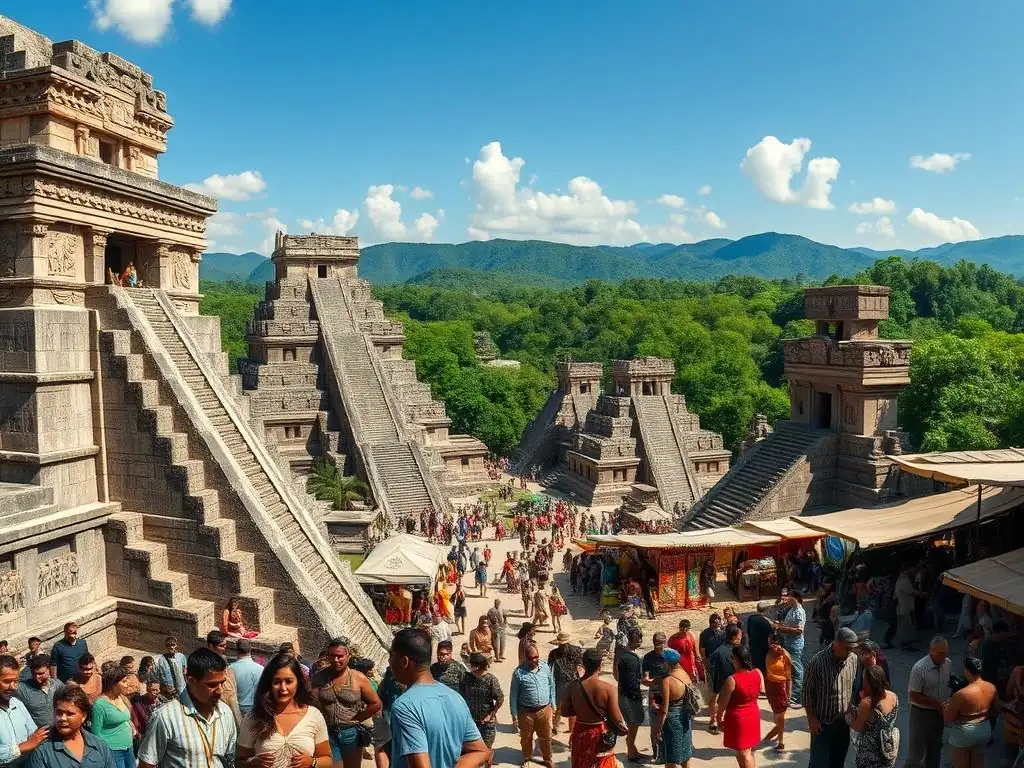
Welcome to Indigenous Civilizations of the Americas, where we invite you to embark on a journey through the rich tapestry of indigenous cultures that flourished across the continent long before European contact. In our featured article, “How Mayan Governance Varied Across Different Regions: A Comparative Study,” we delve into the intricate systems of governance that characterized the Mayan civilization, revealing the fascinating regional differences that shaped their societies. Prepare to uncover the unique achievements and enduring legacies of these remarkable cultures, and discover how their stories continue to resonate today. Dive in and let your curiosity flourish!
- Introduction to Mayan Governance Regional Differences
- Key Features of Mayan Governance
- Regional Variations in Mayan Governance
- Factors Influencing Regional Differences in Mayan Governance
- Comparative Analysis of Governance Across Different Regions
- Case Studies of Notable Mayan City-States
- Conclusion: The Significance of Understanding Mayan Governance Regional Differences
-
Frequently Asked Questions
- What are the key features of Mayan governance?
- How did regional differences affect Mayan governance?
- Were there any major similarities in governance across the Mayan regions?
- How did the achievements of the Mayan civilization influence their governance?
- What lasting impacts did Mayan governance have on later societies?
- Final Reflection: The Rich Tapestry of Mayan Governance and Its Lasting Legacy
- Explore the Rich Diversity of Mayan Governance!
Introduction to Mayan Governance Regional Differences
The exploration of Mayan governance regional differences provides a fascinating lens through which we can understand the complexities of one of the most advanced civilizations in pre-Columbian America. The Maya, known for their remarkable achievements in agriculture, architecture, and astronomy, developed a diverse and intricate political structure that varied significantly across different regions.
This article delves into the nuances of Mayan governance, highlighting the distinct political systems that emerged in various city-states and regions, influenced by geography, culture, and historical circumstances. By examining these regional differences, we can gain deeper insights into how the Mayan civilization functioned and how its legacy continues to resonate in contemporary discussions about indigenous governance.
Overview of Mayan Civilization
The Mayan civilization flourished in Mesoamerica from approximately 2000 BCE until the arrival of Europeans in the 16th century. It encompassed a vast area that includes present-day Mexico, Belize, Guatemala, Honduras, and El Salvador. The civilization is renowned for its sophisticated cities, including Tikal, Palenque, and Copán, characterized by monumental architecture, intricate hieroglyphics, and a deep understanding of mathematics and astronomy.
Mayan society was organized into various city-states, each with its own governance structures, social hierarchies, and cultural practices. The political landscape was marked by a complex interplay of alliances, rivalries, and trade relations, which shaped the governance models that developed across different regions. The diversity of these models reflects the adaptability and resilience of the Maya in response to their unique environmental and social contexts.
Importance of Governance in Mayan Society
Governance played a crucial role in the stability and prosperity of Mayan society. It was not merely a system of administration; it was deeply intertwined with religion, culture, and social identity. The rulers, often viewed as divine or semi-divine figures, held significant power over their subjects, enforcing laws, collecting tribute, and leading rituals.
The effectiveness of governance structures determined the success of agricultural practices, trade, and military endeavors. Moreover, the political organization influenced the distribution of resources and the management of communal projects, such as irrigation systems and urban construction. Understanding the governance models adopted by different city-states allows us to appreciate the diversity of political thought and practice within Mayan civilization.
Purpose of the Comparative Study
The purpose of this comparative study is to analyze how variations in governance across different regions of the Maya impacted their societal development and interactions with each other. By examining case studies from distinct regions, we aim to identify key factors that influenced governance, such as geographical location, cultural practices, and historical events.
This study seeks to illuminate the complexities of Mayan governance, revealing how regional differences contributed to the overall dynamics of the civilization. Furthermore, it aims to enrich our understanding of indigenous governance models, providing valuable insights that can inform contemporary discussions about political structures and cultural heritage among indigenous communities today.
Key Features of Mayan Governance
Definition of Governance in the Mayan Context
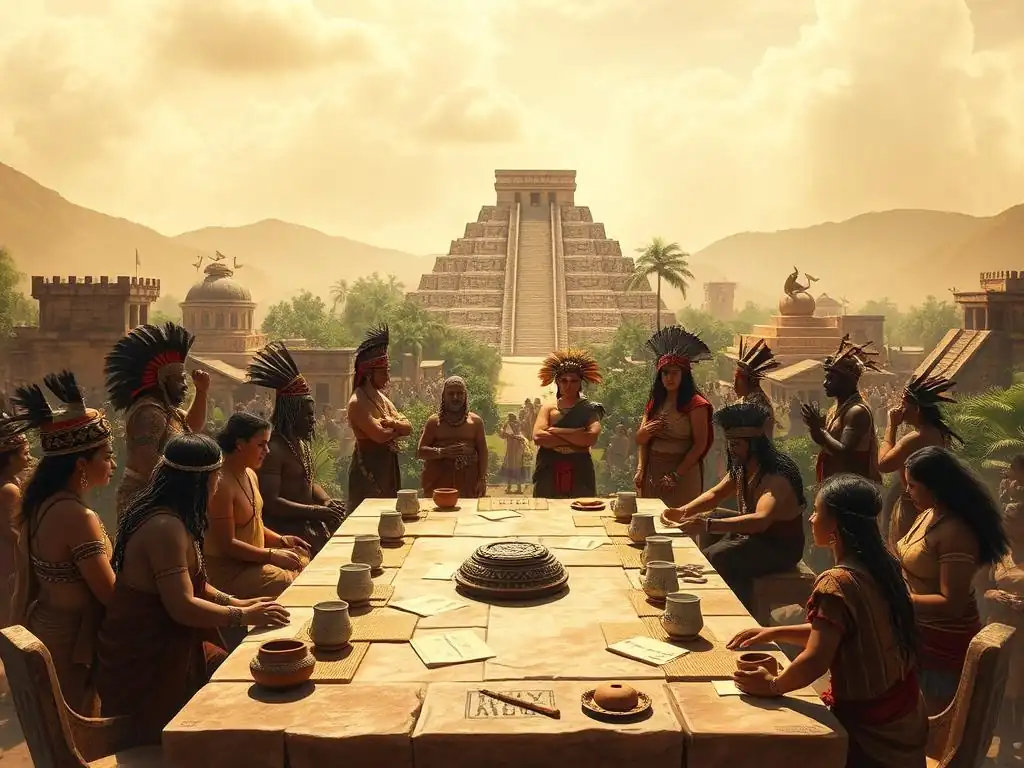
Mayan governance encompassed a complex web of political, social, and economic structures that varied significantly across the different regions of the Maya civilization. At its core, governance in the Mayan context referred to the systems and processes through which authority was exercised and societal organization was maintained. This included the enforcement of laws, administration of resources, and the establishment of political hierarchies.
The Maya civilization was not monolithic; rather, it consisted of numerous city-states, each with its unique governance model shaped by local customs, geography, and historical circumstances. For instance, while some regions might have emphasized a theocratic leadership model, others could exhibit more democratic elements in their decision-making processes.
Key aspects of governance included:
- Political Hierarchy: The ruling elite, often known as ajaw (king), held significant power, supported by a council of nobles and advisors.
- Religious Influence: Governance was often intertwined with religion, where rulers were seen as intermediaries between the gods and the people, legitimizing their authority.
- Community Involvement: Local assemblies and councils played a role in decision-making, especially in smaller city-states, reflecting a degree of communal governance.
Common Governance Structures in Mayan City-States
Mayan city-states exhibited a remarkable diversity in their governance structures, influenced by geographic and cultural factors. Common governance models included:
- Theocratic Governance: In many regions, particularly in the southern lowlands, rulers often claimed divine status, with their governance heavily tied to religious practices. For example:
- Tikal: The rulers of Tikal utilized their religious authority to consolidate power and justify military campaigns.
- Decentralized Rule: In contrast, some areas had a more decentralized approach, where power was distributed among several local leaders or councils. This was evident in:
- Yucatan Peninsula: Here, multiple smaller city-states operated autonomously, with local leaders holding significant sway over their communities.
- Economic Control: Economic factors also played a crucial role in governance. Leaders often controlled trade routes and resources, which helped maintain order and assert dominance over rival city-states. Notable examples include:
- Calakmul: Its strategic location allowed it to control trade networks, which in turn bolstered its political power.
Each of these structures reflected regional adaptations to local circumstances, creating a mosaic of governance practices across the Mayan civilization.
Role of Leadership and Rulers
The role of leadership in Mayan governance was pivotal and multifaceted, characterized by a blend of political authority, religious significance, and military leadership. Rulers were generally seen as both political leaders and spiritual guides, which significantly shaped their governance style.
- Divine Kingship: Many rulers claimed descent from gods or were believed to possess divine qualities. This belief system reinforced their authority and justified their political decisions. For example, rulers like Pakal the Great of Palenque were often depicted in art as divine figures, highlighting their sacred status.
- Military Leadership: Rulers often led military campaigns to expand territory and influence, as military success was crucial for maintaining power and control. The ability to protect and expand city-state boundaries was integral to a ruler’s legitimacy.
- Diplomatic Relations: Rulers engaged in diplomacy with neighboring city-states, forming alliances or negotiating peace treaties. This diplomatic role was essential for trade and conflict resolution, showcasing the importance of leadership in regional stability.
- Civic Responsibilities: Beyond politics, rulers were responsible for the welfare of their citizens, overseeing infrastructure, agriculture, and religious ceremonies. For example, the construction of monumental architecture often served both a civic purpose and a demonstration of the ruler's power.
The role of leadership in Mayan governance was deeply intertwined with cultural beliefs, military prowess, and civic duties, demonstrating the complexities of political authority within the region. Understanding these dynamics is crucial for grasping the regional differences in Mayan governance and their implications for the civilization's development.
Regional Variations in Mayan Governance
Governance in the Southern Lowlands
Political Organization and Leadership
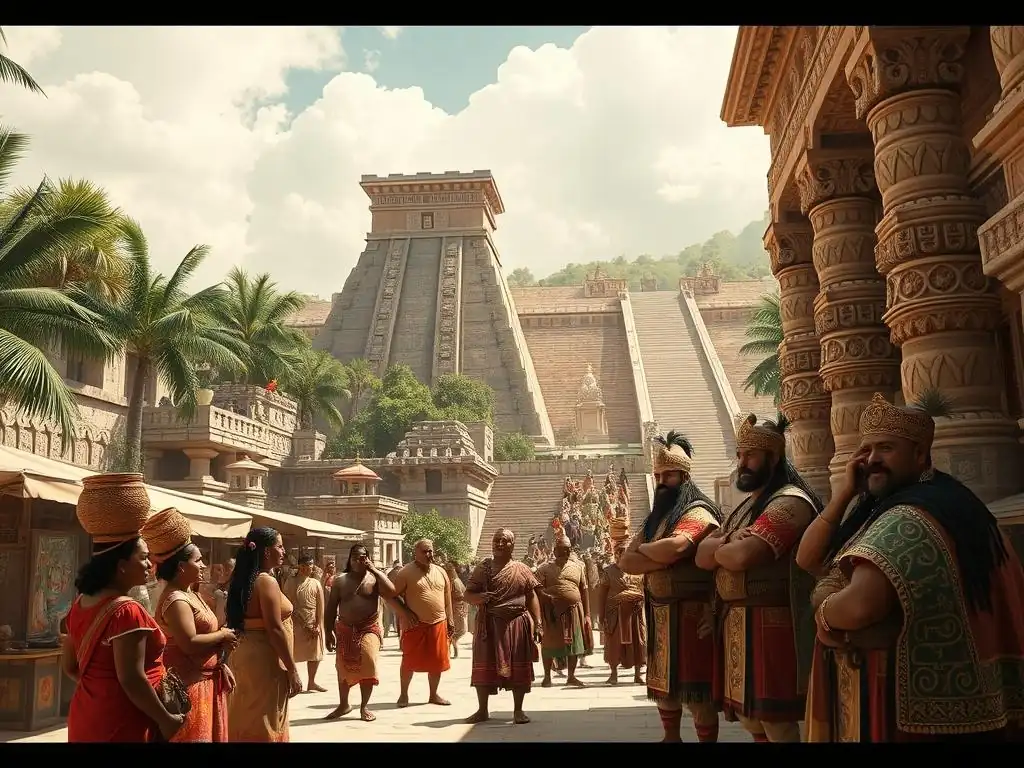
The Southern Lowlands of the Maya civilization, characterized by dense jungles and complex city-states, exhibited unique governance structures that reflected their environment and societal needs. Leadership was often centralized around powerful kings, known as Ajaw, who claimed divine right and were seen as intermediaries between the gods and the people. These rulers not only held political power but also religious authority, which was crucial in maintaining the social order and legitimizing their rule.
City-states such as Tikal and Calakmul were notable for their sophisticated political organization. They operated under a hierarchical system where nobility held administrative roles, managing various aspects of governance, including taxation, military organization, and religious ceremonies. The political landscape was dynamic, often marked by alliances and rivalries among the city-states, leading to a complex web of diplomacy and conflict.
Influence of Geography on Governance
Geography played a pivotal role in shaping the governance of the Southern Lowlands. The region's dense rainforests made communication and transportation challenging, leading to the development of localized political structures. Each city-state operated semi-independently, with its governance tailored to its unique environmental conditions and resources.
Moreover, the agricultural practices in the Southern Lowlands, primarily dependent on slash-and-burn techniques, influenced land management and governance policies. Leaders had to ensure sustainable practices to support their populations, leading to a focus on agricultural innovation and resource allocation. The precarious balance between population growth and agricultural sustainability often dictated political stability and governance strategies.
Governance in the Northern Lowlands
Distinct Political Entities and Their Structures
In contrast to the Southern Lowlands, the Northern Lowlands showcased a variety of distinct political entities, including larger urban centers like Chichen Itza and Uxmal. The governance here often involved a more decentralized approach, with multiple ruling elites exerting influence over their respective areas.
These regions frequently featured a system of alliances between different city-states, where governance was characterized by a council of nobles rather than a singular monarch. This collegial governance allowed for shared decision-making, particularly in matters of defense and trade, fostering a network of interdependence among the various entities. The presence of competing city-states often led to a more dynamic political environment, where negotiation and coalition-building were essential for maintaining power.
Economic Factors Influencing Governance
The Northern Lowlands' economy was significantly influenced by its geographic position along trade routes, facilitating commerce and cultural exchange. This economic prosperity allowed for the development of more complex governance structures, as leaders could invest in infrastructure, religious institutions, and military defenses.
Trade networks expanded the reach of individual city-states, making economic relations a crucial aspect of governance. Rulers often enacted policies to regulate trade, collect tribute, and manage resources, which were vital for sustaining their authority. The economic interdependence among different regions not only shaped local governance but also influenced broader political alliances and conflicts within the Mayan civilization.
By examining these regional variations in Mayan governance, we can gain a deeper understanding of how environmental, economic, and social factors played integral roles in shaping the political landscape of one of the Americas' most significant indigenous civilizations.
Governance in the Western Highlands
The Western Highlands of the Maya region, characterized by its mountainous terrain and diverse ecosystems, exhibited a unique form of governance that was deeply intertwined with its geography and the cultural practices of its inhabitants. Governance in this area was typically more decentralized compared to other regions, with local leaders often exercising significant influence over their communities. Each town or city-state maintained a considerable degree of autonomy, leading to a patchwork of varying political structures across the highlands.
The socio-political organization in the Western Highlands was often based on kinship ties, where lineage played a crucial role in determining leadership positions. Many communities were led by a council of elders or a chief, often referred to as a Ajaw, who was responsible for making decisions on behalf of the community. These leaders were usually chosen based on their noble lineage, wisdom, and ability to maintain harmony within the group. The interplay between local customs and broader Mayan traditions created a governance system that was flexible and responsive to the needs of the people.
Unique Governance Practices and Leadership Roles
In the Western Highlands, governance relied heavily on localized practices and unique leadership roles that reflected the specific needs and cultural contexts of the communities. The leadership structure often included multiple roles, such as spiritual leaders, military commanders, and agricultural overseers, each contributing to the overall governance.
- Council-Based Leadership: Many towns were governed by councils composed of representatives from various clans, ensuring that different voices within the community were heard. This council would convene to discuss matters such as trade agreements, resource management, and conflict resolution.
- Ceremonial Leadership: Leaders often held dual roles as both political and spiritual figures, embodying authority that extended beyond mere governance. Ceremonial leaders conducted rituals to appease deities, which reinforced their legitimacy and the social order. Their involvement in religious practices helped maintain social cohesion and cultural identity.
- Warrior Class: In times of conflict, warrior leaders emerged, showcasing the martial prowess of the community. Their ability to defend against external threats often elevated their status, leading to shifts in political power dynamics. This warrior class played a crucial role during territorial disputes or raids, influencing governance through military achievements.
Cultural Influences on Governance
Cultural influences significantly shaped the governance structures in the Western Highlands, where indigenous practices blended with the broader Mayan cosmology. The spiritual beliefs of the Maya informed their political systems, as governance was often seen as a sacred duty intertwined with religious obligations.
- Religious Rituals: The governance model included regular ceremonies that reinforced the authority of leaders. These rituals, aimed at securing blessings from the gods, highlighted the connection between governance and spirituality. The leaders' effectiveness was often measured by their ability to mediate the relationship between the divine and the people.
- Agricultural Practices: Given the agrarian nature of many communities, governance was also influenced by agricultural cycles. Leaders were responsible for organizing communal farming efforts, distributing resources, and ensuring that the community could sustain itself. Decisions regarding crop planting and harvesting were often made collectively, reflecting a governance style that prioritized community welfare.
- Trade Relationships: The Western Highlands engaged in extensive trade with neighboring regions, influencing local governance. Leaders often acted as intermediaries, negotiating trade agreements that would benefit their communities. This economic aspect of governance was crucial for resource distribution and fostering alliances with other city-states.
The governance of the Western Highlands was marked by localized practices, a mix of leadership roles, and profound cultural influences, creating a dynamic political landscape that was distinct from other Mayan regions.
Factors Influencing Regional Differences in Mayan Governance
Environmental Factors and Their Impact on Political Structures
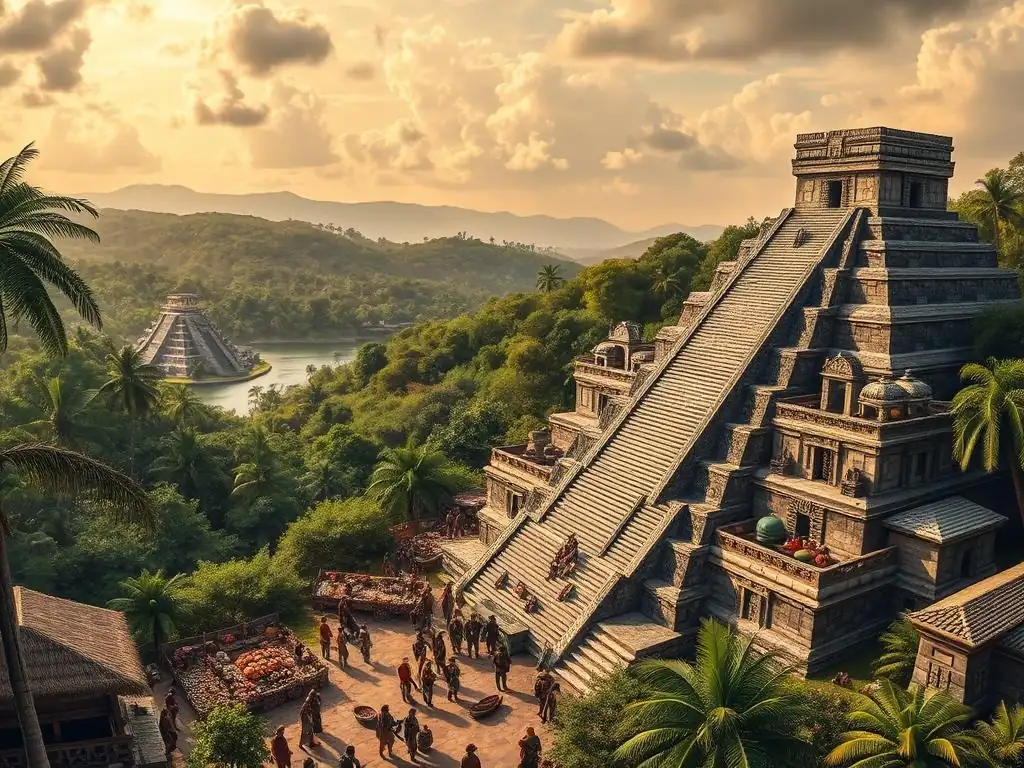
The environmental context in which the Maya thrived played a critical role in shaping their governance structures. The diverse ecosystems found across the Maya region—from the dense jungles of Petén to the arid landscapes of the Yucatán Peninsula—directly influenced agricultural practices, resource management, and ultimately political organization.
- Geographical Diversity:
- The varying topographies included coastal areas, highlands, and lowlands. Each region's geography dictated the resources available, which in turn affected the political power dynamics. For instance, regions rich in fertile soil, such as the lowland areas, could support larger populations, leading to more complex hierarchies and centralized governance.
- In contrast, mountainous regions often necessitated smaller, more localized governance systems due to the challenges of communication and resource distribution.
- Natural Resources:
- Access to resources such as freshwater, timber, and minerals also varied significantly. Areas near rivers, like the Usumacinta, fostered trade and interaction, which encouraged political alliances and centralized governance. Conversely, isolated regions may have developed autonomous city-states with limited inter-regional influence.
- Agricultural Practices:
- The success of agricultural techniques—like slash-and-burn farming in the lowlands versus terracing in the highlands—shaped the wealth of different regions. Wealth accumulation influenced political structures, as regions with more resources could support a greater number of elite rulers and more intricate governing systems.
Economic Variations Across Regions
Economic factors were pivotal in shaping the governance models among the Maya. The disparities in economic development across regions can be attributed to trade networks, resource availability, and agricultural productivity.
- Trade Networks:
- Regions with access to extensive trade routes, such as coastal cities, often developed more centralized political systems. The influx of wealth and goods led to the rise of powerful leaders who could leverage their economic control to establish dominance over surrounding areas.
- In contrast, regions that were geographically isolated may have developed more independent governance structures, as local leaders relied on subsistence economies and less on external trade.
- Agricultural Output:
- The ability to produce surplus crops allowed certain regions to support larger populations and more complex political structures. For instance, the lowland regions with rich agricultural land could sustain larger urban centers, leading to the development of strong city-states with elaborate governance systems.
- Conversely, regions with less fertile land experienced economic constraints that limited their political organization, often resulting in smaller, less hierarchical governance structures.
- Resource Management:
- Variations in how different regions managed their resources—such as water management in the drought-prone Yucatán—also influenced governance. Societies that successfully implemented complex irrigation systems tended to develop more centralized authority due to the need for coordinated efforts in resource management.
Cultural Diversity and Its Role in Governance
The rich tapestry of cultural practices across the Maya civilization significantly influenced governance structures and political ideologies. Each region's unique cultural identity shaped how governance was perceived and enacted.
- Religious Beliefs:
- The diverse pantheon of deities and religious practices across regions impacted political authority. In some areas, rulers were seen as divine or semi-divine figures, legitimizing their power and leading to more centralized governance. For example, divine kingship was more pronounced in regions like Tikal compared to others where rulers were more secular in nature.
- Rituals and ceremonies often reinforced political power and social hierarchy, demonstrating the interconnectedness of governance and spirituality.
- Social Organization:
- The social structures within different regions varied, influencing governance models. In areas with rigid class systems, such as those with a strong elite class of nobles, governance was typically more hierarchical, with power concentrated among a few. Conversely, regions with more egalitarian social structures might exhibit decentralized governance with more local decision-making.
- Understanding the local customs and traditions was essential for rulers to maintain legitimacy and control, which led to adaptations in governance that aligned with cultural expectations.
- Language and Identity:
- The multiplicity of languages and dialects among the Maya also contributed to regional differences in governance. Political leaders often needed to navigate these linguistic divides to communicate effectively and maintain authority, further influencing how governance systems were structured.
- Cultural identity played a crucial role in fostering loyalty and political cohesion, particularly in regions with distinct cultural practices that set them apart from neighboring territories.
The interplay of environmental, economic, and cultural factors created a mosaic of governance structures across the Maya civilization, illustrating the complexity and richness of their political landscape. Understanding these regional differences in Mayan governance provides a deeper appreciation of their societal organization and legacy.
Comparative Analysis of Governance Across Different Regions
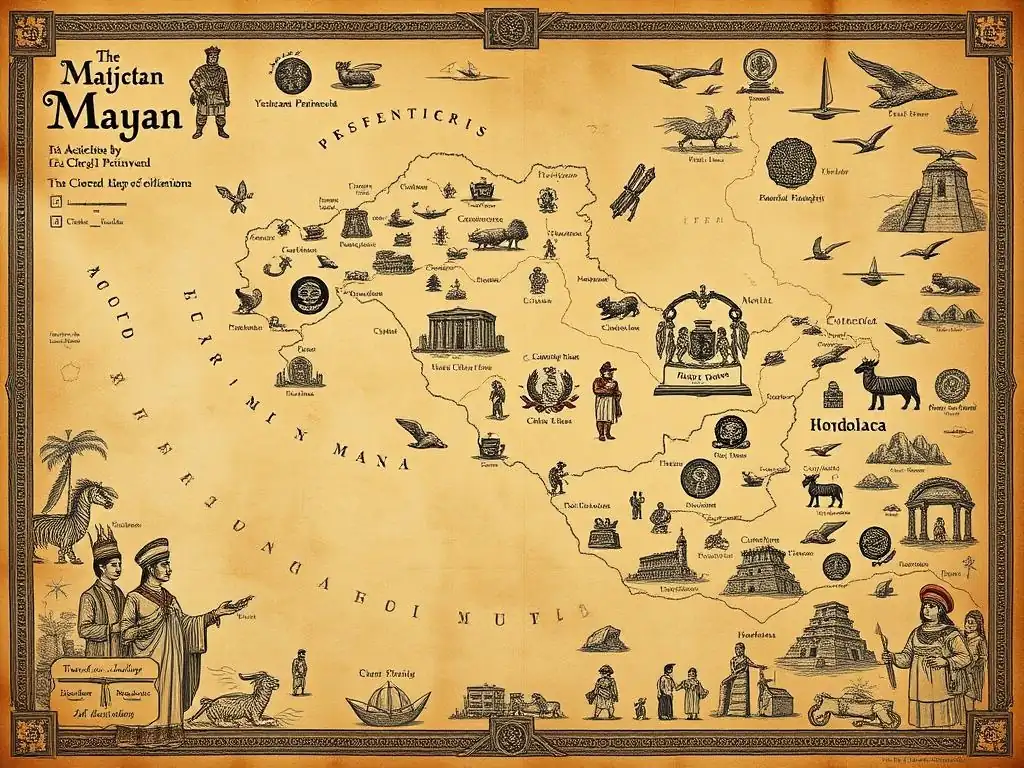
Similarities in Mayan Governance Practices
Mayan governance exhibited several commonalities across different regions, reflecting shared cultural and ideological underpinnings. These similarities were essential in maintaining a sense of unity among the diverse city-states, even as they developed their unique characteristics.
Shared Political Ideologies
The foundation of Mayan governance was deeply rooted in the belief systems that permeated their society. A significant aspect of this was the divine right of rulers, who were often seen as intermediaries between the gods and the people. This ideology fostered a political structure where leaders were not only political figures but also spiritual authorities. The concept of k'uhul ajaw (holy lord) was prevalent, emphasizing the ruler's sacred status and the need for divine favor to ensure stability and prosperity.
Moreover, the emphasis on communal decision-making can be observed in various Mayan regions. Councils of elders frequently advised rulers, and significant decisions were often made with input from the community. This practice underscored the importance of collective governance and the role of the populace in supporting their leaders.
Common Rituals and Religious Influences
Rituals played a crucial role in reinforcing the political structure across the Mayan world. Ceremonial events, such as the bloodletting rituals, were integral to Mayan governance. These rituals served to legitimize the ruler’s authority and were believed to maintain cosmic order. The shared religious practices not only connected the ruler to the divine but also to the people, fostering a sense of unity and purpose.
Additionally, the construction of grand temples and ceremonial centers was a common feature across various Mayan regions. These structures served as focal points for governance and religious activities, symbolizing the intertwining of political and spiritual life. The investment in such monumental architecture indicated a societal commitment to governance that transcended regional differences.
Differences in Leadership and Political Organization
While there were similarities in the governance practices of the Mayans, significant regional differences also existed. These variations were influenced by geographic, economic, and social factors that shaped each region's political landscape.
Variations in Power Distribution
The distribution of power varied considerably among the Mayan city-states. In some regions, such as the Petén Basin, power was highly centralized, often within a single ruling dynasty. For instance, Tikal and Calakmul exemplified this centralized authority, where the rulers wielded considerable influence over surrounding areas, often engaging in warfare to expand their territory.
Conversely, in regions like the Yucatán Peninsula, governance was characterized by a more decentralized system. Here, city-states operated with a degree of autonomy, and local lords held significant power. This decentralization led to a network of alliances and rivalries, shaping the political dynamics of the region.
Distinct Leadership Titles and Roles
Mayan governance also featured distinct leadership titles and roles that varied by region. While the term ajaw was widely used to denote the ruler, other titles emerged based on local customs and traditions. For instance, the halach uinik of the Yucatán Peninsula indicated a different relationship with the populace, often emphasizing the ruler's role as a leader of the people rather than solely a divine authority.
Leadership roles also differed in their scope and responsibilities. Some rulers were primarily military leaders who focused on expansion and warfare, while others emphasized trade and diplomacy, reflecting the economic priorities of their regions. This diversity in leadership roles highlights the adaptability of Mayan governance in response to local conditions and challenges.
While Mayan governance shared several key similarities across different regions, the distinct variations in political organization, power distribution, and leadership roles illustrate the complexity and diversity of the Mayan political landscape. Understanding these regional differences is essential in appreciating the rich tapestry of Mayan civilization and its governance practices.
Case Studies of Notable Mayan City-States
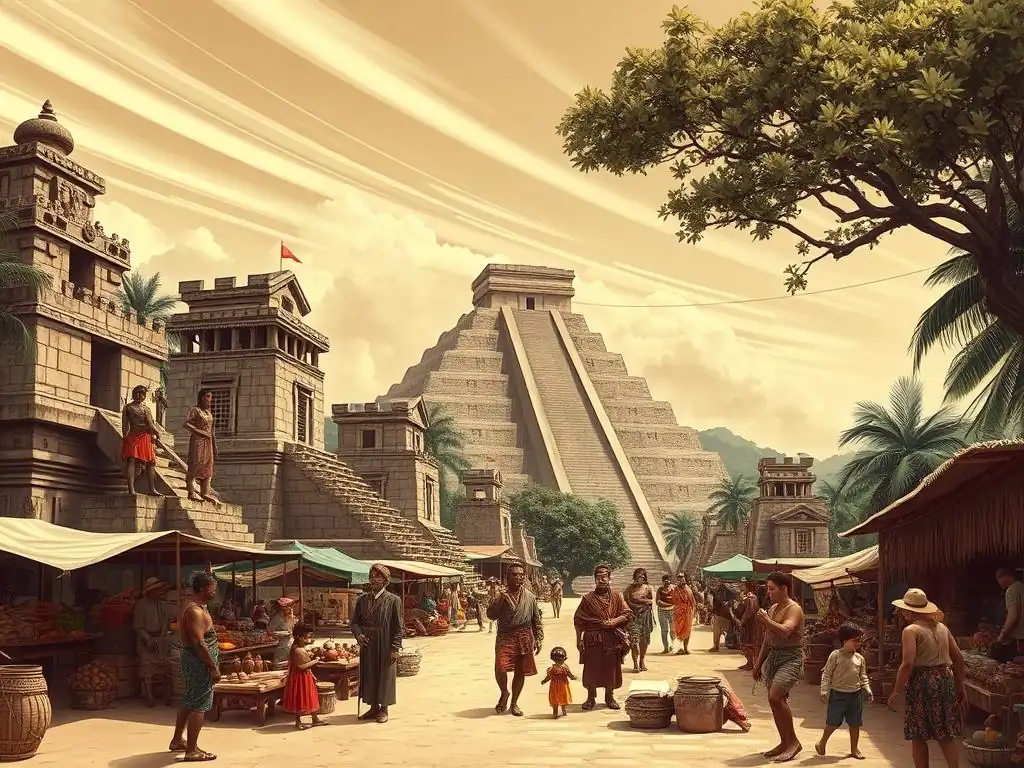
The Mayan civilization was not a monolithic entity; rather, it consisted of various city-states, each exhibiting unique governance styles influenced by regional characteristics. By examining notable city-states such as Tikal and Calakmul, we can gain insights into the Mayan governance regional differences and how each city adapted its political structure to meet local needs and challenges.
Tikal: A Model of Southern Lowland Governance
Political Structure and Achievements
Tikal, one of the most prominent city-states in the Maya civilization, serves as an exemplary model of governance in the Southern Lowlands. Its political structure was characterized by a centralized authority led by a ruling elite, typically composed of a king, known as the "ajaw," and a council of nobles. This hierarchical system allowed for effective administration and decision-making, contributing to Tikal's significant achievements.
- Centralized Authority: The king held supreme power, legitimized through divine association and military prowess. The political system facilitated the implementation of large-scale projects, including monumental architecture and agricultural innovations.
- Bureaucratic System: Tikal developed a sophisticated bureaucracy to manage resources, trade, and tribute collection from surrounding areas. This administrative structure enabled Tikal to maintain its influence over a vast territory, ensuring stability and order.
- Cultural Flourishing: Under strong governance, Tikal became a cultural hub, producing remarkable art, architecture, and scholarship. The city is renowned for its temples, such as Temple I (Temple of the Great Jaguar), which stands as a testament to its architectural prowess.
- Military Expansion: Tikal's governance also prioritized military expeditions to expand its territory and influence. The city engaged in conflicts with neighboring city-states, demonstrating the role of military strategy in its political framework.
Calakmul: Rivalry and Governance in the Southern Lowlands
Governance Strategies and Political Maneuvers
Calakmul, often in direct rivalry with Tikal, provides a contrasting example of Mayan governance. Its political strategies were shaped by the need to assert dominance in a competitive landscape, leading to distinct governance practices.
- Decentralized Alliances: Unlike Tikal's centralized model, Calakmul relied on a network of alliances with other city-states. This decentralized approach allowed it to leverage shared resources and military support, enhancing its strategic position.
- Diplomatic Maneuvers: Calakmul's rulers engaged in complex diplomacy, often forming temporary alliances to counteract Tikal's power. Marriages between royal families were common strategies to solidify these alliances and ensure mutual support in conflicts.
- Territorial Defense: The governance of Calakmul included a strong focus on defending its territory against invasions. Fortifications and strategic placements of military outposts were integral to its governance, reflecting a proactive approach to security.
- Cultural Preservation: Despite the rivalries, Calakmul maintained its cultural identity, promoting the arts, religion, and intellectual pursuits. The city is known for its impressive stelae and inscriptions, which provide insights into its political history and the rulers' lineage.
The study of Tikal and Calakmul illustrates the Mayan governance regional differences, showcasing how local dynamics influenced political structures and strategies. Each city-state's governance model was uniquely adapted to its environment, shaping its legacy in the broader context of the Maya civilization.
Chichen Itza: Northern Lowland Governance Dynamics
Chichen Itza stands out as one of the most prominent and influential city-states of the Mayan civilization, particularly in the Northern Lowlands. This city-state flourished between the 7th and 10th centuries and represents a unique blend of cultural influences, governance structures, and economic strategies that reflect the regional differences in Mayan governance.
The governance dynamics of Chichen Itza were characterized by a complex hierarchy that integrated various social classes and political roles. At the top of this hierarchy were the elite rulers, often referred to as "ahaw" or kings, who held significant power and authority. These rulers were not only political leaders but also played crucial roles in religious ceremonies, underscoring the intertwining of governance and spirituality in Mayan society.
Local governance was further structured through a council of nobles, which included representatives from various clans and influential families. This council would advise the king, facilitating a more decentralized approach to decision-making compared to other city-states. Such a structure allowed for community involvement in governance, as local leaders had a say in the political affairs of Chichen Itza.
Unique Features and Political Influence
Chichen Itza's governance was marked by several unique features that distinguished it from other Mayan city-states. One of the most notable aspects was its diplomatic relationships and trade networks, which extended beyond the confines of the Northern Lowlands. This positioning as a trade hub allowed Chichen Itza to exert considerable political influence over neighboring regions, leading to a form of governance that emphasized alliances and economic interdependence.
The city's governance also incorporated a unique blend of various cultural elements, evident in its architecture and religious practices. For instance, the influence of Toltec culture is evident in structures such as the Temple of Kukulcan, which showcases a fusion of artistic and religious practices that were pivotal in solidifying Chichen Itza's status as a regional power.
Moreover, Chichen Itza was renowned for its advancements in astronomy and mathematics, which informed its governance practices. The city's leaders utilized celestial events to plan agricultural cycles and religious festivals, demonstrating how scientific knowledge was integrated into political decision-making. This reliance on observational science further enhanced the legitimacy of the ruling class, as leaders who could predict agricultural success using astronomical knowledge were viewed as more powerful and capable.
Chichen Itza exemplifies the regional differences in Mayan governance through its unique political structures, economic strategies, and cultural influences. The city-state’s ability to adapt and integrate diverse elements while maintaining a strong central authority highlights the complexities of Mayan political organization in the Northern Lowlands.
Conclusion: The Significance of Understanding Mayan Governance Regional Differences
Understanding the regional differences in Mayan governance is crucial for appreciating the complexities of their political structures and cultural practices. The Mayan civilization, which thrived in Mesoamerica, was not a monolithic entity but rather a mosaic of city-states, each with its own unique governance strategies, societal norms, and cultural expressions. Recognizing these variations allows for a more nuanced understanding of how different Mayan societies adapted to their environments, interacted with one another, and ultimately influenced the broader landscape of indigenous civilizations in the Americas.
Summary of Key Findings
The comparative analysis of Mayan governance across various regions reveals several key findings:
- Diverse Political Structures: While some regions, such as the Petén, showcased centralized power with strong royal lineages, others, like the highlands, displayed more decentralized forms of governance characterized by local councils and shared authority.
- Cultural Influences: Regional differences in governance were often mirrored by variations in cultural practices, such as religious ceremonies, trade networks, and social hierarchies. For instance, the influence of neighboring cultures often led to adaptations in political organization and administrative practices.
- Environmental Adaptation: The geographical context played a critical role in shaping governance. In areas prone to drought, such as the southern lowlands, Mayan leaders may have employed more authoritarian strategies to manage resources effectively, while in more fertile regions, local governance could afford to be more egalitarian.
- Inter-City Relations: The relationships between different city-states ranged from alliances to rivalries, significantly impacting governance strategies. Diplomatic marriages, trade agreements, and military conflicts were common, highlighting the dynamic political landscape of the Maya.
Implications for the Study of Indigenous Civilizations
The insights gained from studying Mayan governance regional differences have broader implications for the understanding of indigenous civilizations as a whole:
- Recognition of Complexity: The varied governance structures within the Mayan civilization underscore the complexity of indigenous political systems. Scholars must move beyond simplistic models that portray indigenous societies as primitive or uniform.
- Interconnectedness of Cultures: The interactions among different Mayan city-states and with neighboring civilizations demonstrate the importance of cross-cultural exchanges. This challenges the notion of isolated indigenous groups and highlights the rich tapestry of relationships that defined pre-colonial societies.
- Historical Contextualization: Understanding the regional differences in governance provides a framework for analyzing the historical trajectories of indigenous civilizations, their responses to external pressures, and their resilience in the face of challenges.
Future Research Directions on Mayan Governance
To further deepen the understanding of Mayan governance and its regional variations, several research directions warrant exploration:
- Archaeological Investigations: Continued archaeological work at lesser-known sites can reveal new insights into local governance structures and political dynamics. Investigating artifacts, inscriptions, and urban layouts can uncover how governance evolved over time.
- Comparative Studies: Expanding comparative studies between Mayan governance and other indigenous civilizations in the Americas can provide a broader context for understanding governance as a universal human endeavor, shaped by specific cultural and environmental factors.
- Interdisciplinary Approaches: Integrating methodologies from anthropology, history, and political science can enhance the analysis of Mayan governance. This interdisciplinary approach can illuminate the complexities of power, authority, and societal organization across different regions.
- Focus on Lesser-Known Regions: More research is needed on the governance structures of lesser-studied areas of the Mayan civilization, such as the northern lowlands or the Caribbean coastal regions, to provide a comprehensive understanding of the diversity within Mayan governance.
The study of Mayan governance regional differences not only enriches our understanding of this remarkable civilization but also contributes to a broader appreciation of the political complexities within indigenous cultures across the Americas.
Frequently Asked Questions
What are the key features of Mayan governance?
Mayan governance was characterized by city-states, each led by a divine ruler. These leaders held both political and religious power, influencing various aspects of daily life.
How did regional differences affect Mayan governance?
Regional differences in resources and geography led to distinct governance structures. For example, coastal cities often had more trade-oriented policies, while inland areas focused on agricultural management.
Were there any major similarities in governance across the Mayan regions?
Despite the regional differences, many Mayan city-states shared common traits, such as the use of hierarchical structures and the integration of religious beliefs into governance practices.
How did the achievements of the Mayan civilization influence their governance?
The achievements of the Maya, including advancements in astronomy and writing, played a crucial role in governance, as leaders relied on these skills for decision-making and ritual practices.
What lasting impacts did Mayan governance have on later societies?
The governance systems of the Maya influenced later Mesoamerican cultures by establishing models of political organization, trade management, and community cohesion that persisted long after their decline.
Final Reflection: The Rich Tapestry of Mayan Governance and Its Lasting Legacy
The exploration of Mayan governance regional differences reveals not only the complexity of ancient political systems but also their relevance in understanding contemporary societal structures. As we delve into the intricacies of how governance varied across the Mayan civilization, we uncover lessons that resonate with today's discussions on leadership, community, and cultural identity. The diversity in governance models among the Mayans serves as a powerful reminder that there is no one-size-fits-all approach to leadership; rather, adaptability and responsiveness to local contexts are crucial for effective governance.
Clearly, the regional differences in Mayan governance have left an indelible mark on the cultural and social landscape of Mesoamerica. These variations highlight the importance of localized governance and the ways in which communities can thrive under different systems. The wisdom of the Mayans teaches us that understanding and respecting cultural nuances can lead to more harmonious societies.
As the renowned anthropologist Alfred Kroeber once said, "> Culture is a way of coping with the world." This perspective encourages us to appreciate the diverse governance models that have emerged throughout history, as they reflect the unique challenges and values of their respective societies.
As we reflect on the lessons from Mayan governance, I invite you to consider how these insights can be applied in your own life and community. What aspects of governance resonate with you, and how can you advocate for a system that honors local needs and cultural diversity? By engaging in thoughtful dialogue and embracing the richness of different governance models, we can contribute to a more inclusive and effective society. Let us carry forward the legacy of the Mayans, recognizing that our differences can be our greatest strength in shaping a brighter future.
Explore the Rich Diversity of Mayan Governance!
Thank you for diving into our exploration of the fascinating variations in Mayan governance! Your curiosity about the complexities of Indigenous civilizations enriches our understanding of history and culture. Now, let’s put that newfound knowledge into action!
- Engage with local history: Visit a museum or cultural center that features Indigenous artifacts or attend lectures on Mayan history to deepen your understanding.
- Share your insights: Discuss what you've learned with friends or on social media to inspire others to appreciate the rich cultural legacy of the Maya.
- Reflect on connections: Consider how the governance models of the Maya can inform contemporary discussions about leadership and community organization.
What aspect of Mayan governance surprised you the most, and how do you think it can influence our understanding of modern societal structures?