
The Role of Irrigation in Moche Agriculture: Engineering Marvels of the Ancient World

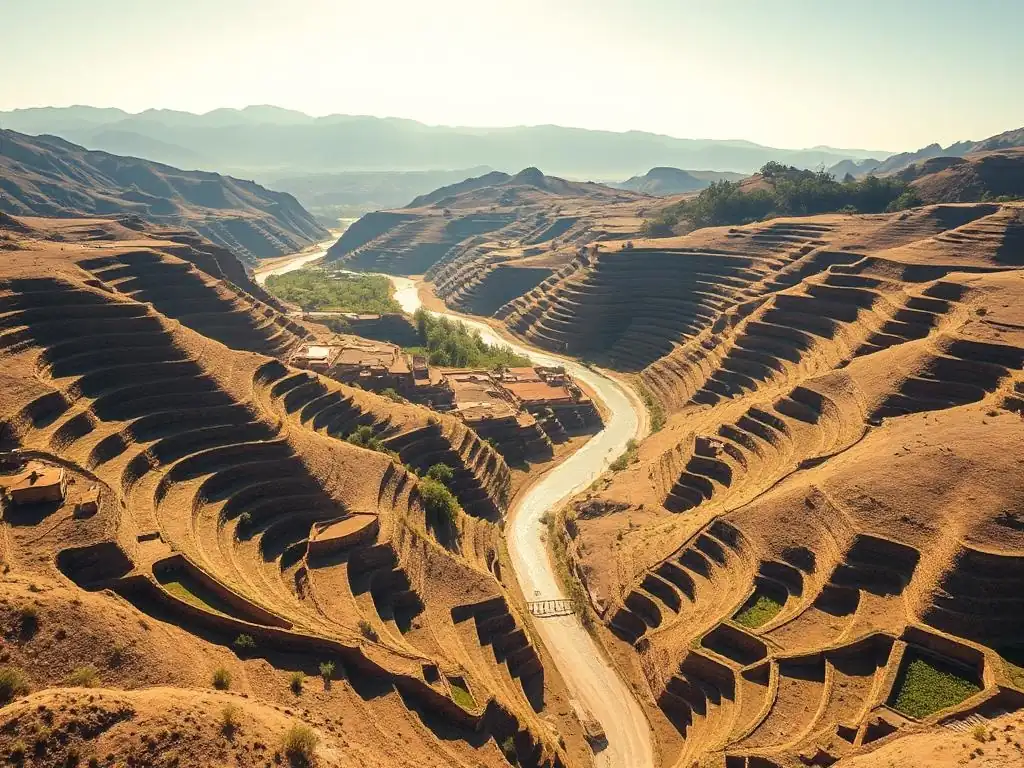
Welcome to Indigenous Civilizations of the Americas, where we invite you to embark on a fascinating journey through the rich tapestry of indigenous cultures that once flourished across the Americas. Today, we delve into the Moche irrigation techniques history, unveiling the engineering marvels that transformed arid landscapes into fertile agricultural hubs. Discover how these ingenious methods not only sustained vibrant communities but also left a lasting legacy that continues to inspire. Are you ready to explore the remarkable achievements of the Moche civilization? Let’s dive deeper into their world and uncover the secrets of their sophisticated agricultural practices!
Introduction to Moche Civilization and Irrigation
The Moche civilization, flourishing along the northern coast of Peru from approximately 100 to 800 CE, is renowned for its sophisticated cultural practices, artistic achievements, and, notably, its advanced agricultural techniques. One of the most remarkable aspects of Moche society was the development of intricate irrigation systems that enabled them to thrive in an arid environment.
These engineering marvels not only transformed the landscape but also facilitated the growth of diverse crops, ensuring food security and sustaining a complex society. Understanding the Moche irrigation techniques history provides insight into how these ancient peoples adapted to their environment, showcasing their ingenuity and resilience.
Overview of Moche Society and Culture
Moche society was characterized by a hierarchical structure, with a ruling elite, skilled artisans, and a strong agricultural base. They are celebrated for their impressive pottery, monumental architecture, and intricate metalwork. The Moche people worshipped a pantheon of deities, which they believed influenced agricultural productivity and overall prosperity. Their culture was deeply intertwined with the land, leading to the development of sophisticated agricultural practices that were essential for sustaining their population and supporting their cultural endeavors.
Importance of Agriculture in Moche Life
Agriculture was the cornerstone of Moche life, constituting the primary source of sustenance and economic stability. The Moche cultivated a variety of crops, including maize, beans, potatoes, and squash. The ability to produce surplus food allowed for population growth, trade, and the development of intricate social hierarchies. Furthermore, agricultural practices were often tied to religious rituals, emphasizing the significance of farming in their spiritual beliefs and community life. The Moche's reliance on agriculture also necessitated the development of effective irrigation systems to harness the limited water resources available in their desert environment.
Introduction to Moche Irrigation Techniques
The Moche irrigation techniques were innovative and reflected a deep understanding of hydrology and landscape management. Utilizing a network of canals, aqueducts, and reservoirs, they diverted water from rivers to their fields, enabling them to farm in an otherwise inhospitable region. The complexity of these systems varied, with some canals spanning several kilometers, showcasing the engineering prowess of the Moche people. This mastery of irrigation not only supported agriculture but also played a vital role in the social and economic framework of Moche civilization.
History of Moche Irrigation Techniques
Origins of Moche Irrigation Practices
The origins of Moche irrigation practices can be traced back to their early agricultural endeavors, where the need to effectively manage water resources became apparent. Archaeological evidence suggests that the Moche began developing their irrigation systems around the same time they established their agricultural communities. This early innovation laid the foundation for the sophisticated techniques that would follow, indicating a remarkable capacity for adaptation and engineering.
Key Historical Developments in Moche Irrigation
Throughout their history, the Moche made significant advancements in irrigation technology. They constructed impressive canal systems that utilized gravity to transport water across distances, optimizing the use of available resources. The Moche also developed techniques for building terraces, which helped to reduce soil erosion and maximize arable land. These developments were crucial for sustaining their agricultural practices, particularly in light of periodic environmental challenges such as droughts.
Comparison with Other Ancient Irrigation Systems
When compared to other ancient irrigation systems, such as those of Mesopotamia or the Nile, Moche irrigation techniques display unique characteristics shaped by their geographic and climatic conditions. While many ancient civilizations relied heavily on river systems, the Moche adapted to their semi-arid environment by constructing extensive networks of canals and reservoirs. This adaptability highlights the diversity of irrigation practices across ancient cultures and underscores the Moche's innovative spirit in the face of environmental challenges.
Engineering Innovations in Moche Irrigation
The Moche civilization, flourishing along the northern coast of present-day Peru from approximately 100 to 800 AD, was renowned for its sophisticated irrigation systems. These engineering innovations were essential not only for agriculture but also for the sustainability of their society in a challenging arid environment. The Moche people developed a comprehensive understanding of hydrology, which allowed them to manipulate water flow efficiently and maximize agricultural productivity. Their intricate systems of canals, aqueducts, and reservoirs illustrate a deep integration of engineering and agricultural practices, showcasing their remarkable ingenuity.
Overview of Moche Irrigation Engineering
Moche irrigation engineering was characterized by its adaptability to the coastal desert geography. The Moche people constructed extensive networks of canals that diverted river water from the Andes mountains to their fields. These canals were often lined with stone to prevent erosion and ensure longevity. The Moche also employed techniques that allowed them to harness seasonal rainfall and melting snow from the Andes, crucial for irrigation in a region where water scarcity was a constant challenge. This engineering prowess not only facilitated crop growth but also supported the development of a complex society that thrived on agriculture.
Construction of Canals and Water Channels
The construction of canals and water channels was a hallmark of Moche irrigation techniques. These channels varied in size and structure, often spanning several kilometers to transport water to distant fields. The Moche utilized a variety of materials, including stone, clay, and earth, to create durable channels capable of withstanding the harsh environmental conditions. Remarkably, some canals were built at slight gradients to facilitate gravity-fed irrigation, ensuring a steady flow of water. Archaeological evidence suggests that these channels were meticulously planned and constructed, reflecting the Moche's advanced engineering skills and their understanding of hydraulic principles.
Use of Reservoirs and Aqueducts in Moche Agriculture
Reservoirs played a crucial role in the Moche irrigation system, allowing for the storage of water during periods of scarcity. These man-made lakes collected runoff and contributed to a more steady water supply for agricultural fields. The Moche also constructed aqueducts to transport water across uneven terrain, demonstrating their adaptability and engineering foresight. These aqueducts often featured retaining walls and were sometimes elevated to cross valleys, ensuring that water reached the most arid areas. The integration of reservoirs and aqueducts into their agricultural framework not only enhanced food security but also supported the growth of their civilization.
Moche Irrigation Techniques: Types and Methods
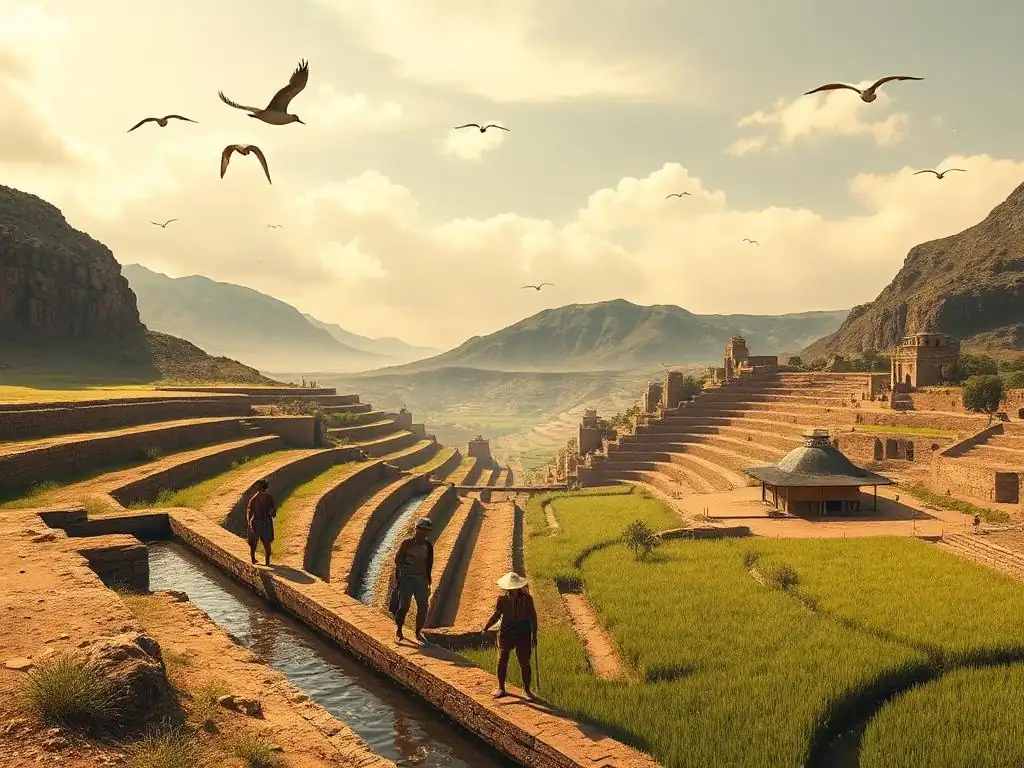
The Moche civilization employed a diverse array of irrigation techniques that were well-suited to their environmental conditions. These methods allowed them to cultivate a variety of crops, contributing to their economic and cultural development. Understanding these irrigation techniques is essential to appreciating the agricultural achievements of the Moche and their lasting impact on subsequent civilizations.
Surface Irrigation Techniques
Surface irrigation was one of the primary methods used by the Moche to distribute water across their fields. This technique involved the direct application of water onto the soil surface, often through furrows or basins designed to hold water. The Moche utilized the natural slope of the land to facilitate the flow of water, which was crucial in a region where the terrain varied significantly. This method was particularly effective for staple crops such as maize and beans, which thrived in the moist conditions created by surface irrigation.
Subsurface Irrigation Strategies
In addition to surface irrigation, the Moche developed subsurface irrigation strategies that allowed for more efficient water use. This technique involved burying channels or pipes below the soil surface, enabling water to seep into the root zone of crops without excessive evaporation. This method was particularly advantageous in arid climates, as it minimized water loss and provided consistent moisture to plants. The ability to regulate soil moisture levels through subsurface irrigation contributed to the agricultural success of the Moche, enabling them to cultivate crops in challenging conditions.
Management of Water Resources in Moche Agriculture
Effective management of water resources was crucial for the sustainability of Moche agriculture. The Moche developed sophisticated systems for monitoring and controlling water flow, ensuring that crops received adequate moisture throughout the growing season. This management included the use of sluices and gates to regulate water distribution, as well as communal efforts to maintain and repair irrigation infrastructure.
Additionally, the Moche engaged in practices to prevent salinization of the soil, which could occur due to improper irrigation techniques. Their holistic approach to water management not only supported agricultural productivity but also fostered community cooperation and resilience in the face of environmental challenges.
The Impact of Irrigation on Moche Agriculture
The Moche civilization, which flourished between approximately 100 AD and 800 AD in present-day northern Peru, is renowned for its sophisticated agricultural practices, particularly its advanced irrigation techniques. These methods were not merely utilitarian; they transformed the arid coastal landscape into fertile agricultural land, enabling the Moche people to cultivate a diverse array of crops. The impact of irrigation on Moche agriculture was profound, influencing not just the yield of crops but also the very structure of Moche society.
Agricultural Productivity and Crop Diversity
Moche irrigation techniques fundamentally increased agricultural productivity, allowing for the cultivation of crops that thrived in the otherwise arid environment. Through an intricate network of canals, reservoirs, and aqueducts, the Moche managed to divert water from rivers, particularly the Moche River, to irrigate their fields. This system supported the growth of various crops, including maize, beans, squash, and potatoes, which were essential staples in their diet.
The use of irrigation also facilitated the cultivation of high-value crops such as cotton and chili peppers, which were integral to both the economy and culinary practices of the Moche. The diversification of crops not only enhanced food security but also allowed for trade, as surplus crops could be exchanged for other goods. Thus, the Moche irrigation system was a key driver of agricultural innovation and economic prosperity.
Socio-Economic Effects of Irrigation on Moche Society
The advances in irrigation techniques had significant socio-economic repercussions for Moche society. With the ability to produce surplus food, the Moche could support a larger population, which in turn fostered urbanization and the development of complex social structures. Settlements became more centralized, with the emergence of large ceremonial centers, such as Huacas del Sol y de la Luna, where agricultural surplus was often stored and distributed.
Additionally, the irrigation systems necessitated community cooperation and labor organization, leading to the development of social hierarchies and specialized roles within Moche society. Those responsible for managing irrigation systems likely held significant power and influence, thereby shaping the political landscape of the civilization. The interconnectedness of agriculture, society, and economy in the Moche civilization underscores the critical role that irrigation played in their success.
Environmental Adaptations and Sustainability Practices
The Moche civilization demonstrated remarkable environmental adaptations through their irrigation practices. Understanding the seasonal variations in rainfall and the hydrology of their region, the Moche engineered their systems to maximize water efficiency. They built check dams and terraces, which not only controlled water flow but also reduced soil erosion and enhanced soil fertility.
Sustainability was a cornerstone of Moche irrigation. The construction of reservoirs allowed for water storage, enabling the Moche to irrigate their crops during dry periods. Moreover, the use of organic fertilizers and crop rotation practices further optimized agricultural productivity while maintaining soil health. These techniques reflect a deep understanding of their environment and a commitment to sustainable agricultural practices that ensured their civilization could thrive in a challenging landscape.
Challenges and Limitations of Moche Irrigation Systems
Despite the sophisticated nature of Moche irrigation systems, they were not without their challenges and limitations. The very strategies that enabled agricultural success also faced significant hurdles that could impact overall productivity and sustainability.
Issues of Water Scarcity and Drought
The Moche region is characterized by its arid climate, making water scarcity a persistent challenge. While the Moche developed advanced irrigation technologies, they were vulnerable to fluctuations in water availability, particularly during periods of drought. Prolonged dry spells could severely limit agricultural output, threatening food security and the stability of Moche society.
In times of water scarcity, competition for resources may have intensified, leading to social tensions and conflicts. The reliance on a single water source, such as rivers, meant that any environmental changes or human activities affecting these waterways could have dire consequences for agricultural practices.
Maintenance and Repair of Irrigation Infrastructure
The intricate network of canals and reservoirs required constant maintenance and repair to function effectively. The Moche undertook significant labor to ensure that their irrigation infrastructure remained intact, as blockages or breaches could disrupt water flow and damage crops.
This maintenance work demanded a coordinated effort among community members, often requiring significant time and resources. Failure to address infrastructural issues could lead to crop failures, reduced agricultural productivity, and ultimately, economic hardship for the Moche people.
Impacts of Climate Change on Moche Irrigation Techniques
Climate change poses a significant challenge to ancient irrigation techniques, including those employed by the Moche. Shifts in climate patterns could result in altered precipitation levels, affecting river flows and the availability of water for irrigation.
The Moche civilization may have already experienced such changes, as archaeological evidence suggests that periods of climate instability coincided with the decline of Moche society. As temperatures rise and weather patterns become increasingly unpredictable, the sustainability of traditional irrigation methods could be jeopardized, highlighting the importance of adaptability in agricultural practices.
While the Moche irrigation techniques were remarkable engineering feats that enabled agricultural success, they were also subject to various challenges that could affect their sustainability and effectiveness over time. The interplay between irrigation, agriculture, and environmental conditions illustrates the complexity of Moche civilization and its relationship with the land.
Legacy of Moche Irrigation Techniques
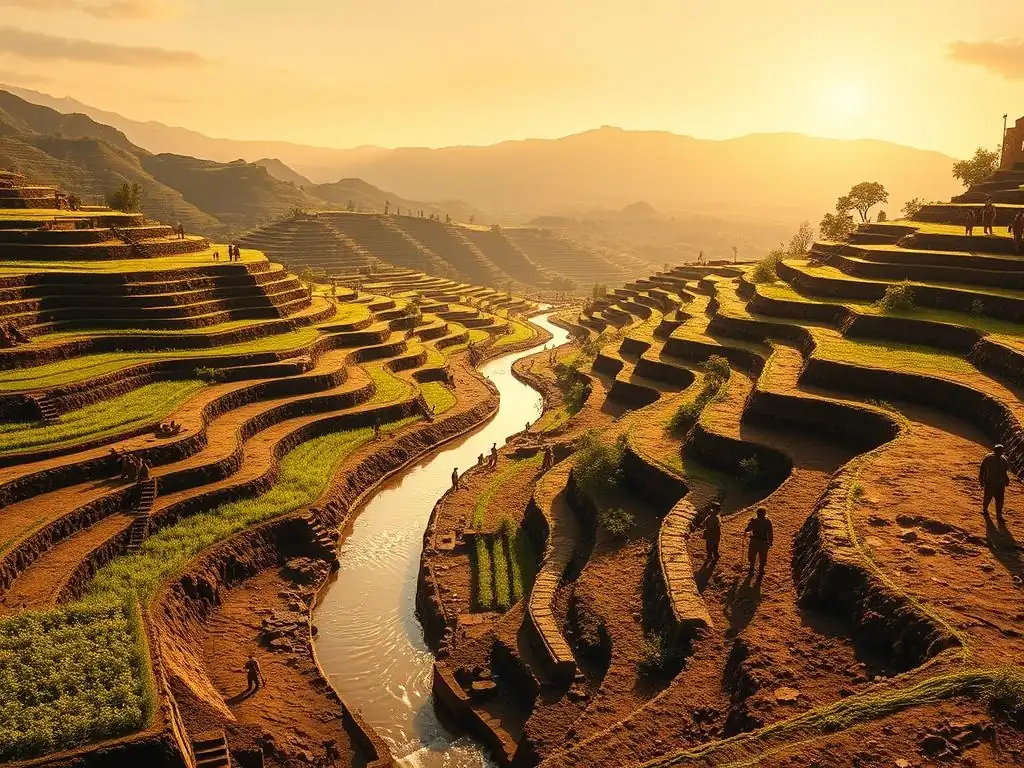
The Moche civilization, which thrived in northern Peru from approximately 100 to 800 AD, showcased extraordinary ingenuity through its sophisticated irrigation techniques. These methods were crucial for transforming the arid landscape of the region into fertile agricultural land, allowing the Moche people to cultivate a variety of crops, including maize, beans, and potatoes. The legacy of their irrigation systems can be seen not only in the agricultural practices of subsequent cultures but also in the engineering principles that continue to influence modern irrigation techniques.
The Moche developed an extensive network of canals, aqueducts, and reservoirs that harnessed water from the nearby rivers and seasonal rains. Using advanced engineering skills, they constructed systems that maximized water distribution across their fields. This mastery of irrigation not only supported their agricultural needs but also facilitated the growth of a complex society, leading to significant advancements in art, architecture, and social organization.
Influence on Later Andean Civilizations
The innovations introduced by the Moche had a lasting impact on later Andean civilizations, particularly the Incas. The Incas adopted and adapted Moche irrigation methods, integrating them into their own extensive agricultural systems throughout the Andes. This continuity of irrigation technology played a vital role in the development of the Inca Empire, enabling large-scale agriculture that could support a growing population.
In addition to facilitating agriculture, Moche irrigation techniques influenced the social structure of later societies. Communities organized around water management and distribution systems, fostering collaboration and social cohesion. The principles of communal water control and the importance of managing this vital resource were carried forward into subsequent civilizations, shaping the cultural landscape of the Andes.
Modern Applications of Ancient Moche Irrigation Systems
Today, the legacy of Moche irrigation techniques is visible in modern agricultural practices in Peru and across the Andean region. Contemporary farmers still utilize principles derived from Moche engineering, particularly in areas where water scarcity is a significant challenge. For instance, traditional practices such as terracing and the use of canals for irrigation continue to be employed alongside modern technologies.
Researchers and agricultural engineers are exploring ancient Moche irrigation systems to inform current practices in sustainable agriculture. By studying the efficiency and effectiveness of these ancient methods, modern initiatives aim to improve water conservation and crop yields. This integration of ancient wisdom with contemporary technology serves as a testament to the enduring relevance of Moche agricultural practices in addressing today's environmental challenges.
Preservation of Moche Irrigation Heritage Today
Preservation efforts for Moche irrigation systems face various challenges, including environmental degradation and urban development. However, efforts are underway to protect these ancient engineering marvels. Archaeologists and conservationists are working to document and restore Moche irrigation channels to ensure that this vital heritage is not lost to time.
Local communities are also becoming increasingly involved in preservation initiatives, recognizing the cultural significance of their ancestors' achievements. Educational programs and cultural heritage projects aim to raise awareness about the importance of these irrigation systems, fostering a sense of pride and responsibility among the descendants of the Moche civilization.
Conclusion
Summary of the Importance of Moche Irrigation Techniques
The irrigation techniques developed by the Moche civilization represent a remarkable achievement in engineering and agricultural innovation. Their sophisticated systems allowed for the flourishing of one of the most advanced cultures in pre-Columbian America, demonstrating the critical role of water management in sustaining societies. The influence of Moche irrigation practices extends beyond their time, shaping agricultural methods and social structures in the Andean region for centuries.
Reflection on the Engineering Marvels of the Moche Civilization
The Moche's ability to construct extensive irrigation networks in a challenging environment showcases their exceptional engineering capabilities. Their understanding of hydrology and landscape management was advanced for their time, highlighting the ingenuity that characterized Moche civilization. These engineering marvels not only facilitated agricultural success but also laid the groundwork for the impressive architectural feats seen in their society.
Final Thoughts on the Legacy of Moche Agricultural Practices
The legacy of Moche agricultural practices is a testament to the resilience and ingenuity of indigenous civilizations in the Americas. By adapting to their environment and developing sophisticated irrigation techniques, the Moche not only thrived but also left an indelible mark on the history of agriculture in the Andes. As modern societies look to sustainable practices for the future, the lessons learned from the Moche irrigation techniques offer valuable insights into the importance of water management and agricultural innovation.
References
The study of Moche irrigation techniques provides valuable insights into the agricultural practices that supported one of the most remarkable civilizations in pre-Columbian Americas. Various sources contribute to our understanding of the sophisticated engineering and hydrological knowledge employed by the Moche people.
Key Sources on Moche Irrigation Techniques History
-
"The Moche: A Culture of Ancient Peru" by Christopher B. Donnan
This book offers an in-depth analysis of the Moche civilization, including their agricultural practices and irrigation systems. Donnan explores archaeological findings and provides context for the role of irrigation in Moche society.
-
"Water Management in Ancient Peru: The Moche Case" by Lawrence A. B. C. P.
This academic article details the engineering techniques used by the Moche to manage water resources effectively. It discusses the construction of canals, reservoirs, and other irrigation infrastructure that allowed the Moche to thrive in arid environments.
-
"Moche Irrigation Engineering: A Case Study from the North Coast of Peru" by Jerry D. Moore
Moore's research focuses on the technological advancements of the Moche regarding irrigation. This study highlights specific irrigation systems and their impact on agricultural productivity and social organization.
-
"The Archaeology of the Moche: A Synthesis" by William M. Denevan
This synthesis brings together various archaeological findings related to the Moche civilization, emphasizing their agricultural strategies and the role of irrigation in sustaining their society.
-
"Ancient Peruvian Agriculture: Moche Farming Techniques" by Richard W. Stoner
Stoner provides an overview of the agricultural practices of the Moche, with a particular focus on their innovative irrigation methods. The book includes illustrations and diagrams of irrigation systems that illustrate the complexities of Moche engineering.
Further Reading on Indigenous Agricultural Innovations
-
"Agriculture in the Americas: A Historical Perspective" edited by J. E. Staller
This comprehensive volume discusses the evolution of agricultural practices across the Americas, highlighting various indigenous techniques, including those of the Moche. It provides a broader context for understanding the significance of irrigation in ancient societies.
-
"Indigenous Agriculture: Lessons from the Americas" by M. A. K. Ward
This book explores agricultural innovations among indigenous peoples of the Americas and examines how these practices influenced European agricultural methods after colonization.
-
"The Role of Water Management in Pre-Columbian Societies" by R. G. Varady
Varady's work investigates the importance of water management across various pre-Columbian cultures, including the Moche. The book provides insights into how irrigation shaped social structures and economies.
-
"Farming the Earth: Indigenous Innovations in Agriculture" by A. L. W. D. C.
Focusing on a range of indigenous farming techniques, this book discusses the innovations that allowed various cultures to thrive in diverse environments. It includes a chapter dedicated to Moche irrigation practices.
-
"The Agricultural Heritage of the Americas" by H. A. P. B.
This resource surveys the agricultural heritage of indigenous cultures throughout the Americas, with specific references to the Moche and their advanced irrigation systems, illustrating how these methods were critical for their survival and development.
These references and further reading materials provide a solid foundation for anyone interested in exploring the remarkable irrigation techniques of the Moche civilization and their significant contributions to agricultural history.
- Introduction to Moche Civilization and Irrigation
- History of Moche Irrigation Techniques
- Engineering Innovations in Moche Irrigation
- Moche Irrigation Techniques: Types and Methods
- The Impact of Irrigation on Moche Agriculture
- Challenges and Limitations of Moche Irrigation Systems
- Legacy of Moche Irrigation Techniques
- Conclusion
- References
Frequently Asked Questions
What are Moche irrigation techniques?
Moche irrigation techniques involved sophisticated canal systems and reservoirs that enabled them to effectively manage water resources, crucial for their agricultural productivity in the arid coastal regions of Peru.
How did Moche irrigation affect their agriculture?
The Moche developed a complex irrigation network that supported the cultivation of various crops, improving food security and allowing their civilization to thrive despite challenging environmental conditions.
What materials were used in Moche irrigation systems?
Moche engineers utilized local materials such as stone and clay to construct durable canals and aqueducts, showcasing their advanced engineering skills and understanding of hydrology.
What crops did the Moche grow using their irrigation techniques?
Through their advanced irrigation methods, the Moche successfully cultivated crops like maize, beans, and squash, which were essential to their diet and economy, reflecting their agricultural diversity.
How did Moche irrigation techniques influence later civilizations?
The innovative irrigation methods of the Moche laid the groundwork for subsequent Andean cultures, demonstrating the importance of water management and contributing to the agricultural legacy in the region.
Final Reflection: The Enduring Legacy of Moche Irrigation Techniques
The ingenuity of the Moche civilization in their irrigation practices is not just a relic of the past; it serves as a powerful reminder of how innovative engineering can transform landscapes and societies. Today, as we grapple with the challenges of water scarcity and sustainable agriculture, the lessons from Moche irrigation techniques resonate more than ever. Their ability to harness and manage water resources in a harsh environment exemplifies the critical importance of adapting to our surroundings and utilizing technology for the greater good.
The impact of Moche irrigation techniques extends far beyond their historical context; they continue to influence modern agricultural practices and water management strategies. As we witness the effects of climate change and increasing global populations, the principles behind the Moche's sophisticated systems remind us of the need for sustainable practices. The past is not dead; it is not even past.
This quote by William Faulkner encapsulates how the wisdom of ancient civilizations can guide our present and future decisions in agriculture and environmental stewardship.
As you reflect on the remarkable engineering feats of the Moche, consider how their legacy can inspire your own actions in promoting sustainable practices in your community. What lessons can you draw from their innovative spirit? Embrace the challenge of finding solutions to contemporary issues by looking to the past, and let the story of Moche irrigation techniques motivate you to engage in meaningful change. Together, we can honor their legacy by fostering a future where water is managed wisely and sustainably for generations to come.
Unveil the Secrets of Ancient Irrigation!
Thank you for joining us on this fascinating journey through the incredible engineering feats of the Moche civilization! By exploring their sophisticated irrigation systems, you've gained a deeper appreciation for the ingenuity of ancient agricultural practices. Now, it’s time to take that knowledge and put it into action!
Here are a few ways you can engage further with this amazing topic:
- Dive Deeper: Explore local agricultural practices inspired by ancient techniques—visit a farm or community garden that utilizes sustainable water management.
- Share Your Insights: Discuss this article with friends or family—start a conversation about how ancient methods can inform modern agriculture!
- Join the Conversation: Connect with communities focused on sustainability—participate in online forums or social media groups dedicated to agriculture and indigenous practices.
Now, think about this: How can the engineering marvels of the Moche inspire our own approaches to sustainable agriculture today? We’d love to hear your thoughts!