
The Power of the Ancestors: Analyzing Moche Ancestor Worship

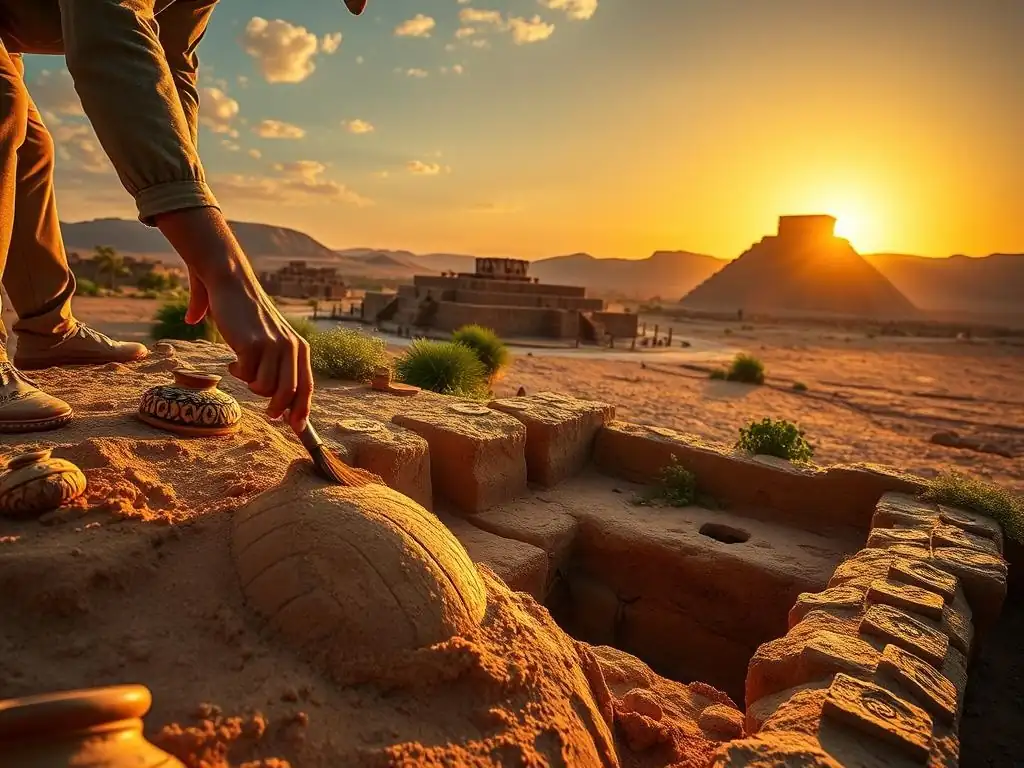
Welcome to Indigenous Civilizations of the Americas, where we invite you to journey through the rich tapestry of cultures that flourished long before European contact. In this exploration, we delve into the fascinating world of the Moche Civilization, particularly highlighting their unique ancestor worship practices. Discover how these rituals not only honored the past but also shaped the societal structure and beliefs of the Moche people.
As you navigate through our articles, prepare to uncover the profound connections between ancestry and identity that continue to resonate today. Join us as we unveil the power of the ancestors and their enduring legacy!
Introduction to Moche Ancestor Worship Practices
The Moche civilization, flourishing along the northern coast of present-day Peru from around 100 to 800 CE, is renowned for its intricate social structures, remarkable artistic achievements, and rich spiritual beliefs. Central to their cultural framework was the practice of ancestor worship, which played a pivotal role in shaping their identity, societal norms, and religious practices.
This article delves into the Moche ancestor worship practices, examining how these rituals not only honored the deceased but also reinforced the community's values and continuity. Through exploring the definitions, historical context, and evolving nature of these practices, we aim to illuminate the profound connections between the Moche people and their ancestors.
Definition of Ancestor Worship in Moche Culture
Ancestor worship in Moche culture refers to the veneration and reverence of deceased relatives and ancestors, which was expressed through various rituals and offerings. This practice was rooted in the belief that the spirits of the ancestors remained influential in the lives of the living, providing guidance, protection, and blessings. The Moche engaged in ceremonies that included the construction of elaborate tombs and burial sites, known as huacas, where offerings of food, pottery, and textiles were placed to honor and appease these spirits.
Importance of Ancestors in Moche Society
In Moche society, ancestors held a significant place in both the spiritual and social realms. They were viewed as custodians of knowledge and tradition, and their continued presence was believed to ensure the prosperity of the living. Ancestor worship fostered a sense of community as families came together to honor their lineage and maintain connections across generations. It also reinforced social hierarchies, as the status of an ancestor often reflected the societal standing of their descendants, creating a complex interplay between legacy and identity.
Historical Context of Moche Ancestor Worship
Overview of Moche Civilization and Its Beliefs
The Moche civilization was characterized by its advanced agricultural techniques, impressive architectural achievements, and complex political organization. Their belief system was polytheistic, featuring a pantheon of gods associated with natural elements like the sun, moon, and agriculture. Ancestor worship was intertwined with these beliefs, as the Moche often viewed their ancestors as intermediaries between the living and the divine, thus integrating spiritual practices with everyday life.
Evolution of Ancestor Worship Practices Over Time
Over the centuries, Moche ancestor worship practices evolved, influenced by internal developments and external interactions. Initially, the practices were closely tied to the ruling elites, who utilized ancestor veneration to legitimize their authority. However, as the civilization progressed, these practices became more widespread among the general population, reflecting a broader acknowledgment of the importance of familial ties and community cohesion. Archaeological evidence suggests that the complexity of burial rituals and offerings increased, indicating a deepening reverence for ancestors that persisted even after the decline of the Moche civilization.
This exploration not only highlights the significance of Moche ancestor worship practices but also invites readers to appreciate the profound cultural heritage of the Moche civilization, emphasizing their enduring legacy within the broader context of indigenous cultures in the Americas.
Key Elements of Moche Ancestor Worship
Moche ancestor worship practices were integral to the Moche civilization, reflecting a deep reverence for the deceased and their continued influence on the living. Central to these practices was the belief that ancestors maintained a direct connection to the earthly realm and could intercede on behalf of their descendants. The Moche viewed their ancestors as guardians who offered guidance and protection, making their veneration a key aspect of daily life and societal structure.
The Moche civilization encompassed various elements of ancestor worship, primarily focusing on rituals, offerings, and symbolic representations. Through elaborate ceremonies, they honored their predecessors, emphasizing the cultural significance of lineage and heritage. This devotion not only reinforced social bonds but also instilled a sense of identity within the community.
Rituals and Ceremonies Involved in Moche Ancestor Worship
Rituals and ceremonies played a crucial role in Moche ancestor worship, often involving elaborate public displays that underscored the community's collective reverence. One of the most significant ceremonies was the “Capac Hucha”, a ritual wherein offerings were made to honor ancestors, often coinciding with significant agricultural events or seasonal changes. This festival included music, dance, and the presentation of offerings, fostering a communal atmosphere of respect and gratitude.
Additionally, the Moche practiced “funerary rites”, which involved intricate burial processes. Bodies were often interred with items that reflected the individual's social status and contributions, reinforcing the idea that the deceased would continue to play an active role in the lives of their descendants. These rites often included the construction of elaborate tombs, such as those found in the Huacas del Sol y de la Luna, showcasing the importance of honoring the dead through physical monuments.
Offerings and Sacrifices Made to Ancestors
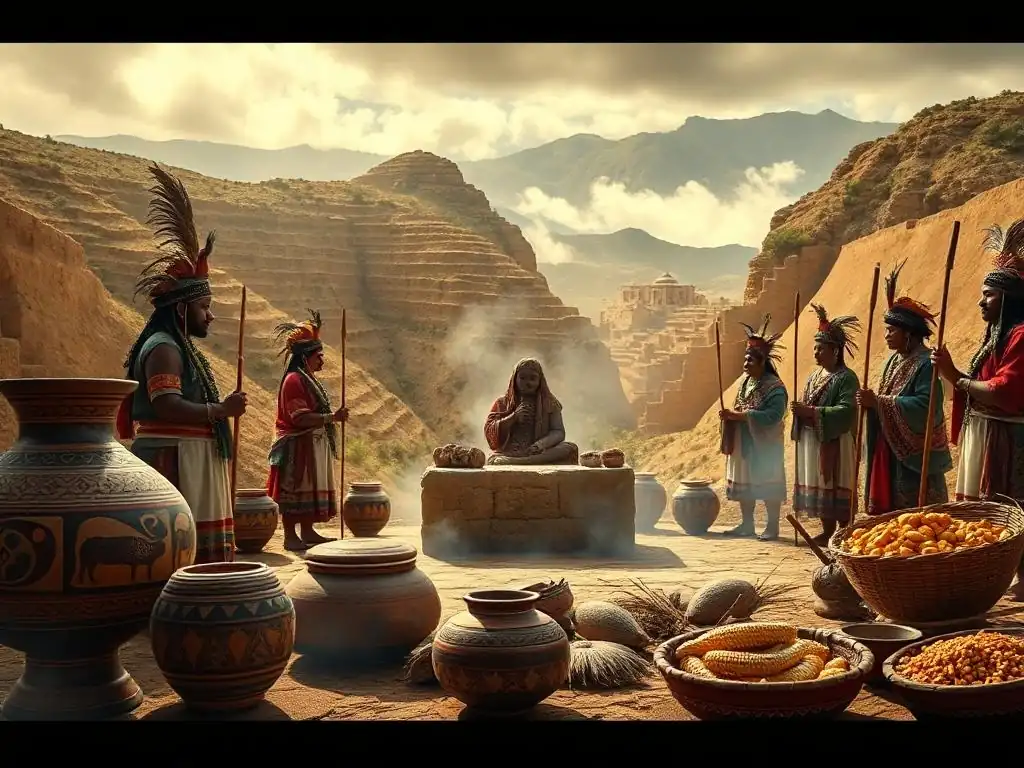
The Moche were known for their elaborate offerings and sacrifices made to their ancestors, which were vital components of their worship practices. These offerings often included food, textiles, and pottery, carefully crafted and presented with great respect. The Moche believed that these items would sustain the spirits of their ancestors in the afterlife, ensuring a continued bond between the living and the deceased.
In addition to material offerings, the Moche also engaged in ritual sacrifices, including the sacrifice of llamas and other animals. These acts were seen as a means to appease the ancestors and seek their favor, particularly during times of crisis or when guidance was needed. The practice illustrated the depth of the Moche's spiritual connection with their ancestors, as they believed that the ancestors could influence agricultural success, health, and community well-being.
Iconography and Symbolism in Ancestor Worship
Iconography and symbolism played a pivotal role in Moche ancestor worship, reflecting their beliefs and cultural values. Artistic representations of ancestors often appeared in pottery, textiles, and murals, showcasing figures adorned with elaborate headdresses and jewelry that signified their status and achievements in life. These depictions served not only as a means of remembrance but also as a way to communicate the ancestors' enduring presence in the lives of the Moche people.
The “Moche face”, a recurring motif in their art, symbolized ancestral spirits and was often used in ceremonial vessels. This iconography conveyed the notion that the deceased were always watching over the living, reinforcing the belief in their influence and importance. Furthermore, certain symbols associated with fertility, such as the “spider” and “sacred mountains”, were often interwoven with ancestor imagery, highlighting the interconnectedness of life, death, and the natural world within Moche spirituality.
The Role of Ancestors in Moche Daily Life
The role of ancestors in Moche daily life was profound, as their presence was felt in various aspects of social organization, decision-making, and ethical conduct. Ancestors were not merely figures of the past; they served as active participants in the lives of their descendants, guiding and influencing their actions through a blend of spiritual belief and cultural tradition.
Influence of Ancestors on Moche Social Structure
Ancestors significantly influenced Moche social structure, with lineage and heritage dictating social roles and responsibilities. Families traced their ancestry back to revered figures, which reinforced the importance of maintaining strong familial ties. This lineage system established hierarchical structures within society, where individuals were often judged based on their ancestral connections.
The practice of ancestor worship also played a role in legitimizing leadership. Those in positions of power often claimed descent from notable ancestors, thereby solidifying their authority and fostering loyalty among followers. This connection to the past not only provided a sense of pride but also served as a stabilizing force within the community.
Ancestors as Guides in Moche Decision-Making
Moche ancestor worship practices positioned ancestors as critical guides in decision-making processes. Individuals and leaders alike sought counsel from their ancestors, especially in times of uncertainty or hardship. Rituals, such as divination and consultation of ritual specialists, were employed to interpret signs believed to be messages from the ancestors, guiding actions related to agriculture, warfare, and social matters.
This reliance on ancestral guidance fostered a sense of unity within the community, as collective decisions were often framed within the context of seeking approval or instruction from the ancestors. This practice not only reinforced the authority of the ancestors but also encouraged a culture of reverence and respect within Moche society.
The Impact of Ancestor Worship on Moche Morality and Ethics
The impact of ancestor worship on Moche morality and ethics was significant, as the values and teachings of ancestors provided a framework for acceptable behavior within the community. The Moche believed that honoring one's ancestors was synonymous with maintaining moral integrity and social responsibility. This perspective instilled a sense of duty among individuals to act in ways that would reflect positively on their lineage.
Community members were encouraged to uphold the virtues exemplified by their ancestors, promoting ideals such as generosity, bravery, and loyalty. Consequently, the Moche civilization developed a moral compass deeply rooted in ancestral reverence, influencing interpersonal relationships and societal norms. This ethical framework not only guided personal conduct but also contributed to the cohesion and stability of Moche society as a whole.
Case Studies of Moche Ancestor Worship Practices
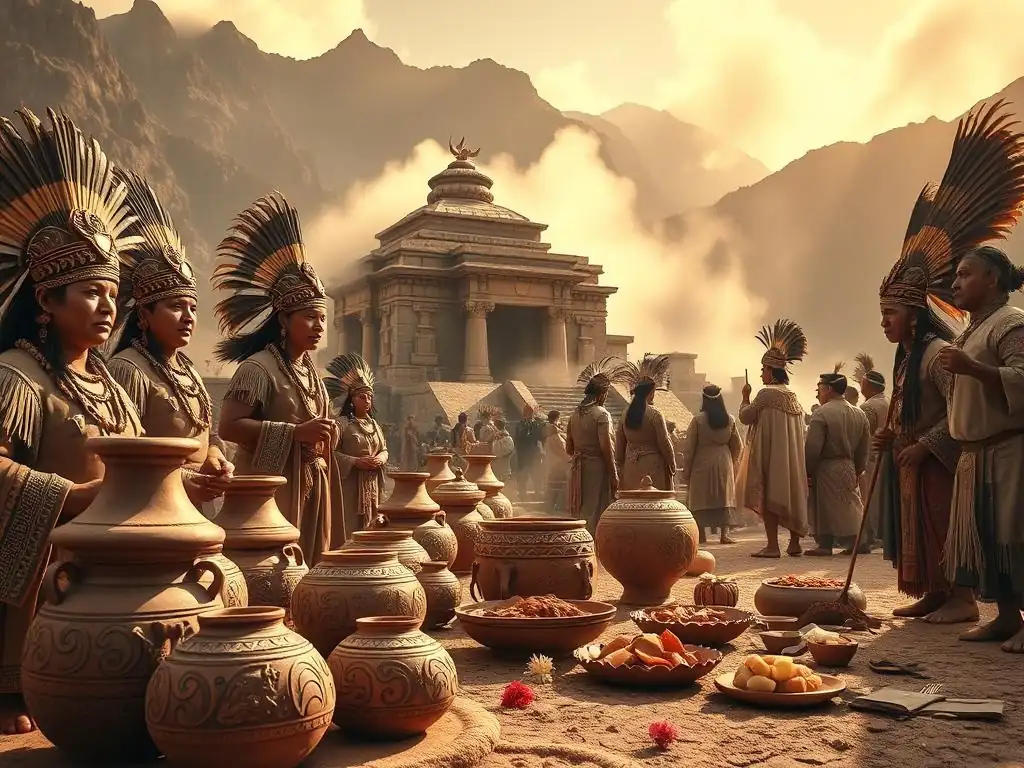
The Moche civilization, flourishing from around 100 to 800 CE in what is now northern Peru, had a complex and deeply ingrained system of ancestor worship. This system was not merely a religious practice but a fundamental aspect of Moche societal structure, affecting their politics, daily life, and artistic expression. The Moche believed that their ancestors continued to play an active role in the community, offering guidance and protection. Their reverence for the dead is evident in various case studies, showcasing distinct rituals, artifacts, and burial practices that highlight the significance of ancestor worship in Moche culture.
Specific Rituals: The Ceremony of the Dead
One of the most pronounced rituals associated with Moche ancestor worship was the Ceremony of the Dead. This ceremony involved elaborate funeral rites intended to honor and appease the deceased. Typically, the Moche would prepare the body through a process of mummification, emphasizing the importance of preservation for the afterlife. The mummies were often adorned with textiles and jewelry, signifying their status in life.
During the ceremony, family members and community leaders would gather to perform rituals that included offerings of food, drink, and other items believed to be valuable in the afterlife. These offerings might include llama sacrifices, which were thought to provide sustenance for the deceased on their journey.
The community would also engage in storytelling, recounting the achievements and virtues of the departed, thereby reinforcing their legacy. Such rituals played a critical role in solidifying social cohesion and connecting the living with their ancestors, ensuring that the latter's memory remained vibrant within the community.
Notable Artifacts Related to Ancestor Worship: Moche Portrait Vessels
Among the most notable artifacts that illustrate Moche ancestor worship are the intricately crafted Moche portrait vessels. These ceramic vessels, often depicting human faces or figures, were not merely decorative; they served as a means of honoring ancestors. Usually crafted for funerary contexts, these vessels were placed in tombs alongside the deceased.
The artistry involved in creating these portrait vessels is remarkable. Each vessel is unique, often reflecting the physical characteristics of specific individuals, signifying the Moche’s deep respect for their ancestors. The vessels are adorned with elaborate designs, including intricate hairstyles, jewelry, and facial expressions that convey a sense of personality and individuality.
The presence of these vessels in burial sites underscores the belief that the deceased would continue to exist in another realm, and that their likeness would serve as a connection between the living and the dead. The Moche portrait vessels remain a vital source of information for understanding their ancestor worship practices and social structures.
Analysis of Burial Practices: The Huaca de la Luna
The Huaca de la Luna, a significant archaeological site in the Moche Valley, serves as a prime example of Moche burial practices and their relationship to ancestor worship. This ceremonial complex includes a large pyramid structure that was used for rituals and burials. Excavations have revealed a multitude of tombs and burial offerings that reflect the Moche's reverence for their ancestors.
Burial practices at the Huaca de la Luna often involved multiple interments, where several individuals were buried together, suggesting a communal approach to ancestor veneration. The tombs were richly adorned with offerings, including ceramics, textiles, and the remains of sacrificed animals, indicating the belief that these items were necessary for the deceased in the afterlife.
Furthermore, the elaborate wall murals found within the Huaca depict scenes that may represent ancestor worship rituals, enhancing our understanding of the Moche's spiritual beliefs. The scale and complexity of these burial practices highlight the integral role that ancestor worship played in Moche society, serving not only as a means of honoring the dead but also as a way to reinforce social hierarchies and community identity.
The Legacy of Moche Ancestor Worship
The legacy of Moche ancestor worship extends beyond their civilization, influencing various aspects of life in contemporary indigenous cultures. The reverence for ancestors remains a powerful theme in many indigenous communities across the Americas, illustrating the enduring significance of these practices.
Continuing Influence of Ancestor Worship in Modern Indigenous Cultures
In modern indigenous cultures, the influence of Moche ancestor worship can be observed in various rituals and beliefs surrounding death and the afterlife. Many contemporary groups maintain practices that honor their ancestors through ceremonies, storytelling, and the creation of ritual artifacts.
For example, some indigenous communities in Peru and other regions of the Americas still engage in communal gatherings to remember and celebrate their ancestors, often incorporating elements of music, dance, and food that reflect their cultural heritage. These practices serve not only to honor the deceased but also to strengthen community ties and preserve cultural identity.
Moreover, the values associated with ancestor veneration, such as respect for tradition and the importance of familial connections, continue to resonate within modern indigenous societies, showcasing the lasting impact of Moche ancestor worship.
Lessons from Moche Ancestor Worship Practices for Contemporary Society
The Moche ancestor worship practices offer valuable lessons for contemporary society regarding the significance of honoring our heritage and maintaining connections with our past. In an increasingly fast-paced and individualistic world, the Moche's emphasis on community, remembrance, and respect for ancestors can inspire a greater appreciation for familial bonds and cultural traditions.
By encouraging practices that honor our ancestors, modern societies can foster a sense of belonging and continuity. This can be achieved through rituals, storytelling, and the preservation of cultural artifacts that reflect our collective history. Additionally, the Moche's understanding of life and death as interconnected reminds us of the importance of legacy and the impact of our actions on future generations.
The study of Moche ancestor worship practices not only deepens our understanding of this ancient civilization but also provides contemporary society with a framework for honoring our past, cultivating community, and embracing the wisdom of those who came before us.
Conclusion
The Moche civilization, known for its rich cultural tapestry, placed significant importance on ancestor worship, which was intricately woven into their social, religious, and artistic expression. This reverence for the ancestors was not merely a spiritual practice but a vital component that influenced the Moche's societal framework, governance, and daily life. By honoring their ancestors, the Moche sought to maintain a connection to their lineage and uphold the values and traditions passed down through generations.
Summary of Key Points on Moche Ancestor Worship Practices
- Central Role of Ancestors: Ancestors were viewed as powerful intermediaries between the living and the divine. The Moche believed that ancestral spirits could influence their lives, offering guidance and protection.
- Burial Rituals: The elaborate burial practices of the Moche, including the construction of tombs and the use of grave goods, underscored the significance of ancestor worship. These rituals ensured that the deceased were honored and remembered, facilitating their passage to the afterlife.
- Artistic Expression: Moche pottery and other art forms frequently depicted ancestral figures and scenes from funerary practices, illustrating the deep-rooted belief in the importance of ancestors in everyday life.
- Ceremonial Practices: Rituals conducted at temples and during significant events served to reinforce the community's connection to their ancestors. These ceremonies often involved offerings and sacrifices aimed at appeasing ancestral spirits.
- Legacy and Influence: The practices of ancestor worship not only shaped Moche society but also left a lasting impact on subsequent cultures in the region, reflecting the enduring significance of ancestral reverence in Andean spiritual traditions.
Final Thoughts on the Importance of Ancestors in Moche Culture
The Moche civilization's ancestor worship practices reveal a profound understanding of life's continuity and the interconnectedness of generations. By venerating their ancestors, the Moche cultivated a sense of identity, cultural continuity, and community cohesion. This relationship with their forebears fostered resilience, providing a spiritual foundation that guided them through challenges and triumphs alike.
In contemporary discourse, examining Moche ancestor worship practices allows modern audiences to appreciate the complex social and religious dynamics that existed long before European contact. These practices highlight the importance of honoring one's heritage and the enduring influence of ancestors on cultural identity. As we delve into the spiritual beliefs of the Moche, we are reminded that the power of the ancestors remains a pivotal aspect of many indigenous cultures, serving as a bridge between the past and the present.
- Introduction to Moche Ancestor Worship Practices
- Historical Context of Moche Ancestor Worship
- Key Elements of Moche Ancestor Worship
- Rituals and Ceremonies Involved in Moche Ancestor Worship
- Offerings and Sacrifices Made to Ancestors
- Iconography and Symbolism in Ancestor Worship
- The Role of Ancestors in Moche Daily Life
- Case Studies of Moche Ancestor Worship Practices
- The Legacy of Moche Ancestor Worship
- Conclusion
Frequently Asked Questions
What were the Moche ancestor worship practices?
The Moche ancestor worship practices involved rituals and ceremonies aimed at honoring and connecting with deceased ancestors, reflecting their belief in the spiritual significance of their forebears.
How did the Moche view their ancestors?
The Moche considered their ancestors as vital figures who could influence the living, providing guidance and protection while also playing a significant role in community identity.
What role did art play in Moche ancestor worship?
Art played a crucial role in Moche ancestor worship, as they created intricate ceramics, metalwork, and murals that depicted ancestral figures, serving both as offerings and as a means to convey their cultural beliefs.
Did Moche ancestor worship influence other cultures?
Yes, Moche ancestor worship practices had a lasting impact on subsequent Andean cultures, as elements of their rituals and beliefs were adopted and adapted by later civilizations, contributing to a rich tapestry of indigenous spirituality.
How can one learn more about Moche ancestor worship?
To learn more about Moche ancestor worship, explore resources like academic journals, museums, and dedicated websites such as "Indigenous Civilizations of the Americas," which offer in-depth analyses and insights into their cultural practices.
Final Reflection: Embracing the Legacy of Moche Ancestor Worship
The exploration of Moche ancestor worship practices reveals a profound connection between the past and present, illustrating how these ancient traditions continue to resonate in contemporary society. In a world increasingly focused on individualism, the communal reverence for ancestors serves as a reminder of our shared heritage and the importance of honoring those who came before us. The Moche civilization's intricate rituals and beliefs surrounding ancestor worship not only highlight their cultural richness but also challenge us to reflect on our own relationships with our ancestors and the legacies they leave behind.
The impact of Moche ancestor worship practices extends beyond historical curiosity; it shapes our understanding of identity and belonging in today's cultural landscape. As we navigate the complexities of modern life, the lessons learned from the Moche remind us of the significance of community and the bonds that tie us to our forebears. To forget one's ancestors is to be a brook without a source, a tree without a root.
This quote encapsulates the essence of why honoring our ancestors is vital, as it fosters a sense of continuity and purpose in our lives.
As we conclude this exploration, I invite you to reflect on your own connections to your ancestors and the traditions that shape your identity. Consider how you can incorporate the lessons of Moche ancestor worship into your life, whether through rituals, storytelling, or simply taking time to remember those who have influenced your journey. By embracing the legacy of our ancestors, we not only honor their memory but also enrich our own lives and the lives of future generations.
Embrace Your Heritage: Connect with the Wisdom of Your Ancestors!
Thank you for exploring the profound insights of ancestor worship with us! Your interest in understanding these rich traditions highlights the importance of cultural heritage. Now is the perfect time to take that knowledge and apply it to your own life and community.
Here’s how you can deepen your connection to your ancestry and continue this meaningful journey:
- Start a family history project: Gather stories, photographs, and artifacts that celebrate your family's past. Share your findings with relatives to strengthen your family's bond.
- Engage with your community: Participate in local cultural events, workshops, or discussions that honor traditions and promote awareness of ancestral practices.
- Reflect and meditate: Spend a moment in quiet reflection on what your ancestors can teach you. Consider starting a journal to document your thoughts and inspirations.
How do you plan to honor your ancestors or embrace your cultural heritage today? We invite you to share your thoughts in the comments!