
Echoes of the Past: The Legacy of Indigenous Syncretism in Contemporary Religions

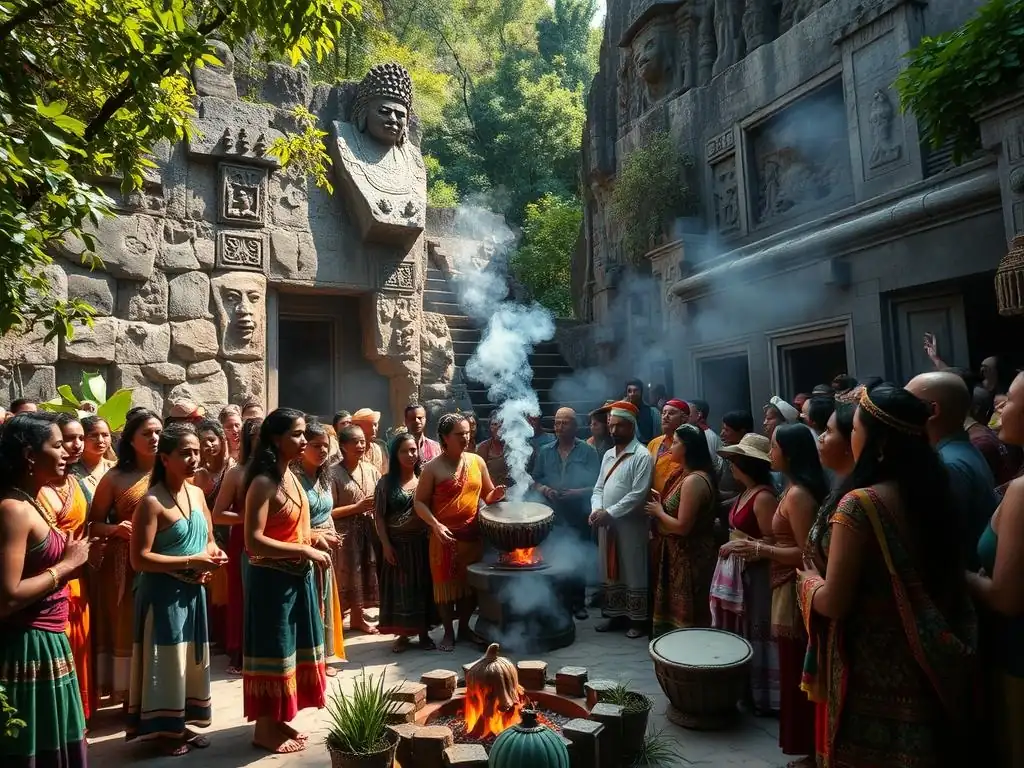
Welcome to Indigenous Civilizations of the Americas, where we embark on a fascinating journey through the rich tapestry of indigenous cultures that flourished long before European contact. Here, you'll uncover the profound legacy of Indigenous syncretism in religions, a concept that highlights how ancient beliefs and practices have woven their way into contemporary spiritual landscapes.
As you delve deeper into our featured article, "Echoes of the Past: The Legacy of Indigenous Syncretism in Contemporary Religions," prepare to be captivated by the enduring influences that resonate in today’s society and culture. Explore with us and let the echoes of a vibrant past inspire your understanding of the present.
In examining the intricate tapestry of religious practices and beliefs that shape contemporary societies, the concept of indigenous syncretism in religions stands out as a remarkable testament to cultural resilience and adaptation. This article delves into the rich legacy of indigenous syncretism in the Americas, exploring how ancient beliefs and practices have intermingled with newer religious systems following European colonization.
Through this exploration, we aim to illuminate the profound ways in which indigenous cultures have influenced contemporary spiritual landscapes, revealing a blend of traditions that continue to resonate within modern faiths. By understanding the depth of these syncretic practices, we can appreciate the ongoing relevance of indigenous heritage in shaping identities and spiritual expressions today.
Introduction to Indigenous Syncretism in Religions
Indigenous syncretism in religions is a fascinating phenomenon that occurs when different spiritual traditions merge, creating a unique blend of beliefs and practices. This process often arises in contexts where indigenous peoples encounter new religions, particularly during colonization. The resulting syncretism reflects a dynamic interplay between the traditional practices of indigenous cultures and the introduced elements of foreign religions. As a result, many contemporary spiritual practices in the Americas are marked by this rich tapestry of beliefs, showcasing the adaptability and resilience of indigenous cultures in the face of external influences.
Understanding Indigenous Syncretism: A Definition
To fully grasp the concept of indigenous syncretism, it is essential to define what it entails. Syncretism generally refers to the merging or assimilation of different religious beliefs and practices. In the context of indigenous cultures, this often involves:
- Integration of beliefs: Indigenous communities might adopt elements of foreign religions, weaving them into their existing spiritual frameworks.
- Adaptation of practices: Rituals and ceremonies may evolve, incorporating new symbols, deities, or practices while retaining core indigenous elements.
- Cultural resilience: This blending often serves as a means of preserving indigenous identity and culture in the face of colonization and cultural erasure.
Through these processes, indigenous syncretism represents not only survival but also a vibrant transformation of faith that honors both ancestral traditions and new influences.
Historical Context of Indigenous Syncretism in the Americas
The historical backdrop of indigenous syncretism in the Americas is deeply intertwined with the arrival of European colonizers in the 15th and 16th centuries. During this tumultuous period, various factors contributed to the emergence of syncretic practices:
- Colonization and Cultural Exchange: The forced imposition of European religions, such as Christianity, led to significant cultural exchange and clash. Indigenous peoples responded by integrating elements of these new faiths into their own spiritual practices.
- Resistance and Adaptation: In many cases, indigenous communities actively resisted the complete abandonment of their beliefs. They sought to adapt and incorporate new elements into their existing spiritual systems, creating a dialogue between the old and the new.
- Hybrid Spiritual Practices: The result was the development of hybrid religious practices that blended indigenous cosmologies with European religious elements, leading to unique expressions of faith that continue to influence contemporary religions across the Americas.
The Foundations of Indigenous Religions
Indigenous religions are characterized by a rich array of beliefs and practices that are deeply rooted in the cultural and historical contexts of various indigenous communities. Understanding these foundations is crucial for appreciating the legacy of indigenous syncretism.
Core Beliefs and Practices of Indigenous Faiths
At the heart of indigenous religions lies a complex system of beliefs that often includes:
- Animism: Many indigenous cultures view the world as inhabited by spirits, where natural elements—such as animals, plants, and landscapes—possess spiritual significance.
- Mythic Narratives: Traditional stories and myths often explain the origins of the world, the nature of humanity, and the relationships between the spiritual and physical realms.
- Ceremonial Practices: Rituals and ceremonies play a crucial role in indigenous faiths, serving as means of communication with the spiritual world, honoring ancestors, and celebrating seasonal cycles.
These core elements form the foundation upon which indigenous syncretism builds, allowing for a dynamic interchange between traditional and introduced religious practices.
The Role of Nature and Spirituality in Indigenous Cultures
Nature holds a central place in the spiritual lives of many indigenous peoples. The interconnectedness of all living things is a fundamental belief that informs their worldview. Key aspects include:
- Sacred Landscapes: Many indigenous cultures view specific natural sites as sacred, often associating them with spiritual power and ancestral connections.
- Rituals and Seasons: Indigenous spiritual practices are closely tied to the rhythms of nature, with rituals often aligned to agricultural cycles, seasonal changes, and celestial events.
- Environmental Stewardship: A deep respect for the land and its resources is inherent in many indigenous belief systems, leading to sustainable practices that honor the earth.
By recognizing the importance of nature and spirituality in indigenous cultures, we can better understand how these elements have influenced contemporary religious practices, particularly through syncretism.
The Impact of Colonization on Indigenous Religions
The arrival of European colonizers in the Americas marked a profound turning point for indigenous religions. This encounter initiated a complex process of cultural exchange and conflict, where indigenous beliefs faced significant challenges and transformations. Colonization often meant the imposition of European religious systems, primarily Christianity, which sought to replace indigenous spiritual practices with its doctrines. However, this process was not merely one of replacement; rather, it led to a dynamic interplay of beliefs, resulting in what is known as syncretism.
The consequences of colonization were varied. Many indigenous communities experienced violent suppression of their spiritual practices, leading to the loss of traditional knowledge and rituals. In contrast, some groups found ways to integrate elements of European religions with their own beliefs, creating a hybrid spiritual landscape. This legacy of adaptation has left a lasting imprint on contemporary religious practices among indigenous peoples, showcasing resilience and creativity in the face of cultural upheaval.
Initial Encounters: Indigenous Beliefs and European Religions
At the dawn of European exploration, indigenous peoples held rich and diverse belief systems that were deeply intertwined with their cultural identities and daily lives. These religions often included a pantheon of gods, nature worship, and a profound connection to ancestral spirits. When Europeans, primarily Spanish and Portuguese colonizers, first made contact, they encountered these vibrant spiritual traditions, which clashed dramatically with their own monotheistic beliefs.
The initial encounters were marked by curiosity but quickly devolved into conflict. European missionaries viewed indigenous beliefs as pagan and sought to convert indigenous peoples to Christianity through various means, including persuasion and coercion. This led to the establishment of missions and the widespread propagation of Christian doctrines. Despite these efforts, many indigenous communities retained core elements of their beliefs, often reinterpreting Christian teachings through their cultural lens, which laid the groundwork for later syncretic practices.
The Process of Religious Transformation and Adaptation
The transformation of indigenous religions under colonial rule was not a straightforward process; it involved negotiation, resistance, and adaptation. As indigenous peoples encountered Christianity, they did not simply abandon their traditional beliefs. Instead, they engaged in a complex process of syncretism, where elements of both religions were blended.
This adaptation often took the form of incorporating Christian symbols, saints, and practices into indigenous rituals. For instance, the veneration of certain saints became intertwined with the worship of traditional deities, leading to unique expressions of faith. Furthermore, oral traditions and storytelling played a crucial role in preserving indigenous beliefs amid colonization, allowing communities to reinterpret their spirituality through a new lens while maintaining connections to their ancestral roots.
Case Studies of Indigenous Syncretism in Contemporary Religions
The legacy of indigenous syncretism is evident in various contemporary religious practices across the Americas. These case studies illustrate the resilience of indigenous cultures and their ability to adapt and thrive within altered religious landscapes.
Indigenous Syncretism in Christianity: Examples and Practices
In many regions, indigenous peoples have embraced Christianity while simultaneously retaining key aspects of their traditional beliefs. For example, in Mexico, the Day of the Dead (Día de los Muertos) reflects a syncretic blend of Catholic and indigenous practices. Celebrated on November 1st and 2nd, this holiday honors deceased loved ones and incorporates elements of pre-Columbian ancestor worship alongside Christian rituals.
Similarly, in the Andes, the Virgin of Candelaria is celebrated as both a Catholic figure and a manifestation of Pachamama, or Mother Earth. This duality illustrates how indigenous peoples navigate their spiritual identities within a framework that accepts both their ancestral heritage and adopted religious practices.
Indigenous Syncretism in Afro-Indigenous Religions
In regions where African and indigenous cultures intersected, such as in Brazil and the Caribbean, striking examples of syncretism emerged. Afro-Indigenous religions often fuse African spiritual practices with indigenous beliefs, creating vibrant and unique religious expressions. For instance, Candomblé in Brazil incorporates African deities (orixás) alongside indigenous elements, leading to a rich tapestry of rituals that honors both traditions.
These syncretic practices highlight the shared experiences of oppression and resilience among Afro-Indigenous communities, as they create spaces for spiritual expression that honor their diverse heritages while fostering a sense of community and identity.
The Integration of Indigenous Elements in New Age Spirituality
In recent decades, there has been a growing interest in indigenous spirituality among New Age practitioners, often leading to a superficial appropriation of indigenous symbols and practices. However, some indigenous groups have actively engaged with this phenomenon, seeking to reclaim and reinterpret their sacred traditions within contemporary contexts.
This integration can be seen in the adoption of indigenous concepts such as harmony with nature, the sacredness of the Earth, and the importance of ancestral wisdom. While this can lead to positive cross-cultural dialogue and appreciation, it also raises concerns about the commodification of indigenous spirituality and the need for respectful engagement with these rich traditions. As the lines between cultures continue to blur, the challenge remains to honor the authenticity of indigenous beliefs while fostering genuine understanding and respect.
Key Features of Indigenous Syncretism in Modern Faiths
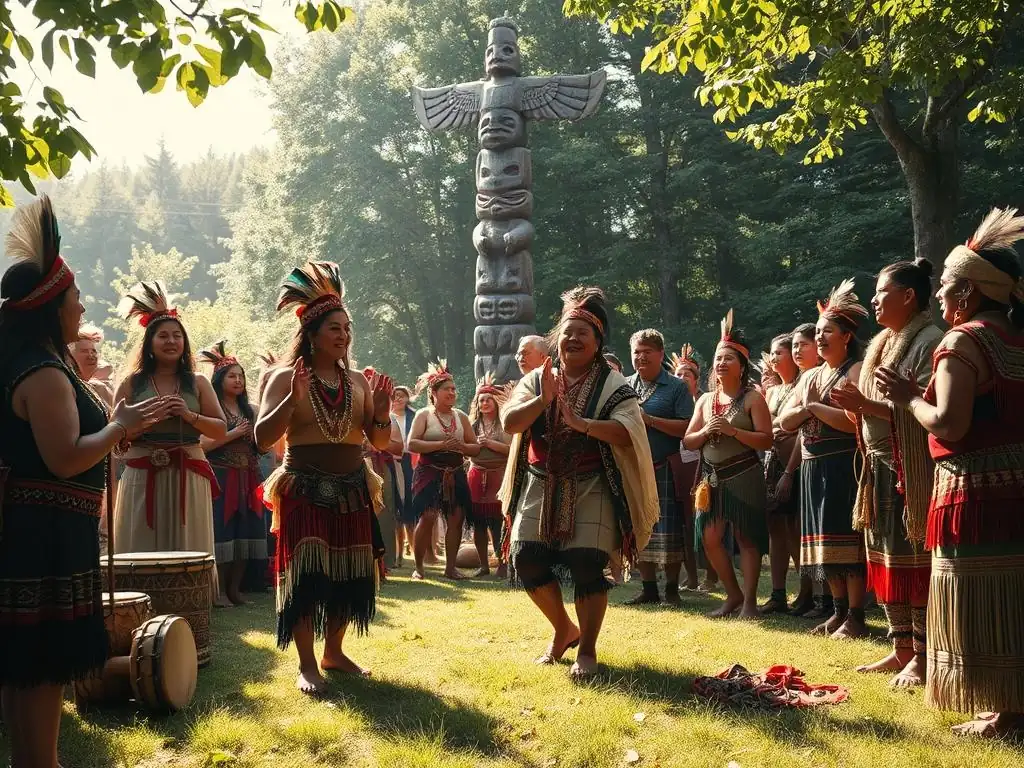
Indigenous syncretism in religions reflects a rich tapestry of beliefs that intertwine traditional indigenous practices with elements of colonial religions, primarily Christianity. This blending often results in unique expressions of faith that retain indigenous cultural integrity while adapting to external influences. Several key features characterize this phenomenon:
- Cultural Adaptation: Indigenous syncretism allows for the incorporation of local traditions, languages, and symbols into religious practices. This adaptation not only makes the faith more relatable to indigenous communities but also affirms their cultural identity.
- Ritual Fusion: Rituals from both indigenous and colonial religions often merge, creating new ceremonies that resonate with the spiritual heritage of the community. This fusion is seen in celebrations, rites of passage, and healing practices that incorporate elements from both traditions.
- Spiritual Intermediaries: In many indigenous syncretic practices, spiritual intermediaries, such as shamans or ancestors, play a significant role alongside figures from colonial religions. This coexistence highlights the ongoing reverence for both traditional and introduced spiritual entities.
- Narrative Integration: The stories and teachings of indigenous cultures are frequently woven into the narratives of contemporary religions. This integration not only preserves indigenous histories but also enriches the broader religious discourse.
Blending of Rituals: How Indigenous Practices Shape Contemporary Worship
The blending of rituals is a hallmark of indigenous syncretism, where indigenous practices significantly shape contemporary worship. In many communities, traditional rituals such as dances, offerings, and seasonal celebrations are integrated into the worship services of dominant religions. For example, in regions where Indigenous peoples practice Catholicism, celebrations like Día de los Muertos (Day of the Dead) incorporate ancestral veneration alongside Catholic saints, creating a unique fusion of beliefs.
This ritual blending often serves practical purposes, as it allows communities to maintain their cultural heritage while navigating the realities of modern religious expectations. Practices such as community feasts, storytelling, and the use of sacred plants in ceremonies not only enhance spiritual experiences but also foster communal bonds.
Additionally, indigenous languages are frequently used in prayers and songs during worship, reinforcing the connection to ancestral traditions. In this way, worship becomes a space where past and present converge, allowing contemporary practitioners to engage with their heritage meaningfully.
The Influence of Indigenous Mythology on Modern Religious Narratives
Indigenous mythology greatly influences modern religious narratives, providing a rich source of symbolism and storytelling that enhances the theological frameworks of contemporary faiths. Many modern religions have adopted indigenous creation myths, cosmologies, and moral tales, allowing for a broader understanding of spirituality that transcends singular narratives.
For instance, in some Christian communities within indigenous populations, creation stories from local traditions are incorporated into sermons and teachings. This not only validates indigenous perspectives but also enriches the spiritual experience for worshippers, offering multiple lenses through which to understand the divine.
Furthermore, the incorporation of indigenous mythology fosters a sense of continuity, linking contemporary believers with their ancestral past. By weaving these stories into modern religious contexts, communities can explore themes of resilience, identity, and spirituality that resonate deeply with their historical experiences.
The Role of Indigenous Identity in Syncretism
Indigenous identity plays a crucial role in the process of syncretism, acting as both a foundation and a driving force for the integration of diverse religious practices. The preservation of identity through syncretism is vital for indigenous communities, as it enables them to assert their cultural heritage in the face of globalization and cultural homogenization.
- Cultural Expression: Syncretism allows for the expression of indigenous identity through religious practices that celebrate unique traditions, languages, and customs. This cultural expression not only fosters a sense of belonging but also strengthens communal ties.
- Resistance and Resilience: The act of blending indigenous beliefs with external religious influences can be seen as a form of resistance. By redefining and reshaping these influences, indigenous communities assert their autonomy and resilience, ensuring that their voices and traditions remain relevant.
How Indigenous Syncretism Contributes to Cultural Preservation
Indigenous syncretism serves as a powerful tool for cultural preservation, enabling communities to retain their unique identities while engaging with external religious influences. By incorporating traditional practices into contemporary worship, indigenous peoples can safeguard their cultural heritage against the threats of assimilation and loss.
This cultural preservation is often manifested in:
- Educational Initiatives: Many communities actively engage in educational programs that teach younger generations about their indigenous beliefs and practices alongside contemporary religious teachings. This dual education promotes a sense of pride in cultural heritage.
- Art and Literature: The blending of indigenous and contemporary religious themes often finds expression in art, literature, and music. These mediums serve as a means of storytelling, documenting histories, and celebrating cultural identities.
- Community Gatherings: Festivals and communal gatherings that highlight both indigenous and colonial traditions provide opportunities for cultural exchange and reinforcement. Such events celebrate the richness of indigenous heritage while fostering dialogues about faith and identity.
The Importance of Community in Indigenous Syncretic Practices
Community plays a pivotal role in indigenous syncretic practices, as these traditions are often rooted in collective experiences and shared beliefs. The communal aspect of worship and cultural practices reinforces social bonds and enhances the spiritual lives of individuals within the community.
- Collective Rituals: Many indigenous syncretic practices involve collective rituals that foster a sense of solidarity among participants. These rituals often emphasize community values, such as cooperation and mutual support, essential for the survival of cultural traditions.
- Shared Responsibility: In indigenous communities, the responsibility for maintaining and transmitting cultural practices often lies with the entire community rather than individuals. This shared responsibility ensures that traditions are preserved and adapted across generations.
- Strengthening Identity: Community involvement in syncretic practices helps strengthen individual and collective identities. Through participation in rituals and celebrations, individuals affirm their belonging and connection to their cultural heritage, creating a vibrant tapestry of shared beliefs and practices.
Challenges and Controversies Surrounding Indigenous Syncretism
Indigenous syncretism in religions is not without its challenges and controversies. As various cultures intersect, the blending of beliefs can lead to misunderstandings, misrepresentations, and conflicts. One significant challenge is the critique surrounding cultural appropriation, where dominant cultures adopt elements from indigenous practices without proper understanding or respect. This often results in a commodification of sacred traditions, stripping them of their original context and meaning. Moreover, such appropriation can perpetuate stereotypes and reinforce power imbalances, where indigenous voices are marginalized.
Another issue is the struggle for authenticity in syncretic practices. As indigenous communities adapt their spiritual practices to contemporary contexts, questions arise regarding what constitutes "authentic" belief. This can lead to divisions within communities; some members may embrace a more hybridized approach, while others may cling to traditional forms, arguing that any deviation dilutes their cultural heritage. Navigating these debates can create tensions that complicate the collective identity of indigenous groups.
Critiques of Cultural Appropriation in Contemporary Religions
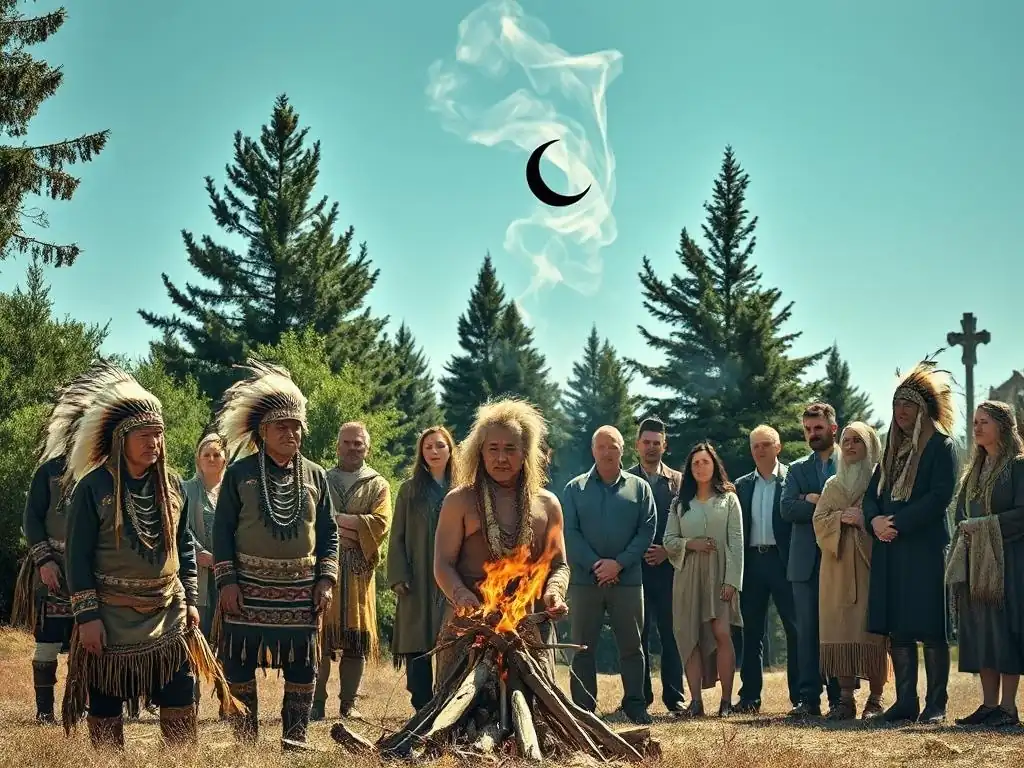
Cultural appropriation is a critical point of contention when discussing indigenous syncretism in contemporary religions. Critics argue that non-indigenous individuals and groups often take sacred symbols, practices, and rituals out of context, transforming them into trendy or commercialized items devoid of their original significance. For example, using indigenous rituals in wellness retreats or fashion without acknowledging their cultural roots can be seen as exploitative.
This appropriation can lead to a lack of understanding and respect for the intricate beliefs and histories behind these practices. The commodification of indigenous spirituality raises ethical questions about who benefits from these practices and whether indigenous communities receive any recognition or compensation. Consequently, many indigenous leaders advocate for a clearer understanding and respectful engagement with their traditions, emphasizing the importance of education and dialogue.
The Struggle for Authenticity in Syncretic Practices
The quest for authenticity in indigenous syncretism often presents a complex dilemma. As indigenous religions blend with external influences, practitioners face the challenge of maintaining their cultural integrity while adapting to modernity. This is particularly evident in regions where globalization has introduced new religious ideas and practices that may resonate with indigenous beliefs.
In some cases, community members may dispute what is considered authentic. Traditionalists may argue that any adaptations dilute the essence of their spirituality, while others may see syncretism as a natural evolution of their culture. This internal debate can create friction within communities, especially among younger generations who may feel more inclined to incorporate contemporary elements into their practices. Ultimately, the struggle for authenticity is a reflection of the broader challenges faced by indigenous communities in preserving their cultural identities in a rapidly changing world.
The Future of Indigenous Syncretism in Religions
The future of indigenous syncretism in religions appears to be one of both resilience and adaptation. As indigenous communities continue to navigate the complexities of modern society, many are finding innovative ways to integrate their traditional beliefs with contemporary lifestyles. This adaptability not only ensures the survival of their spiritual practices but also fosters a dynamic cultural expression that resonates with younger generations.
Trends and Shifts in Indigenous Religious Practices
Recent years have seen notable trends in indigenous religious practices, including a revival of traditional ceremonies and the incorporation of modern elements that reflect current social issues. Many indigenous groups are increasingly using digital platforms to share their beliefs and practices, allowing for greater visibility and connection among dispersed communities. Social media has become a powerful tool for cultural exchange, enabling the sharing of stories, experiences, and teachings that highlight the richness of indigenous spirituality.
Moreover, there is a growing interest in decolonization efforts, where indigenous practices are being reclaimed from colonial narratives. This movement emphasizes the importance of cultural sovereignty, urging indigenous communities to define their spiritual practices on their own terms. The blending of traditional and modern practices is not merely a survival strategy; it serves as a means of empowerment and self-expression in a postcolonial context.
The Resurgence of Indigenous Spirituality in Modern Society
Indigenous spirituality is experiencing a resurgence in modern society, as more individuals seek to reconnect with their roots and understand the wisdom embedded in indigenous teachings. This revival is often characterized by a holistic approach to spirituality, emphasizing the interconnectedness of all life and the importance of harmony with nature.
Furthermore, contemporary indigenous leaders are advocating for environmental stewardship, social justice, and cultural preservation, linking traditional beliefs to global movements for sustainability and equality. As indigenous syncretism continues to evolve, it holds the potential to shape contemporary religious landscapes, offering profound insights into the human experience and fostering a greater appreciation for diversity in spiritual practices.
The legacy of indigenous syncretism in contemporary religions reflects a complex interplay of challenges, authenticity, and adaptation, revealing the resilience and dynamism of indigenous cultures in the face of ongoing change.
Conclusion: The Enduring Legacy of Indigenous Syncretism
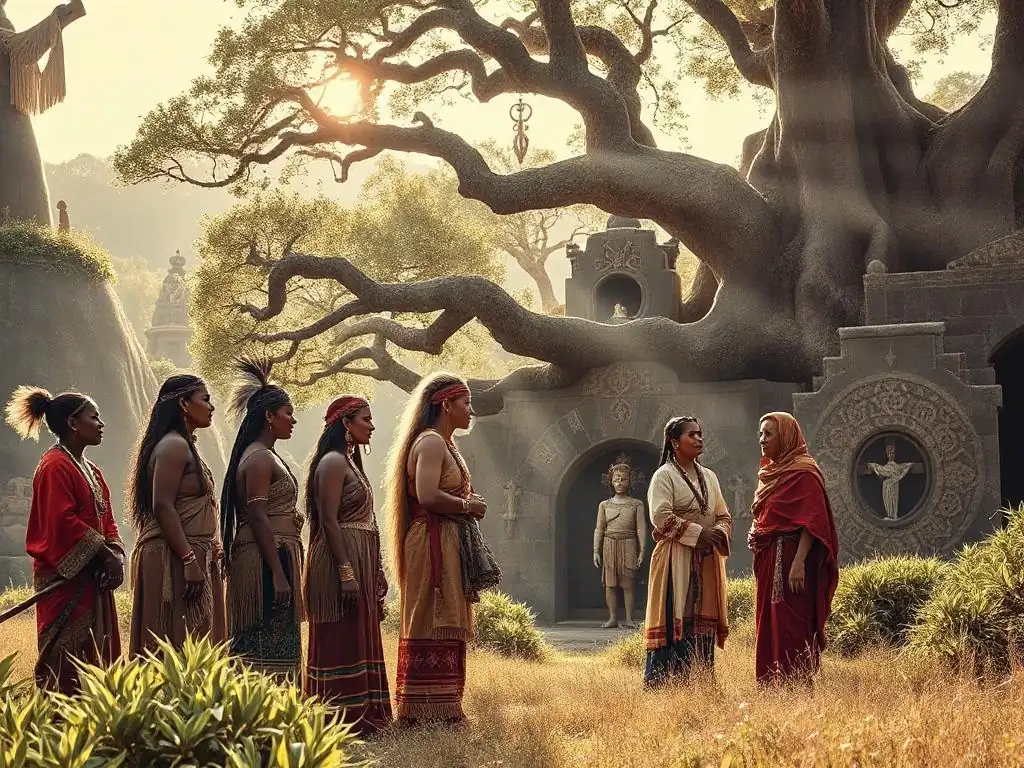
The legacy of indigenous syncretism is a profound testament to the resilience and adaptability of indigenous cultures across the Americas. This blending of spiritual beliefs and practices has not only persisted through centuries of colonization and cultural suppression but has also enriched contemporary religions. From the integration of indigenous rituals into mainstream faiths to the revival of traditional practices, the influence of indigenous syncretism can be observed in various aspects of modern spirituality.
In many regions, the coexistence of indigenous beliefs with introduced religions has led to unique forms of worship that reflect a dialogue between different spiritual traditions. This syncretic process demonstrates how cultural identities can evolve while maintaining core values and practices. As a result, the spiritual landscapes of many communities today are a rich tapestry woven from diverse threads of belief, showcasing the enduring impact of indigenous syncretism.
Reflecting on the Impact of Indigenous Syncretism in Contemporary Religions
Indigenous syncretism has significantly shaped contemporary religious practices, fostering an environment where multiple beliefs can coexist and influence one another. This phenomenon is particularly evident in regions where indigenous populations have blended their traditional practices with those of colonizing religions, such as Christianity.
For example, in Mexico, the celebration of Día de los Muertos (Day of the Dead) beautifully illustrates this syncretism. It combines pre-Columbian customs of honoring ancestors with Catholic traditions, resulting in a vibrant and meaningful observance that honors the deceased while reinforcing community bonds. Similarly, in the Andes, the worship of Pachamama (Mother Earth) has been intertwined with Catholic veneration of saints, creating a distinctive spiritual framework that reflects both indigenous and European influences.
Furthermore, this syncretism extends beyond rituals; it influences community values and social structures, fostering a sense of identity and continuity among indigenous peoples. By examining these contemporary expressions of syncretism, we gain insight into how indigenous cultures have not only survived but thrived by adapting and integrating elements of different belief systems.
The Importance of Recognizing and Valuing Indigenous Contributions to Global Spirituality
Recognizing and valuing indigenous contributions to global spirituality is essential for fostering a more inclusive understanding of religious practices around the world. Indigenous syncretism exemplifies how diverse cultural backgrounds can converge, leading to innovative spiritual expressions that enrich the human experience.
Embracing indigenous perspectives encourages respect for the wisdom embedded in these traditions, which often emphasize interconnectedness, harmony with nature, and community over individualism. By integrating these values into broader discussions of spirituality, society can benefit from a more holistic approach that honors the diverse ways in which people seek meaning and connection in their lives.
Moreover, acknowledging indigenous contributions helps counteract historical narratives that have marginalized these voices. It paves the way for dialogue and collaboration between different spiritual communities, fostering mutual understanding and respect. In a world increasingly grappling with cultural homogenization, the recognition of indigenous syncretism serves as a crucial reminder of the richness of human diversity and the importance of preserving these unique spiritual heritages for future generations.
- Introduction to Indigenous Syncretism in Religions
- The Foundations of Indigenous Religions
- The Impact of Colonization on Indigenous Religions
- Case Studies of Indigenous Syncretism in Contemporary Religions
- Key Features of Indigenous Syncretism in Modern Faiths
- The Role of Indigenous Identity in Syncretism
- Challenges and Controversies Surrounding Indigenous Syncretism
- Critiques of Cultural Appropriation in Contemporary Religions
- The Struggle for Authenticity in Syncretic Practices
- The Future of Indigenous Syncretism in Religions
- Conclusion: The Enduring Legacy of Indigenous Syncretism
- Reflecting on the Impact of Indigenous Syncretism in Contemporary Religions
- The Importance of Recognizing and Valuing Indigenous Contributions to Global Spirituality
Frequently Asked Questions
What is indigenous syncretism in religions?
Indigenous syncretism in religions refers to the blending of traditional indigenous beliefs with elements from other religions, particularly those introduced during European colonization. This process has led to unique spiritual practices that reflect cultural resilience.
How did indigenous syncretism impact contemporary religions?
The impact of indigenous syncretism has resulted in the formation of diverse religious practices that incorporate indigenous rituals, symbols, and deities, creating a rich tapestry of faith that honors both ancestral traditions and new influences.
What are some examples of indigenous syncretism in the Americas?
Examples include the Mestizo traditions in Mexico, where Catholicism blends with Aztec beliefs, and Candomblé in Brazil, which combines African religions with indigenous and Christian elements, demonstrating the dynamic nature of faith.
How does the website explore the theme of indigenous cultures?
The website offers a comprehensive exploration of the diverse indigenous cultures that thrived in the Americas, highlighting their achievements, social structures, and the lasting impact of their syncretic practices on contemporary societies.
Why is it important to study indigenous syncretism today?
Studying indigenous syncretism is crucial for understanding the cultural resilience of indigenous peoples, as it showcases how they have adapted to and influenced new religions, preserving their identity while fostering cultural continuity in the face of change.
Final Reflection: Embracing the Legacy of Indigenous Syncretism in Contemporary Religions
The echoes of indigenous syncretism resonate powerfully in today's religious landscape, reminding us that faith is not static but a living tapestry woven from diverse traditions. As we navigate an increasingly interconnected world, the blending of beliefs and practices from various cultures highlights the enduring relevance of indigenous syncretism in religions. This dynamic interplay not only enriches spiritual experiences but also fosters a deeper understanding of our shared humanity.
The influence of indigenous syncretism is palpable in contemporary religious practices, shaping identities and communities across the globe. It serves as a testament to the resilience of indigenous cultures, which have adapted and thrived despite historical challenges. As we observe the ongoing integration of traditional beliefs into modern faiths, we are reminded of the words of anthropologist Victor Turner: The past is not dead; it is not even past.
This profound insight encourages us to acknowledge and celebrate the intricate connections between our spiritual histories and present practices.
As we reflect on the lessons of indigenous syncretism, let us commit to honoring and integrating these rich traditions into our own spiritual journeys. I invite you to explore the diverse beliefs that shape your understanding of the world, recognizing that each thread contributes to the vibrant fabric of our collective existence. By embracing this legacy, we not only enrich our personal faith but also foster a more inclusive and compassionate society, where the wisdom of the past guides us toward a harmonious future.
Embrace and Celebrate Indigenous Wisdom Today!
Thank you for diving into the rich legacy of Indigenous syncretism with us! We hope this exploration has deepened your understanding of how past beliefs shape contemporary religions. Now, let’s put this knowledge into meaningful action.
- Engage with your community: Attend a local Indigenous event or cultural gathering to experience these traditions firsthand and foster cultural appreciation.
- Connect with others: Share your insights from this article on social media to spark discussions about Indigenous wisdom and its relevance today.
- Explore further: Consider reading books or watching documentaries about Indigenous religions that highlight their enduring impact on modern spiritual practices.
How has your understanding of Indigenous syncretism evolved after reading this article, and what steps will you take to honor this important legacy in your own life?