
Reclaiming Identity: Indigenous Syncretism in the Face of Colonization

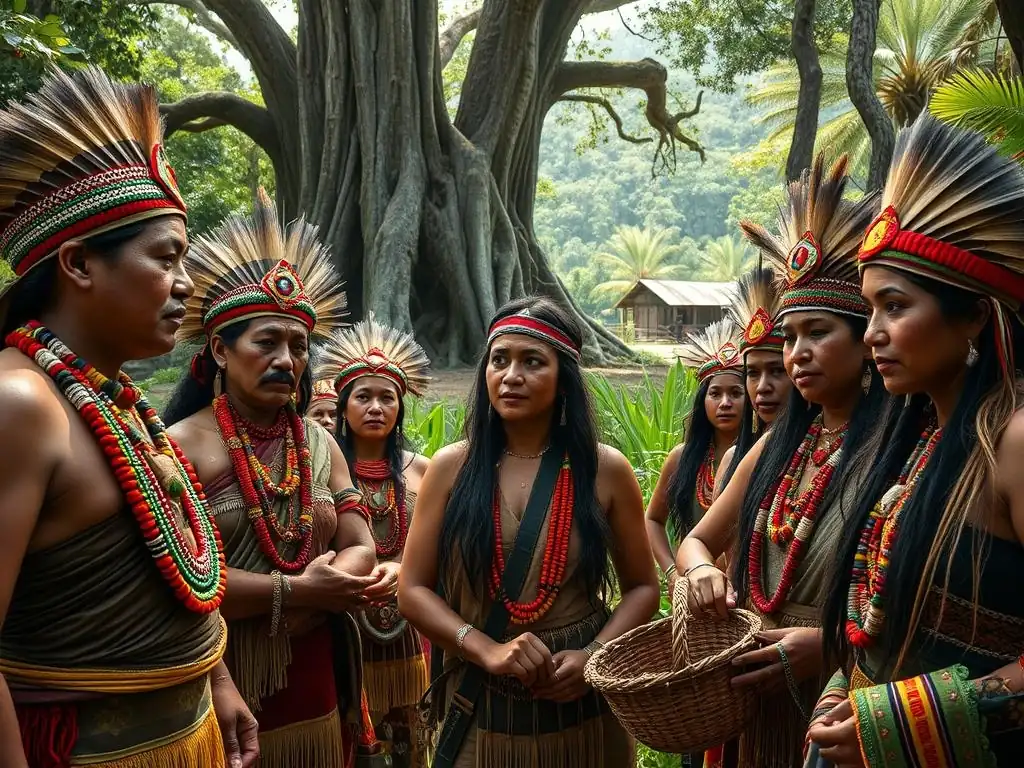
Welcome to Indigenous Civilizations of the Americas, where we embark on a compelling journey through the rich tapestry of indigenous cultures that flourished across the Americas long before European colonization. Here, we delve into the intricate dynamics of indigenous syncretism and colonization, exploring how these resilient societies adapted and transformed in the face of monumental change. As you navigate through our site, prepare to uncover the profound achievements and legacies of these civilizations that continue to shape identities today.
Dive deeper into our featured article, "Reclaiming Identity: Indigenous Syncretism in the Face of Colonization," and discover the remarkable stories that await you. Your exploration starts now!
- Introduction to Indigenous Syncretism and Colonization
- The Impact of Colonization on Indigenous Cultures
- Forms of Indigenous Syncretism
- Case Studies of Indigenous Syncretism
- The Role of Indigenous Leaders and Communities
- Challenges Facing Indigenous Syncretism Today
- Future of Indigenous Syncretism
- Conclusion: The Significance of Indigenous Syncretism and Colonization
- Frequently Asked Questions
- Final Reflection: Embracing Resilience Through Indigenous Syncretism
- Embrace Your Heritage and Take Action!
Introduction to Indigenous Syncretism and Colonization
The history of the Americas is deeply intertwined with the rich tapestry of indigenous cultures that flourished long before European contact. Among the many fascinating aspects of these cultures is the phenomenon of indigenous syncretism, a process of blending and adapting spiritual beliefs and practices in response to external influences, particularly during periods of colonization.
This article, "Reclaiming Identity: Indigenous Syncretism in the Face of Colonization," delves into how indigenous communities have navigated the complexities of colonization while preserving their cultural identities. By examining the dynamics of indigenous syncretism and its role in shaping religious and societal practices, we aim to shed light on the resilience and agency of these communities in the face of oppressive forces.
Definition of Indigenous Syncretism
Indigenous syncretism refers to the process through which indigenous peoples incorporate elements from different spiritual and cultural traditions into their existing belief systems. This often occurs in response to colonization, where indigenous groups encounter new religions, such as Christianity, and adapt aspects of these faiths within their own cultural frameworks.
This blending can manifest in various ways, including:
- Ritual Practices: The integration of new rituals that align with traditional ceremonies.
- Symbolism: The use of symbols from both indigenous and introduced religions in art and iconography.
- Belief Systems: Merging theological concepts to create a hybrid understanding of spirituality.
Through syncretism, indigenous cultures assert their identity and maintain continuity with ancestral traditions, demonstrating resilience and adaptability in the face of external pressures.
Historical Context of Colonization
The period of colonization in the Americas marked a profound disruption of indigenous societies, characterized by violence, displacement, and cultural erasure. Beginning in the late 15th century, European powers, driven by the quest for land, resources, and religious conversion, systematically sought to dominate and assimilate indigenous populations.
Key events and impacts include:
- Conquest and Violence: The brutal conquests led by figures such as Hernán Cortés and Francisco Pizarro resulted in the decimation of entire civilizations, such as the Aztecs and Incas.
- Religious Conversion: Missionary efforts aimed to convert indigenous peoples to Christianity, often disregarding and actively suppressing native beliefs.
- Cultural Suppression: European colonizers imposed their languages, customs, and governance structures, leading to the marginalization of indigenous cultures.
Despite these challenges, indigenous communities have displayed remarkable resilience by blending their traditional beliefs with new influences, resulting in unique expressions of syncretism that continue to shape their cultural identities today.
Importance of Studying Indigenous Syncretism Today
Understanding indigenous syncretism is crucial for several reasons:
- Cultural Preservation: It highlights how indigenous peoples navigate and preserve their identities despite historical and ongoing colonization.
- Recognition of Diversity: Syncretism showcases the diversity of indigenous experiences and belief systems, challenging monolithic narratives about indigenous cultures.
- Contemporary Relevance: The study of syncretism informs current discussions about cultural appropriation, identity politics, and spiritual practices among indigenous and non-indigenous communities alike.
By exploring these themes, we can appreciate the ongoing influence of indigenous syncretism in contemporary society and its role in fostering a deeper understanding of indigenous resilience and cultural vitality.
The Impact of Colonization on Indigenous Cultures
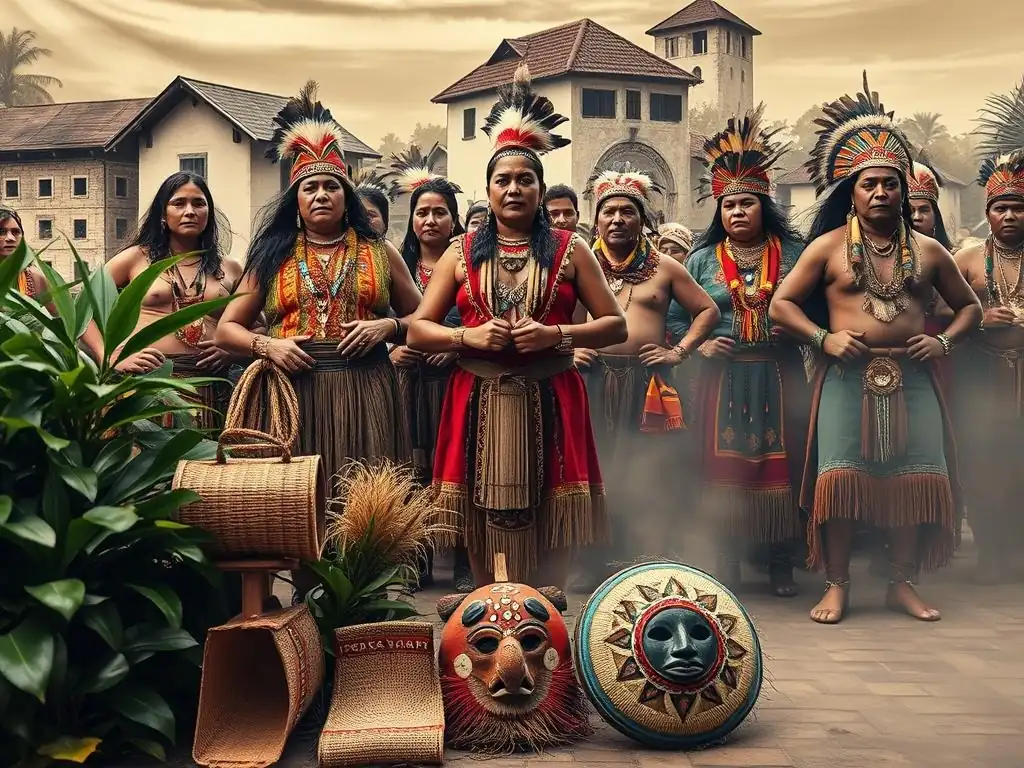
The arrival of European colonizers in the Americas marked a profound transformation for indigenous cultures, catalyzing significant shifts in societal structures, belief systems, and everyday practices. While colonization brought about destruction and upheaval, it also led to remarkable adaptations among Indigenous peoples, resulting in the emergence of syncretic practices. This section explores the multifaceted impact of colonization on Indigenous cultures through the lenses of disruption of traditional practices, loss of language and cultural identity, and resistance through syncretic practices.
Disruption of Traditional Practices
Colonization initiated a cascade of disruptions to traditional Indigenous practices, significantly altering the cultural landscape. European settlers imposed their own systems of governance, religion, and economic practices, which often clashed with those of Indigenous peoples.
- Imposition of Foreign Beliefs: The introduction of Christianity often translated into the outright rejection of Indigenous spiritual beliefs. Missionaries sought to convert Native populations, branding traditional practices as pagan or sinful. This led to the suppression of rituals, ceremonies, and spiritual practices that had been the backbone of Indigenous identity for centuries.
- Economic Changes: The introduction of European economic systems disrupted traditional modes of trade and subsistence. For example, Indigenous communities often relied on barter systems and communal land use, which were replaced by capitalist structures that prioritized individual ownership and profit. This shift not only destabilized economies but also altered social relations within communities.
- Forced Relocation: Many Indigenous groups were forcibly removed from their ancestral lands, disrupting their connection to the land, a crucial element of their spiritual and cultural identity. Displacement led to a loss of access to sacred sites and traditional resources, further compounding the challenges faced by Indigenous communities.
Loss of Language and Cultural Identity
One of the most profound impacts of colonization has been the loss of language and cultural identity among Indigenous peoples.
- Language Erosion: Colonizers often imposed their languages, resulting in the decline of Indigenous languages. Many Indigenous languages, which carry unique worldviews and cultural nuances, are now endangered or extinct. The loss of language is not merely a linguistic issue; it represents a disconnect from cultural heritage, history, and identity.
- Cultural Assimilation: Colonization often involved systematic efforts to assimilate Indigenous peoples into European cultures. This included the establishment of residential schools where Indigenous children were prohibited from speaking their languages or practicing their cultures. Such assimilation efforts were designed to erase Indigenous identities and impose a singular cultural narrative.
- Identity Crisis: The combination of language loss and cultural assimilation has led many Indigenous people to experience an identity crisis. Stripped of their traditional cultural markers, individuals often grapple with feelings of dislocation and a search for belonging in a world that marginalizes their heritage.
Resistance Through Syncretic Practices
Despite the overwhelming pressures of colonization, Indigenous peoples have displayed remarkable resilience, often manifesting their resistance through syncretic practices that blend Indigenous and European elements.
- Religious Syncretism: Many Indigenous communities adopted elements of Christianity while simultaneously retaining aspects of their traditional beliefs. This blending of practices can be seen in the incorporation of Indigenous rituals within Christian celebrations. For instance, some communities celebrate Catholic saints with traditional dances and music, creating a unique cultural expression that honors both traditions.
- Art and Expression: Indigenous artists have utilized syncretism in their artworks, merging traditional motifs with European styles. This fusion not only serves as a form of resistance but also showcases the dynamic nature of Indigenous cultures, which continue to evolve in response to external influences.
- Community Revitalization: The resurgence of interest in traditional practices and languages among younger generations demonstrates a form of resistance against colonization. Many Indigenous communities are actively working to reclaim their cultural identities through language revitalization programs, traditional ceremonies, and community-based education initiatives.
While colonization has undeniably impacted Indigenous cultures through the disruption of traditional practices and the erosion of language and identity, it has also sparked a profound resilience. Indigenous syncretism serves as a testament to the ability of these cultures to adapt, survive, and reclaim their identities amidst ongoing challenges.
Forms of Indigenous Syncretism
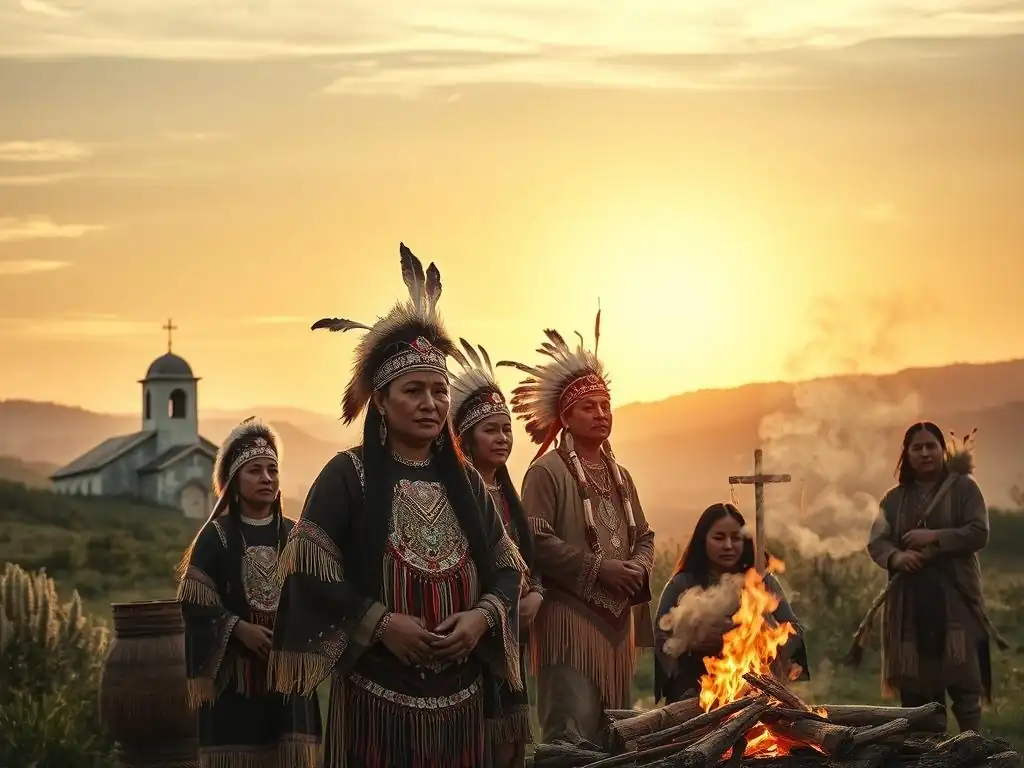
Indigenous syncretism represents a complex interplay of cultural elements arising from the interactions between indigenous peoples and European colonizers. This blending manifests in various forms, each contributing to the resilience and adaptability of indigenous identities in the face of colonization. Below are the key forms of indigenous syncretism: spiritual, cultural, and linguistic.
Spiritual Syncretism: Blending Beliefs and Rituals
Spiritual syncretism is a profound manifestation of how indigenous communities have integrated elements of European religions—primarily Christianity—into their traditional belief systems. This process often involved:
- Adapting Religious Practices: Many indigenous groups incorporated Christian symbols and practices into their existing spiritual frameworks. For example, the use of the cross may be seen alongside traditional totems or sacred objects, creating a hybrid form of worship that honors both ancestral spirits and Christian deities.
- Rituals and Ceremonies: Ceremonies often reflect this blend, where traditional dances might be performed in conjunction with Christian hymns or prayers. A notable example is the "Día de los Muertos" (Day of the Dead) in Mexico, which combines indigenous beliefs about death with Catholic commemorations of saints.
- Theological Integration: Indigenous spiritual leaders sometimes interpreted Christian teachings through their cultural lenses, resulting in unique theological perspectives that resonate with their communities. This results in a more relatable understanding of Christian narratives, aligning them with indigenous cosmologies.
This spiritual syncretism not only serves as a means of preserving cultural identity but also fosters a sense of continuity and resilience among indigenous peoples.
Cultural Syncretism: Integration of Art and Traditions
Cultural syncretism reflects the blending of artistic expressions, traditional practices, and social customs, resulting from the interaction between indigenous cultures and European influences. This form of syncretism manifests in several ways:
- Artistic Fusion: Indigenous artists often incorporate European styles and techniques into their traditional art forms. This can be seen in textiles, pottery, and painting, where indigenous motifs are combined with European artistic elements. For instance, the use of bright colors and geometric patterns in contemporary Native American art often reflects this blend.
- Music and Dance: Traditional music and dance have also evolved through syncretism. Many indigenous groups adopted European instruments, such as the guitar and violin, while maintaining their rhythmic structures and storytelling traditions. This results in hybrid musical genres that continue to engage and reflect the community’s identity.
- Festivals and Celebrations: Cultural events may showcase this syncretism by incorporating both indigenous and European customs. Celebrations such as Carnival in many Latin American countries exhibit a fusion of indigenous, African, and European traditions, creating vibrant displays of cultural identity.
Cultural syncretism not only enriches the indigenous heritage but also plays a crucial role in fostering intercultural dialogue and understanding.
Linguistic Syncretism: The Fusion of Languages
Linguistic syncretism illustrates the blending of languages resulting from colonization, with indigenous languages often incorporating elements from European languages. This phenomenon is evident in several aspects:
- Lexical Borrowing: Many indigenous languages have adopted words from European languages, especially in areas such as agriculture, technology, and religion. For example, the incorporation of terms related to livestock and farming practices reflects the influence of European settlers.
- Grammatical Structures: In some cases, indigenous languages have integrated European grammatical structures, leading to the emergence of new dialects. This can be particularly observed in regions where bilingual communities flourish, such as in parts of Mexico and Central America.
- Code-Switching: In daily communication, many indigenous speakers engage in code-switching, alternating between their native language and the dominant European language. This practice highlights the fluid nature of language and identity among colonized peoples.
Linguistic syncretism not only contributes to the survival of indigenous languages but also underscores the dynamic nature of language as a living expression of culture and identity in the face of colonization.
These forms of indigenous syncretism—spiritual, cultural, and linguistic—demonstrate the resilience and adaptability of indigenous identities as they navigate the complexities of colonization. By reclaiming elements from both their traditional practices and those imposed upon them, indigenous communities continue to assert their identities and cultural heritage.
Case Studies of Indigenous Syncretism
Exploring specific instances of indigenous syncretism provides a deeper understanding of how indigenous cultures have adapted and integrated external influences while maintaining their unique identities. This section presents two significant case studies that illustrate the complexities and resilience of indigenous practices in the face of colonization.
Case Study 1: The Role of Catholicism in the Spiritual Practices of the Nahua People
Background of the Nahua Group
The Nahua people, primarily located in central Mexico, are descendants of the Aztecs and have a rich cultural heritage that dates back thousands of years. Following the Spanish conquest in the 16th century, the Nahua encountered Catholicism, which profoundly influenced their spiritual practices. This interaction led to a unique blending of indigenous beliefs with Catholic teachings, forming a distinct syncretic religious landscape.
Key Features of Syncretic Practices
Nahua syncretism is characterized by the incorporation of Catholic saints and rituals into traditional practices. For example, the Nahua often revere the Virgin of Guadalupe, who is seen as a protector and mediator. Key features include:
- Ritual Offerings: The Nahua continue to make offerings to both indigenous deities and Catholic saints, creating a duality in their spiritual expressions.
- Festivals: Events such as the Day of the Dead (Día de los Muertos) showcase this syncretism, where Catholic and indigenous elements coexist, honoring both ancestors and saints.
- Language: The use of Nahuatl (the Nahua language) in prayers and rituals reflects the preservation of indigenous identity alongside the adoption of Catholic elements.
Impact on Identity and Community
This syncretic blend has allowed the Nahua people to maintain a sense of cultural identity while adapting to colonial pressures. The integration of Catholicism has fostered community cohesion, as shared religious practices strengthen social bonds. Additionally, the ability to navigate between different belief systems has empowered the Nahua to assert their identity in a postcolonial context, demonstrating resilience and adaptability.
Case Study 2: The Integration of European Artistic Techniques in Indigenous Canadian Art
Overview of Cultural Elements Integrated
In Canada, many Indigenous artists have integrated European artistic techniques into traditional practices. This blending has resulted in a unique form of expression that honors indigenous heritage while embracing new methods. Key elements include:
- Mediums and Techniques: The adoption of oil painting and watercolor, alongside traditional materials like birch bark and wood.
- Themes: The incorporation of European perspective and composition styles, often juxtaposed with indigenous themes and spirituality.
Significance of Art and Expression
Art serves as a vital means of cultural expression for Indigenous communities. The integration of European techniques has allowed artists to explore and convey complex narratives about identity, colonization, and resilience. This artistic syncretism highlights the adaptability of Indigenous cultures and provides a platform for dialogue about historical and contemporary issues.
- Cultural Revitalization: Artists like Kent Monkman and Rebecca Belmore use their work to challenge colonial narratives and reclaim Indigenous histories.
- Market Influence: The blending of styles has also opened doors to the art market, enabling Indigenous artists to reach wider audiences while retaining their cultural messages.
Contemporary Relevance of Syncretism
Today, the syncretic practices evident in Indigenous Canadian art are more relevant than ever. They serve as a powerful tool for decolonization and cultural preservation, allowing Indigenous communities to assert their identities in a globalized world. By embracing both traditional and contemporary methods, Indigenous artists are reshaping perceptions and fostering a deeper appreciation for their cultures.
These case studies illustrate the dynamic nature of indigenous syncretism, showcasing how communities navigate the complexities of colonization while preserving their unique identities. Through religion and art, indigenous peoples continue to reclaim and redefine their cultural narratives in a postcolonial context.
The Role of Indigenous Leaders and Communities
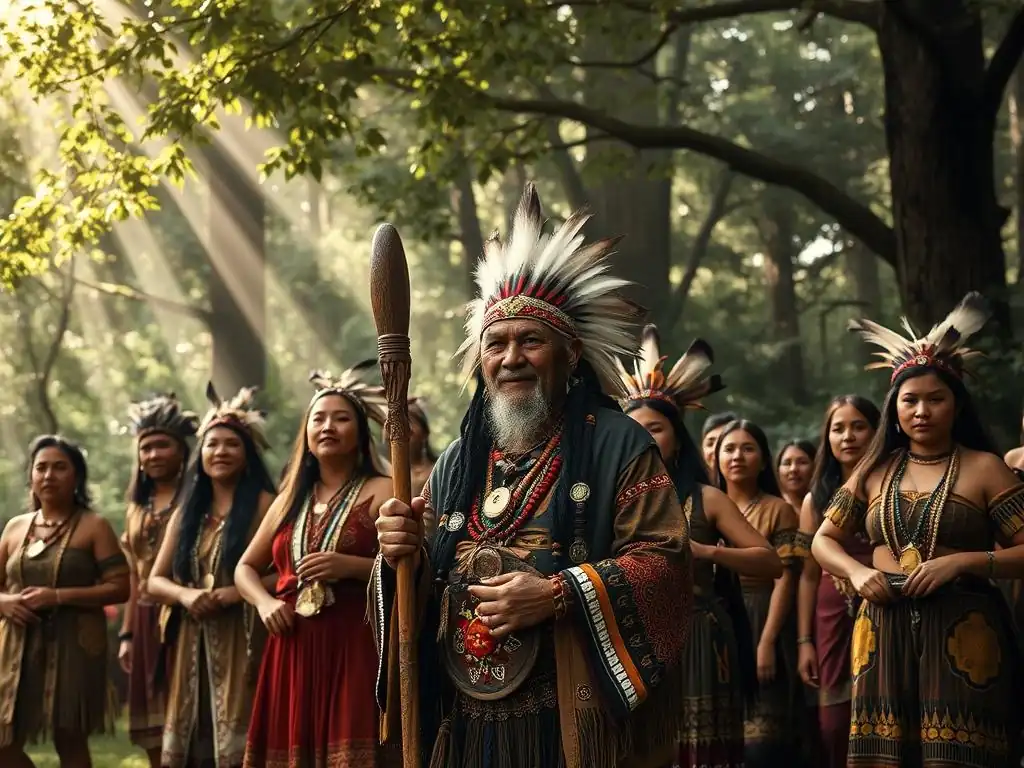
Advocacy for Syncretism in the Face of Colonization
Indigenous leaders and communities have played a pivotal role in advocating for syncretism as a means of preserving their cultural identity amidst the pressures of colonization. This advocacy manifests through various strategies, including the revitalization of traditional practices, spiritual ceremonies, and the incorporation of Indigenous beliefs into broader social movements.
- Cultural Revitalization: Leaders often organize events that celebrate traditional practices, such as powwows, ceremonies, and festivals that honor Indigenous spirituality. These gatherings serve not only as a means of cultural expression but also as platforms for educating both Indigenous and non-Indigenous peoples about the significance of these practices.
- Interfaith Dialogues: Many Indigenous leaders participate in interfaith dialogues to highlight the importance of syncretism. By engaging with other cultural and religious groups, they foster mutual respect and understanding, allowing for the exchange of ideas and practices that enrich both Indigenous and non-Indigenous communities.
- Political Advocacy: Indigenous leaders often engage in political advocacy to protect their rights to practice their traditions. This includes lobbying for legal recognition of Indigenous practices and ensuring that policies do not infringe upon their cultural expressions.
Community Initiatives to Preserve Identity
Community-led initiatives are crucial in the ongoing struggle to preserve Indigenous identity and practices in the face of colonization. These initiatives often focus on various aspects of community life, including education, language preservation, and the arts.
- Language Programs: Many Indigenous communities have developed language revitalization programs aimed at teaching younger generations their native languages. Language is a critical component of cultural identity, and these programs often incorporate elements of syncretism by blending traditional stories and modern narratives.
- Cultural Centers: Establishing cultural centers serves as a focal point for community members to engage with their heritage. These centers often provide workshops, art classes, and storytelling sessions that encourage the practice and transmission of Indigenous customs and beliefs.
- Art and Expression: Indigenous artists frequently use their work to express their experiences of colonization and syncretism. This artistic expression serves as both a form of resistance and a means of celebrating their heritage, allowing communities to reclaim their narratives through various mediums, such as painting, sculpture, and performance.
Education and Awareness in Promoting Indigenous Practices
Education plays a vital role in promoting Indigenous practices and fostering awareness among both Indigenous and non-Indigenous populations. Through educational initiatives, communities aim to dismantle stereotypes, promote understanding, and encourage respect for Indigenous cultures.
- Curriculum Development: Many Indigenous communities are working to develop educational curricula that incorporate Indigenous histories, philosophies, and practices. This effort not only educates Indigenous youth about their heritage but also informs non-Indigenous students about the rich tapestry of Indigenous cultures.
- Workshops and Seminars: Hosting workshops and seminars on traditional practices and beliefs allows community members to share their knowledge and experiences. These educational opportunities serve to bridge the gap between Indigenous and non-Indigenous communities, fostering dialogue and understanding.
- Public Awareness Campaigns: Community leaders often initiate public awareness campaigns that highlight the importance of Indigenous syncretism and its relevance in contemporary society. These campaigns can take various forms, including social media outreach, public talks, and collaborations with educational institutions to promote broader understanding.
Through these concerted efforts, Indigenous leaders and communities continue to advocate for the recognition and preservation of their cultural identities in the face of colonization, ensuring that Indigenous syncretism remains a vital aspect of their heritage.
Challenges Facing Indigenous Syncretism Today
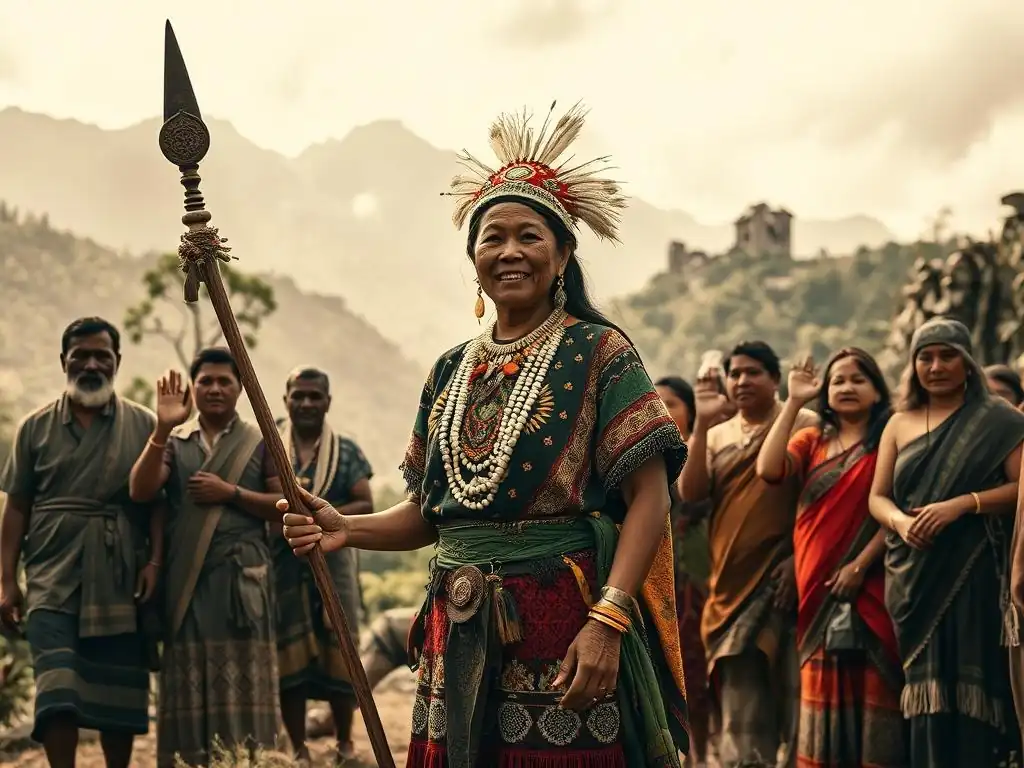
In the contemporary context, indigenous syncretism—the blending of indigenous beliefs with external influences—faces numerous challenges that threaten its survival and evolution. These challenges stem from both external pressures and internal dynamics within indigenous communities. Understanding these obstacles is crucial to appreciating the resilience of indigenous cultures and the ongoing reclamation of identity in the face of colonization.
Globalization and Cultural Appropriation
Globalization has dramatically transformed the landscape in which indigenous syncretism operates. With increased connectivity, traditional practices and beliefs are often commodified, leading to a dilution of their authentic meanings.
- Cultural Appropriation: This phenomenon occurs when elements of indigenous culture are adopted by non-indigenous people without understanding or respecting their significance. For example, the commercialization of traditional attire, music, and spiritual practices often strips them of their cultural context and reduces them to mere fashion statements or entertainment.
- Loss of Language and Tradition: As globalization promotes dominant cultures, many indigenous languages and traditional practices face extinction. The erosion of these languages diminishes the transmission of indigenous knowledge systems, which are essential for understanding and practicing syncretism.
- Digital Divide: While globalization offers platforms for indigenous voices, it can also exacerbate inequalities. Many indigenous communities lack access to technology that can amplify their narratives, making it challenging to counteract misrepresentations and cultural appropriation.
Political and Legal Barriers
The political landscape significantly influences the practice of indigenous syncretism. Various barriers hinder the recognition and practice of indigenous beliefs:
- Lack of Legal Recognition: Many indigenous groups struggle for legal recognition of their rights, which affects their ability to practice syncretism freely. Without recognition, spiritual practices and traditional governance systems are often marginalized.
- Policy Restrictions: Government policies may impose restrictions on land use, sacred sites, and cultural expressions. Such limitations can stifle the practices that embody indigenous syncretism, leading to a further disconnect between traditional beliefs and contemporary practices.
- Socioeconomic Disparities: Indigenous communities often face economic hardships that can limit their ability to engage in cultural practices. When survival is the primary concern, cultural expressions may take a backseat, resulting in a gradual decline of syncretic practices.
Internal Conflicts within Indigenous Communities
While external factors play a significant role, internal dynamics within indigenous communities also present challenges to syncretism:
- Generational Gaps: Younger generations may feel disconnected from traditional practices, influenced by modern educational systems and global culture. This disconnect can lead to tensions between elders advocating for traditional syncretism and youth seeking new forms of expression.
- Diverse Belief Systems: Different indigenous groups often have varying interpretations of syncretism. Disagreements on the incorporation of external elements can lead to conflicts over what constitutes "authentic" practice, potentially undermining unity within communities.
- Fragmentation of Identity: As indigenous identities are shaped by numerous factors—such as globalization, migration, and intercultural marriages—there can be a struggle to define what it means to be indigenous today. This fragmentation complicates the collective efforts to reclaim and celebrate syncretic practices.
The challenges facing indigenous syncretism today require a multifaceted approach, addressing both external pressures and internal conflicts. By fostering dialogue and understanding within communities, as well as advocating for legal recognition and the protection of cultural heritage, indigenous peoples can work towards reclaiming their identities and ensuring the continuity of their syncretic practices in a rapidly changing world.
Future of Indigenous Syncretism
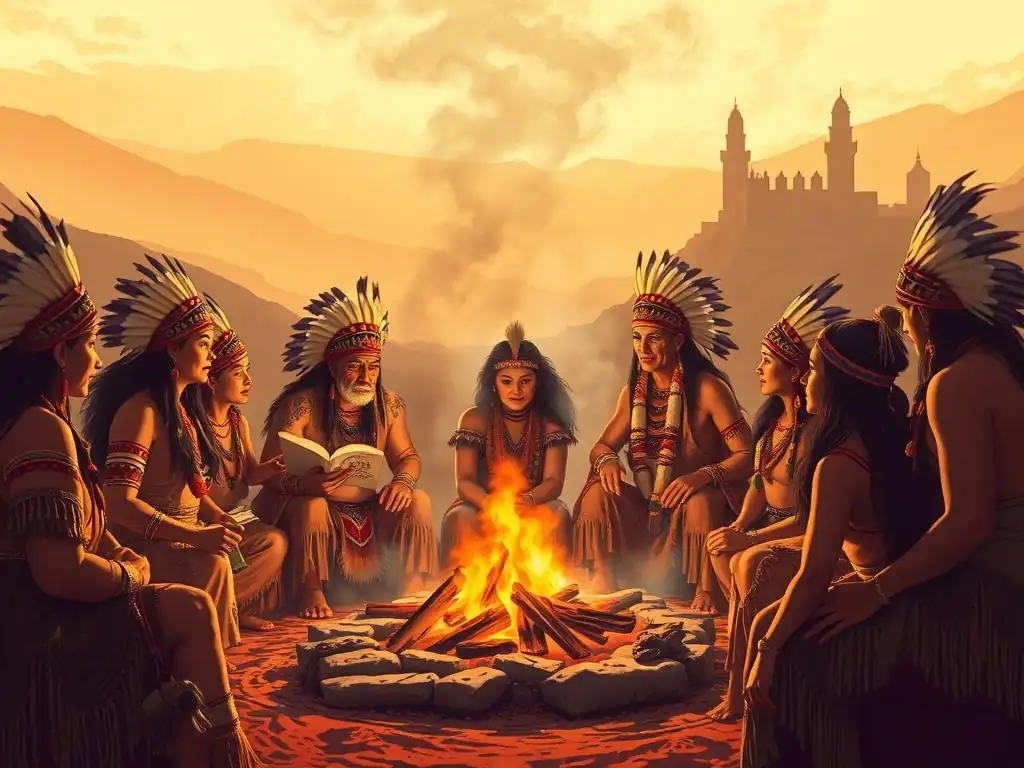
The future of Indigenous syncretism is a dynamic interplay between tradition and modernity, marked by a resurgence of cultural pride and the reclamation of identity. As Indigenous communities navigate the legacy of colonization, they are increasingly finding ways to express their beliefs and practices that honor both their ancestral heritage and contemporary realities. This section explores the revitalization efforts, the role of technology, and the potential for global recognition as key aspects shaping the future of Indigenous syncretism.
Revitalization Efforts and Movements
Indigenous communities across the Americas are actively engaged in revitalization efforts aimed at reclaiming their cultural identities, languages, and spiritual practices. These movements often focus on several core areas:
- Cultural Education: Many Indigenous leaders are establishing educational programs that teach younger generations about their histories, languages, and traditional practices. For example, programs like the Navajo Language Immersion School in the United States emphasize the importance of language as a vehicle for cultural expression and identity.
- Ceremonial Revivals: Traditional ceremonies are being revitalized and adapted to modern contexts. Ceremonies that honor the earth, ancestors, and community are being reintroduced, fostering a sense of belonging and continuity. Events such as the Powwow serve as both cultural celebrations and platforms for sharing Indigenous beliefs.
- Artistic Expression: Indigenous artists are using contemporary mediums to express their syncretic identities. The fusion of traditional art forms with modern techniques allows for a vibrant dialogue between past and present. This can be seen in the works of artists like Kerry James Marshall, who explores themes of identity and heritage in his art.
Through these revitalization efforts, Indigenous communities are not only preserving their traditions but are also redefining them in ways that resonate with younger generations.
The Role of Technology in Preserving Traditions
Technology plays a crucial role in the preservation and promotion of Indigenous syncretism. Various digital tools and platforms are being utilized to ensure that traditional knowledge and practices are accessible to a wider audience.
- Social Media: Indigenous individuals and organizations are leveraging social media platforms to share their stories, rituals, and cultural practices. Hashtags such as #IndigenousLanguages and #NativeAmericanHeritage have gained traction, fostering a sense of community and awareness.
- Digital Archives: Initiatives like the American Indian Cultural Support Center are creating digital archives of Indigenous languages, oral histories, and traditional practices. These resources serve as valuable repositories for future generations and as educational tools for those outside the community.
- Online Workshops and Webinars: Many Indigenous educators are hosting online workshops that teach traditional crafts, storytelling, and spiritual practices. These virtual spaces allow for participation from individuals across the globe, breaking geographical barriers and fostering cross-cultural dialogue.
The integration of technology not only aids in the preservation of Indigenous traditions but also empowers communities to assert their identities in the digital age.
Potential for Global Recognition and Respect
As Indigenous syncretism continues to evolve, there is a growing potential for global recognition and respect for these cultural practices. The increasing interest in Indigenous perspectives and knowledge systems reflects a broader societal shift towards inclusivity and diversity.
- International Advocacy: Organizations such as the United Nations Permanent Forum on Indigenous Issues are advocating for the rights and recognition of Indigenous peoples worldwide. This platform allows Indigenous voices to be heard in discussions surrounding cultural preservation and human rights.
- Cultural Exchanges: Opportunities for cultural exchange programs can foster mutual respect and understanding between Indigenous and non-Indigenous peoples. These exchanges allow for sharing of traditions and practices, promoting a deeper appreciation of Indigenous syncretism.
- Tourism and Economic Opportunities: Sustainable tourism initiatives focusing on Indigenous culture can provide economic benefits while ensuring that cultural practices are respected and preserved. This model emphasizes the importance of honoring Indigenous knowledge and traditions as integral to the tourism experience.
As awareness and respect for Indigenous syncretism grow, there lies an opportunity for these cultures to reclaim their narratives and assert their significance on a global stage. This recognition not only benefits Indigenous communities but enriches the broader cultural landscape of the world.
Conclusion: The Significance of Indigenous Syncretism and Colonization
Indigenous syncretism in the Americas represents a profound response to the challenges posed by colonization. The fusion of indigenous beliefs with European religious practices has not only allowed for the preservation of cultural identity but has also fostered resilience and adaptation among indigenous communities. This intersection of faith and tradition reveals a complex tapestry of survival strategies employed by indigenous peoples throughout history. The significance of these syncretic practices lies in their ability to empower communities, maintain spiritual connections, and assert cultural pride in the face of oppressive colonial forces.
Summary of Key Points
- Historical Context: The arrival of European colonizers in the Americas initiated profound disruptions in indigenous societies. Traditional beliefs and practices were challenged, leading to a necessity for adaptation.
- Cultural Fusion: Indigenous syncretism often resulted in the blending of traditional spiritual beliefs with Christian elements, creating unique practices that reflect both indigenous heritage and colonial influence.
- Examples of Syncretism:
- The Virgin of Guadalupe: Celebrated as a symbol of indigenous identity, this figure combines elements of Catholicism with indigenous spirituality, illustrating how faith can be a site of resistance.
- The Day of the Dead: This celebration incorporates pre-Columbian customs with Catholic practices, showcasing the continuity of indigenous beliefs in contemporary society.
- Resilience and Identity: The persistence of syncretic practices has enabled indigenous communities to reclaim their identities, providing a sense of belonging and continuity in a rapidly changing world.
- Modern Implications: Today, indigenous syncretism continues to play a significant role in the revitalization of indigenous cultures, influencing art, literature, and social movements.
Call to Action for Supporting Indigenous Cultures
To truly appreciate and support the rich tapestry of indigenous cultures, it is crucial for individuals and communities to engage in meaningful actions:
- Educate Yourself: Take the initiative to learn about indigenous histories, cultures, and the impact of colonization. Understanding the narratives of indigenous peoples can foster empathy and respect.
- Support Indigenous Artists and Businesses: Purchase art, crafts, and products from indigenous creators to help sustain their economies and promote cultural expression.
- Advocate for Indigenous Rights: Support policies that protect indigenous land, culture, and rights. Engaging with local and national movements can amplify indigenous voices.
- Participate in Cultural Events: Attend indigenous festivals, ceremonies, and workshops to experience and appreciate the richness of these cultures firsthand.
The Lasting Legacy of Indigenous Syncretism in Society
Indigenous syncretism has left an indelible mark on contemporary society, shaping identities and cultural expressions in various ways:
- Cultural Identity: For many indigenous peoples, syncretism is a vital part of their cultural identity, allowing them to navigate the complexities of their heritage while engaging with modern society.
- Influence on Popular Culture: Elements of indigenous syncretism have permeated popular culture, influencing music, dance, and visual arts, which often draw from the rich traditions of indigenous communities.
- Spiritual Resilience: The syncretic practices of indigenous peoples serve as a testament to their resilience and adaptability, fostering a spiritual landscape that honors both ancestral traditions and contemporary realities.
- Intercultural Dialogue: The blending of indigenous and colonial practices offers a platform for dialogue between cultures, promoting understanding and respect in increasingly multicultural societies.
The exploration of indigenous syncretism in the context of colonization reveals not only the struggles faced by indigenous peoples but also their remarkable capacity for adaptation and survival. Preserving and supporting these rich cultural heritages is essential for fostering a more inclusive and diverse society.
Frequently Asked Questions
What is indigenous syncretism?
Indigenous syncretism refers to the blending of traditional indigenous beliefs and practices with those introduced by colonizers, often creating a unique cultural synthesis that reflects both influences.
How did colonization affect indigenous cultures?
Colonization led to significant disruption of indigenous societies, including loss of land, suppression of languages, and the introduction of foreign religions, which often prompted syncretic adaptations within indigenous practices.
What are some examples of achievements in indigenous civilizations?
Indigenous civilizations made remarkable achievements in areas such as agriculture, architecture, art, and governance, showcasing their advanced understanding of sustainability and community organization before colonization.
How does indigenous syncretism manifest today?
Today, indigenous syncretism can be seen in various cultural expressions, such as religious ceremonies, art, and music, where traditional practices are interwoven with elements of colonial influence, reflecting resilience and adaptation.
Why is it important to study indigenous civilizational impacts?
Studying the impacts of indigenous civilizations helps in understanding the rich history and cultural diversity of the Americas, fostering greater respect for their contributions and promoting awareness of ongoing issues related to indigenous rights and identity.
Final Reflection: Embracing Resilience Through Indigenous Syncretism
In a world where the echoes of colonization still resonate, the theme of Indigenous syncretism emerges as a powerful testament to resilience and cultural survival. Today, as we witness the ongoing struggles of Indigenous communities to reclaim their identities and traditions, it becomes clear that this blending of cultures is not merely a historical footnote but a vibrant, living practice that challenges the narratives imposed by colonization. The ability to adapt and integrate diverse influences while maintaining core cultural values is a striking reminder of the strength inherent in these communities.
The influence of Indigenous syncretism extends far beyond the confines of history; it shapes the cultural and social landscapes of our present. As we navigate a globalized world, the lessons learned from Indigenous practices offer profound insights into the importance of cultural preservation and adaptation. The resilience of Indigenous peoples in the face of colonization is encapsulated in the words of Vine Deloria Jr.: We are not a people of the past, we are a people of the future.
This perspective encourages us to recognize the ongoing contributions of Indigenous cultures to contemporary society, fostering a deeper understanding of identity and belonging.
As we reflect on the themes of this article, I invite you to consider how you can actively engage with and support Indigenous syncretism in your own life. Take a moment to explore the rich tapestry of cultures around you and recognize the beauty in their intersections. Whether through education, advocacy, or simply by honoring Indigenous voices and traditions, your actions can contribute to a more inclusive future. Let us embrace the lessons of resilience and adaptability, honoring the past while forging a path toward a more equitable and culturally rich tomorrow.
Embrace Your Heritage and Take Action!
Thank you for taking the time to explore the powerful themes of Indigenous syncretism and identity reclamation. By diving into this complex history, you’ve gained valuable insights into the resilience and creativity of Indigenous cultures. Now, it’s time to connect with this journey personally and contribute meaningfully.
Here are a few actionable steps you can take to deepen your understanding and support Indigenous communities:
- Engage in Local Culture: Attend workshops, festivals, or events that celebrate Indigenous traditions in your area. Experience first-hand the beauty of these cultures!
- Share Knowledge: Spread the word about the importance of Indigenous identity by sharing this article with friends and on social media. Your voice can help raise awareness!
- Support Indigenous Voices: Seek out and donate to Indigenous-led organizations and initiatives that promote cultural preservation and education. Every contribution counts!
What steps will you take today to honor and amplify Indigenous identities in your community?