
The Legacy of Contact: Cahokia's Enduring Influence in the Face of Conquest

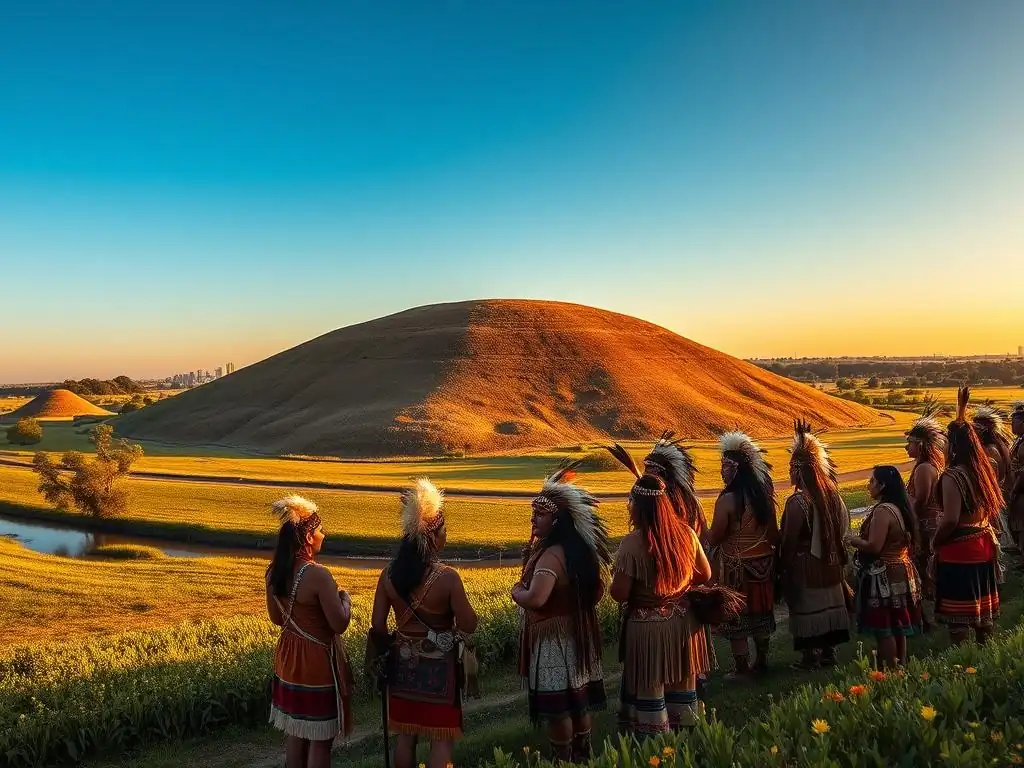
Welcome to Indigenous Civilizations of the Americas! Here, we embark on a captivating journey through the rich tapestry of indigenous cultures that flourished long before European contact. Dive deep into our featured article, “The Legacy of Contact: Cahokia's Enduring Influence in the Face of Conquest,” where we unravel the intricate web of the Cahokia indigenous culture influence—a testament to the resilience and ingenuity of a civilization that shaped the landscape and spirit of the Americas.
Prepare to be intrigued as we explore their remarkable achievements and the lasting impact they have left on history. Your adventure into the past begins now!
- Introduction to Cahokia Indigenous Culture Influence
- The Rise of Cahokia: A Foundation for Indigenous Influence
- The Impact of European Contact on Cahokia
- Enduring Influence of Cahokia Post-Conquest
- Lessons from Cahokia: Resilience and Adaptation
- Conclusion: The Lasting Impact of Cahokia Indigenous Culture
- Frequently Asked Questions
- Final Reflection: The Enduring Legacy of Cahokia's Indigenous Culture
- Embrace the Legacy: Take Action Today!
Introduction to Cahokia Indigenous Culture Influence
The Cahokia indigenous culture stands as a monumental testament to the rich tapestry of pre-Columbian societies in North America. Nestled near modern-day St. Louis, Missouri, Cahokia was once the largest urban center of the Mississippian culture, thriving from approximately 600 CE to 1400 CE. This vibrant city was characterized by its impressive earthen mounds, extensive trade networks, and complex social structures.
The legacy of Cahokia is not merely confined to its architectural achievements or agricultural innovations; it extends to the profound influence it exerted on subsequent indigenous cultures and its resilience in the face of European contact and conquest. Understanding the dynamics of this influence is crucial for comprehending the broader narrative of indigenous civilizations in the Americas, particularly how they adapted and survived amid external pressures.
Overview of Cahokia's Historical Significance
Cahokia was a hub of cultural, political, and economic activity, boasting a population that may have reached upwards of 20,000 at its peak. The city was strategically located along the Mississippi River, which facilitated trade and interaction with neighboring tribes. Among its most notable features are the large earthen mounds, such as Monks Mound, which served as ceremonial sites and possibly as the residences of elite leaders.
The society of Cahokia was complex and hierarchical, featuring a ruling class that influenced both local governance and regional politics. The city’s intricate system of agriculture, particularly its reliance on maize cultivation, allowed for sustained population growth and the development of a rich cultural life, including art, music, and spirituality.
Moreover, Cahokia's influence extended beyond its geographical boundaries. The city served as a melting pot of cultural exchange, with artifacts and trade goods found across a vast area, indicating its role as a central player in pre-Columbian trade networks. The legacy of this vibrant culture is reflected in the traditions, practices, and beliefs of many indigenous groups that followed.
The Context of European Contact and Conquest
The arrival of Europeans in the Americas marked a significant turning point for indigenous cultures, including Cahokia. While the city had already experienced decline by the time of European contact, the repercussions of this encounter were profound. As explorers and settlers moved into the region, they brought with them new technologies, ideologies, and diseases that would drastically alter the indigenous landscape.
Cahokia's enduring influence can be seen in the ways that its descendants adapted to these changes. Many indigenous communities that were once part of the Cahokian sphere sought to maintain their cultural identities while navigating the challenges posed by European encroachment. The resilience of these cultures is evident in their efforts to preserve their traditions, languages, and social structures amidst the tumultuous backdrop of colonization.
In examining the legacy of Cahokia, it becomes clear that its impact is woven into the narrative of indigenous resistance and adaptation. The study of Cahokia's indigenous culture influence not only sheds light on the historical significance of this remarkable civilization but also highlights the broader themes of survival and transformation that characterize the experiences of many Native American tribes in the wake of conquest.
The Rise of Cahokia: A Foundation for Indigenous Influence
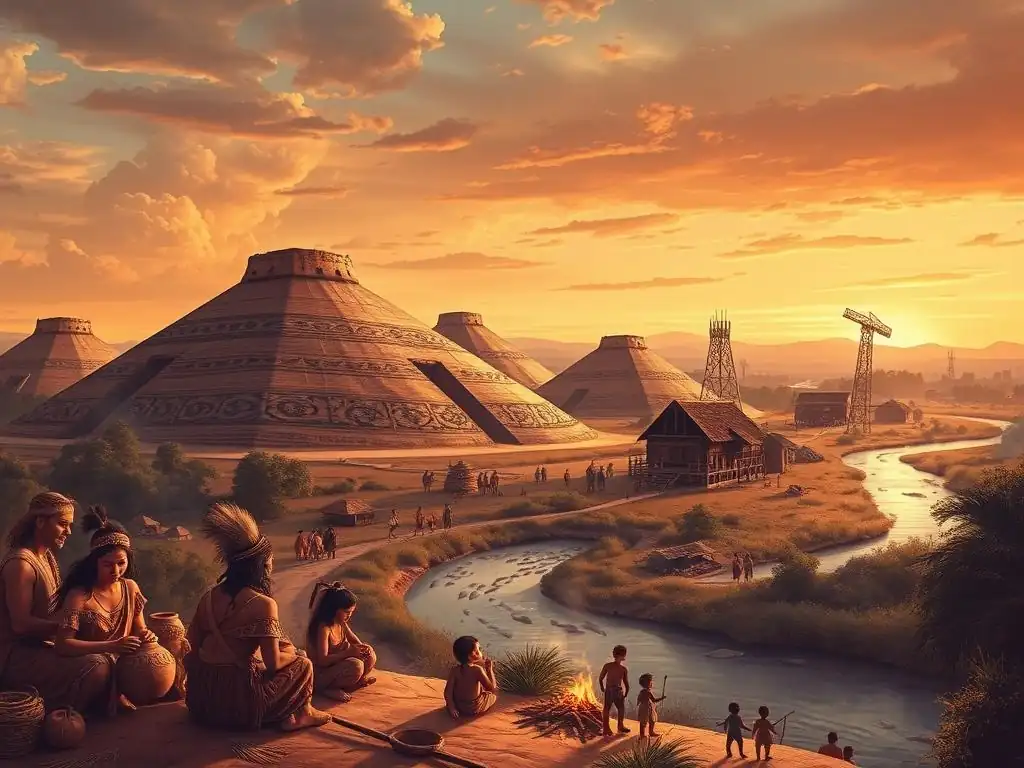
Cahokia, located near present-day St. Louis, Missouri, was the largest pre-Columbian settlement north of Mexico, flourishing between 600 and 1400 CE. Its strategic location along the Mississippi River facilitated trade and cultural exchange, establishing it as a pivotal hub in the network of indigenous societies in North America. The rise of Cahokia can be attributed to a combination of agricultural innovation, social organization, and the establishment of extensive trade networks.
The Cahokians practiced advanced agricultural techniques, including the cultivation of maize, beans, and squash, which allowed for sustained population growth. This agricultural surplus supported a complex urban society, leading to the construction of monumental earthworks, such as the famous Monk's Mound, which stands as a testament to their engineering prowess. The urban layout of Cahokia featured plazas, residential areas, and ceremonial structures, reflecting a sophisticated understanding of urban planning.
As Cahokia flourished, its influence extended beyond its borders, impacting neighboring tribes and fostering a rich tapestry of cultural exchange. This legacy is particularly significant in understanding the enduring influence of Cahokia indigenous culture, which shaped the social, political, and economic landscapes of the region long before European contact.
Key Achievements of Cahokia Indigenous Culture
Cahokia's achievements are profound and varied, highlighting the ingenuity of its people. Some of the most notable accomplishments include:
- Monumental Architecture: The construction of large earthen mounds served various ceremonial and political purposes. Monk's Mound, at over 100 feet tall, is the largest pre-Columbian earthwork in the Americas. This architectural feat demonstrates the Cahokians' advanced engineering skills and their ability to mobilize a large labor force.
- Agricultural Innovations: The Cahokians excelled in agriculture, employing techniques such as crop rotation and the use of compost to enhance soil fertility. Their ability to cultivate diverse crops allowed them to sustain a large population and support complex societal structures.
- Artistic Expression: Cahokia was known for its intricate pottery, shell beads, and the crafting of tools and weapons. These artifacts not only served functional purposes but also held cultural significance, reflecting the spiritual beliefs and social identity of the Cahokian people.
- Astronomical Knowledge: The alignment of certain mounds with celestial events indicates that the Cahokians possessed a sophisticated understanding of astronomy, which played a crucial role in their agricultural practices and ceremonial activities.
The social structure of Cahokia was hierarchical, with a clear division of roles and responsibilities among its inhabitants. This structure can be broken down into several key components:
- Political Leadership: Cahokia was governed by a system of chiefs who wielded significant power and influence. These leaders were often seen as intermediaries between the spiritual world and the people, reinforcing their authority through religious practices.
- Social Stratification: The society was divided into classes, with elites residing in proximity to the mounds, while commoners lived in outlying areas. This stratification was reflected in burial practices, where elite individuals were often buried with valuable goods, signifying their status.
- Religious Practices: Religion played a central role in Cahokian society, influencing everything from governance to daily life. The construction of mounds served not only as political centers but also as ceremonial sites for religious rituals, emphasizing the interconnectedness of governance and spirituality.
- Community Involvement: Despite the hierarchical structure, community participation was vital for the maintenance of Cahokia. Large-scale construction projects and agricultural activities required collaboration, fostering a sense of unity among the inhabitants.
This intricate social structure allowed Cahokia to thrive and adapt in the face of external pressures, laying a foundation for its lasting influence on subsequent indigenous cultures in the Americas.
Economic Systems and Trade Networks
Cahokia's economy was robust and multifaceted, characterized by sophisticated agricultural practices and extensive trade networks. The following elements illustrate the economic systems that underpinned Cahokian society:
- Agriculture as the Economic Backbone: The cultivation of staple crops such as maize, beans, and squash provided the necessary food resources to support a large population. The surplus generated by these crops allowed for trade and the development of specialized crafts.
- Trade Networks: Cahokia was at the center of a vast trading network that connected various indigenous groups across the continent. Goods such as obsidian, copper, and shells were traded, facilitating cultural exchange and the dissemination of ideas.
- Craft Specialization: As the economy grew, so did the specialization of crafts. Artisans produced a variety of goods, including pottery, tools, and jewelry, which were not only used locally but also traded with distant communities.
- Economic Resilience: The diverse economic system of Cahokia contributed to its resilience. By relying on both agriculture and trade, the Cahokians could adapt to environmental changes and external pressures, ensuring their survival and prosperity for centuries.
The economic systems and trade networks established by the Cahokians laid the groundwork for the cultural and societal influences that would resonate throughout the Americas, even in the face of European conquest. The legacy of Cahokia’s indigenous culture influence persists today, reminding us of the profound achievements of these ancient people.
The Impact of European Contact on Cahokia
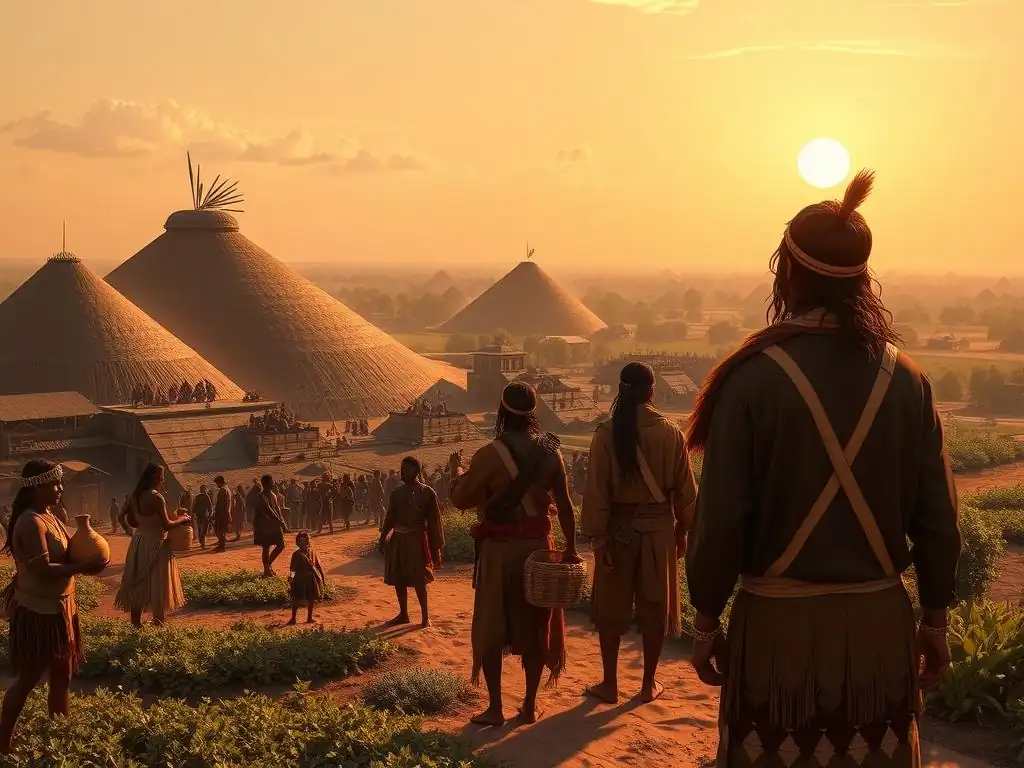
The arrival of Europeans in the Americas marked a profound turning point for the Cahokia indigenous culture, which was one of the most significant pre-Columbian civilizations in North America. Located near present-day St. Louis, Missouri, Cahokia was a bustling urban center characterized by complex social structures and impressive earthen mounds, such as Monk's Mound, which served as a religious and political hub. The impact of European contact on this thriving indigenous culture was multifaceted, leading to both immediate disruptions and longer-term transformations.
Initial Encounters: Understanding the European Perspective
The initial encounters between Europeans and the Cahokia people were shaped by mutual curiosity and misunderstanding. European explorers, driven by motives such as trade, land acquisition, and religious conversion, often viewed the indigenous peoples through a lens of superiority and ethnocentrism. For instance, early French explorers like Jacques Marquette and Louis Jolliet, who arrived in the 1670s, documented their travels and interactions with the Cahokia, often framing indigenous practices as primitive.
- Misinterpretations of Culture:
- Trade Relations: Europeans sought to establish trade with Cahokia, viewing their sophisticated trade networks as opportunities for profit. However, the Cahokians’ understanding of trade was deeply rooted in reciprocal relationships, contrasting sharply with European notions of commerce.
- Religious Contexts: The Cahokia’s spiritual practices, tied closely to their agrarian lifestyle and the natural world, were often mischaracterized by Europeans as paganism, leading to efforts at conversion that disregarded the significance of indigenous beliefs.
- Perceptions of Land:
- Concept of Land Ownership: The European concept of land as a commodity clashed with the Cahokian view of land as a communal resource. This fundamental difference fueled tensions, as European colonizers sought to claim territory for farming and settlement, disregarding the indigenous peoples' historical ties to the land.
- Impact of Disease:
- Epidemics: Alongside the cultural misunderstandings, the introduction of European diseases, such as smallpox, had devastating effects on the Cahokian population. Lacking immunity, the indigenous people faced significant mortality rates, which drastically altered their social structures and capacity for resistance against European encroachment.
The Response of Cahokia Indigenous Culture to European Arrival
In response to the challenges posed by European contact, Cahokia indigenous culture exhibited resilience and adaptability. While the initial encounters were marked by disruption and conflict, the Cahokians employed various strategies to navigate the complexities of their new reality.
- Cultural Adaptation:
- Integration of Trade Goods: Cahokians began to incorporate European goods, such as metal tools and textiles, into their daily lives. This adaptation not only enhanced their material culture but also facilitated continued trade interactions.
- Syncretism in Beliefs: Some Cahokians engaged in syncretism, blending European religious elements with their own spiritual practices. This fusion allowed for a degree of continuity in cultural identity despite external pressures.
- Political Alliances and Resistance:
- Strategic Alliances: The Cahokians sought alliances with neighboring tribes to bolster their resistance against European encroachment. This tactic aimed to unify various indigenous groups against common threats, reflecting a strategic response to colonial pressures.
- Military Engagements: Some Cahokian leaders took up arms to defend their territory and way of life. While their military efforts were ultimately challenged by European technology and tactics, they showcased the determination of the Cahokia indigenous culture to maintain autonomy.
- Legacy and Influence:
- Enduring Cultural Practices: The legacy of Cahokia continues to influence contemporary Native American cultures. Traditional practices, agricultural techniques, and spiritual beliefs have been preserved and adapted, serving as a testament to the resilience of Cahokia's indigenous culture.
- Cultural Revitalization: Modern indigenous communities often look back to Cahokia as a source of pride and inspiration, highlighting the importance of historical awareness and cultural heritage in contemporary identity formation.
The impact of European contact on Cahokia was profound and complex. The initial encounters revealed significant cultural misunderstandings, yet the response of the Cahokia indigenous culture demonstrated resilience through adaptation, alliance-building, and a commitment to preserving their identity. The enduring influence of Cahokia continues to shape the cultural landscape of indigenous peoples in the Americas today, affirming the importance of recognizing and honoring this rich heritage.
Enduring Influence of Cahokia Post-Conquest
Preservation of Cultural Practices and Traditions
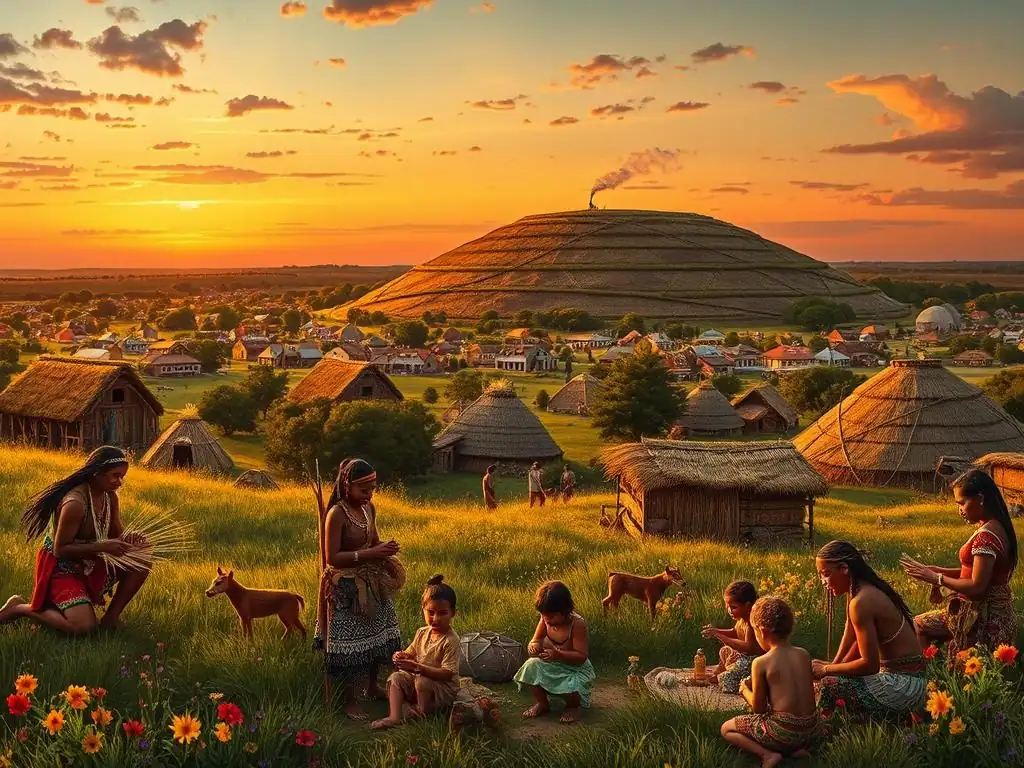
Cahokia, once a thriving urban center and a significant hub for trade and culture, has left a lasting legacy that persists even after European contact. Despite the upheaval brought by colonization, many indigenous communities have strived to preserve their cultural practices and traditions that trace back to the Cahokia civilization. This preservation manifests in various forms, such as:
- Ceremonial Practices: Many indigenous groups maintain traditional rituals that have origins in Cahokia's cosmology and religious practices. For instance, the importance of earthworks, which were central to Cahokian spiritual life, can still be seen in contemporary ceremonies aimed at honoring the land and ancestors.
- Artistic Expression: The artistic legacy of Cahokia has been preserved through pottery, weaving, and other crafts, which often incorporate traditional designs and motifs reminiscent of Cahokian art. This continuity not only showcases the aesthetic values of the past but also serves as a medium for storytelling and cultural transmission.
- Oral Histories: Indigenous peoples have relied heavily on oral traditions to convey their histories, wisdom, and cultural values. Many stories and teachings that have been passed down through generations reflect the experiences of the Cahokian people and their interactions with European settlers.
The resilience of these cultural practices highlights the ways in which the Cahokia indigenous culture influence has adapted and endured through challenges posed by colonization.
Integration of European Influences into Indigenous Culture
The arrival of Europeans introduced new dynamics to the indigenous cultures of the Americas, including those stemming from Cahokia. Rather than completely erasing traditional practices, many indigenous groups selectively integrated European elements into their existing cultural frameworks. This phenomenon can be observed in several areas:
- Agricultural Practices: European settlers brought new crops and farming techniques, which indigenous groups adapted alongside traditional methods. For example, the introduction of wheat and barley allowed for diversification of food sources, complementing the indigenous diets rooted in maize and beans.
- Trade and Economic Exchange: The establishment of trade relationships with Europeans led to the incorporation of new goods such as metal tools and textiles. Indigenous communities that had ties to Cahokia capitalized on these exchanges, enhancing their economic standing and cultural dynamism.
- Religious Syncretism: Some indigenous spiritual practices blended with European religious beliefs, resulting in new forms of worship. This syncretism reflects how indigenous peoples responded to the challenges of colonization while maintaining a connection to their ancestral roots.
These integrations illustrate the adaptability of Cahokia's descendants, showcasing how the influence of European contact reshaped indigenous culture without completely displacing it.
Legacy of Cahokia in Modern Indigenous Identity
Today, the legacy of Cahokia is a vital part of the identity for many indigenous communities. The historical significance of this great city resonates through various aspects of contemporary indigenous life:
- Cultural Revival Movements: There has been a resurgence of interest in Cahokia's history, leading to efforts to reclaim and revitalize traditional practices. This movement not only honors the legacy of the Cahokians but also fosters a sense of pride and identity among modern indigenous peoples.
- Educational Initiatives: Many indigenous groups are actively involved in educating both their communities and the wider public about the historical importance of Cahokia. Workshops, lectures, and cultural events serve to raise awareness about the contributions of indigenous cultures, emphasizing the enduring influence of Cahokia.
- Political Advocacy: The legacy of Cahokia has inspired modern indigenous activism, with many advocating for land rights and cultural recognition. This activism is grounded in the historical context of Cahokia, as its past underscores the ongoing struggles faced by indigenous populations.
The Cahokia indigenous culture influence continues to shape the identities, practices, and resilience of contemporary indigenous communities. By acknowledging and celebrating this legacy, these groups reinforce their cultural heritage while navigating the complexities of modern society.
Lessons from Cahokia: Resilience and Adaptation
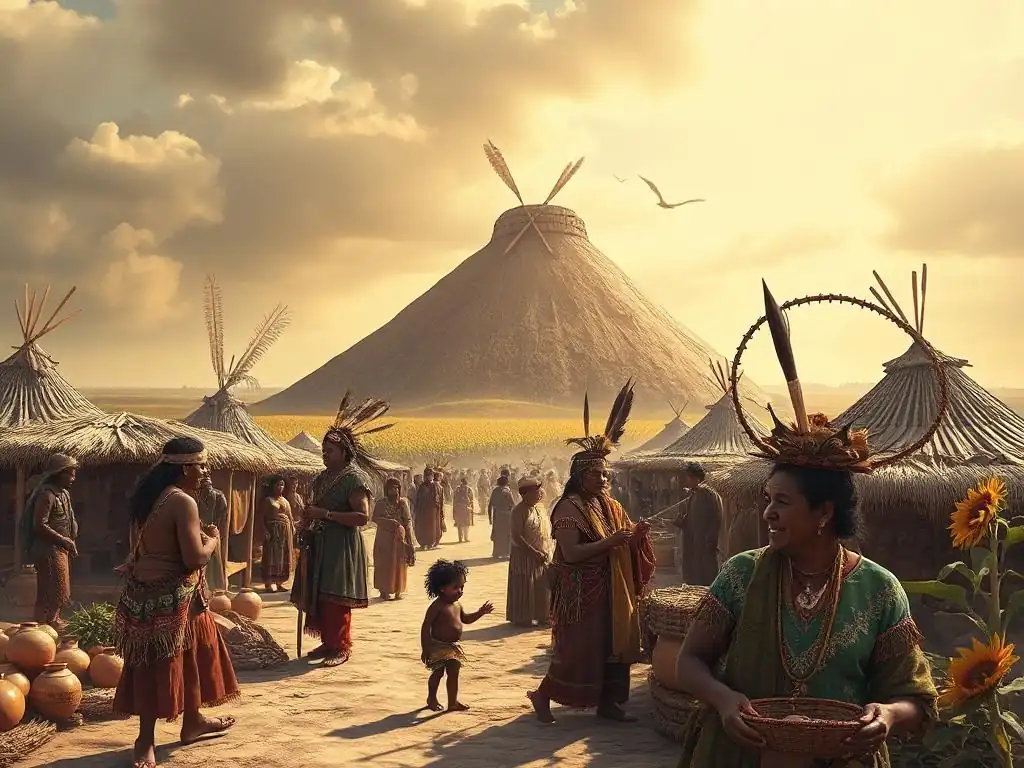
The Cahokia indigenous culture has left an indelible mark on the history of North America, showcasing remarkable resilience and adaptability in the face of external pressures, particularly during the period of European contact. The experiences of Cahokia offer valuable lessons on how indigenous communities can navigate profound changes while maintaining their cultural identity and practices.
Strategies for Cultural Survival in the Face of Conquest
Cahokia's inhabitants employed a variety of strategies that enabled them to endure and adapt despite the dramatic shifts brought on by European colonization. These strategies can be categorized into several key areas:
- Cultural Synthesis:
- Integration of New Practices: Instead of outright rejection of European influence, Cahokians incorporated new agricultural techniques and materials introduced by Europeans. For instance, the adoption of European crop varieties complemented traditional farming methods, enhancing food security.
- Adaptation of Trade Networks: Cahokia was a central hub in a vast trade network. Following contact, the community adapted these networks to include European goods, ensuring continued economic viability.
- Preservation of Traditional Knowledge:
- Oral Histories: The Cahokians placed a strong emphasis on oral traditions, which allowed them to preserve their history, values, and knowledge systems despite external attempts to erase their identity.
- Community Practices: Rituals and ceremonies that had been practiced for generations continued to play a vital role in community cohesion and cultural affirmation, reinforcing a shared identity.
- Strategic Alliances:
- Formation of Coalitions: Recognizing the threat posed by European settlers, Cahokians often allied with other indigenous groups. These coalitions provided mutual support and resources, enabling them to resist conquest collectively.
- Diplomatic Engagement: Cahokia's leaders engaged in diplomacy with Europeans, negotiating terms that would benefit their communities and maintain some degree of autonomy.
- Spatial Adaptation:
- Settlement Patterns: The physical layout of Cahokia was strategically designed to manage both community life and defense. As pressures mounted, some inhabitants relocated to more defensible sites, showcasing their ability to respond to changing circumstances.
These strategies highlight the innovative and resilient spirit of the Cahokia indigenous culture, demonstrating that even in the face of conquest, it is possible to adapt while preserving core cultural values and practices.
The Role of Memory in Cahokia’s Enduring Influence
Memory plays a crucial role in the enduring influence of Cahokia's culture, serving as a vehicle for cultural continuity and identity among descendants. The mechanisms through which memory is preserved can be categorized as follows:
- Cultural Narratives: Stories and legends passed down through generations serve as a conduit for cultural values and historical events. The recounting of Cahokia's achievements and challenges fosters a sense of pride among contemporary communities.
- Symbolic Representation:
- Art and Artifacts: Cahokia's artistic expressions, such as pottery and mound construction, continue to be significant symbols of cultural heritage. These artifacts not only represent the ingenuity of the Cahokians but also serve as physical reminders of their legacy.
- Place Names: Many geographical locations retain names derived from the Cahokia language and culture, ensuring that their presence is felt in the modern landscape.
- Commemoration Practices:
- Ceremonial Events: Contemporary gatherings and events that honor Cahokia's history provide opportunities for community bonding and cultural reinforcement. These practices underscore the importance of remembering and celebrating ancestral legacies.
- Educational Initiatives:
- Cultural Programs: Initiatives aimed at educating younger generations about Cahokia's history and cultural practices are essential for sustaining memory. These programs foster a deeper understanding of identity and heritage.
The legacy of Cahokia's indigenous culture is not merely a relic of the past; it continues to influence current indigenous identities through resilience, adaptation, and the powerful role of memory. As communities reflect on their heritage, they draw strength from the lessons learned during a time of profound change, ensuring that the spirit of Cahokia endures in contemporary society.
Conclusion: The Lasting Impact of Cahokia Indigenous Culture
Reflections on the Legacy of Cahokia
Cahokia, once a thriving urban center located near present-day St. Louis, Missouri, stands as a testament to the ingenuity and resilience of indigenous cultures in North America. At its peak around 1100 CE, Cahokia was one of the largest cities in the world, with a population estimated to be between 10,000 and 20,000 inhabitants. The city's impressive earthen mounds, such as Monk's Mound, not only served ceremonial purposes but also demonstrated advanced engineering techniques. These mounds were a central feature of Cahokia's landscape, reflecting the community's social hierarchy and religious practices.
The influence of Cahokia extends beyond its physical structures; it is evident in the agricultural practices adopted by neighboring tribes and the complex trade networks established across vast distances. Cahokian society was marked by a rich tapestry of cultural traditions, including art, music, and spirituality, which have left a lasting imprint on the region. The city’s decline in the 13th century, often attributed to environmental changes and social upheaval, did not erase its legacy. Instead, it laid the groundwork for future indigenous communities to build upon.
Importance of Recognizing Indigenous Contributions Today
In contemporary discussions about American history, the contributions of indigenous cultures, particularly that of Cahokia, are often overlooked. Recognizing the achievements of the Cahokia indigenous culture not only enriches our understanding of pre-colonial America but also fosters a greater appreciation for the complexities of indigenous societies. The practices of sustainable agriculture, intricate social structures, and sophisticated trade systems developed by the Cahokians have relevance today, particularly as we confront challenges related to environmental sustainability and cultural preservation.
Moreover, acknowledging the influence of Cahokia is crucial in the context of contemporary indigenous rights movements. It serves as a reminder of the enduring connection that indigenous peoples have to their ancestral lands and cultures, highlighting the importance of preserving this heritage for future generations. By celebrating the legacy of Cahokia and other indigenous cultures, we can contribute to a more inclusive narrative that honors the resilience and contributions of these communities in shaping the history and identity of the Americas.
The legacy of Cahokia, with its rich cultural heritage and profound societal contributions, invites us to continue exploring and valuing the narratives of indigenous peoples. Only through this recognition can we hope to foster a deeper understanding of their enduring influence in the face of conquest and change.
Frequently Asked Questions
What is Cahokia known for in terms of indigenous culture?
Cahokia is recognized as one of the largest urban centers of the indigenous cultures in the Americas, showcasing advanced societal structures and monumental earthworks.
How did European contact affect Cahokia?
European contact led to significant disruption of Cahokia's social and economic systems, ultimately contributing to its decline despite its previously thriving civilization.
What are some key achievements of the Cahokia culture?
The Cahokians are noted for their complex trade networks, impressive mound-building techniques, and a well-organized social hierarchy that influenced surrounding cultures.
How does Cahokia's influence persist today?
Cahokia's legacy continues through its cultural practices, architectural designs, and spiritual beliefs that have been integrated into modern Native American cultures.
Why is it important to study Cahokia's history?
Studying Cahokia's history provides insight into the diverse indigenous cultures of the Americas and highlights the resilience and adaptability of these societies in the face of dramatic changes.
Final Reflection: The Enduring Legacy of Cahokia's Indigenous Culture
Cahokia's indigenous culture influence remains a powerful testament to resilience and adaptation in the face of conquest. As we navigate a world increasingly defined by cultural exchanges and historical reckonings, the lessons from Cahokia resonate more than ever. The rich tapestry of this ancient civilization continues to inform our understanding of community, sustainability, and identity, reminding us that the past is not merely a series of events but a living narrative that shapes our present and future.
Cahokia's legacy is not just a relic of history; it is a vibrant thread woven into the fabric of contemporary society. The influence of its cultural practices, social structures, and spiritual beliefs can be seen in the ongoing efforts of indigenous communities to reclaim their narratives and assert their identities.
As we reflect on this, we are reminded of the words of historian Charles Mann, who said, "> The Americas were not a pristine wilderness but a land shaped by the people who lived there." This perspective challenges us to recognize the depth of indigenous contributions and the importance of honoring their enduring impact on our cultural landscape.
As we conclude this exploration of Cahokia's legacy, I invite you to reflect on how the lessons of resilience, community, and cultural pride can be applied in your own life. Consider how you can engage with and support indigenous cultures today, acknowledging their influence and advocating for their recognition. Let the story of Cahokia inspire you to seek connections with the past while fostering a more inclusive and respectful future for all cultures.
Embrace the Legacy: Take Action Today!
Thank you for diving into the fascinating history of Cahokia and its enduring legacy amidst challenges. You've explored a rich narrative that highlights **resilience** and **cultural significance**. Now, it’s time to honor that legacy through action.
Here’s how you can make a meaningful impact:
- Join a local history group to deepen your understanding of Indigenous cultures and share what you've learned about Cahokia's influence.
- Visit a museum or cultural site that highlights Indigenous history, and invite friends and family to join you for a shared learning experience.
- Start a conversation online! Share your insights on social media or in community forums to raise awareness about the importance of Cahokia.
What aspect of Indigenous history inspires you the most, and how will you share that inspiration with others?