
Discovering the Ancient Ruins: A Journey Through North America's Indigenous Heritage Sites

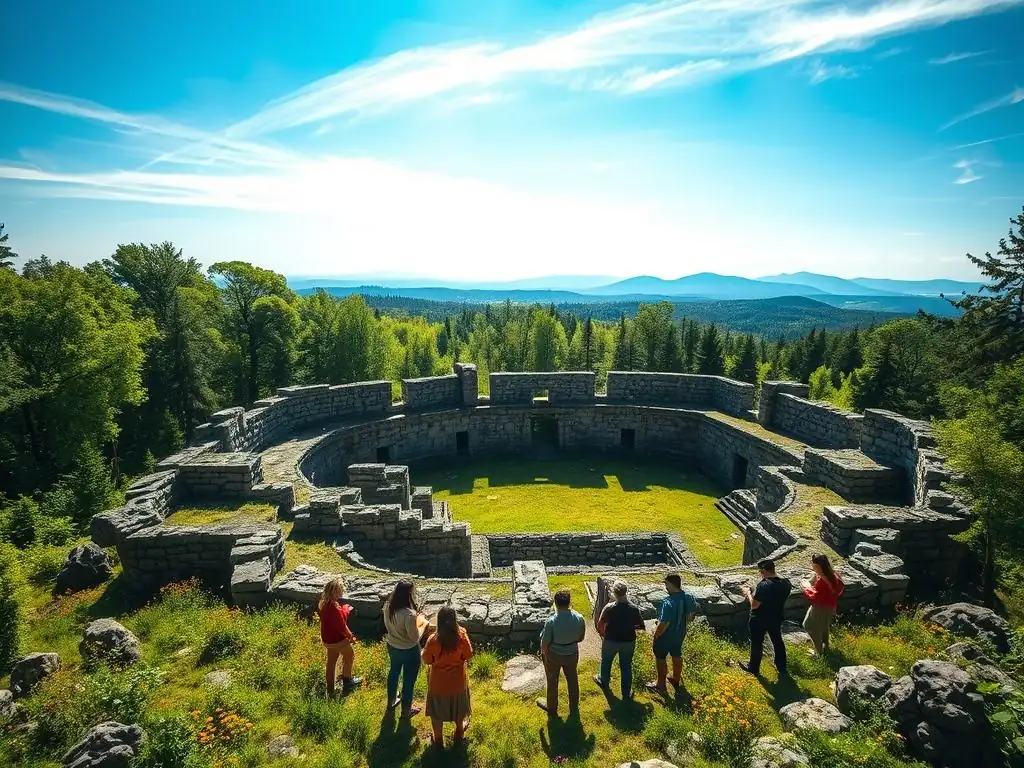
Welcome to Indigenous Civilizations of the Americas, where we invite you to embark on a captivating journey through the rich tapestry of pre-colonial cultures that flourished across the Americas. In our main article, “Discovering the Ancient Ruins: A Journey Through North America's Indigenous Heritage Sites,” we delve into the remarkable achievements and intricate societies that shaped this continent long before European influence.
As you explore the stories behind these breathtaking heritage sites, you'll uncover the enduring legacies that continue to inspire and educate us today. Prepare to be intrigued and enlightened as you uncover the hidden gems of North America's Indigenous heritage!
- Introduction to North America's Indigenous Heritage Sites
- The Significance of Indigenous Heritage Sites
- Top Indigenous Heritage Sites in North America
- Exploring the Stories Behind the Sites
- Visitor Tips for Exploring Indigenous Heritage Sites
- How to Plan Your Journey Through Indigenous Heritage Sites
- Conclusion: Embracing North America's Indigenous Heritage
-
Frequently Asked Questions
- What are North America's Indigenous heritage sites?
- Why are these heritage sites important to Indigenous cultures?
- How can visitors support the preservation of Indigenous heritage sites?
- What can we learn from exploring these heritage sites?
- Are there any specific examples of notable Indigenous heritage sites in North America?
- Final Reflection: Embracing the Legacy of North America's Indigenous Heritage Sites
- Unveil the Wonders of Indigenous Heritage Today!
Introduction to North America's Indigenous Heritage Sites
Exploring North America's Indigenous heritage sites is not merely a journey through time; it is an invitation to connect with the rich tapestry of cultures that flourished long before the arrival of European settlers. These sites represent the ingenuity, resilience, and profound spiritual connections that indigenous peoples maintained with their land. From ancient cities to sacred landscapes, each location tells a unique story of a civilization's achievements, social structures, and enduring legacy. As we delve into this captivating exploration, we aim to shed light on the significance of these heritage sites and their impact on contemporary society.
Understanding Indigenous Heritage and Its Importance
Indigenous heritage encompasses the traditions, practices, languages, and histories of the original inhabitants of the Americas. It is crucial to appreciate that these cultures are not relics of the past but living traditions that continue to thrive and evolve today. The importance of preserving Indigenous heritage sites lies in several key aspects:
- Cultural Identity: These sites serve as vital connections to the ancestral lands and histories of indigenous peoples, reinforcing their cultural identity and sense of belonging.
- Educational Value: By exploring these heritage sites, visitors gain insights into the sophisticated societies that existed in North America, fostering a greater understanding of indigenous perspectives and contributions.
- Environmental Stewardship: Many heritage sites are intertwined with sustainable land management practices that reflect indigenous peoples' deep respect for nature, offering valuable lessons for contemporary environmental challenges.
Overview of Indigenous Civilizations in North America
North America was home to a multitude of diverse civilizations, each with its own unique culture, language, and societal structure. Some of the most notable indigenous civilizations include:
- The Mississippian Culture: Known for its impressive earthworks and mound-building, this culture thrived in the southeastern United States from approximately 800 CE to 1600 CE. Notable sites include Cahokia, which was one of the largest urban centers of its time.
- The Ancestral Puebloans: Also referred to as the Anasazi, this civilization occupied the Four Corners region (where Arizona, New Mexico, Colorado, and Utah meet). They are renowned for their cliff dwellings and complex agricultural systems.
- The Iroquois Confederacy: This sophisticated political alliance of six tribes in the northeastern United States played a significant role in shaping democratic principles and governance structures that influenced the development of the United States.
- The Plains Tribes: Indigenous groups such as the Lakota and Cheyenne thrived on the Great Plains, developing a nomadic lifestyle centered around buffalo hunting and rich oral traditions.
These civilizations, among many others, laid the groundwork for a rich indigenous heritage that continues to resonate across North America today. As we embark on this journey through the ancient ruins, we will uncover the stories and significance of these remarkable heritage sites, honoring the legacy of those who came before us.
The Significance of Indigenous Heritage Sites
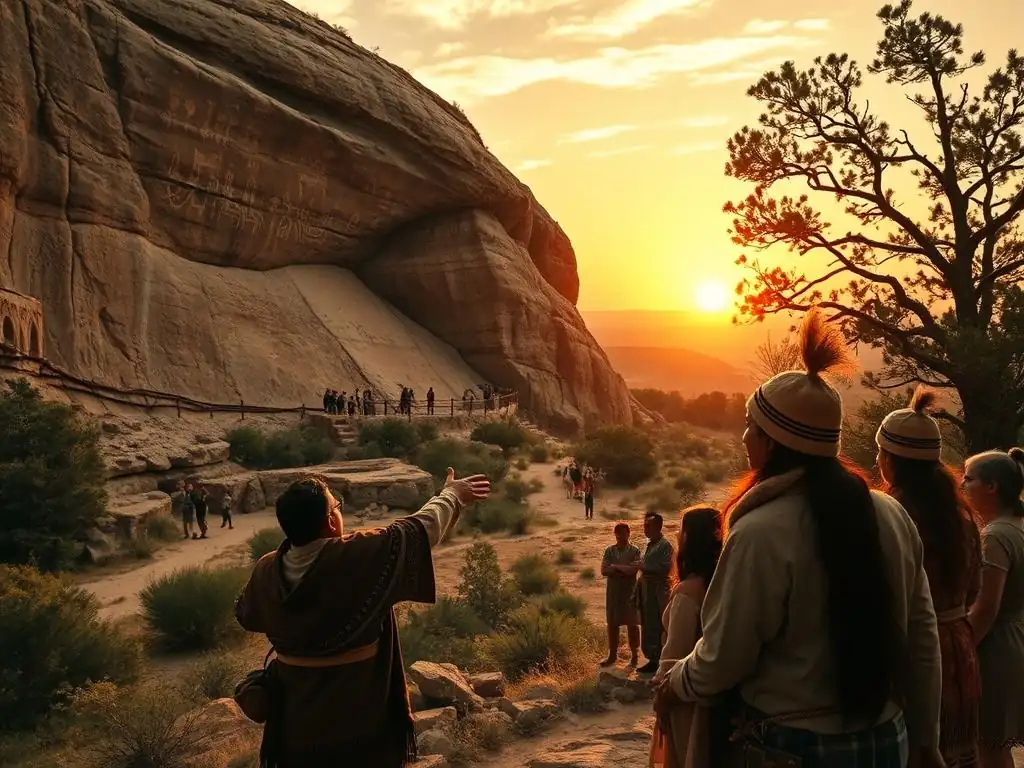
Indigenous heritage sites in North America represent a profound connection to the past, embodying the rich history and diverse cultures of the continent's first inhabitants. These sites not only reflect the architectural and artistic achievements of Indigenous peoples but also serve as vital links to their spiritual beliefs, traditions, and social structures. By preserving these sites, we honor the legacies of the Indigenous communities and contribute to a broader understanding of human history and cultural diversity.
Cultural Importance of Preserving Indigenous Heritage
Preserving Indigenous heritage sites is crucial for several reasons, including the following:
- Cultural Identity: These sites are integral to the cultural identity of Indigenous communities. They serve as reminders of ancient practices, languages, and beliefs that have shaped their societies over millennia. For instance, the ruins of Chaco Canyon in New Mexico provide insights into the sophisticated social and political structures of the Ancestral Puebloans.
- Education and Awareness: Heritage sites are important educational resources, offering visitors a chance to learn about the history, culture, and contributions of Indigenous peoples. Sites like Cahokia Mounds in Illinois illustrate the advanced urban planning and agricultural techniques of the Mississippian culture, fostering greater appreciation and respect for these civilizations.
- Cultural Revitalization: The preservation of heritage sites supports cultural revitalization efforts within Indigenous communities. Many groups engage in traditional practices and ceremonies at these locations, reinforcing their cultural ties and fostering intergenerational knowledge transfer. For example, the ongoing cultural practices at the Taos Pueblo in New Mexico highlight the living traditions of the Pueblo peoples.
- Tourism and Economic Benefits: Indigenous heritage sites can also provide economic benefits through sustainable tourism. By attracting visitors, these sites can generate revenue that supports local communities and conservation efforts. This, in turn, allows Indigenous peoples to reclaim their narratives and share their histories on their terms.
Impact of Heritage Sites on Modern Indigenous Communities
The impact of heritage sites on modern Indigenous communities is multifaceted, influencing social, economic, and cultural aspects of their lives:
- Social Cohesion: Heritage sites often serve as gathering places for Indigenous peoples, fostering a sense of community and belonging. Events and ceremonies held at these locations strengthen social ties and reinforce a shared cultural identity. For instance, the annual gathering at the Rosebud Sioux Tribe’s Wacipi (powwow) at the site of the historic Fort Robinson provides a platform for cultural expression and unity.
- Economic Opportunities: Many Indigenous communities are actively involved in the management and stewardship of their heritage sites, creating job opportunities and contributing to local economies. This involvement allows communities to benefit economically while maintaining control over their cultural narratives. The Coeur d'Alene Tribe’s management of the historic sites in Idaho exemplifies how Indigenous stewardship can lead to sustainable development.
- Cultural Preservation: The revitalization of languages, crafts, and traditions often occurs in conjunction with the preservation of heritage sites. These locations can become focal points for educational programs aimed at preserving Indigenous languages and practices, ensuring they endure for future generations. For example, programs at the Navajo Nation's Monument Valley promote the teaching of the Navajo language and traditional arts.
- Political Advocacy: The recognition and preservation of Indigenous heritage sites can empower communities to advocate for their rights and sovereignty. By asserting their connection to these lands and sites, Indigenous peoples can challenge historical injustices and seek reparative measures. The efforts surrounding the protection of the sacred Bears Ears National Monument highlight the political significance of heritage sites in contemporary Indigenous activism.
North America's Indigenous heritage sites are not merely remnants of the past; they are vital components of living cultures and identities. By understanding and preserving these sites, we contribute to a richer narrative of human history and support the ongoing resilience and revitalization of Indigenous communities across the continent.
Top Indigenous Heritage Sites in North America
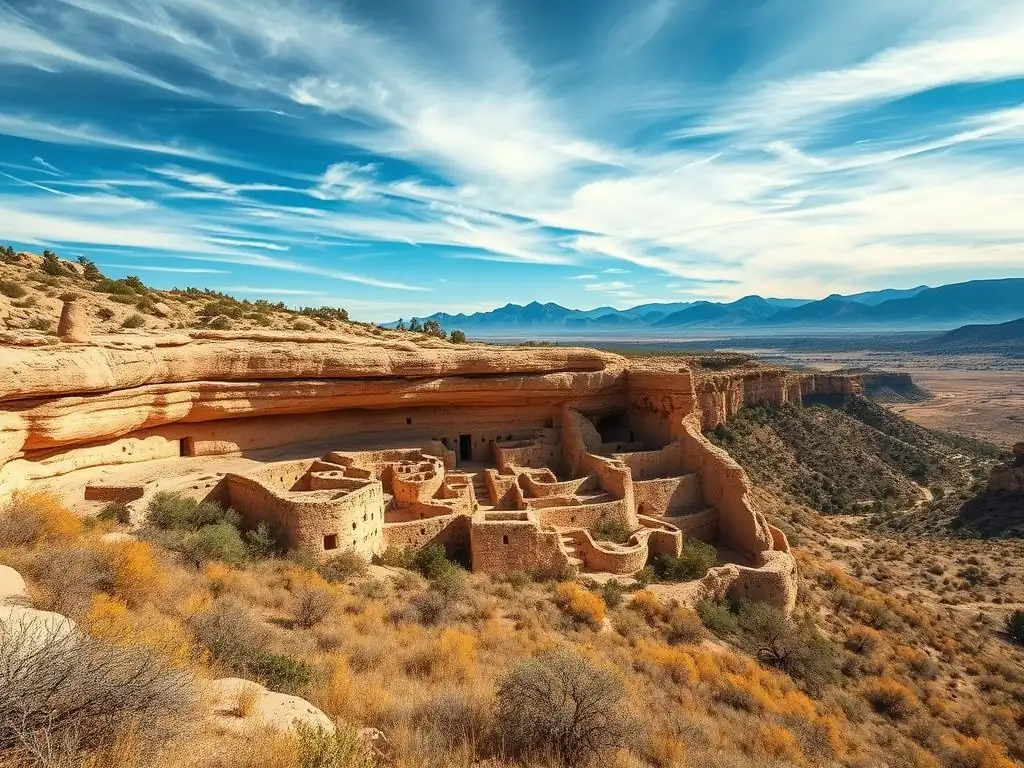
Exploring North America's Indigenous heritage sites offers a profound insight into the rich tapestry of cultures that flourished across the continent long before European contact. These sites not only showcase remarkable architectural achievements but also embody the traditions, beliefs, and histories of Indigenous peoples. Below, we delve into two of the most significant heritage sites, highlighting their historical significance and unique features.
1. Mesa Verde National Park
History and Cultural Significance
Mesa Verde National Park, located in southwestern Colorado, is a UNESCO World Heritage Site known for its well-preserved Ancestral Puebloan cliff dwellings. The park encompasses over 5,000 archaeological sites, including 600 cliff dwellings that date back to the 12th century. The Ancestral Puebloans, originally known as the Anasazi, lived in this region for over 700 years.
The inhabitants of Mesa Verde developed complex societies with advanced agricultural practices, which included the cultivation of corn, beans, and squash. Their ability to adapt to the challenging environment of the Colorado Plateau illustrates their resilience and ingenuity.
Visitors to Mesa Verde can explore the ruins and learn about the cultural practices, social organization, and spiritual beliefs that shaped the lives of these ancient peoples. The site serves as a reminder of the rich heritage and the enduring legacy of the Indigenous cultures of North America.
Unique Features of the Ancestral Puebloan Structures
The cliff dwellings of Mesa Verde are remarkable examples of architectural ingenuity. Built into the cliffs, these structures were designed to provide protection from the elements and from potential invaders.
- Materials Used: The Ancestral Puebloans primarily used sandstone, adobe, and wooden beams sourced from nearby forests. This choice of materials not only ensured durability but also allowed the structures to blend harmoniously with the natural landscape.
- Architectural Design: Notable structures include Cliff Palace, which features over 150 rooms and numerous kivas—ceremonial spaces that played a vital role in the social and spiritual life of the Puebloans. The dwellings were often intricately built, with well-planned layouts that reflect a deep understanding of their environment.
- Preservation Efforts: The National Park Service actively works to preserve these ancient structures, employing techniques that blend modern science with traditional knowledge to prevent deterioration.
Visiting Mesa Verde National Park provides a unique opportunity to step back in time and connect with the ancient civilizations that shaped the region.
2. Cahokia Mounds
Overview of the Mississippian Culture
Cahokia Mounds, located near present-day Collinsville, Illinois, is one of the largest and most complex archaeological sites in North America. This site was the center of the Mississippian culture, which thrived between 600 and 1400 CE. At its peak, Cahokia was home to an estimated 20,000 to 30,000 people, making it one of the first urban centers in North America.
The Mississippian culture is known for its impressive earthen mounds, which served various purposes, including ceremonial, political, and residential functions. The largest mound, Monks Mound, stands at 100 feet tall and covers over 14 acres, making it the largest prehistoric earthen structure in the Americas.
Key Attractions and Visitor Information
Cahokia Mounds offers a wealth of attractions for visitors interested in Indigenous history and archaeology:
- Monks Mound: Climbing to the top provides a breathtaking view of the surrounding landscape and an appreciation for the monumental scale of this ancient site.
- Interpretive Center: The Cahokia Mounds Interpretive Center features exhibits detailing the history, culture, and daily life of the Mississippian people. It also includes artifacts unearthed from the site, offering tangible connections to the past.
- Guided Tours: Guided tours are available, providing expert insights into the significance of the mounds and the societal organization of the Mississippian culture.
- Events and Activities: Throughout the year, Cahokia Mounds hosts various cultural events, workshops, and reenactments that aim to educate the public about the heritage and traditions of Indigenous peoples.
Visiting Cahokia Mounds provides an opportunity to engage with the history of North America's Indigenous heritage and to reflect on the remarkable achievements of the Mississippian civilization.
3. Chaco Canyon
Chaco Canyon, located in northwestern New Mexico, is one of the most significant archaeological sites in North America, renowned for its remarkable contributions to the understanding of the Ancestral Puebloan culture. This ancient center of civilization flourished between AD 900 and 1150 and served as a hub for trade, politics, and ceremonial practices among various indigenous groups across the region. Its unique landscape of towering cliffs and vast expanses provided a dramatic backdrop for the construction of monumental structures and intricate road systems that connected Chaco Canyon to other significant sites.
Chaco Canyon's architectural features include multi-story buildings, known as "great houses," which were constructed using sandstone blocks and adobe mortar. These structures often contained hundreds of rooms and large kivas—ceremonial spaces that held great spiritual significance. The layout of the canyon demonstrates advanced planning and an understanding of astronomy, as many buildings align with solar and lunar events, indicating the importance of celestial observations in Ancestral Puebloan society.
The Architectural Marvels of the Ancestral Puebloans
The architectural prowess of the Ancestral Puebloans is most evident in the complex designs of Chaco Canyon's great houses, such as Pueblo Bonito and Casa Rinconada. Pueblo Bonito, one of the largest great houses, featured over 600 rooms and was constructed in a D-shaped layout, which not only maximized living space but also allowed for communal interaction. This building is notable for its impressive stone masonry and sophisticated construction techniques that have stood the test of time.
Casa Rinconada, another iconic structure, is a large kiva that exemplifies the ceremonial importance of these spaces. With a diameter of about 63 feet, it is one of the largest kivas known, and its construction showcases the cultural significance of communal rituals and gatherings. The engineering skills displayed in these structures emphasize the Ancestral Puebloans' deep connection to their environment and their ability to create sustainable living spaces.
Visitors to Chaco Canyon can witness these architectural marvels firsthand, offering a unique opportunity to connect with the rich history and cultural legacy of the Ancestral Puebloans.
Tips for Visiting Chaco Culture National Historical Park
When planning a visit to Chaco Culture National Historical Park, consider these tips to enhance your experience:
- Plan Ahead: The park is remote, so ensure you check road conditions and park hours before your visit. It is recommended to bring plenty of water and food, as there are limited services available.
- Respect the Sites: As a visitor, it's crucial to respect the ancient structures and the cultural significance they hold. Stay on marked paths and avoid touching or climbing on the ruins.
- Guided Tours: Consider joining a ranger-led tour or program. These experiences provide in-depth knowledge about the history, architecture, and cultural practices of the Ancestral Puebloans.
- Timing Your Visit: The best times to visit are during the spring and fall when temperatures are milder. Sunset views over the canyon are particularly breathtaking and should not be missed.
- Photography: Bring your camera to capture the stunning landscapes and ruins, but remember to be respectful and considerate of the sacred nature of the site.
By following these tips, visitors can ensure a meaningful and respectful exploration of one of North America's most significant indigenous heritage sites.
4. Taos Pueblo
Taos Pueblo, located in northern New Mexico, is a living testament to the enduring spirit and cultural heritage of the Tiwa-speaking Pueblo people. This UNESCO World Heritage Site is unique not just for its stunning adobe architecture but also for its continuous habitation for over 1,000 years, making it one of the oldest continuously inhabited communities in the United States. The pueblo's structures are made from adobe—a mixture of clay, water, and straw—reflecting traditional building methods passed down through generations.
The site consists of multi-storied buildings, constructed in a compact formation, which serve both as homes and community spaces. The distinctive earth-toned buildings, with their narrow alleyways and terraces, create a striking visual harmony with the surrounding landscape of the Sangre de Cristo Mountains. Taos Pueblo is not only a historical site but a vibrant community where the Pueblo people maintain their customs, traditions, and languages.
Living Heritage: A UNESCO World Heritage Site
Designated as a UNESCO World Heritage Site in 1992, Taos Pueblo is recognized for its cultural significance and architectural uniqueness. The site exemplifies the Pueblo people's connection to their environment, showcasing how they have adapted their living structures to the arid landscape of the Southwest. The two main structures, the North House and the South House, exemplify traditional Pueblo architecture, with their thick adobe walls designed to provide insulation from the harsh desert climate.
Taos Pueblo is also a hub for cultural preservation. The community actively engages in traditional practices, such as pottery making, weaving, and ceremonial dances, which are integral to their identity. Visitors to Taos Pueblo can witness these cultural activities, participate in guided tours, and learn from community members about the significance of their heritage and the ongoing efforts to preserve their way of life.
Community and Cultural Experiences at Taos Pueblo
Visiting Taos Pueblo offers a rich experience that extends beyond simply observing historical structures. The Pueblo people encourage cultural exchange and provide opportunities for visitors to engage with their traditions. Here are some ways to immerse yourself in the community and culture during your visit:
- Guided Tours: Take part in guided tours led by Pueblo members who share their knowledge and personal stories about life in Taos Pueblo. These tours provide insights into the history, spirituality, and customs of the community.
- Cultural Events: Check the Pueblo's event calendar for traditional ceremonies, dances, and festivals. Participating in these events allows visitors to experience the vibrancy of Taos Pueblo’s culture firsthand.
- Artisan Shops: Explore local artisan shops where you can purchase handmade crafts, pottery, and jewelry created by Pueblo artists. This not only supports the community but also allows you to take home unique pieces of their heritage.
- Respectful Engagement: Always approach community members with respect and an open mind. Understanding and appreciating the significance of their culture fosters a positive interaction between visitors and residents.
By engaging with the living heritage of Taos Pueblo, visitors can gain a deeper understanding of the Pueblo culture and its enduring legacy in North America's indigenous history.
Exploring the Stories Behind the Sites
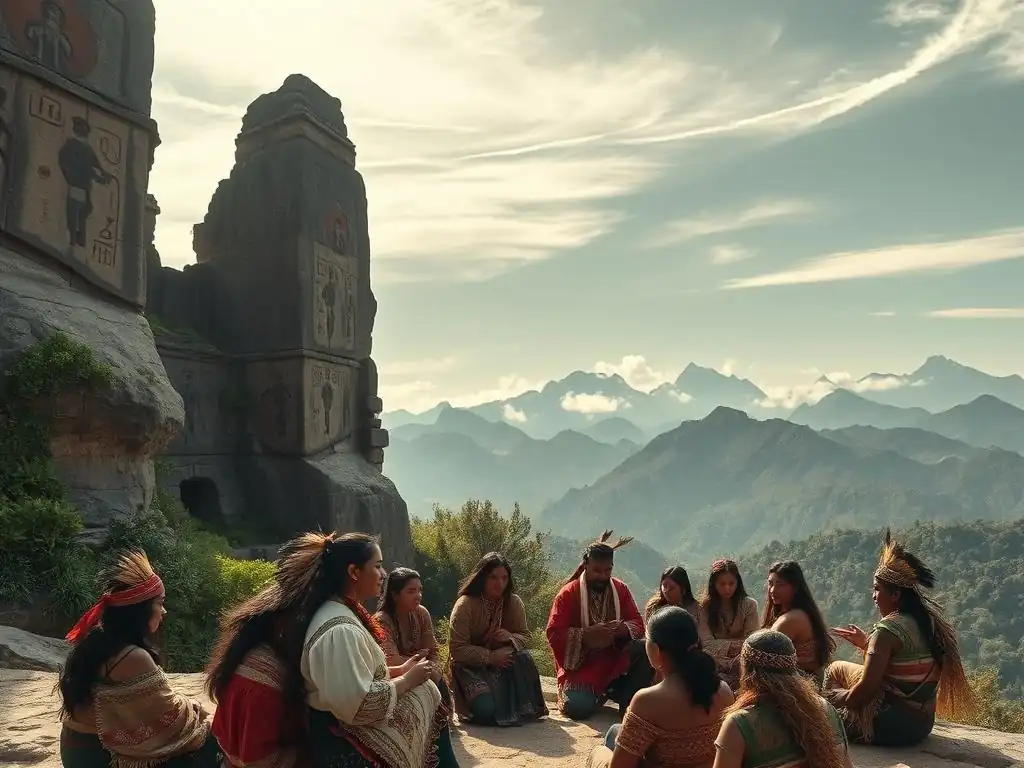
North America's Indigenous heritage sites are not just remnants of the past; they are vibrant storytellers of the cultures, traditions, and histories that shaped the continent long before European contact. Each site holds a unique narrative that reflects the ancient traditions and values of Indigenous peoples, providing insight into their sophisticated societal structures, spiritual beliefs, and environmental stewardship practices.
Ancient Traditions and Their Modern Relevance
The traditions of Indigenous peoples in North America are deeply rooted in their connection to the land, community, and spirituality. These traditions, many of which have been preserved through oral history, art, and rituals, continue to influence contemporary Indigenous cultures.
- Connection to Nature: Indigenous groups often view themselves as stewards of the land. For instance, the Haudenosaunee, also known as the Iroquois Confederacy, practice sustainable agriculture and forestry based on centuries-old knowledge of the ecosystem. Their teachings emphasize the importance of balance and reciprocity with nature, a principle that resonates with modern environmental movements.
- Cultural Revitalization: Many Indigenous communities are actively engaged in revitalizing their languages and practices, which were suppressed during colonization. The revitalization efforts often include traditional ceremonies, storytelling, and crafts that celebrate their heritage. For example, the Navajo Nation incorporates traditional weaving and silversmithing into educational programs, ensuring that younger generations remain connected to their roots.
- Ceremonial Sites: Locations such as Chaco Canyon in New Mexico and Cahokia Mounds in Illinois are not just archaeological wonders; they are sacred spaces where ceremonies and gatherings occurred. These sites continue to hold spiritual significance for many Indigenous peoples today, serving as reminders of their ancestors' legacies and cultural practices.
The ongoing relevance of these ancient traditions illustrates the resilience of Indigenous cultures and their ability to adapt while maintaining their core values.
Notable Archaeological Discoveries and Their Impact
Archaeological discoveries across North America have unveiled the rich tapestry of Indigenous histories and cultures, often challenging preconceived notions about their societies. Here are some notable sites and findings:
| Site | Location | Significance |
|---|---|---|
| Cahokia Mounds | Illinois | Once the largest city in pre-Columbian North America, notable for its earthen mounds and complex society. |
| Mesa Verde | Colorado | Renowned for its cliff dwellings, reflecting advanced architectural skills and social organization. |
| Serpent Mound | Ohio | A prehistoric effigy mound, showcasing the artistic and ceremonial practices of Indigenous peoples. |
| Chaco Canyon | New Mexico | A major center for culture and commerce, featuring intricate architectural designs and a sophisticated road system. |
These discoveries have significant implications for our understanding of Indigenous cultures:
- Reassessing Historical Narratives: Archaeological findings often reveal intricate trade networks, sophisticated political systems, and advanced agricultural practices, prompting historians to reevaluate the complexity of Indigenous societies.
- Cultural Heritage: The preservation of these sites is crucial not only for historical accuracy but also for cultural continuity. Many Indigenous groups advocate for the protection of their heritage, emphasizing the importance of these sites as living parts of their identity.
- Tourism and Education: Heritage tourism centered around these archaeological sites provides an opportunity for education and cultural exchange. Visitors gain insights into the rich histories of Indigenous peoples, fostering respect and understanding.
The exploration of North America's Indigenous heritage sites is a profound journey through time, revealing the stories, traditions, and achievements of Indigenous cultures that continue to influence modern society. These sites serve as vital links between the past and present, encouraging ongoing dialogue about cultural preservation and respect for Indigenous knowledge.
Visitor Tips for Exploring Indigenous Heritage Sites
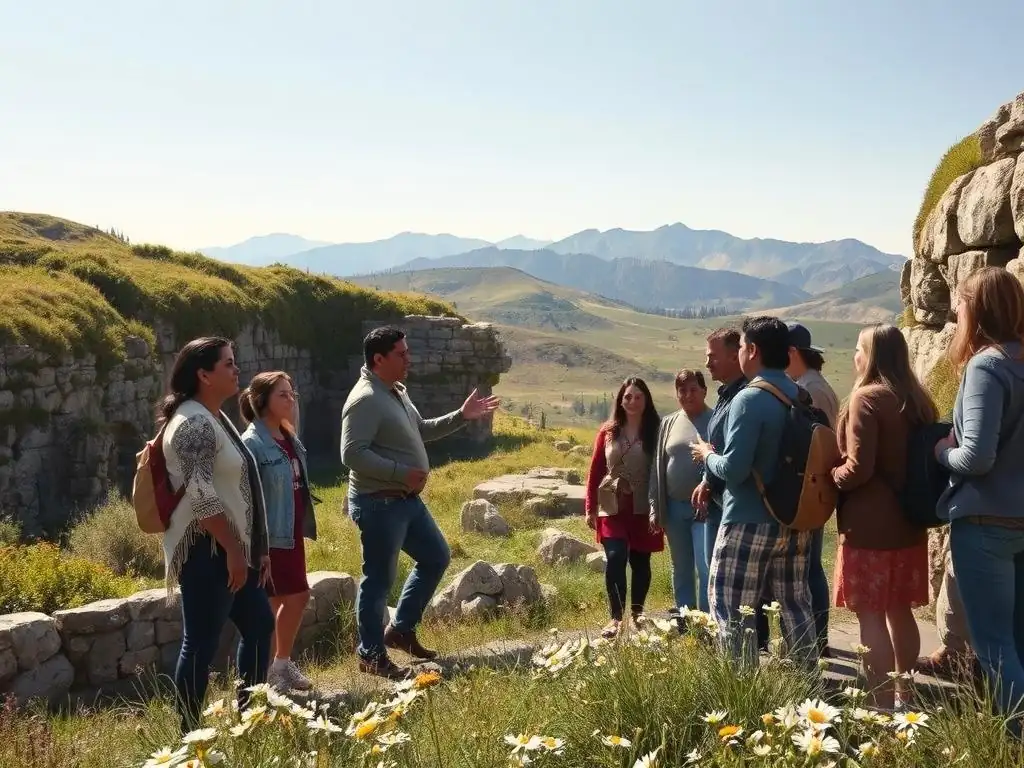
Best Practices for Respectful Engagement
When exploring North America's Indigenous heritage sites, it is crucial to approach these locations with respect and understanding. Here are some best practices to ensure that your visit is both respectful and enriching:
- Educate Yourself: Prior to visiting, take time to learn about the specific Indigenous culture associated with the site. Understanding their history, traditions, and values can enhance your appreciation of the site and its significance.
- Follow Guidelines: Many heritage sites have specific rules and guidelines to protect the site and its cultural significance. Always adhere to posted signs and follow the instructions of guides.
- Ask Questions: If you have the opportunity to speak with Indigenous guides or community members, don't hesitate to ask questions. Engaging in respectful dialogue can provide deeper insights into their culture and history.
- Practice Mindfulness: Be aware of your surroundings and the cultural significance of what you are witnessing. Avoid loud noises, disruptive behavior, or actions that may be deemed disrespectful.
- Support Indigenous Businesses: When possible, choose to purchase from Indigenous-owned shops or participate in experiences led by Indigenous peoples. This supports the local economy and helps sustain cultural practices.
Recommended Guided Tours and Experiences
Participating in guided tours can significantly enhance your understanding of Indigenous heritage sites. Here are some recommended experiences that focus on authentic engagement with Indigenous cultures:
- Cultural Immersion Tours: These tours often include workshops in traditional crafts, cooking, and storytelling, providing hands-on experiences that deepen your connection with Indigenous heritage.
- Historical Site Tours: Led by knowledgeable Indigenous guides, these tours offer insights into the historical and spiritual significance of various sites, ensuring a rich learning experience.
- Nature-Based Experiences: Explore the natural landscapes that Indigenous peoples have lived in for centuries. These tours often highlight traditional uses of plants, animals, and land, linking culture with ecology.
Top Tour Companies to Consider
When looking for reputable tour companies that specialize in Indigenous heritage sites, consider the following options:
| Tour Company Name | Specialty | Location |
|---|---|---|
| Indigenous Tours | Cultural immersion and storytelling experiences | Various locations across the U.S. |
| Heritage Expeditions | Historical site tours with Indigenous guides | North American heritage sites |
| Eco-Cultural Adventures | Nature-based experiences focusing on land stewardship | Multiple Indigenous territories |
Essential Gear for Heritage Site Exploration
To ensure a comfortable and safe visit to North America's Indigenous heritage sites, consider packing the following essential gear:
- Comfortable Footwear: Sturdy hiking boots or shoes are important for exploring uneven terrain.
- Weather-Appropriate Clothing: Layered clothing can help you adapt to changing weather conditions. Be prepared for sun, rain, and wind.
- Water and Snacks: Staying hydrated and energized is essential, especially during longer excursions.
- Respectful Camera Use: If photography is permitted, use discretion and respect cultural protocols regarding what can be photographed.
- Notebooks and Pens: Documenting your thoughts and observations can enhance your understanding and appreciation of your experiences.
By following these tips and recommendations, visitors can engage deeply with North America's Indigenous heritage sites while honoring the cultures and traditions they represent.
How to Plan Your Journey Through Indigenous Heritage Sites
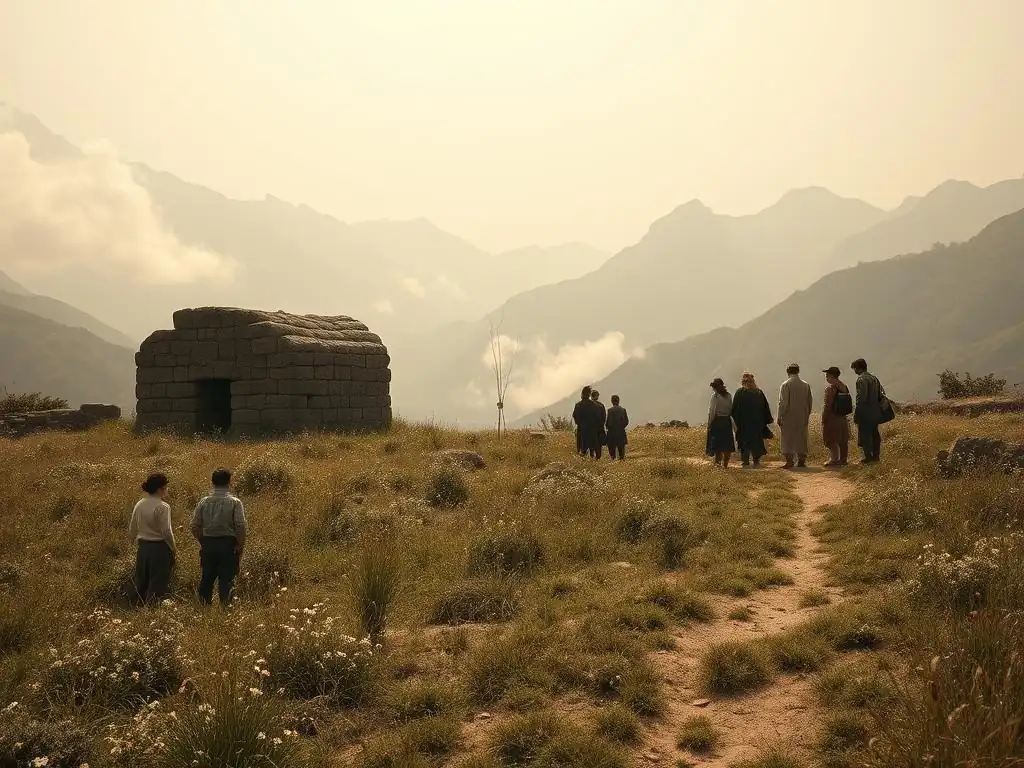
Creating an Itinerary for an Indigenous Heritage Road Trip
Planning an itinerary for an Indigenous heritage road trip can be an enriching experience that allows you to deeply engage with the cultural and historical significance of North America's Indigenous heritage sites. Here are some key steps to help you create a meaningful journey:
- Research Heritage Sites: Begin by identifying the Indigenous heritage sites you want to visit. Notable sites include:
- Mesa Verde National Park (Colorado): Known for its cliff dwellings and ancestral Puebloan history.
- Chaco Culture National Historical Park (New Mexico): A major center of Ancestral Puebloan culture with significant archaeological findings.
- Cahokia Mounds (Illinois): The largest pre-Columbian settlement north of Mexico, showcasing the Mississippian culture.
- Map Your Route: Utilize mapping tools to chart a course that connects various heritage sites. Consider the driving distances and time between locations, aiming to balance travel with exploration.
- Plan Activities: At each site, research the available activities, such as guided tours, workshops, and cultural events. Engaging with local Indigenous communities can provide insights into their traditions and histories.
- Time Allocation: Allocate ample time at each site, allowing for exploration, reflection, and participation in cultural activities. A minimum of one full day at each major site is recommended.
- Flexibility: Build in flexibility in your itinerary to accommodate spontaneous discoveries and local events. This adaptability can enhance your experience.
Budgeting for Your Cultural Journey: Costs to Consider
Budgeting is a critical aspect of planning your journey through North America's Indigenous heritage sites. Below are essential cost considerations to help you formulate your budget:
-
Transportation Costs:
- Fuel: Calculate estimated fuel costs based on your vehicle's mileage and current gas prices.
- Rental Vehicles: If renting a vehicle, consider the rental fees, insurance, and any additional charges.
-
Entrance Fees: Many heritage sites charge entrance fees. Research the costs and any available discounts, such as national park passes.
-
Accommodations: Depending on your route, accommodations can range from camping to hotels. Average costs include:
Accommodation Type Average Cost per Night Campgrounds $15 - $40 Budget Hotels $70 - $150 Mid-range Hotels $150 - $250 -
Food and Dining: Estimate daily food costs. Consider local dining options that reflect Indigenous cuisine, which can enhance your cultural experience.
-
Cultural Activity Fees: Some sites may offer workshops or guided tours for a fee. Budget for these experiences to enrich your understanding of Indigenous cultures.
-
Souvenirs and Donations: Plan for any purchases or donations to local Indigenous organizations that support cultural preservation.
Resources for Finding Accommodations and Dining Options
Finding suitable accommodations and dining options is essential for a comfortable and culturally enriching journey through Indigenous heritage sites. Here are some resources to consider:
- Online Travel Platforms: Websites like Airbnb and Booking.com provide a range of accommodations, from unique stays in Indigenous-owned lodges to traditional hotels.
- Local Visitor Centers: Upon arrival at each heritage site, stop by local visitor centers for recommendations on nearby accommodations and restaurants that reflect Indigenous culinary traditions.
- Indigenous Tourism Websites: Many Indigenous communities have dedicated tourism websites that list lodging and dining options, often operated by local businesses. Examples include:
- Native American Tourism of Wisconsin
- Indian Country Today
- Social Media Groups: Join travel groups and forums focused on Indigenous tourism. Such communities can offer firsthand recommendations and insights into local dining and lodging options.
- Travel Guides and Books: Books focused on Indigenous tourism can provide curated lists of accommodations and restaurants, along with cultural context.
By planning your journey thoughtfully, you can ensure a fulfilling exploration of North America's Indigenous heritage sites, gaining deeper insights into the cultures and histories that have shaped these remarkable places.
Conclusion: Embracing North America's Indigenous Heritage
The Lasting Impact of Indigenous Cultures on Contemporary Society
North America's Indigenous heritage sites are not only remnants of the past but also powerful symbols of the enduring legacy of Indigenous cultures. These sites, ranging from ancient cliff dwellings to elaborate mound complexes, provide critical insights into the social structures, spiritual beliefs, and artistic expressions of Indigenous peoples. The impact of these cultures can be observed in various facets of modern society.
- Cultural Resilience: Indigenous communities have demonstrated remarkable resilience in preserving their languages, traditions, and cultural practices despite centuries of colonization. Today, many tribes actively engage in cultural revitalization efforts, teaching younger generations about their heritage through storytelling, dance, and art. This resurgence contributes to a broader understanding and appreciation of Indigenous history within contemporary society.
- Environmental Stewardship: Traditional Indigenous knowledge plays a pivotal role in contemporary environmental practices. Many Indigenous cultures have long understood the importance of sustainable living and have employed sophisticated agricultural techniques that promote biodiversity. As climate change poses challenges globally, Indigenous perspectives on land management are increasingly recognized for their efficacy in promoting ecological balance.
- Art and Expression: The artistic expressions of Indigenous cultures continue to inspire and influence modern art forms. From traditional pottery and weaving to contemporary visual arts and performances, Indigenous artists are making significant contributions to the cultural landscape. Their works often address themes of identity, colonization, and social justice, fostering dialogue and awareness among diverse audiences.
- Policy and Activism: The recognition of Indigenous rights has gained momentum in recent years, leading to policy changes that uphold the sovereignty and self-determination of Indigenous peoples. Activism centered around land rights, cultural preservation, and social equity has become a vital force in advocating for justice and equality. This ongoing struggle highlights the foundational role Indigenous cultures play in shaping contemporary social movements.
Through these lenses, it is evident that the influence of Indigenous cultures extends far beyond historical confines, enriching modern society and emphasizing the importance of their heritage in shaping our collective future.
Encouraging Responsible Tourism and Cultural Respect
As interest in North America's Indigenous heritage sites grows, so does the need for responsible tourism practices that honor and respect the cultures associated with these locations. Tourists seeking to explore these sites must approach their journeys with sensitivity and an understanding of the cultural significance of what they are experiencing. Here are several key principles to consider:
- Education First: Before visiting a heritage site, tourists should engage in self-education about the Indigenous communities connected to the site. Understanding their histories, traditions, and contemporary issues fosters deeper connections and appreciation for the culture.
- Support Indigenous-Owned Businesses: Whenever possible, travelers should prioritize local Indigenous businesses, whether it be through guided tours led by Indigenous peoples, purchasing handmade crafts, or dining at Indigenous-owned restaurants. This not only supports the community economically but also enriches the visitor experience.
- Respect Cultural Protocols: Each Indigenous community has its own set of values, customs, and protocols. Tourists should be mindful of these practices, which may include restrictions on photography, participation in rituals, or accessing certain areas. Engaging respectfully enhances the authenticity of the visit and honors the cultural significance of the site.
- Leave No Trace: Sustainable tourism practices are essential to preserving the integrity of heritage sites. Visitors should adhere to "leave no trace" principles by minimizing their environmental impact, disposing of waste properly, and respecting wildlife habitats.
- Advocacy and Awareness: Tourists have the power to amplify Indigenous voices and raise awareness about the challenges faced by these communities. Sharing experiences on social media and supporting Indigenous-led initiatives can help educate others and promote cultural respect.
By embracing responsible tourism, visitors can contribute positively to the preservation of North America's Indigenous heritage sites while fostering meaningful connections with the cultures that have thrived for millennia. This collaborative approach ensures that the legacy and wisdom of Indigenous peoples continue to resonate in the modern world.
Frequently Asked Questions
What are North America's Indigenous heritage sites?
North America's Indigenous heritage sites are locations that hold significant cultural, historical, and spiritual importance to Indigenous peoples, showcasing their achievements and societal structures before European colonization.
Why are these heritage sites important to Indigenous cultures?
These sites are vital as they represent the historical legacy and cultural practices of Indigenous communities, allowing for the preservation and celebration of their rich histories and contributions to the continent.
How can visitors support the preservation of Indigenous heritage sites?
Visitors can support preservation by engaging in responsible tourism, respecting site rules, and contributing to local Indigenous organizations that work towards maintaining and protecting these important cultural landmarks.
What can we learn from exploring these heritage sites?
Exploring these sites offers valuable insights into the diverse cultures, traditions, and sophisticated societies of Indigenous peoples, highlighting their resilience and ongoing influence in contemporary society.
Are there any specific examples of notable Indigenous heritage sites in North America?
Yes, examples include Mesa Verde National Park in Colorado, which showcases cliff dwellings, and Chaco Culture National Historical Park in New Mexico, known for its impressive ancient architecture and astronomical alignments.
Final Reflection: Embracing the Legacy of North America's Indigenous Heritage Sites
The exploration of North America's Indigenous heritage sites is not merely a journey through history; it is a profound reminder of the resilience and richness of Indigenous cultures that continue to shape our present. As we delve into these ancient ruins, we uncover stories that have been woven into the fabric of our continent, highlighting the importance of preserving these sites for future generations. The significance of understanding and respecting Indigenous heritage is more relevant today than ever, as we strive to foster a deeper connection with the land and its original stewards.
The influence of Indigenous heritage sites extends far beyond their physical presence; they serve as powerful symbols of cultural identity and continuity. These sites invite us to reflect on the wisdom and traditions that have endured through centuries, reminding us of the importance of honoring the past while advocating for the rights and recognition of Indigenous peoples today. As the renowned Indigenous activist Winona LaDuke once said, The future will be about the land and the people who live on it.
This sentiment underscores the ongoing relevance of Indigenous heritage in shaping our collective future.
As you reflect on the journey through North America's Indigenous heritage sites, I invite you to consider how these lessons can inspire your own life. Take the time to engage with and learn from Indigenous cultures, support preservation efforts, and advocate for the rights of Indigenous communities. By doing so, you not only honor the past but also contribute to a more inclusive and respectful future. Let us carry forward the stories of these ancient ruins, ensuring that they continue to resonate and inspire generations to come.
Unveil the Wonders of Indigenous Heritage Today!
Thank you for joining us on this enlightening journey through North America's rich Indigenous heritage. We hope you feel inspired to dive deeper into these ancient stories and explore the incredible sites waiting to be discovered. Now, let’s turn that inspiration into action!
- Plan your visit to a local Indigenous heritage site and immerse yourself in its rich history and vibrant culture.
- Share your experiences with friends or on social media to raise awareness about the significance of preserving these important sites.
- Join a community group or online forum dedicated to Indigenous history; you may uncover hidden treasures and stories shared by others passionate about this heritage.
What aspect of Indigenous heritage has sparked your curiosity the most, and how will you incorporate it into your personal journey?