
Art as Resistance: Mesoamerican Visual Culture in the Face of Colonization

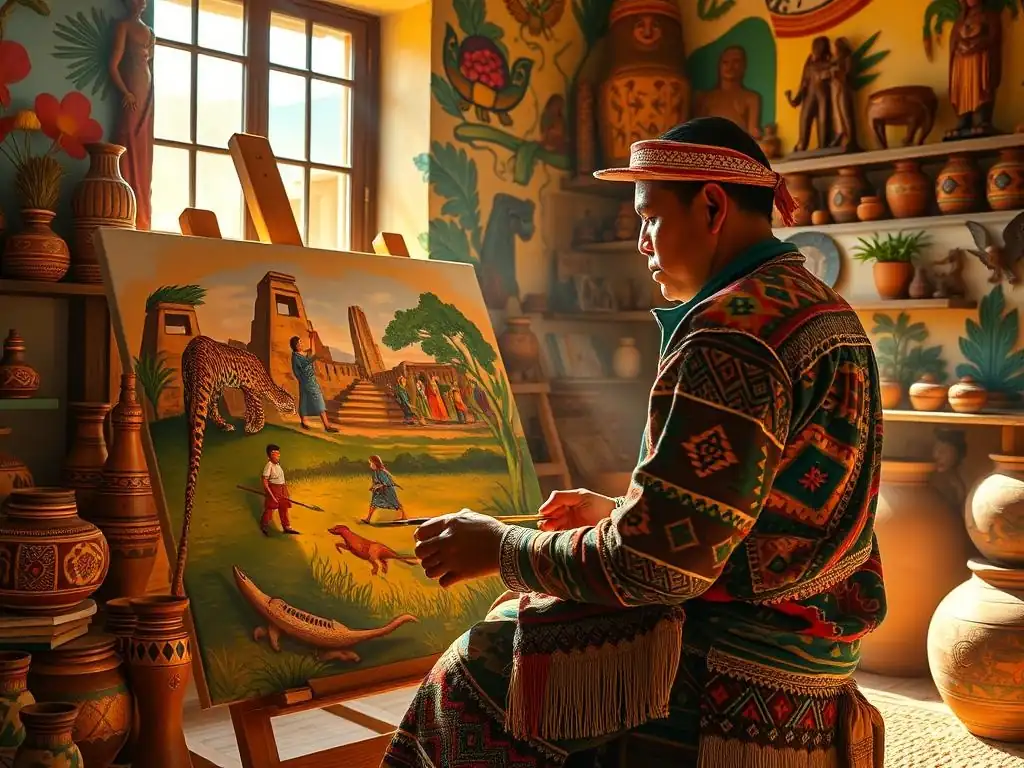
Welcome to Indigenous Civilizations of the Americas, where we embark on a fascinating journey through the rich tapestry of cultures that flourished long before European contact. Here, we delve into the profound achievements and enduring legacies of indigenous societies, shining a light on their vibrant histories. In our featured article, “Art as Resistance: Mesoamerican Visual Culture in the Face of Colonization,” we explore the powerful role of Mesoamerican art and resistance as a form of cultural survival and assertion.
Prepare to uncover the stories behind the art that not only expressed identity but also stood resilient against the tides of colonization. Join us as we celebrate these remarkable civilizations and their indomitable spirit!
Introduction to Mesoamerican Art and Resistance
Art has always served as a powerful medium of expression, storytelling, and cultural identity. In the context of Mesoamerican civilizations, particularly before European colonization, visual culture was intricately woven into the fabric of daily life, spirituality, and resistance.
The Mesoamerican art and resistance narrative is not merely about aesthetic appreciation; it encapsulates a deeper struggle against oppression, the preservation of identity, and the assertion of cultural heritage amidst the waves of colonization that sought to erase these rich traditions. This article explores how the visual culture of Mesoamerica manifested as a form of resistance, allowing indigenous communities to articulate their experiences, beliefs, and resilience during a tumultuous period in history.
The Role of Art in Indigenous Cultures
The role of art in indigenous cultures, especially in Mesoamerica, cannot be overstated. Art was not only a means of beautification but also a vital tool for communication and ritual.
- Cultural Identity: Art served to reinforce community bonds and cultural identity, depicting myths, deities, and historical narratives that were central to indigenous peoples' worldview.
- Spiritual Significance: Many art forms were imbued with spiritual significance, used in rituals to honor gods and ancestors, thus connecting the people to their past and maintaining a sense of continuity.
- Social Commentary: Art also acted as a medium for social commentary, allowing artists to reflect on societal issues, including resistance to foreign influence and the preservation of traditional customs.
Through these various functions, art became a critical vehicle for resistance, enabling indigenous peoples to assert their identities even in the face of colonial pressures.
Overview of Colonization's Impact on Mesoamerican Societies
The arrival of Europeans in the 16th century drastically altered the landscape of Mesoamerican societies. Colonization brought about profound changes that disrupted social structures, economies, and cultural practices.
- Cultural Suppression: Indigenous art forms were often viewed as pagan and were suppressed or altered to fit European ideals. This suppression led to the loss of many traditional practices.
- Forced Assimilation: The colonial agenda sought to assimilate indigenous peoples into European culture, leading to the erosion of languages, beliefs, and artistic expressions.
- Adaptation and Resistance: Despite these challenges, many Mesoamerican artists adapted their techniques and themes, blending traditional elements with European styles to create new forms of expression that conveyed their resistance and resilience.
The impact of colonization was not solely destructive; it also prompted a dynamic interplay between indigenous and European cultures, leading to unique artistic expressions that reflected a dual identity.
Historical Context of Mesoamerican Art
Understanding the historical context of Mesoamerican art is crucial for appreciating its role as a form of resistance. The art produced by these civilizations was deeply rooted in their social, political, and spiritual lives.
Pre-Colonial Mesoamerican Art Forms
Prior to European contact, Mesoamerican societies, such as the Maya, Aztec, and Olmec, developed rich artistic traditions characterized by:
- Sculpture and Pottery: Intricate sculptures and pottery often depicted deities, ceremonial scenes, and daily life, showcasing a sophisticated understanding of form and function.
- Codices: Illustrated manuscripts, or codices, contained glyphs and images that recorded history, astronomy, and mythology, serving as vital historical documents.
- Architecture: Monumental architecture, such as pyramids and temples, was adorned with elaborate carvings and murals, reflecting the societies' religious beliefs and social hierarchies.
These art forms not only served aesthetic purposes but also played essential roles in religious practices and communal identity.
The Influence of European Colonization on Artistic Expression
The arrival of Europeans introduced significant changes to Mesoamerican art, leading to a complex fusion of styles and themes.
- Hybrid Art Forms: As indigenous artists encountered European techniques and materials, they began to incorporate these elements into their work, resulting in hybrid art forms that expressed both resistance and adaptation.
- Religious Syncretism: The blending of indigenous beliefs with Catholicism led to unique religious art that reflected the ongoing struggle to maintain cultural identity in the face of forced conversion.
- Political Commentary: Many artists used their work to address the social injustices faced by their communities, creating pieces that critiqued colonial rule and celebrated indigenous resilience.
Through this evolution, Mesoamerican art not only preserved cultural heritage but also emerged as a potent form of resistance against colonization, capturing the spirit of a people determined to maintain their identity amidst adversity.
Mesoamerican Visual Culture as a Form of Resistance
Mesoamerican visual culture emerged as a powerful vehicle for expressing resistance against colonial oppression. As European powers sought to impose their ideologies and aesthetics, Indigenous artists maintained and adapted their traditional practices to assert their identities and cultural heritage. This artistic resilience not only preserved ancient traditions but also served as a form of protest, communicating messages of defiance and resilience through symbolism and technique.
Art became a means to document the harsh realities of colonization while celebrating the richness of Mesoamerican cultures. From murals to pottery, artists infused their work with themes and symbols that reflected their struggles, aspirations, and connections to their ancestral lands. This creative expression allowed for the preservation of indigenous narratives, fostering a sense of solidarity and cultural pride among communities facing erasure.
Defining Resistance in the Context of Art
In the context of Mesoamerican art, resistance can be understood as both a reaction to colonial domination and a proactive assertion of cultural identity. It encompasses a range of artistic expressions that challenge, critique, or subvert colonial narratives and practices. This resistance manifests in various forms, including:
- Symbolic Representation: Use of traditional motifs and iconography that represent Indigenous beliefs and histories.
- Cultural Reclamation: The revival of pre-colonial techniques and materials, asserting the importance of indigenous craftsmanship.
- Political Commentary: Artworks that explicitly critique colonial authorities, depicting the struggles and injustices faced by Indigenous peoples.
Through these expressions, Mesoamerican artists have not only preserved their cultural identity but also created a narrative that resists the dominant colonial discourse.
How Mesoamerican Artists Responded to Colonization
Mesoamerican artists employed a variety of strategies to respond to colonization, demonstrating resilience and adaptability in their work. These strategies included:
- Adapting Traditional Techniques: Artists incorporated European styles and materials while infusing them with indigenous themes, creating a fusion that retained cultural significance.
- Creating New Forms of Expression: The introduction of new mediums, such as oil painting and printmaking, allowed artists to explore and critique contemporary issues while drawing on traditional motifs.
- Engaging with Local Communities: Artists often collaborated with local communities to ensure that their work resonated with the lived experiences and struggles of Indigenous peoples, fostering a collective sense of resistance.
This dynamic interplay between tradition and innovation enabled Mesoamerican artists to assert their identities and challenge the colonial narrative through their visual culture.
Key Artistic Movements and Their Resistance Strategies
Various artistic movements within Mesoamerica have played a significant role in articulating resistance against colonization. These movements reflect the evolving nature of Indigenous identity and the quest for cultural survival amidst oppression.
The Role of Iconography in Mesoamerican Art and Resistance
Iconography in Mesoamerican art serves as a vital tool for communicating resistance. Artists utilized familiar symbols and motifs to convey messages of defiance, identity, and strength. Key aspects of iconography include:
- Mythological References: Incorporating deities and mythological narratives that resonate with Indigenous cosmologies, reaffirming cultural beliefs and values.
- Historical Contextualization: Utilizing imagery that reflects historical struggles and victories, connecting contemporary resistance to ancestral legacies.
- Symbolic Colors and Forms: Employing specific colors and shapes that carry cultural significance, reinforcing messages of resilience and unity.
Through these symbolic layers, Mesoamerican artists crafted a visual language that transcended colonial impositions, allowing them to communicate their experiences and aspirations effectively.
Case Studies of Notable Mesoamerican Artists
Several notable Mesoamerican artists exemplify the use of visual culture as a form of resistance. Their works not only reflect individual creativity but also embody broader cultural movements. Some key figures include:
- Rufino Tamayo: A Zapotec artist whose work combined traditional Mexican themes with modernist techniques, often addressing social issues and cultural identity through vibrant colors and forms.
- Frida Kahlo: Although more prominently associated with the 20th century, her work reflects Indigenous heritage and critiques colonial narratives, using personal symbolism to express collective identity.
- Diego Rivera: Known for his murals, Rivera incorporated pre-Hispanic themes and social commentary, celebrating Indigenous history while advocating for social justice.
These artists have left a lasting impact on the visual culture of Mesoamerica, illustrating how art can serve as a powerful medium for resistance and cultural affirmation.
The Evolution of Mesoamerican Art Post-Colonization
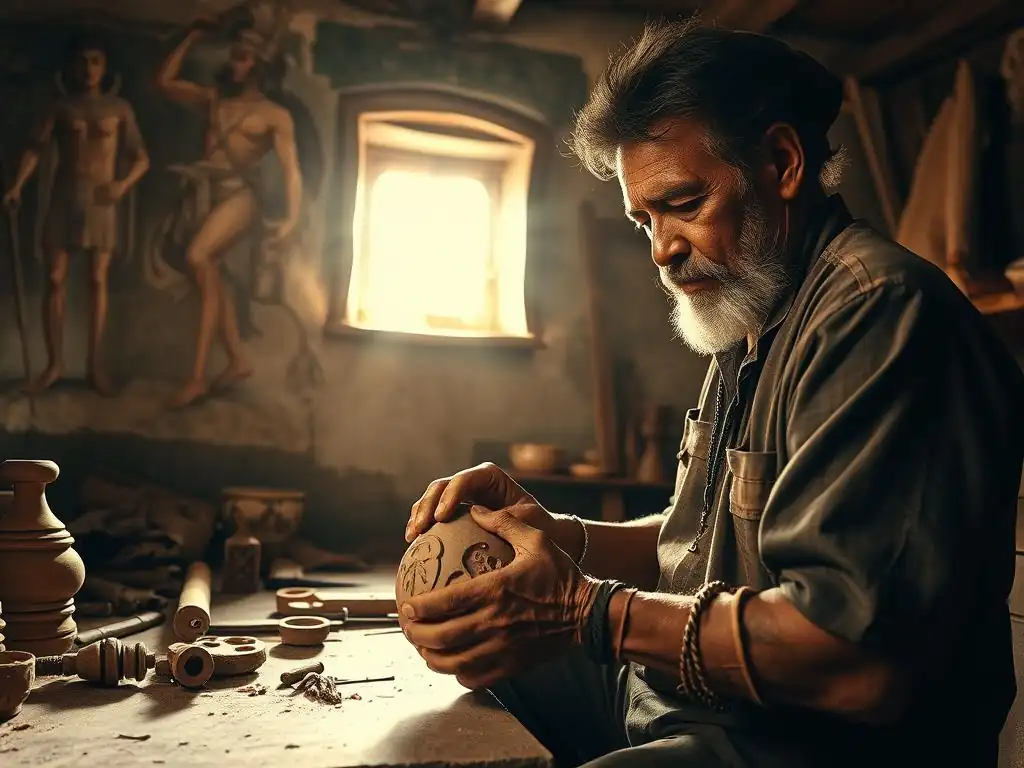
Mesoamerican art underwent significant transformations following the arrival of European colonizers in the 16th century. The initial shock of colonization disrupted traditional artistic practices, as indigenous artisans faced new cultural influences and political pressures. However, this period also marked a fascinating evolution in artistic expression, as indigenous artists began to blend traditional techniques and motifs with European styles and materials. This hybridization resulted in a unique art form that served both as a means of resistance and a way to adapt to a rapidly changing environment.
During the colonial era, many indigenous artists were compelled to create works that conformed to European tastes, often producing religious artworks for churches and missions. Despite this, they infused their creations with elements of their cultural heritage. The use of bright colors, symbolic imagery, and traditional themes remained prominent, serving as a subtle form of resistance against the dominant European narrative. This period saw the emergence of "mestizo" art, which reflected both indigenous and European influences, illustrating the complexities of identity in a colonized society.
As the colonial period progressed, the art produced by indigenous communities began to serve as a vital means of preserving cultural identity. Artists produced works that celebrated their heritage, using art as a platform to convey their histories, beliefs, and social commentary. This ongoing evolution highlights how Mesoamerican art has adapted while remaining a crucial vessel for cultural expression and resistance.
Transformations in Techniques and Styles
The colonization of Mesoamerica brought about significant changes in artistic techniques and styles. Indigenous artists were introduced to new materials, such as oil paints and canvas, which allowed for different methods of expression. European artistic conventions, including perspective and realism, influenced the way indigenous subjects were depicted. However, many artists retained their traditional techniques, such as the use of natural pigments and textile weaving, merging these with new styles to create a distinctive art form.
For instance, the incorporation of European religious themes into traditional motifs became common. Artists began to paint scenes that fused Catholic iconography with indigenous symbols, creating a dialogue between two worlds. This blending not only represented a physical manifestation of resistance but also served to communicate the ongoing presence of indigenous beliefs despite European domination.
The adaptation of techniques also reflected the socio-political landscape of the time. In urban centers, artists trained in European styles began to gain prominence, while rural artisans continued to uphold traditional methods. This duality in artistic practices showcases the resilience of Mesoamerican art, as it transformed under colonial influence while simultaneously preserving core aspects of indigenous culture.
Preservation of Indigenous Identity Through Art
Art has always played an essential role in the expression of cultural identity, and in the face of colonization, Mesoamerican artists used their work to preserve and assert their heritage. Through various forms of visual culture, including pottery, textiles, and mural painting, indigenous peoples communicated their histories, spiritual beliefs, and social structures, ensuring that these elements remained vital even in a colonial context.
In many cases, the art created during and after colonization served as a form of documentation, capturing the struggles and resilience of indigenous communities. For example, the vibrant murals in Oaxaca depict pre-colonial life, blending past and present narratives, and allowing future generations to connect with their ancestry. These artistic expressions not only assert indigenous identity but also challenge the historical narratives imposed by colonizers.
Moreover, the preservation of traditional art forms has been crucial for the revitalization of cultural practices among modern indigenous communities. Many contemporary artists draw upon ancestral techniques and themes, utilizing their work as a means of cultural reclamation. This ongoing relationship between art and identity underscores the significance of Mesoamerican visual culture as a living testament to resistance and resilience.
Contemporary Mesoamerican Art as a Continuation of Resistance
Contemporary Mesoamerican art continues to serve as a powerful form of resistance against the historical and ongoing marginalization of indigenous cultures. Today’s artists draw inspiration from the rich tapestry of their heritage while addressing contemporary social and political issues. This resurgence of indigenous art is not merely a revival of past traditions but a dynamic dialogue that critiques colonial legacies and asserts indigenous rights.
Many modern artists utilize mixed media, performance art, and installations to convey their messages, often addressing themes such as identity, land rights, and environmental justice. Through their work, they challenge stereotypes and advocate for the recognition of indigenous voices in the broader cultural landscape. This movement highlights the role of art as a form of activism, where the act of creation itself becomes a political statement.
The Influence of Traditional Art in Modern Practices
The influence of traditional Mesoamerican art is evident in the works of contemporary artists who incorporate ancestral techniques and imagery into their practices. These artists often engage with traditional materials and methods, such as weaving, pottery, and mural painting, while infusing their work with modern themes and concepts.
For example, many contemporary textile artists create works that reflect traditional designs, yet they explore contemporary social issues, such as migration and identity. This blending of old and new not only honors the legacy of indigenous craftsmanship but also allows for the evolution of cultural expression in a modern context.
Moreover, the revival of traditional art forms in contemporary settings serves to educate broader audiences about Mesoamerican culture, fostering greater appreciation and understanding. By bridging the gap between past and present, these artists reinforce the idea that indigenous culture is not static but continuously evolving.
Current Artists and Movements Upholding Mesoamerican Heritage
A new generation of artists is emerging, committed to upholding and promoting Mesoamerican heritage through their creative practices. These artists often collaborate with indigenous communities to ensure their work reflects authentic cultural expressions and addresses pressing social issues.
Notable contemporary artists, such as Arturo Herrera and Tamara Santibañez, utilize their platforms to bring attention to indigenous rights and the importance of cultural preservation. Their works often incorporate traditional motifs, reinterpreted in a modern context, allowing for a dialogue between generations.
Art movements, such as Mestiza and Indigenous Modernism, have gained traction, providing spaces for artists to share their work and advocate for indigenous rights. These movements emphasize the importance of cultural identity and resistance, showcasing the rich diversity of Mesoamerican art as it continues to evolve.
The landscape of Mesoamerican art reflects a powerful narrative of resistance and resilience, illustrating how artistic expression serves as a vital means of preserving cultural identity in the face of colonization and continuing challenges. Through the exploration of traditional techniques and contemporary practices, artists contribute to a rich tapestry that honors their heritage while addressing the complexities of modern life.
Conclusion: The Lasting Legacy of Mesoamerican Art and Resistance
The artistic expressions of Mesoamerican civilizations serve as a powerful testament to the resilience and adaptability of indigenous cultures in the face of colonization. Throughout history, Mesoamerican art has not only been a medium for aesthetic expression but also a vehicle for cultural identity, political commentary, and resistance against oppressive forces. The intricate carvings, vibrant murals, and symbolic artifacts created by indigenous artists encapsulate a rich narrative of survival and defiance, reflecting the struggles and triumphs of their communities.
As we look back on the historical context of Mesoamerican art, it becomes evident that these visual forms continue to influence contemporary indigenous identities. The legacy of resistance embedded within these artworks fosters a sense of pride and continuity among modern Mesoamerican communities, encouraging them to reclaim their narratives and assert their cultural heritage in a world that often overlooks or marginalizes indigenous voices.
Summarizing the Importance of Visual Culture in Indigenous Identity
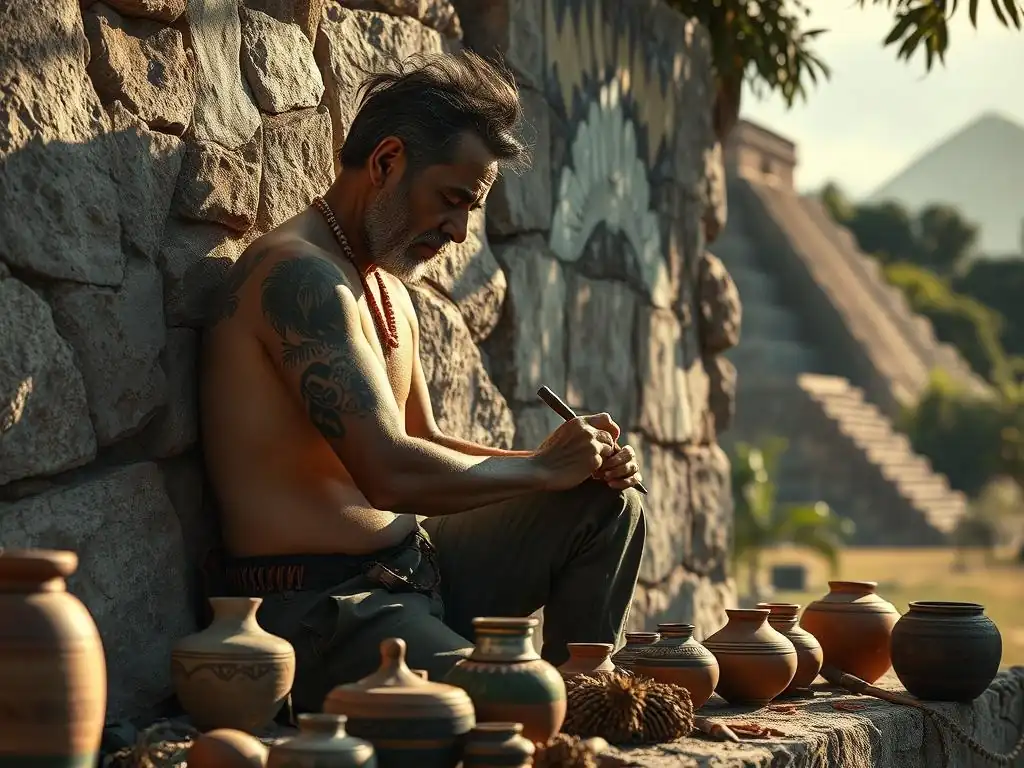
Visual culture plays a critical role in shaping and preserving indigenous identity among Mesoamerican peoples. Through the lens of art, we can observe how traditional practices and beliefs are interwoven with contemporary expressions, providing a sense of continuity that is vital for cultural resilience. The use of symbols, colors, and themes in Mesoamerican art not only conveys aesthetic beauty but also encapsulates spiritual beliefs, historical events, and social structures.
For many indigenous artists today, creating art is a form of activism. By drawing upon traditional techniques and themes, they assert their identity and challenge the dominant narratives imposed by colonial histories. This reclamation of visual culture serves as a powerful reminder of the strength and endurance of Mesoamerican societies, allowing them to assert their place in the modern world while honoring their ancestors and cultural lineage.
The Future of Mesoamerican Art in the Context of Globalization
The future of Mesoamerican art is shaped by the complexities of globalization, which presents both challenges and opportunities for indigenous artists. On one hand, the global art market can commodify cultural expressions, leading to potential misrepresentation or appropriation of indigenous art. On the other hand, globalization also provides a platform for indigenous voices to reach wider audiences, fostering appreciation and understanding of Mesoamerican cultures.
As indigenous artists navigate this landscape, they continue to innovate and redefine their practices, blending traditional elements with contemporary influences. This evolution not only enriches the artistic dialogue but also reinforces the importance of cultural heritage in a globalized world. By embracing new technologies and mediums, Mesoamerican artists can assert their identities while engaging with global art movements, ensuring that their narratives remain relevant and impactful.
References
Scholarly articles, books, and resources on Mesoamerican art and resistance
- "Art and Resistance in the American Indian Movement" by J. A. Bruchac.
- "Mesoamerican Art: A Cultural History": by J. M. N. Garcia.
- "The Role of Art in Indigenous Resistance" - Journal of Indigenous Studies, Vol. 12.
- "Visualizing Resistance: Mesoamerican Art After Colonization": by K. L. R. Smith.
- "Decolonizing Art: Mesoamerican Perspectives": - Contemporary Indigenous Arts Forum.
- Introduction to Mesoamerican Art and Resistance
- Historical Context of Mesoamerican Art
- Mesoamerican Visual Culture as a Form of Resistance
- Key Artistic Movements and Their Resistance Strategies
- The Evolution of Mesoamerican Art Post-Colonization
- Contemporary Mesoamerican Art as a Continuation of Resistance
- Conclusion: The Lasting Legacy of Mesoamerican Art and Resistance
- Summarizing the Importance of Visual Culture in Indigenous Identity
- The Future of Mesoamerican Art in the Context of Globalization
- References
- What is the main focus of the article "Art as Resistance: Mesoamerican Visual Culture in the Face of Colonization"?
- How did Mesoamerican cultures use art as a form of resistance?
- What are some key elements of Mesoamerican visual culture discussed in the article?
- Can you explain the lasting impact of Mesoamerican art on contemporary society?
- How does the article relate to the broader theme of indigenous civilizations?
Frequently Asked Questions
What is the main focus of the article "Art as Resistance: Mesoamerican Visual Culture in the Face of Colonization"?
The article explores how Mesoamerican art served as a form of resistance against European colonization, highlighting the cultural significance and innovative practices of indigenous artists.
How did Mesoamerican cultures use art as a form of resistance?
Art was utilized by Mesoamerican cultures to express identity, preserve traditions, and challenge colonial narratives, showcasing their resilience through creative expression.
What are some key elements of Mesoamerican visual culture discussed in the article?
The article discusses various art forms, including pottery, weaving, and mural painting, emphasizing their role in conveying historical narratives and cultural values amid colonization.
Can you explain the lasting impact of Mesoamerican art on contemporary society?
The legacy of Mesoamerican art continues to influence modern artistic expressions and cultural movements, inspiring a renewed appreciation for indigenous heritage and identity in today's world.
How does the article relate to the broader theme of indigenous civilizations?
It reflects on the diversity and achievements of indigenous civilizations, demonstrating how their artistic practices not only represent their history but also serve as a powerful tool for cultural survival.
Final Reflection: The Enduring Power of Mesoamerican Art as Resistance
Mesoamerican art and resistance have always been intertwined, reflecting the resilience of cultures that have faced colonization and oppression. Today, as we navigate a world still grappling with the legacies of colonialism, the significance of these artistic expressions resonates more than ever. They serve not only as a testament to the creativity and ingenuity of indigenous peoples but also as a powerful reminder of the ongoing struggle for cultural identity and autonomy. The art of Mesoamerica stands as a bold declaration: the spirit of resistance is alive and thriving.
Cultural expressions, such as Mesoamerican art, are not merely relics of the past; they are vibrant narratives that continue to shape our social landscape. The visual culture that emerged in response to colonization has influenced contemporary movements advocating for indigenous rights and cultural preservation. As we witness a resurgence of interest in these artistic forms, it becomes clear that they are not just historical artifacts but living legacies that inspire new generations. Art is the most beautiful of all lies.
This quote encapsulates the transformative power of art, allowing us to reimagine our realities and assert our identities in the face of adversity.
As you reflect on the themes of this article, I invite you to consider how you can engage with and support the ongoing narratives of resistance within Mesoamerican art. Take a moment to appreciate the stories told through these artworks and recognize your role in amplifying these voices.
Whether through education, advocacy, or personal exploration, each of us has the power to contribute to the preservation and celebration of these rich cultural expressions. Let us honor the past while actively participating in the future, ensuring that the legacy of Mesoamerican art as a form of resistance continues to inspire and empower.
Embrace Your Voice Through Art!
Thank you for exploring the powerful role of Mesoamerican visual culture as a form of resistance. By engaging with this article, you've uncovered the resilience and creativity embedded in art that challenges oppression. Now, it’s time to connect more deeply and take meaningful action!
Here are some ways you can engage with this rich heritage:
- Explore your creativity: Create a piece of art inspired by Mesoamerican themes. Whether through painting, drawing, or digital design, allow the stories of the past to influence your expression!
- Share your insights: Discuss this article with friends or on social media. Use your platform to raise awareness about Mesoamerican artists and their historical significance.
- Get involved: Attend a local art exhibition or workshop that focuses on Indigenous cultures. Engage with artists and communities to learn more about their contemporary narratives.
What artwork or artist inspires you to see the world in a new light? Share your thoughts in the comments below!