
Unraveling the Myths: Population Recovery Among Indigenous Communities

Welcome to Indigenous Civilizations of the Americas, where we delve into the rich tapestry of cultures that flourished long before European contact. In our featured article, "Unraveling the Myths: Population Recovery Among Indigenous Communities," we challenge the pervasive myths surrounding indigenous population recovery and uncover the profound truths about resilience, adaptation, and survival. Join us as we explore the achievements and lasting impact of these remarkable societies, and discover how their legacies continue to shape our understanding of history today. Your journey into the heart of indigenous history begins now—dare to explore further?
- Introduction to Indigenous Population Recovery Myths
- Historical Context of Indigenous Populations
- Common Myths Surrounding Indigenous Population Recovery
- Reality of Indigenous Population Recovery
- Case Studies of Successful Indigenous Population Recovery
- Challenges Facing Indigenous Communities Today
- Conclusion: Debunking Myths and Recognizing Realities
- Frequently Asked Questions
- Final Reflection: Understanding the Truth Behind Indigenous Population Recovery Myths
- Embrace the Journey: Connect and Contribute Today!
Introduction to Indigenous Population Recovery Myths
The narratives surrounding indigenous population recovery are often shrouded in myths that stem from a complex interplay of historical events, cultural resilience, and sociopolitical dynamics. As we delve into the topic of indigenous population recovery myths, it is crucial to recognize that these communities have endured significant changes over centuries, particularly in the wake of European colonization.
Despite the severe population declines caused by disease, displacement, and violence, many indigenous groups have demonstrated remarkable resilience and adaptability, leading to a gradual recovery in their populations. This article aims to untangle the myths associated with these demographic shifts, exploring the realities of indigenous population dynamics and the importance of understanding these changes in historical and contemporary contexts.
Overview of Indigenous Population Dynamics
Indigenous populations across the Americas experienced profound transformations before and after European contact. Estimates suggest that prior to colonization, there were tens of millions of indigenous people living across diverse regions, each with distinct languages, cultures, and social structures. The arrival of Europeans marked a catastrophic decline in these populations, driven primarily by:
- Diseases such as smallpox, influenza, and measles, to which indigenous peoples had no immunity.
- Violent conflicts that arose from territorial disputes and colonization efforts.
- Displacement resulting from forced migrations and the destruction of traditional lands.
However, contrary to the myths that suggest a linear decline, many indigenous communities have shown a remarkable ability to recover. Factors contributing to this recovery include:
- The resilience of cultural practices and social structures.
- Intermarriage and alliances that fostered demographic stability.
- The revival of languages and traditions that promote community cohesion.
Statistical analyses indicate that while some groups faced near extinction, others have rebounded significantly, reclaiming their identities and populations.
Importance of Understanding Demographic Changes
Understanding the demographic changes among indigenous communities is not merely an academic exercise; it holds significant implications for contemporary society. Recognizing the realities behind the indigenous population recovery myths can lead to:
- Policy development that respects indigenous rights and sovereignty.
- Cultural preservation initiatives that support language revitalization and traditional practices.
- Educational programs that provide accurate representations of indigenous history and their ongoing contributions to society.
In a world where narratives can shape perceptions and policies, dismantling myths surrounding indigenous populations is vital. By fostering a deeper understanding of their historical and contemporary realities, we can better appreciate the resilience and contributions of these communities to the broader tapestry of human history.
Historical Context of Indigenous Populations
Pre-Colonization Population Estimates
Estimating the population of indigenous peoples in the Americas prior to European contact is a complex endeavor, marred by methodological challenges and historical uncertainties. Various scholars have attempted to quantify these populations, leading to a range of estimates that reflect the vast diversity and density of indigenous societies.
- Diverse Estimates: Some estimates suggest that the indigenous population of the Americas prior to 1492 ranged from 50 million to 100 million individuals. This variance is influenced by factors such as geographic region, environmental conditions, and the presence of advanced agricultural techniques.
- Regional Differences:
- In Mesoamerica, particularly within the Aztec Empire, population estimates may have reached upwards of 25 million.
- The Inca Empire in the Andes is believed to have supported around 10 million individuals.
- In contrast, regions such as the Great Plains or the Arctic had significantly lower densities due to differing subsistence strategies.
- Societal Structures: Indigenous populations were not only numerous but also highly organized. Complex societies with intricate social hierarchies, trade networks, and cultural practices thrived. For instance, the Mississippian culture in the southeastern United States had large urban centers like Cahokia, which was home to tens of thousands of residents.
Impact of European Conquest on Indigenous Communities
The arrival of Europeans in the Americas initiated profound and often devastating changes for indigenous populations, leading to significant demographic shifts that are often misrepresented in narratives surrounding indigenous history.
- Immediate Population Decline: The introduction of European diseases, such as smallpox, influenza, and measles, had catastrophic effects. Indigenous populations, lacking immunity, experienced mortality rates estimated between 50% and 90% within the first century of contact. For example, the Taino population in the Caribbean dwindled from approximately 1 million to a mere few hundred in just a few decades.
- Social Disruption: The European conquest not only caused population declines but also disrupted established social structures. Many indigenous communities faced displacement from their lands, leading to fragmentation of societies and loss of traditional governance systems. The Iroquois Confederacy, for instance, experienced internal strife and loss of territory due to colonial expansion.
- Resistance and Adaptation: Despite the overwhelming challenges, many indigenous groups displayed remarkable resilience. They adapted to changing circumstances, often engaging in resistance against colonial powers. This included forming alliances, such as the Powhatan Confederacy, to confront English settlers in Virginia.
- Long-Term Demographic Changes: Over time, some indigenous communities began to recover partially, forming hybrid identities that integrated both indigenous and European elements. Nevertheless, the full recovery of populations has been hampered by historical trauma, systemic marginalization, and ongoing socio-economic challenges.
While the myths surrounding indigenous population recovery often emphasize a simplistic narrative of decline, the reality is that indigenous communities have shown resilience and adaptability in the face of adversity. Understanding this nuanced history is crucial in dispelling misconceptions about indigenous population dynamics post-European contact.
Common Myths Surrounding Indigenous Population Recovery
Myth 1: Indigenous Populations Always Declined Post-Conquest
The belief that indigenous populations uniformly declined following European conquest is a prevalent myth that oversimplifies a complex reality. While it is true that many indigenous communities experienced catastrophic population declines due to disease, warfare, and displacement, this narrative fails to account for the resilience and adaptability of these populations.
- Historical Context: Initial contact with Europeans led to the introduction of diseases such as smallpox, which decimated populations. However, this was not a uniform experience across all regions. For instance, some areas, such as the Pacific Northwest, maintained relatively stable populations due to their unique environmental conditions and established trade networks.
- Survival and Adaptation: Many indigenous groups adapted to changing circumstances. For example, the Pueblo peoples of the Southwest United States modified their agricultural practices in response to droughts and resource scarcity, allowing them to sustain their communities despite external pressures.
- Population Recovery: In several instances, indigenous populations began to recover in the late 19th and early 20th centuries as they re-established social structures and cultural practices. The revitalization of languages and traditions contributed to a resurgence in community identity, demonstrating that recovery is indeed possible.
Myth 2: All Indigenous Communities Are Extinct
Another widespread myth is the notion that all indigenous communities are extinct following European colonization. This misconception overlooks the rich tapestry of contemporary indigenous life and the ongoing contributions of these communities to society.
- Continued Existence: Contrary to this myth, many indigenous groups have not only survived but thrived. For example, the Lakota Nation continues to maintain its cultural heritage while actively participating in modern society, showcasing a blend of traditional practices and contemporary governance.
- Cultural Revitalization: Many indigenous communities are engaging in cultural revitalization efforts, reclaiming languages, traditions, and practices that were suppressed or lost. Initiatives to teach indigenous languages in schools and community programs focused on traditional crafts and storytelling are examples of this resurgence.
- Demographic Data: Recent census data indicates that millions of people in the Americas identify as indigenous, with populations in countries like Mexico, Peru, and the United States showing significant numbers. This demographic reality contradicts the idea of extinction and highlights the dynamic presence of indigenous cultures today.
Myth 3: Modern Indigenous Populations Are Just a Small Fraction of Historical Numbers
The assumption that modern indigenous populations represent only a small fraction of their historical numbers is another myth that lacks nuance. This belief often stems from a misunderstanding of demographic changes and the factors influencing population dynamics.
- Population Estimates: Historical estimates of indigenous populations before European contact vary widely, making it challenging to accurately assess changes over time. Some studies suggest that populations were significantly larger than previously thought, particularly in regions like the Andes and Mesoamerica, where advanced agricultural societies thrived.
- Resilience and Growth: Many indigenous communities have demonstrated remarkable resilience. For example, the Navajo Nation has seen population growth in recent decades due to higher birth rates and successful community health initiatives. This challenges the narrative of decline and emphasizes the vitality of modern indigenous life.
- Cultural and Economic Contributions: Beyond mere numbers, modern indigenous populations contribute significantly to cultural diversity and economic development. From traditional ecological knowledge to contemporary art and activism, indigenous peoples are key players in fostering sustainable practices and enriching the cultural landscape of the Americas.
Acknowledging these myths surrounding indigenous population recovery is crucial in understanding the true resilience and continuity of indigenous communities throughout history. By dispelling these misconceptions, we can appreciate the rich heritage and enduring contributions of indigenous cultures in the present day.
Reality of Indigenous Population Recovery
The narrative surrounding indigenous population recovery often encounters various myths that obscure the realities faced by these communities. Contrary to popular belief, many indigenous populations in the Americas have not only persisted but have also experienced significant recovery since the devastating effects of European colonization. Understanding the factors that contribute to this recovery is essential for recognizing the resilience and vitality of indigenous cultures today.
Factors Contributing to Population Recovery
The recovery of indigenous populations can be attributed to a multitude of interrelated factors, reflecting both the adaptive capacities of these communities and the changing socio-political landscape surrounding them. The following subsections delve deeper into the critical elements that have fostered this resilience.
Cultural Resilience and Community Rebuilding
Cultural resilience plays a pivotal role in the recovery of indigenous populations. Traditional practices, languages, and social structures have been revitalized as communities strive to maintain their identities in the face of historical adversity.
- Revitalization of Languages: Many communities have initiated language revitalization programs that aim to teach younger generations their ancestral tongues. This effort not only helps preserve cultural heritage but also strengthens community bonds.
- Ceremonial Practices: The revival of traditional ceremonies and festivals provides a platform for cultural expression, reinforcing communal ties and identity. Events such as powwows or harvest festivals serve as occasions for social gathering, fostering a sense of belonging and continuity.
- Education and Storytelling: Indigenous narratives and histories are increasingly incorporated into educational curricula, both within and outside the communities. This approach empowers indigenous youth and instills pride in their heritage.
Legal Recognition and Land Rights
Legal recognition and the restoration of land rights have been crucial in supporting the recovery of indigenous populations. Governments and international bodies have begun to acknowledge indigenous rights, leading to significant changes in policy and practice.
- Land Claims and Treaties: Many communities have successfully claimed land through legal channels, resulting in the return of ancestral territories. This reclamation is vital for cultural practices tied to the land, such as hunting, fishing, and agriculture.
- Self-Governance: The establishment of self-governing bodies has allowed indigenous communities to exercise autonomy over their affairs. This empowerment fosters decision-making that aligns with traditional values and community needs.
- International Support: Organizations like the United Nations have advocated for the rights of indigenous peoples, providing a global platform for their voices. The UN Declaration on the Rights of Indigenous Peoples emphasizes the importance of land and cultural rights, influencing national policies.
Economic Development and Self-Sufficiency
Economic development initiatives are also integral to the recovery of indigenous populations. By fostering self-sufficiency, communities can build resilient economies that support their cultural and social goals.
- Sustainable Practices: Many indigenous groups are focusing on sustainable resource management, utilizing traditional ecological knowledge to enhance agriculture, forestry, and fisheries. This approach not only sustains the environment but also promotes economic independence.
- Entrepreneurship and Innovation: The rise of indigenous entrepreneurship, supported by local and federal programs, has led to the creation of businesses that reflect cultural values. This economic diversification helps reduce dependency on external sources and fosters community wealth.
- Tourism and Cultural Exchange: Cultural tourism has emerged as a viable economic strategy, allowing indigenous communities to share their heritage while generating income. Responsible tourism initiatives ensure that profits directly benefit local populations and promote cultural understanding.
The recovery of indigenous populations is a complex process influenced by factors such as cultural resilience, legal recognition, and economic development. Understanding these dynamics helps dispel myths surrounding indigenous population recovery, highlighting the ongoing vitality and contributions of these communities in contemporary society.
Case Studies of Successful Indigenous Population Recovery
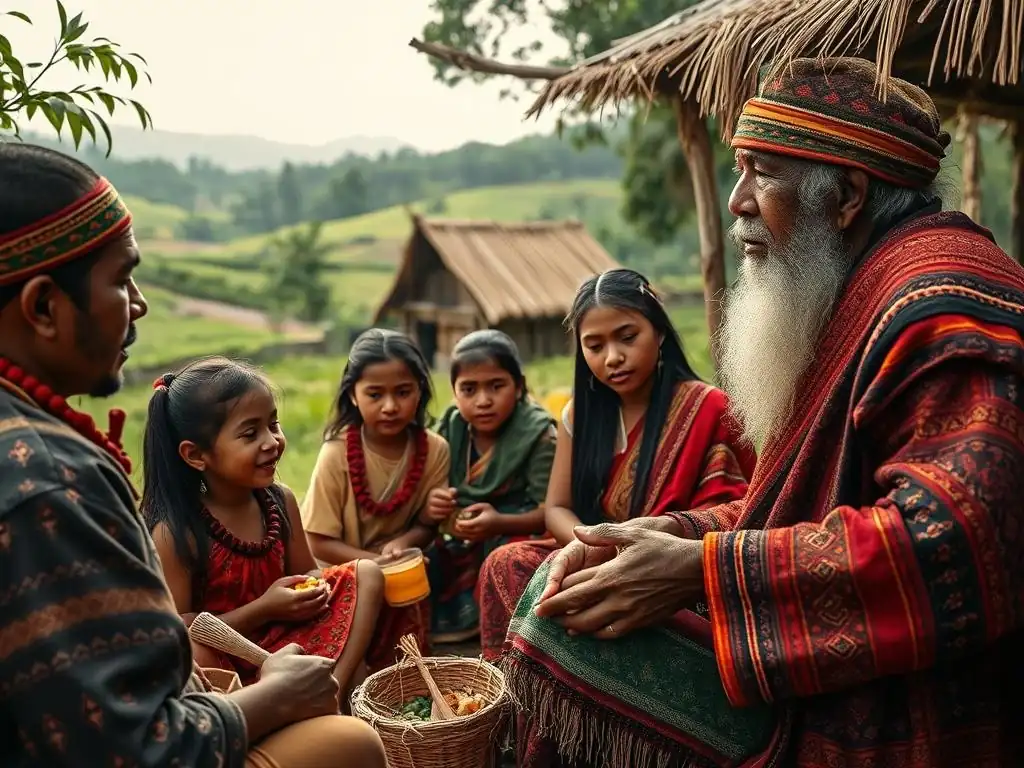
The narrative surrounding indigenous population recovery is often shrouded in myths that overlook the resilience and adaptive strategies of these communities. By examining specific case studies, we can gain valuable insights into effective recovery efforts and the challenges faced by indigenous populations.
The Navajo Nation, located in the southwestern United States, serves as a compelling example of indigenous population recovery. Following a significant decline in population due to forced removals, the Long Walk, and the impact of European diseases, the Navajo people faced dire circumstances in the late 19th century. However, a combination of strategic initiatives has led to a remarkable resurgence in their population.
- Population Statistics: In 1900, the Navajo population was estimated at around 22,000. By 2020, their numbers soared to approximately 400,000, showcasing a growth rate that is unprecedented among indigenous populations in North America.
- Key Recovery Strategies:
- Healthcare Initiatives: The establishment of health programs focused on maternal and child health has significantly improved birth rates and reduced infant mortality.
- Cultural Programs: Revitalization of the Navajo language and traditions has fostered a strong sense of identity and community cohesion.
- Economic Development: Investment in businesses, tourism, and renewable energy initiatives has provided economic stability, encouraging families to remain within the Navajo Nation.
These efforts illustrate how targeted strategies can lead to substantial population recovery and cultural revitalization among indigenous communities.
Case Study 2: The Maori of New Zealand and Cultural Revitalization
In New Zealand, the Maori people have demonstrated a dynamic approach to population recovery through cultural revitalization and political activism. After facing severe population declines due to colonization and disease, the Maori have made significant strides in reclaiming their identity and increasing their numbers.
- Population Statistics: In 1858, the Maori population was recorded at roughly 56,000. As of the last census, the Maori population has increased to over 850,000, representing approximately 17% of New Zealand's total population.
- Key Recovery Strategies:
- Language Revitalization: The establishment of Maori language immersion schools has been instrumental in teaching the next generation their native language, enhancing cultural pride and continuity.
- Political Representation: The formation of the Maori Party and dedicated seats in Parliament have empowered the Maori community, allowing for greater influence in policy-making that directly affects their lives.
- Cultural Festivals: Events such as the annual Te Matatini festival celebrate Maori performing arts, reinforcing cultural identity and community bonds.
The Maori experience underscores the importance of cultural pride and political agency in facilitating demographic recovery and community resilience.
Lessons Learned from Population Recovery Efforts
The case studies of the Navajo Nation and the Maori people provide critical insights into the dynamics of indigenous population recovery. Several key lessons can be drawn from their experiences:
- Cultural Revitalization is Essential: The revival of language, traditions, and cultural practices plays a significant role in strengthening community ties and enhancing identity.
- Healthcare Accessibility: Improving access to healthcare services is crucial for reducing mortality rates and supporting family growth.
- Economic Empowerment: Sustainable economic initiatives can provide the resources necessary for communities to thrive and encourage population stability.
- Political Advocacy: Representation in government and active participation in political processes empower indigenous populations to advocate for their rights and needs effectively.
These case studies challenge the myths surrounding indigenous population recovery by highlighting successful strategies and the resilience of these communities. By learning from these examples, other indigenous populations may find pathways to recovery that honor their unique cultures and histories.
Challenges Facing Indigenous Communities Today
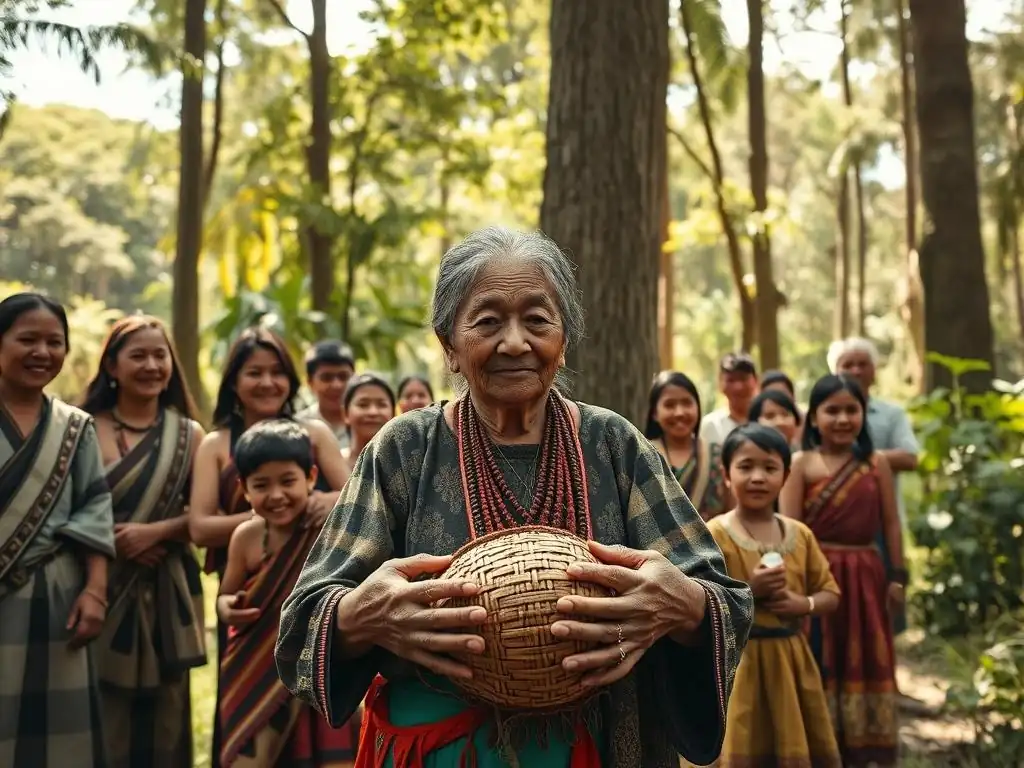
Indigenous communities across the Americas continue to face significant challenges in their quest for recovery and revitalization. These challenges are deeply intertwined with historical injustices stemming from colonization, leading to long-lasting effects that hinder the health and sustainability of indigenous populations. Understanding these challenges is crucial to addressing the myths surrounding indigenous population recovery.
Ongoing Effects of Colonization
The legacy of colonization has left profound scars on indigenous communities, affecting their demographics, cultures, and social structures. Key aspects of these ongoing effects include:
- Population Decline: The arrival of European colonizers led to drastic declines in indigenous populations due to violence, displacement, and diseases such as smallpox. This demographic shift has had lasting implications, as many communities still struggle to recover their pre-colonization population levels.
- Cultural Erosion: Colonization often involved the suppression of indigenous languages, traditions, and spiritual practices. As a result, many communities face challenges in cultural revitalization, which is essential for identity and community cohesion.
- Land Dispossession: The loss of ancestral lands has disrupted traditional lifestyles, leading to economic instability and a reliance on external systems that may not align with indigenous values. This dispossession also impacts community health, as access to land is vital for traditional food sources.
- Systemic Marginalization: Many indigenous groups experience systemic inequalities in healthcare, education, and political representation. These disparities can perpetuate cycles of poverty and hinder community development efforts.
Socioeconomic Factors Impeding Recovery
Several socioeconomic factors contribute to the difficulties faced by indigenous communities in achieving population recovery. These include:
- Limited Economic Opportunities: Many indigenous communities are located in remote areas with minimal access to jobs and economic development. This isolation can hinder participation in the broader economy and limit financial stability.
- Health Disparities: Indigenous populations often experience higher rates of chronic illnesses, mental health issues, and substance abuse, exacerbated by inadequate healthcare access. Poor health outcomes can reduce population growth and impede recovery efforts.
- Education Gaps: Educational attainment among indigenous peoples tends to lag behind national averages, which can limit economic opportunities and undermine community development. Addressing these gaps is crucial for empowering future generations.
- Infrastructural Deficiencies: Many indigenous communities lack essential infrastructure, such as clean water, electricity, and transportation. These deficiencies can create barriers to economic development and negatively impact quality of life.
Importance of Supportive Policies and Programs
To counteract the challenges faced by indigenous communities, supportive policies and programs are essential. These should focus on:
- Cultural Revitalization Initiatives: Programs aimed at preserving and promoting indigenous languages, arts, and traditions can foster a sense of identity and belonging, encouraging population recovery.
- Economic Development Strategies: Tailored economic initiatives that respect indigenous rights and promote sustainable practices can help create jobs and stimulate growth within communities. Examples include ecotourism, artisan markets, and community-owned enterprises.
- Healthcare Access Improvements: Ensuring equitable access to healthcare services is critical. Culturally competent care that respects indigenous practices can improve health outcomes and contribute to overall recovery.
- Education and Training Programs: Investing in education at all levels, including vocational training and adult education, can empower indigenous youth and adults alike, positioning them for success in a rapidly changing world.
- Advocacy and Policy Change: Indigenous communities must have a voice in the policies that affect them. Advocacy for legal recognition of land rights and self-determination can help secure the resources necessary for sustainable recovery.
Addressing the myths surrounding indigenous population recovery requires a comprehensive understanding of the challenges faced by these communities today. By acknowledging the ongoing effects of colonization, recognizing socioeconomic barriers, and advocating for supportive policies, we can work towards meaningful recovery and revitalization for indigenous populations across the Americas.
Conclusion: Debunking Myths and Recognizing Realities
Summary of Myths vs. Realities in Indigenous Population Recovery
The discourse surrounding indigenous population recovery is often clouded by myths that distort the realities of these communities' experiences and resilience. A prevalent myth is that indigenous populations have not recovered since the devastating impacts of European colonization. However, extensive research reveals a more nuanced reality: many indigenous communities have exhibited significant demographic recovery over the past decades.
- Myth: Indigenous populations have remained static since colonization.
- Reality: Contrary to this belief, many indigenous nations have experienced growth in their populations due to various factors, including cultural revitalization, increased birth rates, and a resurgence of identity. For example, the Pueblo peoples in the Southwestern United States have seen a resurgence in their communities, bolstered by cultural pride and community initiatives.
- Myth: Indigenous populations are homogenous and lack diversity.
- Reality: Indigenous communities are remarkably diverse, each with unique languages, traditions, and histories. For instance, the Maya civilization comprises various groups, each maintaining distinct cultural practices and languages, leading to important demographic variations and recovery trajectories.
- Myth: Indigenous recovery is solely dependent on external support.
- Reality: While external support can play a role, many indigenous communities have shown resilience and agency in their recovery efforts. Initiatives like land reclamation and cultural education programs have been spearheaded by indigenous leaders, emphasizing self-determination and community empowerment.
The realities of indigenous population recovery demonstrate a complex interplay of resilience, cultural revival, and community effort, dispelling the myths that often overshadow their achievements.
Call to Action for Support and Acknowledgment of Indigenous Resilience
Recognizing the realities of indigenous population recovery is crucial for fostering understanding and respect for these communities. Here are several ways to support and acknowledge their resilience:
- Educate Yourself and Others: Take the initiative to learn about the diverse histories and cultures of indigenous peoples. Sharing this knowledge can help combat misinformation and stereotypes.
- Support Indigenous Initiatives: Contribute to programs focused on indigenous education, cultural preservation, and community development. Your support can amplify their voices and efforts.
- Advocate for Policy Changes: Engage in advocacy for policies that recognize indigenous rights and sovereignty. Supporting legislation that promotes land rights and self-governance can empower these communities.
- Celebrate Indigenous Cultures: Attend cultural events and support indigenous artists and businesses. Acknowledging and celebrating their contributions enriches our collective cultural heritage.
By actively participating in these efforts, individuals can play a pivotal role in recognizing and honoring the resilience of indigenous communities, ensuring their stories and contributions are not forgotten but celebrated. Together, we can help dismantle the myths surrounding indigenous population recovery and foster a more accurate and respectful understanding of their enduring legacy.
Frequently Asked Questions
What are the main myths surrounding indigenous population recovery?
Many myths suggest that indigenous populations have fully recovered from the impacts of colonization. In reality, demographic recovery varies significantly across different communities, influenced by numerous factors.
How did colonization impact indigenous populations?
Colonization led to dramatic declines in indigenous populations due to disease, violence, and displacement. These factors severely disrupted traditional societies and their ability to sustain populations.
What evidence exists for population recovery among indigenous communities?
Some studies show that certain indigenous groups are experiencing population growth due to cultural revitalization and improved health services. However, this recovery is not uniform and often faces ongoing challenges.
Why is it important to address these myths?
Addressing these myths is crucial for understanding the current realities of indigenous communities. It helps inform policies and support systems that promote genuine recovery and cultural preservation.
How can we support indigenous population recovery?
Support can come in many forms, including advocating for land rights, promoting healthcare access, and fostering cultural education. Engaging with indigenous voices is essential for effective recovery strategies.
Final Reflection: Understanding the Truth Behind Indigenous Population Recovery Myths
In today's world, the narratives surrounding Indigenous population recovery are more relevant than ever. As we confront the legacies of colonization and systemic inequities, it becomes crucial to dismantle the myths that have long obscured the resilience and vitality of Indigenous communities. These myths not only misrepresent the realities of population recovery but also perpetuate harmful stereotypes that hinder progress. Recognizing the truth behind these narratives is essential for fostering genuine understanding and support for Indigenous rights and revitalization efforts.
The impact of these myths extends beyond mere statistics; they shape cultural perceptions and social policies that affect Indigenous lives. As we engage with the stories of resilience and recovery, we must acknowledge the ongoing struggles and triumphs of Indigenous peoples. The narratives we choose to embrace can either uplift or undermine these communities. The truth is that Indigenous peoples are not just surviving; they are thriving, reclaiming their identities, and revitalizing their cultures.
This quote encapsulates the essence of the ongoing journey toward recovery, highlighting the importance of recognizing and celebrating Indigenous resilience.
As we reflect on the insights presented in this article, I invite you to consider your role in this narrative. How can you contribute to dismantling the myths surrounding Indigenous population recovery? Whether through education, advocacy, or simply amplifying Indigenous voices, each of us has the power to make a difference. Let us commit to a future where the truths of Indigenous communities are honored, their stories are shared, and their recoveries are celebrated. Together, we can forge a path toward understanding, respect, and genuine reconciliation.
Embrace the Journey: Connect and Contribute Today!
Thank you for taking the time to explore the resilient spirit and vibrant stories of Indigenous communities in our article. Your interest reflects a commitment to understanding and uplifting these rich cultures. Now, it’s time to take meaningful action!
- Join a local Indigenous group or organization and volunteer your time or skills to support their initiatives.
- Share this article with friends and family to raise awareness and spark conversations about the recovery and resilience of Indigenous populations.
- Consider participating in Indigenous-led projects or attending online events that highlight their successes and ongoing challenges.
How can you personally uplift Indigenous narratives within your community? We invite you to share your thoughts below!